
首发经济

Search documents
大悦城涨2.04%,成交额1362.47万元,主力资金净流入235.06万元
Xin Lang Cai Jing· 2026-01-15 02:12
Core Viewpoint - Dalian City has shown a positive stock performance with a 6.38% increase year-to-date and a recent net inflow of funds, indicating potential investor confidence in the company [2][1]. Group 1: Stock Performance - As of January 15, Dalian City's stock price increased by 2.04%, reaching 3.00 CNY per share, with a trading volume of 13.62 million CNY and a market capitalization of 12.859 billion CNY [1]. - Year-to-date, the stock price has risen by 6.38%, with a 2.39% increase over the last five trading days and a 5.26% increase over the last 20 days, although it has decreased by 11.24% over the last 60 days [2]. Group 2: Financial Performance - For the period from January to September 2025, Dalian City reported a revenue of 20.648 billion CNY, reflecting a year-on-year growth of 0.83%, while the net profit attributable to shareholders was -533 million CNY, showing a year-on-year increase of 9.17% [2]. - The company has distributed a total of 2.054 billion CNY in dividends since its A-share listing, with no dividends paid in the last three years [3]. Group 3: Shareholder Information - As of September 30, 2025, the number of shareholders for Dalian City was 89,700, a decrease of 7.16% from the previous period, with an average of 47,810 circulating shares per shareholder, an increase of 15.33% [2]. - Among the top ten circulating shareholders, Hong Kong Central Clearing Limited holds 53.1914 million shares, an increase of 28.5941 million shares from the previous period, while ICBC Value Selection Mixed A and Southern CSI Real Estate ETF have also shown notable changes in their holdings [3].

贵阳市获批国家“三新”消费试点城市
Xin Lang Cai Jing· 2026-01-14 22:46
Group 1 - The core viewpoint of the article highlights that Guiyang has been selected as a pilot city for new consumption formats, models, and scenarios, aiming to innovate and promote diverse consumption experiences by 2026 [1] - Guiyang will focus on three main pilot directions: innovative multi-dimensional consumption scenarios, establishing a comprehensive first-release economic service system, and promoting cross-industry collaborations with IP brands [1][2] - The initiative aims to create a replicable "Guiyang experience" that can be promoted in other regions, enhancing the local economy and consumer engagement [1] Group 2 - The strategy includes cultivating nine types of multi-dimensional consumption scenarios such as street markets, food, nightlife, performances, sports events, mountain activities, water-related experiences, rural tourism, and digital consumption [1] - Guiyang plans to establish a robust first-release economic service system by leveraging local cultural products and integrating industry chains to create new consumer brands that reflect regional characteristics [2] - The city will also focus on fostering collaborations between quality consumer resources and well-known IP brands, aiming to create impactful cross-industry brand incubators and innovation centers [2]
“老空间+文化IP”化身特色消费新空间 多元场景晋升新“顶流”激活经济热引擎
Yang Shi Wang· 2026-01-14 04:38
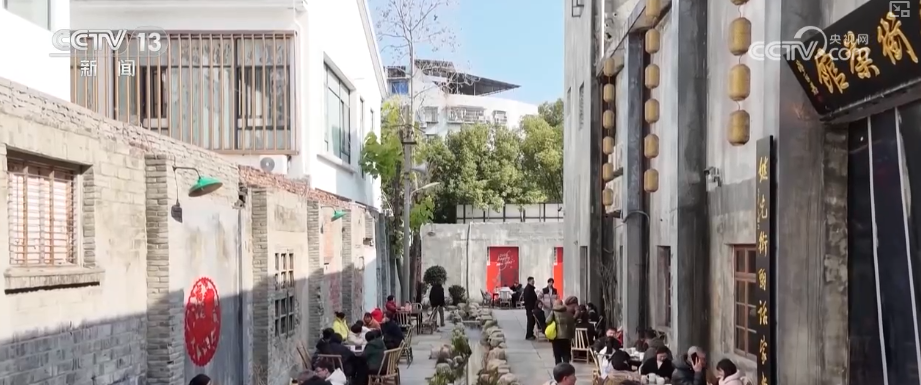
央视网消息:近年来,浙江省聚焦打造消费热点、提升消费品质,通过改造老旧建筑、盘活存量资源,打造独具特色的消费新空间。如今,一 批由老建筑活化而成的特色消费场景正吸引着市民游客纷至沓来。 竹编椅、盖碗茶、地道小吃……这个冬天,浙江丽水莲都区继光街的一栋老建筑里热闹非凡。试营业仅十余天的"继光街茶馆",迅速成为本地 热门地标,日均接待顾客约5000人次。 这栋老建筑曾先后作为军分区会堂、录像厅、寻呼台总部使用,封存着几代人的城市记忆。如今,老街坊在此闲话家常,年轻人前来打卡拍 照,外地游客也纷纷慕名而至。 为精准还原上世纪丽水本土茶馆风貌,经营团队耗时4个多月,修改了20余版设计稿,并走访全市9个县市区,引入眉毛酥、豆腐丸等传统小 吃。同时,"8元一杯本地好茶"的实惠定价,也增强了对消费者的吸引力。 商圈打出"文化牌"逛起来更有滋味 丽水市莲都区商务局党组书记汤伟波表示,下一步,更多地把商业消费跟文化旅游、体育赛事、展会这些活动结合在一起,打造更多的消费场 景和消费新业态。 目前,浙江省已累计打造全国示范步行街商圈4个、省级高品质步行街37条、特色商业街24条,带动相关社会投资超60亿元。2026年元旦假 期,省 ...

扩大内需 统一大市场建设 优化营商环境多地敲定今年发展改革工作重点
Xin Lang Cai Jing· 2026-01-12 21:04
Group 1 - The core focus of recent development and reform meetings across various provinces in China is to expand effective demand, build a unified national market, and optimize the business environment [1][2] - Local governments are prioritizing the expansion of domestic demand, with Fujian province emphasizing the implementation of strategies to boost consumption and investment in key projects [1][2] - Investment strategies are shifting from a focus on physical assets to a balanced approach that includes human capital, with an emphasis on improving investment efficiency [1][2] Group 2 - The restructuring of local investment logic is moving towards a dual focus on both physical and human capital, which is expected to support stable growth in domestic demand, investment, and consumption [2] - The introduction of policies to stimulate consumption, such as the "old-for-new" program, is a key task for 2026, with various provinces outlining specific measures to enhance service consumption [2] - Deep reforms are being planned alongside the expansion of domestic demand, with a focus on advancing the construction of a unified national market and optimizing the business environment [2][3] Group 3 - Challenges remain in the construction of a unified national market, including local protectionism and market segmentation, which hinder progress [3] - Provinces like Shandong and Fujian are taking steps to improve their integration into the national market by standardizing investment attraction practices and addressing issues in the bidding process [3] - There is a need for fiscal and tax reforms to reshape local government incentives and reduce inappropriate market interventions, which are currently obstructing the development of a unified national market [3]
全面打造“公园城市、安逸家园”
Xin Lang Cai Jing· 2026-01-12 18:00
Core Viewpoint - Sichuan Province has released an implementation opinion aimed at promoting high-quality urban development, focusing on building modern cities characterized by innovation, livability, beauty, resilience, civilization, and intelligence, with a target to achieve significant progress by 2030 and establish a modern urban framework by 2035 [1][2]. Group 1: Urban Development Strategy - The opinion outlines a comprehensive urban spatial layout, emphasizing the development of the Chengdu-Chongqing urban axis and other key urban development belts, while adhering to principles like "one city, one policy" [2]. - Support for Chengdu includes establishing it as a model park city and enhancing its core functions, while also promoting the integration of the Chengdu metropolitan area [2][3]. - Regional cities like Mianyang and Yibin are encouraged to attract major productivity layouts, enhancing their economic growth potential [2]. Group 2: Technological Innovation and Industry Integration - The opinion emphasizes the importance of technological innovation and industry-city integration, proposing the establishment of key innovation zones and collaborative innovation frameworks [3]. - It advocates for the application of advanced technologies such as AI and clean energy in urban development, fostering new economic models and consumption scenarios [3]. Group 3: Quality of Life and Infrastructure - The opinion addresses housing security by promoting a new real estate development model and a tiered housing supply system [4]. - It outlines plans for enhancing public services, including education and healthcare, and improving community infrastructure [4][5]. - The focus on green transformation includes initiatives for pollution reduction, green building development, and waste classification [5]. Group 4: Safety and Governance - The opinion stresses the establishment of safety management systems for buildings and infrastructure, alongside measures to enhance urban resilience against extreme weather [5]. - It proposes the creation of a unified digital urban governance framework to improve service delivery and operational efficiency [5].
首店经济“首”发力
Xin Lang Cai Jing· 2026-01-11 21:21
Core Insights - The Peace District is actively promoting the "first store economy" as a strategy for high-quality development, with a focus on attracting flagship and concept stores to reshape the consumer landscape [1][2][5] Group 1: Economic Development - In 2024, the Peace District plans to introduce 82 various first stores, flagship stores, and concept stores, with notable brands like UH Youhe and B&C set to open in 2025 [1] - The district has implemented a "2.0 version" of its first store support policy, which was developed through consultations with over 30 businesses and 20 local departments to create a more effective support system [2] Group 2: Government Support - The Peace District's government has established a proactive service model that includes dedicated personnel for businesses, ensuring smooth communication and support throughout the project lifecycle [2][3] - Innovative government services, such as the "Peace First Store" column, aim to enhance visibility for new stores and facilitate customer engagement, transitioning from basic support to active empowerment [4] Group 3: Business Performance - The "Supply and Marketing Forward Milk Bread" first store achieved sales exceeding 5.5 million yuan within its first year, demonstrating the potential for sustained business success beyond initial popularity [5] - The ONE MOMENT first store in Peace Grand Joy City generated over 1 million yuan in sales within its first three days, indicating strong consumer interest and engagement [6] Group 4: Long-term Strategy - The Peace District aims to create a virtuous cycle of "introduction—growth—radiation" for first stores, focusing on optimizing the types of stores introduced and integrating them with urban renewal and cultural tourism [6]
六合区:重大项目投资完成率全市第一
Xin Hua Ri Bao· 2026-01-11 20:42
Economic Growth Projections - The district expects a GDP growth of around 6% by 2025, with public budget revenue increasing by 2.3% and industrial output value growing by approximately 10.2% [1] - The district's GDP growth rate has been among the top in the city for seven consecutive quarters, with a growth of 6.1% in the first three quarters of 2025, ranking first in the city [1] Investment and Project Development - The district has developed 11 investment attraction maps, including three characteristic industrial chains and two industrial clusters [1] - Approximately 150 projects have been signed and implemented, with total investments including 4 billion yuan for a battery manufacturing base and 2 billion yuan for a power project [1] - Major projects in the province, city, and district are expected to complete 120%, 155.6%, and 112.3% of their annual investment plans, respectively, with the city's major project investment completion rate being the highest in the city [1] Consumer and Tourism Development - The district aims to accelerate the cultivation of emerging economies, including the first-release economy and holiday economy, with plans to add 30 new regional flagship stores and 100 consumer scenarios [2] - The district will host around 100 themed events, including a special session of the Nanjing International Consumption Festival [2] - The district anticipates a 15% increase in annual tourist reception and total tourism revenue through the integration of agriculture, culture, tourism, and commerce [2] Administrative Efficiency and Financial Support - The district has conducted an action to identify and resolve 479 issues, with over 100,000 cases processed under the "efficiently complete one task" initiative [2] - A total of 2.85 billion yuan in combined tax and fee support has been provided, along with 350 million yuan in financing through intellectual property pledges [2]
场景焕新、业态融合、服务升级 北京商业多维激活消费新动能
Bei Jing Shang Bao· 2026-01-11 12:12
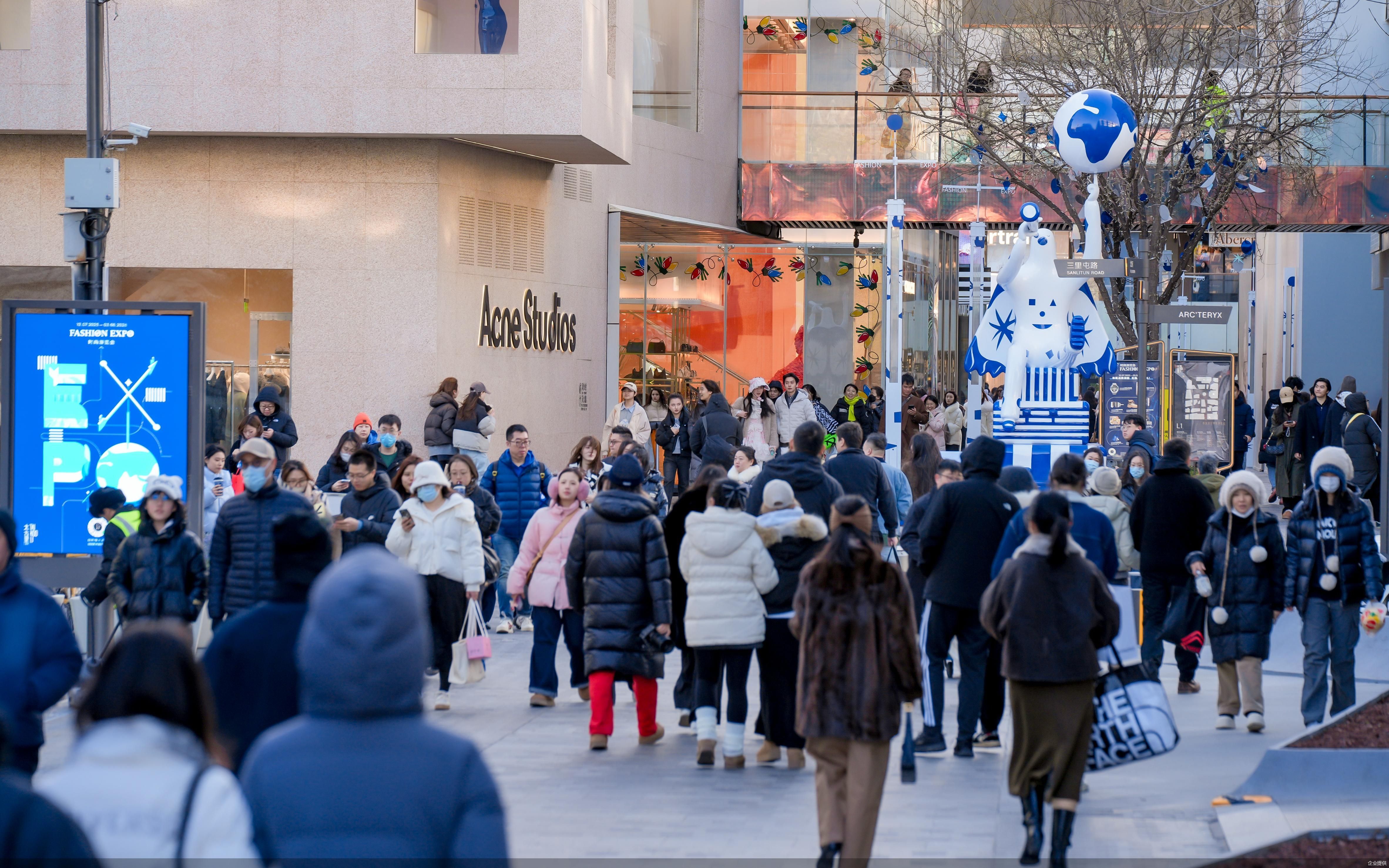
Core Insights - The national business work conference emphasized accelerating the cultivation of new growth points in service consumption and releasing the potential of service consumption [9] - Beijing has made significant progress in innovating and upgrading physical commerce, aiming to expand and upgrade commodity consumption and create an international consumption environment [1] Group 1: Commercial Supply Expansion - In the past year, Beijing's physical commerce has achieved breakthroughs in commercial supply, spatial layout, and experiential innovation, injecting strong vitality into the consumption market [4] - Over 960 new stores were added in Beijing from January to November 2025, with over 5,000 new stores established since 2019, including 12 global launch centers [4] - The city is focusing on transforming commercial spaces from "single function" to "multi-experience" through quality enhancement policies and creating a fusion matrix of various themes [5][6] Group 2: Restaurant Service Innovation - The restaurant sector has become a key driver of domestic demand, with a significant increase in customer traffic and sales during the 2026 New Year holiday [7] - Data shows that 58.1% of surveyed restaurants reported stable or increased customer flow, while 69.6% saw stable or increased takeaway orders [7] - The Beijing government is promoting high-quality development in the restaurant industry through various initiatives, including the establishment of characteristic dining streets and support for brand stores [8] Group 3: Future Outlook - Beijing's commercial strategy will focus on "scene renewal, business integration, and service upgrades," with plans to enhance the first-release economy and support the establishment of first-store gathering centers [13] - The city aims to create a more international consumption environment by improving high-quality supply, supporting international consumption clusters, and enhancing foreign payment services [13]
当红艺人三个月内两度在普陀参加活动,上海环球港开年商业活力拉满
Sou Hu Cai Jing· 2026-01-11 09:08
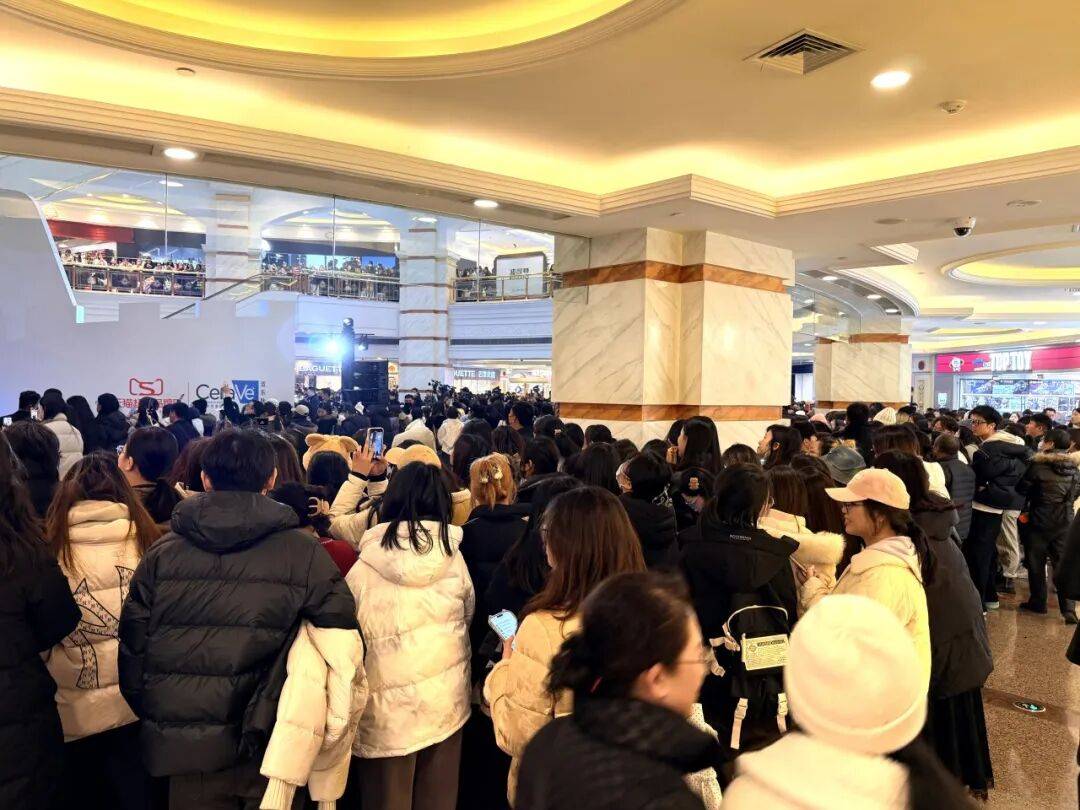
Core Insights - The current economic landscape highlights the importance of first launches in stimulating consumer spending, particularly in the collectible toy sector, which is identified as a trillion-yuan consumption hotspot by 2026 [1][3] - Shanghai Global Harbor has become a focal point for consumer activity, evidenced by the opening of flagship stores and large-scale events that attract significant foot traffic and brand participation [1][3] Group 1 - The opening of the Super Anta flagship store, covering over 1,000 square meters across two levels, generated considerable public interest during the recent New Year holiday [3] - The collaboration between Morning Glory and Moonstar Group was officially announced on January 3, coinciding with the launch of a large-scale collectible toy festival at Shanghai Global Harbor [7] - The flagship store of Jiuwu Miscellaneous Society was also inaugurated, featuring a "future snow house" theme that attracted many young consumers and families [9][10] Group 2 - Shanghai Global Harbor is leveraging its unique space and high foot traffic to attract brands, enhancing its appeal through innovative marketing strategies and visual resources [5][13] - The venue aims to create a multi-functional environment that integrates culture, tourism, entertainment, sports, exhibitions, education, and shopping, thereby continuously invigorating the Shanghai consumer market [13]
【2025云南经济观察】消费扩容提质 “主引擎”韧性凸显
Xin Lang Cai Jing· 2026-01-10 00:55
Core Insights - Consumption is viewed as a stabilizing force for the economy, with policies aimed at expanding domestic demand and promoting consumption set to drive a vibrant market in 2025 [1] Group 1: Consumption Growth - From January to November 2025, the total retail sales of consumer goods in the province reached 11,646.20 billion, marking a year-on-year growth of 3.0% [2] - Urban and rural consumption both showed growth, with rural areas growing faster than urban areas; urban retail sales reached 9,635.45 billion (up 2.9%), while rural retail sales reached 2,010.75 billion (up 3.7%) [2] - The "old for new" consumption policy has been effective, with significant growth in retail sales of communication equipment (up 50.8%), wearable devices (up 53.3%), computers and accessories (up 61.2%), and home appliances (up 33.9%) [2] Group 2: Service Consumption and Digital Economy - The province is focusing on developing service consumption to expand domestic demand and promote high-quality economic growth [4] - The internet and related services have shown strong growth, with revenue from these sectors increasing by 38.8% from January to November 2025, leading among ten key industries [4] - The software and information technology services sector also maintained double-digit growth, with a revenue increase of 15.3% from January to October 2025 [4] Group 3: Emerging Consumption Trends - The city of Kunming is becoming a key destination for new restaurant brands, indicating a rise in the "first launch economy" [5] - The concept of "emotional value" is emerging as a key consumption driver among the younger generation, leading to a transformation in consumer behavior focused on emotional resonance and interest satisfaction [5] - New themed spaces and events targeting the younger demographic are being developed, such as the first two-dimensional theme street in Yunnan, enhancing social engagement and consumption growth [5] Group 4: Cultural and Tourism Integration - The integration of culture and tourism is providing more convenience for one-stop travel experiences, with initiatives like non-heritage shopping months and cultural performances being introduced [6] - During the New Year period, there was a 29% year-on-year increase in tourism bookings in Kunming, with hotel and homestay bookings rising by 27% and luxury hotel orders increasing by 118% [7] - The continuous release of consumption potential highlights the resilience of the market and underscores the critical role of consumption as a key driver of economic growth [7]