即时零售

Search documents
外卖平台破内卷言自律即时零售赛道将迎持久战
Zheng Quan Shi Bao· 2025-08-01 17:16
Core Viewpoint - Major platforms such as Meituan, Taobao, Ele.me, and JD have collectively announced their commitment to resist malicious competition and promote fair industry practices, following regulatory discussions with the State Administration for Market Regulation [1][2] Group 1: Industry Competition and Regulation - The recent regulatory talks have temporarily paused the "takeout war," but competition in the instant retail sector continues, with platforms focusing on cultivating consumer habits and expanding into the trillion-yuan non-food instant retail market [1][2] - The platforms' statements emphasize the need to standardize subsidy practices, oppose internal competition, and enhance service quality, aligning with previous regulatory requirements [1][2] Group 2: Market Potential and Consumer Behavior - The instant retail market in China is projected to exceed 2 trillion yuan by 2030, with the competition initially centered around food delivery but aiming to expand into various non-food categories [2][3] - The new generation of consumers, particularly the "Z generation," demands immediate satisfaction, which is driving the growth of instant retail as they prefer quick delivery over traditional logistics [3] Group 3: Strategic Differentiation Among Major Players - Alibaba, Meituan, and JD are adopting differentiated strategies based on their strengths, with Alibaba leveraging its vast product resources and user base, JD focusing on supply chain advantages, and Meituan extending its food delivery expertise to all categories of instant retail [3][4] - Brands are increasingly building their own membership systems and private channels to reduce reliance on platforms, while collaborating with third-party delivery services to create a self-sustaining service ecosystem [4][5] Group 4: Role of Third-Party Delivery Services - Third-party delivery services are expected to gain traction as brands seek to integrate cross-platform traffic and manage rising delivery costs from major platforms, highlighting the value of these services in the evolving market landscape [5]


即时零售 寻求颠覆与重构的破立平衡
Zheng Quan Ri Bao· 2025-08-01 15:43
Core Viewpoint - The Chinese government emphasizes the need to effectively unleash domestic demand and implement actions to boost consumption, with a focus on the growth of instant retail as a new business model that integrates online and offline services [1] Group 1: Market Potential and Challenges - The instant retail market in China is expected to exceed 2 trillion yuan by 2030, indicating significant growth potential [1] - However, the industry faces challenges due to "involutionary" low-price subsidy strategies that threaten the health of the retail ecosystem and the survival of offline businesses [1][2] - Many merchants report that low-price strategies lead to high sales but significantly reduce profit margins due to operational costs [2] Group 2: Regulatory and Industry Responses - The China Chain Store & Franchise Association has called for the regulation of low-price subsidy competition to maintain market order and protect consumer rights [2][3] - The National Market Supervision Administration has urged major platforms to adhere to laws and regulations, promoting a healthy ecosystem for all stakeholders involved [3] - Major platforms like Meituan, Taobao, Ele.me, and JD have publicly advocated for resisting disorderly competition [3] Group 3: Balancing Pricing and Value - The current pricing strategies are altering the price system, making it difficult for businesses to enhance quality and innovate [4] - The industry is encouraged to shift from scale competition to value creation, focusing on sustainable business practices [6][8] - A balanced approach to pricing and flow is essential for controlling costs and maintaining customer loyalty [5] Group 4: Technological and Operational Innovations - The industry is exploring technological empowerment of supply chains, optimizing user experiences, and creating win-win models for sustainable development [1][7] - There is a strong emphasis on improving logistics efficiency and service quality through better warehouse management and customer service systems [6][7] - The integration of consumer behavior data analysis is seen as a way to enhance demand forecasting and supply chain optimization [7] Group 5: Future Directions - The industry is urged to establish a "triangular support system" that includes cold chain storage and cloud warehouses to improve logistics efficiency [7] - Platforms are encouraged to focus on quality enhancement rather than engaging in price wars, which can harm long-term sustainability [8] - The goal is to transform delivery services from a burden into a growth driver for businesses, allowing them to focus on product quality and customer service [9]
美团、饿了么、京东集体发声 业内称外卖行业竞争将回归理性
Zheng Quan Shi Bao Wang· 2025-08-01 13:46
近期,外卖平台的补贴大战持续引发市场关注。继 7 月 18 日被市场监管总局约谈后,三大平台于今日 集体表态,承诺开展良性竞争。 8月1日上午,美团、饿了么、京东等先后在官方渠道发布声明,承诺将"规范促销",同时提出多项限制 补贴行为的举措,包括规范促销行为、合理规划发放补贴、不做非理性促销活动、不以显著低于成本的 价格销售商品和服务等。 消息公布后,美团与阿里巴巴股价盘中均涨超 3%,京东集团股价盘中涨近 2%。不过,截至港股当日 收盘,三家公司股价均有所回落。 从行业趋势来看,曹磊认为,未来即时零售市场向三个方向发展:一是技术驱动替代资本消耗,平台将 加大AI算法、智能调度等技术投入,提升履约效率;二是供应链能力成为核心竞争力,平台将通过数 据共享、资源协同等方式,优化供应链管理;三是监管框架下的行业进化,平台将在保障消费者权益、 提升商家利润、完善骑手福利等方面寻求平衡。 具体来看,8月1日,美团官微发布《繁荣行业生态 抵制无序竞争》的声明称,外卖平台补贴近日引发 社会高度关注,美团对此高度重视,将坚决规范促销行为,杜绝不正当竞争行为,推动建立公平有序行 业秩序,促进各方互利共赢。美团承诺从自身做起,并 ...
阿里前董事会主席张勇履新港交所;物美公布最一批“胖改”店名单
Sou Hu Cai Jing· 2025-08-01 12:25
Group 1 - Alibaba's former chairman Zhang Yong has been appointed as a new member of the Hong Kong Stock Exchange's China Business Advisory Committee, increasing the committee's membership to nine [6] - The committee was established in 2021 and is chaired by Zhang Jianchen, the non-executive director of the Hong Kong Stock Exchange [6][7] Group 2 - Wumart has announced the latest batch of "Fat Transformation" stores, involving seven locations across Beijing, East China, and Tianjin, set to open between August 8 and September 12 [8] - The transformation will focus on multiple dimensions including product offerings, pricing, and store environment, aiming to align closely with the Fat Donglai concept [8] Group 3 - Starbucks is reportedly screening investors for its China business, with Tencent and JD.com among the twelve companies advancing to the second round [10] - The collaboration aims to enhance brand development rather than merely seeking financing, with a target to increase store count from 7,800 to 20,000 [10] Group 4 - Meituan is preparing a new instant retail project called "Campus Mini Warehouse," targeting university campuses with small warehouses for high-frequency items [11] - The project will adopt a platform model, recruiting partners for warehouse and delivery services, prioritizing those with campus experience [11] Group 5 - The Green Tea Group expects a profit of approximately 230 million to 237 million yuan for the first half of 2025, a year-on-year increase of about 32% to 36% [22] - Adjusted net profit is anticipated to be around 247 million to 254 million yuan, reflecting a growth of 38% to 42% compared to the previous year [22] Group 6 - Unilever reported a 3.8% increase in underlying sales growth for Q2, exceeding expectations, with a slight decline in sales in the Chinese market [25] - The company is undergoing multiple transformations, including the planned spin-off of its ice cream business in November [25] Group 7 - Apple reported a net profit of $23.43 billion for Q3 2025, a 9% year-on-year increase, with revenue reaching $94.04 billion, up 9.6% [27] - iPhone revenue grew by 13% to $44.58 billion, and service revenue also increased by 13% to $27.42 billion, both exceeding market expectations [27]

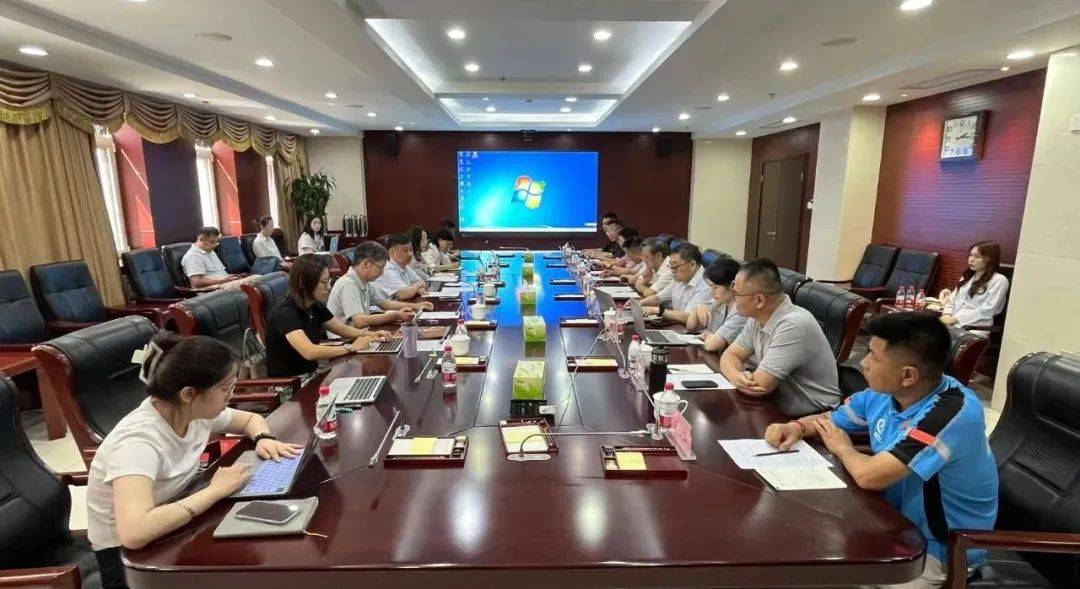
食品饮料行业深度:新消费研究之三:即时零售应需而生,酒类品牌或迎新机遇
Guoxin Securities· 2025-08-01 10:51
Investment Rating - The investment rating for the food and beverage industry, specifically for alcoholic beverages, is "Outperform the Market" [1]. Core Insights - The alcoholic beverage instant retail sector is entering a rapid development phase, with significant room for channel penetration. Instant retail is defined as a "supply revolution" and "efficiency revolution" driven by consumer lifestyles. Major platforms are increasing capital investment, suggesting a new development stage for local living, with instant retail platforms likely transitioning from "selling products" to "selling scenarios" [3][11]. - The market size for alcoholic beverage instant retail is projected to reach 36 billion yuan in 2024, with a penetration rate of approximately 1.8%. By 2030, the market could expand to between 60 billion and 90 billion yuan, driven by both supply and demand [3][17]. - The current instant retail channels are categorized into two models: platform models that integrate resources and self-operated models that maintain strong supply chain control [3][19]. - Alcoholic beverage companies are actively embracing channel transformation, with a focus on instant retail and online channels. This shift is seen as a crucial attempt for brands to integrate into consumers' lifestyles [3][4]. Summary by Sections 1. Development of Alcoholic Beverage Instant Retail - Instant retail is creating "all-weather scenarios" for consumers, accelerating supply-side development [7][11]. - The demand for alcoholic beverages in instant retail is increasing, particularly during nighttime hours, with younger consumers driving this trend [11][12]. 2. Necessity of Channel Transformation - The transformation of alcoholic beverage channels is deemed inevitable due to changing consumer lifestyles and the need for supply chain efficiency [3][31]. - The competition landscape for white and beer products is stabilizing, with consumers forming brand loyalty [3][4]. 3. Potential Opportunities and Highlights - Instant retail channels provide a testing ground for younger products, allowing companies to innovate with lower costs and better data feedback for product development [5][27]. - The shift towards high-end products in the beer sector is facilitated by instant retail, which allows for rapid turnover and the introduction of craft and fresh beer products [5][41]. 4. Accelerated Layout of Instant Retail Channels - Alcoholic beverage companies are increasingly investing in instant retail channels, viewing them as essential for integrating into consumer lifestyles [3][4]. - Companies like Moutai and others are actively recruiting operators on platforms like Meituan and Douyin to expand their consumer base [3][4]. 5. Profit Forecast and Investment Recommendations - Short-term impacts of instant retail on the competitive landscape of white and beer products may be limited, but long-term opportunities exist for companies that adapt to channel changes [4][5]. - Recommended stocks include Shanxi Fenjiu, Luzhou Laojiao, Guizhou Moutai, Yanjing Beer, and Chongqing Beer [4].



00后开闪购店,三年翻身当老板
创业邦· 2025-08-01 10:20
Core Insights - The article discusses the rapid growth and opportunities in the instant retail sector, particularly in online supermarkets, driven by changing consumer habits and the competitive landscape of delivery services [4][8][25]. Group 1: Market Dynamics - The instant retail market has seen a geometric expansion, with transaction volumes increasing nearly tenfold from 2018 to 2023, and is projected to reach a market size of 2 trillion by 2030 [8]. - The competition among platforms like Meituan, JD, and Taobao has intensified, with significant investments in infrastructure and service capabilities to capture market share [19]. - The article highlights the shift in consumer behavior towards convenience, with many opting for online purchases of various products beyond food, indicating a broader market potential for instant retail [10][18]. Group 2: Business Models and Strategies - Entrepreneurs in the instant retail space are leveraging low overhead costs and the absence of physical storefronts to maximize profits, with some reporting monthly profits of 20,000 to 30,000 [16][24]. - Successful operators are focusing on a diverse product range, with a significant portion of their inventory consisting of hard-to-find items that cater to immediate consumer needs [13][22]. - The article emphasizes the importance of effective supply chain management and marketing strategies, as operators face challenges from increasing competition and market saturation [24][29]. Group 3: Challenges and Risks - Despite the booming market, new entrants face high invisible barriers, including the need for strategic location selection and efficient logistics to meet delivery time requirements [20][21]. - The competitive landscape is becoming increasingly crowded, with many small operators struggling to maintain profitability against larger, established brands [29]. - The article warns that while the market is currently lucrative, the ease of entry may lead to oversaturation, making it difficult for smaller players to survive in the long term [29][30].

顺丰同城:外卖大战“剑指”万亿即时零售市场 第三方即配的稀缺性将更加凸显
Zheng Quan Shi Bao Wang· 2025-08-01 08:13
Group 1 - The core viewpoint of the articles highlights the transition from a fierce competition in food delivery subsidies to a more sustainable competition in instant retail, indicating that while the food delivery battle has slowed down, the race for instant retail continues unabated [1][4] - The peak daily order volume for food delivery platforms has reached 250 million, positioning it as a significant growth engine in the retail market, closely following traditional e-commerce delivery volumes [1] - The competition in instant retail is characterized by a focus on beverage categories, as they can drive significant traffic without time or frequency constraints, aiming to cultivate instant consumption habits and expand into a broader market [2][5] Group 2 - The logistics of the "last mile" delivery is crucial in the instant retail sector, with third-party delivery services expected to gain growth opportunities due to the increasing complexity of fulfillment and the need for neutral positioning [1][3] - The instant retail market is projected to exceed 2 trillion yuan by 2030, with the potential for instant delivery volumes to match those of traditional e-commerce [4][5] - The penetration rate of instant retail platforms among online shoppers is expected to rise from 49% in 2023 to 59% in 2024, indicating a growing consumer base and loyalty, with loyal users increasing from 24% to 46% in the same period [4][5] Group 3 - The trend of brands building their own membership systems and private channels is emerging, allowing them to reduce dependency on platforms and create a closed-loop service with third-party delivery services [5] - Third-party delivery is becoming a standard for brands, as it allows them to maintain pricing power and flexibility in logistics, positioning platforms primarily as channels for customer acquisition [5] - The industry is moving towards a multi-faceted ecosystem where third-party delivery complements self-operated delivery, with the aim of achieving a scale comparable to traditional e-commerce delivery [5]
即时零售从渠道革命到生态重构 餐饮业进入提质增效攻坚期
Bei Jing Shang Bao· 2025-08-01 06:25
Group 1 - The core discussion at the recent seminar focused on innovative models and strategies to stimulate consumption in the restaurant and service industries, emphasizing the integration of digital economy with these sectors [1] - Instant retail is identified as a new engine for consumption growth, driven by the ability to capture and meet the 'immediate use' demand, which significantly enhances the restaurant industry's operational efficiency [1] - The application of digital tools such as artificial intelligence and the Internet of Things is reshaping the restaurant ecosystem, enabling businesses to overcome physical limitations and improve profit margins through online and offline channel integration [1] Group 2 - The restaurant brand Hu Da has implemented a strategy to alleviate dining pressure by establishing independent delivery outlets, which allows for increased order volume without expanding physical space [2] - The growth in online orders for Hu Da is partially attributed to platform subsidies, which have strengthened consumer willingness to spend, thus benefiting the company's growth [2] - Hu Da plans to open three to four quality delivery restaurants within a 50-kilometer radius in a core business district in Beijing, aiming to build a robust enterprise ecosystem [2]
发展即时经济激发消费潜能,多方共议餐饮与服务消费新趋势
Sou Hu Cai Jing· 2025-08-01 04:37
Core Insights - Instant retail is rapidly growing due to the development of internet technology and diverse consumer demands, transforming e-commerce platforms from "food delivery" to "delivery of everything" [2][3] - The rise of instant retail is reshaping consumer shopping experiences and is seen as a new engine for driving domestic demand [3][4] - The industry is witnessing a significant shift towards digital platforms and efficient logistics systems, enabling quick delivery of goods and services [3][4] Industry Trends - Instant retail is characterized by a model of "online ordering + local supply + instant delivery," which enhances consumer convenience and timeliness [2][3] - E-commerce platforms are evolving into "large consumption platforms" that integrate new service characteristics, particularly in the food and service sectors [2][3] - The market for instant retail is expanding, with significant growth in non-food categories, such as household cleaning and leisure products, showing over 100% increase in order volume [6] Consumer Behavior - There is a notable shift in consumer preferences towards healthier and higher-quality food options, prompting the food service industry to adapt [4] - The demand for instant retail is being driven by a well-educated consumer base that values convenience, diversity, and experience in their shopping [7] - The increasing willingness of urban residents to spend on service consumption indicates a strong potential for growth in this sector [3][4] Market Dynamics - The competition in the instant retail market is intensifying, with new entrants helping to stabilize prices and enhance service offerings [8] - The integration of digital tools and technologies is crucial for food service businesses to overcome traditional limitations and improve profitability [4][5] - The ongoing "delivery wars" among platforms reflect the rapid evolution of the instant economy, driven by technological advancements and changing consumer needs [5][6]
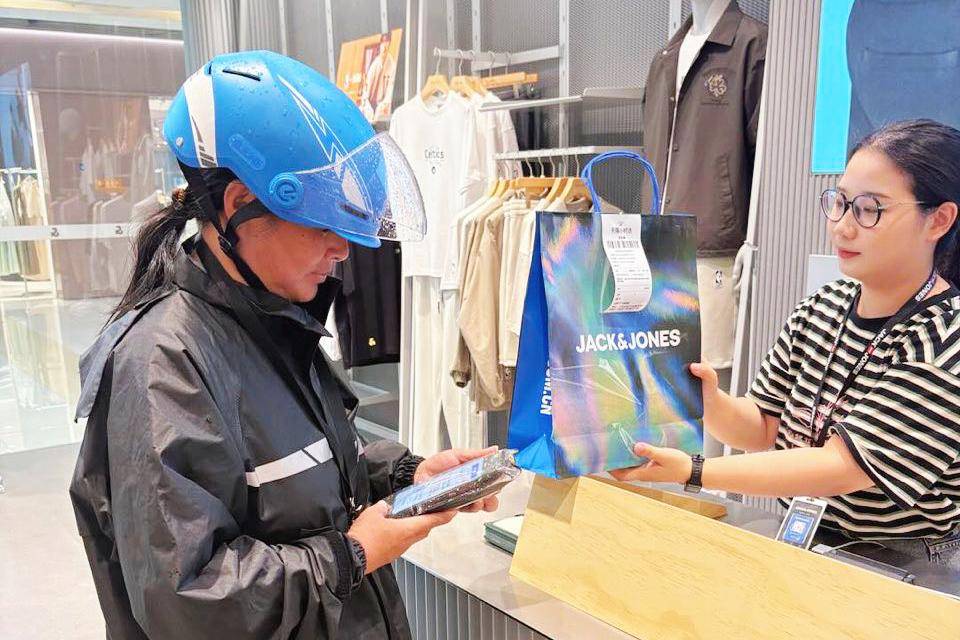
绫致电商负责人:淘宝闪购增长超预期 成为品牌生意增量
Sou Hu Cai Jing· 2025-08-01 03:51
Core Insights - Taobao Flash Sale is experiencing a surge in new brand registrations, with a 110% month-on-month increase in July compared to June, adding over 12,000 new non-food brand stores [1][7] - The platform is enhancing consumer shopping experiences by allowing users to purchase clothing as easily as ordering takeout, with significant growth in orders for brands like JACK & JONES, ONLY, and VERO MODA [1][3] Brand Performance - The entry of brands like MO&Co, Semir, and Qipilang into Taobao Flash Sale is contributing to a rapid increase in sales, with some brands reporting order volume growth exceeding 300% since their launch [1][3] - The best-selling items include T-shirts for men and dresses for women, with jeans being the top-selling item overall, selling over 10,000 units [4] Consumer Behavior - A significant portion of orders (approximately 30%) is driven by urgent needs, such as business trips or unexpected events, highlighting the demand for quick delivery services [3] - The platform has adapted to consumer needs by adjusting store locations to include more business districts, resulting in a notable increase in order volume in urban areas like Beijing and Shenzhen [4][5] Operational Efficiency - The integration of Taobao Flash Sale into brand order systems has improved operational efficiency, with a lower return rate compared to other online channels [5] - The platform is fostering a new retail ecosystem by attracting a diverse range of brands, which is expected to enhance overall sales and profitability for participating merchants [11]