即时零售

Search documents
“便捷经济”引领电商新变局
Sou Hu Cai Jing· 2025-07-18 00:04
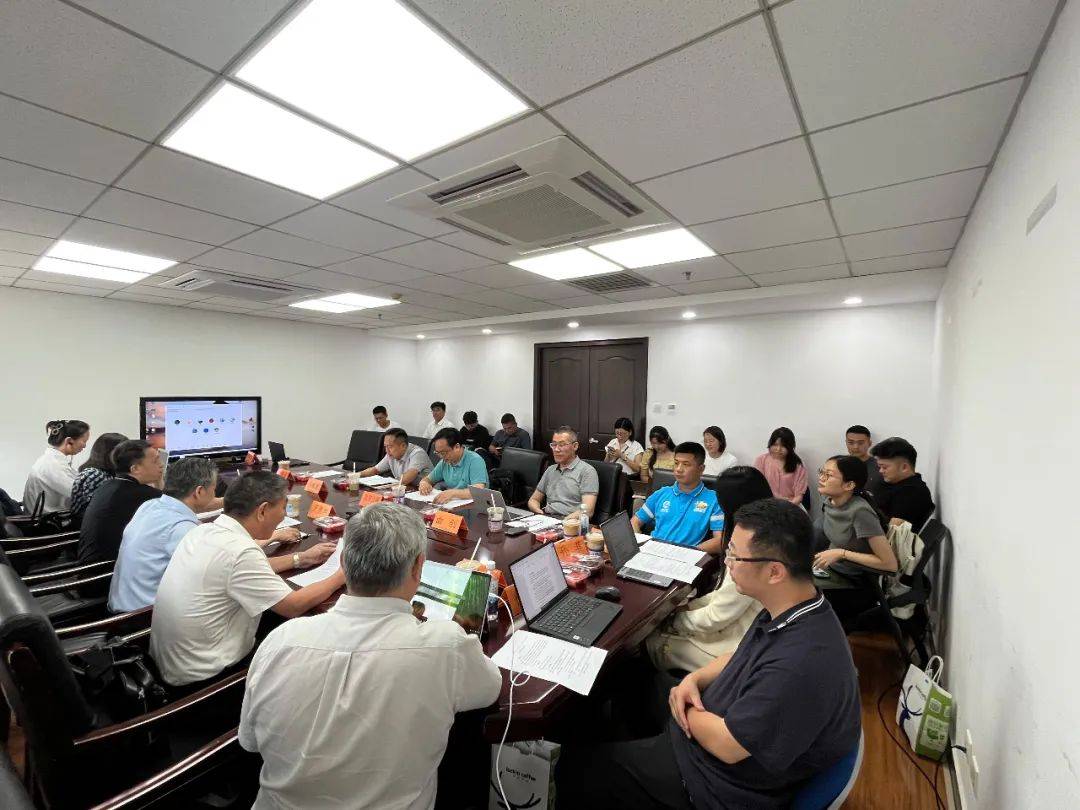
近期,近场电商领域出现的消费热点现象引发各界关注。多家平台加大本地配送补贴力度,这是在我国居民消费需求变迁、互联网技术演进和本地配送等 基础设施愈发成熟等多重因素驱动下的一次深层次变革,带来了消费市场新的想象空间,电商平台正走入"大消费"的下半场。7月16日,在由中国市场学 会主办、中国社会科学院财经战略研究院承办的"电商下半场:远近融合的大消费平台与消费的增量创造"专家研讨会上,多位行业人士和业内专家就这一 现象产生的机理和影响进行了深入探讨。 "平台补贴成为消费增长的推动力,而即时零售作为电商模式创新,在扩大消费与内需中作用显著。"中国社会科学院财经战略研究院院长、研究员何德旭 的观点,点出了这一领域的核心价值。除拉动消费外,这场即时零售创新浪潮更在就业、民生、产业升级等层面释放积极效应。 显著带动就业和相关人群收入增长 近场电商也可理解为即时零售,区别于传统电商,是消费者可在本地平台下单,由附近门店即时发货并在几小时内送达的新零售模式,它融合了传统零售 的线下触达和线上电商的便捷体验。 清华大学长聘教授、数字经济研究中心主任王勇在此基础上提出"便捷经济"概念,所谓便捷经济是指借助数字技术和网络平台的能力 ...




股市必读:三只松鼠(300783)7月17日董秘有最新回复
Sou Hu Cai Jing· 2025-07-17 18:56
Core Viewpoint - The company is actively progressing its Hong Kong listing and is committed to ensuring food safety through comprehensive quality management systems [2][3]. Group 1: Company Performance - As of July 17, 2025, the stock price of Three Squirrels (300783) closed at 26.41 yuan, with a slight increase of 0.27% and a trading volume of 67,600 shares, resulting in a transaction value of 178 million yuan [1]. - On the same day, the net outflow of main funds was 16.93 million yuan, while speculative funds and retail investors saw net inflows of 8.43 million yuan and 8.49 million yuan, respectively [4]. Group 2: Food Safety and Quality Management - The company has established a dual system for quality and food safety management, which includes a quality testing center that has achieved certifications in quality (ISO9001), environment (ISO14001), and occupational health (ISO45001) [2]. - The company operates a fully-owned subsidiary, Zhongchuang Testing Center, equipped with over 300 testing instruments, including advanced equipment such as liquid chromatography and atomic absorption, and has obtained CMA certification and CNAS recognition with 218 testing capabilities [2]. Group 3: Market Position and Future Plans - According to a report by Zhi Shi Consulting, the company ranks first in the tree nut snack industry with a market share of 3.89%, third in the infant snack industry with 2.62%, and third in the fruit snack industry with 0.91% as of 2024 [2]. - The company is the largest player in the online tree nut and seed snack industry, with a market share of 16.15%, and is also significant in the online baking and meat snack sectors with shares of 2.26% and 3.17%, respectively [2]. - Future strategies include adhering to a "high-end cost-performance" approach and maintaining a "full category + full channel" business model to achieve sustainable high-quality development [2].

巨头鏖战即时零售,该用“卷”尺衡量吗
经济观察报· 2025-07-17 13:59
Core Viewpoint - The current competition among major platforms in the instant retail sector should not be viewed solely through the lens of "low price = internal competition," but rather as a market-driven approach that promotes consumption and stimulates domestic demand [1][9]. Group 1: Instant Retail Market Dynamics - On July 14, Taobao Flash Sale and Ele.me announced their daily order volume surpassed 80 million, while Meituan reported 150 million orders, and JD.com announced over 25 million orders, bringing the total daily orders in this sector to approximately 250 million [2]. - The ongoing debate about whether this instant retail battle is leading to a price war is prevalent, with platforms like Meituan and Taobao Flash Sale attempting to distance themselves from the concept of "internal competition" by promoting substantial subsidies [3][4]. - The emergence of the flash sale model is a response to the saturation of traditional e-commerce and aims to create new demand rather than merely competing for existing market share [5]. Group 2: Consumer Behavior and Market Growth - The flash sale model has resulted in a significant increase in daily order volume, from around 100 million before JD.com entered the market to approximately 250 million now, indicating a market increment of over 100 million orders [5]. - The core value of flash sales is not just speed but the reconfiguration of the "people-goods-scene" logic, enhancing consumer experience from delayed delivery to immediate purchase [5]. - The competition is not limited to food delivery but encompasses a broader range of services and products, leading to the concept of "big consumption" that transcends traditional categories [6]. Group 3: Impact on Domestic Consumption - The current economic strategy emphasizes expanding domestic demand and boosting consumption, with platforms leveraging flash sales to stimulate consumer spending [7]. - Service-oriented consumption has a higher frequency of demand compared to durable goods, making it a critical area for driving consumption growth [8]. - The flash sale subsidy strategy has significantly increased demand for high-frequency consumption scenarios, effectively acting as a distributor of consumption vouchers [9].

县城没有即时零售
3 6 Ke· 2025-07-17 12:34
Core Insights - Instant retail is thriving in first- and second-tier cities but remains largely unnoticed in lower-tier markets, indicating a significant disparity in consumer engagement and market penetration [2][4][22] Group 1: Market Dynamics - A young consumer from a top 100 county is unaware of instant retail, highlighting a lack of exposure and usage in these regions [3] - In contrast to the bustling promotions in urban areas, such as "Crazy Saturday," consumers in county towns show little interest in similar offers, indicating a disconnect between urban marketing strategies and rural consumer behavior [5][19] - Despite significant investments from major companies in instant retail, the actual consumer demand in many county markets remains stagnant, with preferences leaning towards offline shopping and traditional purchasing methods [4][10] Group 2: Consumer Behavior - Consumers in county towns prioritize price and personal relationships over convenience, often opting to buy directly from local vendors rather than using online platforms [8][10] - The perception of instant retail is that it does not meet the needs of local consumers, who prefer to verify the quality of products in person, especially for fresh produce [10][22] - Seasonal spikes in online consumption occur during holidays when urban residents return to their hometowns, but this does not translate into sustained demand for instant retail services [19][21] Group 3: Business Challenges - Instant retail platforms face significant challenges in penetrating county markets due to a lack of established supply chains and consumer awareness [12][22] - Many local businesses are hesitant to join online platforms due to limited online demand and the complexities of managing inventory and delivery logistics [13][15] - The reliance on third-party delivery services and the high costs associated with instant retail make it less appealing for local merchants, who often find better margins in traditional sales [15][22] Group 4: Future Outlook - Despite the current challenges, major companies like Meituan are still considering the potential of county markets, with plans to focus on these areas in the future [17][19] - The growth of instant retail in county areas is expected to be gradual, with a need for market education and infrastructure development to align consumer habits with service offerings [22][24] - The success of community group buying models in some counties suggests that there is potential for growth in instant retail, provided that it can adapt to local consumer preferences and economic conditions [22][24]
传统电商模式增势不足,白酒的未来在“即时零售”?
Sou Hu Cai Jing· 2025-07-17 12:31
Core Insights - The "2025 China Baijiu Market Mid-term Research Report" indicates that from January to June, 42.9% of Baijiu production enterprises saw an increase in online business, while 20.0% experienced a decrease, and 37.1% remained stable, suggesting a lack of significant improvement in online business performance [1] - The shift from traditional B2C online sales to an "instant retail" model that integrates offline scenarios, online traffic, and immediate delivery is evident [1][15] E-commerce Evolution - The vertical e-commerce boom in the liquor industry has lasted over 15 years since its inception around 2010 [2] - Notable platforms like "Yemai Jiu" and "Jiuxian.com" emerged, with Jiuxian.com raising over 1 billion yuan in funding by 2014-2015, indicating strong capital support for this new model [3][7] - The rapid growth of vertical e-commerce was highlighted during the 2014 "Double 11" event, where Jiuxian.com sold 4.179 million bottles on Tmall, becoming the top seller in the liquor category [5] Challenges and Adjustments - The liquor industry faced a period of adjustment, with established pricing structures disrupted by emerging vertical e-commerce platforms, leading to conflicts between producers and e-commerce platforms [7] - Several vertical e-commerce platforms struggled to achieve profitability after multiple funding rounds, leading to a decline in confidence from both capital and industry [8] Impact of Live E-commerce - The rise of live e-commerce has posed a new challenge to traditional liquor e-commerce models, with significant growth observed post-2020 due to the pandemic [9][11] - By 2021, the live e-commerce market reached nearly 2 trillion yuan, with a penetration rate of 15%, showcasing the potential of this sales channel [13] - However, issues such as price chaos and trust erosion due to counterfeit products have emerged, complicating the landscape for producers [14] Future Trends - The report forecasts a slowdown in the growth of liquor e-commerce due to changing consumer demands and economic fluctuations, with online sales revenue for 18 A-share listed liquor companies totaling 33.22 billion yuan in 2024, a 3.7% decrease year-on-year [15] - Instant retail is expected to thrive, with a projected market size of 1 trillion yuan by 2025 and 2 trillion yuan by 2030, driven by the demand for quick delivery and convenience [16][20] - The liquor industry is likely to evolve towards a new consumption era characterized by instant retail, scenario integration, and live e-commerce as growth engines [20]

电商,变了!
Sou Hu Cai Jing· 2025-07-17 11:28
Group 1: Instant Retail Market Dynamics - The instant retail market in China is experiencing a "subsidy war," with major players like Alibaba, Meituan, and JD.com investing billions in subsidies to attract consumers [3][4] - JD.com has launched its "Double Hundred Plan," committing over 10 billion yuan to support brands achieving significant sales milestones [3] - The market is projected to grow from 650 billion yuan in 2023 to 2 trillion yuan by 2030, expanding beyond food delivery to include daily necessities and other high-frequency categories [4] Group 2: Traditional E-commerce Transformation - Traditional e-commerce is shifting from price competition to an efficiency revolution, focusing on operational efficiency and user experience [5][6] - Tmall has changed its traffic distribution mechanism to favor quality over low prices, promoting a more sustainable competitive environment [5] - JD.com is leveraging AI technology to enhance efficiency, aiming to reduce costs and improve profitability for both consumers and merchants [6] Group 3: Ecosystem Collaboration - Major platforms are integrating resources to create cross-business and cross-scenario collaborative networks, enhancing user engagement and profitability [6][7] - Alibaba is merging its various services to create a closed-loop system that boosts user activity and diversifies revenue streams [7] - Regulatory bodies are increasing oversight in the e-commerce sector to ensure fair competition and protect consumer rights [7][8]
外卖钱难赚?美团“摊牌”了!淘宝、京东到底图什么?
Nan Fang Du Shi Bao· 2025-07-17 10:02
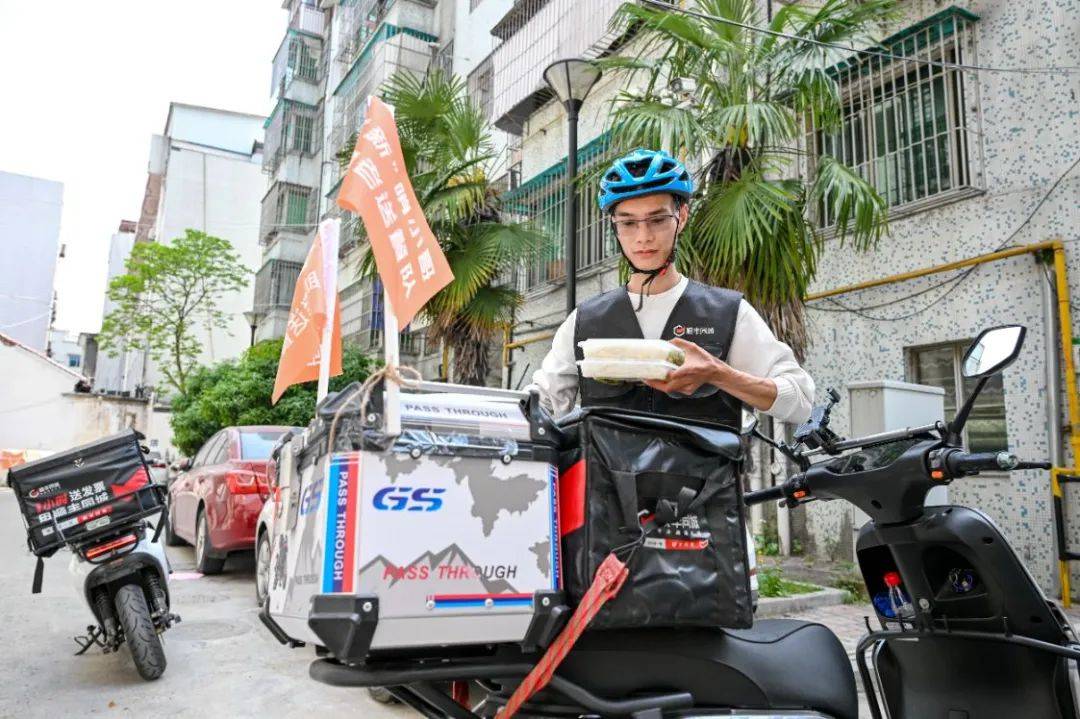
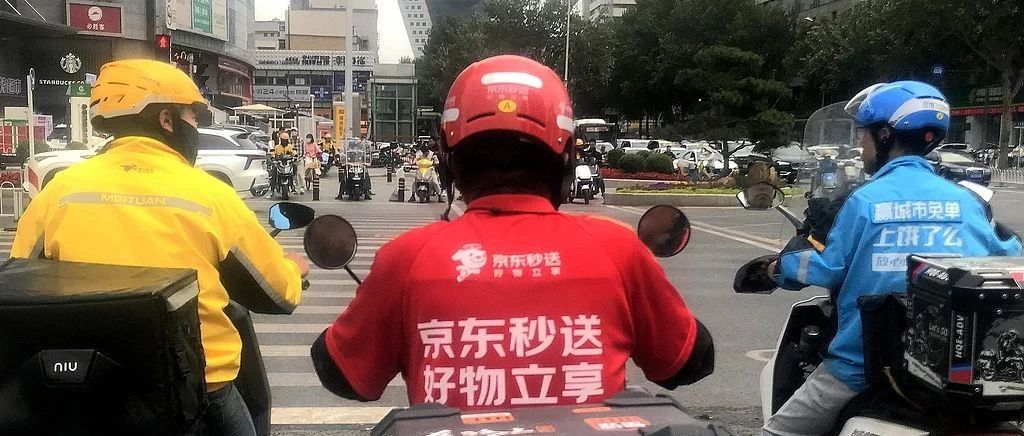
当盛夏的热浪席卷城市,一场比天气更炽烈的即时零售"三国杀"正硝烟弥漫。上个周末,美团公布的日 订单先是超1.2亿,接着突破1.5亿单,此前,京东宣布只用75天日订单量从0到2500万单,阿里透露淘宝 闪购、饿了么日订单达8000万,以上数据昭示着,外卖行业的补贴大战已经进入白热化阶段。 当传统电商纷纷跨入本地生活场域,本地服务巨头却反向切入全品类零售,美团、京东和淘宝闪购三方 正在从履约网络、商户结构与流量入口等多个维度展开贴身肉搏。三大巨头都剑指"即时零售"这一万亿 市场,但大战背后呈现出三大平台怎样的差异化作战思路?南都试着从战略动机和业务基因中找寻答 案。 外卖业务"钱难赚",美团欲寻找第二只"现金奶牛" 美团是这场外卖"补贴大战"中唯一一个没有涉及传统货架电商的平台,对于这场即时零售的"三国杀", 美团从一开始就呈现出势在必得。据报道,7月5日的首次日订单高峰,美团对于淘宝闪购发起的猛攻采 取了"放开限制、全力补贴"的策略,结果就是美团的夏季消费高峰提早了整整一个月,以1.2亿日订单 纪录证明了自己在外卖赛道的攻防优势。而在下一个周末,美团即时零售的订单量再创新高达到1.5 亿。横向比较此次参战的三大 ...

三只松鼠:已上线饿了么闪购
news flash· 2025-07-17 07:18
有投资者问,近期"即时零售"迎来夏季高峰,阿里等平台均在积极布局,大力补贴,请问公司是否有进 驻闪购,未来如何规划该业务?三只松鼠(300783)在互动平台表示,目前公司门店和即时零售板块已 上线饿了么(闪购),通过线上线下(300959)联动有效助力销售提升;同时线上天猫旗舰店正积极拥抱 并逐步接入淘宝闪购的商家自配链路,上海仓仓配一体业务有序推进中。 ...
外卖大战,商家“受伤”
财联社· 2025-07-17 07:05
美团、淘宝闪购以及京东之间的外卖大战持续胶着,有餐饮商家已"苦不堪言"。多位餐饮商家 反映,平台间的补贴大战进一步削薄了门店利润,订单量激增更带来人员与备货的运营压力。 面对商家困境,中国烹饪协会、中国连锁经营协会等多个协会纷纷发声,呼吁平台规范低价补 贴竞争,维护市场公平秩序,保障商家合理的利润空间。 平台打架 商户"受伤" 以7月13日一笔35.88元的外卖订单为例,扣除18元的商家补贴,0.96元的平台佣金,以及 3.45元的配送服务费后,阿文实际收入仅14.47元,实收率40%。 图片来源:受访对象提供 "外卖利润本就低于堂食,补贴大战以来,订单利润进一步缩水了。"阿文表示。他的遭遇并非 孤例。外卖平台大战以来,多位餐饮业主在社交平台上发声,指出外卖平台发放的大额补贴主 要由商家承担,虽然单量提升,利润却下滑。有店主发帖直言,"一单赚两块,还不够挨那个 累的。" 有餐饮商家在社交平台上晒出了7月份上半月的账单:前半月门店营业额8万,实收4万,扣除 食材成本、平台推广费、包装费,以及半个月的人工、水电、房租等开支后,盈余仅3500 元。 利润被削薄的同时,中小餐饮商家在订单波动中承受着运营压力。阿文告诉 ...
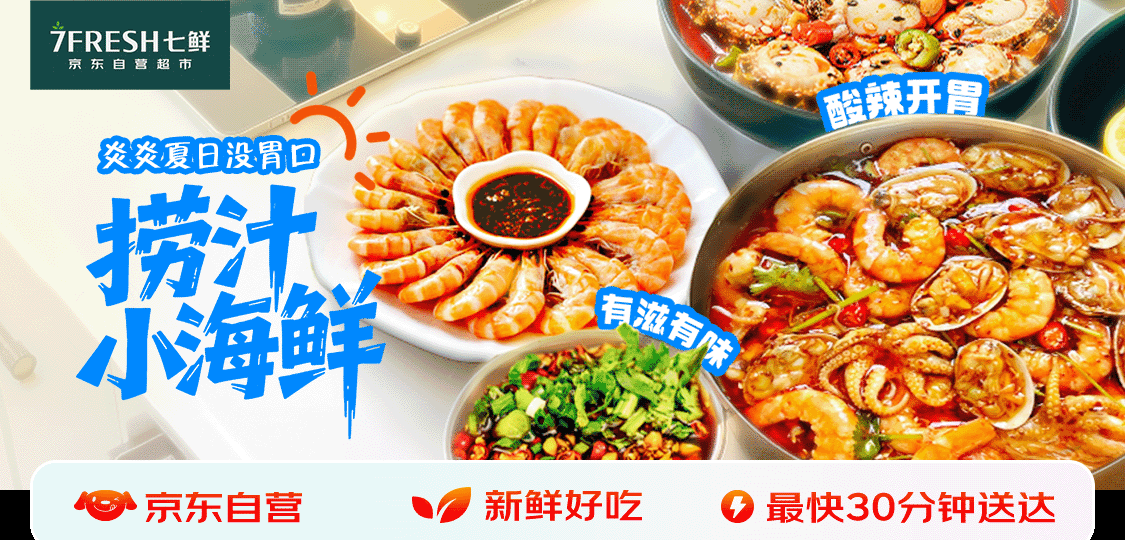
川式红油vs麻辣椒麻,京东七鲜两款神仙冷泡汁该pick谁?
Zhong Jin Zai Xian· 2025-07-17 06:49
在料汁方面,京东七鲜推出的两款自有品牌冷泡汁,其中麻辣海鲜冷泡汁有着川味椒麻基底,适配鲍 鱼、扇贝等厚实海鲜;川式红油冷泡汁香辣带甜,适合花蛤、蛏子等贝类。 在食材方面,鲜活海鲜如小鲍鱼、花蛤等富含优质蛋白,搭配低糖冷泡汁,契合当代年轻人"轻负担"饮 食趋势。艾媒咨询报告显示,70.9%的消费者偏好即食零食类深加工水产品,捞汁海鲜凭借便捷性和健 康属性成为热门选择。现在,京东七鲜的"鲜活小鲍鱼29.9元/10只"" 鲜活大花蛤 9.9元/斤"" 冰鲜海蛎肉 10.8元/200g""鲜活大海白虾29.9元/斤""鲜活美贝6.8元/斤""鲜活白蚬子10.9元/斤"等商品,以高性价比成 为爆款。 这个夏天,捞汁海鲜凭借"鲜、快、爽"三大特点,成为年轻人消暑美食的首选。京东七鲜通过"冷泡汁 +鲜活海鲜"的组合,让消费者在家也能轻松享受餐厅级美味。无论是夜宵聚会、家庭餐桌,还是露营 野餐,一碗冰镇捞汁海鲜,都能带来属于夏日的"鲜爽时刻"! 现在,消费者只需通过京东APP自营秒送入口、七鲜APP或七鲜微信小程序下单,即可享受最快30分钟 送达的即时服务,新用户还可领取77元新人券包,更有京东PLUS会员下单免邮费的超值权 ...