关税战

Search documents
中国稀土重拳出击,欧美全线崩盘,连NASA都撑不住了
Sou Hu Cai Jing· 2025-10-25 05:52
Core Viewpoint - China has shifted from passive resistance to active retaliation in the escalating trade war with the U.S., using rare earths as a strategic leverage point, causing significant global political and economic upheaval [2][6]. Group 1: China's Actions - On October 9, China's Ministry of Commerce announced strengthened controls on rare earth exports, adding five new types to the existing seven and implementing a "0.1% rule" for heavy rare earth metals in certain materials, marking a historic first for strict regulation of trace rare earths [6]. - Following this, Chinese customs issued four new announcements that comprehensively restricted the export of rare earth materials, lithium batteries, and artificial graphite anode materials, leading to turmoil in the global technology supply chain [6][9]. Group 2: Impact on Global Players - The primary target of China's rare earth retaliation is perceived to be the U.S., but the European Union is the actual victim, particularly countries like Germany, the Netherlands, and France, which rely heavily on manufacturing and had hoped to lead the global clean energy transition [6][11]. - The semiconductor industry, especially the Dutch company ASML, which relies heavily on rare earths, felt immediate pressure, prompting calls for negotiations with China [7]. - The U.S. was caught off guard, with critical projects like NASA's lunar missions and Boeing's military contracts facing disruptions due to the rare earth controls [7][11]. Group 3: European Response and Challenges - The EU's attempt to retaliate found it in a difficult position, as the U.S. preemptively implemented sanctions that could affect European companies with Chinese ties, leading to a "double bind" situation for Europe [9]. - China also announced special port fees for vessels with significant U.S. investment, further complicating the global shipping industry and impacting European nations [9]. Group 4: Importance of Rare Earths - The situation has highlighted the critical role of rare earths in modern industries, including semiconductors, electric vehicles, wind energy, aerospace, and high-tech products, with China controlling nearly 90% of global rare earth refining capacity [11]. - Japan, despite efforts to reduce dependence on Chinese rare earths, still relies on them for 60% of its needs, reflecting the broader vulnerability of nations reliant on these materials [12].


对华关税说降就降?特朗普脑子里只有两件事,希望中方放美国一马
Sou Hu Cai Jing· 2025-10-24 12:13
Core Viewpoint - Trump has indicated a willingness to lower tariffs on Chinese goods, contingent upon China meeting two specific conditions: changing its stance on rare earths and resuming purchases of U.S. soybeans [3][6][11]. Group 1: Trump's Statements - On October 19, Trump mentioned the possibility of reducing tariffs on Chinese products while emphasizing that China must provide some concessions in return [3]. - This statement marks a significant shift from his previous declaration of imposing a 100% tariff on Chinese goods [3][5]. - Trump expressed frustration over China's actions regarding rare earths and reiterated the importance of soybean purchases from the U.S. [6][8]. Group 2: China's Response - China is expected to reject Trump's conditions, as it has already prepared for a trade conflict and is unwilling to concede on core interests [11][15]. - The Chinese government has indicated that it will not close the door on negotiations but is ready to respond to U.S. actions [14][15]. - China's measures, such as halting soybean purchases and controlling rare earth exports, are seen as effective countermeasures against U.S. tariffs [14][17]. Group 3: Economic Implications - Trump's acknowledgment that a 100% tariff on China is unsustainable for the U.S. economy suggests that the U.S. may need to reconsider its approach [14][17]. - The ongoing trade tensions have escalated beyond tariffs, with broader implications for U.S.-China relations and economic stability [10][14].
中美谈妥!降到10%,美全面取消报复性关税,是什么让美国怕了?
Sou Hu Cai Jing· 2025-10-24 05:57
Group 1 - The core point of the article is that the recent US-China-Switzerland talks unexpectedly led to substantial progress, resulting in a joint statement that indicates a de-escalation of the global tariff war [1][4] - The joint statement announced a suspension of tariffs on certain goods, specifically a 24% tariff that was imposed on China, while retaining the option to impose an additional 10% tariff in the future [4][6] - The US had previously imposed a total of 34% tariffs on China, which included a 10% global equivalent tariff and a 24% special tariff targeting China [4][6] Group 2 - The US's decision to abandon retaliatory tariffs was influenced by effective countermeasures from China, which resulted in significant reductions in US imports from China, with reports indicating a 50% decrease in goods transported from China to the US [14][11] - The economic pressure on the US was exacerbated by rising consumer prices and increased household spending, estimated to have risen by approximately $5,000, leading to public protests against the tariff policies [14][15] - The agricultural sector, particularly farmers who were key supporters of the Trump administration, faced substantial losses due to Chinese tariffs on US agricultural products, contributing to rising domestic discontent [15][18] Group 3 - The global opposition to the US's unilateral trade policies has intensified, with 13 countries condemning these actions at a recent finance ministers' meeting in Milan, further isolating the US diplomatically [19][18] - The US's need to repair relationships with other countries is critical for restoring its image of global economic dominance, especially in light of the backlash against its trade protectionism [19][23] - The looming US debt crisis, exacerbated by the exceeding of the statutory debt ceiling, poses a significant risk to the economy, compelling the US to pause its tariff war with China to prevent further economic collapse [22][23]
美国霸权遭华精准反击!稀土管控后,美国登月项目要靠中国技术
Sou Hu Cai Jing· 2025-10-23 11:19
Group 1 - The trade war has evolved beyond a traditional trade dispute, showcasing absurdities and complexities that impact global supply chains [1][3][40] - The EU and allies like Japan and South Korea are suffering significant consequences for aligning with U.S. policies, becoming "sandwiched" between competing interests [3][5][11] - The EU's reliance on rare earth materials, with 98% sourced from a single supplier, poses a critical risk to its green transition goals and industrial capabilities [5][9][35] Group 2 - The recent sanctions and trade restrictions have led to immediate repercussions in the shipping and automotive sectors, with European companies facing increased operational costs and supply chain disruptions [7][11][25] - The semiconductor industry is particularly vulnerable, as companies like ASML depend heavily on rare earth materials, highlighting the interconnectedness of global supply chains [39][40] - The U.S. aerospace sector, especially Boeing, is experiencing severe impacts due to the trade war, with a significant loss of market share in China and reliance on rare earths for production [25][27][40] Group 3 - The trade war has revealed the fragility of supply chains, with critical materials for pharmaceuticals and technology being sourced from single suppliers, raising concerns about future availability [27][31][39] - The narrative of U.S. dominance through sanctions and tariffs is challenged by the reality of economic losses and market volatility, as evidenced by the $2 trillion drop in U.S. stock market value [21][42] - The focus on "prayer" and ideological governance by U.S. politicians contrasts sharply with the tangible realities of industrial dependencies and supply chain vulnerabilities faced by allied nations [14][42]
百利好晚盘分析:投资热情不减 黄金仍是首选
Sou Hu Cai Jing· 2025-10-23 09:04
黄金方面: 隔夜黄金小幅震荡,抛盘明显减弱,市场情绪得到部分修复,目前市场并未给出黄金大周期见顶的信号,所以投资者慎言黄金 牛市结束。 从资金的角度来看,8月和9月欧美黄金现货ETF的资金流入是金价上涨的最主要驱动力,亚洲ETF的净流入并没有明显的增长, 反映出美联储政策转向后,欧美资金正在加速确认降息的幅度可能超预期。 从市场需求量来看,市场对黄金的热情持续高涨,过去四个季度,全球黄金需求总量约为1220吨,创下至少14年来的最高纪 录。主要买家为全球各国央行,也反映出各国央行在储备资产上的新动向。 百利好特约智昇研究市场策略师鹏程认为,目前黄金上涨的基础依旧存在,降息预期将导致美元长期走弱,黄金则因此受益, 同时美元信用的不断削弱,使得各国央行必须增加黄金储备以对冲风险,这些因素决定黄金长期走势。 技术面:黄金日线收中阴线,跌幅明显放缓。1小时周期高点下移,低点水平,形成下跌中继形态的概率很大,短线可关注上方 4130美元一线的压力。 原油方面: 技术面:原油日线收中阳线,中线已经止跌,但面临前期低点和前期成交密集区域的压制,上行阻力很大,短线60.70美元一线 是多空分水岭,若站上则可能会进一步上探64 ...
再谈稀土牌:走出稻草人谬误
Sou Hu Cai Jing· 2025-10-23 07:37
, # # 72 75 2 2 2 2 4% b B 2 A 1 也许中美双方都在为下一轮谈判做准备。 我的评估是短期有效,长期无效,它不是打赢关税战的屠龙刀,中国无意让关税战升级,而美国期待的就是中国主动升级,升级意味着全球对中国投资增加 了不确定性,相反,对美国投资增加了确定性。 T RESOLUTION W 0-0 24.0 0000 @ 1 West 10.11 ... 0 tion - 4 NEWSER sh of hot be and the . . 美国的目标是重构全球供应链,核心价值取向与中国不同,中国要走出通缩困局,谈判的目标是守住8000亿美元(含借道)的出口贸易额。美国现在的策 略,是不断释放出加征关税的信号,同时配合国内企业降税的《大而美》法案吸引制造业回流,建立起彻底脱离中国制造的全球替代市场。 目标不同,牌也不同,稀土牌打的不是贸易额,而是卡脖子的战略资源,因为贸易额微不足道,根据海关总署数据,2024 年中国稀土出口金额达 4.89 亿美 元。而 2024 年全球货物贸易总额约为 25.4 万亿美元。以此计算,中国稀土出口金额占全球贸易总额的比例约为 0.0019%。而加征100 ...

特朗普明牌了:美国取消芬太尼税,中国买美国大豆、取消稀土管控
Sou Hu Cai Jing· 2025-10-23 02:50
Core Points - The U.S. is focusing on three main issues in the new round of negotiations with China: fentanyl tariffs, soybean exports, and rare earth export controls [2][9] - Trump believes that the U.S. should cancel fentanyl tariffs in exchange for increased soybean purchases from China and the lifting of rare earth export restrictions [2][9] - The trade dispute has significantly impacted U.S. soybean exports, with a reported 25% drop in exports to China due to retaliatory tariffs [3][4] Summary by Category Fentanyl Tariffs - The U.S. imposed additional tariffs on imports from China and Mexico, initially set at 10% and later increased to 20%, targeting the fentanyl supply chain [3] - The U.S. government claims these tariffs are necessary to combat drug smuggling, which costs the U.S. hundreds of billions annually [3] - China has denied responsibility for the fentanyl issue, attributing it to U.S. regulatory problems, but the U.S. continues to hold China accountable [3][12] Soybean Exports - U.S. soybean exports to China have plummeted, with China shifting its purchases to Brazil and Argentina due to the trade dispute [4] - The U.S. Department of Agriculture reported a significant decrease in soybean exports to China in the first seven months of 2025 compared to the previous year [4] - Trump has criticized China for not adhering to commitments and has threatened to impose a 100% tariff on soybeans if purchases do not resume [4][10] Rare Earth Export Controls - China controls a significant portion of the global rare earth supply, with over 80% of medium and heavy rare earths sourced from China [6] - Starting April 2025, China will strengthen its export licensing system, leading to a 15% year-on-year decrease in export volume [6] - The U.S. Department of Defense has reported that these controls could impact the production of military equipment, including the F-35 fighter jet [6][10] Negotiation Dynamics - High-level talks between the U.S. and China have seen proposals for China to purchase an additional $10 billion in soybeans and relax rare earth quotas, while China demands the cancellation of fentanyl tariffs as a gesture of goodwill [7][10] - The U.S. has extended a 90-day tariff suspension to facilitate initial discussions, but tensions remain high as both sides accuse each other of pressure tactics [7][9] - The outcome of these negotiations is uncertain, with both sides holding firm on their positions, and the potential for broader geopolitical implications beyond trade [10][12]
联合国贸发会议:避免破坏性关税战,帮助重债穷国摆脱债务困境
Sou Hu Cai Jing· 2025-10-21 08:07
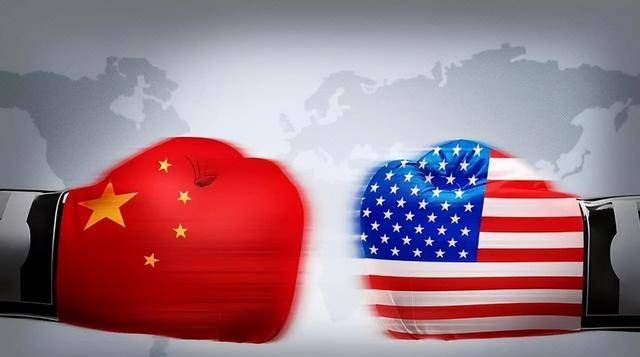
Core Points - The UN Conference on Trade and Development Secretary-General Greenspan emphasized the importance of maintaining a rules-based international trade system to avoid destructive tariff wars and highlighted that $31 trillion in debt is hindering the progress of developing countries [2][4] - Greenspan noted that 72% of global trade operates under the World Trade Organization framework, crediting multilateral cooperation for preventing a severe recession similar to the 1930s [2] - The global investment flow has declined for the second consecutive year, with developing countries facing structural disadvantages due to higher initial costs compared to developed economies [2][3] Investment Flow and Cost Inequality - The cost of investment in Zambia can be three times higher than in Zurich, indicating a bias in the current international investment system favoring developed economies [2] - Fluctuations in transportation costs have resulted in landlocked countries and small island developing states facing logistics expenses up to three times the global average [3] - Despite the potential of artificial intelligence to add trillions to the global economy, less than one-third of developing countries have national strategies to leverage this potential, with approximately 2.6 billion people, mostly women in developing countries, remaining offline [3] Debt Crisis and Trust Deficit - The global economy is facing uncertainty, with rising tariff measures among major economies, where average tariff levels have increased from 2.8% to over 20% [4] - The public debt of developing countries reached $310 billion last year, forcing them to choose between future investments and debt repayments [4] - The UN General Assembly President Berbock warned of a loss of trust in the international system, noting that despite a global economic output exceeding $100 trillion, one in two people has seen stagnant income without substantial growth [4] - Greenspan called for countries to maintain an open, fair, and predictable trade environment based on multilateral cooperation to prevent protectionism and tariff barriers from hindering global recovery and sustainable development [4]

吴照银:关税冲击A股,长期资金迎配置窗口期
Di Yi Cai Jing· 2025-10-21 06:36
Core Viewpoint - The potential reintroduction of tariffs by President Trump could lead to short-term adjustments in the A-share market, but it is essential to differentiate between short-term pressures and long-term investment opportunities [1][5]. Group 1: Impact of Tariffs on Trade - Trump's announcement of a 100% tariff on Chinese exports to the U.S. has caused significant volatility in global capital markets, with major U.S. indices like the Nasdaq and S&P 500 experiencing declines of 3.5% and 2.7% respectively [1]. - Despite the ongoing trade tensions, China's overall export resilience remains strong, with a 5.9% year-on-year growth in exports during the first eight months of the year, surpassing last year's growth of 4.68% [2]. - While exports to the U.S. have decreased by 15.5%, the overall impact on China's exports is minimal due to strong competitiveness and stable international trade growth [2]. Group 2: A-Share Market Dynamics - The stability and growth of China's foreign trade and economy provide a solid value base for the capital market, suggesting that irrational declines in stock prices are unlikely [3]. - A-share market fundamentals remain strong, supported by low interest rates, low valuations, and favorable policies, with the rolling P/E ratio of the CSI 300 index at 14 times compared to 30 times for the S&P 500 [3]. - Regulatory policies have been supportive of the stock market, promoting long-term investment and creating a favorable environment for capital inflow, which is expected to continue despite external pressures [4]. Group 3: Market Sentiment and Investment Opportunities - The recent volatility in the market may present long-term investment opportunities, especially for funds that have been waiting for a favorable entry point [4][5]. - However, there are concerns about overvaluation in certain stocks, particularly those lacking performance support, which may face downward adjustments [4]. - The significant increase in market financing balance, which has doubled over the past year, indicates a mix of long-term and speculative funds, suggesting potential for short-term market corrections [4].
关键时刻,莫迪最终对美国妥协了,中国不再忍耐,在世贸起诉印度
Sou Hu Cai Jing· 2025-10-21 04:36
按照WTO的《补贴与反补贴措施协议》规定,任何形式的补贴措施,如果导致了市场扭曲、歧视外国竞争者或造成严重损害,都可以被视为不符合规则的 补贴。 对于印方相关举动,其实结合过去印度在中企准入问题上的恶劣前科,我们就已经有心理准备了,这并非是印度单独针对中国,而是与莫迪政府的经济政策 以及印度的内部环境有关。 围绕持续了数月之久的,有关中印两国因购买俄罗斯石油,而被美国威胁加征关税的议题,日前有了最新进展。美国总统特朗普在当地时间10月15日对外透 露,印度总理莫迪已向他保证,印度将停止向俄罗斯购买石油。与此同时,他借着莫迪的承诺,对中国展开了新的攻势。而与此同时,中国对于印度的不公 平行为,在世贸提出了起诉。 特朗普说:"我原本对印度购买俄罗斯石油感到不满,而莫迪今天向我保证,他们将不会再向俄罗斯购买石油。这是重大进展。接下来我们会让中国也这么 做。" 为了在与中国有关稀土限制的谈判中掌握主动,特朗普政府甚至将中国若继续购买俄油就制裁当成是谈判筹码。 美国财政部长贝森特在10月15日接受采访时就明确表示,美国参议院大概有85名参议员,准备支持授权美国总统特朗普对中国征收最高500%的关税,以惩 罚购买俄罗斯石 ...