避险资产

Search documents
复盘贵金属巨震
第一财经· 2026-02-03 00:54
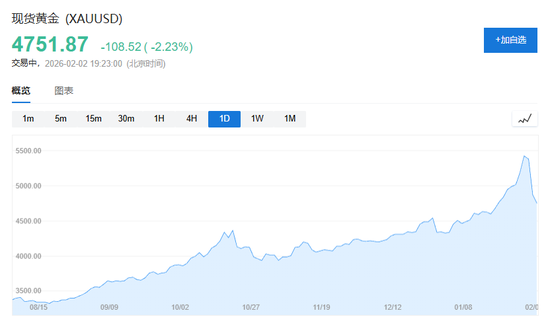
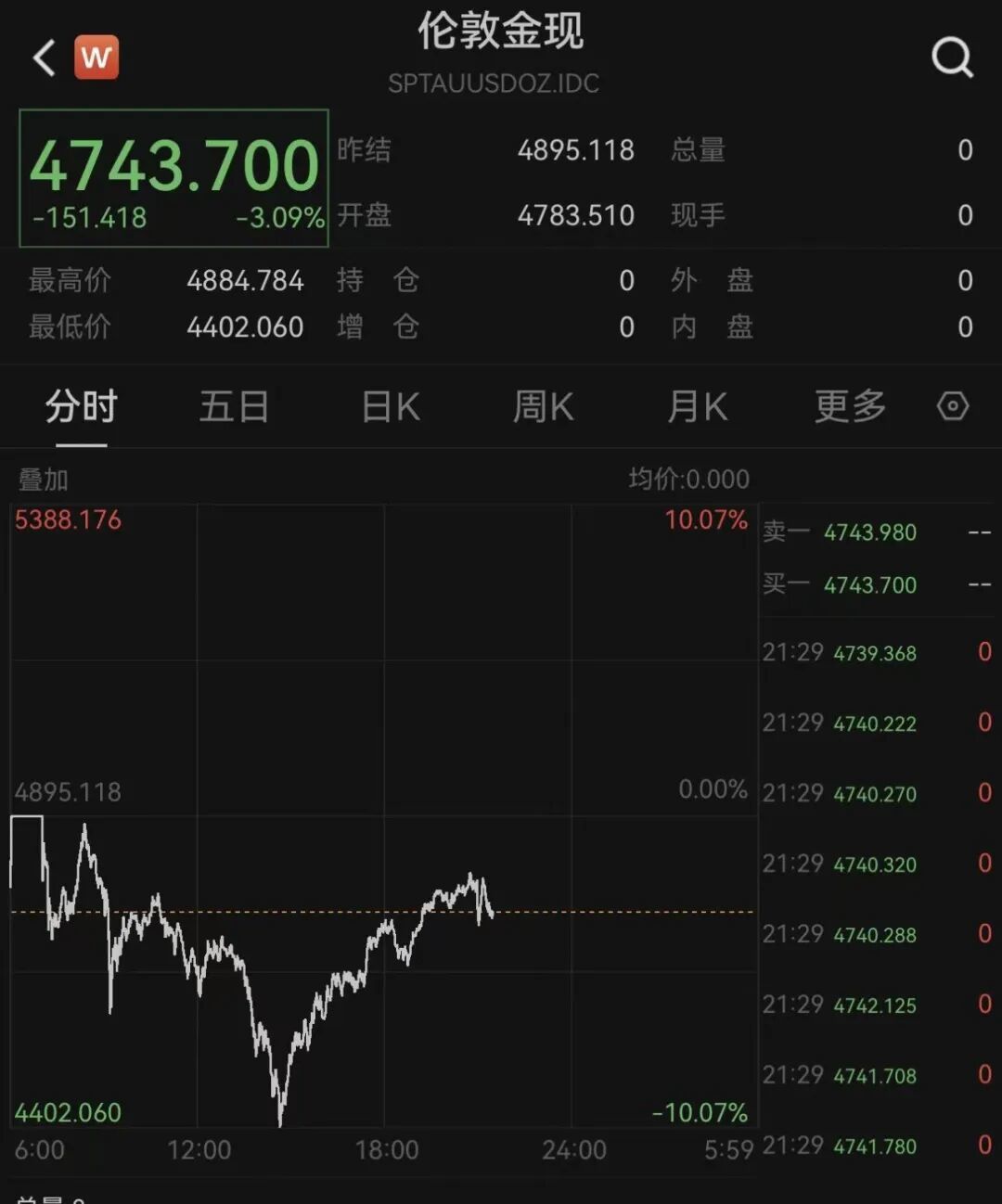
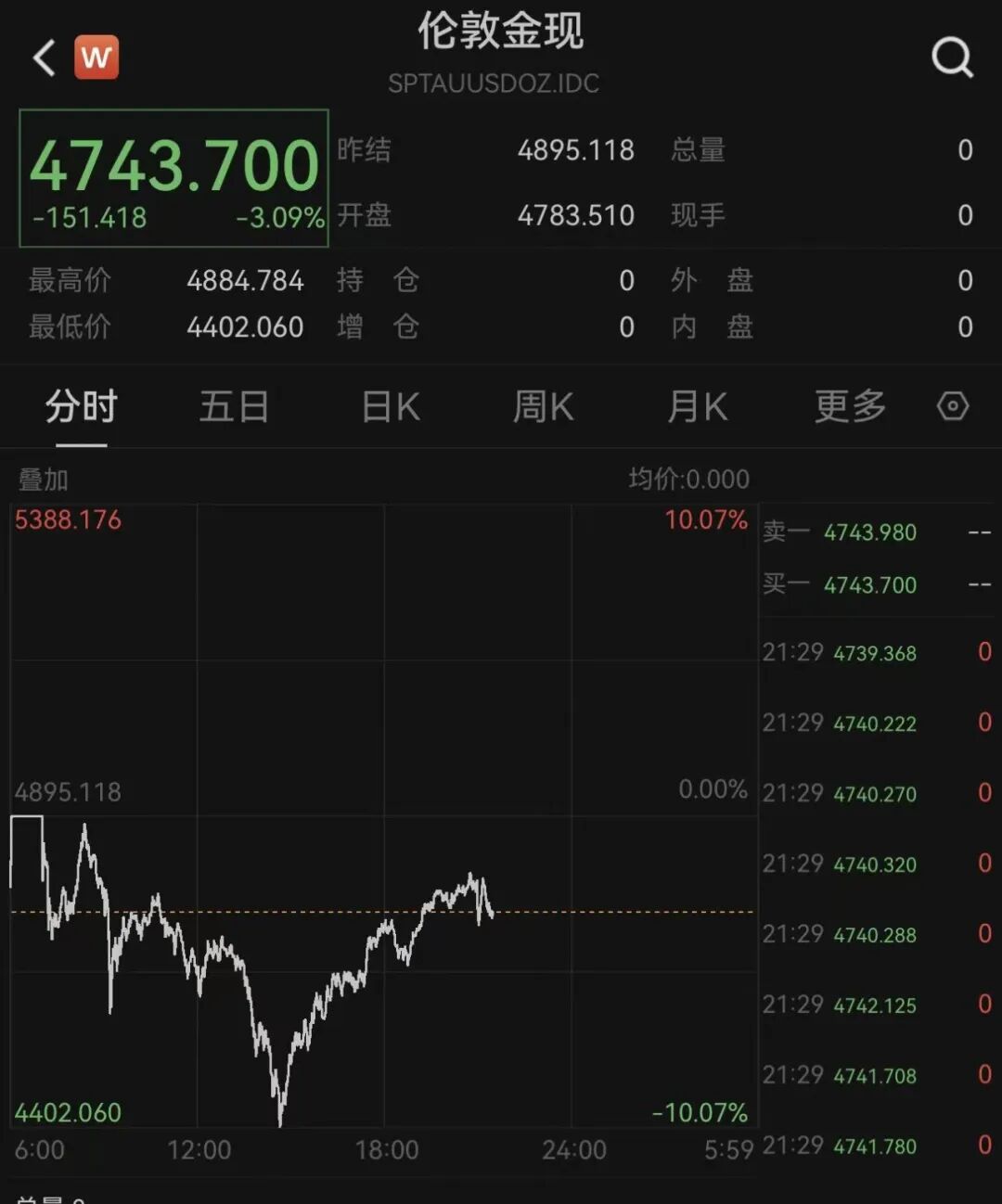
Core Viewpoint - The precious metals market experienced significant volatility following a panic sell-off, with silver showing over 8% price fluctuations and gold futures recovering to $4,700 after a sharp decline [2][4]. Market Analysis - Institutions are divided on the market outlook, with many believing the recent downturn is temporary, but cautioning that bottom-fishing may require patience [3]. - After a significant drop, gold futures hit a high of $5,626.80 per ounce before falling 17% from that peak [4]. - Analysts attribute the sell-off to the nomination of a new Federal Reserve chair, which strengthened the dollar and increased the cost of precious metals, leading to a wave of sell-offs [4]. Future Price Predictions - Some analysts maintain that a bull market for precious metals will continue, with predictions for gold prices to exceed $6,200 per ounce later this year [4]. - JPMorgan forecasts gold prices to reach $6,300 per ounce by year-end, while Deutsche Bank reiterates a $6,000 per ounce prediction based on sustained investor demand [4]. Volatility and Market Risks - Short-term market volatility is expected to remain high, with risks of further sell-offs due to ETF and options position liquidations [5]. - Citigroup warns that gold valuations have reached extreme levels, with global gold expenditure as a percentage of GDP hitting 0.7%, the highest in 55 years, indicating potential price risks if allocations revert to historical norms [5]. Market Dynamics - The future of the precious metals market will depend on monetary policy under the new Fed chair, dollar and real interest rate trends, ETF fund flows, and central bank gold purchasing patterns [6]. - The recent sell-off resulted in an evaporation of $8 trillion in market value for gold and silver, highlighting liquidity issues when large amounts of capital attempt to exit the same asset class simultaneously [8]. Investment Behavior Insights - The sell-off revealed that many investors' portfolios lacked diversification in liquidity characteristics, leading to a collective rush to exit, even from traditionally safe assets [9]. - The true "safe signal" for the market will be a decrease in volatility rather than a price rebound, as ongoing liquidity issues could lead to further significant price fluctuations [10].

直线上涨!黄金重回4700美元,白银涨3%
21世纪经济报道· 2026-02-02 23:34
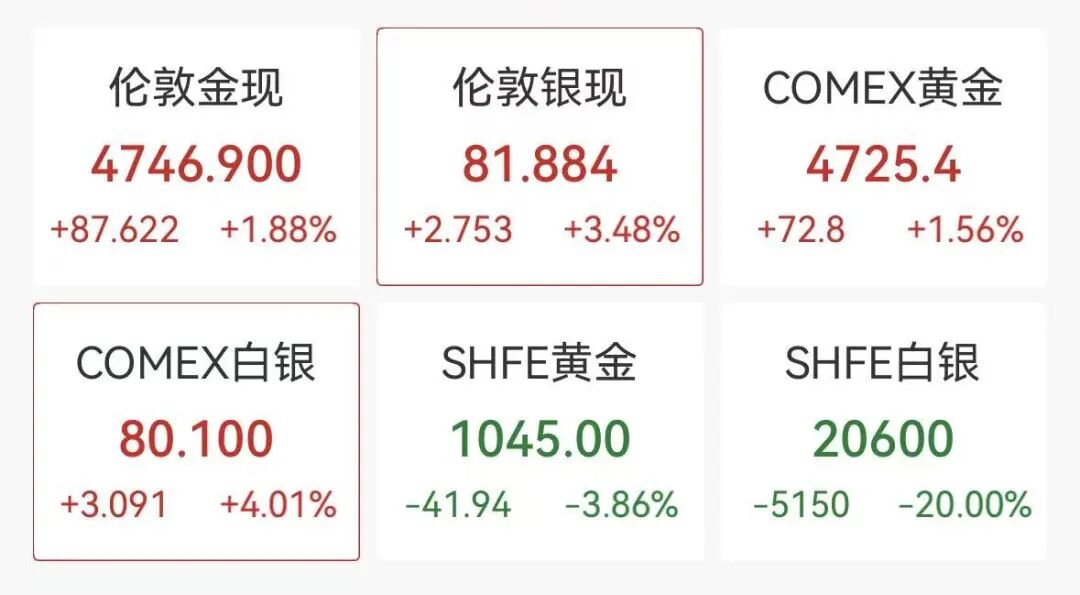
记者丨金珊 吴斌 编辑丨江佩霞 2月3日,现货黄金开盘涨近2%,重回4700美元,最新报4746.9美元/盎司,现货白银报81.8美元/盎司,上涨超3%。 消息面上,据央视新闻,特朗普称正在与伊朗对话。当地时间2月2日,针对伊朗问题,美国总统特朗普表示,美方已向相关地区调动大型军 舰,同时与伊朗保持沟通,"将观察事态如何发展"。 (声明:文章内容仅供参考,不构成投资建议。投资者据此操作,风险自担。) 出品丨21财经客户端 21世纪经济报道 闪迪飙涨15%,美股半导体深夜爆发,国际油价大跳水,特朗普称将降低印度关税至18% 市场普遍预计白银基金还有3至5个跌停 SFC 21君荐读 21 SFC 悦 读 · 智 能 权 威 . D o 扫码点击下载 由于暴涨暴跌,一些业内人士甚至已认为,黄金已不再具备避险资产特性,上周SPDR Gold Shares的隐含波动率相对于标普500指数创下历史 新高。 尽管近期黄金价格大幅波动,但美银首席投资策略师迈克尔·哈特内特(Michael Hartnett)仍将其看作对美元贬值的重要对冲手段。"货币贬值 是基本情境"。 摩根大通分析师Gregory C. Shearer表示, ...

直线上涨!黄金重回4700美元,白银涨3%
2 1 Shi Ji Jing Ji Bao Dao· 2026-02-02 23:32
消息面上,据央视新闻,特朗普称正在与伊朗对话。当地时间2月2日,针对伊朗问题,美国总统特朗普表示,美方已向相关地区调动大型军舰,同时与伊 朗保持沟通,"将观察事态如何发展"。 黄金开年一路飙升至历史新高,1月30日却骤然遭遇20世纪80年代以来最大跌幅。更糟糕的是,2月2日,现货黄金再次一度暴跌约10%,逼近4400美元/关 口。据智通财经,黄金三十日波动率已攀升至44%以上,创2008年金融危机以来最高。这一水平超过了比特币约39%的波动率。 尽管近期黄金价格大幅波动,但美银首席投资策略师迈克尔.哈特内特(Michael Hartnett)仍将其看作对美元贬值的重要对冲手段。"货币贬值是基本情境"。 2月3日,现货黄金开盘涨近2%,重回4700美元,最新报4746.9美元/盎司,现货白银报81.8美元/盎司,上涨超3%。 摩根大通分析师Gregory C.Shearer表示,黄金价格的上涨势头将会持续。"我们对黄金的中期走势仍坚定看涨。当前,实物资产相对于纸面资产的表现优势 已根深蒂固,当前存在一种清晰、结构性且持续的资产配置多元化趋势,这一趋势仍有进一步发展的空间。" 展望未来,摩根大通预测,黄金仍是一种 ...
21社论丨金价大幅震荡凸显全球市场多重风险
Sou Hu Cai Jing· 2026-02-02 22:51
值得注意的是,本轮黄金、白银及铜价的快速上涨,主要推动力来自亚洲投资者。然而,由于短期价格 过快上涨且已处于高位,部分投资者的获利了结反而成为本次调整的重要诱因。近日,国内相关金融机 构开始提示黄金交易风险,部分银行也已相应调整相关政策。 全球市场为何如此青睐黄金?这一问题并非新近出现。过去几年,作为黄金的主要购买方,各国央行持 续推进外汇储备多元化,黄金已成为分散美元风险的重要避险资产与国家储备工具。因此,黄金价格背 后的核心驱动实为"去美元化"逻辑——无论是出于对美元资产安全性的担忧,还是基于美国债务问题对 美元信用的忧虑,黄金均被视为具有历史意义的对冲工具。 在各国央行长期、持续增持的支撑下,黄金的安全边际得到强化。与此同时,美国在美元信用、利率政 策及地缘政治等方面日益凸显的不确定性,似乎正推动黄金进入一个历史性的上涨周期。正是基于这一 叙事与判断,市场资金逐渐将原本作为避险资产的黄金(无息资产)重新定位为风险资产。在当前美 股、美债等资产已处于高位、增长空间受限的背景下,在有限的资产选择范围内,黄金与白银被视为最 能捕捉货币贬值、再通胀以及地缘政治冲突情绪的交易标的。 美国因过去长期使用过度宽松的货 ...
四大利空来袭!30只龙头股开盘直接跌停,无量跌停,谁在疯狂出逃?
Sou Hu Cai Jing· 2026-02-02 17:00
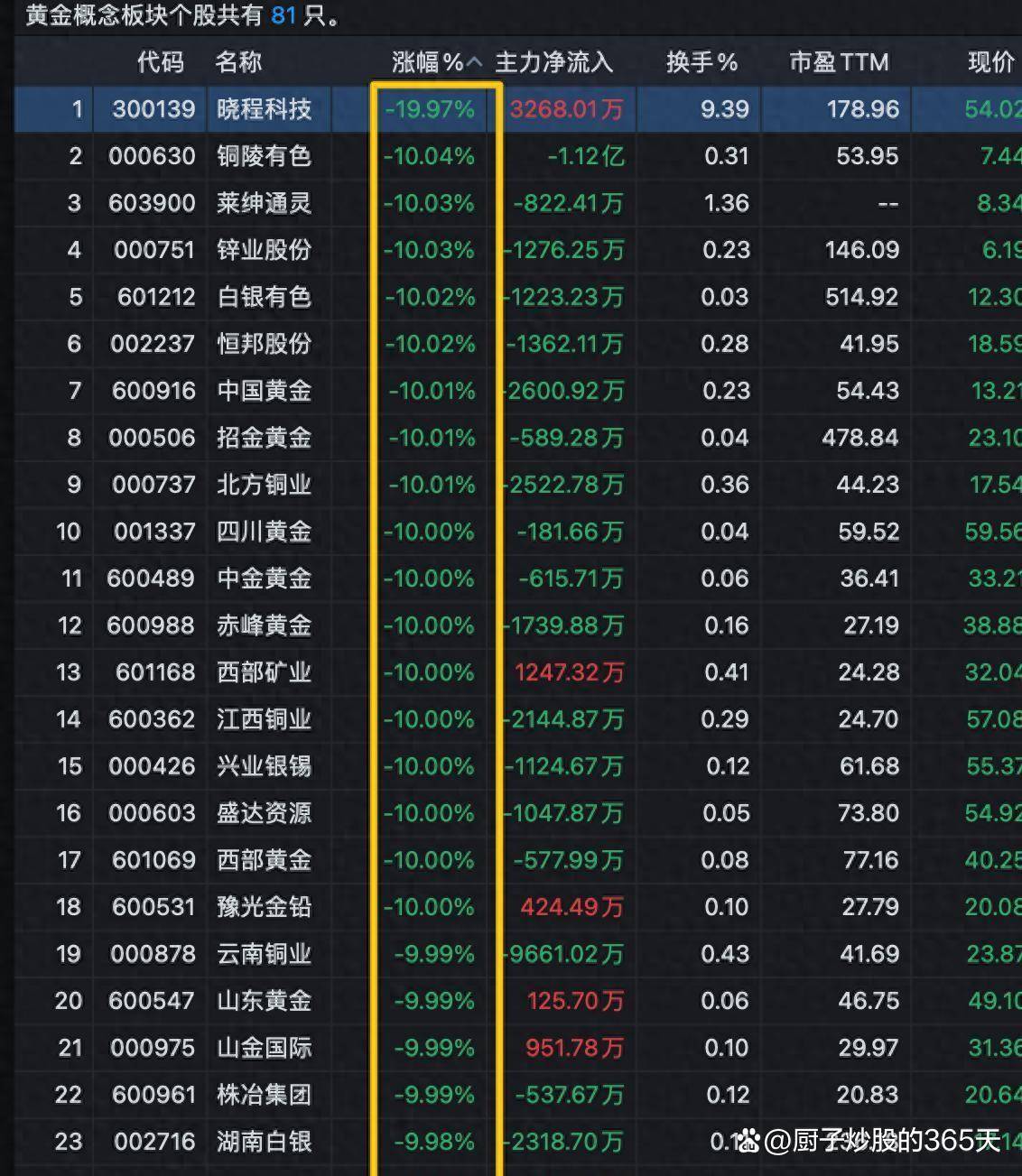
Core Viewpoint - The A-share market experienced a significant decline in the gold and non-ferrous metal sectors, with over 30 leading stocks hitting the daily limit down of -10% following a sharp drop in international gold prices [1][3][4]. Market Reaction - The gold concept sector saw 81 stocks, with notable declines including Xiaocheng Technology down 19.97% and Tongling Nonferrous Metals down 10.04% [2][3]. - The sell-off was characterized by a lack of buying interest, leading to a situation of "no volume limit down," indicating that investors were unable to sell their holdings, resulting in asset depreciation [3][4]. External Factors - The decline was triggered by a sudden drop in international gold prices, with London spot gold falling nearly 9% in a single day, marking the largest daily drop in years [3][4]. - The Federal Reserve's decision to maintain high interest rates and signals of prolonged high rates contributed to the bearish sentiment in the gold market, as higher rates increase the opportunity cost of holding non-yielding assets like gold [5][6]. Internal Market Dynamics - The gold sector had previously seen a significant increase of over 30% since the beginning of the year, attracting substantial short-term and leveraged funds, which led to an overbought condition [7][8]. - As the market sentiment shifted, a massive outflow of over 8.5 billion yuan from the gold sector occurred, leading to a panic sell-off [8][10]. Industry Challenges - Rising mining costs due to increased expenses for labor, energy, and equipment have raised concerns about profit margins for gold mining companies, despite high gold prices [10]. - The presence of "pseudo-gold stocks" in the sector, which lack solid fundamentals, has led to severe declines as funds exited these stocks when the market turned [10][11]. Broader Market Impact - The sharp decline in gold and silver prices negatively affected the overall commodity market and risk asset sentiment, with significant capital flows shifting towards defensive sectors and technology growth areas [12][21]. - The retail gold market also reflected this disparity, with physical gold prices remaining high while international prices plummeted, highlighting the disconnect between market prices and consumer prices [12][13]. Investor Sentiment - The market reaction has led to a divide among analysts, with some viewing the decline as a healthy correction while others express caution about the long-term trend and potential further declines in gold prices [21][22].




Are Coins a Safe-Haven Asset? What Experts Say for 2026
Yahoo Finance· 2026-02-02 14:49
Gold and silver prices surged to new highs early in 2026 as investors looked for ways to hedge against stock market volatility and an uncertain geopolitical environment. The same dynamics might make coins a good investment as well. Are coins considered a safe-haven asset in 2026? Here’s what experts have to say. Also see the five most valuable American coins still in circulation. What the Past Tells Us If the past is any indication, this might be a good time to invest in collectible coins. When gold a ...
第一批重仓黄金的人,正排队“维权”?
虎嗅APP· 2026-02-02 14:19
以下文章来源于凤凰WEEKLY ,作者王动 凤凰WEEKLY . 有温度、有情感、有趣味 1月31日,深圳罗湖区工作专班发布情况通报称,杰我睿公司已委托第三方专业机构对公司经营情况 进行审计。 初步结果显示,网传金额明显夸大。 金价越涨,暴雷风险越大? 本文来自微信公众号: 凤凰WEEKLY ,作者:王动,编辑:章鱼, 1月30日,黄金价格迎来40年一遇的暴跌,数以万亿计的资产蒸发。 在史无前例的黄金牛市中,无数普通人似乎正在成为被割的散户。 关于黄金的坏消息,是接二连三的。 深圳的水贝市场,全国最大的黄金珠宝批发市场,最近批量涌入维权的消费者。 一家名为"杰我睿"的黄金料商,爆雷了。 截至2026年1月26日下午3时,媒体披露的投资者未结清余额合计达133.92亿元;而据坊间自发统 计,截至2026年1月29日22时,涉事金额已高达187亿元。 如果不是年末的这次爆雷,"杰我睿"无非是水贝无数黄金料商中寂寂无名的一家。在规模上,他们不 是水贝的头部,在知名度上,更是远远逊色于连锁金店。 所谓料商,就是在水贝市场买卖黄金原料的商家。他们从市场和个人那里收购黄金,将其提纯、加工 成标准黄金出售给中小商家。 水贝 ...

金价一度大跌1000美元!金店被挤爆:有人买入近1斤,有人卖金还房贷
Mei Ri Jing Ji Xin Wen· 2026-02-02 14:13
Core Viewpoint - The recent sharp decline in international gold and silver prices has raised concerns about a potential bubble in the precious metals market, driven by speculative buying and changes in monetary policy expectations following the nomination of Kevin Warsh as the next Federal Reserve Chair [4][20]. Price Movements - On February 2, international spot gold prices fell by 10% to $4,402 per ounce, marking a new low since January 8, with a three-day decline exceeding 20% and a drop of over $1,000 from the January 29 peak [1][4]. - International spot silver prices dropped over 16% to $71.31 per ounce, with a three-day decline reaching 40%, nearly erasing January's gains [1][4]. Market Reactions - The significant price drop on January 30 was attributed to a sudden reassessment of the dollar and dollar-denominated assets, leading to the largest single-day decline in gold prices since the early 1980s, with a total market value loss of $7.4 trillion [4][7]. - Retail interest in gold surged, with reports of long queues at gold shops for selling and buying, indicating a strong consumer response to the price fluctuations [9][10]. Institutional Insights - Analysts have warned of a "gold bubble," suggesting that recent price movements were largely driven by retail investors, similar to previous market bubbles [7]. - Major banks, including China Merchants Bank and Postal Savings Bank, have issued risk warnings regarding the volatility in precious metal prices, adjusting margin requirements for gold and silver trading [12][13][14]. Future Outlook - Industry experts predict continued volatility in gold prices, advising investors to wait for stabilization before making significant purchases, while maintaining a long-term bullish outlook on gold due to underlying economic factors [19][20].


金价一度大跌1000美元!金店被挤爆,有人买入近1斤,有人卖金还房贷,“木头姐”精准“预言”大跌:黄金是泡沫,美元一涨就会破
Mei Ri Jing Ji Xin Wen· 2026-02-02 13:53
Group 1: Market Overview - International gold prices experienced a significant drop, falling by 10% to $4,402 per ounce, marking a new low since January 8, with a three-day decline exceeding 20% and a drop of over $1,000 from the January 29 peak [1] - International silver prices also saw a sharp decline, dropping over 16% to $71.31 per ounce, with a three-day decline reaching 40%, nearly erasing January's gains [1] - As of the latest update, gold and silver prices narrowed their declines, with gold down 3.09% and silver down 5.8% [1] Group 2: Market Drivers - The recent decline in precious metals began after the nomination of Kevin Warsh as the next Federal Reserve Chair, prompting a reassessment of the outlook for the dollar and dollar-denominated assets [4] - The market experienced its largest single-day drop since the early 1980s, with a total market value loss of $7.4 trillion [4] - Cathie Wood, a prominent fund manager, indicated that gold prices might be nearing a peak, suggesting that the current bubble is in gold rather than artificial intelligence [4] Group 3: Investor Behavior - There has been a surge in retail investors buying and selling gold, with reports of long queues at gold shops in Beijing as people rush to sell their gold for cash [10][11] - Many individuals are looking to liquidate their gold holdings to pay off debts or invest in other opportunities, reflecting a shift in consumer sentiment towards gold [10][11] - Banks have reported that physical gold bars are sold out due to increased demand from investors [11] Group 4: Risk Management - Banks like China Merchants Bank and Postal Savings Bank have issued risk warnings regarding the volatility in precious metal prices, adjusting margin requirements for gold and silver trading [12][14] - The adjustments include increasing the margin ratio from 60% to 70% for certain gold and silver contracts, indicating a proactive approach to managing market risks [12][14] Group 5: Future Outlook - Analysts predict that gold prices will experience significant volatility in the short term, advising investors to wait for market stabilization before making new investments [16] - The fundamental support for gold prices remains intact, driven by a weak dollar and declining trust in U.S. debt and dollar assets, suggesting a potential for long-term price recovery [16] - The market is expected to fluctuate around the $5,000 per ounce mark, with ongoing demand for gold as a safe-haven asset [17]
活久见!黄金30日波动率升至44%超过比特币,创2008年以来最高水平
Xin Lang Cai Jing· 2026-02-02 11:41
Group 1 - The gold market is experiencing the most severe price volatility since the 2008 financial crisis, with a 30-day volatility exceeding 44%, surpassing Bitcoin's volatility of approximately 39% [1][8] - This marks an unusual role reversal, as gold is typically viewed as a more stable store of value compared to cryptocurrencies, which are known for their speculative nature [1][8] - Over the past 12 months, gold has increased by about 66%, while Bitcoin has decreased by 21% [5][12] Group 2 - Economic uncertainty has driven precious metal prices to record highs, with a significant surge in demand due to geopolitical risks, currency devaluation, and concerns over the independence of the Federal Reserve [2][9] - A dramatic reversal occurred after a rapid price increase, with spot gold dropping by $1,000 in just two trading days, nearing the $4,400 mark [2][9] - Bitcoin has not benefited from the same forces driving gold prices up, falling to a 10-month low and experiencing a cumulative decline of over 40% since its peak in October [4][11]