即时零售

Search documents
“几分钟几百杯订单”
财联社· 2025-07-14 00:07
Core Viewpoint - The recent surge in instant retail subsidies from platforms like Meituan, Taobao Flash Sale, and JD Takeout has led to a significant increase in order volumes, but concerns about profit erosion due to heightened competition have been raised by Goldman Sachs [1][15]. Group 1: Instant Retail Subsidy Activities - Meituan launched a new round of "0 yuan purchase" coupons, allowing consumers to redeem drinks from various brands, leading to a spike in orders [3][12]. - Taobao Flash Sale responded with large red envelopes and lottery draws for free orders, indicating a competitive strategy against Meituan's offerings [3][12]. - JD Takeout announced a subsidy for 100,000 portions of crayfish, priced at only 16.18 yuan each, to attract consumers during peak hours [14]. Group 2: Order Volume and Market Growth - On July 12, Meituan's daily order volume exceeded 150 million, with a 65% increase in overall takeaway orders during the summer promotional period [1][14]. - The overall takeaway market is expected to grow by 30% year-on-year, driven by increased competition and user engagement, despite concerns about a potential decline in orders once subsidies decrease [15]. Group 3: Profitability Concerns - Goldman Sachs highlighted that the competitive intensity among Meituan, Alibaba, and JD has reached unprecedented levels, with an estimated total investment of 25 billion yuan (approximately 3 billion USD) in the second quarter alone [15][16]. - Projections indicate that Alibaba and JD's takeaway businesses may incur losses of 41 billion yuan and 26 billion yuan respectively over the next 12 months, while Meituan's EBIT could decline by 25 billion yuan [16].


即时零售兴起,交运有哪些机会?
Changjiang Securities· 2025-07-13 23:30
Investment Rating - The report maintains a "Positive" investment rating for the transportation industry [8] Core Insights - The instant retail market in China is expected to exceed 700 billion yuan by 2025, accounting for over 5% of the country's physical network retail sales [2][5] - The shift in consumer behavior from bulk purchasing to "small quantity, multiple times" is driven by smaller family structures and a faster-paced lifestyle, which enhances the demand for instant retail [5][23] - Instant retail is anticipated to drive growth in instant logistics, benefiting companies like SF Holding, and the deployment of smart delivery lockers is also expected to gain traction [2][5] Summary by Sections Instant Retail Emergence - Instant retail is experiencing explosive growth, with major players like JD and Alibaba investing heavily in this sector [15][19] - The transition from distant e-commerce to near-field retail reflects a strong consumer demand for instant gratification [16][23] Opportunities in Transportation and Logistics - The growth of instant retail is expected to stimulate the logistics sector, with a projected increase in online takeaway market size to approximately 1.7 trillion yuan by 2025, representing about 30% of China's dining consumption [43][48] - Instant delivery orders are projected to grow by 18% year-on-year, reaching 48.3 billion orders in 2024, driven by the expansion of flash warehouses and the need for efficient delivery solutions [49][52] Travel Chain Insights - Domestic passenger volume is showing a stable increase, with a 4% year-on-year rise in the week of July 11, while international passenger volume increased by 16% [64] - The average domestic ticket price has seen a slight decline of 6.8% year-on-year, indicating pressure on short-term revenues despite improving demand [62][64] Maritime and Logistics Developments - The maritime sector is witnessing a rebound, with the average VLCC-TCE rate rising by 9.7% to $27,000 per day, driven by active cargo demand in the Middle East [29][30] - The logistics sector is focusing on addressing "involution" in the express delivery market, with a 16.6% year-on-year increase in express delivery volume, indicating robust industry growth [6][20]


外卖补贴大战犹酣 平台、商家、消费者如何共赢?
Zheng Quan Shi Bao· 2025-07-13 17:28
刚刚过去的周末,外卖补贴大战硝烟继续。 淘宝闪购、美团再次发放外卖大额券,平台订单迎来明显增长。这场流量狂欢,也持续引发业内人士的 思考:外卖平台为争夺流量而展开激烈的补贴竞争,短期内对消费者和部分商家形成利好,但从长期来 看,仅凭低价难以形成客户黏性,只有提升服务价值,才能实现长期发展。 "疯狂星期六"再现 大额补贴让各平台订单迎来明显增长。7月13日,证券时报记者从美团方面获悉,截至7月12日23时36 分,美团即时零售订单量再创新高,达1.5亿单。数据还显示,餐饮商家在美团的订单量比日常时段增 长了65%,美团全量配送订单平均送达时间为34分钟。另据稍早消息,7月周末美团骑手日收入增长 111%,超过40万众包骑手日收入超500元。 作为本轮外卖补贴大战的"点火者"之一,淘宝闪购在7月2日宣布,将在未来12个月内发放500亿元平台 补贴。彼时美团方面虽然没有官宣,但在7月5日突然抛出大额补贴。随后双方各自发布"战报",美团宣 布即时零售当日订单突破了1.2亿单,淘宝闪购、饿了么联合宣布日订单数超8000万单,淘宝闪购日活 跃用户超过2亿。 京东方面也动作频频。7月8日,京东外卖宣布正式启动"双百计划", ...

阿里重磅!计划未来100天 每周六推“超级星期六”!
Zheng Quan Shi Bao Wang· 2025-07-13 15:24
事实上,从7月5日开始,大额补贴陆续放出,大量消费者涌入美团和淘宝闪购,抢起外卖券。记者发 现,本周末的外卖大额券延续上周末的外卖狂欢,且集中在咖啡茶饮品牌。网友们纷纷表示,自己已经 胖了好几斤了。还有网友直呼,0元喝奶茶,喝出糖尿病。 此外,外卖骑手也直呼"爆单"。有报道称,一位成都的外卖骑手表示,这两天平台发大量券,骑手们的 单量也上来了,有的同行一天甚至可以跑200单,收入超千元。 7月5日,美团宣布单日零售订单达到1.2亿单,其中餐饮订单则超过1亿单。当天晚间8时45分,美团内 网显示平台即时零售日订单突破1亿单。 7月7日,淘宝闪购和饿了么联合宣布,淘宝闪购日订单数超8000万单,其中非餐饮订单超1300万单,淘 宝闪购日活跃用户超2亿。 对于"外卖大战"升级,有业内人士分析指出,之前的补贴基本上是无差别地拉新留新,力度总体上还是 比较小,但是当前的补贴则是有意在打一场"长期战",暴露了外卖平台抢夺即时零售市场份额的野心。 (文章来源:证券时报网) 淘宝闪购甩出"满18减18"的大招,美团外卖红包立刻以"0元喝奶茶"反击,京东宣布每晚10万份,一口 价16.18元小龙虾……近日,各家电商平台打响了新 ...
行业周报:闪购业务订单数创新高,即时零售行业竞争持续升级-20250713
KAIYUAN SECURITIES· 2025-07-13 15:09
Investment Rating - The industry investment rating is "Positive" (maintained) [1] Core Views - The report highlights the rapid growth of instant retail, with daily order volumes for Taobao Flash Sale and Meituan Flash Sale reaching new highs, indicating a competitive landscape among major platforms [5][25] - The report emphasizes the shift in the instant retail industry from speed competition to comprehensive strength competition, driven by significant investments from major e-commerce platforms [26] - The report suggests focusing on high-quality companies in high-growth sectors driven by emotional consumption themes [8][29] Summary by Sections Retail Market Review - The retail industry index rose by 2.20% during the week of July 7 to July 11, outperforming the Shanghai Composite Index by 1.11 percentage points [7][14] - The internet e-commerce sector showed the largest increase among retail sub-sectors, with a weekly rise of 4.37% [17][20] Retail Insights: Instant Retail Competition - Taobao Flash Sale and Meituan Flash Sale reported daily order volumes exceeding 80 million and 150 million, respectively, contributing significantly to market growth [5][25] - Major platforms are implementing substantial subsidy programs to support merchant transformations, indicating a trend towards a three-way competitive landscape [26] Focus on High-Growth Quality Companies - Investment themes include: - **Gold and Jewelry**: Focus on brands with differentiated product offerings, recommending companies like Laopuhuangjin and Chaohongji [8][29] - **Offline Retail**: Emphasizing companies that adapt to trends, with recommendations for Yonghui Supermarket and Aiyingshi [8][29] - **Cosmetics**: Highlighting domestic brands with strong differentiation, recommending brands like Maogeping and Pola [8][29] - **Medical Aesthetics**: Focusing on companies with differentiated product lines, recommending Aimeike and Kedi-B [8][29] Company-Specific Insights - **Zhou Dafu**: FY2025 revenue of 89.66 billion HKD (-17.5%), net profit of 5.916 billion HKD (-9.0%), focusing on product structure optimization [31][36] - **Laopuhuangjin**: FY2024 revenue of 8.506 billion CNY (+167.5%), net profit of 1.473 billion CNY (+253.9%), benefiting from brand expansion [31][36] - **Chaohongji**: 2025Q1 revenue of 2.252 billion CNY (+25.4%), net profit of 189 million CNY (+44.4%), driven by differentiated product offerings [31][39] - **Mao Ge Ping**: FY2024 revenue of 3.885 billion CNY (+34.6%), net profit of 881 million CNY (+33.0%), focusing on high-end cosmetics [31][39] - **Polaya**: FY2024 revenue of 10.778 billion CNY (+21.0%), net profit of 1.552 billion CNY (+30.0%), maintaining a strong position in the domestic market [31][39]
行业周报:烟火气回归家常菜崛起,潮玩、创作者经济赛道景气度延续-20250713
KAIYUAN SECURITIES· 2025-07-13 14:15
Investment Rating - The industry investment rating is "Positive" (maintained) [2] Core Views - The return of everyday dining and the rise of home-cooked meals are significant trends, with the market for casual dining exceeding 1.2 trillion RMB, emphasizing high cost-performance [5][58] - The creator economy, particularly in the music streaming sector, is experiencing stable growth, with platforms enhancing their bargaining power through non-music content [22][24] - The casual dining market is projected to grow at a compound annual growth rate (CAGR) of 9.1% from 2023 to 2028, reaching 55.87 billion RMB by 2028 [56][58] Summary by Sections 1. Trend in Casual Dining - The average spending on Chinese dining has decreased from 87.6 RMB in 2023 to 79.2 RMB in 2024, a decline of 9.6% [53][55] - The casual dining market is characterized by a shift towards high cost-performance and practicality, with a significant increase in home cooking frequency [53][56] - The market for affordable casual dining (under 100 RMB per meal) is the largest segment, accounting for 88.7% of the total dining market, with a current size of 36.18 billion RMB [56][58] 2. Creator Economy and Music Streaming - The global music streaming market is projected to reach over 20.4 billion USD in 2024, with a year-on-year growth of 7.3% [27][30] - Subscription users in the music streaming sector are expected to grow to 263 million in 2024, reflecting an increase of 11% year-on-year [30] - Spotify's market penetration in emerging markets is driving user growth, with a CAGR of 35% from 2021 to 2025 [26][30] 3. Trends in Toy and Creator Economy - The online sales of trendy toys in June 2025 reached 1.348 billion RMB, with a year-on-year growth of 16% [12][14] - The sales of blind boxes and plush toys showed strong performance, with blind boxes growing by 109% year-on-year [12][13] - The creator economy is bolstered by the growth of non-music content, enhancing platforms' bargaining power [22][24] 4. Beauty and Personal Care Market - The skincare market on Tmall has seen a concentration increase, with the top 20 brands accounting for 46.2% of the total GMV [66] - Domestic brands have seen a decline in both quantity and market share, while international brands have experienced double-digit growth [66][67]





【西街观察】外卖大战醉翁之意不在酒
Bei Jing Shang Bao· 2025-07-13 12:45
阿里美团外卖大战周末升级,开启新一轮外卖疯狂补贴。 7月12日,美团、淘宝闪购等平台再次分别发放外卖大额券,其中包括"满25减21""满25减20"等多张大 额券,部分外卖可"零元购"。 若即时零售失守,对于淘宝、美团、京东任何一家来说,都可能变成不能承受之重。高频流量入口竞争 不力,必然会导致生态价值萎缩。 因此,外卖的竞争,不仅上了强度,也上了高度。这场以外卖之名开启的争夺战,逐渐演变成阿里、美 团、京东对自身零售业务,尤其是即时零售的升级。 美团CEO王兴表态,会不惜一切代价赢得竞争。阿里巴巴CEO吴泳铭说,这是阿里从电商平台走向大消 费平台的战略升级。 京东要用外卖的战役,找回"失落的五年",而淘宝需要一场新的胜利,覆盖电商基本盘之外的业务版 图,美团则要和京东、天猫争抢电商生意。 接连两周,横跨多平台的外卖大战轮番上演,几大平台的慷慨程度可谓前所未有。 这次外卖大战突然升级的诱因,表面看是美团京东夹击下的阿里。美团与老对手饿了么战斗多年,这次 直接对向"淘宝闪购"。 在今年以前很长的一段时间里,外卖行业都是美团和饿了么的天下。虽然美团占据优势,但饿了么虽有 远虑并无近忧。然而,京东的强势入局打破了这 ...
外卖商战再不停,我就要喝出糖尿病了
凤凰网财经· 2025-07-13 12:43
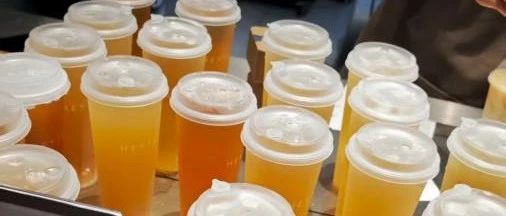
来源 | 凤凰网《风暴眼》 这个周末,外卖平台的商战打得如火如荼。 打开手机,满屏都是补贴优惠广告。 凤凰网《风暴眼 》注意到,各类优惠活动的力度不断加码,竞争愈发激烈 。 满 28 元减 18.8 元、满 20 元减 10 元的福利还在刷屏,有平台甚至 直接甩出" 0 元兑换券"的王炸。 在这波 "撒钱式"福利轰炸下,网友们乐开了花,个个化身 "羊毛特种兵",生怕错过这波时代红利。 01 减肥年年有,商战可不常有 排了一上午队,终于抱回八杯饮品。 但这只是常规操作 。 有人揣着 0 元兑换券横扫商圈,从绝味鸭脖到喜茶、奈雪,再到蜜雪冰城、瑞幸,连喜姐炸串都没放过 …… 也有把日子过成 " 外卖连续剧 " 的狠人 , 一天点九个外卖,早餐、中餐、下午茶、晚餐、宵夜安排得明明白白,甚至连第二天的都提前预订妥了。 有人索性开启囤货模式,奶茶等各种饮品塞满冰箱。 属实把羊毛薅出了仪式感。 40 度的高温天,连空气都在发烫,却拦不住大家排队的热情。 中午快 12 点了,队伍根本看不到尽头。 甚至有暑假工到晚上 12 点,还有一堆订单没做完。 人群中更是藏着穿 " 吉利服 " 的硬核选手。 门店的员工更是忙到灵魂出窍。 ...

十年过去了,为什么外卖还在大战?
虎嗅APP· 2025-07-13 09:18
Core Viewpoint - The article discusses the resurgence of intense competition in the food delivery market in China, likening it to a war driven by necessity rather than creativity, with major players like Meituan, Alibaba, and JD.com vying for control over the instant delivery infrastructure [6][33]. Group 1: Historical Context - The food delivery market in China has evolved significantly over the past decade, with initial competition focused on user acquisition and scale through heavy subsidies [4][5]. - In 2020, the focus shifted from growth to profitability, with new technologies like Web 3 and AI gaining attention, leading to a more cautious investment environment [5][6]. Group 2: Recent Developments - On July 5, 2025, a significant spike in order volume occurred, with Meituan reporting over 120 million instant retail orders and Alibaba's Taobao Flash Sale exceeding 80 million orders in a single day, resulting in estimated losses exceeding 1 billion yuan for both companies [6][7][21]. - The competition has intensified as companies aim to control the instant delivery infrastructure, moving beyond just food delivery to encompass a wider range of products [16][18]. Group 3: Strategic Shifts - The competition has shifted from merely capturing the food delivery market to controlling the entire instant delivery network, which is seen as a more valuable prize [18][19]. - JD.com initiated the latest round of competition as a strategic move to regain market share and drive traffic to its core e-commerce business, while Alibaba's response was driven by the need to consolidate its fragmented strategy [21][22]. Group 4: Market Dynamics - The current competitive landscape is characterized by a sense of urgency and fear among major players, as they face stagnating growth and the threat of being surpassed by rivals [23][33]. - The article highlights a shift in consumer perception, where the ongoing subsidy wars are viewed as routine business maneuvers rather than innovative market developments [28][29]. Group 5: Implications for Stakeholders - The intense competition has led to operational chaos for merchants and delivery riders, who experience both overwhelming demand and increased earnings during peak periods [29][30]. - The article suggests that the ongoing battles in the food delivery sector are indicative of a broader trend towards market consolidation and the establishment of a dominant player in local life services [33][34].
疯狂的外卖
财联社· 2025-07-13 09:01
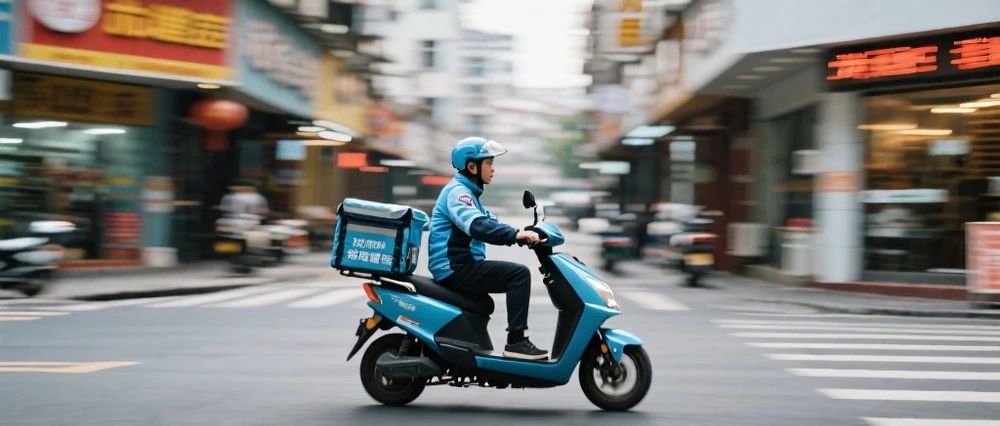
Core Viewpoint - The ongoing competition in the food delivery and instant retail market has intensified, with major platforms like Meituan, Taobao, and JD launching aggressive subsidy campaigns to attract users and increase order volumes [2][14][18]. Group 1: Market Competition - Meituan reported a record order volume of 1.5 billion for instant retail as of July 12, indicating strong market performance [2][16]. - Taobao's flash sales have seen significant user engagement, with daily active users exceeding 200 million and a focus on high-frequency consumer categories [2][15]. - JD has shifted its subsidy strategy to focus on high-value food items like meals and crayfish, contrasting with other platforms that emphasize beverage subsidies [2][18]. Group 2: Rider Earnings - Riders on platforms like Meituan and Ele.me have experienced substantial income growth, with weekend earnings increasing by 111% and order volume rising by 33% in July [5][3]. - Many riders reported daily earnings exceeding 800 yuan, benefiting from peak order volumes during the subsidy wars [3][5]. Group 3: Merchant Challenges - Despite increased sales due to subsidies, many merchants face profit challenges, with some reporting that increased order volumes do not translate to higher profits [9][12]. - Merchants are often required to share the cost of subsidies, leading to situations where they experience increased sales but reduced margins [12][13]. Group 4: Consumer Behavior - The consumer response to subsidy campaigns has varied by region, with riders in lower-tier cities reporting lower order volumes and subsidies compared to those in major cities like Shanghai and Hangzhou [8]. - The effectiveness of promotional strategies, such as "0 yuan purchase" offers, has been noted, with varying levels of participation and success among different merchants [16][17].