
绿色金融

Search documents
绿水青山遍神州“数”看产业与金融共谱新画卷
Shang Hai Zheng Quan Bao· 2025-10-19 18:49
Core Viewpoint - The article emphasizes the significant progress in green development in China during the "14th Five-Year Plan" period, highlighting the integration of industry and finance in promoting sustainable growth and achieving carbon neutrality goals. Group 1: Green Industry Development - During the "14th Five-Year Plan," China's green industry has made remarkable advancements, leading globally in several sectors, including renewable energy and electric vehicles [3][4]. - By 2024, China has established the world's largest and most complete new energy industry chain, providing 80% of global photovoltaic components, 70% of wind power equipment, and 60% of power batteries [3]. - As of the first quarter of this year, China's wind and solar power generation capacity has reached a cumulative installed capacity of 1.482 billion kilowatts, surpassing that of thermal power [3]. Group 2: Environmental Improvements - Since the beginning of the "14th Five-Year Plan," the proportion of days with good air quality in cities has stabilized at around 87%, and forest coverage is expected to exceed 25% by 2024, contributing to a significant increase in global greening [4]. - By 2024, China's energy consumption per unit of GDP has decreased by 11.6% compared to the end of the "13th Five-Year Plan," making it one of the fastest countries in terms of energy intensity reduction [5]. Group 3: Green Financial System - A multi-layered and comprehensive green financial system has emerged, providing substantial financial support for green industries, with over 100 projects receiving financial backing amounting to 216.4 billion yuan [6][7]. - By the second quarter of 2025, the balance of green loans in China is expected to reach approximately 42.4 trillion yuan, and the balance of green bonds will exceed 2.2 trillion yuan [7]. - The national carbon emissions trading market has seen a cumulative transaction volume of 696 million tons and a total transaction value of 47.826 billion yuan by August 2025, indicating significant progress in carbon finance [7]. Group 4: Policy and Financial Innovations - The Chinese government has introduced various policies to encourage financial support for green industries, including the issuance of guidelines to enhance financial backing for low-carbon development [9]. - Innovative financing models, such as ESG-linked loans, are being adopted, allowing companies to benefit from reduced interest rates based on their environmental performance [10]. - The integration of green finance with consumer behavior is being promoted through initiatives like carbon accounts and low-carbon cards, encouraging sustainable consumption practices [10]. Group 5: Future Outlook - The collaboration between industry and finance is expected to continue, focusing on innovation and sustainability to create a "Beautiful China" in the future [13].



绿水青山遍神州 “数”看产业与金融共谱新画卷
Shang Hai Zheng Quan Bao· 2025-10-19 18:49
Core Insights - The article highlights China's significant progress in green finance and environmental sustainability, emphasizing the country's commitment to achieving its dual carbon goals and the development of a robust green financial system [2][5][10] Group 1: Environmental Improvements - Since the 14th Five-Year Plan, the proportion of days with good air quality in cities has stabilized at around 87%, and the forest coverage rate is expected to exceed 25% by 2024, an increase of approximately 2 percentage points from 2020 [1] - By 2024, China's energy consumption per unit of GDP is projected to decrease by 11.6% compared to the end of the 13th Five-Year Plan, making it one of the fastest countries in terms of energy intensity reduction [1] Group 2: Green Financial System - A multi-layered green financial system has emerged, providing substantial financial support for green industries, with over 100 projects receiving financial backing amounting to 216.4 billion yuan [2][3] - As of mid-2025, the balance of green loans in China is approximately 42.4 trillion yuan, and the balance of green bonds exceeds 2.2 trillion yuan [3] Group 3: Carbon Market Development - The national carbon emissions trading market was launched in July 2021, with cumulative trading volume reaching 696 million tons and total transaction value of 47.826 billion yuan by August 2025 [3] - In 2024, the annual transaction value of carbon emission allowances reached a record high of 18.114 billion yuan [3] Group 4: Policy Support and Financial Innovation - Various policies have been introduced to encourage financial institutions to support green projects, including the issuance of guidelines to enhance financial backing for green low-carbon development [5][6] - Innovative financing models, such as linking loan interest rates to ESG performance, are being adopted, exemplified by a recent agreement between Trina Solar and Industrial Bank [6] Group 5: Industry Growth and IPOs - New material company Daosheng Tianhe, which specializes in wind turbine blades, recently went public, indicating a trend of green technology and renewable energy companies accessing capital markets for growth [8] - The integration of green finance with technology finance is seen as crucial for supporting sustainable innovation and providing diverse financial products [9]

“十五五”规划前瞻:国际篇+金融篇
2025-10-19 15:58
Summary of Key Points from Conference Call Records Industry Overview - The records discuss the Chinese economy and its strategic responses to global geopolitical challenges, particularly in the context of the "14th Five-Year Plan" and the upcoming "15th Five-Year Plan" [1][2][3]. Core Insights and Arguments - **Economic Growth Projections**: China's economic growth is expected to maintain a range of 4.6% to 4.8% during the "15th Five-Year Plan" period, with a focus on energy supply security through strategic partnerships, particularly with Russia [1][3]. - **Foreign Trade Expansion**: By 2024, China's foreign trade is projected to reach $6.16 trillion, marking a 32.4% increase compared to the previous five-year period, maintaining its position as the world's largest trading nation [1][4]. - **Trade Structure Optimization**: The importance of ASEAN and the EU as trading partners is increasing, while the significance of the U.S. is declining. High-tech, green, and electromechanical products are identified as core drivers of exports [4]. - **Financial Policy Focus**: The financial policies during the "14th Five-Year Plan" emphasized service to the real economy, financial security, and supply-side structural reforms, with a new goal of building a financial powerhouse [5]. Important but Overlooked Content - **Challenges for Private and Tech Enterprises**: Private and tech enterprises face high loan interest rates, reliance on collateral for financing, and a low proportion of direct financing (31.6%) compared to developed countries (60%-80%) [6]. - **Strategic Directions for Financial Institutions**: Financial institutions are expected to adjust their strategies to focus on technology finance, green finance, and pension finance, with an emphasis on supporting innovation and sustainable development [7][9][10]. - **Internationalization of the Renminbi**: There is a push for the gradual internationalization of the Renminbi, with current foreign holdings of domestic bonds and stocks at only 3%-4%, indicating significant room for growth [8]. Sector-Specific Developments - **Banking Sector**: The banking industry will prioritize resources towards strategic areas such as technology innovation and green finance, utilizing differentiated products like intellectual property pledge loans [9]. - **Insurance Sector**: The insurance industry aims to enhance health insurance and long-term care systems to address aging population needs while increasing equity asset allocation in tech and green sectors [9]. - **Fund Management**: The fund industry is transitioning from a focus on scale to one on returns, emphasizing investments in pension-targeted funds and ESG products [10]. - **Securities Sector**: The securities industry is expected to evolve towards a more integrated, professional, and digital approach, focusing on investment banking and wealth management [10].
国泰君安期货研究周报:绿色金融与新能源-20251019
Guo Tai Jun An Qi Huo· 2025-10-19 10:55
Report Industry Investment Rating No relevant content provided. Core Views - Nickel is expected to have narrow - range fluctuations in the short - term, with contradictions still accumulating. Stainless steel has no obvious upward drive in the supply - demand situation, but cost limits the downside space. Industrial silicon's supply - demand is expected to weaken, and for polysilicon, the policy logic remains, with attention on the implementation node. Lithium carbonate is expected to run strongly due to the significant reduction of futures warehouse receipts [2][5][6][29][34][35][67][69]. Summary by Related Catalogs Nickel and Stainless Steel - **Nickel Fundamentals**: The contradiction between smelting - end inventory accumulation and the Indonesian nickel ore logic is intense. Refined nickel has marginal supply increase and weak demand, but the substitution of nickel - iron for nickel - plate in the alloy end and the uncertainty of Indonesian nickel ore policies affect the price. The short - term price has support at the bottom while inventory is accumulating at a high level [5]. - **Stainless Steel Fundamentals**: In the long - term, the stainless - steel industry may shift from a supply - strong and demand - weak logic to a supply - demand double - weak thinking. In the short - term, there is a lack of upward drive in the fundamentals, but cost limits the downside space. The 10 - month production schedule shows a marginal increase, and the cumulative surplus has converged compared to previous years [6]. - **Inventory Tracking**: On October 17, China's refined nickel social inventory increased, LME nickel inventory also increased. For stainless steel, the upstream inventory is high, and the downstream is cautious in purchasing [9]. - **Market News**: There are events such as Indonesia's sanctions on mining companies, changes in RKAB policies, and potential tariff increases by the US, which all have an impact on the market [10][11][12]. Industrial Silicon and Polysilicon - **Price Trends**: This week, the industrial silicon futures price was weakly volatile, and the spot price declined. The polysilicon futures price was strongly volatile, and the spot price was stable [29]. - **Supply - Demand Fundamentals**: For industrial silicon, the supply is expected to increase in October, and the southwest region may reduce production in the future. The demand from downstream sectors has different trends, and overall, the industry inventory is accumulating. For polysilicon, the supply is expected to increase in October and then decrease, and the demand from the silicon - wafer end is expected to be strong in October and may change later. The 10 - month supply - demand will accumulate inventory, and the inventory accumulation will slow down from November to December [30][31][34][35]. - **Trading Suggestions**: For industrial silicon, it is recommended to short at high prices, with the expected next - week futures price range of 8200 - 8700 yuan/ton. For polysilicon, it is recommended to buy on dips, with the expected next - week futures price range of 51000 - 54000 yuan/ton [35]. Lithium Carbonate - **Price Trends**: This week, the lithium carbonate futures price strengthened, while the spot price declined slightly. The basis and the spread between different contracts also changed [67]. - **Supply - Demand Fundamentals**: The futures warehouse receipts of lithium carbonate decreased significantly, indicating strong demand in the spot market. The production reached a new high, and the demand is expected to be optimistic until November, but the US tariff policy on Chinese energy storage needs attention [68]. - **Trading Suggestions**: It is recommended to be bullish but not chase the price in the single - side trading. For inter - period trading, positive spreads are recommended. For hedging, option hedging is suggested [69].
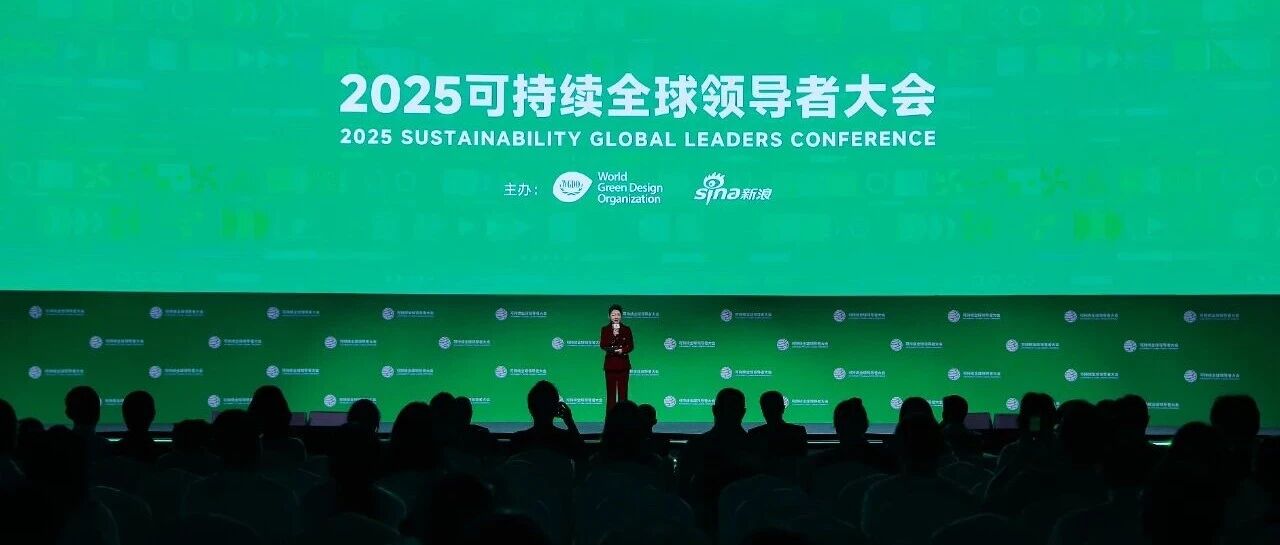
2025可持续全球领导者大会圆满收官:潘基文、金垣洙演讲,国际合作共促全球繁荣
新浪财经· 2025-10-18 13:31
Core Insights - The 2025 Sustainable Global Leaders Conference was held from October 16 to 18, focusing on "Facing Challenges Together: Global Action, Innovation, and Sustainable Growth" [2] - The conference gathered global leaders and experts to explore new paths for sustainable development and inject "Chinese momentum" into global governance [2] Group 1: International Cooperation and Global Prosperity - China has made significant achievements in energy transition over the past five years, with rapid expansion in wind and solar power capacity, reducing reliance on fossil fuels [3] - The global development and prosperity are seen as a shared future, necessitating solutions for the challenges faced by humanity [5] Group 2: Climate Change and ESG - The global ESG-related assets are projected to reach $40 trillion by 2030, yet there has been a regression in achieving sustainable development goals despite widespread commitments [7] - The current environmental, social, and governance (ESG) risks are increasingly recognized as financial risks, impacting supply chains and market volatility [95] Group 3: Energy Transition and Challenges - China's energy transition opportunities lie in the rapid development of renewable energy, with a target of 3600 GW installed capacity by 2035, doubling from the current 1700 GW [21] - The challenge remains in balancing the rapid growth of renewable energy with energy security and stability [19][23] Group 4: Industrial and Technological Innovations - The role of technology and innovation in addressing social and economic challenges is widely acknowledged, particularly in the context of sustainable development [9] - The manufacturing sector must achieve breakthroughs in green products to meet carbon peak and neutrality goals by 2030 and 2060, respectively [25] Group 5: Education and Talent Development - There is a pressing need for talent development in the ESG industry to support sustainable transformation [41] - Educational institutions are encouraged to integrate sustainability deeply into their curricula to cultivate interdisciplinary talents capable of addressing complex global challenges [84][90] Group 6: Global Collaboration and Trade - China is recognized as a key player in the global green transition, with significant efforts needed in the Asia-Pacific region to scale up initiatives and combat climate change [50][93] - The interconnectedness of climate change, AI governance, and international cooperation is emphasized as essential for addressing global challenges [48]
湖北上线生态环境权益交易平台
Zhong Guo Xin Wen Wang· 2025-10-18 11:42
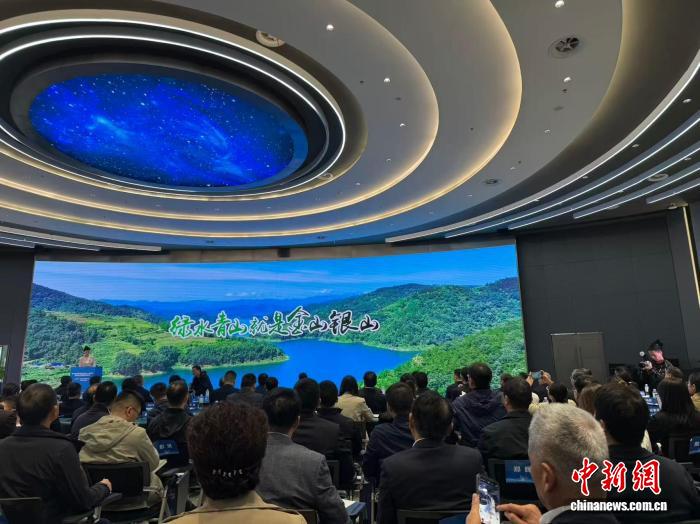
Core Viewpoint - The launch of the Hubei Ecological Environment Rights Trading Platform marks a significant breakthrough in the construction of factor trading platforms, facilitating the service of a unified national market and promoting domestic economic circulation [1][2]. Group 1: Platform Features - The Hubei Ecological Environment Rights Trading Platform integrates five core functions: carbon emission rights, pollutant discharge rights, ecological product value realization, solid waste resource utilization, and green financial services [2]. - The platform employs a scientific ecological product value accounting system to assign price tags to "priceless" ecological products such as clean air, clean water, carbon sinks, and beautiful landscapes [2]. Group 2: Market Development - Hubei has established itself as a leader in the carbon trading market, with a cumulative transaction volume exceeding 10 billion yuan, maintaining its position at the forefront of the nation [2]. - The province's pollutant discharge rights trading scale ranks among the top in the country, contributing to the rapid development of the energy-saving and environmental protection industry [2]. Group 3: Operational Framework - The platform aims to create an operational system characterized by data empowerment, unified rules, market linkage, regional collaboration, precise allocation, and comprehensive supervision [2]. - The platform offers online services through four systems for streamlined access and offline services for qualification review, financial support, and demand matching, fostering an open factor trading market [2].
全文|联合赤道刘景允:应对ESG评级差异需回归自身建设,绿色金融已形成价值闭环
Xin Lang Zheng Quan· 2025-10-18 09:31
Core Insights - The 2025 Sustainable Global Leaders Conference will be held from October 16 to 18 in Shanghai, focusing on global action, innovation, and sustainable growth [1] - The conference aims to explore new paths for sustainable development and gather global wisdom, featuring around 500 prominent guests, including Nobel laureates and leaders from Fortune 500 companies [1] Group 1: ESG Ratings and Corporate Challenges - Many companies express frustration over their ESG ratings not improving despite increasing the length of their ESG disclosure reports [4][6] - The core issue identified is the misalignment between what companies focus on and what rating agencies prioritize in their evaluations [4][7] - Companies are advised to focus on their actual ESG performance rather than just the presentation of reports, emphasizing the importance of quantifiable progress and strategic planning [4][8] Group 2: Financial Implications of ESG Practices - Companies with strong ESG performance tend to have better long-term profitability and risk resilience [5][9] - Higher ESG ratings can lead to increased business opportunities, such as enhanced customer willingness to purchase products from companies with better ratings [5][9] - ESG performance is increasingly linked to financing costs, with green financing options providing lower interest rates for companies demonstrating strong ESG practices [5][10] Group 3: Recommendations for Companies - Companies should focus on their own ESG practices and improvements rather than comparing themselves to others, as this is more effective for enhancing ratings [4][8] - It is crucial for companies to understand industry-specific indicators and stakeholder concerns to make substantial progress in their ESG ratings [4][8] - The integration of ESG performance with financing options is becoming more common, allowing companies to benefit from lower loan rates based on their ESG achievements [5][10]

绿色债券周度数据跟踪-20251018
Soochow Securities· 2025-10-18 09:24
证券研究报告·固定收益·固收点评 固收点评 20251018 绿色债券周度数据跟踪 (20251013-20251017) [Table_Tag] [Table_Summary] 观点 ◼ 一级市场发行情况: 本周(20251013-20251017)银行间市场及交易所市场共新发行绿色债券 18 只,合计发行规模约 122.82 亿元,较上周减少 29.68 亿元。发行年限 多为 3 年;发行人性质为地方国有企业、央企子公司、大型民企、其他 企业;主体评级多为 AAA、AA+级;发行人地域为广东省、北京市、贵 州省、江苏省、河南省、山东省、上海市、浙江省;发行债券种类为中 期票据、私募公司债、企业 ABS、交易商协会 ABN、超短期融资券。 ◼ 二级市场成交情况: 本周(20251013-20251017)绿色债券周成交额合计 613 亿元,较上周增 加 195 亿元。分债券种类来看,成交量前三为非金公司信用债、金融机 构债和利率债,分别为 306 亿元、226 亿元和 63 亿元;分发行期限来 看,3Y 以下绿色债券成交量最高,占比约 79.45%,市场热度持续;分 发行主体行业来看,成交量前三的行业为金融 ...
中欧资管合作提速,中国银行助力全球资管枢纽建设
Di Yi Cai Jing· 2025-10-18 07:54
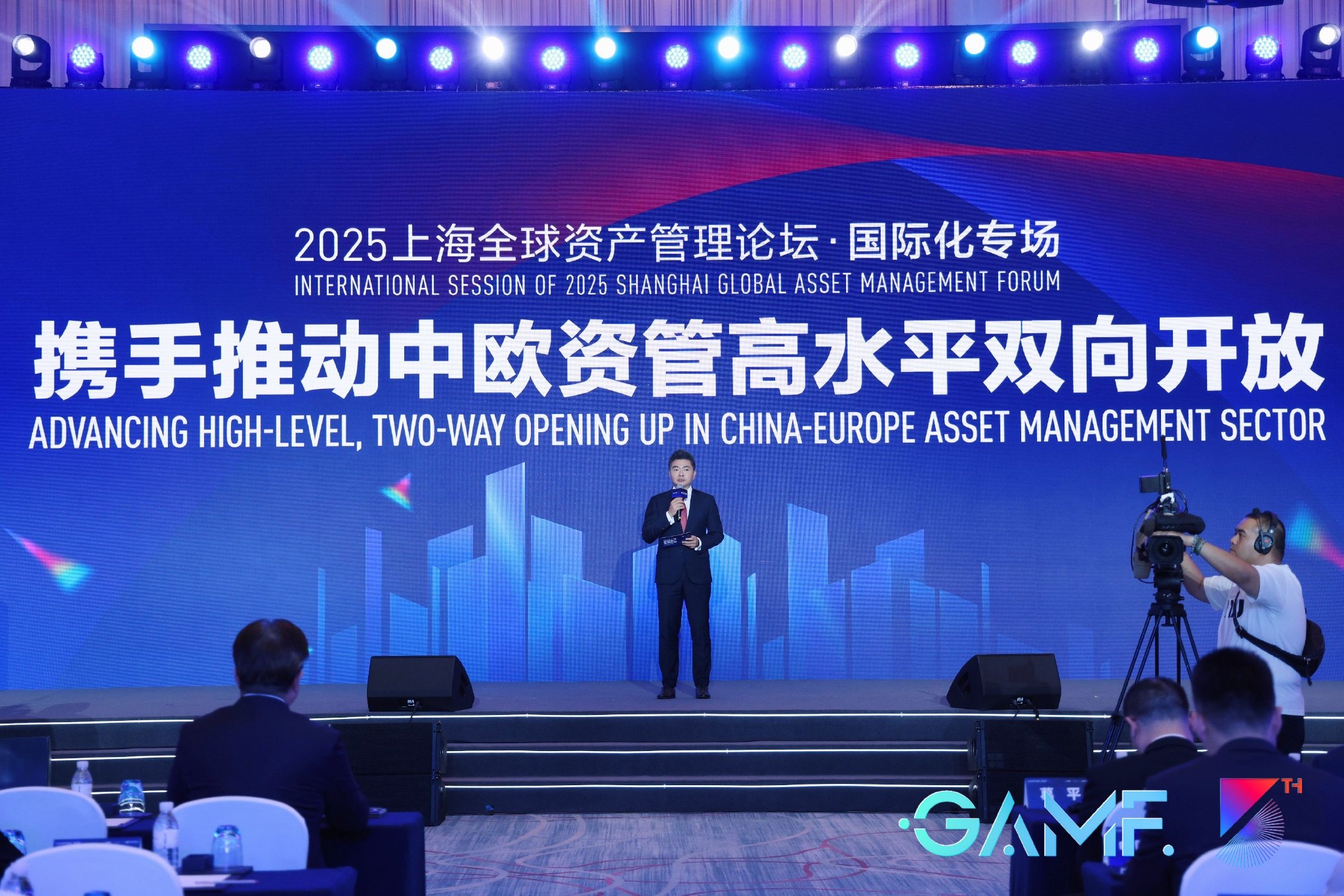
Core Insights - The "2025 Shanghai Global Asset Management Forum" emphasizes the importance of promoting high-level bilateral openness in the asset management sector between China and Europe amidst a complex international economic landscape [1][2] - China is enhancing its financial market and asset management openness, with the RMB gaining global attention as an investment and reserve currency, leading to increased interest from European institutions in China's stock and bond markets [3][4] Group 1: Economic and Financial Performance - Shanghai's GDP reached 2.6 trillion yuan in the first half of 2025, growing by 5.1% year-on-year, with the financial sector contributing 250 billion yuan, an 8.8% increase, accounting for 17.2% of the city's GDP [3] - The three leading industries in Shanghai—artificial intelligence, integrated circuits, and biomedicine—saw a combined output growth of 9.1%, supporting the city's competitiveness as an international financial center [3] Group 2: Policy and Institutional Developments - Shanghai is actively promoting the aggregation of financial institutions and enhancing financial service functions, currently hosting over one-third of the nation's foreign banks and nearly half of foreign insurance institutions [4] - The Shanghai Stock Exchange signed a memorandum of cooperation with the Swiss Exchange to advance cross-border openness, while also improving cross-border financial services and the internationalization of financial institutions [4] Group 3: Investment Trends and Opportunities - International investors are increasingly favoring Chinese assets due to supportive policies, technological innovations, and market performance, with net inflows exceeding 60% of the total for 2024 by mid-2025 [5] - The Chinese market is seen as having significant potential in areas like institutional openness, green finance, and pension markets, with suggestions to gradually relax restrictions on overseas investments in pensions [6] Group 4: Sector Performance and Investment Focus - From 2022 to 2024, energy and financial sectors showed resilience, while 2025 is expected to highlight sectors related to artificial intelligence and leading companies in pharmaceuticals and materials [7] - China is emerging as a leader in innovative drug development, with clinical-stage innovations accounting for 50% of global totals, and is also making strides in electric vehicles and robotics [7] Group 5: Financial Cooperation and Market Integration - The cooperation between China and Europe is characterized by accelerated infrastructure connectivity and deepening policy communication, with the RMB's role in bilateral cooperation becoming increasingly diverse [8] - The London Stock Exchange is implementing reforms to enhance its competitiveness, while also exploring opportunities for collaboration in green economy and energy sectors with Chinese firms [9] Group 6: Strategic Initiatives and Future Outlook - China Bank is positioned as a key player in facilitating China-Europe financial cooperation, with a global custody scale of 4.7 trillion yuan, serving over 100 countries [10] - Future initiatives will focus on enhancing collaboration in green finance, technology empowerment, product innovation, and risk management, aiming to leverage historical opportunities for high-quality development in China and green transitions in Europe [14]

聚焦可持续发展,浦东绿色金融与可持续发展大会签约近百亿元
Xin Hua Cai Jing· 2025-10-18 05:21
Core Insights - The conference on green finance and sustainable development held in Shanghai showcased the innovative achievements of green finance in the Pudong New Area and aimed to promote key green finance projects [1][2] Group 1: Green Finance Framework - Pudong New Area has established a comprehensive green finance policy framework to facilitate the green transformation of the economy and society [1] - A district-level coordination mechanism has been set up to accurately identify and manage climate-friendly projects [1] - The release of the "Guidelines for Carbon Emission Accounting and Information Disclosure for Financial Institutions in Pudong New Area" provides practical guidance for financial institutions, aligning with international standards [1] Group 2: Market Growth and Financial Projects - As of June 30, 2023, the balance of green loans from 24 key domestic and foreign banks in Pudong reached 546.2 billion yuan, accounting for 41% of the city's total [2] - The issuance of green bonds and green asset-backed securities remains active in the direct financing sector [2] - The green leasing sector has accelerated its transformation, with green leasing assets reaching approximately 290 billion yuan, representing 85% of the city's total [2] Group 3: Project Signings and Case Studies - During the signing ceremony, a series of green finance projects covering credit, bonds, investment, leasing, and carbon finance were signed, totaling nearly 10 billion yuan [2] - The "Top Ten Innovative Cases of Green Finance in Pudong New Area" and "Top Ten Cases of Green Finance Development" were released, highlighting significant projects such as the world's first offshore RMB social responsibility bond and the first dual-currency green structured deposit in the country [2]