人机协同

Search documents
人机共舞:蓝领人才价值跃迁,优蓝国际(YOUL)锚定AI+机器人时代结构性红利
Ge Long Hui· 2025-08-21 08:56
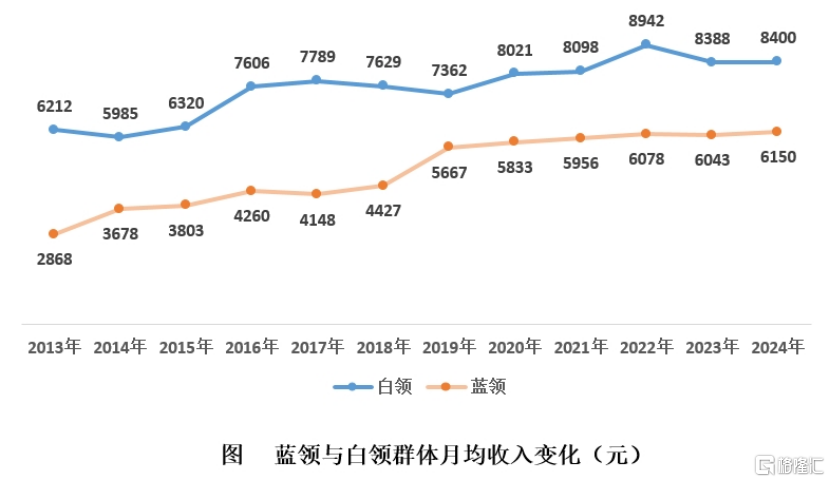
Core Insights - The essence of technological disruption is value migration rather than job elimination, with human-machine collaboration expected to enhance the capabilities of 400 million blue-collar workers in China [1] - The company plans to focus on high-skill blue-collar vocational education and training as a core direction for the next three years, with potential for a separate listing if the vocational education segment successfully transforms [1] Group 1: Understanding the Nature of Change - Current robotics and AI technologies have limitations in adapting to complex environments, executing precise operations, and providing emotional connections, which slows down their replacement of jobs [2] - A more cost-effective "human-machine collaboration" model is emerging, creating a strong demand for "new blue-collar" workers who can operate, program, and maintain robots [2][3] - The real impact of AI and robotics will be on low-skill, repetitive, or hazardous jobs, pushing blue-collar roles towards higher skill requirements and more human-machine interaction [3] Group 2: Capturing Dual Growth - Historical evidence shows that technological changes create new opportunities, with the current AI and robotics revolution expected to lead to "dual growth" in blue-collar employment [4] - The blue-collar workforce in China has reached 425 million, with a shift from traditional labor to "skill + technology composite" roles, and the average monthly income for blue-collar workers is projected to be 6,150 yuan in 2024, reflecting a 1.77% increase [4] - The proliferation of smart devices in manufacturing is creating new roles such as industrial robot maintenance technicians, which require a combination of traditional skills and new technical capabilities [7] Group 3: Strategic Importance of the Company - The technological transformation is expected to increase the strategic importance of the company, evolving its role from merely providing labor to becoming a key enabler of skills and driving transformation [7] - The company is positioned to benefit from a deeper professional moat, wider ecological barriers, and greater market potential due to the creation of new demands and services [7] - AI and robotics will reshape rather than eliminate blue-collar talent demand, unlocking unprecedented potential, with the company acting as a crucial facilitator of this technological change [8]


2025全球智慧教育大会,网龙以AI赋能“3E教育”新范式
Huan Qiu Wang· 2025-08-20 08:53
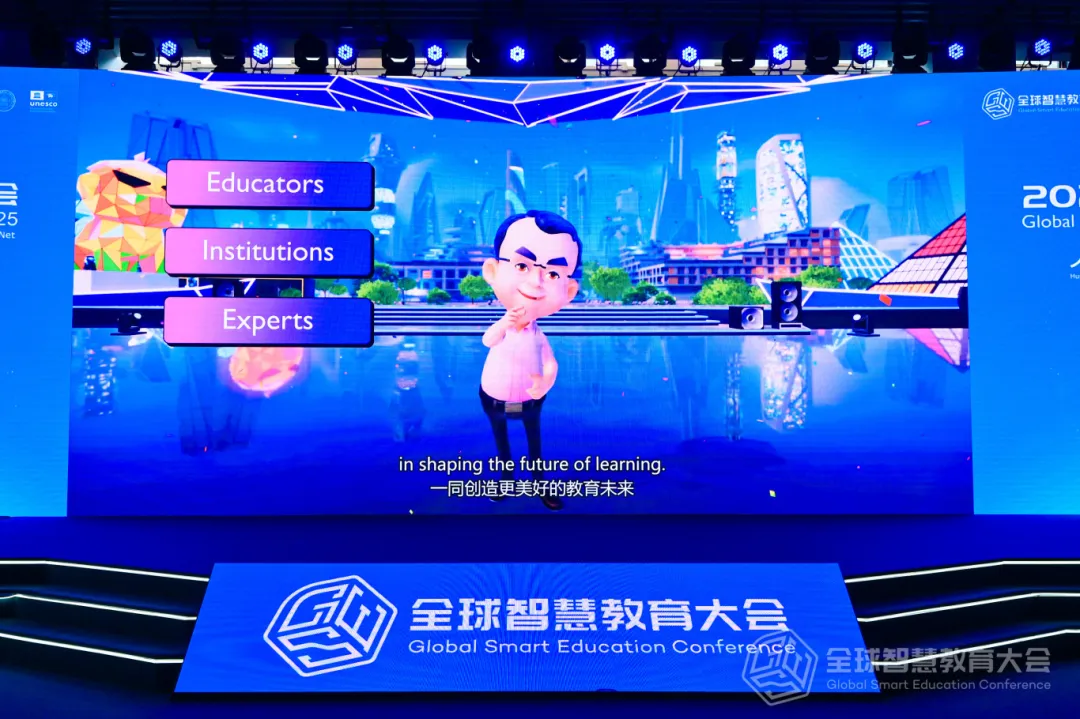
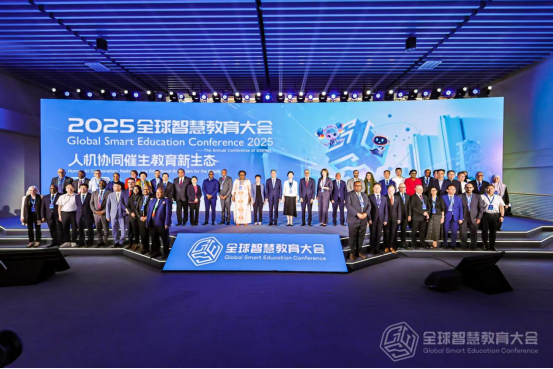
Group 1: Conference Overview - The "2025 Global Smart Education Conference" opened in Beijing, focusing on the theme "Human-Machine Collaboration to Foster a New Education Ecosystem" [1] - The conference attracted experts from education, technology, and business sectors to explore innovative paths for integrating new technologies with education [1] Group 2: Key Presentations - Liu Dejian, Chairman of NetDragon, emphasized the ideal education of the future should possess "3E" characteristics: more effective, more efficient, and more engaging [2][4] - He highlighted the shift from a "group-centered" traditional education model to an "individual learner" focus, advocating for personalized, immersive, and gamified learning experiences [4] Group 3: AI Production Center - NetDragon has established an AI Production Center to support the efficient, standardized, and personalized production of educational content, reducing marginal production costs to around 100 yuan and content production time to under one hour [4][7] - The center utilizes an "expert system + AI nodes" approach to adapt educational resources for different countries and regions, supporting multilingual and multicultural outputs [4] Group 4: EDA Initiative - NetDragon's Vice Chairman, Liang Nianjian, introduced the EDA (Edmodo Academy) initiative aimed at promoting educational equity and global collaboration in the new education ecosystem [6] - EDA has established educational bases and resource creation centers worldwide, providing a metaverse learning platform for learners, educators, and content creators [6] Group 5: Global Impact and Collaborations - NetDragon has expanded its educational reach to over 190 countries and regions, serving more than 150 million users and 2 million classrooms [9] - The company has formed national-level collaborations with over 20 countries along the Belt and Road Initiative, including Serbia, Nigeria, Thailand, and Egypt [9] Group 6: AI Integration in Education - NetDragon has fully integrated AI into its educational offerings, achieving 100% coverage in the education sector, with significant reductions in content production time and costs [7][8] - The company is also developing AI-driven educational products that adapt to students' learning progress and knowledge mastery [7] Group 7: Future Directions - The conference highlighted the importance of human-machine collaboration in education, predicting a future where quality educational resources are co-created and shared more widely [8] - NetDragon aims to leverage AI, VR, and AR technologies to create a personalized, efficient, and lifelong learning ecosystem [8][10] Group 8: Strategic Partnerships - NetDragon has a close partnership with Beijing Normal University, focusing on research and development in smart learning environments [10] - The company showcased projects like future experiments, Rokid AR, AI digital human interactions, and the AI Production Center at the conference [10][12]

AI时代,中层管理者如何重构自己的角色?
3 6 Ke· 2025-08-20 03:12
Core Insights - The article discusses the unprecedented identity crisis faced by middle managers due to the increasing penetration of AI technology in business operations. AI is not only changing management tools but also reshaping management processes and fundamental logic [1][2]. Group 1: Transformation of Middle Management Roles - AI has taken over 42% of the routine tasks of middle managers, including data collection, process monitoring, and regular approvals, leading to a significant shift in their roles [1]. - A study from Harvard Business School indicates that "dual-track decision-makers," who can integrate AI insights with human judgment, achieve 23% higher team performance [2]. - Middle managers are experiencing "skill anxiety," with 51% feeling unprepared for the AI era, and teams led by managers who cannot adapt to AI collaboration perform 23 percentage points lower [2][3]. Group 2: Challenges in Collaboration and Power Dynamics - Research from Stanford University shows that over half of managers feel "disempowered" when AI systems directly provide work suggestions and performance feedback, indicating a struggle to transition from "command givers" to "collaborative guides" [3]. - The compression of interaction time due to AI technology has weakened emotional connections among team members, necessitating middle managers to act as "relationship integrators" to bridge the gap between algorithms and teams [3][4]. - Structural resistance within organizations, where managers lack the "technical-business translation ability," hinders successful project outcomes, with a 37% higher success rate for those who possess this skill [3][4]. Group 3: Becoming Enhanced Managers in the AI Era - The article emphasizes that the future value of middle managers lies not in performing old tasks but in realizing "augmentation" by leveraging high-level cognitive and social situational awareness that AI cannot replace [6][7]. - Middle managers must transition from being data consumers to data-driven decision-makers, capable of interpreting AI-generated insights within the context of organizational goals [7]. - In team building, middle managers should focus on fostering growth in areas where AI cannot excel, such as complex problem-solving and strategic thinking, thus taking on a coaching role [8]. Group 4: Integration of Technology and Business - The redefinition of organizational boundaries by AI requires middle managers to become "integration enhancers," bridging the gap between technology and business needs [8][9]. - The article concludes that technology alone will not lead to organizational evolution; it is the transformation of people that will complete the leap in management systems [9][10].

2025全球智慧教育大会举办,肥城市分享教育数字化转型经验
Qi Lu Wan Bao Wang· 2025-08-20 03:09
Group 1 - The 2025 Global Smart Education Conference opened in Beijing, focusing on "Human-Machine Collaboration to Foster a New Ecosystem in Education," gathering over 500 domestic and international experts and educators to explore innovative paths for the integration of new technologies in education [1] - The Chinese government emphasizes the importance of digital education as a strategic task for building a strong education nation, with significant changes resulting from three years of strategic actions promoting the deep integration of artificial intelligence in education [3][5] - Beijing Normal University President Yu Jihong highlighted the profound transformation in education due to the rapid development of generative artificial intelligence and big data technology, calling for higher education institutions to lead digital education reform and innovate talent cultivation models [3][5] Group 2 - Feicheng City Education and Sports Bureau presented a "Feicheng Plan" for educational digital transformation, focusing on a "Smart Interconnection, Data-Driven, Quality Balanced" educational ecosystem [5] - The city is implementing three major actions: Foundation Building, Transformation, and Leap Forward, to comprehensively advance educational digital transformation and achieve significant results [5][6] - The Leap Forward action aims to establish a new paradigm for psychological health protection through AI-assisted analysis tools, promoting early detection and intervention for student psychological crises [6]
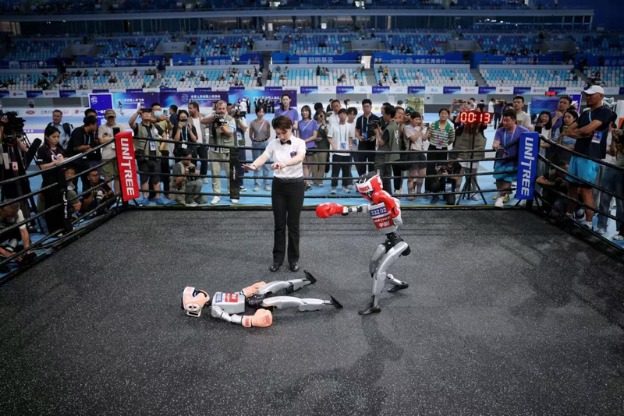
在机器人搏击比赛上 奥运健儿击败了人工智能专业的学生
Xin Jing Bao· 2025-08-19 16:39
Core Insights - The 2025 World Humanoid Robot Games showcased the competitive edge of athletes with experience in traditional sports over students with robotics expertise, as evidenced by the victory of the Olympic athlete team, Aolin 1, over the academically trained team, Huadian Iron Fist [1][3][4] Group 1: Competition Overview - The free fighting event was the only competition held in the FOP area, featuring eight teams, with six teams composed of students from various universities specializing in robotics [3][4] - Aolin 1 team, consisting of Olympic athletes from diverse sports, demonstrated superior tactical execution and experience in the competition [3][4][6] Group 2: Technical Insights - The competition highlighted the challenges of controlling humanoid robots, including limitations in reaction speed and the need for familiarity with the robot's control algorithms [6][16] - The robots used in the competition, such as the Yushu G1, exhibited advanced motion control algorithms, allowing them to maintain balance and recover quickly from falls, which is crucial for future applications in rescue operations and industrial inspections [11][15] Group 3: Future Implications - The event served as a platform for students and companies to showcase their technological advancements and learn from competitors, fostering innovation in the humanoid robotics field [10][17] - The experience gained from the competition is expected to inform future developments in humanoid robots, particularly in enhancing their operational capabilities in various scenarios [13][19]
广发证券易淘金App实现AI原生化升级
Zheng Quan Ri Bao Wang· 2025-08-19 13:55
Core Insights - Guangfa Securities has completed a comprehensive AI-native upgrade of its "Yitaojin App," transforming it from a comprehensive trading service tool to an all-weather intelligent investment partner, initiating a new paradigm of intelligent services characterized by "personalized experiences" [1][2] Group 1: AI Model and Technology - The upgrade is based on the "Tianji Zhirong" model, which integrates Guangfa Securities' extensive practical data and professional research capabilities, utilizing RAG and Agent orchestration technologies to create a controllable, reliable, and optimizable localized intelligent hub [1][2] - The new "Yitaojin App" leverages the "Tianji Zhirong" model for core design and restructuring, enhancing both the underlying architecture of securities trading and investment services as well as user experience [2][3] Group 2: User Interaction and Experience - The app's service logic is revolutionary, focusing on enabling AI to understand user intent rather than requiring users to adapt to functionalities, thus reshaping the interaction between users and financial data, market analysis, and trading decisions [2] - The introduction of the AI assistant "i Assistant - Yixiao Tao Plus" allows users to engage in a conversational manner for information retrieval and investment operations, significantly improving the efficiency of information acquisition [2] Group 3: Intelligent Advisory Services - The new app embodies a "human-machine collaboration" philosophy, creating an "intelligent advisory" model that enhances service depth and professionalism through bi-directional empowerment [3] - The "i Advisory" module utilizes deep model technology to create an intelligent "advisory cockpit," providing a comprehensive smart advisory service system that covers news interpretation, market analysis, and investment trading [3]

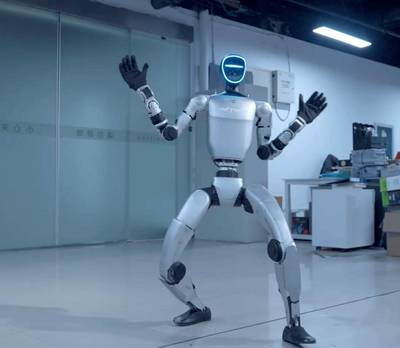
融科银行:春晚“秧歌明星”再登巅峰!宇树H1机器人1500米赛场封王
Jin Tou Wang· 2025-08-19 00:30
Group 1: Core Achievements - The H1 robot from Beijing Lingyi Yushu team won the 1500m race at the first World Humanoid Robot Games with a time of 6 minutes and 34 seconds, showcasing China's advancements in robotics technology [1] - The H1 robot's speed improved from 3.3 meters per second during its debut at the 2023 Spring Festival Gala to a current maximum speed of 5 meters per second, indicating significant enhancements in performance [2] - The victory of H1 not only highlights its athletic capabilities but also marks a transition of humanoid robots from performers to versatile athletes [1][2] Group 2: Technological Innovations - The H1 robot's success is attributed to deep optimizations in motor drive and motion control algorithms, featuring a high-torque motor and dynamic balance system that maintain stability during high-speed runs [2] - In contrast, the runner-up, Tian Gong Ultra, faced challenges with heat dissipation and energy consumption during long-distance events, relying on real-time cooling solutions [2] - The choice of remote control for H1 during the race reflects the current challenges in achieving fully autonomous navigation in high-intensity competitive scenarios [4] Group 3: Industry Implications - The victory of H1 symbolizes the broader development of China's robotics industry, transitioning from entertainment to industrial collaboration and service applications [5] - The event demonstrates a model of accelerating technological iteration through competitive platforms, as emphasized by the founder of Yushu Technology [6] - The emergence of innovative entities like Beijing Lingyi Technology indicates the establishment of a complete chain from core technology breakthroughs to application verification and industrial ecosystem construction [6]
人形机器人运动会,没有真正的赢家
3 6 Ke· 2025-08-15 03:50
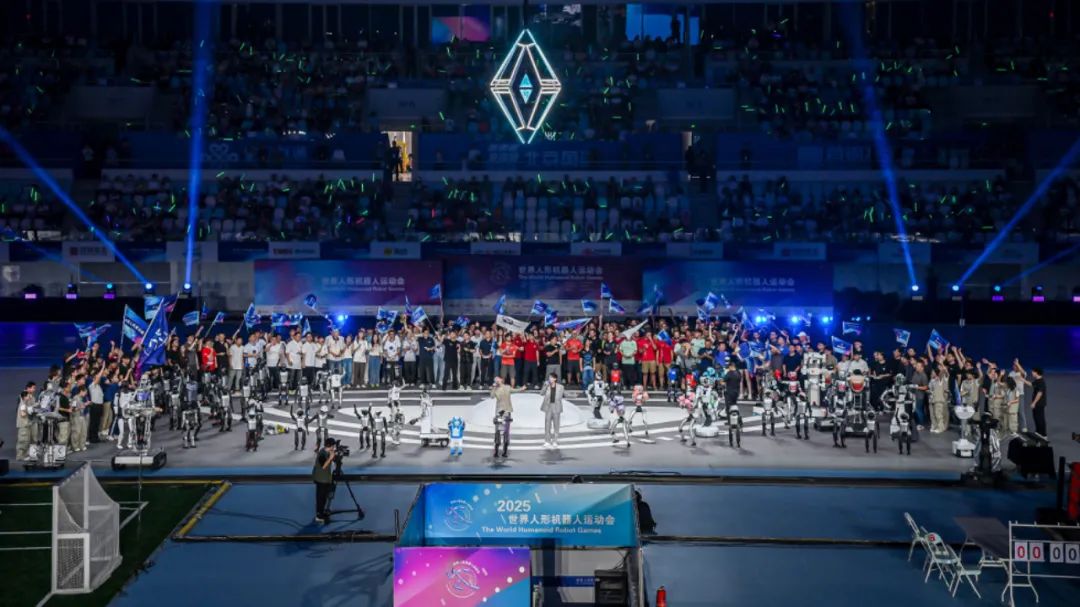
Core Insights - The event is not merely about finding a "winner" but serves as a platform for technological breakthroughs and industry development through competitive rules [1][5] - The first humanoid robot competition showcases the collaboration between humans and robots, marking the beginning of a "human-robot collaboration era" [1][4] Event Overview - The humanoid robot competition took place from August 15 to 17 at the National Speed Skating Hall, featuring 127 brands and over 500 humanoid robots from 280 teams across 16 countries [4] - Unlike traditional marathons, this competition focuses on short-distance and group events, emphasizing hardware design and coordination among robots [4][9] Competition Structure - The competition includes various events such as sprinting, obstacle courses, and multi-robot soccer, assessing robots' explosive power and coordination [4][12] - Performance in these events does not solely determine the best robot, as each participant has unique strengths [5][12] Technological Focus - The competition highlights two main control methods for robots: manual remote control and fully autonomous operation, with specific events requiring complete autonomy [6] - The distinction between remote control and autonomous decision-making is emphasized, with both approaches addressing different operational needs [8] Market Implications - The event serves as a testing ground for companies to refine their technologies and potentially secure real orders, moving beyond mere demonstrations [15][17] - The integration of sports, art, and practical applications in the competition reflects a multi-dimensional approach to robot deployment in various sectors [13][16] Future Directions - The competition aims to establish a "technology-scenario" coordinate system, helping humanoid robot companies clarify their product positioning and accelerate industry maturity [17]
能省1.5个大厨工资,社保新规下,炒菜机器人成餐饮用工最优解?
3 6 Ke· 2025-08-15 03:39
炒菜机器人真有那么好? 年轻厨师紧缺的局面,只会越来越明显,机器代替人工是不可避免的。不过,红餐网认为,为规避社保 压力,完全使用炒菜机器人替代真人厨师并非餐饮用工的最优解。 实际上,炒菜机器人在餐饮行业的应用由来已久。一批连锁餐饮通过炒菜机器人,甚至开出了几百家门 店。 比如湘式盖码饭品牌"霸碗",据红餐网了解,其所有门店都配备炒菜机器人的运营模式,目前已经在全 国开出超500家门店。另据其官网介绍,当前霸碗所有门店的炒菜机均为自研,并且已迭代至第三代。 以安徽湘菜品牌寻湘地带为例,在其正餐门店中,采用"智能化设备+传统炒炉"结合的方式,2台智能炒 菜机器人承担了近50%的炒菜工作,而且仅需1人即可完成,为后厨节省了1.5个炒菜师傅。 除此之外,据新湖南报道,使用炒菜机器人,人力成本大幅降低,直降幅度可达60%。传统后厨往往需 要两名厨师,月薪合计约1.8万元,而机器人方案可实现"一人操作五至六台设备",人力开支锐减。 "招聘兼职临时工""返聘退休工"……随着最高法关于"餐饮店不缴纳社保的协议一律无效"的规定即将生 效,餐饮行业掀起了用工的最优解的讨论。 针对炒菜机器人在餐饮企业的流行,也有不少网友发出疑问 ...
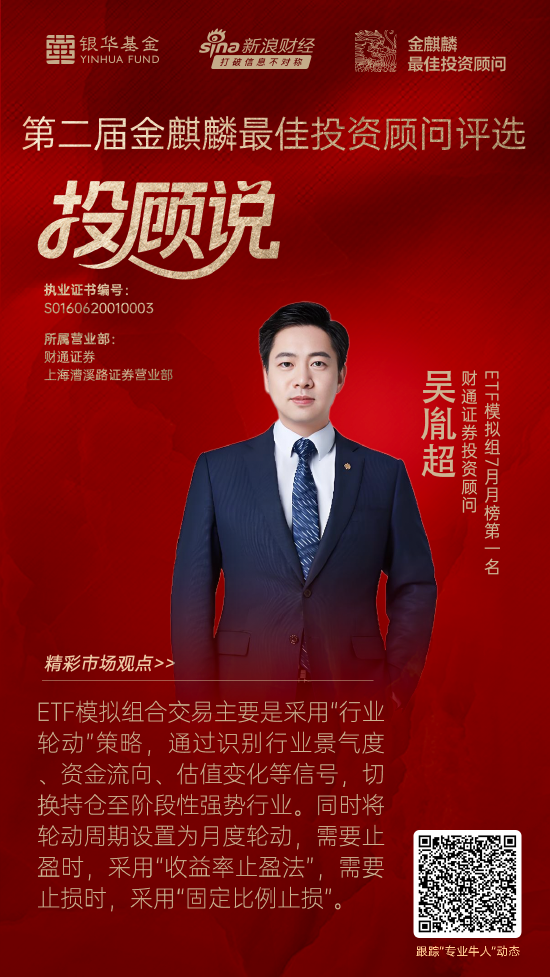
【金麒麟优秀投顾访谈】财通证券投顾吴胤超:ETF模拟组合采用“行业轮动”策略 未来行业服务蕴含四大挑战
Xin Lang Zheng Quan· 2025-08-13 08:21
Core Viewpoint - The Chinese wealth management industry is entering a high-growth cycle, with investment advisors playing a crucial role in guiding asset allocation for clients [1] Group 1: Market Trends and Strategies - The current market is characterized by a "structural bull market," with significant differences in returns across industries, making rotation strategies effective for capturing excess returns [2][3] - The second quarter GDP growth rate was 5.2%, indicating a recovery in corporate earnings and providing a solid foundation for market support [3] - Northbound capital saw a net increase of $10.1 billion in the first half of the year, while financing balances increased by 75 billion yuan since April, reflecting a trend of retail savings entering the market through public funds [3] Group 2: Investment Advisor Challenges and Opportunities - Investment advisors face challenges in transforming service models from "sell-side sales" to "buy-side advisory," requiring a restructuring of income sources and balancing short-term gains with long-term asset allocation [4][5] - The integration of technology is essential, as AI can replace basic analysis tasks, but advisors must enhance their skills in human-machine collaboration to meet clients' emotional needs [4][5] - The demand for cross-disciplinary knowledge is increasing, particularly in areas like retirement, taxation, and cross-border assets, highlighting the need for composite talent in the advisory field [4] Group 3: Future Development of Investment Advisory Services - The core path for enhancing service capabilities involves shifting to a client-centric approach, focusing on account-level returns and satisfaction, and building deep trust with clients [5] - The future of advisory services will rely on "human-machine collaboration," where AI handles standardized processes, allowing advisors to focus on emotional support and client relationships [5] - The goal is to enhance both the financial and emotional value of client accounts, addressing the issue of market gains not translating into client profits, and moving towards a new stage of inclusive finance [5]