
能源转型

Search documents
美联储降息后,最利好的资产出现了?
大胡子说房· 2025-09-20 05:49
Core Viewpoint - The article highlights the significant rise in silver prices, which have outperformed gold this year, driven by both investment demand and industrial usage, particularly in renewable energy sectors [1][2]. Group 1: Silver Market Dynamics - Silver has seen a year-to-date increase of 48% as of mid-September, surpassing gold's performance, with a peak price of $42.96 per ounce, the highest in 14 years [1]. - The silver market is characterized by a strong physical trading volume compared to gold, leading to greater price volatility and susceptibility to market squeezes [2]. - The industrial demand for silver, particularly in photovoltaic cells and electric vehicles, is expected to surge, with projections indicating over 600 GW of new solar installations by 2025 [2]. Group 2: Economic Context and Future Outlook - The current economic environment is marked by fears of a debt-driven collapse, with parallels drawn to historical instances of currency devaluation in countries like Argentina and Turkey [3][4]. - The article posits that the global economy is transitioning away from a dollar-dominated system, with gold and silver serving as alternative hard currencies during this shift [4]. - Predictions suggest that silver prices could rise to over $60 per ounce in the coming years, particularly as the Federal Reserve continues its easing policies [2][5]. Group 3: Investment Strategy - The article advocates for the inclusion of gold and silver in investment portfolios as a hedge against potential economic downturns, emphasizing their role as hard currencies during periods of financial instability [5]. - It suggests that as the Federal Reserve accelerates its rate cuts, the price gap between gold and silver may widen further, making them attractive investment options [5].


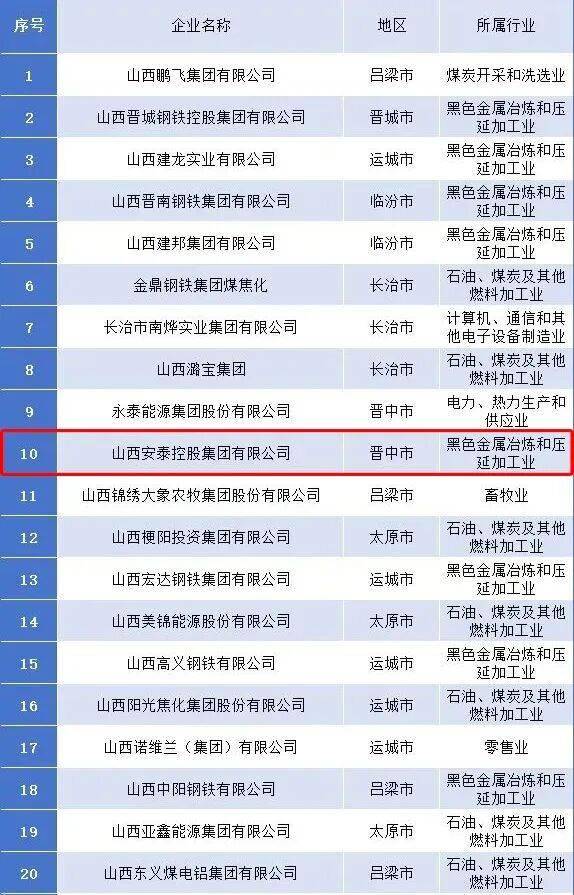
第10位!山西安泰控股集团登榜2025山西省民营企业百强
Sou Hu Cai Jing· 2025-09-19 20:46
9月18日,在"百强民企聚龙城·凝心聚力促转型"2025晋商主题沙龙活动现场,省工商联重磅发布"2025 山西省民营企业100强""2025山西省民营企业制造业30强""2025山西省民营企业服务业20强"系列榜单, 集团位列"2025山西省民营企业100强"第10位,"2025山西省民营企业制造业30强"第8位。 |编辑:总办文秘宣传处 | | 企业名称 | 地区 | 所属行业 | | --- | --- | --- | --- | | 1 | 山西晋城钢铁控股集团有限公司 | 晋城市 | 黑色金属冶炼和压延加 | | | | | 181 | | 2 | 山西建龙实业有限公司 | 运城市 | 黑色金属冶炼和压延和 12 | | 3 | 山西晋南钢铁集团有限公司 | 临汾市 | 黑色金属冶炼和压延加 | | | | | INF | | 4 | 山西建邦集团有限公司 | 临汾市 | 黑色金属冶炼和压延扣 17 | | 5 | 金鼎钢铁集团煤焦化 | 长治市 | 石油、煤炭及其他燃料 加工业 | | 6 | 长治市南峰实业集团有限公司 | 长治市 | 计算机、通信和其他申 | | | | | 子设备制造业 | | ...

市中区:以“新引擎”引领“新格局”,打造先进电网产业高地
Qi Lu Wan Bao Wang· 2025-09-19 15:41
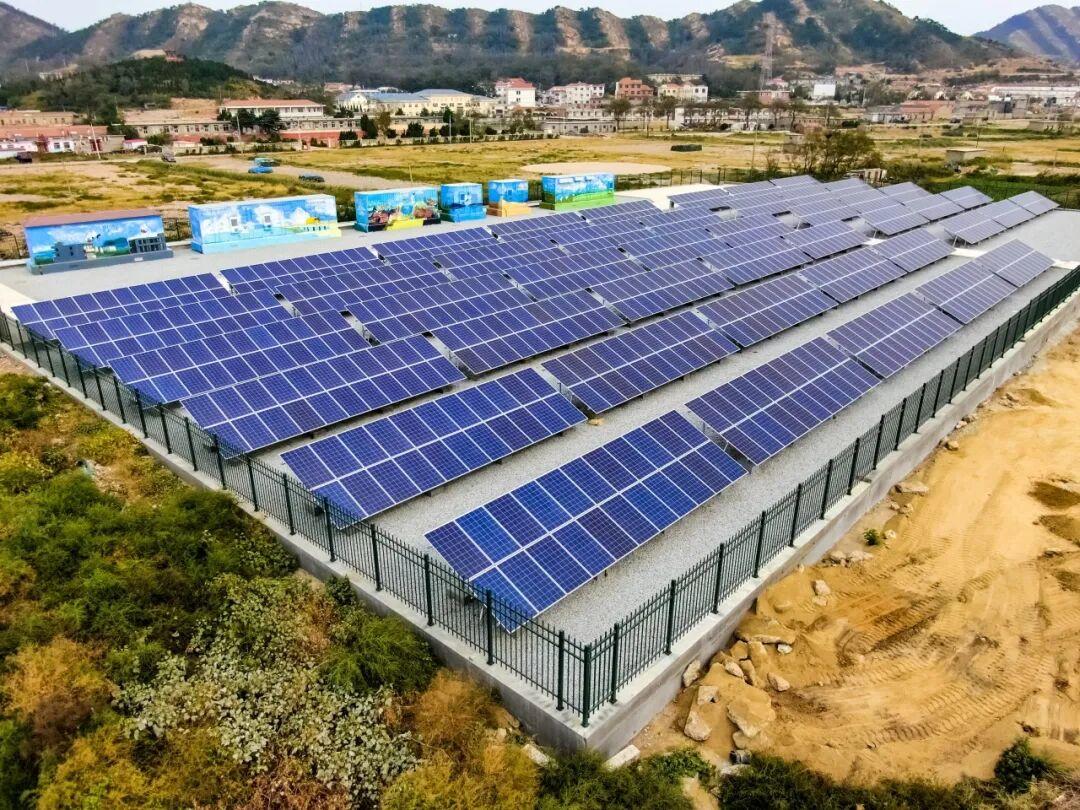
Group 1: Industry Overview - The electric grid industry is undergoing unprecedented transformation amid the energy transition, with Jinan's Shizhong District emerging as an innovative hub for advanced electric grid industries due to its unique advantages and proactive measures [1] - Shizhong District hosts 29 key enterprises, including State Grid Shandong Electric Power Research Institute and Shandong Tower Energy Co., accounting for approximately 90% of the overall energy internet industry scale in the area [1] Group 2: Microgrid Development - The first flexible interconnected microgrid cluster project in northern coastal islands, including Tuoji Island and Daqin Island, has ended the era of relying solely on undersea cables for power supply, marking a significant advancement in renewable energy utilization [2][3] - The microgrid cluster integrates photovoltaic, energy storage, and wave energy generation systems, achieving optimal energy allocation through intelligent scheduling algorithms [3] Group 3: Technological Innovations - The State Grid Shandong Electric Power Research Institute has developed a comprehensive range of leading experimental platforms, including the first full-voltage electromagnetic simulation platform and a provincial-level health assessment system for power transmission and transformation equipment [6] - The institute's innovations have successfully addressed challenges such as external cable faults and extreme weather, ensuring reliable and clean power supply to the islands [3] Group 4: Collaborative Efforts in Energy Infrastructure - Tower Energy Co. is actively participating in the advanced electric grid industry chain by providing energy infrastructure construction and battery swapping services, enhancing resource sharing and technological innovation [9][10] - The company has established over 4,800 battery swapping cabinets, facilitating 4 million battery swaps monthly, and operates 350,000 low-speed electric vehicle charging ports [13] Group 5: Strategic Development Initiatives - Shizhong District is focusing on the advanced electric grid industry chain as a key support for building a modern industrial system, implementing initiatives to attract leading enterprises and enhance the resilience of the industry chain [16][17] - The district aims to create a favorable ecosystem for industrial development by accelerating the implementation of significant projects and providing robust support in project approval, land use, and service coordination [17]
毕马威中国:全球能源系统正持续向电气化方向转变
Bei Jing Shang Bao· 2025-09-19 13:27
Group 1 - In 2024, global energy demand is projected to grow by 2%, with carbon emissions related to energy increasing by approximately 1%, both reaching historical highs [1] - Fossil fuels continue to dominate the global energy structure, accounting for 87% of the total, with natural gas consumption increasing by 2.5%, coal by 1%, and oil by 0.6% [1] - Global electricity demand is expected to grow by 4%, indicating a continued shift towards electrification in the energy system [1] Group 2 - Renewable energy generation is anticipated to account for one-third of global electricity supply in 2024, but only meets 8% of total global energy demand, highlighting significant potential for growth in renewable energy penetration [1] - Wind and solar energy generation is projected to increase by 16%, raising their share of global total generation from 13% to 15%, with China being the main driver, contributing 57% of the global increase in wind and solar capacity [2] - The integration of advanced technologies like artificial intelligence is expected to enhance the demand for renewable energy, presenting complex challenges for energy development and utilization, while significantly impacting the long-term growth of global renewable energy [2]
Warrior Met Coal, Inc. (HCC) Amends and Extends The Second Amended and Restated Asset-Based Revolving Credit Facility
Insider Monkey· 2025-09-19 13:18
Core Insights - Artificial intelligence (AI) is identified as the greatest investment opportunity of the current era, with a strong emphasis on the urgent need for energy to support its growth [1][2][3] - A specific company is highlighted as a key player in the AI energy sector, owning critical energy infrastructure assets that are essential for meeting the increasing energy demands of AI technologies [3][7][8] Investment Opportunity - Wall Street is investing heavily in AI, but there is a looming question regarding the energy supply needed to sustain this growth [2] - The company in focus is positioned to benefit from the surge in demand for electricity driven by AI data centers, making it a potentially lucrative investment [3][8] Energy Infrastructure - The company owns significant nuclear energy infrastructure, which is crucial for America's future power strategy [7] - It is capable of executing large-scale engineering, procurement, and construction projects across various energy sectors, including oil, gas, and renewables [7][8] Financial Position - The company is noted for being debt-free and having a substantial cash reserve, which is approximately one-third of its market capitalization [8] - It is trading at a low valuation of less than 7 times earnings, indicating a potentially undervalued investment opportunity [10] Market Trends - The current market dynamics include an onshoring boom due to tariffs, a surge in U.S. LNG exports, and a unique position in nuclear energy, all of which are expected to drive growth [14] - The influx of talent into the AI sector is anticipated to lead to rapid advancements and innovative ideas, further solidifying the importance of investing in AI [12] Conclusion - The company represents a unique investment opportunity at the intersection of AI and energy, with the potential for significant returns as the demand for energy in AI applications continues to rise [3][10][12]

毕马威中国发布《世界能源统计年鉴2025》 助力能源行业把握零碳转型新机遇
Zheng Quan Ri Bao Wang· 2025-09-19 10:15
Core Insights - The 2025 International Digital Energy Exhibition was held in Shenzhen from September 18 to 21, where KPMG China hosted a forum and released the "World Energy Statistical Yearbook 2025" [1] Group 1: Global Energy Demand and Structure - Global energy demand is projected to grow by 2% in 2024, with fossil fuels maintaining a dominant position, accounting for 87% of the energy structure [1] - Consumption of oil, natural gas, and coal has increased, with natural gas showing the highest growth rate at 2.5%, while coal and oil grew by 1% and 0.6% respectively [1] - Oil remains the largest energy source, fulfilling 34% of global energy needs [1] Group 2: Renewable Energy Growth - Renewable energy (excluding hydropower) is the fastest-growing energy type globally, with a growth rate of 9% [1] - Wind and solar energy generation increased by 16%, raising their share of total global electricity generation from 13% to 15% [1] - China is the primary driver of renewable energy growth, accounting for 57% of the global increase in wind and solar generation, with solar power generation nearly doubling in two years [1] Group 3: Technological Impact on Energy Transition - Advanced technologies like artificial intelligence are driving the demand for renewable energy, presenting complex challenges for energy development and utilization [1] - China possesses significant advantages in the digital and intelligent upgrade of traditional fossil energy industries, as well as in the integration of new energy business models with artificial intelligence [1]
欧洲电动车争相“破局”稀土依赖 Neo耗资7500万美元磁体工厂正式投产
智通财经网· 2025-09-19 07:04
Core Insights - European electric vehicle executives are focusing on securing rare earth magnets, essential components for electric vehicles, with a new factory in Estonia by Neo Performance Materials starting production [1][2] - The factory has an initial capacity to produce enough magnets for up to 1 million vehicles annually, addressing supply chain vulnerabilities in Europe [1][2] - Neo's CEO emphasized the project's significance for Europe's material supply chain amid global trade tensions [1][2] Group 1: Factory and Production - Neo's factory in Estonia represents a $75 million investment and is expected to produce 2,000 tons of magnets annually, meeting about 10% of Europe's demand [2][3] - The raw materials for the magnets will be sourced from Australia, and Neo has secured contracts worth between $50 million to $100 million for 5 to 7 years [2][3] - Plans for expansion by 2027 aim to triple the factory's production capacity to meet increasing demand from European automakers transitioning to electric vehicles [3] Group 2: Market Context and Demand - The electric vehicle market is experiencing a surge in demand as manufacturers prepare for regulations to phase out new combustion engine vehicles by 2035 [3] - Major automotive companies like BMW, Volkswagen, and Mercedes-Benz are launching new electric models to compete with increasing pressure from Chinese manufacturers [3] - General Motors is also securing rare earth magnets from various suppliers to ensure a domestic supply chain for its electric vehicle production [3][4] Group 3: Competitive Landscape - Neo Performance Materials is currently the only company in the West with the capability to produce electric vehicle traction motor magnets [2][4] - The company has a first-mover advantage in the European market, as other firms are still in the planning stages for similar production capabilities [4][5] - Estonia is highlighted as the only region outside Asia with rare earth separation and purification capabilities, enhancing its strategic importance in the supply chain [4][5]
中国储能装机规模占全球40%以上,创业板ETF天弘(159977)涨0.12%,光伏ETF(159857)半日成交额居深市同标的第一,机构:当下要重视创...
2 1 Shi Ji Jing Ji Bao Dao· 2025-09-19 06:01
Core Viewpoint - The article highlights the active performance of the photovoltaic sector and the positive trends in the ChiNext index, indicating potential investment opportunities in related ETFs and stocks [1][6]. Group 1: ChiNext ETF Performance - The ChiNext ETF Tianhong (159977) experienced a strong fluctuation, with an intraday increase of over 0.8%, closing up 0.12% with a half-day trading volume of 169 million yuan [1]. - Over the past five days, the ChiNext ETF Tianhong (159977) saw net inflows of funds on three occasions [2]. - As of September 18, the circulating scale of the ChiNext ETF Tianhong (159977) was 9.568 billion yuan [3][5]. Group 2: Photovoltaic ETF Performance - The photovoltaic ETF (159857) showed positive performance, with a half-day trading volume exceeding 98 million yuan, leading among similar products in the Shenzhen market [3]. - The photovoltaic ETF (159857) received net inflows of over 38 million yuan yesterday [4]. - As of September 18, the circulating scale of the photovoltaic ETF (159857) was 2.488 billion yuan, making it the largest in its category in the Shenzhen market [5]. Group 3: Industry Insights - The International Renewable Energy Agency's report recognized China's leading role in the global energy transition, particularly in the storage sector, with over 40% of the global installed capacity [5]. - The report emphasized the economic viability of lithium-ion batteries and pumped storage as the most effective storage technologies and recommended integrating storage into grid planning [5]. - Open Source Securities noted that the current valuation of the ChiNext index remains attractive, suggesting it could become a core area for new capital inflows, particularly in sectors like batteries and energy storage [6].





2025年油海新貌:沙特阿拉伯能源转型与中沙能源合作新图景报告
Sou Hu Cai Jing· 2025-09-19 05:50
Core Insights - Saudi Arabia, as the largest economy in the Middle East, is heavily reliant on oil, with oil activities contributing 27.9% to GDP in 2024, while non-oil activities account for 51.4%. This dependency necessitates economic restructuring as part of the "Vision 2030" initiative aimed at energy transition [1][7]. Group 1: Drivers of Energy Transition - The energy transition in Saudi Arabia is driven by four main factors: sensitivity to oil price fluctuations, the need for economic diversification to alleviate fiscal pressure, global low-carbon energy demand, and the necessity to maintain global energy leadership amidst regional competition [2][7]. - Key initiatives include stabilizing oil production, expanding the refining industry, significantly increasing natural gas production to 13 billion cubic feet per day by 2030, and scaling up renewable energy development with a target of 58.7 GW installed capacity by 2030 [2][3]. Group 2: Sino-Saudi Energy Cooperation - China is the largest destination for Saudi oil exports, with 14.7% of China's crude oil imports coming from Saudi Arabia in 2024. Cooperation extends to refining technology, port infrastructure, and capital collaboration [3][8]. - In the natural gas sector, Chinese companies are involved in the expansion of Saudi gas pipelines and field development, contributing to the entire industry chain [3][8]. - In clean energy, Chinese firms have established solar projects totaling 12.8 GW, representing 76% of Saudi Arabia's total solar capacity, and are actively engaged in hydrogen technology and energy storage projects [3][8]. Group 3: Key Achievements in Energy Transition - The localization level of the oil and gas industry in Saudi Arabia has increased from 37% in 2016 to 65.5% in 2023, reflecting significant progress in domestic value retention [2][46]. - The share of oil activities in GDP has decreased from 36.9% in 2010 to 27.9% in 2024, indicating a successful shift towards a more diversified economy [2][50]. - Non-oil government revenue has grown from 185.75 billion SAR in 2016 to 502.47 billion SAR in 2024, although it still falls short of the 1 trillion SAR target set for 2030 [2][60].

日本可再生氨2030年进口或不足200万吨
Zhong Guo Hua Gong Bao· 2025-09-19 02:27
Core Viewpoint - The annual import volume of low-carbon or "clean" ammonia in Japan is expected to be below 2 million tons by 2030 due to a slowdown in the global energy transition process [1] Group 1: Demand Forecast - The demand for clean ammonia in Japan has been revised downwards, with expectations of it being below 2 million tons per year by 2030 due to rising construction costs, yen depreciation, and extended construction periods [1] - Despite the revised demand outlook, the application momentum for clean fuels is accelerating, with the power, industrial, and maritime sectors anticipated to be the main drivers of demand growth [1] - It is expected that the demand for clean ammonia in the power, industrial, and shipping sectors will steadily increase after 2030 [1] Group 2: Government Support - Japan has allocated 3 trillion yen through a price difference contract mechanism to support the price gap between renewable hydrogen and traditional fuels as part of the Hydrogen Society Promotion Act [1]