
业态融合

Search documents
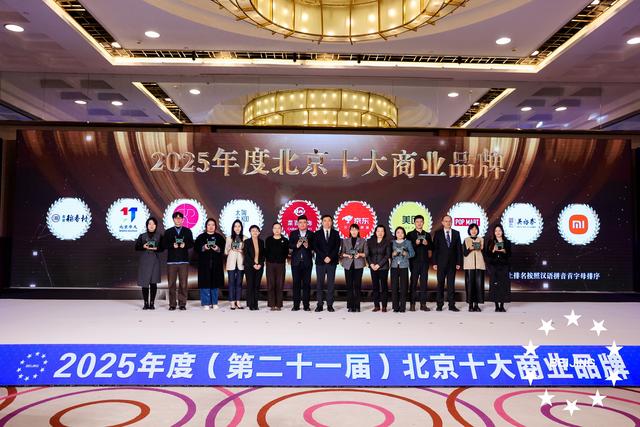
聚焦创新、跨界、融合,2025年度北京十大商业品牌揭晓
Xin Lang Cai Jing· 2026-01-16 12:56
Core Insights - The 2026 Beijing Commercial Brand Conference highlighted the emergence of new consumer landmark brands and innovative trendy brands in Beijing, showcasing a significant transformation in the commercial landscape [3] - The "Top Ten Commercial Brands of Beijing for 2025" were announced, featuring a diverse range of brands across various sectors, indicating a multi-faceted commercial and consumer landscape [3][4] Group 1: Brand Recognition - The "Top Ten Commercial Brands of Beijing for 2025" includes notable names such as Beijing Daoxiangcun, Beijing Huatian, Beijing SKP, and Xiaomi, representing excellence in shopping centers, trendy products, dining, e-commerce, and traditional brands [3] - Traditional brands are modernizing their value while maintaining their essence, and shopping centers are focusing on experience upgrades and diverse commercial spaces [3] Group 2: Market Trends - The focus of consumer demand has shifted from production capacity to understanding market needs and stimulating demand, creating new opportunities for brands [4] - The integration of different business models and cross-industry innovation is a prominent feature of Beijing's commercial landscape, with new annual special lists introduced to recognize excellence in various sectors [4] Group 3: Cross-Industry Collaboration - A new platform for cross-industry collaboration in culture, commerce, tourism, and sports was launched, aimed at enhancing resource sharing and market cooperation among businesses [5] - The platform will facilitate efficient project publishing and collaboration, supporting the growth of consumer capacity and industrial innovation in the capital [5]

沈阳方城 “诚”中求成
Xin Lang Cai Jing· 2026-01-05 19:46
Core Insights - The article highlights the transformation of the Shenyang Fangcheng cultural tourism area during winter, leveraging its unique ice and snow resources to create a vibrant winter tourism experience, resulting in significant visitor numbers and revenue growth [3][11]. Group 1: Visitor Statistics - During the New Year holiday, the Shenyang Fangcheng cultural tourism area received a total of 1.8731 million visitors, generating revenue of 211 million yuan, representing year-on-year increases of 18.49% and 13.44% respectively [3]. - The average daily foot traffic in the Fangcheng backstreet cluster during winter weekends increased more than threefold compared to regular days, with over 40% of visitors being from outside the region [6]. Group 2: Scene Innovation - The "Snow Fun Copper Lane" theme street, set to open by the end of 2025, combines Northeast ice and snow culture with 400 years of commercial heritage, creating an immersive winter experience that has quickly become a popular social media hotspot [4]. - The integration of ice and snow elements with local culture and community activities has significantly enhanced the attractiveness of the area, effectively extending visitor stay times [6]. Group 3: Business Upgrades - Local businesses, such as the pet-friendly "White Dog" bar, have adapted to winter tourism demands by innovating their offerings and creating interactive marketing strategies, resulting in over half of their clientele being tourists [7]. - Unique products like DIY snow house cakes and custom souvenirs have become popular among visitors, enhancing the overall experience and encouraging repeat visits [8]. Group 4: Economic Impact - The integration of various business models, including cultural, sports, and commercial activities, has stimulated economic growth in the Fangcheng area, with many merchants reporting increased sales and some even breaking seasonal sales records [11]. - The local government has played a crucial role in fostering a supportive ecosystem for winter tourism, promoting a collaborative approach among stakeholders to enhance the overall visitor experience [11].

三大趋势 勾勒市场新轮廓
Xin Lang Cai Jing· 2026-01-03 20:20
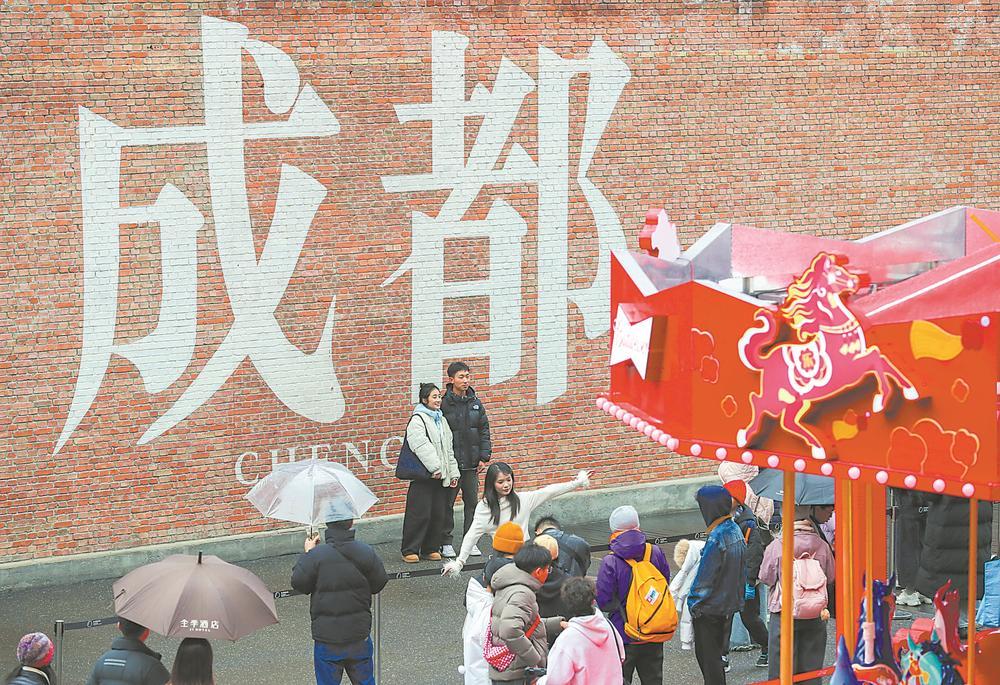
Group 1 - The core trend in the Chengdu cultural tourism market is the shift towards deep experience consumption, moving away from superficial visits to immersive cultural activities [1] - Major cultural venues and scenic spots in Chengdu are offering unique activities that enhance visitor engagement and cultural appreciation, exemplified by the Du Fu Thatched Cottage Museum's special exhibitions [1] - The integration of culture and technology, as well as the blending of traditional and modern elements, is revitalizing the holiday tourism experience, attracting diverse age groups [2] Group 2 - The East Suburb Memory park has emerged as a popular destination for young people, combining "national trend + performance" to create a vibrant atmosphere during the New Year [2] - The Tianfu Humanistic Art Library features an XR immersive reading experience that has gained significant popularity, indicating a successful fusion of cultural and technological experiences [2] - The holiday experience is characterized by diverse adaptations that cater to different age demographics, enhancing the potential for holiday consumption [2][3]
多元跨年活动激发商圈活力
Xin Lang Cai Jing· 2026-01-02 23:43
Core Insights - The event "Bye Bye Year" will take place from December 31, 2025, to January 1, 2026, in the Jinhua Garden Street of Guanshanhu District, aiming to create a vibrant urban space that appeals to both young people and the general public [1] Group 1: Event Details - The theme of the event is "Blooming Flowers, Unfolding 2026," featuring a mix of electronic music, street art, and hot pot dining to attract a younger audience [1] - The main attraction, "Techno Disco," will host continuous music performances by renowned artists, creating an energetic atmosphere [1] - The event will also include a variety of street culture performances such as traditional Chinese parades, urban theater, magic shows, band performances, and fire dancing [1] Group 2: Commercial and Urban Development - Over 1 million yuan has been invested in upgrading the Green Land·Liansheng International area to enhance its appeal and visibility [2] - The street's previous challenges with low foot traffic have been addressed through continuous adjustments in business formats and environmental improvements, leading to a gradual recovery in commercial vitality [2] - Future plans include ongoing commercial services and nurturing the business district, focusing on craft beer as a unique selling point to attract young consumers and enhance the area's overall quality of life [2]
业态融合增添冬游贵州新体验
Xin Lang Cai Jing· 2026-01-01 22:55
Core Insights - Guizhou is transforming its winter tourism by integrating various elements such as hot springs, ice and snow activities, sports, and intangible cultural heritage, moving from a single sightseeing model to a multi-dimensional immersive experience [1][4] Group 1: Hot Springs and Wellness - Guizhou has 303 hot springs across 77 counties, with unique mineral-rich waters being revitalized through the "hot spring+" model, offering wellness services like medicinal baths and massages [2] - The ancient hot spring scenic area in Tongren's Shiqian County has attracted multiple tourism groups from regions like Hong Kong, Inner Mongolia, and Guangdong, promoting the integration of hot springs with health and cultural experiences [2] Group 2: Ice and Snow Activities - Liupanshui is capitalizing on its ice and snow resources by creating themed experiences such as "South Snow Town" and "Zootopia" parades, integrating local culture and cuisine into the snow sports scene [2] - The Yushe Snow Mountain Ski Resort has partnered with Baiche River Hot Spring to offer a "hot spring + skiing" ticket, enhancing the convenience of enjoying both activities [2] Group 3: Sports and Cultural Events - The "2025 Guizhou·Village GT" event will take place from December 26 to 28, 2025, in Qianxinan Prefecture, featuring over a hundred racing enthusiasts competing on a legendary winding road, showcasing the excitement of sports tourism [3] - The "Surrounding Winter Songs·Wujiang Fire Festival" in Zunyi combines intangible cultural heritage with modern vacation needs, creating a comprehensive vacation experience that includes leisure, cultural activities, and culinary feasts [3] Group 4: Overall Tourism Development - The integration of various tourism sectors is continuously empowering Guizhou's winter tourism, with a focus on enhancing service quality and collaborative efforts across the region [4] - Guizhou's winter tourism is evolving into a multi-faceted experience, allowing visitors to explore the region in their preferred ways [4]
深度 | 美妆年度考题:开一家“对”的店
FBeauty未来迹· 2025-12-26 10:46
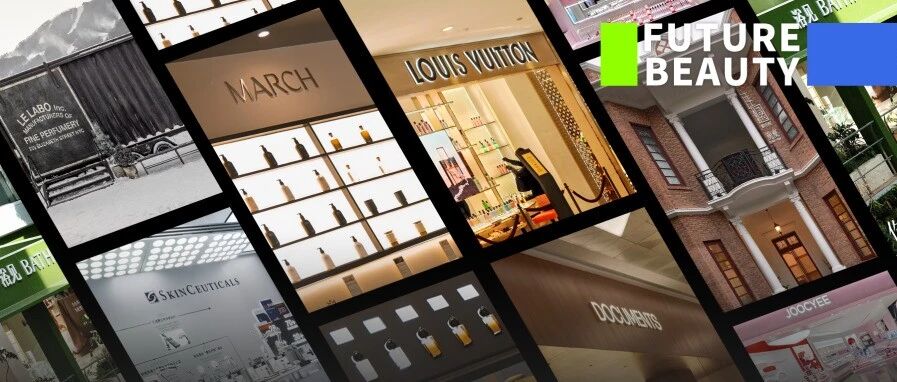
Core Insights - The beauty retail landscape in 2025 has undergone a strategic transformation, with traditional department stores closing approximately 20 beauty counters daily, resulting in a net reduction of over 5,000 points throughout the year. In contrast, more than 80 new stores have opened across various formats, indicating a shift in the essence of store openings from mere locations to interactive "experience generators" [1][4][20]. Group 1: Changes in Retail Strategy - The focus of foreign brands has shifted from establishing static brand landmarks to creating dynamic operational "experience laboratories" that engage consumers [5][8]. - The concept of "first stores" has evolved, with brands now competing not just for geographical presence but for the best resources to launch globally, making China a key market for premier brand assets and innovative products [8][10]. - The traditional department store channel has seen a significant efficiency optimization, with a beauty brand counter opening and closing ratio of only 0.6, reflecting a strategic shift towards deeper experiential value creation [20][43]. Group 2: Local Brand Strategies - Local brands have completed a strategic evolution, moving beyond imitation to establish distinct paths in fragrance, color cosmetics, and skincare, focusing on systematic brand space construction rather than scattered store openings [22][38]. - Three distinct paths for local fragrance brands have emerged: cultural deepening, matrix penetration, and business model integration, each targeting unique market segments and consumer experiences [24][31]. - Local brands are also exploring international markets, with brands like JUDUO and JOOCYEE opening their first overseas stores, indicating a systematic exploration of international growth [32][33]. Group 3: Innovative Retail Formats - Pop-up stores have evolved from marketing events to "high-end experience laboratories," offering flexible themes and deep technological integration, exemplified by Lancôme and SkinCeuticals [11][13]. - Some foreign brands are merging retail with lifestyle solutions, as seen with HARNN's "SPA + retail" concept, allowing customers to experience the brand's culture and services in a holistic manner [15][16]. - The integration of various business models is becoming standard, with brands like MARCH creating multi-functional spaces that combine fragrance with cultural and lifestyle elements [29][41]. Group 4: Market Dynamics and Future Trends - The role of cities in brand strategy has been redefined, with high-tier cities serving as core battlegrounds for brand recognition and narrative development, while lower-tier cities are seen as growth areas for brand expansion [40][41]. - The future of beauty retail is shifting from geographical competition to the creation of mental and experiential spaces, emphasizing the importance of opening the "right" store in strategically chosen locations [43][44].
贵州黔西南州 聚力高质量发展 推进现代化建设
Ren Min Ri Bao· 2025-12-21 22:46
Core Insights - The article emphasizes the high-quality development strategy of Qianxinan Bouyei and Miao Autonomous Prefecture, focusing on economic growth, infrastructure investment, and social welfare improvements during the "14th Five-Year Plan" period [1][2][8] Economic Development - The GDP of Qianxinan is projected to increase from 132.2 billion yuan at the end of the "13th Five-Year Plan" to 147.9 billion yuan by 2024, indicating a solid economic foundation for the "15th Five-Year Plan" [2] - Average annual growth rates for infrastructure and industrial investments are 12.3% and 6.4%, respectively [2] - Per capita disposable income for urban and rural residents is expected to rise to 43,248 yuan and 15,459 yuan by 2024, reflecting annual growth rates of 5.3% and 7.8% [2] Reform and Opening Up - Comprehensive reforms and opening-up initiatives are enhancing development momentum, with the number of business entities increasing from 246,700 at the end of the "13th Five-Year Plan" to 322,200 by 2024 [3] - The region is actively integrating into national strategic frameworks, such as the Guangdong-Hong Kong-Macao Greater Bay Area and the Western Land-Sea New Corridor [3] Industrial Development - The first industry is growing steadily, with significant advancements in tea, vegetables, and other specialty products, and the agricultural product processing rate is expected to rise from 49% to 58% by 2024 [4] - The second industry is thriving, with coal production increasing from 122 million tons to 149.4 million tons by 2024, and electricity generation expected to rise from 34 billion kWh to 44 billion kWh [4] - The service sector's contribution to GDP is projected to increase from 50.4% to 53.3% by 2024, highlighting its role as a key driver of economic growth [4] Tourism Development - The region is focusing on becoming a "health and wellness destination," with an annual growth rate of 14.82% in overnight tourist arrivals [5] - The completion of the world's highest bridge, the Huajiang Grand Canyon Bridge, and the establishment of a national 5A-level tourist attraction at the Wanfenglin Scenic Area are expected to boost tourism [5] Social and Environmental Initiatives - The region is committed to maintaining five key bottom lines, including poverty alleviation, food security, ecological protection, public welfare, and safety stability [7] - Significant achievements in poverty alleviation have been noted, with 17,600 households and 73,000 individuals successfully removed from poverty risk [7] - The forest coverage rate has reached 63.19%, and the air quality has maintained a high standard, with over 99% of days classified as good [7]
2025-2026文旅行业八大趋势
Sou Hu Cai Jing· 2025-12-08 14:13
Core Insights - The cultural and tourism market in China is experiencing unprecedented growth opportunities, driven by the digital economy and consumption upgrades, with projections indicating the market size will exceed 70 trillion yuan by 2025 and reach 150 trillion yuan by 2030 [1] Group 1: Technological Empowerment - AI, VR, and AR technologies are reshaping the tourism experience, creating immersive experiences that blend virtual and real worlds [1] - Examples include Zhejiang Museum's VR experiences and HTC's immersive VR exhibition of Notre-Dame Cathedral, allowing visitors to engage deeply with cultural heritage [1] - AI is enhancing the entire tourism process, with applications like AI space selection for accommodations and personalized itinerary planning based on visitor preferences [1] Group 2: Consumer Transformation - By 2025, "emotional value" will become the core driver of cultural tourism consumption, shifting from "check-in tourism" to "immersive vacations" [3] - 83% of young people prefer "partner travel" over traditional group tours, indicating a trend towards more personalized and less structured travel experiences [3] - There is a growing demand for high-quality, personalized travel experiences that combine scenery, culture, and unique activities [3] Group 3: Industry Integration - The "tourism+" model is fostering cross-industry integration, creating a resilient and innovative new ecosystem [4] - The 12th World Games in Chengdu have boosted local industries such as dining and accommodation, highlighting the synergy between sports and tourism [5] - Cultural and tourism industries are deepening their integration, with companies like Fosun Tourism launching new product lines that blend various experiences [5] Group 4: Market Penetration - By 2025, county-level tourism is expected to account for 38% of total domestic tourism, emerging as a new growth point [6] - Unique county models, such as Yiwu's "micro-vacation + agricultural entrepreneurship," are driving significant revenue increases [6] - However, challenges remain in balancing urban and rural tourism development, as many rural areas lag in innovation [6] Group 5: IP-Driven Development - The operation of cultural IP is entering a new phase of deep development and cross-industry integration, becoming a core element of value creation [7] - IP is shifting from mere observation to active participation and cultural transmission, with experiential projects gaining popularity [7] - Successful IP operations focus on long-term strategies rather than short-lived trends, as seen in the case of Shaanxi's Fucha Town [7] Group 6: Sustainable Development - The tourism industry is transitioning towards standardized and quantifiable green and low-carbon practices, driven by dual carbon goals [8] - The introduction of the first "Green and Low-Carbon Tourism Activity Evaluation Technical Guidelines" fills a gap in the field [8] - A star rating system for green tourism activities will guide consumer choices and encourage environmentally friendly practices [8] Group 7: International Expansion - The expansion of China's visa-free "circle" to 15 countries is revitalizing the inbound tourism market and fostering a new pattern of international cultural exchange [9] - The popularity of Chinese travel content on platforms like TikTok indicates a growing global interest in Chinese tourism [9] - Chinese tourism brands are increasingly "going global," with successful examples like Songcheng Performing Arts replicating their models in Southeast Asia [9] Group 8: Service Enhancement - The upgrade of tourism services is evolving from convenience to intelligence and personalization, enhancing overall efficiency [10] - A focus on comprehensive, personalized service throughout the travel cycle is becoming a priority [11] - Future competition in tourism will center on cultural depth, technological advancement, and service quality, transforming travel into a holistic lifestyle experience [11]

关键词读懂“十五五”丨从冰雪经济热,解码供需新循环
Yang Guang Wang· 2025-12-02 12:31
Core Insights - The rise of the ice and snow economy is driven by a dual interaction between new supply and new demand, leading to a dynamic balance that promotes high-quality economic development in China [1][4] Group 1: Market Trends - The ice and snow economy is becoming a new consumption hotspot, with activities like skiing, ice sculpture, and snow fishing gaining popularity [1] - In Harbin, the average daily search volume for the Ice and Snow World increased by nearly 163% since mid-October, indicating a surge in consumer interest [2] - The number of ice and snow-related enterprises in Harbin exceeded 2,300, with a compound annual growth rate of 23.6% over the past three years [2] Group 2: Economic Growth - China's ice and snow industry is projected to grow from 270 billion yuan in 2015 to 980 billion yuan in 2024, with expectations to surpass 1 trillion yuan by 2025 [4] - The participation in ice and snow sports and related consumption is expected to exceed 187.5 billion yuan during the 2024-2025 winter season, reflecting a year-on-year growth of over 25% [4] Group 3: Industry Integration - The "ice and snow +" model is expanding the economic landscape, integrating various sectors such as education, tourism, culture, and agriculture [5][6] - The integration of multiple business formats is enriching the service offerings of the ice and snow economy, transitioning from single sports consumption to a comprehensive experience [6] Group 4: Policy Support - The Chinese government has introduced a series of supportive policies to enhance the development of the ice and snow economy, including a recent directive with 24 measures to stimulate growth across the entire industry chain [7] - The application of new technologies like 5G and AI is driving high-quality development in ice and snow equipment manufacturing, enhancing user experience [7] Group 5: Future Outlook - The ongoing development of various new economic forms, such as the "first release economy" and "silver economy," is expected to further stimulate consumer demand and support the growth of the ice and snow economy [8] - The strategic focus on enhancing supply-demand compatibility aims to unlock the potential of China's vast market, contributing to sustainable economic growth [8]
年底消费市场持续升温 各地多措并举激活消费潜力
Yang Guang Wang· 2025-12-01 01:02
Group 1 - Various regions are activating consumer potential through subsidies, innovative consumption scenarios, and the integration of diverse industries such as culture, tourism, and commerce [1] - Wuxi launched a series of promotional activities titled "Su Products and Goods, Shopping in Wuxi" to stimulate consumption, featuring special themed consumption seasons and cultural tourism events [1] - Nanyang City introduced winter cultural tourism consumption vouchers, which include categories for scenic spot tickets and hotel accommodations, available for all citizens and tourists [1] Group 2 - The winter cultural tourism consumption vouchers in Nanyang have significantly increased visitor enthusiasm, with a reported 60% year-on-year increase in visitor numbers at the Danjiang Grand View Garden scenic area [1] - The "2025 Jiangxi Rural Cultural Tourism Festival" and "Hundred Counties, Hundred Bowls" promotional activities are being held in Pingxiang City, enhancing the consumption potential of "food + tourism" [2] - The event showcased 22 featured dishes from 11 cities in Jiangxi, creating a vibrant food map and encouraging visitors to share their experiences on social media [2][3] Group 3 - The event not only satisfied visitors' appetites but also resulted in significant sales for participating vendors, with one vendor selling over 200 bottles of hot sauce within two hours [3] - Additional activities such as the Gannan navel orange picking tourism season are being organized to promote rural tourism and benefit local communities [3] - The integration of diverse business formats and the consolidation of unique resources are creating new cultural tourism consumption scenarios, injecting vitality into rural revitalization efforts [3]