
中美贸易摩擦

Search documents
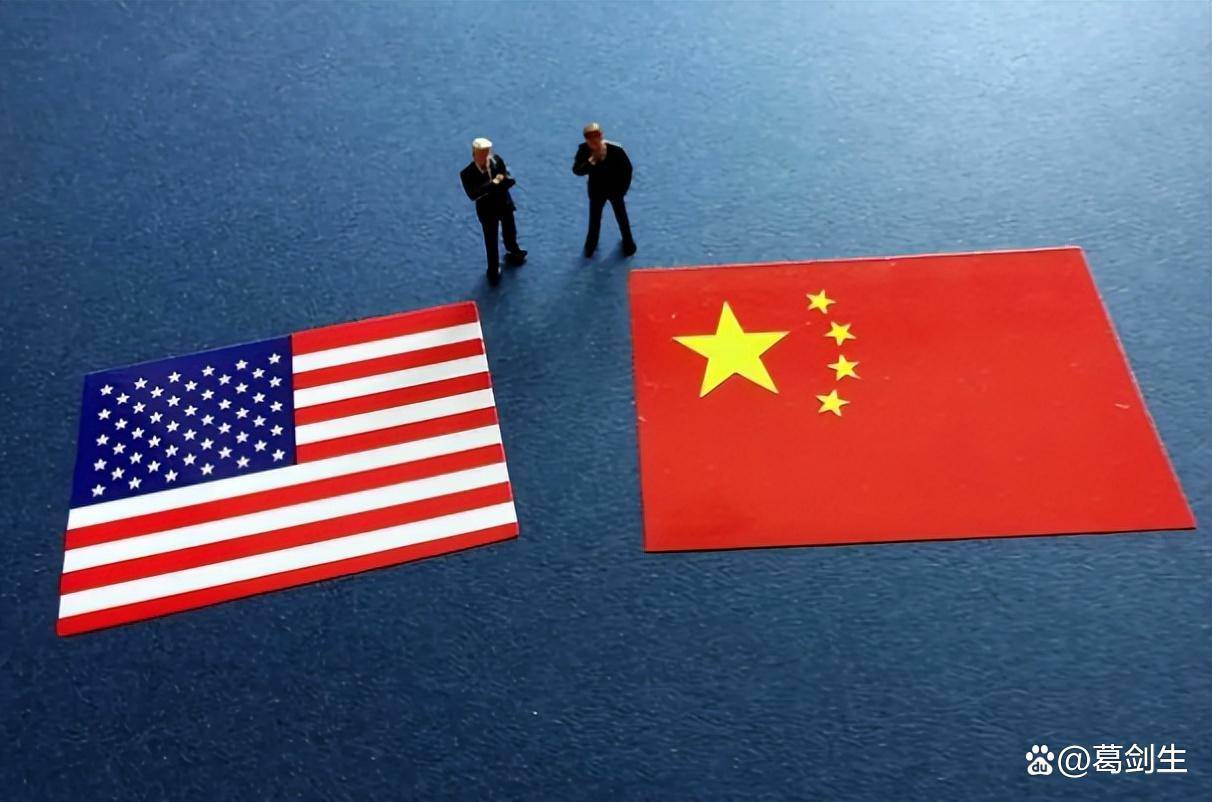
美国部长深表后悔:怪我们动手太晚,把所有东西都让给中国了
Sou Hu Cai Jing· 2026-02-09 05:16
外国网友对此并不买账,许多人在reddit上批评达菲的言论,认为美国才是应该后悔的一方。美国固守过时的技术,最终将市场拱手让给了中国,现在却开 始对邻国进行贸易施压,显得颇为不公。加拿大的部分网友则对这一变化感到欣喜,表示终于能买到价格实惠的电动汽车,生活将会因此发生巨大的改变。 网友们普遍认为,美国的关税战促使各国寻求新的合作伙伴,而中国与加拿大的合作不断深化,这也间接暴露了美国外交策略的失败。民主党参议员布莱恩 ·沙茨也在公开场合表示,这是一个重大失败,可能会伤害到美国的经济。 美国能源部长詹妮弗·格兰霍姆在2024年的一次公开演讲中毫不避讳地表示,美国在新能源领域的起步过于迟缓,结果让中国在全球市场中抢占了大部分份 额。她的这番话并非随意之谈,背后深藏着中美贸易摩擦的复杂背景。早在2018年,美国就启动了对中国商品加征关税的计划,特朗普政府以301条款为依 据,针对所谓的不公平贸易行为进行回应。首轮关税主要针对部分电子和机械产品,直接影响到了新能源的供应链。这一背景下,格兰霍姆的言论便显得尤 为深刻,她认为如果美国能够在更早些时候采取行动,或许仍有机会与中国一较高下。 格兰霍姆特别提到电动汽车和太阳能领 ...

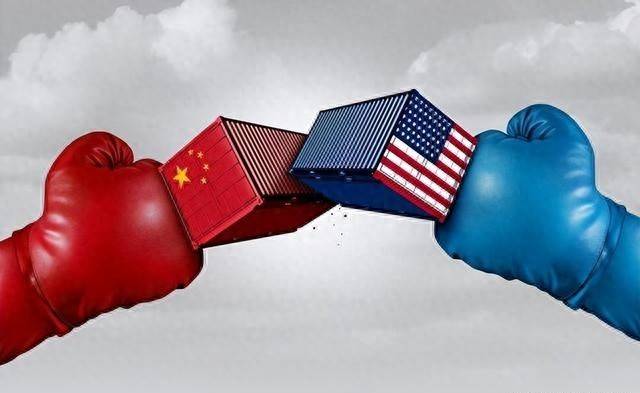
美国部长深表“后悔”:怪我们动手太晚,把所有东西都让给中国了
Sou Hu Cai Jing· 2026-02-08 13:28
她这话不是随便说说,而是针对中美贸易摩擦的背景。 美国能源部长詹妮弗·格兰霍姆在2024年的一次公开场合直言,美国在新能源领域起步太慢,结果让中国拿走了大头市场份额。 早在2018年,美国就开始通过301条款对中国商品加征关税,当时特朗普政府以此回应所谓的不公平贸易实践。 首轮关税覆盖了部分电子和机械产品,直接影响了新能源供应链。 格兰霍姆的表态就是在拜登政府延续这些政策时冒出来的,她觉得如果早点动手,美国还能争一争。 格兰霍姆具体提到电动汽车和太阳能等领域,美国本来有机会领先,但政策支持跟不上。 中国那边从2010年代就大力推动新能源,建起了完整的产业链,从电池原料到成品组装都自给自足。美国企业一看形势不对,只能靠关税挡一挡。 2024年5月,拜登宣布把电动汽车关税从25%提到100%,太阳能电池也翻倍到50%。格兰霍姆说这步棋对美国汽车业健康发展很重要,不然中国产品低价涌 入,会把本土厂家挤垮。 她的话透露出一种无奈,美国过去没及时投资充电基础设施和电池技术,现在追赶起来费劲。 外国网友对达菲的话不买账,很多人在reddit上回怼,说该后悔的是美国自己。 想想看,中国某些城市充电桩数量就顶得上美国全国的, ...
特朗普紧急发文,称从未见过这样的情况,他想从中国挣一大笔
Sou Hu Cai Jing· 2026-02-01 17:36
Core Viewpoint - The current atmosphere in the U.S. government is extremely tense, with the potential for a government shutdown and significant financial repercussions if the Supreme Court rules against the Trump administration regarding tariffs [1][3]. Group 1: Financial Implications - The U.S. government may face a financial crisis if it is required to refund tariffs collected from other countries, particularly China, which could lead to a severe depletion of U.S. fiscal resources [3][5]. - Trump has indicated that if the U.S. is forced to refund these tariffs, it could result in the country being downgraded to a "third-rate nation" [3][5]. - The U.S. trade deficit with China has reportedly decreased by over $80 billion, but the deficit with other Asian countries has increased by 10%, indicating that Chinese goods are still entering the U.S. market through other channels [5][7]. Group 2: Trade Dynamics - Despite claims of reduced imports from China, the actual demand for Chinese goods remains strong, as evidenced by China's record trade surplus of $1.2 trillion in 2025 [7][11]. - The U.S. is attempting to manipulate financial markets by pressuring the Federal Reserve to lower interest rates, which could lead to a devaluation of the dollar and impact global wealth distribution [9][11]. Group 3: Geopolitical Tensions - The U.S. has taken aggressive actions against China, including pressuring Panama to cancel contracts with Chinese companies, which raises concerns about the integrity of international agreements [11][12]. - This behavior reflects a broader strategy by the Trump administration to contain China's growth and influence globally, which could lead to increased tensions and potential conflict [12][13]. - The U.S. is perceived as undermining international cooperation by disregarding established contracts, which could create a climate of distrust among global trading partners [12][14].

巴拿马0元购李嘉诚的港口,我们真的欠李嘉诚一个道歉么?
Sou Hu Cai Jing· 2026-02-01 12:15
Core Viewpoint - The Panama Supreme Court ruled that the concession contract held by Li Ka-shing's company for the ports at both ends of the Panama Canal is unconstitutional, leading to the temporary takeover of operations by APM Terminals, a subsidiary of Maersk Group [1] Group 1: Company Actions and Reactions - Li Ka-shing's company, CK Hutchison Holdings, has publicly opposed the court's decision and the subsequent actions taken by the Panamanian government [1] - The Hong Kong government and the central government of China have also expressed their opposition to the ruling [1] - Critics argue that if Li Ka-shing had been allowed to sell the ports last year, he would not have incurred significant losses [3] Group 2: Broader Implications and Criticism - The situation reflects a broader concern regarding the treatment of Chinese companies in international markets, especially in light of past U.S. sanctions against companies like Huawei [5] - There is criticism regarding Li Ka-shing's decision to sell not just the Panamanian ports but also 43 other ports globally, raising questions about the strategic implications of such a move [5][7] - The actions of Li Ka-shing's family are seen as indicative of a desire to distance themselves from political involvement, which some argue is not a viable approach for a major business figure [7][9]

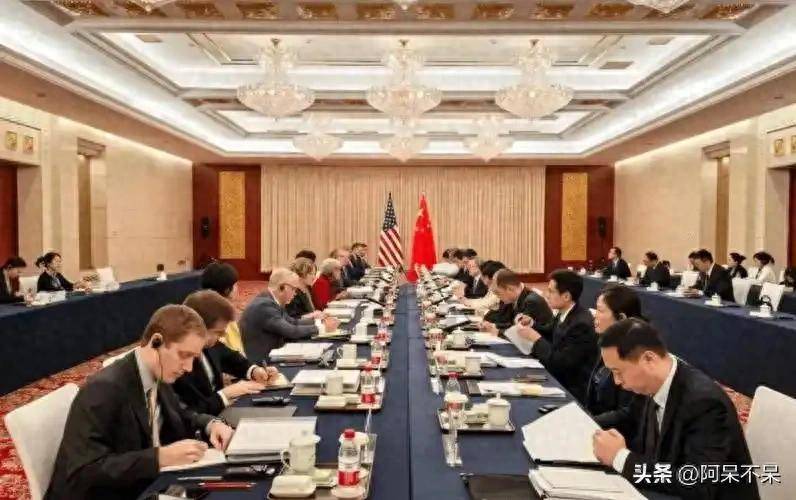
中美磋商三大观察:有个共识,谈了石油,美国最想聊稀土出口
Sou Hu Cai Jing· 2026-01-24 13:22
Group 1 - The US-China trade friction began in 2018, with tariffs imposed by both sides, leading to a meeting at the Osaka G20 in June 2019 where both leaders agreed to halt new tariffs and resume negotiations [1][3] - The Shanghai talks in July 2019 marked the first high-level discussions in China post-trade war, focusing on the implementation of the Osaka consensus, although no major agreements were reached [1][3] - The discussions highlighted the complexity of economic relations, with both sides aiming to stabilize the situation despite ongoing core disagreements [3][5] Group 2 - The consensus from the talks was to maintain communication channels to avoid full-scale confrontation, which was seen as positive for global supply chains [5][7] - The US expressed concerns over China's oil purchases from Iran, which were perceived as violations of US sanctions, while China maintained that these purchases were based on energy needs rather than political motives [5][7] - The US aimed to increase energy exports to China, including liquefied natural gas and crude oil, but faced challenges due to tariffs imposed by China [7][9] Group 3 - The discussions also touched on rare earth exports, which are critical for the US defense and technology sectors, with China controlling over 90% of global supply [9][11] - The US was particularly focused on securing rare earth supplies to reduce dependency on China, while China emphasized that its management of rare earths was for environmental and resource protection reasons [11][13] - The Shanghai talks did not yield significant breakthroughs but laid the groundwork for future negotiations, leading to the signing of a Phase One agreement in January 2020 [13][15] Group 4 - The Phase One agreement included commitments from China to purchase an additional $200 billion worth of US goods and a reduction of some tariffs by the US [13][15] - Despite changes in US administration, the dialogue mechanisms established during the negotiations have remained in place, indicating a preference for negotiation over confrontation [15]
宏观固收周报:结构性降息落地与格陵兰岛局势升级-20260121
Shanghai Securities· 2026-01-21 08:17
Group 1: Report Overview - Report Title: "Structural Interest Rate Cut and Escalation of Greenland Situation - Macroeconomic Fixed Income Weekly Report (20260112 - 20260118)" [5] - Analyst: Zhang Hesheng [2] - Date: January 21, 2026 [2] Group 2: Market Performance Stock Markets - US stock market: The three major US stock indexes declined. The Nasdaq, S&P 500, and Dow Jones Industrial Average changed by -0.66%, -0.38%, and -0.29% respectively. The NASDAQ China Technology Index changed by 3.70% [5]. - Hong Kong stock market: The Hang Seng Index rose by 2.34% [5]. - A-share market: Large-cap stocks declined while small-cap stocks rose. The Wind All A Index changed by 0.49%. Among them, the CSI A100 and CSI 300 declined by -0.29% and -0.57% respectively, while the CSI 500, CSI 1000, CSI 2000, and Wind Microcap stocks rose by 2.18%, 1.27%, 0.94%, and 1.96% respectively [7]. - Sector performance: In the Shanghai market, blue-chip stocks declined while growth stocks rose. The Shanghai Composite 50 declined by -1.74%, and the STAR 50 rose by 2.58%. In the Shenzhen market, both blue-chip and growth stocks rose. The Shenzhen Component 100 rose by 0.39%, and the ChiNext Index rose by 1.00%. The Beijing Stock Exchange 50 Index rose by 1.58% [7]. - Industry performance: Among the 30 CITIC industries, 10 industries rose, and 20 industries declined. The leading industries were computer, electronics, media, and non-ferrous metals, with a weekly increase of more than 3.0% [7]. Bond Markets - Chinese government bonds: Most maturity yields of Chinese government bonds declined. The 10-year government bond futures main contract rose by 0.26% compared to January 9, 2026. The yield of the 10-year active government bond declined by 3.58 BP to 1.8424% compared to January 9, 2026 [8]. - US Treasury bonds: US Treasury bond yields increased overall. As of January 16, 2026, the 10-year US Treasury bond yield changed by 6 BP to 4.24% compared to January 9, 2026 [9]. Foreign Exchange Market - The US dollar strengthened, and the RMB strengthened against the US dollar. The US dollar index increased by 0.23%. The US dollar against the euro, pound, and yen changed by 0.30%, 0.20%, and 0.12% respectively. The US dollar against the offshore RMB exchange rate declined by 0.12% to 6.9674 as of January 16, 2026, and the US dollar against the onshore RMB exchange rate declined by 0.19% to 6.9690 as of January 16, 2026 [10]. Commodity Market - Gold prices rose. The London gold spot price rose by 2.61% to $4611.05 per ounce, and the COMEX gold futures price rose by 2.62% to $4590.00 per ounce. The domestic gold price also rose. The Shanghai gold spot rose by 2.90% to 1,032.63 yuan per gram, and the futures rose by 4.10% to 1,032.32 yuan per gram [12]. Group 3: Policy Analysis Structural Interest Rate Cut - On January 15, 2026, the central bank lowered the interest rates of various structural monetary policy tools by 0.25 percentage points. The one-year interest rate of various re-loans was lowered from the current 1.5% to 1.25%, and the interest rates of other maturity levels were adjusted accordingly [12]. - The central bank improved the structural tools and increased support. For example, it increased the quota of re-loans for scientific and technological innovation and technological transformation by 400 billion yuan, the quota of re-loans to support agriculture and small businesses by 500 billion yuan, and established a re-loan for private enterprises under the re-loans to support agriculture and small businesses, with a quota of 1 trillion yuan [12]. Future Policy Space - There is still room for reserve requirement ratio cuts and interest rate cuts in 2026. The average legal deposit reserve ratio of financial institutions is currently 6.3%, leaving room for reserve requirement ratio cuts [13]. - Regarding interest rate cuts, the exchange rate does not currently pose a strong external constraint. Internally, since 2025, the net interest margin of banks has shown signs of stabilization, remaining at 1.42% for two consecutive quarters. In 2026, there will be a large - scale repricing of long - term deposits such as three - year and five - year deposits, combined with the reduction of various re - loan interest rates, which will help reduce banks' interest - paying costs and stabilize the net interest margin, creating room for interest rate cuts [13]. Group 4: Geopolitical Situation - On January 17, Eastern Time, US President Trump announced that starting from February 1, he would impose a 10% tariff on all goods exported to the United States from Denmark, Norway, Sweden, France, Germany, the United Kingdom, the Netherlands, and Finland until an agreement on "fully and completely purchasing Greenland" was reached [14]. - On January 18, many EU countries considered imposing tariffs on US goods worth 93 billion euros or restricting US companies to counter Trump's tariff increase on eight European countries to obtain Greenland. The 27 EU countries held a meeting to discuss restarting the list and hoped to wait for the US action on February 1 to make a decision [14]. Group 5: Market Outlook - In the domestic equity market, investors' risk appetite is expected to remain high. It is recommended to pay attention to investment opportunities in precious metals, storage, innovative drugs, computing power, artificial intelligence, etc [15]. - In the domestic bond market, the bond market may continue to fluctuate narrowly, but the 10 - year government bond yield above 1.85% has allocation value [15]. - In the commodity market, the long - term bullish logic of precious metals such as gold remains unchanged, but short - term fluctuations may increase due to the escalation of the Greenland situation [16].
游戏结束,中国大规模抛售美债!特朗普政府已通知中方,一个不变
Sou Hu Cai Jing· 2026-01-19 01:48
Core Viewpoint - China has been reducing its holdings of U.S. Treasury bonds for nine consecutive months, reaching a low of $682.6 billion in November 2025, as part of a strategy to optimize foreign exchange reserves and reduce reliance on dollar assets [2][4][8]. Group 1: Reduction of U.S. Treasury Holdings - In November 2025, China's U.S. Treasury holdings decreased by $6.1 billion from October, marking the lowest level since 2008 [2]. - The reduction began in early 2025, with an average monthly decrease of several billion dollars, leading to a total reduction of approximately $120 billion for the year [4][8]. - By July 2025, China's holdings fell below $750 billion, prompting attention from Washington regarding the implications for borrowing costs [6]. Group 2: Shift in Asset Allocation - China has been increasing its gold reserves, surpassing 2,100 tons by the end of 2025, as a response to concerns about the sustainability of U.S. debt [4][8]. - The Chinese government emphasized the diversification of its asset allocation to reduce dependence on a single currency, particularly in light of rising U.S. debt levels [6][10]. - The strategy includes a pivot towards emerging market bonds, indicating a significant shift in investment focus [8]. Group 3: Impact on U.S. Treasury Market - The reduction in Chinese holdings, although a small percentage of total foreign ownership, has the potential to increase U.S. Treasury yields, as noted by analysts [4][8]. - In May 2025, U.S. Treasury auction rates saw a slight increase, attributed in part to adjustments by Asian investors, including China [4][8]. - The overall foreign ownership of U.S. Treasuries rose to approximately $9.5 trillion, with other countries like Belgium and Canada increasing their holdings [2][4]. Group 4: Broader Economic Context - The U.S. national debt reached $37.6 trillion in the 2025 fiscal year, with a significant increase of $2.2 trillion, raising concerns about fiscal sustainability [4][6]. - Trade tensions between the U.S. and China escalated in 2025, with the U.S. imposing tariffs on certain Chinese goods, which may have influenced China's decision to reduce its Treasury holdings [4][8]. - China's trade surplus exceeded $1 trillion, providing a buffer for its foreign exchange reserves despite the reduction in U.S. Treasury holdings [8].
太痛了!中国反击的滋味,美国不愿再尝,生怕中美现状被打破
Sou Hu Cai Jing· 2026-01-15 18:59
Group 1 - The core viewpoint of the article highlights the complex and subtle game between China and the United States, particularly focusing on China's countermeasures in response to U.S. pressure on chip and high-tech exports [1] - In 2018, the U.S. initiated a trade war by imposing tariffs and technology restrictions, prompting China to respond with resource management and trade adjustments [1][3] - By 2019, China announced plans to strengthen rare earth export management as a counter to U.S. tariffs, and by 2023, it implemented export licensing for gallium and germanium, critical for semiconductor and solar cell production [3][4] Group 2 - China holds a significant advantage in the rare earth market, with over 90% of global processing concentrated in the country, making the U.S. highly dependent on Chinese rare earths for defense and electronics [4][6] - U.S. officials have expressed deep concerns over the economic impact of China's countermeasures, which have already led to increased manufacturing costs and decreased agricultural exports in the U.S. [6][10] - The countermeasures have enhanced China's negotiation leverage, leading to concessions from the U.S. in the Phase One trade agreement, such as increased agricultural purchases from China [8][10] Group 3 - The dynamics of U.S.-China relations are shifting, with China transitioning from a resource-exporting country to a leader in the supply chain, while the U.S. adapts to a shared mechanism rather than unilateral dominance [10][11] - The U.S. government is beginning to allocate funds to support domestic rare earth development projects, indicating a shift from reliance on China to self-sufficiency, although China's processing capacity still dominates the market in the short term [11][13] - China's export control measures are stimulating diversification in global mineral investments, prompting the U.S. to accelerate research into alternative materials to reduce reliance on rare earths [13]
——2025年11月美国零售数据点评:消费反弹,美国一季度经济继续偏强
EBSCN· 2026-01-15 10:10
Economic Performance - In November 2025, U.S. retail sales increased by 0.6% month-on-month, surpassing market expectations of 0.4%[6] - Core retail sales (excluding automobiles and gasoline) rose by 0.5%, also above the expected 0.4%[5] - The consumer confidence index reached 54.0 in January 2026, up from 51.0 in October 2025 and 52.9 in November 2025, indicating improved consumer sentiment[23] Market Reactions - Following the release of retail data, the Dow Jones, S&P 500, and Nasdaq indices fell by 0.09%, 0.53%, and 1.00% respectively[2] - The 10-year U.S. Treasury yield decreased by 3 basis points to 4.15%, while the 2-year yield fell by 2 basis points to 3.51%[2] Future Outlook - The U.S. GDP growth rate for Q4 2025 is expected to decline to 1.1% from 4.3% in Q3, but a rebound to 2.1% is anticipated in Q1 2026 due to a low base effect[8] - Tax refunds in Q1 2026 are projected to total between $100 billion and $150 billion, potentially boosting GDP growth by 0.2-0.3 percentage points[9] Interest Rate Projections - The market anticipates the Federal Reserve may first cut interest rates in June 2026, with a 47.0% probability of a 25 basis point reduction[26] - The likelihood of a government shutdown at the end of January 2026 is currently estimated at 30%, considered a low probability event[10]
美国政府放松H200对华出口,美光在纽约州兴建多座晶圆厂 | 投研报告
Zhong Guo Neng Yuan Wang· 2026-01-13 01:52
Market Review - The overseas AI chip index decreased by 1.5% this week, while MPS and TSMC increased by 2.4% and 1.3% respectively. AMD and Marvell saw declines of 9.1% and 6.9% [1] - The domestic AI chip index rose by 7.8%, with companies like Cambricon, Loongson Technology, Aojie Technology, Zhaoyi Innovation, Changdian Technology, and Tongfu Microelectronics all experiencing gains of over 10%. Haiguang Information, Rockchip, and Hengxuan Technology had increases of 9.9%, 5.1%, and 3.8% respectively [1] - The Nvidia mapping index fell by 0.3%, while Magvint increased by 12%. Shenyu Co., Wolong Nuclear Materials, and Zhaolong Interconnect all had gains exceeding 5%, whereas companies like Changxin Bochuang, Invid, and Huitian Technology saw declines of over 4% [1] - The server ODM index dropped by 3.0%, with Gigabyte and Wiwynn experiencing declines of over 5%. Quanta, Supermicro, Foxconn, and Wistron had relatively smaller decreases [1] - The storage chip index increased by 12.1%, with Puran and Hengshuo seeing gains of 39.7% and 28.3% respectively. Zhaoyi Innovation, Beijing Junzheng, Lianyun Technology, Jiangbolong, Baiwei Storage, Shannon Chip, and Jucheng Technology all had increases exceeding 10%, while Dongxin Technology was the only company to experience a decline [1] - The power semiconductor index rose by 5.7%, while the A-share fruit chain index increased by 1% and the Hong Kong Apple index fell by 3.5% [1] Industry Data - Global electric vehicle sales are expected to reach 20.985 million units by 2025, representing a year-on-year increase of approximately 22%. This figure is projected to rise to 24.166 million units in 2026, with a year-on-year growth of about 15% [2] - Global smartwatch shipments are anticipated to grow by 7% by the end of 2025, returning to a growth trajectory after a decline in 2024 [2] - The shipment volume of foldable smartphone panels is expected to achieve a year-on-year growth of 46% in 2026, driven primarily by Apple's procurement of panels for its first foldable iPhone [2] Major Events - The Trump administration has recently relaxed restrictions on the export of NVIDIA H200 chips to China, with the Chinese government planning to allow certain users to import this AI chip as early as the first quarter of 2026 [3] - Micron plans to build up to four wafer fabs in New York, potentially receiving over $25 billion in federal subsidies for the construction of the first two fabs, with the first expected to be operational by 2030 and the second by 2033 [3] - After 2026, high-end GPU platforms such as Blackwell and Vera Rubin will be introduced, making rack-level power limits a critical challenge for the industry [3]