产业生态

Search documents
构建生态 规制风险 培育人才
Xin Lang Cai Jing· 2026-02-05 07:53
Group 1 - AI is a high-frequency term at the Shanghai Two Sessions, reflecting its significance across various sectors such as education, healthcare, and law [2][4] - The discussions around AI in Shanghai are focused on opportunities, responsibilities, and foresight, aiming to position the city as a global AI hub [2][4] - The development of large models has shifted from a "hundred models battle" to a "head-to-head competition," emphasizing the need for a collaborative ecosystem [5] Group 2 - The competition in AI is not just about technological breakthroughs but also about building a collaborative industrial ecosystem [6] - Shanghai has several listed chip companies, but there is a lack of synergy among them, highlighting the need for a public platform for unified software and hardware development [6] - The value of AI must be realized through practical applications, necessitating the cultivation of "unicorn" companies in vertical industries like finance and biomedicine [6] Group 3 - The market for embodied intelligence, represented by humanoid robots, is expected to grow significantly, with China potentially becoming a global leader in the next decade [7] - Shanghai has a strong manufacturing base and a complete industrial chain, but it faces challenges in market recognition and differentiation in the robotics sector [7][8] - There is a need to create a dynamic industry database to map the robotics sector and establish subsidy policies for both demand and supply sides [8] Group 4 - Attracting international top talent is crucial for Shanghai to become a globally influential tech innovation center [9] - The city has gathered leading companies across all AI sectors, but it must enhance its international dimension to attract global innovation elements [9] - The "15th Five-Year Plan" emphasizes supporting diverse innovation entities, including one-person companies, to foster a vibrant innovation ecosystem [9] Group 5 - The rapid proliferation of AI technology has led to its misuse, particularly in e-commerce, where it is being weaponized for malicious activities [10] - Strengthening regulatory frameworks and establishing collaborative governance mechanisms are essential to mitigate the risks associated with AI misuse [10] - Proposals include creating a green channel for merchant rights protection and deploying AI technologies to identify fraudulent activities [10] Group 6 - AI talent cultivation is critical, with universities needing to reform their educational approaches to prepare students for the AI era [12] - The establishment of the AI4T Collaborative Innovation Research Institute aims to integrate industry and education, focusing on practical applications of AI [12] - The next five years are seen as a crucial window for seizing opportunities in the AI revolution, with an emphasis on innovation and entrepreneurship [13]

华为谈开源开放:从技术共享到生态共荣 驱动产业协同创新
Zhong Guo Jing Ying Bao· 2026-02-04 06:35
Core Insights - The article emphasizes the importance of open-source initiatives in driving innovation and collaboration within the industry, highlighting Huawei's evolution from using and participating in open-source to leading it since 2010 [1][2] Group 1: Open Source Strategy - Huawei's computing industry has adhered to the principle of "hardware openness, software open-source, enabling partners, and developing talent" since its establishment in 2019, which is seen as a core strategy rather than just a slogan [2] - The company aims to provide not only usable but also high-performance products, leveraging open-source to foster industry collaboration and innovation [2] - Huawei has registered 3.8 million developers in the Kunpeng ecosystem and nearly 4 million in the Ascend ecosystem, collaborating with 9,800 ISV partners to create over 20,000 industry solutions across various sectors [2][3] Group 2: Open Source in General and Intelligent Computing - In the general computing domain, Huawei fills gaps in domestic software through open-source projects like openEuler and openGauss, enhancing collaboration among developers to optimize foundational software [3] - Huawei's open-source journey has evolved through three stages: starting with using open-source, then participating in it, and finally leading it by launching significant projects [3] - The open-source ecosystem significantly reduces the cost of developing foundational software for small and medium enterprises by over 80%, enhancing overall industry efficiency [3] Group 3: Empowering Industry Collaboration - In the intelligent computing sector, the demand for computing power is surging due to the increasing scale of large models and data requirements [4] - Huawei's open-source strategy for CANN aims to address industry pain points by allowing developers to optimize operators based on their specific scenarios, thereby improving computing efficiency [5] - The CANN framework serves as a bridge between hardware and upper-level development tools, facilitating collaboration and innovation in the AI era [5][6] Group 4: Supernode Technology and Open Source - Huawei has fully open-sourced its Lingqu protocol, which is essential for high-bandwidth, low-latency interconnections in supernode operations, aiming to build a complete industry chain in China [6] - The company emphasizes that supernode technology, combined with open-source initiatives, acts as a dual engine for advancing the computing industry [6] - Key features of supernode technology include high bandwidth, low latency, and unified memory addressing, which are crucial for efficient data exchange and overall performance [6]
千亿之后怎么走?桂城余辉:做“广佛最高端、南海最焦点”
Nan Fang Du Shi Bao· 2026-02-03 08:20
Core Insights - The article highlights the determination and confidence of the Gui Cheng street in Foshan to enter a new development phase, having officially become the first "billion-yuan street" in Guangdong province, with a GDP of 1001.33 billion yuan projected for 2025, two years ahead of the target [2][4]. Economic Performance - Gui Cheng street has achieved a GDP of 1001.33 billion yuan, making it the seventh town in China to surpass the billion-yuan mark [4]. - The street's economy is supported by Foshan's overall economic strength, with a total economic output exceeding 1.3 trillion yuan and industrial output surpassing 3 trillion yuan [4]. - The tertiary sector contributes nearly 70% to the economic growth of Gui Cheng, indicating a strong service industry presence [4]. Development Strategy - Gui Cheng aims to establish itself as a modern vibrant city by focusing on five key areas: enterprise aggregation, financial activity, resident satisfaction, tourist influx, and information utilization [6]. - The street plans to enhance its industrial ecosystem through a "three-pronged" strategy, focusing on headquarters economy, innovation in strategic emerging industries, and the integration of modern finance with traditional manufacturing [7]. Talent Attraction - To attract and retain talent, Gui Cheng is developing projects aimed at creating a youthful urban environment, including international performance venues and recreational facilities [8]. - The street is also improving urban infrastructure, such as schools and hospitals, to enhance living conditions for residents [8]. Infrastructure Development - Gui Cheng will focus on constructing three key areas: the Qian Deng Lake cultural tourism area, the Ying Yue Lake integrated production and city area, and the Wen Han Lake innovation hub, to connect with resources from the Greater Bay Area [9]. - The development will emphasize the integration of culture, commerce, and tourism, as well as collaboration with neighboring regions [9]. Supportive Environment - The street plans to strengthen land, capital, and data support to facilitate development, including optimizing the business and legal environment to ensure efficient operations [10]. - Gui Cheng aims to create a transparent and fair business environment through legal reforms and improved governance [10].

欧洲企业既“向东看”又“向东投”(国际视点)
Ren Min Ri Bao· 2026-02-03 05:45
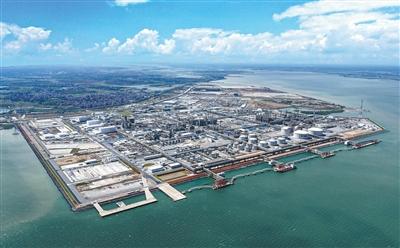
Core Insights - European companies are increasingly investing in China, with significant growth in investment from countries like the UK and Switzerland, and Germany's investment expected to reach approximately 7 billion euros in 2025, a 55% increase from 2024, marking the highest level since 2021 [4] - About 25% of European companies in China are shifting more production processes to the country, highlighting China's importance in their global strategies [5] - High-end manufacturing and technology-intensive industries are becoming the main focus of European investments in China, with 80% of European pharmaceutical companies planning to expand their production in the Chinese market [6] Group 1 - BASF's investment in the Zhanjiang integrated base marks its largest single investment project, with the first products successfully launched, emphasizing the company's commitment to strengthening its core competitiveness in China [7] - The comprehensive advantages of China, including cost-effectiveness and a complete industrial chain, are attracting more European companies to view China not just as a market but as a competitive export base [8] - Bosch plans to invest approximately 10 billion yuan in Suzhou to develop advanced intelligent driving assistance systems, indicating a shift towards local production for both domestic and global markets [8] Group 2 - The EU's direct investment in China has been steadily increasing, with a record 3.6 billion euros in greenfield investments in Q2 2024, and total investments exceeding 150 billion dollars by the end of 2024 [9] - A survey indicates that 93% of German companies in China plan to deepen their market presence, with 53% intending to increase investments, reflecting strong resilience in Sino-European economic cooperation [9] - Schneider Electric is enhancing collaboration with Chinese battery manufacturers and EV charging infrastructure suppliers, indicating a growing partnership in technology innovation and green transformation [10]
盈新发展:公司将积极探索布局着眼于超越传统业务结合的、更深层次的“双向赋能”
Zheng Quan Ri Bao Zhi Sheng· 2026-02-02 13:41
Core Viewpoint - The company aims to explore a deeper level of "dual empowerment" by integrating traditional business models with advanced technologies in the semiconductor industry to enhance the smart upgrade of the cultural tourism sector [1] Group 1: Business Strategy - The company acknowledges the differences in business models between its two main modules but is committed to leveraging semiconductor technologies such as chips and computing power to empower the cultural tourism industry [1] - The management emphasizes compliance with laws and regulations in its operations, ensuring a structured approach to business development [1] Group 2: Performance Improvement - The two business segments are expected to collaboratively enhance the company's profitability, fundamentally improving performance and increasing shareholder returns [1] - The strategy aims to build a mutually beneficial and synergistic industrial ecosystem, which will strengthen the company's risk resistance and long-term competitiveness [1]

一个矩阵和他倡导的生态
汽车商业评论· 2026-01-31 23:10
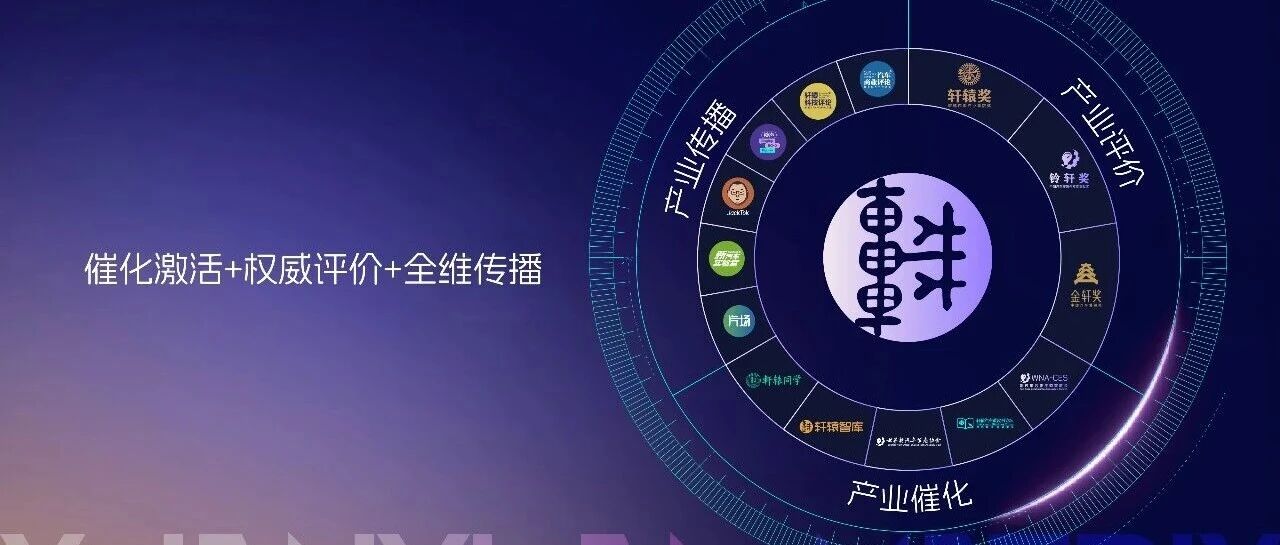
Core Viewpoint - The article emphasizes the establishment of the Xuanyuan Matrix as a comprehensive ecosystem in the automotive industry, built on 20 years of experience and aimed at fostering innovation, collaboration, and professional development within the sector [7][22][24]. Group 1: Xuanyuan Matrix Overview - The Xuanyuan Matrix consists of three main components: industry catalysis, industry evaluation, and industry communication, forming a three-dimensional closed loop of "catalytic activation + authoritative evaluation + all-dimensional communication" [9][26]. - It includes six major media outlets, three awards, two forums, one business school, one association, and one think tank, all designed to support the automotive industry's evolution [9][26]. Group 2: Industry Challenges and Opportunities - In an era of uncertainty and disrupted rules, automakers need to break down barriers to find innovative solutions, while supply chain companies seek precise market alignment [6][21]. - The automotive industry has transitioned from a phase of "market for technology" to leading in new energy vehicle production and intelligent networking technology [17][20]. Group 3: Educational Initiatives - Xuanyuan School aims to cultivate new automotive professionals by bridging the gap between traditional business education and industry needs, offering specialized courses that foster resource connections and industry transformation [28]. - The school has developed a community of engaged entrepreneurs, enhancing collaboration and mutual support among industry peers [29]. Group 4: Industry Evaluation and Awards - The Xuanyuan Award, Lingxuan Award, and Jin Xuan Award serve as authoritative benchmarks across the automotive sector, promoting high-quality advancements and recognizing innovative marketing efforts [34][37]. - The Lingxuan Award has identified over 600 benchmark cases in the parts sector, becoming a key reference for automakers in supply chain selection [35]. Group 5: Media and Communication Strategy - The six media platforms under the Xuanyuan Matrix cover the entire automotive value chain, providing deep insights and fostering a community for industry professionals [39][41]. - The focus is on delivering quality content that builds long-term trust and provides reliable insights for decision-making in a rapidly changing environment [44]. Group 6: Future Vision and Commitment - The Xuanyuan Matrix aims to enhance its content value by producing in-depth topics and valuable interviews, maintaining a commitment to industry integrity and influence [47]. - The ultimate goal is to create a collaborative ecosystem that nurtures growth and innovation, ensuring that all participants can thrive together in the automotive landscape [50][53].
浙江第三座万亿GDP城市来了
Sou Hu Cai Jing· 2026-01-29 05:31
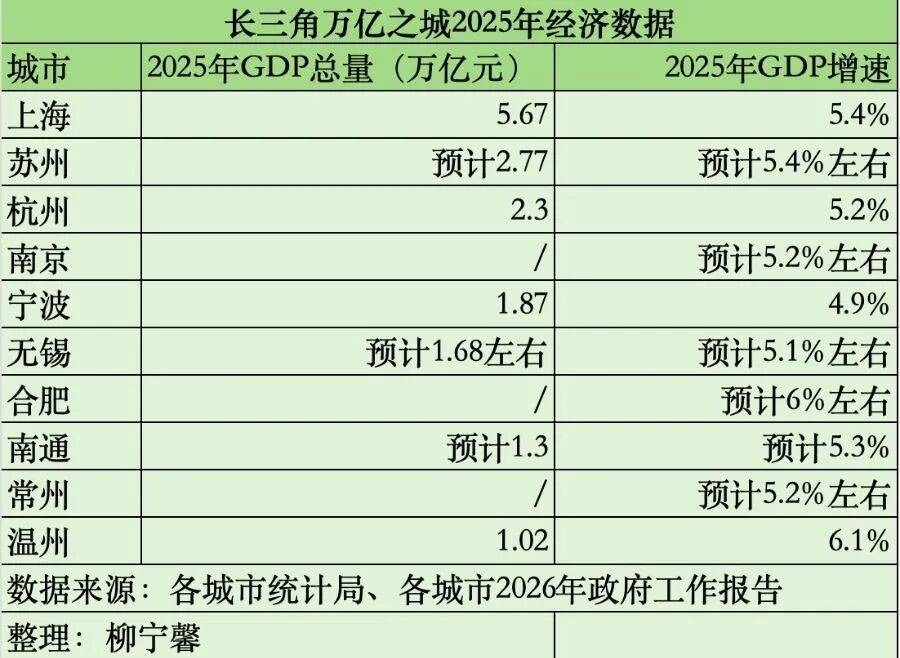
Core Viewpoint - The economic landscape of the Yangtze River Delta is evolving, with the number of cities achieving a GDP of over 1 trillion yuan increasing to 10 by 2025, highlighting a shift from mere scale to quality and sustainability in urban development [1][3][4]. Economic Data Summary - Shanghai's GDP is projected to reach 5.67 trillion yuan with a growth rate of 5.4% [1][5]. - Suzhou is expected to have a GDP of 2.77 trillion yuan, also with a growth rate around 5.4% [1][3]. - Hangzhou's GDP is anticipated to be 2.3 trillion yuan, growing at 5.2% [1][5]. - Nanjing is nearing the 2 trillion yuan mark with an estimated growth rate of 5.2% [1][3]. - Ningbo's GDP is projected at 1.87 trillion yuan, with a growth rate of 4.9% [1][6]. - Wuxi is expected to reach approximately 1.68 trillion yuan, with a growth rate around 5.1% [1][3]. - Hefei and Changzhou are both projected to have GDPs of 1 trillion yuan, with Hefei expected to grow at around 6% [1]. - Nantong's GDP is estimated at 1.3 trillion yuan, with a growth rate of 5.3% [1][3]. - Wenzhou has achieved a historic milestone with a GDP of 1.02139 trillion yuan, growing at 6.1% [1][7]. Industry Trends and Shifts - The focus is shifting from GDP scale to the quality of development, emphasizing industrial structure and innovation capabilities [4][8]. - Shanghai is advancing towards a high-end industrial cluster, with significant growth in sectors like integrated circuits and artificial intelligence [5][9]. - Hangzhou is leveraging its digital economy, with notable growth in sectors like new energy vehicles and industrial robotics [6][12]. - Wenzhou's economic growth is driven by its manufacturing sector, with strategic emerging industries showing robust growth [7][9]. - Cities are increasingly focusing on sustainable development and innovation as key factors for long-term competitiveness [8][13]. Future Industry Planning - Shanghai's "14th Five-Year Plan" aims to build a modern industrial system with a focus on advanced manufacturing and emerging industries [9][10]. - Suzhou is transitioning from traditional manufacturing to a modern industrial powerhouse, emphasizing biomedicine and high-end manufacturing [10][11]. - Hangzhou's planning includes developing advanced manufacturing clusters in artificial intelligence and visual intelligence [12]. - Nanjing and Wuxi are targeting future industries such as quantum technology and synthetic biology to enhance their economic growth [12][13].
福建莆田啤酒产业撑起区域经济增长极
Sou Hu Cai Jing· 2026-01-28 06:16
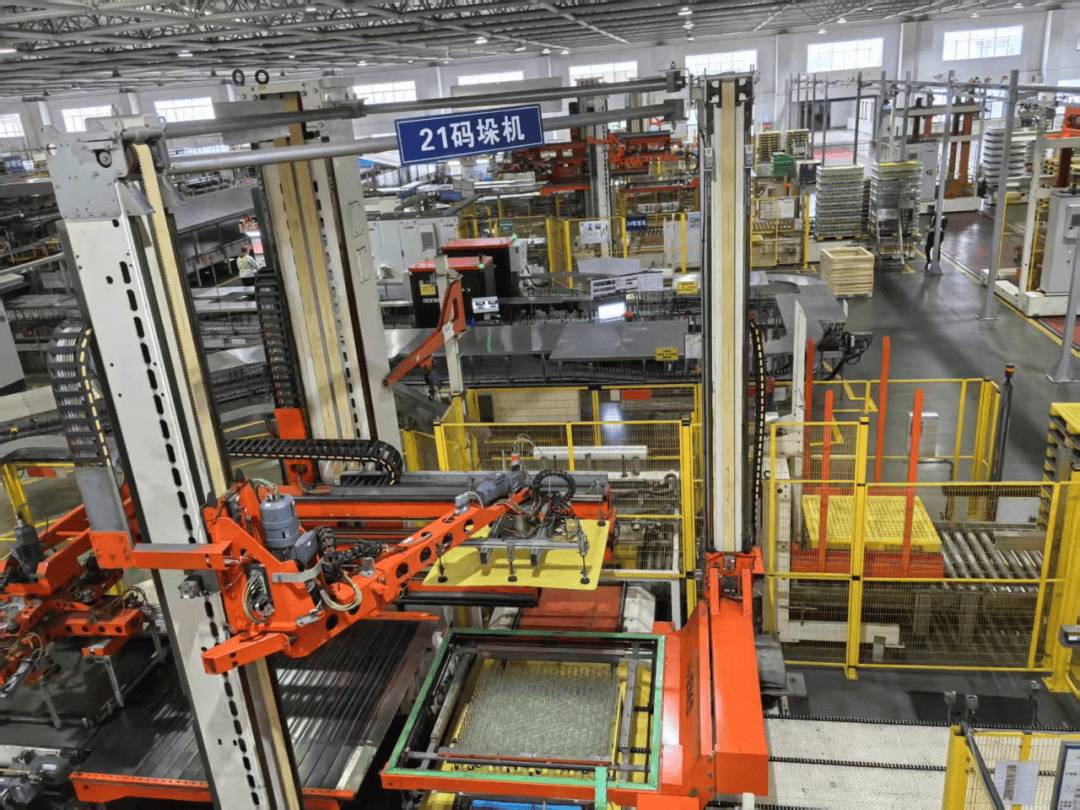
Core Viewpoint - Fujian province, with a population of over 40 million, is a key battleground for the beer market in China, boasting the highest per capita consumption in the country. The region has been recognized internationally as a "World Wine Specialty Region - China Beer Manufacturing City," reflecting the transformation of traditional industries towards high-quality development [1][4]. Group 1: Industry Transformation - The beer industry in Putian has evolved from a focus on scale expansion to an emphasis on quality improvement and brand development, showcasing a significant transformation in China's manufacturing sector [1][4]. - The Budweiser Snow Beer factory in Putian has achieved an annual production capacity of 2 million tons, with a production line capable of producing 45 cans per second, leading the industry in water consumption efficiency at 1.83 tons of water per ton of beer produced [4][5][8]. Group 2: Technological Advancements - The factory employs advanced technologies such as automated production lines, intelligent inspection robots, and a comprehensive monitoring system to enhance production efficiency and ensure food safety [5][7]. - Budweiser Snow Beer has invested 708 million yuan in digital transformation, positioning itself as a benchmark enterprise in industrial internet within Fujian province [5][9]. Group 3: Environmental Sustainability - The factory's solar power system generates 17 million kilowatt-hours annually, and its water recycling initiatives have led to a water reuse rate of 94.03%, significantly reducing water waste [8][9]. - The introduction of a steam condensate recovery system allows the factory to recycle 170,000 tons of condensate water each year, minimizing the need for fresh water [8][9]. Group 4: Economic Impact - Budweiser Snow Beer has become a core enterprise in Putian, contributing significantly to the local economy and serving as a model for successful government-business collaboration and urban integration [4][11]. - The beer industry cluster in Putian has surpassed 25 billion yuan in scale, fostering job creation and tax revenue growth, while the region aims to develop a food processing industry park with an annual output value exceeding 30 billion yuan [14][15]. Group 5: Cultural Integration - The establishment of the "059 Coastline Craft Beer Community" and the Budweiser China Beer Museum reflects the integration of industrial production with cultural tourism, enhancing the region's social influence [15][16]. - The craft beer community produces local specialty beers using regional ingredients, promoting a unique cultural identity while driving consumer engagement [15][17].
对话独角兽 | XREAL迎战"百镜大战":技术自研,生态构建及全球博弈
Di Yi Cai Jing· 2026-01-27 11:58
在AR眼镜的"百镜大战"中,成立八年的XREAL选择了一条与众不同的道路。当大多数玩家还在采用公版解决方案时,这家公司已将累计融资的绝大部分投 入自研技术,从光学引擎到空间计算芯片,构建起自己的技术体系。这种重资产的技术路线,折射出整个行业对核心技术的渴望与焦虑。 技术自研的抉择与挑战 在AR眼镜行业,技术研发绝对称得上是重资产投入。以成立9年的XREAL为例,这家公司选择了自研的技术路线,不仅自主研发光学引擎,还投入空间计 算芯片的研发。据公开信息,XREAL已将累计融资的绝大部分投入研发,并表示其自研的X1芯片将运动到显示延迟控制在3毫秒以内,旨在解决AR使用中 的眩晕问题。 这种技术路径的选择背后,是行业对核心技术突破的迫切需求。一方面,核心技术的突破确实能够构建竞争壁垒。XREAL凭借自研技术,在与谷歌的合作 中获得了话语权,双方联合开发的Project Aura计划在2026年正式推出。另一方面,这条道路也并不平坦。技术自研需要长期投入,且面临研发周期长、资 金压力大的挑战。在行业尚未形成规模化市场的背景下,持续的技术投入能否带来相应的商业回报,仍是未知数。 XREAL的创始人徐驰表示:AR眼镜要实 ...

《新华每日电讯》头版头条聚焦江西
Xin Lang Cai Jing· 2026-01-24 01:05
不靠海、不沿边,中国稀土集团、宁德时代、比亚迪等知名企业先后落地,低空制造、脑机接口、核医学等产业在这里加速集聚;中国科学院赣江创新研 究院等一批国家级创新平台在这里落地;制造业发展综合质效指数列全国第9位,这里的计算机、手机整机产量分别位列全国第三、第四。 自江西省委部署打造革命老区高质量发展高地以来,全省上下迎难而上,着力培育产业生态,集聚创新要素,优化营商环境,实现"十四五"顺利收 官,"十五五"稳健起步。 增资扩产、乘"数"而上、"裂变"发展……行走在江西这片红色热土,一个个振奋人心的故事和场景,勾勒出老区高质量发展的生动轨迹。 "新生态观":从点上突破到集群跃升 良好的生态会带来清新的空气、干净的水源,滋养万物生长。自然生态如此,产业生态亦是如此。 1月13日,国内植入式柔性脑机接口领军企业脑虎科技"超级工厂"在赣江新区动工,将承担国内首款"全植入、全无线、全功能"脑机接口系统的量产任 务。 这条消息一石惊起千层浪。多数人不解,如此前沿"黑科技",为何落户江西革命老区? "选择江西,我们看中的是这里的产业生态。"脑虎科技创始人陶虎解释说,赣江新区既有传感器、锂电池、电路板等产业基础,又有政府培育未来 ...