
全域自研

Search documents
“浙大创业天团”新年话创新
Hang Zhou Ri Bao· 2026-01-07 03:19
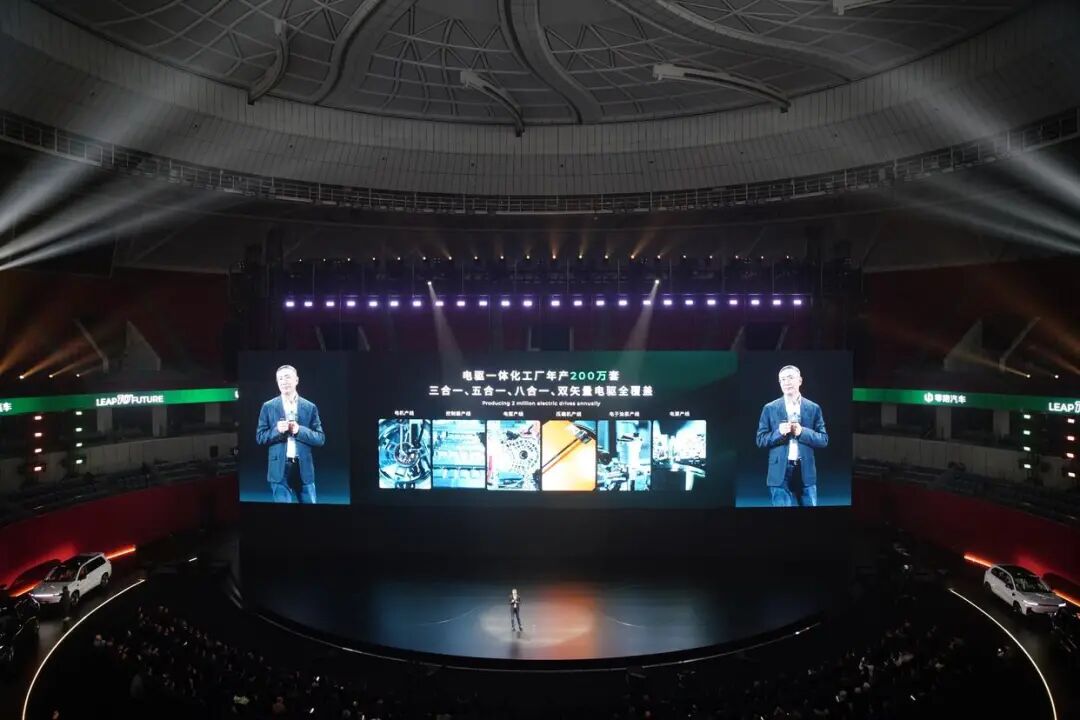
Group 1 - The core theme of the 2026 Zhejiang University Alumni New Year Forum is "Seeking Truth and Gathering Strength: Innovation in Science and Technology" [1] - The forum highlighted the significant contributions of Zhejiang University alumni in various cutting-edge technology fields, including AI, integrated circuits, biomedicine, and new energy [1] - The emergence of the "Six Little Dragons" from Zhejiang University, particularly companies like DeepSeek, has gained recognition for their innovative impact [1] Group 2 - DeepSeek, founded by Liang Wenfeng, is noted for transforming China's AI landscape from a "follower" to a "rule-maker" [2] - The Zhejiang University alumni network has produced 317 listed companies, 34 unicorns, 229 potential unicorns, and 100 seed unicorns, showcasing a robust entrepreneurial ecosystem [2] - The competition between China and the U.S. in terms of new unicorns is intensifying, emphasizing the need for continuous innovation in the AI era [2] Group 3 - The core technologies in traditional automobiles are engines and transmissions, while in electric vehicles, the focus is on the "three electrics": battery, electric drive, and electric control [3] - The "all-domain self-research" strategy of Leap Motor has led to a 100% sales growth for three consecutive years, with approximately 600,000 units sold in 2025 [3] - The forum also featured discussions on challenges in hard tech entrepreneurship and the role of AI in empowering industries, reflecting the innovative culture of Zhejiang University [3]

十周年立下flag “黑马”零跑剑指百万销量
Xi Niu Cai Jing· 2026-01-06 07:03
Core Insights - Leap Motor celebrated its 10th anniversary, showcasing its journey in the automotive industry and unveiling its strategic plan for the next decade [1] - The company has achieved significant milestones, including over 1.2 million cumulative deliveries and a projected annual sales of nearly 600,000 units by 2025, positioning itself as a leader among new automotive forces in China [1] Group 1: Company Achievements - Leap Motor has established a global network of over 1,800 sales outlets, with more than 800 located overseas, and has entered 35 countries and regions [1] - The company has achieved consecutive quarterly profitability and expects to export 60,000 units in 2025, aiming to be the top seller among new forces in overseas markets [1] Group 2: Technological and Product Development - Leap Motor's core advantage lies in its "full self-research" approach, which has led to a competitive in-house parts system and a high R&D personnel ratio of 80% [2] - The company has developed a comprehensive product lineup, including the A, B, C, and D series, covering various vehicle types and offering both pure electric and range-extended options [2] Group 3: Future Goals and Strategy - Leap Motor aims to become a world-class automaker with an annual sales target of 4 million vehicles, setting 2026 as the year to break the 1 million sales mark [3] - The company will focus on five key areas for the next decade: technological innovation, product innovation, ecosystem development, localized industrial layout, and refined marketing management [3]
零跑汽车午后涨超5% 全国门店总量突破千店规模 今年冲击百万辆年销量
Zhi Tong Cai Jing· 2026-01-06 07:02
Core Viewpoint - Leap Motor (09863) has seen a significant stock increase of over 5%, currently trading at HKD 50.45, with a transaction volume of HKD 494 million [1] Group 1: Store Expansion - Leap Motor has opened 85 new stores recently, bringing the total number of stores to 1,068 as of January 4, 2026, establishing a broad and synergistic sales service network [1] Group 2: Strategic Partnerships - In December 2025, Leap Motor entered a strategic partnership with China FAW Group, with FAW investing HKD 3.744 billion at a premium [1] Group 3: Financial Performance - Huatai Securities reported that Leap Motor has completed a comprehensive self-research and platform construction over the past decade, achieving nearly 600,000 vehicle sales last year and is on track for its first annual profit [1] - The company aims for a sales target of 1 million vehicles this year and a long-term goal of 4 million vehicles [1] Group 4: Future Outlook - From 2025 to 2027, Leap Motor is expected to enter a new global vehicle cycle, with strategic partnerships contributing to incremental growth, leading to rapid revenue growth and a profitability turning point [1]

港股异动 | 零跑汽车(09863)午后涨超5% 全国门店总量突破千店规模 今年冲击百万辆年销量
智通财经网· 2026-01-06 06:57
Core Viewpoint - Leap Motor (09863) has seen a significant stock increase of over 5%, reaching HKD 50.45, with a trading volume of HKD 494 million, following the announcement of new store openings and strategic partnerships [1] Group 1: Company Developments - Leap Motor has opened 85 new stores recently, bringing the total number of stores to 1,068 as of January 4, 2026, establishing a broad and synergistic sales service network [1] - In December 2025, Leap Motor entered a strategic partnership with China FAW Group, with FAW investing HKD 3.744 billion at a premium [1] Group 2: Financial Performance and Projections - According to Huatai Securities, Leap Motor has completed a comprehensive self-research and platform construction over the past decade, achieving nearly 600,000 vehicle sales last year and is on track for its first annual profit [1] - The company aims to sell 1 million vehicles this year and has a long-term target of 4 million vehicles, with expectations of rapid revenue growth and a profitability turning point from 2025 to 2027 due to a new global vehicle cycle and strategic partnerships contributing incremental growth [1]
2025造车新势力变局:“鸿零米”改变“蔚小理”格局
2 1 Shi Ji Jing Ji Bao Dao· 2026-01-05 22:31
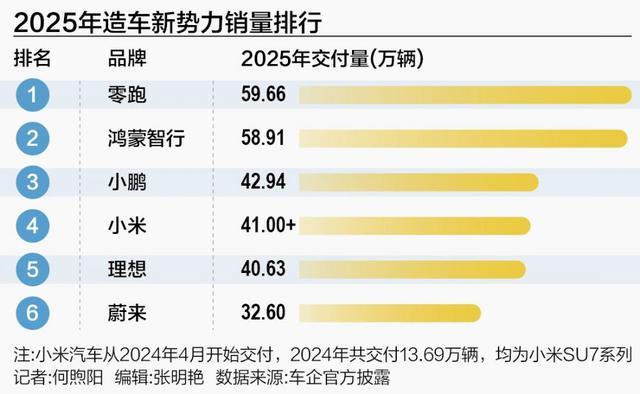
Core Insights - The 2025 new energy vehicle market has shown a stark polarization, with emerging players like "Honglingmi" (Hongmeng Zhixing, Leap Motor, Xiaomi) rapidly gaining market share while established companies like "Weilai, Xiaopeng, and Lixiang" face significant challenges [1][15] - The competition has intensified, with some companies thriving in the growing market while others struggle for survival in a saturated environment [1] Group 1: Emerging Players - "Leap Motor" has emerged as the biggest dark horse, achieving a delivery volume of 596,600 units in 2025, becoming the top seller among new forces and setting a record for annual sales [3] - Leap Motor's success is attributed to its long-term commitment to self-research and development, achieving a half-year delivery of 221,700 units and becoming one of the only two profitable companies in the sector [3][4] - Xiaomi's automotive division delivered over 410,000 units in its first full year, exceeding its annual target by 17% [5] Group 2: Established Players - "Weilai" and "Lixiang" have entered a painful transformation phase, with both companies failing to meet their annual sales targets in 2025 [8] - "Xiaopeng" is the only company among the established players to achieve its annual sales target, delivering 429,400 units in 2025 [9] - Weilai has undergone a significant organizational change, focusing on core automotive operations and achieving notable sales with new models like the L90 and ES8 [12] Group 3: Market Dynamics - The competition has shifted towards a focus on systemic capabilities, with companies needing to balance technology development, product iteration, financial reserves, and operational efficiency to succeed [15] - The market is witnessing a shift where companies like Leap Motor and Xiaomi leverage their unique strengths to disrupt traditional players, while established companies are forced to adapt to survive [7][15]

造车新势力2025生死局:零跑交付59万辆成黑马,蔚小理加速转型
2 1 Shi Ji Jing Ji Bao Dao· 2026-01-05 14:59
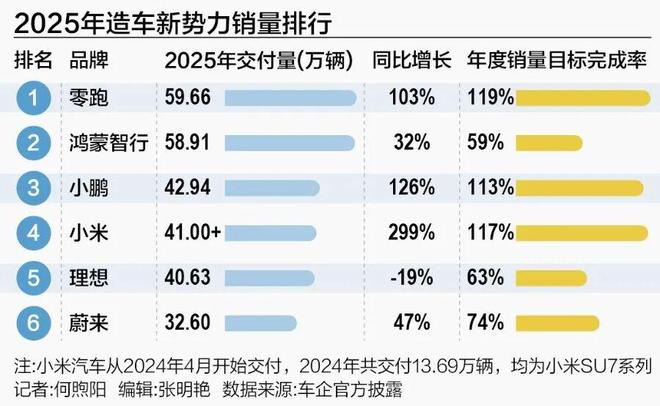
Core Insights - The 2025 new energy vehicle market has shown a stark polarization, with new entrants like "Honglingmi" (Hongmeng Zhixing, Leap Motor, Xiaomi) rapidly gaining market share while established players like NIO and Li Auto struggle to maintain their positions [1][4] Group 1: Market Performance - Leap Motor achieved the highest sales among new forces with 596,600 units delivered in 2025, marking a 103% year-on-year growth and exceeding its annual sales target by 19% [2][4] - Hongmeng Zhixing followed closely with 589,100 units delivered, a 32% increase, although it did not meet its annual sales target [2][6] - Xiaomi delivered over 410,000 units, achieving a remarkable 299% growth and surpassing its sales target by 17% [2][5] - NIO and Li Auto faced challenges, with NIO delivering 326,000 units (47% of its target) and Li Auto delivering 406,300 units, a 19% decline from the previous year [2][10] Group 2: Strategic Developments - Leap Motor's success is attributed to its focus on in-house research and development, establishing 17 component factories and achieving a parts-sharing rate of 88% across its models, which helps maintain competitive pricing [5][6] - Xiaomi's strategy leverages its consumer electronics background, emphasizing user engagement and ecosystem integration, which has proven effective in rapidly building market presence [6][8] - Hongmeng Zhixing is diversifying its product range to reduce reliance on its flagship model, with new models achieving significant sales growth [6][8] Group 3: Challenges and Future Outlook - Leap Motor must prove its capabilities in the high-end market while addressing its shortcomings in smart technology investments [7][8] - Xiaomi faces potential backlash from its strong personal branding and must navigate user sentiment carefully following safety incidents [8] - The traditional leaders, NIO and Li Auto, are undergoing painful transformations, with NIO focusing on operational efficiency and product refinement, while Li Auto is struggling with declining sales and competition from new entrants [10][17] Group 4: Industry Dynamics - The market is witnessing a brutal elimination process, with companies like Neta facing bankruptcy and others like WM Motor and HiPhi attempting to revive their operations amid financial difficulties [19][20] - The competition is shifting towards a focus on systemic capabilities, where companies that can balance technology development, product iteration, and operational efficiency will thrive [24][25]



造车新势力2025生死局:零跑交付59万辆成黑马,蔚小理加速转型
21世纪经济报道· 2026-01-05 14:49
Core Viewpoint - The 2025 new energy vehicle market has shown a stark polarization, with emerging brands like "Honglingmi" (Hongmeng Zhixing, Leap Motor, Xiaomi) rapidly gaining market share while established players like NIO and Li Auto struggle to maintain their positions [1][4]. Group 1: Performance of New Energy Vehicle Brands - Leap Motor emerged as the biggest dark horse in 2025, achieving a delivery volume of 596,600 units, marking a 103% year-on-year growth and completing 1,119% of its annual sales target [2][4]. - Hongmeng Zhixing delivered 589,100 units, a 32% increase, while Xiaomi's deliveries exceeded 410,000 units, achieving a remarkable 299% growth [2][6]. - Li Auto and NIO faced challenges, with Li Auto's deliveries declining by 19% to 406,300 units, and NIO delivering 326,000 units, a 47% increase but still below expectations [2][12]. Group 2: Strategic Shifts and Challenges - Leap Motor's success is attributed to its focus on self-research and development, achieving a gross margin of 14%-15% while maintaining competitive pricing [5][4]. - Xiaomi's strategy leverages its consumer electronics background, achieving a high completion rate of 117% for its annual sales target, but faces challenges related to brand perception and safety concerns [6][7]. - Hongmeng Zhixing is working to diversify its brand portfolio beyond the AITO series, which accounted for over 70% of its sales, to reduce dependency on a single model [7][6]. Group 3: Transformation of Established Players - The former "big three" of new energy vehicles, NIO, Li Auto, and Xpeng, are undergoing significant transformations, with NIO and Li Auto failing to meet their sales targets [9][12]. - Xpeng has successfully pivoted to a more pragmatic approach, achieving 429,400 units sold in 2025, the only one among the three to meet its annual target [10][11]. - NIO has initiated a restructuring process to focus on core operations and has seen success with new models like the L90 and ES8, which have become popular in the market [11][12]. Group 4: Struggles of Other Brands - Neta Motors has faced severe challenges, leading to bankruptcy restructuring due to a lack of core technology and declining sales [15][16]. - WM Motor and HiPhi are also attempting to revive their operations, but face significant financial hurdles and market skepticism regarding their recovery plans [16][18]. - The overall landscape of new energy vehicles is marked by intense competition, with companies needing to balance technology development, product iteration, and operational efficiency to survive [19][20].
2025新势力生死局:“鸿零米”颠覆格局,“复活者”困战绝境
2 1 Shi Ji Jing Ji Bao Dao· 2026-01-05 12:27
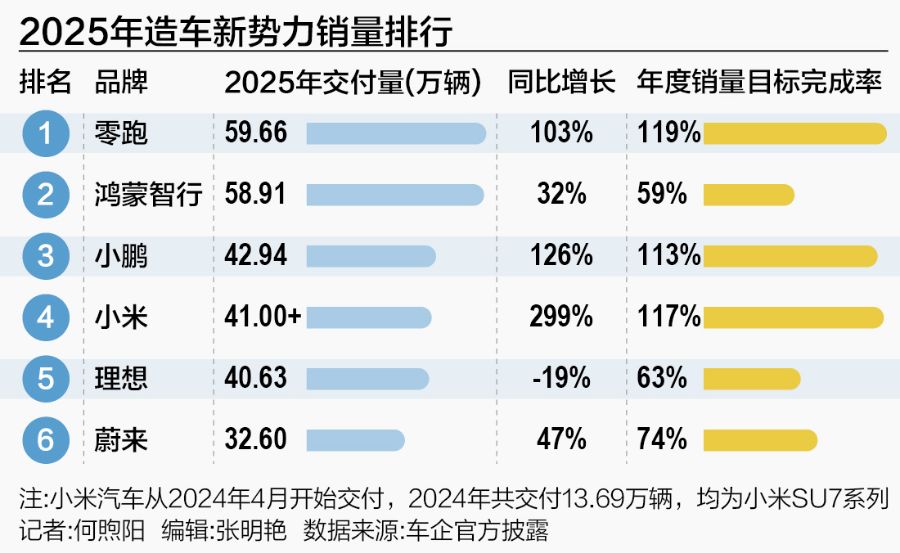
Core Insights - The 2025 new energy vehicle market has shown a stark polarization, with new players like "Honglingmi" (Hongmeng Zhixing, Leap Motor, Xiaomi) rapidly gaining market share while established companies face significant challenges [1][21] - The competition has intensified, leading to a survival battle among companies, with some thriving in the growing market while others struggle in the existing market [1] Group 1: Performance of New Players - "Honglingmi" has collectively disrupted the previous market structure dominated by "Weilai, Xiaopeng, and Ideal," reshaping the competitive landscape [2] - Leap Motor emerged as the biggest dark horse, achieving a delivery volume of 596,600 units in 2025, setting a new record for new energy vehicle sales [2][3] - Xiaomi's automotive division delivered over 410,000 units in its first full year, exceeding its annual target by 117% [4] Group 2: Strategies and Challenges - Leap Motor's success is attributed to its long-term commitment to in-house research and development, achieving a gross margin of 14%-15% while maintaining affordable pricing [3] - Xiaomi's strategy leverages its consumer electronics user base and aims to create an integrated ecosystem, although it faces challenges related to brand perception and safety incidents [6] - Leap Motor plans to achieve a sales target of 4 million vehicles by 2026, marking a significant ambition for future growth [3] Group 3: Struggles of Established Players - The former "big three" of new energy vehicles, "Weilai, Xiaopeng, and Ideal," are undergoing painful transformations, with Weilai and Ideal failing to meet their annual sales targets [7][13] - Xiaopeng has shown resilience, achieving a sales volume of 429,400 units in 2025, becoming the only one among the three to meet its annual target [8] - Weilai has shifted its focus back to core automotive operations, successfully launching popular models like the L90 and ES8 [12] Group 4: Market Exit and Revival Attempts - Neta Auto has faced severe challenges, entering bankruptcy restructuring due to operational failures and market competition [16][17] - WM Motor has announced a five-year restructuring plan but faces skepticism regarding its financial stability and ability to execute its revival strategy [18] - High-end brands like HiPhi and Jidu are struggling with funding and operational challenges, with their revival efforts facing significant obstacles [19][20] Group 5: Future Outlook - The competition in the new energy vehicle market is expected to intensify, with a focus on systemic capabilities becoming crucial for survival [21] - Companies that can balance technology development, product iteration, financial reserves, and operational efficiency will be better positioned in this competitive landscape [21]
年销百万的野望:零跑“向上”的胜算与代价
3 6 Ke· 2026-01-05 09:17
Core Insights - Leap Motor aims to achieve an annual sales target of 1 million vehicles by 2026, marking a significant ambition for the company as it transitions from a "challenger" to a "leader" in the new energy vehicle market [1][4] - The company faces the challenge of shifting its brand perception from a "high cost-performance" image to a higher-end positioning, which requires convincing consumers to accept higher prices for its vehicles [3][5] Group 1: Sales and Market Position - Leap Motor is projected to sell nearly 600,000 vehicles in 2025, solidifying its position as the top seller among new energy vehicle companies in China [4] - The company's strategy of high self-research and development of core components has provided it with advantages in cost control and supply stability, enabling it to achieve profitability ahead of many competitors [4] Group 2: Brand and Consumer Perception - Leap Motor has established a market image of being "good but not expensive" within the price range of 60,000 to 200,000 yuan, which has helped it rapidly expand its user base but also created consumer expectations that may hinder its ability to raise prices [5][7] - The transition to a higher price point of 250,000 to 300,000 yuan will require Leap Motor to address consumer willingness to pay a premium for its brand, rather than just the vehicle's features [5][8] Group 3: Product and Pricing Strategy - Leap Motor's pricing strategy has traditionally been cost-driven, focusing on providing high configurations at attractive prices, but this approach may not translate effectively in the high-end market where consumer value perception is more complex [8][11] - The company is currently in a catch-up phase regarding key technologies such as intelligent driving, and any delays in technological advancements could negatively impact consumer confidence [8][12] Group 4: Competitive Landscape - The high-end market segment, particularly in the 250,000 to 300,000 yuan range, is highly competitive with established players like Tesla, Li Auto, NIO, and Aito already having solidified their user bases [9][12] - Leap Motor's strategy of climbing from the mass market to the premium segment is challenging and carries higher risks, despite having successful precedents in the industry [9][12] Group 5: Operational Challenges - Achieving the sales target of 1 million vehicles will require a nearly 70% increase in scale, posing significant challenges across various operational aspects, including dealership standards, supply chain stability, and organizational complexity [12][13] - The company must balance profitability with high-end investments and maintain a dynamic equilibrium between pricing competition and gross margins [13] Group 6: Global Expansion and Long-term Strategy - Leap Motor is leveraging international partnerships to accelerate its global expansion, but initial phases typically prioritize scale over profit, necessitating strong financial endurance and a longer return cycle [13] - The company's focus on engineering efficiency and investment returns has previously helped it navigate industry downturns, but the new phase of high-end and global strategies will require greater patience and commitment to long-term investments [13]
零跑汽车(09863):一汽溢价入股助力零跑新征程
HTSC· 2026-01-05 06:34
Investment Rating - The report maintains a "Buy" rating for the company [7] Core Insights - The company aims to become a world-class automotive enterprise, targeting sales of 1 million units in 2026 and 4 million units in the long term [4][5] - The company has established a comprehensive self-research and platform-based manufacturing system, achieving a sales volume of approximately 597,000 units in 2025, marking a significant improvement in its fundamentals [2][3] - The strategic investment from FAW Group, acquiring approximately 5% equity for about HKD 3.74 billion, highlights the recognition of the company's long-term strategy [3] Sales and Financial Projections - The company expects to achieve sales of 600,000, 1,040,000, and 1,420,000 units in 2025, 2026, and 2027 respectively, with corresponding revenues of RMB 68.3 billion, RMB 123.5 billion, and RMB 168.8 billion [5][11] - The net profit attributable to the parent company is projected to be RMB 6.6 million, RMB 51.1 million, and RMB 82.5 million for the years 2025, 2026, and 2027 respectively [5][11] Strategic Developments - The company has signed a powertrain cooperation agreement with FAW, focusing on the joint development of range-extended and plug-in hybrid vehicles, with the first model expected to be mass-produced in 2026 [3] - The D-series models, including D19 and D99, are set to launch in 2026, enhancing the company's high-end product lineup [3][4] Market Expansion - The company plans to leverage Stellantis' distribution channels to export over 60,000 vehicles in 2025, entering 35 countries with more than 800 overseas stores [2][4] - The strategic cooperation with FAW and Stellantis is expected to drive growth and profitability during the upcoming new vehicle cycle [4]