
文化新质生产力

Search documents
文化新质生产力推动“两个文明”相协调的现代化
Xin Lang Cai Jing· 2026-01-11 20:19
Group 1: High-Quality Development and Cultural New Productive Forces - The core principle and primary goal of the "14th Five-Year Plan" is high-quality development, emphasizing the role of new cultural productive forces in promoting this development [1] - Cultural new productive forces are driving a systematic reconstruction of material civilization, influencing production practices and consumption methods beyond just technology [2] Group 2: Reshaping Cultural Production Practices - Cultural new productive forces have become a significant concept in cultural enterprises, leading to a transformation in production practices that extends beyond internal integration to deeper changes in production logic, organizational methods, and industry boundaries [2] - The shift from traditional content reproduction to autonomous generation is facilitated by AI-generated content (AIGC), enhancing the internal nature of cultural productivity and redefining production boundaries and creative roles [2] Group 3: Redefining Cultural Consumption - The "14th Five-Year Plan" suggests boosting consumption by expanding the supply of quality consumer goods and services, with cultural new productive forces reshaping the underlying logic of cultural consumption [3] - Cultural consumption is evolving from a one-way acceptance model to a co-creation model, where consumers participate in the cultural value reproduction process [3] - The reliance on algorithmic recommendations and social connections is increasing, leading to a collaborative network in cultural consumption [3] Group 4: Promoting Spiritual Civilization - Cultural new productive forces, supported by digital technology and intelligent algorithms, are embedded in social sciences and moral thought, providing momentum for the overall leap in socialist spiritual civilization [4] Group 5: Modernizing Education, Technology, and Culture Systems - The "14th Five-Year Plan" emphasizes seizing opportunities from the new round of technological revolution and industrial transformation to enhance the overall effectiveness of the national innovation system [5] - Digital and intelligent technologies are transforming education from a one-way knowledge transfer to a participatory meaning generation process, fostering modern citizens with innovative capabilities [5] Group 6: Strengthening Socialist Moral Systems - Cultural new productive forces promote the integration of socialist core values into social life, leading to a generative development of the moral system [6] - The digitalization of public ethics and the creation of civilized cities shift public morality from promotional guidance to situational participation [7] Group 7: Building a New Form of Human Civilization - Cultural new productive forces facilitate the coordinated development of material and spiritual civilizations, laying the foundation for a new form of human civilization [8] - The transition from efficiency-oriented material civilization to culture-empowered production processes enhances the humanistic and ecological aspects of material products [8] Group 8: Enhancing Cultural Industry Quality - The focus on people-centered development in constructing a new form of human civilization emphasizes the importance of public cultural services and the synchronization of cultural industry innovation and social value [8] - High-quality cultural products, such as books and digital creativity, not only meet diverse cultural needs but also strengthen the cultural foundation for social sharing [8]
学习规划建议每日问答|如何理解推进文化和科技融合
Xin Hua She· 2026-01-11 12:25
Core Viewpoint - The integration of culture and technology is essential for promoting high-quality cultural development and building a strong socialist cultural nation, as outlined in the 15th Five-Year Plan proposal [1] Group 1: Importance of Culture and Technology Integration - The fusion of culture and technology is crucial for transforming cultural production processes and upgrading traditional cultural formats, while also fostering the development of new cultural business models [2] - Recent advancements in technologies such as 4K/8K ultra-high definition, immersive interaction, digital twins, and virtual reality have significantly stimulated cultural innovation and creativity [2] - The rapid development and widespread application of generative artificial intelligence have opened vast opportunities for cultivating new productive forces in culture [2] Group 2: Meeting Public Expectations - Technological innovation supports the digital transformation of public cultural services, promoting the sharing and utilization of public cultural resources [2] - The integration enhances the efficiency of cultural production and increases the expressiveness and communicative power of cultural products, creating new cultural consumption scenarios like cloud performances and digital tourism [2] Group 3: International Cultural Competition - The development of technological innovation is reshaping the global cultural competition landscape, with many countries seeking to enhance their cultural soft power through high-tech means [3] - China's international communication capabilities have improved, with global popularity in areas such as online literature, games, and short dramas benefiting from the integration of culture and technology [3] Group 4: Key Focus Areas for Implementation - Promote core technology research in the cultural sector, improving the innovation system and increasing the localization rate of specialized chips and software [4] - Develop new cultural business models and enhance public cultural services through technology, while transforming traditional cultural industries [4] - Cultivate high-level cultural technology enterprises and support the growth of "little giant" companies and unicorns in the cultural technology field [4] - Strengthen talent cultivation in cultural and technological integration, fostering interdisciplinary education to meet industry needs [4] - Improve the policy support system for cultural technology innovation, including financial mechanisms and legal protections [4]
海淀文化产业对话会在京举行
Bei Jing Shang Bao· 2026-01-10 11:36
Core Insights - The dialogue conference focused on "Open Collaboration: A New Cultural Landscape in the AI Era," emphasizing the integration of artificial intelligence in cultural innovation and high-quality development of the cultural industry [1][2] - Haidian District is leveraging its full-stack industrial chain in artificial intelligence to promote the synergy between technology and culture, aiming to build a strong cultural district [1] - The cultural industry in Haidian has maintained a high operational scale during the 14th Five-Year Plan period, with deepening integration of culture and technology, leading to the emergence of new business formats and models [1] Group 1 - The conference was organized by the Propaganda Department of the Haidian District Committee and the School of Arts at Peking University, with support from various cultural and research institutions [1] - Haidian District plans to continue promoting the deep integration of culture and technology during the 15th Five-Year Plan period, focusing on key areas such as "AI + Culture" [2] - The district aims to enhance public cultural services and optimize the cultural supply structure to stimulate cultural consumption potential [2]
2026年元旦档电影票房已超6亿元
Yang Guang Wang· 2026-01-03 02:12
Group 1 - The total box office for the 2026 New Year's Day film season has exceeded 630 million yuan, indicating strong audience engagement and diverse film offerings [1] - Domestic films during the New Year's period focus on "realistic themes" and "emotional resonance," with notable titles like "In the Line of Duty" and "Family Matters" addressing significant social issues [1] - The box office for the entire year of 2022 reached 51.832 billion yuan, a year-on-year increase of 21.95%, with the New Year's season achieving over 5.3 billion yuan, marking an eight-year high [2] Group 2 - The Chinese film industry is transitioning from traditional box office economics to a multi-dimensional consumption ecosystem, with initiatives like "China Film Consumption Year" promoting broader consumer engagement [3] - The total output value of the Chinese film industry chain exceeded 800 billion yuan in 2025, reflecting significant growth potential in cultural economics [3] - The development of new cultural business formats is emphasized in the "14th Five-Year Plan," showcasing the importance of cultural production power and the vast growth space in China's cultural economy [3]
跨界联动 激发首都文商旅体展新动能
Bei Jing Ri Bao Ke Hu Duan· 2025-12-23 22:55
Core Insights - Beijing is leveraging cross-industry collaboration to activate new momentum for the integration of culture, commerce, tourism, and sports [1] - The focus is on cultivating excellent brands and IP to boost consumption and promote industrial development [2][4] Group 1: Cultural and Economic Development - The "14th Five-Year Plan" emphasizes cross-border cultural tourism, immersive experiences, and night tourism as key directions for development [4] - The Cultural Industry Development Index, published annually by Renmin University, indicates that Beijing ranks first in cultural industry development for the ninth consecutive year [4] - Over the past five years, the annual growth rate of revenue from large-scale cultural enterprises in new cultural formats has reached 20.1%, contributing 70.9% to the overall revenue growth of cultural enterprises [4] Group 2: Innovative Exhibition Practices - The "See the Yin Shang" exhibition at the Capital Museum attracted over 200,000 visitors in 147 days, showcasing the potential of cultural exhibitions to drive economic benefits [7] - The exhibition utilized innovative design to enhance visitor engagement and created a "big cultural creation" system that includes immersive experiences and educational activities [8] - The success of the exhibition demonstrates the ability of museums to transform into key nodes for cultural and economic integration [9] Group 3: Retail and Cultural Integration - Beijing Caishikou Department Store is exploring the integration of traditional retail with cultural experiences, contributing to high-quality cultural consumption [12] - The store has developed a unique "museum-store" model, creating immersive shopping environments that incorporate cultural narratives [12][13] - The company aims to leverage technology to enhance customer engagement and drive cultural storytelling through its products and services [13] Group 4: Digital Innovation in Performing Arts - The National Centre for the Performing Arts has launched the "Second Scene" project, enabling live streaming of performances to audiences across China and internationally [16] - This initiative has completed multiple high-level live broadcasts, attracting over 80,000 viewers and showcasing the potential of digital technology in cultural dissemination [17] - The project aims to create a collaborative network with over 200 theaters nationwide, promoting cultural synergy and sustainable development [17] Group 5: Investment Trends in Cultural Tourism - CMC Capital highlights the shift in cultural tourism IP towards becoming "cultural life forms" with deep emotional connections [20] - The commercialization of cultural tourism IP is expanding, with significant growth in revenue from cultural products, such as the Suzhou Museum's sales reaching 90.93 million yuan in 2023 [20] - The core consumer demographic is predominantly young adults aged 18 to 35, with a strong preference for domestic cultural styles [21] Group 6: Sports Events and Urban Development - The China Open tennis tournament has seen a 12% increase in total revenue this year, demonstrating the economic impact of sports events on urban development [24] - The event attracted 360,000 visitors, generating 36.11 million yuan in consumption, and highlighted the role of sports in driving local economic activity [24] - The integration of sports events with cultural and tourism initiatives has created a comprehensive consumption network across Beijing [25]


北京优化机制建设全国一流文艺院团
Bei Jing Qing Nian Bao· 2025-12-08 17:50
Core Viewpoint - The recent publication of the "Suggestions on Formulating the 15th Five-Year Plan for National Economic and Social Development of Beijing" emphasizes the importance of fostering cultural innovation and development in the capital, highlighting the rise of "new popular arts" driven by internet technology and new media [1] Group 1: Cultural Innovation and Development - The plan aims to optimize artistic creation and production services, establish top-tier artistic troupes, and cultivate leading artistic talents to promote cultural prosperity [1] - The emergence of "new popular arts" allows individuals to create and share their works, transforming them from mere spectators to active participants in the cultural landscape [1][2] Group 2: Economic Impact of New Popular Arts - Beijing is positioned as a national cultural and innovation center, with the micro-short drama industry projected to generate a value of 33.6 billion yuan in 2024, solidifying its leading role in this sector [2] - The micro-short drama industry has evolved from a niche market to a new pillar of the cultural industry, reflecting Beijing's proactive approach to cultural development [2] Group 3: Policy Support and Market Environment - To further enhance the cultural market and support industry growth, Beijing has introduced various policies aimed at fostering new cultural formats and improving the development environment [3] - The government is implementing incentive mechanisms, including a 50 million yuan subsidy fund, to stimulate market participation and creativity in cultural consumption [3] Group 4: Digital Transformation and Revenue Growth - The cultural industry in Beijing is undergoing a digital transformation, with new cultural formats accounting for 70.7% of the total revenue of cultural enterprises, significantly outpacing traditional formats [4] - In 2024, the revenue from new cultural format enterprises is expected to reach 1.59069 trillion yuan, reflecting an 11.1% year-on-year growth, while content creation in core cultural sectors has seen a 14.3% increase [4]
微短剧产业迎来“钱塘时刻”
Hang Zhou Ri Bao· 2025-12-05 02:33
Group 1 - The 2025 Hongguo Creator Conference highlighted the achievements of cultural enterprises in Qiantang District, with several awards recognizing individual innovation and the strength of the micro-short drama industry cluster [1] - The company Mofan Film and Television, led by Lu Tong, is a leading force in short drama content creation, producing hit series that have entered the "billion club" in viewership [1] - Haiyu Xingkong produced 123 micro-short dramas in over two years, with 65 of them ranking on industry charts, indicating a strong production capability [1] Group 2 - Qiantang District has strategically positioned the micro-short drama industry as a key cultural productivity sector, with over 70 companies forming a complete ecosystem from IP development to content creation and distribution [2] - In 2024, core micro-short drama enterprises in Qiantang District are expected to see a revenue growth of 129%, with a sustained growth rate of 45% from January to September 2025 [2] - Companies in Qiantang are expanding their overseas business, with several apps ranking in the global top ten for downloads, showcasing the international appeal of Chinese stories [2] Group 3 - The establishment of the Micro-Short Drama Creative Village and Talent Training Center in Qiantang District marks a significant step in building a comprehensive industry system for creation, talent development, and production services [3] - By enhancing the micro-short drama industry ecosystem, Qiantang District is fostering new economic growth engines and contributing valuable experiences to the prosperity of China's digital culture [3]
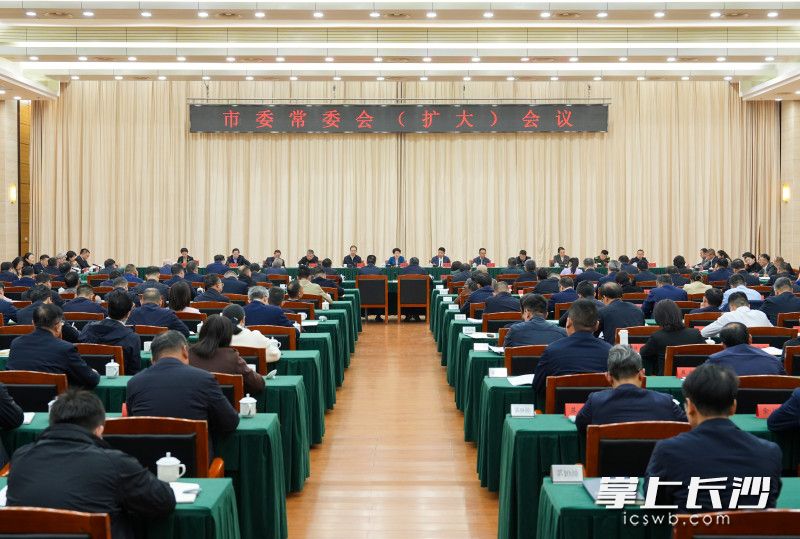
市委常委会(扩大)会议召开 传达学习省委十二届九次全会精神
Chang Sha Wan Bao· 2025-12-02 02:52
Core Viewpoint - The meeting emphasized the importance of implementing the spirit of the Provincial Party Committee's 12th Plenary Session and aligning it with the national and provincial development strategies, particularly focusing on the "14th Five-Year Plan" completion and the upcoming "15th Five-Year Plan" [3][4]. Group 1 - The meeting highlighted the need to strengthen the awareness and responsibility of the provincial capital, integrating the learning of the Provincial Party Committee's plenary session with the national directives [3]. - It was noted that the meeting is crucial for planning and executing specific measures to ensure the implementation of the Central Committee's decisions and the Provincial Government's requirements in Changsha [3][4]. Group 2 - The focus is on achieving the "Three Highs and Four News" vision, with a strong emphasis on advanced manufacturing as the main direction and activating technological innovation as the primary driving force [4]. - The meeting called for continuous efforts in expanding domestic demand, attracting significant investments, accelerating project construction, and fostering consumption to create an economy driven by domestic demand and internal growth [4]. Group 3 - There is a commitment to enhancing urban quality and capacity, promoting integrated development in the Changsha-Zhuzhou-Xiangtan area, upgrading urban spaces, and developing county economies to strengthen regional influence and competitiveness [4]. - The meeting stressed the importance of cultural development and innovation, focusing on the creative transformation of the "Three Cultural Brands" [4]. Group 4 - The meeting underscored the need to improve and secure livelihoods, innovate income increase plans for urban and rural residents, and effectively allocate public service resources [4]. - It was emphasized that a rigorous approach to party governance is essential, focusing on political construction, organizational strengthening, and team building to foster a clean political environment [4][5]. Group 5 - The current priority is to meticulously execute year-end tasks, strive to meet annual goals, and prepare for the next year's work while scientifically drafting the "15th Five-Year Plan" [5]. - There is a call to cultivate a correct view of achievements and continuously motivate officials to pursue excellence and contribute to high-quality development [5].
2025粤港澳大湾区文化产业投资大会(广东·广州)闭幕
Guang Zhou Ri Bao· 2025-11-29 01:57
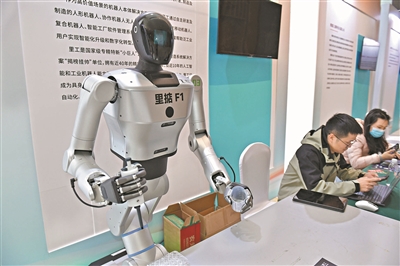
Core Insights - The 2025 Guangdong-Hong Kong-Macao Greater Bay Area Cultural Industry Investment Conference concluded with a significant focus on investment and financing in the cultural sector, attracting over 120 investment institutions and 350 cultural enterprises [2][3] - The conference resulted in approximately 60 billion yuan in intended signing amounts, with 65 companies presenting and over 30 securing institutional signing intentions [3][4] Group 1: Event Overview - The conference featured more than 1200 attendees in the main sessions and over 2500 participants across various specialized sessions [2] - A total of 8 projects were signed on-site, showcasing the effectiveness of the investment and financing matchmaking efforts [3] Group 2: Investment and Financing Dynamics - The event emphasized the integration of funding with projects, aiming to enhance the cultural industry's investment services and facilitate effective financing connections [3][5] - The "3+365" model was introduced, combining three days of intensive offline events with year-round online and offline services to support continuous resource matching [5][6] Group 3: Technological Integration - The conference highlighted the trend of integrating new technologies such as AI, robotics, and AR/VR into the cultural sector, with about 90% of the projects showcasing these innovations [7] - Guangdong province has seen significant growth in digital technology, with over 800,000 patent applications in the past five years, indicating a robust development in the cultural and technological landscape [7][8] Group 4: Future Implications - Experts noted that computational power is becoming a fundamental production factor across industries, which will fundamentally alter the creation, production, dissemination, and consumption of cultural content [8] - The conference serves as a critical platform for observing the development of the cultural industry, particularly in the context of financial and technological integration [8]
深圳:文化新质生产力生机勃发
Sou Hu Cai Jing· 2025-11-27 01:36
Core Insights - Shenzhen's cultural industry is experiencing high-quality development, with significant revenue growth and a diverse ecosystem of content creation and industry development [1] Cultural Industry Performance - In the first three quarters of this year, Shenzhen's cultural industry achieved revenue of 1,091.764 billion yuan, a year-on-year increase of 16.7% [1] - Revenue from 16 new cultural industry sectors reached 519.3 billion yuan, with a year-on-year growth of 20.4% [1] Performing Arts Development - The original dance drama "Yong Chun" has gained national and international acclaim, showcasing Shenzhen's cultural confidence and innovation [2] - The city has introduced supportive policies for the performing arts, including the "Shenzhen Performing Arts New Space Support Management Measures," leading to a 79.51% increase in performance events [2] - From January to October, there were 33,181 commercial performances in Shenzhen, a 19.1% increase, with ticket revenue reaching 1.208 billion yuan [3] Gaming Industry Growth - Shenzhen's gaming industry is rapidly developing, with a projected revenue of 150 billion yuan for the first three quarters of 2025, accounting for nearly half of the national revenue [6] - The city has implemented a three-year action plan to establish a globally influential gaming industry hub, with specific funding measures for original game projects [4][6] - Over 200 companies have received comprehensive support through public service platforms for the gaming industry [5] Film and Short Drama Industry - Shenzhen is focusing on original IP development and high-quality film projects, with funding of up to 20 million yuan for key projects [7] - The city is producing six major films and seven TV dramas, including notable works by renowned directors [7] - The micro-drama sector is also thriving, with 115 projects approved for production, making Shenzhen a leading city for micro-drama exports [8]