
火箭回收技术

Search documents
他,中国民营火箭卷王
3 6 Ke· 2026-01-04 23:52
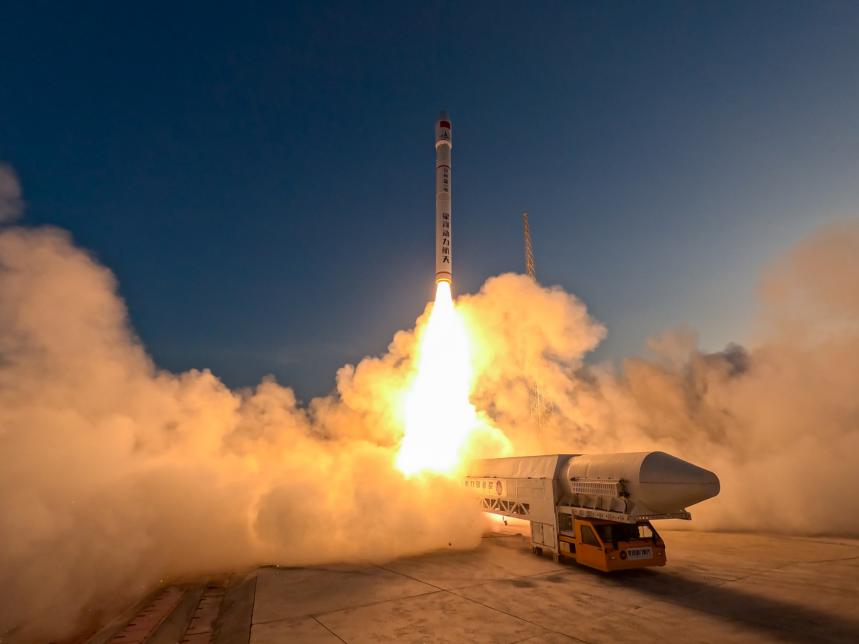
Core Viewpoint - The article highlights the rapid development and success of the private aerospace company Star River Dynamics, particularly its "Vesta-1" rocket, which has achieved multiple successful launches, marking a significant shift in China's commercial space industry [3][24]. Group 1: Company Overview - Star River Dynamics has established itself as a leader in China's private rocket sector, achieving 20 successful commercial launches by September 2025, making it the most frequently launching private rocket company in the country [23][24]. - The "Vesta-1" rocket has become a representative product for Star River Dynamics, successfully completing various milestones, including the first commercial satellite launch into a 500 km sun-synchronous orbit by a private company in China [22][23]. Group 2: Industry Context - The commercial space industry in China has gained momentum since the 2014 policy encouraging private investment in space infrastructure, leading to a surge in private rocket companies [9][10]. - The success of SpaceX in the U.S. has influenced the global commercial rocket competition, prompting a shift in China's approach to private space ventures [6][8]. Group 3: Financial Developments - Star River Dynamics has attracted significant investment, completing a record 2.4 billion yuan D-round financing in September 2025, the second-highest single financing amount in China's commercial space sector [25]. - The company has initiated the process for an IPO, positioning itself alongside other private rocket firms in the race for the title of "first private rocket stock" in China [25].

晚报 | 12月30日主题前瞻
Sou Hu Cai Jing· 2025-12-29 14:28
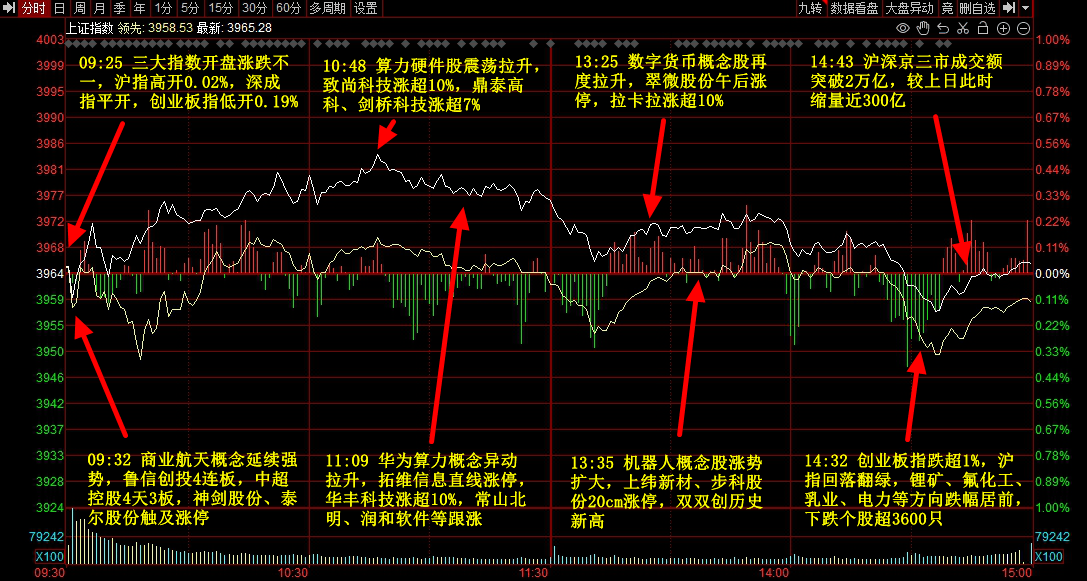
Digital Currency - The People's Bank of China has introduced an action plan to strengthen the management and service system for digital RMB, with a new framework set to launch on January 1, 2026 [1] - As of November 2025, digital RMB has processed 3.48 billion transactions totaling 16.7 trillion yuan, with 230 million personal wallets opened through the digital RMB app [1] - The rapid development of digital RMB is expected to create opportunities for the banking IT system, payment ecosystem, and related infrastructure industries [1] Passive Components - A major passive component manufacturer plans to adjust prices for certain products starting January 1, 2026, with increases in resistors and inductors [2] - Research indicates that domestic passive component manufacturers are likely to implement two price hikes in Q4, driven by increased demand from AI applications [2] - The overall price of passive components is currently low, and with rising raw material costs, manufacturers are expected to initiate a new round of price increases [2] Robotics - The opening of offline stores for humanoid robots is expected to validate real application scenarios and accelerate product iteration and standardization [2] - TrendForce predicts that 2026 will be a pivotal year for humanoid robots, with global shipments expected to increase over sevenfold, surpassing 50,000 units [2] Nuclear Fusion - The 2026 Nuclear Fusion Energy Technology and Industry Conference will be held in Hefei, Anhui, focusing on promoting collaboration and innovation in the nuclear fusion industry [4] - The industry is entering an upward capital expenditure cycle, with Hefei establishing a leading cluster of fusion devices and a complete industrial chain [3] - The importance of controlled nuclear fusion as a "ultimate energy" source is increasing, with a focus on engineering feasibility verification and equipment procurement [3] Logistics - A joint plan has been issued by several government agencies to develop 101 national standards for modern logistics from 2025 to 2027, aimed at enhancing logistics infrastructure [5] - The modern logistics industry has achieved significant growth, with a projected social logistics total of 380 trillion yuan and logistics revenue exceeding 14 trillion yuan by 2025 [5] - The industry is transitioning from scale expansion to quality improvement, leveraging AI, IoT, and big data for enhanced efficiency [5] Reusable Rockets - The private rocket company "New Space Aerospace" has initiated key technology tests for the recovery and reuse of the Chitu-1 rocket, marking progress in low-cost, reliable space technology [6] - Successful recovery technology could reduce launch costs from tens of millions to millions of dollars, with multiple companies aiming for reusable rocket launches by 2026 [6] Hydrogen Energy - A significant breakthrough has been achieved in a 30MW pure hydrogen gas turbine energy storage demonstration project, marking a step towards practical hydrogen energy applications [7] - The project aims to provide a viable solution for large-scale renewable energy storage, addressing issues of volatility and energy wastage [7] Macro and Industry News - Starting January 1, 2024, digital RMB wallet balances will earn interest, making China the first economy to offer interest on central bank digital currency [8] - The market regulatory authority has outlined key tasks for the upcoming year, focusing on antitrust enforcement and addressing "involution" competition [8] - Public fund assets have surpassed 37 trillion yuan, reaching a new high [8]
长征十二号甲运载火箭首飞入轨成功,通用航空ETF基金(561660)震荡上行
Xin Lang Cai Jing· 2025-12-24 02:54
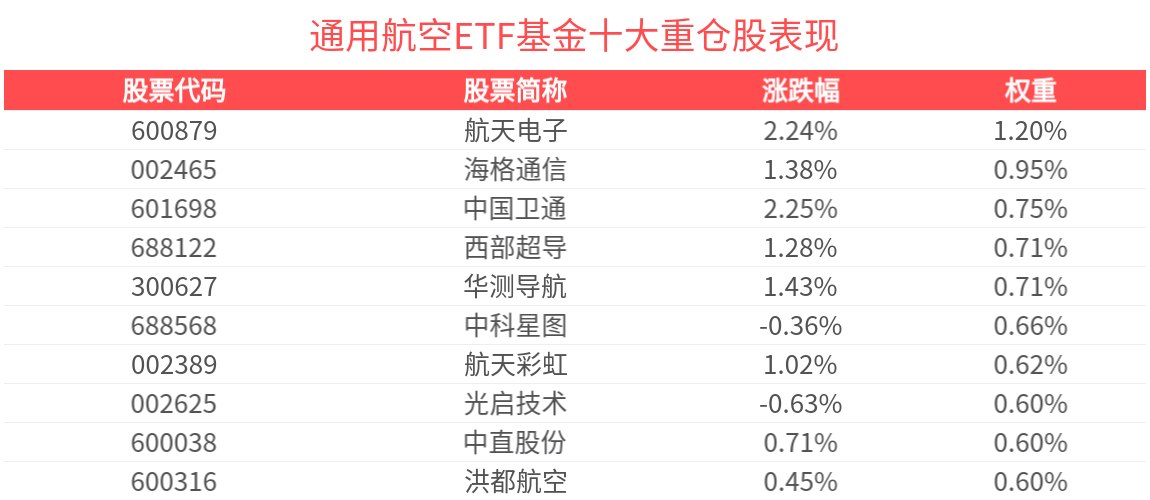
Core Viewpoint - The successful first flight of China's reusable rocket "Long March 12A" marks a significant advancement in rocket recovery technology, which is crucial for reducing launch costs and enhancing launch capacity, thereby reshaping the global aerospace industry competition [1] Group 1: Rocket Launch and Recovery - The "Long March 12A" completed its first flight on December 23, 2025, successfully placing its payload into the designated orbit despite the first stage recovery not meeting expectations [1] - The data obtained from the flight will serve as a core foundation for future technological optimizations in rocket recovery [1] Group 2: Market Reaction - As of December 24, 2025, the CSI General Aviation Theme Index (931855) rose by 1.77%, with notable increases in component stocks such as Tianyin Electromechanical (300342) up by 11.73% and Xinjingang (300629) up by 10.81% [1] - The General Aviation ETF (561660) also saw an increase of 1.87%, closing at 1.09 yuan [1] Group 3: Index Composition - The CSI General Aviation Theme Index includes 50 listed companies involved in aviation materials, components, aircraft manufacturing, infrastructure, operations, and applications, reflecting the overall performance of the sector [2] - As of November 28, 2025, the top ten weighted stocks in the index accounted for 40.68% of the total index weight, including Aerospace Electronics (600879) and Haige Communication (002465) [2]
发射次数创历史新高 中国商业航天"箭"指苍穹
Zheng Quan Shi Bao· 2025-12-23 23:12
Group 1 - The core viewpoint of the articles highlights the rapid development and increasing frequency of China's commercial space launches, with a significant focus on the dual efforts of state-owned and private enterprises in expanding the industry [1][2][3] - In 2024, China is expected to complete 68 space launch missions, with 43 of these being commercial launches, marking a substantial increase in the deployment of new satellites [2] - As of December 23, 2023, China has conducted nearly 90 space launches this year, setting a new historical record, with a success rate exceeding 95% since 2022 [3] Group 2 - The articles emphasize the technological breakthroughs achieved in China's commercial space sector, including the successful launch of the reusable Zhuque-3 rocket and advancements in satellite technology [4][5] - Cost reductions in rocket launches have been achieved through innovations in reusable technology, materials, and production processes, with the cost of launching the Gravity-1 rocket dropping to 30,000 yuan per kilogram [4] - Several listed companies are collaborating in the commercial space sector, achieving significant technological advancements and contributing to the industry's growth [5] Group 3 - The pace of IPOs for commercial space companies has accelerated, with several firms, including Blue Arrow Aerospace and Tianbing Technology, completing their listing guidance [6] - A total of six companies have raised over 17 billion yuan in funding, with notable valuations exceeding 15 billion yuan for several firms, indicating strong investor interest in the sector [6] - Over 30 A-share companies have stakes in the aforementioned six firms, reflecting a growing institutional interest in the commercial space industry [7]
国盛证券:全球加码空天时代 国内火箭回收加速打破产业瓶颈
Zhi Tong Cai Jing· 2025-12-22 06:25
Group 1 - The U.S. government, under Trump's administration, has signed an executive order to enhance space policy support, aiming to ensure U.S. leadership in space exploration, security, and commercial sectors by 2028 and establishing a permanent lunar outpost by 2030 [1] - The order includes directives for deploying nuclear reactors on the Moon and in orbit, upgrading launch infrastructure, and developing commercial pathways to replace the International Space Station by 2030, stimulating private sector innovation and investment [1] Group 2 - The Starship rocket has successfully conducted multiple test flights and is validating its V2 version, which is crucial for future deep space exploration and the deployment of Starlink V3 satellites [2] Group 3 - The first large language model (LLM) trained using H100 space GPUs has been developed, showcasing the potential for AI workloads to be run in space, with plans for a 5GW orbital data center equipped with solar panels and cooling systems [3] - Starcloud's next phase includes a launch in October 2026, which will carry multiple H100 GPUs and integrate the Blackwell platform to enhance AI performance [3] Group 4 - China's commercial space sector is expected to see significant advancements by 2025, with multiple private aerospace companies completing rocket launch tests and the development of reusable rockets, which will lower launch costs and mature the commercial space profit model [4] - The recent launch of the Zhuque-3 rocket, despite a recovery test failure, is viewed as a valuable experience for China's private space industry in rocket recovery technology [4] Group 5 - Relevant companies in the space computing sector include Shunhao Co., Ltd. (002565.SZ), Putian Technology (002544.SZ), and Maiwei Co., Ltd. (300751.SZ) [5] - Companies involved in rocket technology include Western Materials (002149.SZ), Aerospace Power (600343.SH), and Aerospace Machinery (600151.SH) [5] - Satellite-related companies include China Satellite (600118.SH), Shanghai Hanxun (300762.SZ), and Zhenlei Technology (688270.SH) [6]

索辰科技:关于火箭回收技术,公司目前未承接相关业务或订单
Zheng Quan Ri Bao Wang· 2025-12-08 14:13
Core Viewpoint - The company emphasizes the importance of CAE software as a critical engineering simulation tool that supports research and development in industrial product design and optimization [1] Group 1: Company Focus - The company has not yet undertaken any business or orders related to rocket recovery technology [1] - The company will continue to focus on the development of core businesses such as physical AI engines and CAE software [1]

索辰科技(688507.SH):公司目前未承接火箭回收技术相关业务或订单
Ge Long Hui· 2025-12-08 09:51
Group 1 - The core viewpoint of the article highlights the importance of CAE software as a critical engineering simulation tool that supports research and development departments in the design and optimization of industrial products [1] - The company has not undertaken any related business or orders concerning rocket recovery technology [1]
朱雀三号回收试验失败,我们看到的却是→
Xin Lang Cai Jing· 2025-12-04 15:24
Core Viewpoint - The recent launch of the Zhuque-3 rocket by Blue Arrow Aerospace marks China's first attempt at orbital-level recovery verification for reusable rockets, despite the failure of the first stage recovery during the landing process [1][5]. Group 1: Launch and Recovery Attempt - The Zhuque-3 rocket successfully completed its flight mission and the second stage entered the designated orbit, but the first stage experienced an abnormal burn during recovery, leading to a failed vertical return test [1]. - The recovery of rockets is highly complex, requiring perfect coordination of sensors, grid fins, flight control algorithms, and variable thrust engines, with many issues only becoming apparent during real flight tests [1]. Group 2: Historical Context and Comparisons - Historically, successful orbital-level recovery tests are rare, with failures being the norm; for instance, SpaceX's Falcon 9 experienced multiple failures before achieving successful landings [1][5]. - Blue Arrow Aerospace, founded in 2015, has made significant progress in developing reusable rockets, with the Zhuque-3 showing comparable performance to SpaceX's Falcon 9 and even surpassing some design metrics [5]. Group 3: Industry Environment and Public Perception - The commercial space industry is an important complement to national space efforts, characterized by efficiency, flexibility, low costs, and a willingness to take risks; a supportive environment that embraces failure is essential for its growth [5]. - The public response to the Zhuque-3's failure has been largely positive, reflecting a scientific understanding of the risks involved in commercial space endeavors and a strong confidence in national technological progress [5].

利好密集!这一概念持续走强 个股批量涨停
Zheng Quan Ri Bao Wang· 2025-12-04 06:41
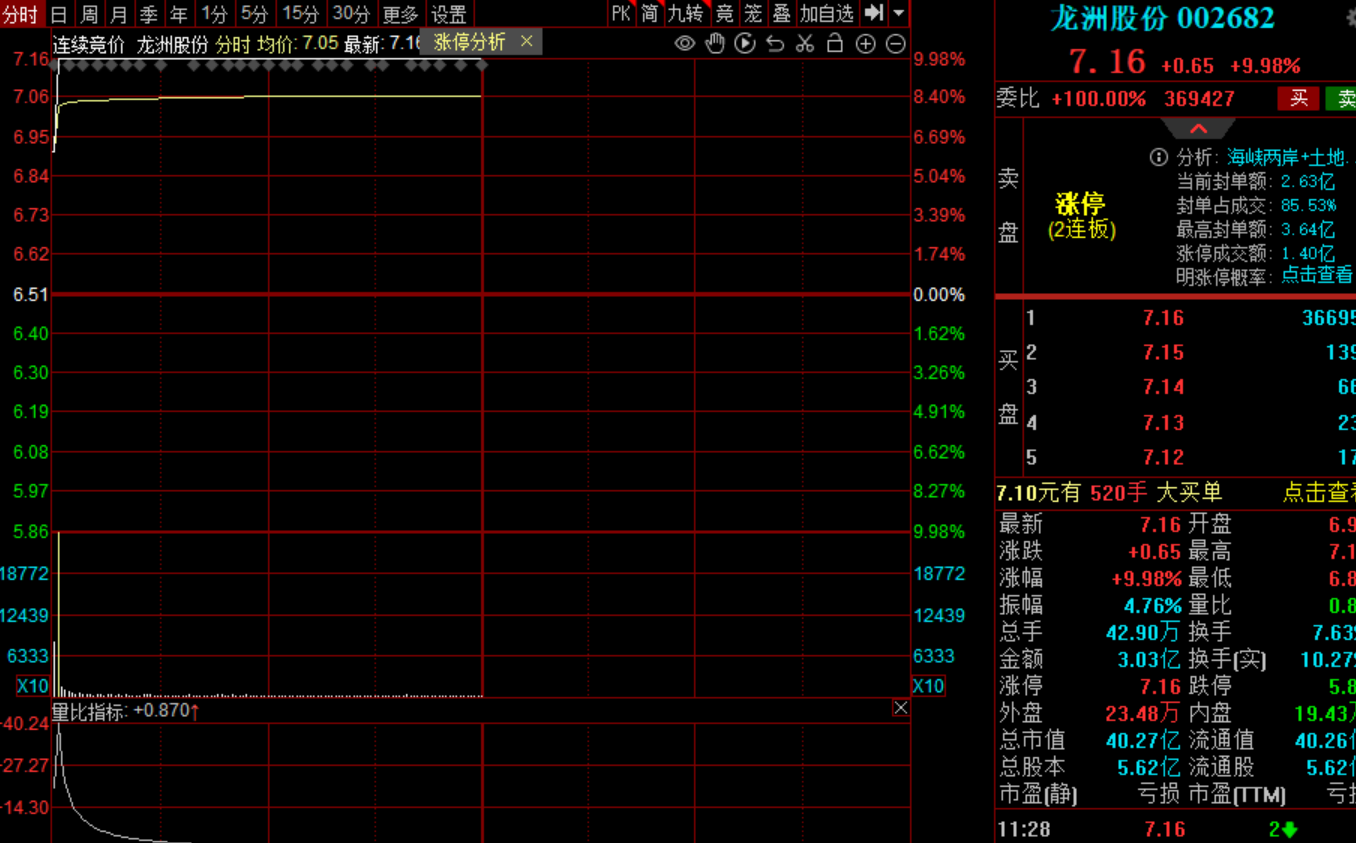
Group 1 - The commercial aerospace sector is experiencing a strong rally, with multiple stocks hitting the daily limit up, including Longzhou Co., Ltd. and Longxi Co., Ltd. [1] - The establishment of a dedicated Commercial Aerospace Department by the National Space Administration marks a significant step in the development of China's commercial aerospace industry, indicating a move towards specialized regulatory oversight [3][4] - The recent successful launch of the Zhuque-3 rocket by Blue Arrow Aerospace, despite the failure of the first-stage rocket recovery, represents a critical advancement towards reusable rocket technology in China's commercial aerospace sector [4] Group 2 - The Long March 12A rocket, developed by China Aerospace Science and Technology Corporation, is set for its maiden flight this month, showcasing advancements in medium-sized reusable launch vehicles that promise to reduce launch costs [4] - The commercial aerospace applications are rapidly expanding from space to civilian markets, with increasing support for satellite internet and direct satellite communication services, such as mobile phone connectivity and Beidou messaging [4]





科技日报:理性看待商业航天探索中遇到的挫折
Ke Ji Ri Bao· 2025-12-03 23:52
Core Viewpoint - The recent launch of the Zhuque-3 rocket by Blue Arrow Aerospace marks China's first attempt at orbital-level recovery verification for reusable rockets, despite the failure of the first stage recovery during landing, highlighting the challenges and complexities involved in rocket recovery technology [1][2]. Group 1: Launch and Recovery Challenges - The Zhuque-3 rocket successfully completed its flight mission, with the second stage entering the designated orbit, but the first stage experienced an abnormal burn during landing, resulting in a failed recovery test [1]. - The recovery of rockets is highly complex, requiring perfect coordination of sensors, grid fins, flight control algorithms, and variable thrust engines, with many issues only becoming apparent during real flight tests [1]. Group 2: Comparison with Global Peers - Compared to the United States, China's commercial space industry is relatively new and has a weaker technological foundation; however, the progress in developing reusable rockets is commendable [2]. - SpaceX, founded in 2002, took 13 years to master rocket recovery technology, while Blue Origin, established in 2000, achieved success with its New Glenn rocket 25 years later; in contrast, Blue Arrow Aerospace, founded in 2015, has already entered the orbital recovery testing phase with the Zhuque-3 [2]. Group 3: Industry Environment and Public Perception - The commercial space sector is an important complement to the national space team, characterized by efficiency, flexibility, low costs, and a willingness to take risks; fostering an environment that embraces failure is crucial for its development [2]. - Following the failure of the Zhuque-3 recovery test, social media reactions were largely supportive and encouraging, reflecting a public understanding of the risks associated with commercial space endeavors and confidence in national technological progress [2].