
新格伦火箭

Search documents
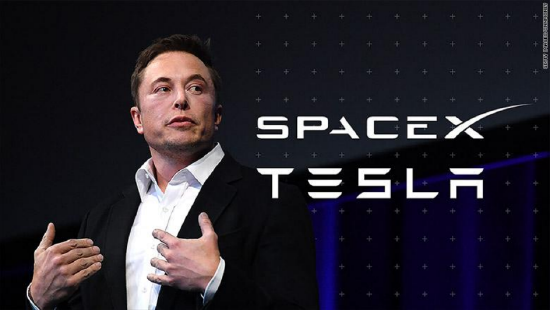
史上最大IPO来临:马斯克开始准备殖民火星了|硅谷观察
Xin Lang Cai Jing· 2026-01-29 23:42
Core Viewpoint - SpaceX, led by Elon Musk, is preparing for an initial public offering (IPO) potentially around June 28, aiming to raise up to $50 billion with a target valuation of $1.5 trillion, which would set a record for the largest IPO in history [2][16]. Group 1: Company Overview - SpaceX's valuation has reached $800 billion in a recent internal equity transaction, doubling from $400 billion in July 2025, making it the most valuable private company globally [2][29]. - The company has transitioned from near bankruptcy in 2008 to a dominant player in the commercial space sector, successfully launching the Falcon 1 rocket and securing significant contracts with NASA [7][9]. Group 2: Business Segments - SpaceX's business model consists of two main segments: rocket launch services and Starlink satellite internet, with the majority of revenue coming from Starlink [8][40]. - The company has achieved over 90% of the global commercial payload launch market, with a record launch frequency of 167 times in 2025, significantly surpassing all other countries [9][38]. Group 3: Starlink and Future Growth - Starlink, launched in 2015, has become the largest satellite internet provider globally, with over 9 million users and a projected revenue contribution of over 70% to SpaceX's total revenue by 2025 [11][40]. - The Starship system, a fully reusable heavy-lift rocket, is central to SpaceX's future plans, with the potential to drastically reduce launch costs to $100-200 per kilogram [13][42]. Group 4: IPO and Market Recognition - The anticipated IPO is expected to surpass the previous record set by Saudi Aramco in 2019, with Morgan Stanley likely to be the lead underwriter [16][45]. - SpaceX's competitive advantages include advanced technology, cost efficiency, and a stable cash flow, with the company reportedly achieving positive free cash flow for several consecutive years [19][46]. Group 5: Competitive Landscape - Despite SpaceX's dominance, competitors like Blue Origin and Rocket Lab are emerging, with Blue Origin successfully launching its New Glenn rocket and developing its satellite internet project [20][49]. - The commercial space sector is witnessing rapid growth, with various companies exploring different niches, including satellite internet and small satellite launches [22][52]. Group 6: Broader Implications - SpaceX's IPO signifies a pivotal moment in the commercialization of space, potentially attracting more capital and accelerating technological advancements in the industry [29][58]. - The company aims to establish a human presence on Mars by the 2030s, with ambitious plans for interplanetary colonization and advanced space infrastructure [15][42].

机构:2025年全球人形机器人出货量约1.8万台;我国首次实现火箭平台太空金属3D打印实验交付丨智能制造日报
创业邦· 2026-01-24 04:10
Group 1 - The largest automobile transport ship in China, capable of carrying 10,800 vehicles, has been launched, featuring a dual-fuel LNG and oil propulsion system that meets international emission standards [2] - IDC forecasts that the global humanoid robot market will see explosive growth, with shipments expected to reach approximately 18,000 units by 2025, representing a year-on-year increase of about 508% [2] - China has successfully completed its first space metal 3D printing experiment using a rocket platform, marking a significant advancement in utilizing additive manufacturing technology in microgravity environments [2] Group 2 - Blue Origin plans to conduct the third launch of its New Glenn rocket at the end of February, which will carry a satellite for AST SpaceMobile into low Earth orbit instead of the previously planned lunar mission [3]

李亚鹏直播带货成总榜第一;理想汽车:批量闭店、裁员均为不实信息;马斯克称特斯拉FSD中国获批最快下个月?特斯拉中国回应丨邦早报
创业邦· 2026-01-24 01:10
Group 1 - Tesla's Full Self-Driving (FSD) system is expected to be approved in China as early as next month, according to CEO Elon Musk, although Tesla China has not confirmed this information [3] - Li Auto has denied rumors of mass store closures and layoffs, stating that only a few low-efficiency stores will be shut down this year, with a total of 548 retail centers planned by the end of 2025 [5] - The "Did You Die?" app's developer has been listed in the business anomaly directory due to being unreachable at their registered address, which the founder attributed to remote work [8] Group 2 - Suzuki plans to sell its vehicle manufacturing plant in Thailand to Ford, with the sale amount undisclosed, as Suzuki is set to withdraw from local production by 2024 [12] - MTG, the parent company of ReFa, announced the dissolution of its subsidiary in China due to continuous losses, despite the brand's online presence remaining operational [13] - The global humanoid robot market is projected to see explosive growth, with an estimated shipment of 18,000 units by 2025, marking a 508% year-on-year increase [21]



卫星互联网市场厮杀升级!贝佐斯旗下蓝色起源携“TeraWave”卫星网络入局 欲挑战SpaceX及亚马逊
智通财经网· 2026-01-22 06:46
Group 1 - Blue Origin, founded by Jeff Bezos, plans to deploy 5,408 satellites for a communication network named "TeraWave" to compete with SpaceX and Amazon [1] - The TeraWave network aims to provide data transmission speeds of up to 6 terabits per second, targeting enterprise, data center, and government users [1] - Deployment of the satellites is expected to begin in Q4 2027, with the satellites operating in low Earth orbit and medium Earth orbit at altitudes ranging from 100 to 21,000 miles [1] Group 2 - Amazon has accelerated its satellite internet service, recently rebranding its project from "Project Kuiper" to "Leo," planning a network of 3,236 low Earth orbit satellites [2] - Since April of the previous year, Amazon has launched 180 satellites into space through partnerships with launch providers, including SpaceX, with future launches expected to be handled by Blue Origin [2] - Jeff Bezos has expressed that Blue Origin could eventually become a larger enterprise than Amazon, emphasizing the potential of the business despite the time required for development [2]

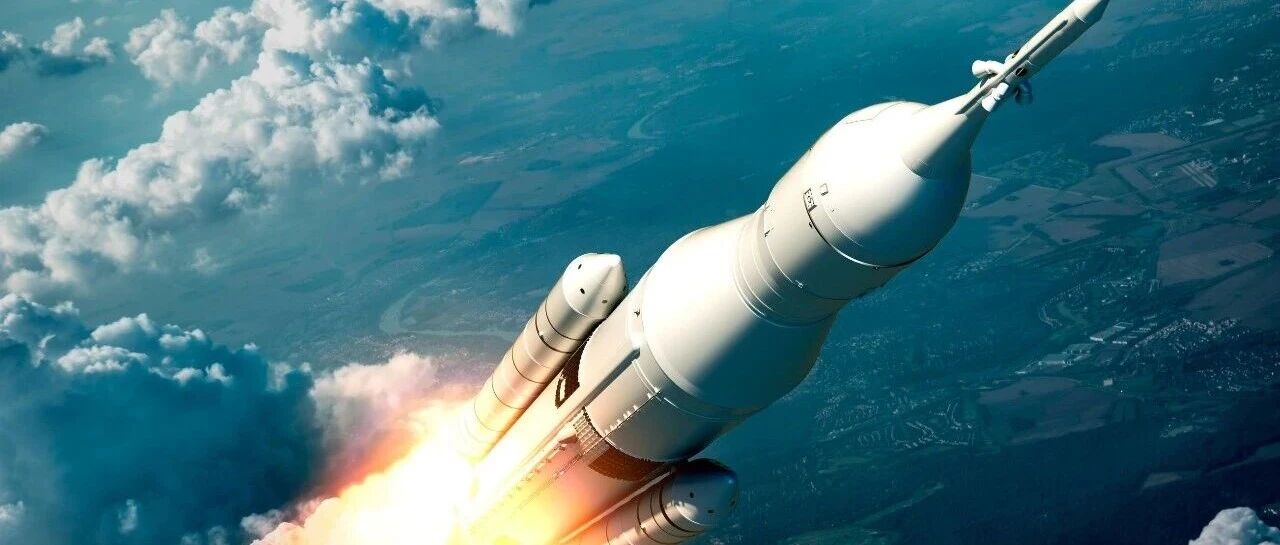
商业航天:隔热材料是火箭迈向全复用的核心(附报告)
材料汇· 2026-01-11 14:59
Core Viewpoint - Reusable rockets significantly reduce space launch costs and increase launch frequency, with full reusability becoming a core trend in the aerospace industry [2][3][24]. Group 1: Reusable Rocket Technology - The first stage reuse technology of rockets is mature, with the Falcon 9 rocket's reuse cost being less than one-third of a new rocket [3][11]. - The Falcon 9 rocket has achieved over 30 successful first-stage recoveries, demonstrating the effectiveness of reusable technology [3][12]. - Full reusability of rockets is expected to further lower launch costs, increase launch frequency, and reduce space debris [3][24]. Group 2: Challenges in Reusability - Thermal protection is a core challenge for the recovery of the second stage of rockets, as it must withstand extreme temperatures during re-entry [3][4][35]. - The Falcon 9 rocket's thermal protection system includes ceramic tiles that can endure temperatures exceeding 1400°C [37]. - Stoke Space is developing a metal thermal protection system that utilizes liquid hydrogen for active cooling during re-entry [38]. Group 3: China's Progress in Reusable Rockets - China is actively developing reusable rockets, with the Zhuque-3 and Long March 12甲 successfully completing their maiden flights [4][41]. - The Long March 9 rocket is designed for full reusability and aims to achieve heavy-lift capabilities in two phases [47]. - Domestic companies are exploring various technological paths for reusable rockets, including the use of liquid oxygen and methane fuels [46].
流纹岩:2026,中国航天将在“狂飙”与“悬念”中挺进深空
Xin Lang Cai Jing· 2026-01-01 01:20
Core Insights - The global space industry experienced significant activity in 2025, with a total of 327 orbital launches, achieving a success rate of 97% [1] - China conducted 92 orbital launches, with 90 successful missions, highlighting its growing capabilities in space exploration [1] Group 1: Launch Successes and Failures - SpaceX's Falcon 9 rocket maintained its dominance with 165 successful launches out of 165 attempts, showcasing its reliability and efficiency [3] - The Starship-Superheavy program faced multiple setbacks, including several failed test flights due to engine issues and design challenges, leading to delays in its development [5][7] - Blue Origin's New Glenn rocket achieved a successful recovery of its first stage during its second flight, marking a significant milestone in reusable rocket technology [9] Group 2: International Developments - Russia's space program faced operational challenges, including the failure of the Soyuz MS-28 mission due to technical issues, raising concerns about its manned spaceflight capabilities [11] - India's GSLV rocket encountered issues with its NVS-02 satellite, which was left in an unusable orbit due to a failure in ground operations [13] - Japan's H3 F8 rocket experienced a catastrophic failure during its launch, resulting in the loss of the QZS-5 satellite, highlighting ongoing reliability issues in its space program [14] Group 3: China's Space Achievements - China's space program made significant strides, with the successful first flights of the Zhuque-3 and Long March 12甲 rockets, although both faced challenges in achieving recovery [16][21] - The Chinese manned space program is advancing towards lunar missions, with infrastructure developments nearing completion and ongoing tests for lunar landing systems [21] - The Tianwen-2 mission was launched, marking China's first attempt at asteroid sampling and comet exploration, indicating its ambitions in deep space exploration [27] Group 4: Future Prospects - The upcoming year, 2026, is expected to be another significant year for the space industry, with multiple planned launches and advancements in rocket technology [29] - The completion of the Zhuque-3 rocket's full capabilities and the launch of the Chang'e 7 lunar mission are among the anticipated highlights for the next year [29]
2026,中国航天将在“狂飙”与“悬念”中挺进深空
Guan Cha Zhe Wang· 2026-01-01 00:40
Core Insights - The global space industry experienced significant activity in 2025, with a total of 327 orbital launches, achieving a success rate of 97% [1] - China conducted 92 orbital launches, with 90 successful missions, highlighting its growing capabilities in space exploration [1] Group 1: Launch Successes and Failures - The Falcon 9 rocket achieved 165 successful launches out of 165 attempts, maintaining its position as the world's leading launch vehicle [3] - The Starship-Superheavy program faced multiple failures in 2025, including three significant incidents that resulted in explosions during test flights [3][4][5] - Blue Origin's New Glenn rocket successfully completed its second flight, marking it as the second company to recover an orbital-class rocket [9] Group 2: Challenges in Space Exploration - The Starship-Superheavy system's delays and reliability issues have raised concerns about its role in NASA's Artemis program, with critics suggesting it may require 20 to 40 launches to support a crewed lunar landing [7] - Russia's space program faced operational challenges, including the inability to launch crewed missions due to platform damage, raising questions about its future capabilities [11] - India's GSLV rocket faced a significant failure with the NVS-02 satellite, which was left in an unusable orbit due to a technical oversight [13][14] Group 3: Developments in Chinese Space Programs - China's space program made strides with the successful first flights of the Zhuque-3 and Long March 12 rockets, although both faced challenges during recovery attempts [16][21] - The Chinese manned space program is advancing towards lunar missions, with significant infrastructure developments nearing completion [21] - The Chinese space station encountered a major crisis when a spacecraft window was damaged, leading to an emergency rescue mission [22] Group 4: Future Prospects - The upcoming year, 2026, is anticipated to be another significant year for space exploration, with multiple planned launches and missions, including the Chang'e 7 lunar mission [29][30]
群殴 “马保国”
债券笔记· 2025-12-26 14:41
Group 1: Equity Market - The U.S. follows a "private sector-led, government-assisted" approach, where the government acts as an "angel investor" and major customer, while companies drive their own growth [8] - SpaceX is highlighted as a leading player, with its Falcon 9 rocket achieving high recovery rates and the Starlink project amassing over 8 million users, showcasing its strong revenue potential [8][9] Group 2: Commercial Space Race - In the U.S., private companies like Blue Origin and Rocket Lab are competing in the commercial space sector, with Blue Origin focusing on space tourism and Rocket Lab targeting the small satellite market [10] - In China, state-owned enterprises lead the way in commercial space, with China Aerospace Science and Technology Corporation (CASC) and China Aerospace Science and Industry Corporation (CASIC) playing pivotal roles in various space missions and innovations [11] - The private sector in China is also emerging, with companies like Blue Arrow Aerospace and Tianbing Technology developing reusable rockets and innovative propulsion systems [12][13] Group 3: Market Dynamics and Challenges - Key areas of focus include reusable rockets, satellite internet, and AI-enabled space computing, which are seen as crucial for reducing costs and expanding market opportunities [14] - Challenges include the stability of reusable rocket technology and the need for breakthrough applications to create a commercial ecosystem in the space industry [14] Group 4: A-Share Market Performance - The A-share market shows positive momentum, with the Shanghai Composite Index rising by 0.47% and a total trading volume of 1.92 trillion yuan, indicating strong investor sentiment [15] Group 5: Macro and Fixed Income - The bond market is characterized by strong short-term bonds, with the 10-year government bond yield at 1.837% [16] - The central bank's operations include a net injection of 1 trillion yuan through MLF, ensuring ample liquidity in the market [16] Group 6: International Relations and Currency - The U.S. has announced the end of its trade investigation into Chinese chips, which is expected to ease trade tensions and positively impact the technology sector [16] - The Chinese yuan is strengthening, nearing the 7.0 mark against the dollar, supported by strong trade surpluses and favorable economic conditions [16]

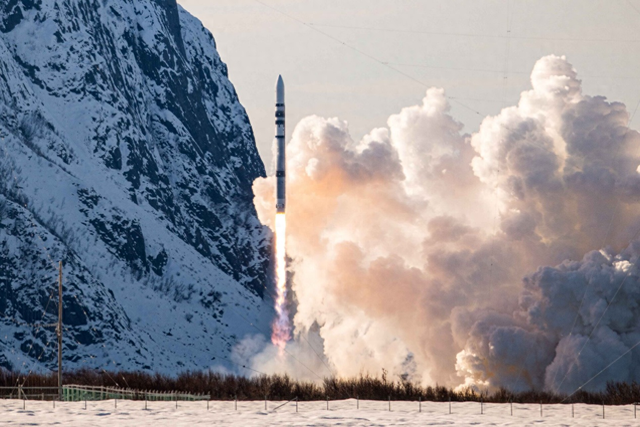
中国商业航天迈入爆发期
21世纪经济报道· 2025-12-19 06:10
Core Viewpoint - 2025 is projected to be a pivotal year for China's commercial space industry, transitioning from technological accumulation to explosive growth, with multiple private aerospace companies completing rocket launch tests and accelerating satellite internet deployment [1] Group 1: Industry Developments - The Chinese government is providing strong support for commercial space through policies, including the "14th Five-Year Plan" emphasizing the construction of a "space power" and the establishment of a dedicated Commercial Space Administration [1] - Despite a promising outlook, the industry faces significant supply chain challenges, particularly in upstream infrastructure, with a consensus that the bottleneck is not in downstream applications but in launch capacity and costs [1] - The recent successful launch of the Zhuque-3 rocket and the upcoming maiden flight of the Long March 12甲 rocket are seen as significant milestones for China's commercial space sector, potentially reshaping market dynamics [3][4] Group 2: Technological Innovations - The Zhuque-3 rocket, developed by Blue Arrow Aerospace, is a new generation of low-cost, high-capacity, reusable rocket, utilizing a self-developed liquid oxygen-methane engine [3][7] - The Long March 12甲 rocket, developed by China Aerospace Science and Technology Corporation, emphasizes a stable supply chain by using a liquid oxygen-kerosene engine, reflecting a dual risk approach in China's aerospace strategy [8] - The ultimate goal of reusable rocket technology is to significantly reduce launch costs, with the Zhuque-3 aiming to lower the cost per kilogram to below 20,000 RMB, enhancing China's competitive edge in the global market [9][10] Group 3: Market Dynamics and Future Outlook - Predictions indicate that within three years, launch prices in China could approach those of SpaceX, with the potential to undercut SpaceX's Falcon 9 prices in about five years [11] - The competitive focus in the coming years will center on cost control, reliability, fulfillment capabilities, and service responsiveness, as companies strive to meet the growing demand for satellite deployment [11] - The challenges faced by Chinese rocket companies include not only technological hurdles but also the need for systematic engineering and industrialization to catch up with established players like SpaceX [11]
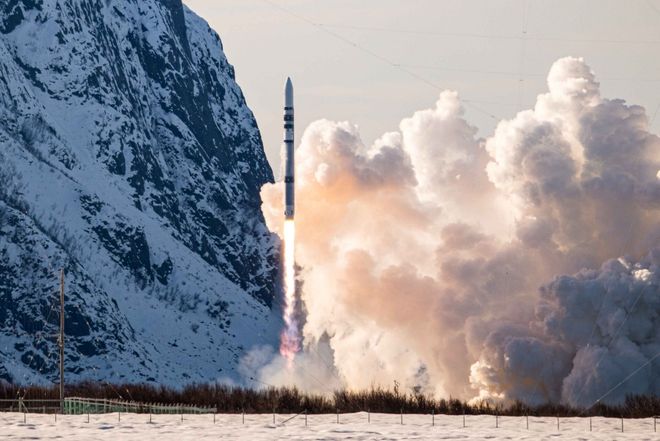
中国可回收火箭蓄力突围
2 1 Shi Ji Jing Ji Bao Dao· 2025-12-18 23:43
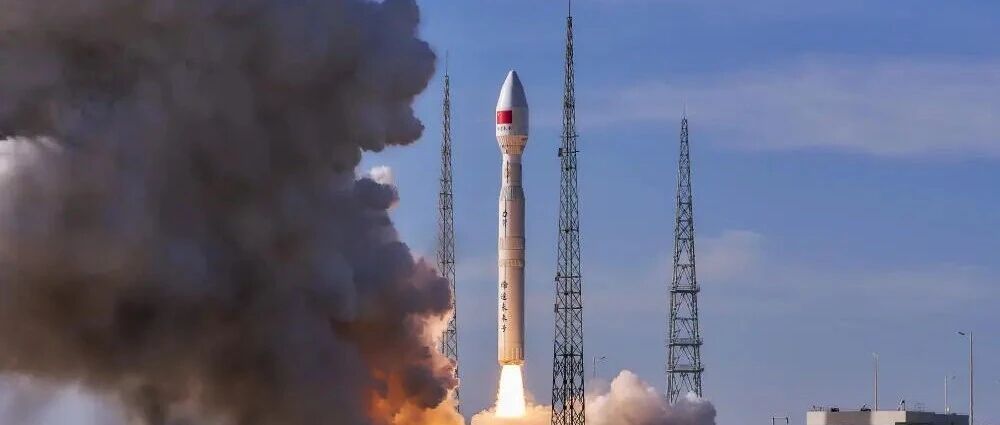
Core Insights - 2025 is projected to be a pivotal year for China's commercial space industry, transitioning from technological accumulation to explosive growth, with multiple private aerospace companies completing rocket launch tests and accelerating satellite internet deployment [1][11] - Policy support is intensifying, with the "14th Five-Year Plan" emphasizing the construction of a "space power," and the establishment of a dedicated Commercial Space Administration by the National Space Administration [1][11] - Despite a promising outlook, supply chain weaknesses remain evident, particularly in upstream infrastructure, which is seen as a critical bottleneck for the industry [1][11] Industry Developments - December marked significant advancements in China's reusable rocket technology, highlighted by the launch of the Zhuque-3 rocket, which, despite a recovery failure, provided valuable experience for future developments [2][12] - The Zhuque-3 rocket, developed by Blue Arrow Aerospace, is a new generation of low-cost, high-capacity, reusable liquid oxygen-methane rocket, showcasing advanced features such as a reaction control system and landing legs [2][12] - Following Zhuque-3, the Long March 12甲 rocket, developed by China Aerospace Science and Technology Corporation, is set for its maiden flight, indicating a rapid progression in China's commercial space capabilities [2][12][13] Market Dynamics - Currently, only the United States has mastered reusable rocket technology, with SpaceX leading the way, having completed over 500 launches and capturing 86% of the global orbital payload market in 2023 [3][13] - In contrast, China's commercial launch capacity remains limited, with a market share in commercial payloads only in the single digits, insufficient to support the ambitious deployment of satellite constellations [3][14] - The urgency for breakthroughs in reusable rocket technology is underscored by the need to address the significant launch capacity gap in the market [4][15] Technological Innovations - The Zhuque-3 rocket's development process emphasized a unique engineering approach, integrating market demand insights and innovative materials like stainless steel to reduce production cycles [6][16] - The Long March 12甲 rocket adopts a different strategy, focusing on stable supply chains and leveraging domestic resources to ensure reliable operations [7][17] - The Tianlong-3 rocket, set for its first flight, aims for high reliability and low-cost delivery, utilizing advanced materials and 3D printing technology [7][17] Cost Reduction Strategies - The ultimate goal of reusable rocket technology is to significantly lower launch costs, with a focus on recovering the first stage of rockets, which constitutes the highest cost component [8][19] - The Zhuque-3 is designed for 20 reuses, with operational costs expected to decrease by approximately 45% after five uses, reflecting a model of high initial investment followed by diminishing marginal costs [8][19] - The target cost for launching per kilogram is set below 20,000 RMB, which would enhance China's competitive edge in the global market [20] Competitive Landscape - The future competition in the rocket market will center on cost control, reliability, fulfillment capabilities, and service responsiveness [10][20] - Chinese companies face significant challenges in catching up with established players like SpaceX, which has spent over a decade refining its technology [10][21] - The ongoing developments in China's commercial space sector indicate a gradual resolution of previously deemed insurmountable challenges, as companies continue to innovate and validate their technologies [21]