科技消费

Search documents
以旧换新“新国补”首月成绩单:1613万人次参与,撬动近千亿消费
Sou Hu Cai Jing· 2026-02-09 15:51
Core Insights - The new consumption policy for replacing old products is showing strong effects, with 16.13 million people benefiting and sales reaching 92.56 billion yuan in January 2023 [1] Group 1: Policy Changes - The 2026 policy marks a significant shift in top-level design, granting local governments greater autonomy to implement the policy within a national framework [2] - Local subsidies can now include a wider range of products, such as smart home devices, alongside traditional categories like home appliances and automobiles [2] Group 2: Financial Support - A total of 62.5 billion yuan from the first batch of special long-term bonds has been allocated to support the old-for-new consumption policy, with an additional 93.6 billion yuan for large-scale equipment updates [3] - This funding is expected to drive total investments exceeding 460 billion yuan across approximately 4,500 projects in various sectors [3] Group 3: Market Impact - In January, the policy led to significant sales in key sectors, with 6.813 million home appliances sold, generating 29.71 billion yuan in revenue [4] - The automotive sector saw 335,000 applications for subsidies, resulting in new car sales of 53.77 billion yuan, indicating a clear trend towards consumption upgrades [4] Group 4: Growth in Smart Products - Digital and smart products emerged as key growth areas, with sales of 9.115 million units and revenue of 29.21 billion yuan in January [5] - Smart glasses, newly included in the subsidy program, achieved sales of 7.197 million yuan, highlighting their market potential [6] Group 5: Benefits to Physical Retail - The new policy has significantly boosted offline retail, with nearly 80% of sales occurring through physical channels, leading to a year-on-year sales increase of about 20% [7] - Increased foot traffic in stores has positively impacted surrounding businesses, creating a beneficial commercial cycle [7] Group 6: Environmental Impact - The policy has contributed to a robust recycling system, with 659,000 scrapped vehicles collected in January, a 50.2% increase year-on-year [8] - This initiative supports resource recovery and promotes a green transformation in the industry [8] Group 7: Future Directions - Despite initial successes, challenges remain in ensuring uniform market rules and preventing local protectionism [9] - Streamlining subsidy processes and improving fund disbursement efficiency are crucial for enhancing policy effectiveness [10] Group 8: Long-term Growth Engine - The expansion of the policy to include smart glasses and drones signals a shift towards "tech consumption" and "quality living" [11] - The ongoing implementation of the policy is expected to stimulate market dynamics and transform the large-scale market advantage into high-quality development momentum [11]
新一轮以旧换新政策落地 消费活力显著提升
Zheng Quan Ri Bao· 2026-02-08 17:14
Core Viewpoint - The implementation of the old-for-new consumption policy is showing strong effects in boosting consumption and expanding domestic demand, with significant participation and sales figures reported in January 2023 [1][3]. Group 1: Policy Implementation and Changes - The latest data from the Ministry of Commerce indicates that in January, the old-for-new policy benefited 16.13 million people, resulting in sales of 92.56 billion yuan in automobiles, home appliances, digital, and smart products [1]. - The new policy allows local governments more autonomy in determining subsidy categories, standards, and implementation methods, encouraging support for high-efficiency, water-efficient, and environmentally friendly products [1]. - Local governments are actively exploring subsidy categories, with Jiangsu province including smart home products like robotic vacuums and smart toilets in its subsidy list while maintaining traditional categories like home appliances and automobiles [1]. Group 2: Market and Industry Implications - The expansion of the old-for-new policy to include categories like smart glasses and drones signals a shift towards "tech consumption" and "quality living," facilitating the upgrade of industries and consumer demand [2]. - Fiscal subsidies are expected to lower the entry barriers for high-quality new products, accelerating market cultivation and providing early market validation for strategic emerging industries [2]. - Local differentiated subsidies are becoming a crucial support for the ongoing effectiveness of the old-for-new policy, promoting local advantageous industries and enhancing regional competitiveness [2].
科研机构向市民敞开大门
Xin Lang Cai Jing· 2026-02-05 07:53
同时,开发完整的科技旅游产业链,借助市场化机制,引导专业公司围绕科技主题开发一系列的科创衍 生产品。完善商业布局,促进科普体验与商业服务融合,打造科技消费新增长极,为上海打造具有国际 影响力的科技创新中心营造浓厚的氛围,在潜移默化中提升全民科技素养。 市政协委员 沈锋 建议围绕上海现有众多顶尖科研院所的技术优势,结合基因工程、脑机互动、太空探索等领域,在不涉 及安全保密原则的前提下,大力鼓励科研机构将国际领先的技术、装备和产品以更高频次、常态化的方 式面向中小学生和广大市民开放。 ...

解码消费新浪潮,世研指数发布《2025年度消费榜单》趋势报告
3 6 Ke· 2026-02-02 10:44
Core Insights - The report titled "2025 Consumer Rankings: Decoding Consumption Trends" was officially released by the World Research Index on January 27, providing a systematic analysis of hot categories, brands, and consumption hotspots for 2025, aimed at helping businesses accurately grasp consumption trends and identify growth opportunities [1]. Group 1: Key Observations - The report's core observation revolves around two main themes: "Rational Foundation, Value Return" and "Emotional Leap, Scene Integration," utilizing a proprietary consumption index evaluation system developed by the World Research Index [4]. - The report systematically outlines annual hot categories, the top 100 brands, twelve major industry hot brands, a hot consumption map, and key events, presenting an objective and dynamic view of consumption trends in the Chinese market [4]. Group 2: Annual Hot Categories - The top annual hot categories include cooking oils and seasonings (1.82), mobile communications (1.74), major appliances (1.70), and main fermented foods (1.65), indicating a strong consumer focus on essential goods and the continued penetration of technology in daily life [6]. - Categories such as smart devices (1.59) and facial care (1.55) reflect a trend towards intelligent and convenient upgrades in consumer products [6]. Group 3: Annual Brand Rankings - The top brands in the annual brand rankings include Apple (1.93), BYD (1.91), and Huawei (1.82), showcasing strong brand loyalty and consumer interest in technology and lifestyle products [8]. - In the 3C digital and home appliance sectors, brands like Apple, Huawei, and Xiaomi are noted for their innovation in AI smartphones and smart home products, indicating a shift towards integrated smart living solutions [12]. Group 4: Industry Trends - The outdoor trend is reshaping the sportswear and outdoor industries, with domestic brands like Anta and Li Ning leveraging functional technology and aesthetic styles to penetrate everyday fashion, promoting a "national outdoorization" consumption trend [14]. - The pet product market is evolving from basic care to high-quality living, with brands focusing on scientific and premium offerings, driven by trends towards "humanization" in pet care [19]. Group 5: Consumption Hotspots - The report identifies social livelihood and digital technology as the two main engines of annual consumption hotspots, intertwined with seasonal rhythms and cultural tourism emotions, shaping a rich and interconnected consumption pulse [24]. - Key consumption events for 2025 have shifted from traditional holiday promotions to a diverse network of social emotions, technological innovations, and cultural phenomena, marking the entry into an era of omnipresent consumption triggers [26].





深圳消费“四大奇观”,这座城市如此热辣滚烫
Sou Hu Cai Jing· 2026-01-11 15:01
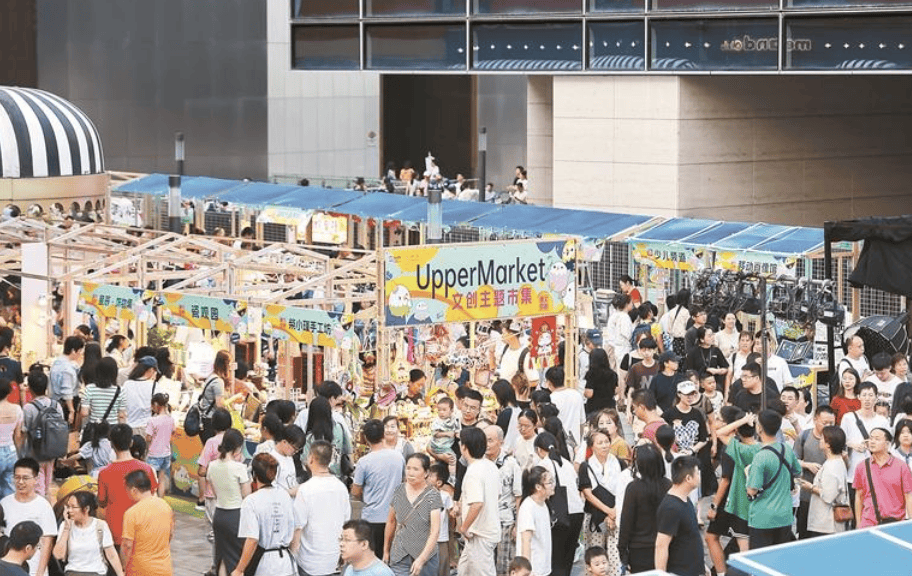
Core Insights - The article highlights the emergence of seven major cities in China, referred to as the "Seven Heroes of Consumption," each with a retail sales total exceeding 1 trillion yuan, including Shanghai, Chongqing, Beijing, Guangzhou, Shenzhen, Chengdu, and Suzhou [1] - Shenzhen is identified as a rising star in the consumption landscape, achieving a retail sales total of 938.18 billion yuan in the first 11 months of the year, with a year-on-year growth of 2.8%, positioning it as a significant player in the "trillion yuan consumption club" [1] Group 1: Shopping Centers - Shenzhen is experiencing a boom in large shopping centers, with numerous openings each month, showcasing its status as a shopping paradise [3] - Major shopping centers like Shenzhen Bay MixC Phase II and K11 ECOAST are part of a growing list, indicating strong consumer demand and confidence in the city's consumption potential [3] - The occupancy rate of commercial projects by China Resources exceeds 97%, with rental income increasing by 17%, reflecting a robust demand-supply cycle in the retail sector [3] Group 2: First Store Economy - Shenzhen is becoming a hub for the "first store economy," with 461 new first stores opening in 2024 and an expected 1,200 in 2025, making it a leader in the Greater Bay Area [5] - New commercial developments are expected to have over 50% of their offerings as first stores, indicating a strong appetite for new brands among consumers [5] - The presence of international brands like Rihanna's FENTY BEAUTY and other flagship stores highlights Shenzhen's appeal as a launchpad for new retail concepts [5] Group 3: Technology Consumption - Shenzhen is evolving into a center for "technology consumption," with a rapid adoption of innovative tech products, outpacing the national average by 3-6 months [9] - The city has seen significant sales in tech categories, with over 360 billion yuan in sales driven by a trade-in program covering various product categories, including over 176 billion yuan in automotive sales [9] - The penetration rate of new energy vehicles in Shenzhen is over 80%, leading the nation in this segment [9] Group 4: Cultural and Recreational Integration - The integration of culture, commerce, and tourism is thriving in Shenzhen, with attractions like the world's largest physical bookstore and indoor ski resorts drawing both locals and tourists [7] - The city's diverse consumption landscape reflects a blend of high-energy and tranquil experiences, appealing to a wide range of consumer preferences [12] - Shenzhen's unique natural scenery and urban design contribute to a vibrant consumer environment, connecting shopping districts with parks and cultural venues [12] Group 5: Consumer Trends - Shenzhen's consumers are characterized by a blend of technology-driven "self-indulgent consumption" and a focus on quality and value [14] - The city is noted for its youthful and dynamic consumer base, which is expected to play a crucial role in driving future consumption growth in China [14] - As China emphasizes expanding domestic demand and promoting consumption, Shenzhen's young population is poised to become a significant force in the consumer market [14]
以旧换新加力扩围 加速释放居民消费潜力
Ren Min Wang· 2026-01-11 01:41
Core Insights - The article highlights the integration of modern commerce with traditional culture, showcasing various consumer experiences that stimulate economic growth and enhance consumer enthusiasm [1] Group 1: Consumer Trends - There is a notable shift in consumer preferences towards high-performance, green, intelligent, and healthy products, leading to a significant increase in sales of smart home appliances [2] - The implementation of trade-in programs for consumer goods is expanding, with more green and smart products entering households, indicating a growing market for sustainable consumption [2] Group 2: Innovative Consumption Experiences - Various regions are enhancing consumer experiences by integrating cultural and technological elements, such as immersive art performances and interactive VR experiences, which attract more visitors and enrich consumer engagement [3] - Events like the technology consumption carnival in Guangzhou, featuring humanoid robots and VR experiences, exemplify the innovative approaches being adopted to enhance consumer interaction and satisfaction [3] Group 3: Economic Policies and Challenges - The article discusses the need for effective short-term and long-term policies to stimulate consumption, reduce uncertainty, and encourage innovation in supply [1][3] - Challenges such as mismatches between supply and demand for high-quality goods and services, as well as the impact of excessive competition among platforms, are identified as barriers to fully unlocking consumer potential [3]
科技赋能消费升级
Xin Lang Cai Jing· 2026-01-07 21:21
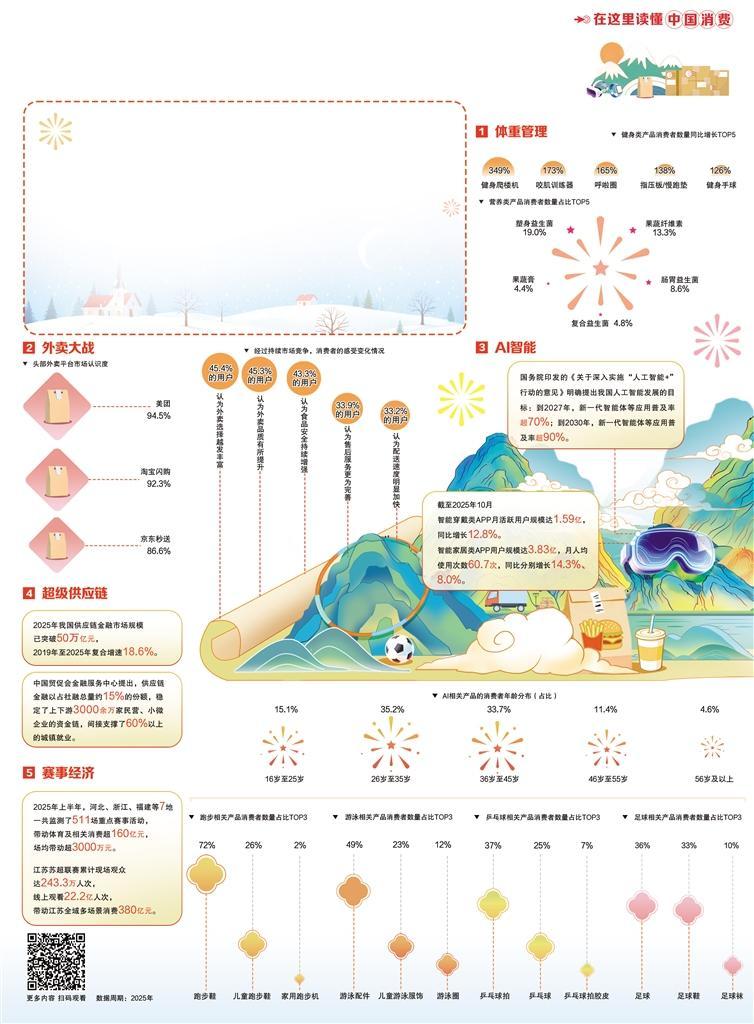
Group 1 - The core viewpoint of the article emphasizes how technology is reshaping consumer ecosystems through various innovative applications and government policies [3][4][5] - Government policies, such as the State Council's "Artificial Intelligence+" initiative, are paving the way for technological consumption by setting clear development goals for 2027, 2030, and 2035 [3][4] - The introduction of policies like trade-in programs for consumer goods has stimulated market innovation, creating a positive cycle of "policy guidance, enterprise innovation, and consumption upgrade" [3][4] Group 2 - More companies are embracing technological changes, transitioning from concepts to practical applications in daily life, such as using unmanned delivery vehicles and smart home appliances [4][5] - The user base for smart home applications is projected to reach 383 million by October 2025, with individuals aged 26 to 45 accounting for nearly 70% of smart product consumption [4] - The supply chain's efficiency is crucial for the growth of technological consumption, with the supply chain finance market expected to exceed 50 trillion yuan by 2025, supporting over 30 million small and micro enterprises [4] Group 3 - Technology is fundamentally altering the relationship between consumers and services/products, making consumption more inclusive across different age groups and scenarios [5] - The ongoing evolution of AI and big data technologies is expected to further penetrate all aspects of consumption, leading to the emergence of new products and services, and driving consumption models towards personalization and refinement [5]
超炫酷场景为消费市场增添“智”趣活力 耳目一新文旅体验激发经济新动能
Yang Shi Wang· 2026-01-02 10:33
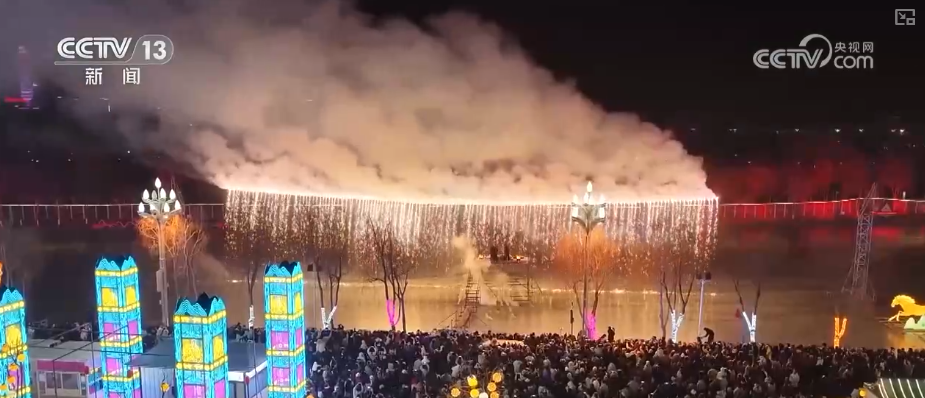
Group 1 - The New Year's holiday has brought innovative experiences to tourists, enhancing the vitality of the consumer market through the integration of technology and tourism [1] - The "Heavenly Horse Soaring" light installation at the Ningxia Yinchuan Flower Expo Garden stands 14 meters tall and features an interactive design that engages visitors through smart sensing technology [5] - Robots have become a prominent feature in the consumer market during the holiday, adding a unique element of enjoyment to the festive atmosphere [8] Group 2 - In Suzhou, the intelligent retail robot "Xiao Le" is actively engaging with visitors and providing retail services for over 60 product categories, significantly reducing wait times for customers [11] - In Harbin, mechanical dogs designed for extreme cold are pulling sleds on the ice, becoming a popular attraction for tourists due to their technological appeal and entertainment value [14] - The booming consumer market has led to a surge in demand for robot rentals, with a newly established rental company in Shanghai receiving thousands of orders and expanding its network to over 50 cities [18] - The company reports over 2,000 robots are currently available for rental across the country, with expectations of increased demand during the upcoming Spring Festival [19]
雷军提前公布福利,小米交付创新高,vivo、OPPO在祝福
Sou Hu Cai Jing· 2026-01-01 05:50
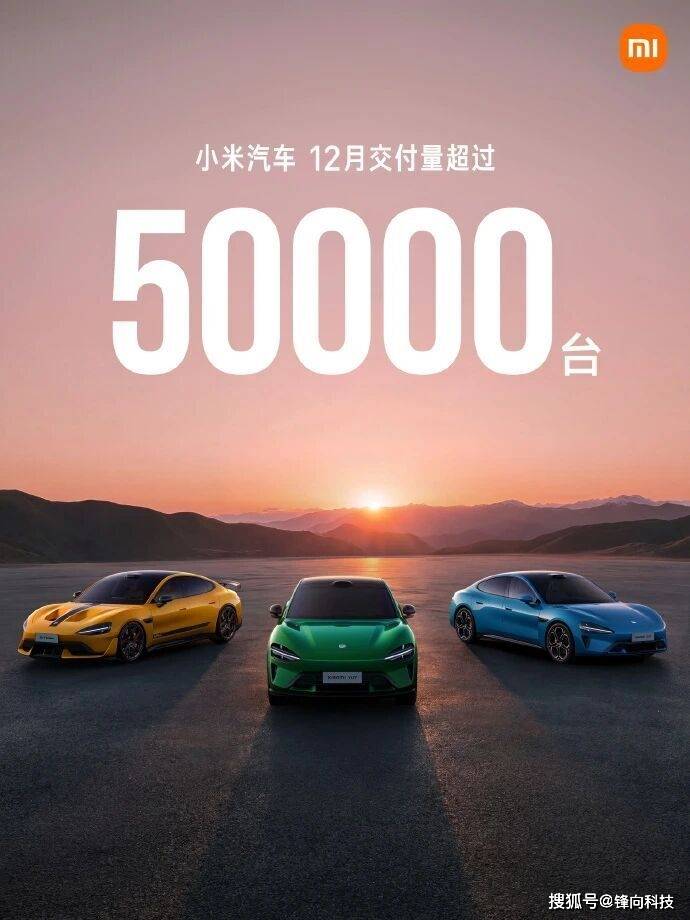
Group 1 - Xiaomi's car deliveries reached a record high in December 2025, surpassing 50,000 units for the first time in a single month, with hidden data suggesting an additional 3,000 units [3] - Lei Jun announced a New Year promotion for the Xiaomi YU7, offering 3 years of 0% interest and a low monthly payment option, along with additional benefits for previous orders [3] - Xiaomi has delivered over 500,000 vehicles in total, with the SU7 being the top-selling model in the 200,000+ price range for 2025, and the YU7 leading in the mid-size SUV category for four consecutive months [3] Group 2 - Vivo launched a New Year promotion offering exclusive discounts for students and educators on various products, emphasizing their commitment to education [5] - OPPO also announced New Year discounts, providing up to 500 yuan off on products priced below 6,000 yuan, highlighting their competitive position in the market [5] - Both Vivo and OPPO are recognized as leading players in offline sales within the domestic market, capitalizing on promotional opportunities during the New Year [5] Group 3 - Honor is using the New Year to promote its upcoming Honor Power2, which is set to be the first new phone released in 2026, with detailed specifications already leaked [7] - The anticipation surrounding the pricing of the Honor Power2 is notable, especially in light of potential storage price increases [7] - The activity from various brands on New Year's Day indicates a vibrant and competitive technology sector for 2026 [7]

2025,中产都抛弃了哪些消费品牌?
虎嗅APP· 2025-12-29 13:33
Core Viewpoint - The article discusses the contrasting dynamics of the Chinese consumer market in 2025, highlighting both the rise of successful brands and the collapse of previously celebrated companies, marking a significant shift in consumer behavior and business models [4][5][7]. Group 1: Market Dynamics - In 2025, the Chinese consumer market experienced a "violent cleansing," with many once-celebrated "unicorns" collapsing, signaling the end of an era characterized by "losses for scale" and "storytelling through valuation" [5][7]. - The downfall of brands like "Chongxuegao" and "Kristin" illustrates a collective failure of business models that relied heavily on marketing rather than product value, as consumers returned to rational purchasing behaviors [7][8]. - The year 2025 is described as a turning point, where the market bid farewell to high-priced, trendy brands that lacked a solid product foundation, leading to a significant shift in consumer expectations [7][8]. Group 2: Successful Brands - Despite the market downturn, certain brands thrived, such as "Mizhu Ice City" and "Bubble Mart," which capitalized on efficiency and emotional value, demonstrating resilience in a challenging environment [12][13]. - The success of these brands is attributed to their ability to adapt to consumer needs for affordable pleasure, with "new tea drinks" becoming a form of "cheap social currency" [16]. - The article highlights the importance of supply chain efficiency, with brands like "Mizhu Ice City" leveraging agricultural technology and logistics to maintain competitive pricing [14][15]. Group 3: Investment Trends - In 2025, the investment landscape saw a dramatic reduction in funding rounds, with only 74 financing events compared to 133 in the previous year, indicating a shift away from reckless spending [20][21]. - The restaurant sector remained a focal point for investment, accounting for over 60% of financing events, as capital sought safety in high-frequency consumer needs [22]. - Brands that demonstrated strong supply chain control and product differentiation, such as "Fulaiwei" and "Guifenghuang," began to attract investment, reflecting a new focus on sustainable business practices [22][23]. Group 4: Future Outlook - The article suggests that the future of consumer brands will hinge on their ability to integrate technology and maintain strong supply chains, with a shift towards global distribution becoming essential [25][26]. - The emergence of sectors like the silver economy and pet care indicates evolving consumer demographics and preferences, highlighting new opportunities for growth [25]. - The narrative concludes that the market will favor brands that respect consumer needs and focus on operational efficiency, marking a departure from the previous era of superficial marketing [27][28].