
绿色贸易壁垒

Search documents
锂电巨头踏上“远征路”
Jing Ji Guan Cha Wang· 2025-12-11 12:37
Core Viewpoint - The article highlights the strategic shift of Chinese lithium battery companies, such as CATL and EVE Energy, towards establishing manufacturing facilities overseas in response to domestic market saturation and increasing competition, aiming to become global manufacturers rather than just suppliers from China [2][11]. Group 1: Investment and Expansion - CATL is investing over 30 billion RMB in a joint battery factory with Stellantis in Zaragoza, Spain, with a planned capacity of 50 GWh, targeting production by the end of 2026 [3][6]. - EVE Energy's factory in Debrecen, Hungary, is in the critical phase of mechanical and electrical installation, with a planned capacity of 28 GWh [4][5]. - Guoxuan High-Tech is constructing a battery super factory in Slovakia with an initial capacity of 20 GWh, strategically located near major automotive clients [5][6]. Group 2: Market Dynamics - Domestic battery capacity utilization has dropped to alarming levels, while overseas markets, particularly in Europe and North America, show strong demand for electric vehicles and energy storage [2][8]. - The gross profit margins for overseas operations of companies like CATL and EVE Energy are reportedly 5 to 10 percentage points higher than domestic margins, indicating a lucrative opportunity in international markets [2][8]. Group 3: Regulatory Environment - The U.S. Inflation Reduction Act (IRA) and the EU's new battery regulations impose strict localization requirements, pushing Chinese companies to establish local production to remain competitive [9][10]. - The EU's regulations require comprehensive tracking of carbon footprints and recycling ratios for battery components, necessitating significant adjustments in supply chain management for Chinese firms [10][13]. Group 4: Challenges and Adaptation - Chinese companies face significant challenges in adapting to local regulations, labor laws, and supply chain logistics when establishing overseas factories [12][13]. - Despite these challenges, companies are committed to overcoming obstacles to become global players, indicating a long-term strategic vision [14][15].




国际化路径:广东新型储能出海形势与对策丨能源之声
2 1 Shi Ji Jing Ji Bao Dao· 2025-12-10 08:16
Core Insights - The article emphasizes the importance of the new energy storage industry in Guangdong as a strategic pillar for the province's economy and international trade, particularly in the context of global shifts towards carbon neutrality and the increasing demand for renewable energy sources [2][3]. Group 1: Development of New Energy Storage in Guangdong - Guangdong has established new energy storage as a strategic pillar industry, supported by various government policies since 2020, leading to rapid growth in the sector [4]. - As of August 2025, Guangdong became the largest source of lithium-ion battery exports in China, accounting for 26.2% of the national total, with export values reaching $12.66 billion, a 39.7% increase year-on-year [4]. - The province's exports to major markets like Germany and the United States accounted for 35.7% of total lithium battery exports, highlighting its leading position in the international market [4]. Group 2: Challenges Faced by Guangdong's Energy Storage Enterprises - Guangdong's energy storage products face significant challenges in major export markets such as the U.S. and EU, where stringent performance, quality, and carbon emission standards are enforced [6][7]. - The U.S. has imposed high tariffs on Chinese energy products, reaching up to 145%, complicating the export strategies of Guangdong companies [6][7]. - The EU's regulatory frameworks, such as the Critical Raw Materials Act and the New Battery Law, impose strict compliance requirements, creating additional cost burdens and operational challenges for local enterprises [7][8]. Group 3: Strategies for Internationalization and Market Expansion - To navigate the complex international landscape, Guangdong's energy storage industry must shift from a passive "product exporter" mindset to a proactive "global value network builder" approach [10]. - Companies are encouraged to diversify their market presence by exploring emerging markets in Southeast Asia, Latin America, and Africa, where demand for clean energy infrastructure is growing [11]. - Establishing production bases overseas and forming joint ventures can help mitigate tariff impacts and enhance market access, particularly in the U.S. [12]. Group 4: Risk Mitigation and Strategic Adaptation - Guangdong's energy storage sector should develop a dual-track mechanism for open cooperation and risk prevention to address geopolitical supply chain disruptions [13]. - Strengthening international technical standards and green regulations collaboration can enhance the competitiveness of Guangdong enterprises in the global market [13]. - Companies are advised to build strategic reserves of critical raw materials and explore alternative technologies to ensure supply chain security and reduce dependency on single sources [13].


是绿色贸易壁垒 也是转型升级机会
Si Chuan Ri Bao· 2025-11-13 20:50
Core Viewpoint - The new EU Battery Regulation, effective from August 2023, introduces comprehensive lifecycle requirements for battery manufacturers, impacting China's battery exports to Europe significantly [1][2]. Group 1: Regulatory Impact - The new battery law mandates that from 2027, all batteries exported to Europe must have a "battery passport" containing detailed information on manufacturers, material composition, technical specifications, carbon footprint, and supply chain [1]. - China's share of power battery exports to Europe has increased from 14.9% in 2020 to 38.5% in 2024, highlighting the importance of compliance with the new regulations to avoid market barriers [1]. Group 2: Industry Response - Companies are shifting from "passive compliance" to "active leadership" in response to the new regulations, with firms like CATL focusing on carbon management and supply chain collaboration [2]. - The new battery law, while presenting challenges, is viewed as an opportunity for the Chinese power battery industry to align with sustainable development goals and accelerate transformation towards digitalization, intelligence, and globalization [2].
电碳因子数据库创新碳核算新范式
Zhong Guo Dian Li Bao· 2025-11-05 07:08
Core Insights - The article highlights the collaboration between State Grid Jiangsu Nanjing Power Supply Company and Gree Electric Appliances in optimizing carbon footprint calculations for their products, particularly the "Tianli Variable Frequency 3" air conditioning unit [1] Group 1: Carbon Footprint Calculation - Gree Electric Appliances received a carbon footprint verification statement for its "Tianli Variable Frequency 3" air conditioning unit, thanks to the assistance in precise carbon footprint calculations [1] - The traditional fixed carbon factor calculation methods are inadequate for measuring the rapid development of renewable energy in China, prompting the need for a more refined approach [1] - The newly introduced "Time-Section, Regional, and Voltage-Level Carbon Factor Database" allows for more accurate carbon footprint calculations by breaking away from the one-size-fits-all method [1] Group 2: Impact on Product Emissions - The carbon footprint factor for the "Tianli Variable Frequency 3" air conditioning unit was reduced from 0.763 kg CO2 equivalent per kilowatt-hour to 0.658 kg CO2 equivalent, representing a decrease of approximately 13.8% in indirect emissions [1] - The verified carbon footprint for each functional unit of the product is 302.03 kg CO2 equivalent [1] Group 3: Broader Industry Implications - The new calculation method can potentially reduce carbon footprints by up to 31.2% in industries such as aluminum and battery cells, significantly aiding the green transformation of the entire supply chain [2]

商务部回应部分经济体推进的涉碳经贸规则:以加强政策解读、开展系统培训等方式帮助中国企业适应
Sou Hu Cai Jing· 2025-10-31 05:31
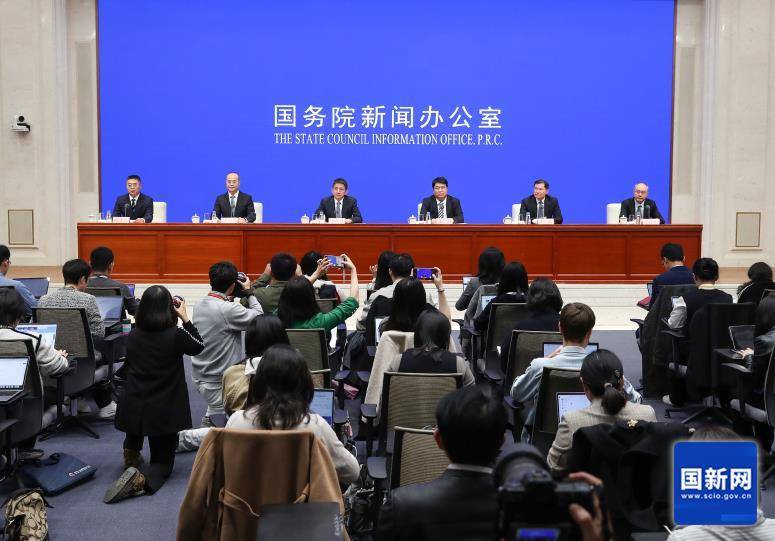
Core Viewpoint - The Chinese Ministry of Commerce emphasizes the importance of multilateralism and global cooperation in addressing climate change, while responding to the increasing carbon-related trade rules from various economies [1][3] Group 1: Response to Carbon Trade Rules - The Ministry of Commerce has noted the ongoing development of carbon-related trade rules by some economies, highlighting the need for these policies to align with WTO principles and avoid protectionism [3] - The Ministry advocates for a collaborative approach to tackle climate change, stressing that all countries should adhere to the principle of common but differentiated responsibilities [1][3] Group 2: Support for Chinese Enterprises - The Ministry is actively working to assist Chinese foreign trade enterprises in adapting to international rule changes by enhancing policy interpretation and providing precise information services [3] - Systematic training programs are being conducted to improve enterprises' capabilities in adapting to green trade rules, including initiatives like "Trade Friction Response and Legal Services Local Tour" [3] - Targeted support is being offered to enterprises facing specific challenges, with guidance from local and industry organizations to provide technical consulting and legal services [3]
商务部国际贸易谈判代表兼副部长李成钢出席二十国集团贸易投资部长会议
Zheng Quan Shi Bao Wang· 2025-10-11 00:40
Core Points - The G20 Trade and Investment Ministers' Meeting took place in Gqeberha, South Africa, on October 10, focusing on trade, inclusive growth, and global challenges [1] - Key discussions included promoting green industrialization, sustainable trade investment frameworks, and WTO reforms [1] - The meeting resulted in the issuance of the G20 Trade and Investment Ministers' Declaration and the Chair's Summary, setting the stage for the upcoming G20 Leaders' Summit in November [1] Group 1 - China expressed strong support for multilateralism and announced it would not seek new special and differential treatment in current and future WTO negotiations, demonstrating its commitment as a responsible developing country [1] - The G20 is recognized for its significant contributions to global trade and investment development, emphasizing the need for better utilization of the G20 trade investment mechanism to address global challenges through open cooperation [1] - China aims to contribute to global economic growth while advancing its own development, advocating for support of the multilateral trading system and free trade to counter unilateralism and protectionism [1] Group 2 - During the meeting, China’s representative held discussions with several heads of delegations and leaders of international organizations, including the Director-General of the WTO [2]
“电力自由”意味什么
Jing Ji Ri Bao· 2025-09-24 22:49
Core Insights - The article emphasizes that "electricity freedom" is becoming a competitive advantage for China in the global market, particularly in ensuring stable and high-quality electricity supply for economic development [1][4] - China's electricity consumption has reached unprecedented levels, with over 1 trillion kilowatt-hours in July and August, showcasing the country's robust power supply system [1] - The stability of China's electricity supply is crucial for the transformation and upgrading of industries, especially in high-tech sectors like semiconductors [1][2] Group 1: Stability of Electricity Supply - "Electricity freedom" signifies stable supply, which is essential for industrial transformation and upgrading [1][2] - The stability of the electricity system supports the needs of over 1.4 billion people and a vast industrial framework, ensuring uninterrupted power for manufacturing [1][4] - Upgrading electricity infrastructure is vital for transitioning to high-value-added manufacturing, with a focus on enhancing grid reliability and flexibility [2] Group 2: Green Energy Supply - "Electricity freedom" also represents a shift towards green energy, with renewable energy generation surpassing thermal power for the first time [2] - The increasing application of green electricity in manufacturing helps reduce production costs and carbon emissions, promoting a greener industrial development [2] - There is a need to enhance the stability of renewable energy sources and encourage distributed renewable energy facilities to minimize transmission losses [2] Group 3: Cost-Effective Electricity Supply - Low-cost electricity is crucial for manufacturing, directly impacting overall production costs and competitiveness [3] - China's average electricity prices remain low due to diverse energy sources and economies of scale, enhancing international competitiveness for manufacturers [3] - The establishment of a unified national electricity market will further optimize resource allocation and improve service efficiency for the manufacturing sector [3] Group 4: Historical Context and Future Implications - Historical energy revolutions have redefined national competitiveness, and "electricity freedom" is emerging as a new focal point in this context [4] - China's advancements in stable supply, green transition, and cost control reflect innovations in energy technology and infrastructure, contributing to sustainable economic development [4]
双重驱动下企业碳管理提速 标准、数据瓶颈问题待解
Jin Rong Shi Bao· 2025-08-11 01:00
Core Viewpoint - Companies are facing dual changes in policy and market environments regarding carbon emission management, leading to increased attention from industry experts on the challenges and standards in carbon management [1] Group 1: Policy and Market Influence - The intensity of policy constraints directly affects the progress of corporate carbon management, with raw material industries like metallurgy and petrochemicals being core to national carbon market management [2] - The "1+N" dual carbon policy framework has established specific carbon peak plans for major industrial sectors, emphasizing monitoring, reporting, and verification (MRV) requirements [2] - Market factors, such as external pressures from green trade barriers, are driving companies, especially in the new energy sector, to enhance their carbon management capabilities [3] Group 2: Challenges in Carbon Management - Companies face fragmented systems and increasing compliance burdens due to varying carbon accounting standards across different regions and industries, complicating unified management [5][6] - The lack of economic and suitable carbon management solutions, along with high costs of third-party verification, poses significant challenges for companies [8] - Small and medium-sized enterprises (SMEs) struggle with carbon management due to limited resources, necessitating specialized tools and shared platforms to enhance their capabilities [9] Group 3: Recommendations for Improvement - Experts suggest establishing unified national carbon management regulations and detailed implementation guidelines for specific industries to address existing challenges [7] - There is a need for improved data management and professional governance systems to ensure accurate carbon footprint tracking and effective management [8] - A shared database for carbon emissions tailored to different industries and products could help SMEs reduce management costs and improve their carbon management practices [9]
东盟能源中心达伍德:东盟能源脱碳要学习中国经验|首席气候官
2 1 Shi Ji Jing Ji Bao Dao· 2025-07-09 08:58
Core Insights - ASEAN region has a population exceeding 600 million and a GDP of approximately $3.8 trillion, becoming one of the more stable areas for global economic growth with rising energy demands [1][2] - The ASEAN Energy Center is focusing on overcoming challenges in energy transition, including resource endowment differences, economic development levels, and energy structures among member countries [1][2][4] - The region aims for net-zero emissions targets between 2050 and 2065, with significant investment needs identified, particularly in the electricity sector, which requires about $190 billion annually by 2050 [2][4] Group 1: Energy Transition Challenges - ASEAN countries face multiple challenges in energy transition, including financing bottlenecks and insufficient technological reserves [1][4] - The energy sector's core issues include energy security, energy transition, and economic development momentum, with a goal to become the world's fourth-largest economy by 2030 [2][4] - The ASEAN Power Grid Initiative (ASEAN PGI) aims to invest up to $700 billion by 2050 to enhance energy security and facilitate renewable energy integration [6] Group 2: Investment and Policy Coordination - ASEAN member states are encouraged to align national strategies with regional goals to attract investments from Chinese renewable energy companies [2][8] - Innovative policies are being introduced to encourage foreign direct investment, particularly from China, despite external challenges such as green trade barriers [8][9] - Joint ventures are seen as the optimal model for enhancing cooperation between China and ASEAN in the renewable energy sector, facilitating resource integration and technology transfer [9][10] Group 3: Renewable Energy and Technology - Strong storage technology is identified as crucial for stabilizing energy supply from intermittent renewable sources like solar and wind [7] - The potential for green hydrogen is acknowledged, but immediate focus remains on storage solutions to ensure reliable energy supply [7] - The ASEAN Energy Center plays a pivotal role in facilitating collaboration, providing knowledge, and supporting policy development for low-carbon transitions [3][10]
面对绿色贸易壁垒高筑,我国企业如何主动重构国际竞争力?
Zhong Guo Huan Jing Bao· 2025-07-08 00:21
Core Viewpoint - The article discusses the increasing green trade barriers imposed by Western countries, which pose systemic challenges to China's industries such as renewable energy and steel, under the guise of environmental protection [1][2]. Group 1: Green Trade Barriers - The green trade barriers from the US and EU are becoming systematic, standardized, and refined, with significant policies like the US Inflation Reduction Act (IRA) mandating that by 2029, 100% of electric vehicle battery components must be assembled in North America [2]. - The EU's battery regulations require foreign batteries to establish a "battery passport" by 2025, disclosing extensive information about material sources and carbon footprints, which raises compliance costs and risks of technology leakage [2]. - The Carbon Border Adjustment Mechanism (CBAM) will impose import taxes on high-carbon products starting in 2025 for the US and 2026 for the EU, increasing export costs for Chinese products, with estimated cost increases of 652 to 690 RMB per ton of steel, leading to a 15% to 20% decrease in price competitiveness [2]. Group 2: Strategic Response - Companies should adopt a proactive approach to address these barriers through a four-phase strategy: deconstructing current policies, responding to immediate challenges, resolving mid-term issues, and achieving long-term breakthroughs [3][7]. - In the short term, companies can seek new regional markets or product directions to avoid direct impacts from green trade barriers, such as establishing blockchain supply chain traceability platforms [4]. - In the mid-term, companies can invest in local production facilities in target markets to mitigate the impact of carbon tariffs, as seen with Longi Green Energy's factory in Ohio benefiting from tax credits [5]. Group 3: Long-term Strategies - In the long term, companies should focus on developing low-carbon technologies and circular processes to enhance their global competitiveness in green products [6]. - Establishing mutual recognition of environmental certifications between China and the EU can help meet carbon footprint accounting requirements [6]. - Companies should aim to lead the formulation of international green technology standards, leveraging their technological advantages in sectors like renewable energy and electric vehicles [6][7].