
新兴市场

Search documents
A股连续两日成交额超3万亿元 外资加码新兴市场
Zhong Guo Zheng Quan Bao· 2025-08-28 22:05
Core Viewpoint - The A-share market has shown strong performance in 2023, with significant inflows into emerging markets, particularly China, as global investors seek higher returns amid a restructuring of the global monetary system [1][4]. Group 1: A-Share Market Performance - As of August 28, major A-share indices, including the Shanghai Composite Index, Shenzhen Component Index, and ChiNext Index, have risen by 14.67%, 20.71%, and 37.99% respectively this year, outperforming major developed market indices [2][3]. - The technology sector has led the gains, with the STAR 50 Index surging by 37.99% and individual stocks like Tianfu Communication and Changxin Bochuang seeing significant increases of 20% and 18.84% respectively [2][3]. Group 2: Emerging Market Attraction - The iShares Core MSCI Emerging Markets ETF (IEMG) has seen net inflows exceeding $8.6 billion this year, with a notable acceleration of approximately $5.8 billion since April 2, indicating strong investor interest in emerging markets [3][4]. - Analysts predict that the MSCI Emerging Markets Index could rise by 15% over the next 12 months, outperforming developed markets by 10% [3]. Group 3: Global Monetary System and Investment Outlook - The restructuring of the global monetary system is driving funds towards emerging markets, as active fund managers bet on a weaker dollar [4][5]. - The current low-risk premium for A-shares and Hong Kong stocks suggests potential for revaluation, especially if U.S. Treasury bonds lose their status as a pricing anchor [5][6]. - Investment opportunities in China are expected to arise from consumption upgrades and technological innovations, particularly in artificial intelligence and electric vehicles [6].
A股连续两日成交额超3万亿元外资加码新兴市场
Zhong Guo Zheng Quan Bao· 2025-08-28 20:17
Group 1: Market Performance - A-shares' major indices collectively rose, with the Shanghai Composite Index, Shenzhen Component Index, and ChiNext Index increasing by 1.14%, 2.25%, and 3.82% respectively as of August 28 [1] - The technology sector led the gains, with the STAR 50 Index surging by 7.23%, and sub-sectors like communication equipment, semiconductors, and electronic components also showing significant increases [1][2] - The iShares Core MSCI Emerging Markets ETF (IEMG) saw a net inflow of over $8.6 billion this year, indicating strong interest in emerging markets compared to developed markets [2][3] Group 2: Investment Trends - Analysts noted that the AI computing sector has shown significant growth, becoming a prominent investment theme [2] - Emerging markets, particularly China, are attracting global investors, with expectations that the MSCI Emerging Markets Index could rise by 15% over the next 12 months, outperforming developed markets by 10% [2][4] - The shift in the global monetary system is prompting funds to seek higher-yielding assets, with a notable preference for emerging markets [3][4] Group 3: Future Outlook - The Federal Reserve's potential shift to a more accommodative policy could enhance the performance of related assets, benefiting emerging markets [4] - Analysts believe that the current low-risk premium for A-shares and Hong Kong stocks may lead to a revaluation of these assets, especially if U.S. Treasury bonds lose their status as a pricing anchor [4] - Investment opportunities in China are expected to focus on consumption upgrades and technological innovation, particularly in the electric vehicle and artificial intelligence sectors [5]
瑞士隆奥:看好新兴市场股票 内地和香港股市料受惠资金流入
Zhi Tong Cai Jing· 2025-08-28 13:30
Group 1 - The company is currently overweight on emerging market equities, with a positive outlook on both mainland China and Hong Kong markets, although it remains neutral compared to other emerging markets [1] - The investment strategy anticipates that Hong Kong stocks will continue to benefit from capital inflows in the short term, although the sustainability of this trend is uncertain [1] - Recent capital inflows have shifted from short-term hedge fund investments to medium-term deployments, indicating a change in investor sentiment towards the Chinese market [1] Group 2 - The company highlights that the ongoing trade war stabilization and a weakening US dollar are contributing to increased capital inflows into emerging markets, which could positively impact the Chinese market, particularly benefiting technology stocks [1] - The company acknowledges the ongoing issue of "involution," which poses significant pressure on consumer-related stocks, while also noting the current sector rotation cycle that favors fundamentally strong sectors [1] - The mainland is undergoing a consumption transformation, with existing real estate market issues requiring time to resolve; a slowdown in economic growth in Q3 could catalyze increased policy measures [1] Group 3 - The company holds a negative view on the US dollar, predicting that interest rate cuts may lead to outflows from the $7 trillion money market fund, with potential inflows into currencies like the euro and yen [1] - It is anticipated that the Chinese yuan will appreciate, with the USD/CNY exchange rate potentially reaching 7 within the next 12 months [1]
德业股份(605117):2025年半年报点评:工商储逆变器起量显著,储能电池包增长强劲
Minsheng Securities· 2025-08-27 13:48
Investment Rating - The report maintains a "Recommended" rating for the company [5] Core Views - The company achieved significant growth in its inverter and energy storage battery segments, with a notable increase in sales and revenue [2][3] - The company reported a revenue of 5.535 billion yuan for H1 2025, representing a year-on-year increase of 16.58%, and a net profit of 1.522 billion yuan, up 23.18% year-on-year [1] - The inverter sales reached 763,800 units in H1 2025, with a revenue of 2.644 billion yuan, reflecting a year-on-year growth of 13.90% [2] - The energy storage battery segment saw a remarkable revenue increase of 85.80% year-on-year, totaling 1.422 billion yuan in H1 2025 [2] Summary by Sections Financial Performance - For H1 2025, the company reported operating income of 5.535 billion yuan, a year-on-year increase of 16.58%, and a net profit attributable to shareholders of 1.522 billion yuan, up 23.18% [1] - The second quarter of 2025 saw operating income of 2.969 billion yuan, a year-on-year increase of 3.65% and a quarter-on-quarter increase of 15.70% [1] Product Performance - The inverter segment showed stable growth, with significant sales in commercial storage products, particularly in overseas markets driven by policy support [2] - The company launched new products, including off-grid energy storage inverters and expanded its energy storage solutions [2] Future Projections - The company is expected to achieve revenues of 13.248 billion yuan, 15.975 billion yuan, and 18.937 billion yuan for 2025, 2026, and 2027 respectively, with corresponding growth rates of 18.2%, 20.6%, and 18.5% [3][4] - Net profit projections for the same years are 3.529 billion yuan, 4.206 billion yuan, and 4.982 billion yuan, with growth rates of 19.2% for both 2025 and 2026, and 18.4% for 2027 [3][4]

麦格理:新兴市场正面临30年来最严峻的抉择 印度、巴西等国如何破局?
智通财经网· 2025-08-27 12:26
Group 1 - The article highlights the severe geopolitical and trade environment facing large emerging markets since the dissolution of the Soviet Union, emphasizing the trend of global "camping" and the need for countries like India, Indonesia, Brazil, and Turkey to seek autonomy while navigating complex choices [1][2] - Large emerging markets are described as being in an awkward position, unable to fully integrate into any camp due to their size, while smaller emerging markets have limited autonomy and must choose sides [2][4] - The report categorizes the global landscape into multiple camps, including the "Eurasian camp" led by China and Russia, and the "Western camp" led by the US and its allies, indicating a fragmented geopolitical environment [3] Group 2 - Despite increasing global polarization, large emerging markets are not expected to fully align with any one side, as both US and Chinese attractiveness are declining [4][5] - India is likely to maintain a balanced approach, seeking to maximize its leverage while emphasizing self-reliance as a foundation for development [5][6] - Brazil is predicted to avoid complete alignment with the EU, while Turkey aims to leverage its position as a bridge between the Middle East and the EU to retain autonomy [6][7] Group 3 - ASEAN faces significant challenges, having failed to establish a unified economic framework over the past 30 years, and is at a crossroads between potential marginalization or deeper integration, with Indonesia being a key player in this decision [8][9] - The report anticipates four key impacts from global polarization, including decreased economic efficiency, difficult circumstances for smaller countries, increased autonomy for large emerging markets, and a shift towards domestic capabilities for growth [10][11]
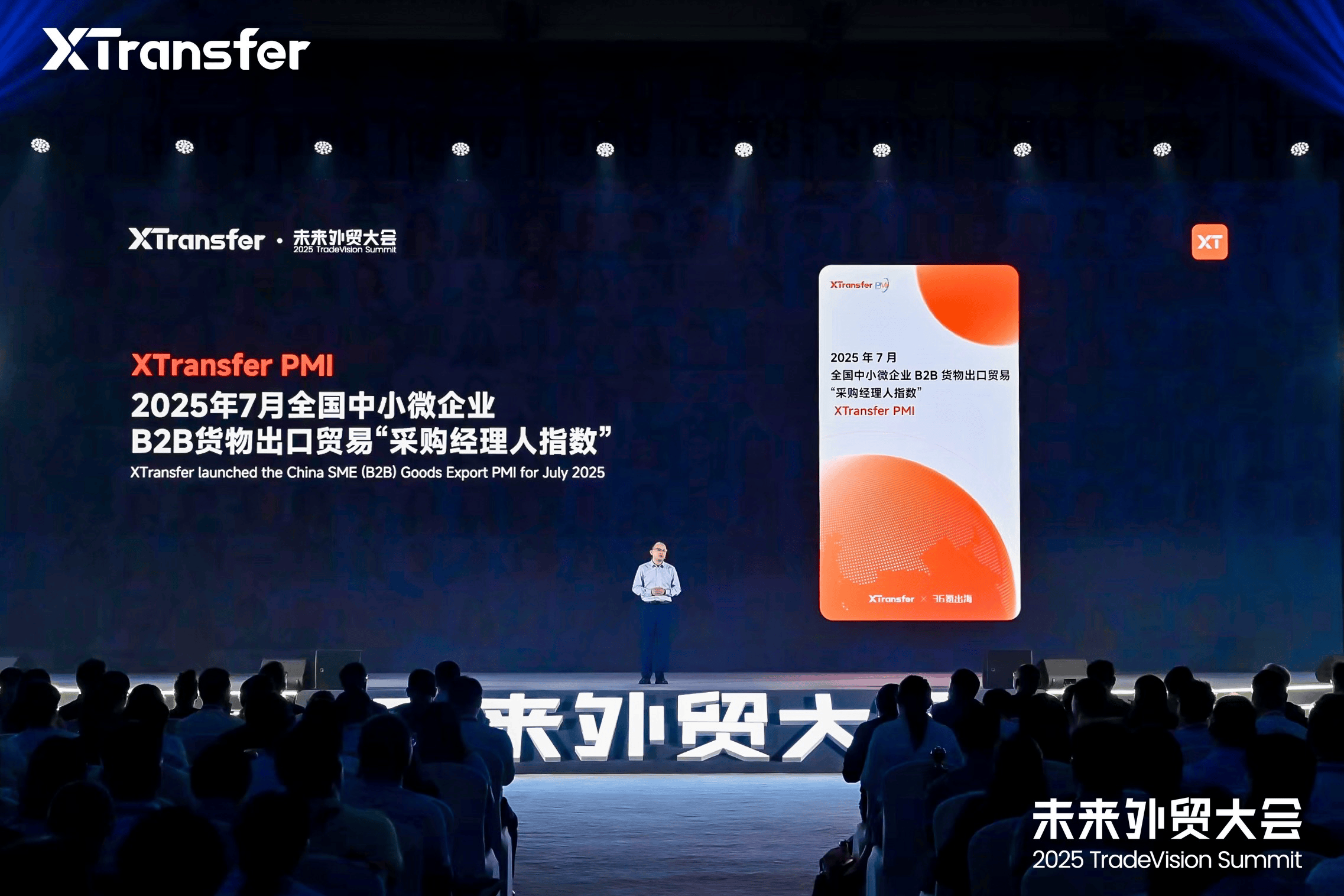
XTransfer创始人兼CEO邓国标:新兴市场潜力巨大,全球客户数突破70万
Sou Hu Cai Jing· 2025-08-27 04:11
Core Insights - The 2025 Future Foreign Trade Conference was successfully held in Guangzhou, focusing on the theme "Local Accounts Chain Global, Co-exploring New Blue Ocean in Foreign Trade" [4] - XTransfer's CEO highlighted Africa as a new market for small and medium-sized foreign trade enterprises, with significant potential for overseas business expansion [5] Group 1: Market Trends - XTransfer's July PMI index revealed that African countries recorded the highest export PMI, particularly in export orders, driven by demographic advantages, infrastructure needs, and consumption upgrades [5] - The "New Three Items" (lithium batteries, new energy vehicles, solar cells) showed higher export order and price indices compared to the overall market, with Southeast Asia emerging as a key export destination [5][10] - Countries like Ghana and Nigeria exhibited outstanding PMI performance among major African export nations [5] Group 2: Financial Solutions - XTransfer's localized financial network allows African buyers to pay in local currency, eliminating intermediary fees and ensuring same-day fund availability for cross-border payments [6] - The company has achieved significant growth in its overseas business, with over 700,000 global clients, 47% of whom are foreign enterprises [9] Group 3: Technological Advancements - XTransfer improved its risk management through AI technology, increasing the non-intrusive risk control audit rate from 96% to 99% [9] - The company plans to launch overseas stablecoin payment services to enhance cross-border payment security and efficiency [9] Group 4: Industry Insights - Experts at the conference emphasized the importance of data-driven strategies for explosive growth in emerging markets [10] - The integration of AI in foreign trade is seen as essential for enhancing efficiency and profitability, with a warning that companies not utilizing AI may lose competitiveness [10] - Brand establishment in international markets is crucial, with efficient fund flow being a foundational element for rapid market response [10][11]

东坑、谢岗、高埗GDP增速占前三 塘厦外贸进出口同比增184%增速居首
Nan Fang Du Shi Bao· 2025-08-26 23:12
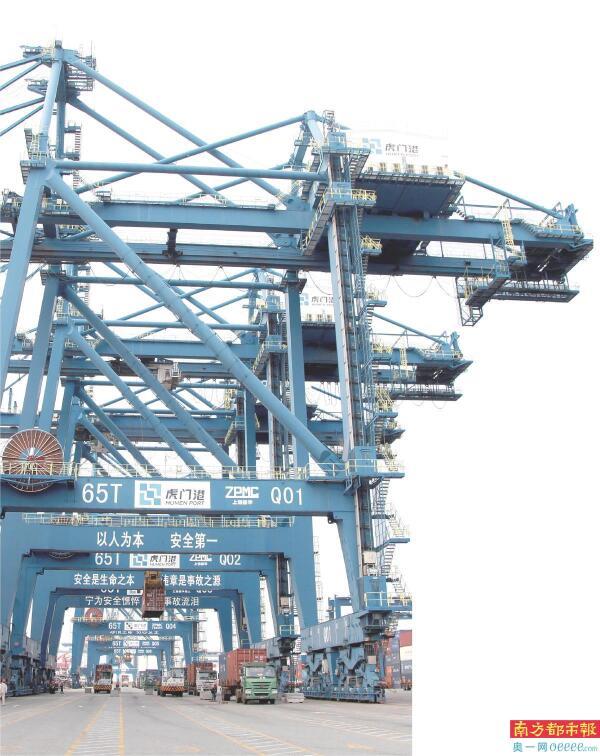
Core Viewpoint - Dongguan's economy shows strong growth in trade, consumption, and investment, with a focus on achieving high-quality development goals for the year [5][6]. Economic Performance - Dongguan's GDP reached 606.78 billion yuan in the first half of 2025, with a year-on-year growth of 4.8%, surpassing the provincial growth rate by 0.6 percentage points [6]. - The top three towns in GDP growth are Dongkeng (24.2%), Xiegang (18.1%), and Gaobu (8.1%) [6][7]. - The overall economic performance indicates a gradual recovery trend since last year, with a strong emphasis on stabilizing foreign trade, promoting consumption, and enhancing investment [5]. Consumption - The total retail sales of social consumer goods in Dongguan reached 2,195.55 billion yuan, growing by 3.4% year-on-year [10]. - Notable growth in consumption was observed in Liubu (10.9%) and Dongcheng (15.9%), with Dongcheng leading the city in growth rate [10][11]. - The increase in market entities, with a total of 1.891 million registered businesses, reflects the vitality of the consumption market [11]. Foreign Trade - Dongguan's foreign trade reached 7,492.8 billion yuan in the first half of 2025, marking a year-on-year increase of 16.5%, ranking second in the province [12][13]. - The second quarter saw a 10.3% quarter-on-quarter growth in imports and exports, maintaining positive growth for 15 consecutive months [12]. - Notable performances include Tangxia's 184% growth in foreign trade and Xiegang's 67.68% increase in actual foreign investment [13][14]. Investment - Fixed asset investment in Dongguan decreased by 10.9% year-on-year, although the decline has narrowed compared to the first quarter [16]. - Towns like Huangjiang and Fenggang experienced significant drops in investment, while Dongcheng and Xiegang showed positive growth [16][18]. - Dongcheng's investment strategy focuses on optimizing the business environment and expediting project initiation to support economic growth [18][19].
苏州1至7月经济运行稳中提质
Su Zhou Ri Bao· 2025-08-26 23:05
Economic Overview - The overall economic operation of the city is stable and improving in quality, with a total industrial output value of 27,267.7 billion yuan from January to July, representing a year-on-year growth of 4.5% [1] - The added value of industrial enterprises above designated size increased by 7.8% year-on-year, with the six leading industries achieving an output value of 17,699.1 billion yuan, a growth of 5.0% [1] Key Industries - The electronic information industry and electrical machinery manufacturing saw output growth of 7.1% and 5.3% respectively [1] - High-tech industries contributed significantly, with a total output value of 15,417.3 billion yuan, growing by 6.9% and accounting for 56.5% of the total industrial output [1] Investment Trends - Fixed asset investment totaled 3,670.9 billion yuan, a decrease of 2.5% year-on-year, but excluding real estate development, investment grew by 10.1% [1] - Industrial investment maintained double-digit growth at 1,338.9 billion yuan, increasing by 12.5% [1] - Investment in electronic information, general equipment manufacturing, and electrical machinery grew by 17.4%, 21.1%, and 33.3% respectively [1] Trade Performance - The total import and export value reached 15,258.0 billion yuan, with exports at 9,589.9 billion yuan (up 7.0%) and imports at 5,668.1 billion yuan (up 2.5%) [2] - Exports to countries involved in the Belt and Road Initiative increased by 21.9%, reaching 4,187.1 billion yuan, accounting for 43.7% of total exports [2] - Mechanical and electrical products exports were significant, totaling 7,455 billion yuan, contributing 4.9 percentage points to overall export growth [2] Consumer Market - The total retail sales of consumer goods reached 5,355.3 billion yuan, with a year-on-year growth of 3.4% [2] - The consumer price index in the urban area decreased by 0.8% year-on-year, with six categories of consumer goods prices declining [2] - Prices for medical care and other goods and services increased by 1.7% and 6.3% respectively [2] Corporate Developments - Ten new domestic and foreign listed companies were added from January to July, including five listed on the domestic A-share market [2] - By the end of July, the total number of listed companies reached 275, with 223 on the domestic A-share market [2]
构建全链条生态体系 推动二手车出口高质量发展
Zhong Guo Jing Ying Bao· 2025-08-26 19:59
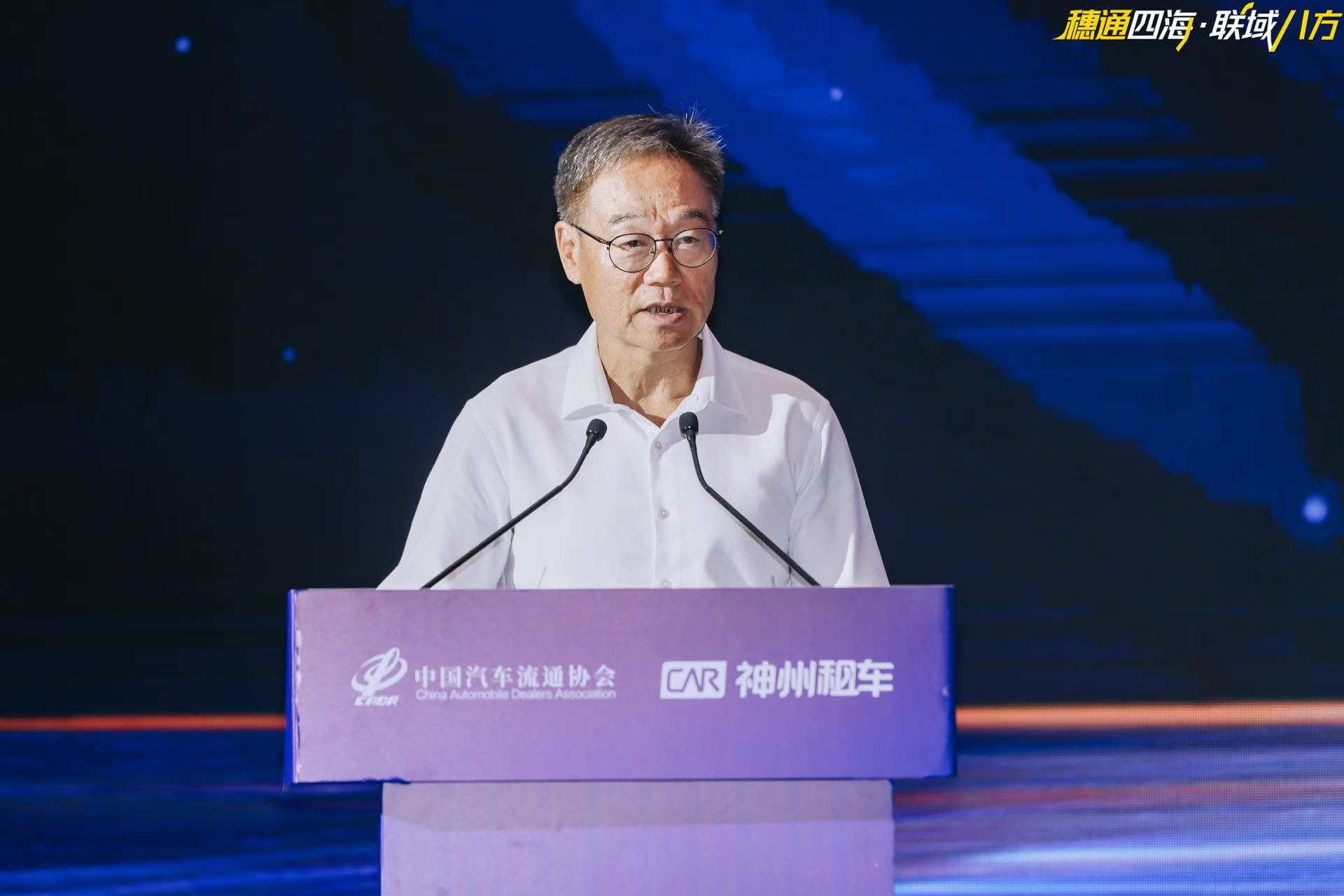
Core Insights - China's used car export market is experiencing a golden period driven by policy incentives and market expansion, supported by over 400 million vehicles in circulation and a mature supply chain [1][3] - The used car industry has transitioned from an exploratory phase to a stage of scaled operations and sustainable development, indicating a significant enhancement in China's global competitiveness in this sector [3][4] Market Dynamics - In 2024, China's used car exports exceeded 400,000 units, covering over 160 countries and regions, becoming a new force in driving automotive consumption and promoting industrial upgrades [3][4] - The overall automotive export volume reached 6.41 million units in 2024, marking a 23% year-on-year increase, with the total number of new energy vehicles reaching 31.4 million [4] Emerging Market Influence - The global automotive market has shifted from being dominated by mature markets to being led by emerging markets, which are expected to continue driving growth in the future [5] - From 2000 to 2024, global automotive demand has shown a pattern of rapid breakthroughs followed by short-term adjustments, with emerging markets solidifying their leading position since 2020 [5][6] Export Growth and Strategy - Since 2023, China has become the world's largest automotive exporter, with used car exports growing from 3,000 units in 2019 to over 436,000 units in 2024, a 46.5% increase year-on-year [7][8] - The total export value of used cars reached $9.21 billion in 2024, reflecting a 23.3% increase compared to the previous year [7] Ecosystem Development - To achieve high-quality development in used car exports, a comprehensive ecosystem needs to be established, transitioning from simple product exports to a more integrated system that includes sourcing, logistics, and after-sales services [8][10] - Companies like Shenzhou Car Rental are focusing on building a complete cross-border service system to enhance global competitiveness for Chinese used cars [10] Regional Insights - Guangdong province is a significant hub for used car transactions, with exports reaching 46,000 units in the first seven months of 2024, surpassing the total for the previous year [11] - The UAE has emerged as the largest trading partner for Guangdong's used car exports, with a 150% year-on-year increase [11]
新兴市场成中国外贸新机遇 跨境支付助力外贸企业出海突围
Xin Hua Cai Jing· 2025-08-26 14:52
Core Insights - Xtransfer has surpassed 700,000 global clients, with 47% being foreign enterprises, indicating a significant international presence [1] - The company emphasizes the need for Chinese foreign trade enterprises to shift focus towards emerging markets to capture new growth opportunities [1][2] - The "new three items" (lithium batteries, new energy vehicles, solar cells) are seeing increased export orders and prices, with Southeast Asia becoming a key destination [2] Group 1: Market Trends - The global trade landscape has experienced unprecedented disruptions, prompting Chinese foreign trade enterprises to reduce reliance on single markets and explore emerging markets [1] - Africa has emerged as a new growth area for small and medium enterprises, driven by population dividends, infrastructure demands, and consumption upgrades [1][2] - The export PMI for African countries, particularly Ghana and Nigeria, has shown remarkable performance, indicating strong demand [1] Group 2: Challenges and Solutions - Emerging markets present challenges for foreign trade enterprises, particularly in cross-border payment issues due to inadequate payment infrastructure and currency shortages [2] - Xtransfer is addressing trade settlement difficulties by partnering with local financial institutions to establish localized financial networks, covering 80% of global countries and regions [3] - The company plans to enhance its strategic layout in emerging markets by providing efficient local collection services and establishing communication with local banks and regulatory bodies [3] Group 3: Future Plans - Xtransfer aims to accelerate its globalization process by adding 100 new funding channels by 2025 to support outbound enterprises in legally and compliantly recovering funds [3]