
粉丝经济

Search documents
腾讯音乐(1698.HK)25Q1点评:特权、有声驱动SVIP转化 粉丝经济强化非包月收入增长
Ge Long Hui· 2025-05-22 02:29
qoq+2.7%)。我们预期随着SVIP 更高ARPPU 的会员套餐渗透率提升,25Q2 公司ARPPU 将持续提升, 或达11.6 元/月,MPU 或达1.24 亿。 Q1 社交娱乐收入15.5 亿人民币(yoy-11.9%, qoq-4.6%),同比减少主要系对直播互动功能进行了调整 和更严格的合规程序所致。我们预期25Q2 收入或达15.5 亿元(yoy-11%,qoq+0%),同比下滑主要系 公司合续缩紧叠加宏观因素导致。 随着在线音乐付费用户、ARPPU 双增,公司在线音乐收入在整体结构比重持续提高,利润率端有望持 续优化。我们预计 25-27 年归母净利润分别为104/101/112 亿元(25-26 年原预测值为 76/91 亿元,因根据 财报上调arppu,毛利率、其他收益等调整盈利预测)。因25 年有高额其他收益,我们参照可比公司,给 予26 年27 倍P/E,目标价94.86 港币(87.26 人民币),维持"买入"评级。 风险提示 机构:东方证券 研究员:项雯倩/李雨琪/金沐阳 Q1 营收73.6 亿人民币(yoy+8.7%, qoq-1.4%),Q1 毛利率44.07% (yoy+3. ...
“李宁伯伯”的奥运赌局,被一张合影搅局了?
3 6 Ke· 2025-05-21 11:26
对于接下来的市场营销打法,在洛杉矶奥运周期重新牵手中国奥委会的李宁,或许要更上心了。 李宁品牌因为一张合影,再一次陷入了舆论风波。 时隔20年从竞争对手安踏手中抢回中国奥委会的赞助合同,本应是李宁品牌重新出发的绝佳传播集会。但这个传播热点,却全是全红婵粉丝对李宁的不 满。 这一切的舆论,源自于李宁先生与中国奥委会官宣签约的一张合影。5月6日,中国奥委会与李宁品牌在国家体育总局共同举行合作发布仪式,正式宣布李 宁成为2025-2028年中国奥委会体育服装合作伙伴。 在仪式最后,李宁品牌与中国奥委会有关负责人以及跳水奥运冠军组合陈芋汐、全红婵以及乒乓球奥运金牌得主陈梦、马龙等优秀运动员一同合影留念。 而处于合影运动员C位的两位,站在国家体育总局局长高志丹旁边的,是奥运"六金王"马龙。而站在李宁品牌创始人、集团董事长李宁先生旁边的,是巴 黎和东京奥运会跳水女子双人10米台金牌得主陈芋汐。 由于自己喜欢的偶像未能站这次重磅官宣中站在合影的C位,不少全红婵的粉丝"炸锅"了,并将情绪发泄的出口,对准了李宁品牌。 全红婵被李宁伯伯"冷落"? 许多粉丝给出的所谓"理由",是李宁品牌因为全红婵近期的状态和成绩不佳,导致未能在本 ...



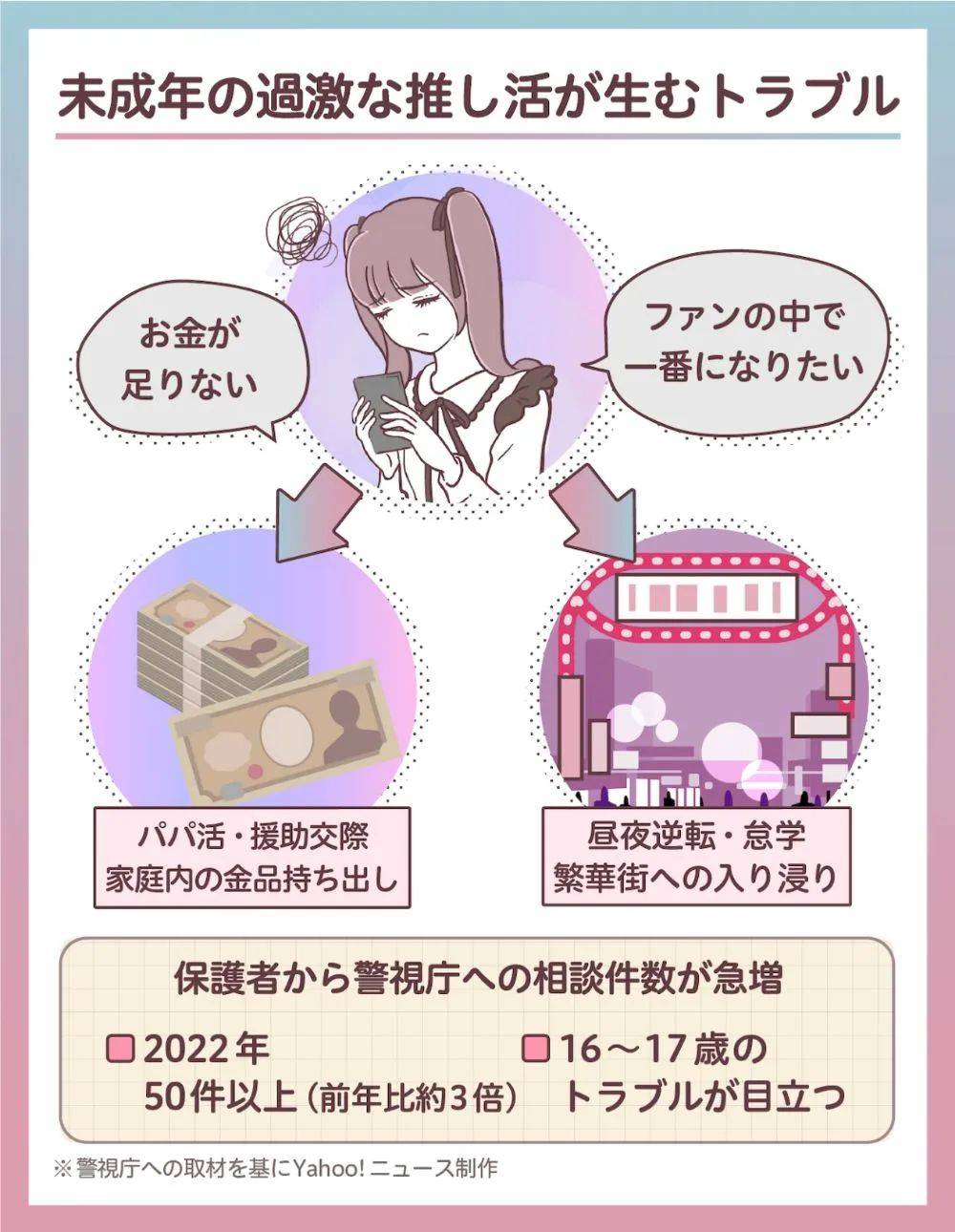
为了心爱的偶像哥哥,她们不惜在街头找干爹
Hu Xiu· 2025-05-21 04:30
Core Insights - The phenomenon of "money-spending fandom" is increasingly prevalent among youth in East Asia, particularly in China and Japan, where teenagers are willing to spend significant amounts of money to support their idols, often leading to risky financial behaviors [2][12][15] Group 1: Youth Spending Behavior - In China, reports indicate that 43% of underage users watch live streams for over 2 hours, triggering an average of 5.8 tipping actions during that time [2] - A 17-year-old student in China tipped a streamer 450,000 yuan (approximately 45,000 USD) using a platform loophole [2] - In Japan, some teenage girls have spent over 1 million yen (approximately 50,000 RMB) on underground idols, with rare cases reaching up to 100 million yen (approximately 5 million RMB) [2][12] Group 2: Underground Idol Culture - "Underground idols" are performers who do not debut through major agencies and often engage with fans in smaller venues, creating a more intimate fan experience [5][8] - The interaction with underground idols includes various paid activities, such as photo sessions and personal meetings, which can cost between 50 to 100 RMB per session [9] - Some idol groups implement a points system where fans can exchange their spending for unique experiences, further incentivizing high expenditure [9] Group 3: Financial Exploitation and Risks - Many young fans resort to "papa-katsu," a practice where they meet older men for financial support, often leading to risky situations [3][12] - The financial motivations behind these interactions are often masked as emotional connections, with idols using manipulative tactics to encourage spending [10][12] - The blurred lines of legality surrounding "papa-katsu" make it difficult to regulate, as the practice can exist in a gray area of the law [17][19] Group 4: Psychological Factors - Many young girls engaging in these practices often come from backgrounds lacking emotional support, leading them to seek validation and affection from idols [13][24] - The competitive nature of fandom creates a culture of comparison among fans, driving them to spend more to prove their loyalty [14][24] - The emotional investment in idols can lead to a narrow worldview, where the idol becomes the sole source of validation and support [13][24] Group 5: Societal Implications - The growth of the "pushing activity" culture in Japan has created a substantial market, with approximately 13.83 million active participants spending an average of over 250,000 yen (approximately 12,500 RMB) annually [15] - The media's portrayal of "papa-katsu" and related activities often normalizes these behaviors, making it easier for young girls to justify their actions [19][21] - The lack of effective legal frameworks and societal awareness allows these exploitative practices to persist, posing significant risks to vulnerable youth [19][25]
腾讯音乐-SW(01698):25Q1点评:特权、有声驱动SVIP转化,粉丝经济强化非包月收入增长
Orient Securities· 2025-05-21 03:07
Investment Rating - The report maintains a "Buy" rating for Tencent Music [4] Core Views - The online music revenue is expected to continue increasing due to the growth in paid users and ARPPU, leading to an overall improvement in profit margins. The forecasted net profit for the years 2025 to 2027 is 10.41 billion, 10.14 billion, and 11.16 billion RMB respectively, with a target price set at 94.86 HKD [2][4] Financial Performance Summary - The company's revenue for 2023 is projected at 27.75 billion RMB, with a year-on-year growth of -2.1%. This is expected to rise to 31.45 billion RMB in 2025, reflecting a growth of 10.7% [3][9] - Operating profit is forecasted to increase significantly from 4.78 billion RMB in 2023 to 9.44 billion RMB in 2025, marking a growth of 28.5% [3][9] - The net profit attributable to the parent company is expected to grow from 4.92 billion RMB in 2023 to 10.41 billion RMB in 2025, representing a substantial increase of 56.7% [3][9] - The gross margin is anticipated to improve from 35.3% in 2023 to 45.6% in 2025, while the net margin is expected to rise from 17.7% to 33.1% over the same period [3][9] Revenue Breakdown - Online music revenue for Q1 is reported at 5.8 billion RMB, showing a year-on-year increase of 15.9%. The forecast for Q2 is 6.43 billion RMB, with an expected growth of 18.6% [7] - Social entertainment revenue for Q1 is 1.55 billion RMB, down 11.9% year-on-year, with expectations for Q2 to remain flat [7] Market Position and Valuation - The target price of 94.86 HKD corresponds to a P/E ratio of 27 times for 2026, based on comparable company analysis [2][8] - The report highlights a strong performance relative to the Hang Seng Index, with a 1-week absolute performance of 13.51% and a 1-month performance of 30.05% [5]
金店关门、消费遇冷,克价2600元的“黄金谷子”却有人“猛吃”?
3 6 Ke· 2025-05-20 01:06
Core Insights - The Chinese gold consumption market is experiencing a significant divide, with international gold prices exceeding $3,240 per ounce and domestic gold jewelry prices surpassing 1,000 yuan per gram, while consumption is declining sharply, with a 26.85% year-on-year drop in gold jewelry consumption in Q1 2025 [1][3] - Major brands like Chow Tai Fook and China Gold are facing revenue declines of 30% to 50%, with Chow Tai Fook closing 177 stores in a single quarter [1][3] - The volatility in gold prices is leading to increased consumer hesitation, with investment gold bars now accounting for 47.6% of demand, indicating a structural shift in the industry [1][3] Market Dynamics - The gold market is undergoing unprecedented turbulence, with Q1 2025 seeing an 18% fluctuation in international gold prices, which has suppressed consumer willingness to purchase [3] - The rigid demand for traditional wedding gold is being squeezed, as consumers shift towards "打金" workshops or the second-hand market due to rising prices [3] - Financial reports indicate a 62.96% year-on-year drop in net profit for the gold industry, with Chow Tai Fook's same-store sales declining by 13.2% [3][6] Consumer Behavior - The younger generation (ages 18-34) is increasingly viewing gold as an "emotional container" rather than a family asset, contributing to 38% of gold jewelry sales, with women making up 67% of this demographic [7][11] - This shift in consumer logic is prompting brands to rethink their product offerings, focusing on design and cultural value rather than just weight [11][21] IP Collaboration - The rise of "golden millet" (IP-linked gold products) is seen as a key strategy for brands to navigate the current market challenges, combining the value of gold with emotional connections from popular culture [1][13] - Successful collaborations include Chow Tai Fook's partnership with Chiikawa and Disney, which have seen significant sales, including a limited-edition golden figurine priced at 880,000 yuan [9][11] - The trend indicates a growing acceptance of high-priced gold products that leverage cultural significance, with some items priced at over 2,590 yuan per gram, far exceeding traditional investment gold prices [11][21] Industry Transformation - The industry is witnessing a shift from traditional expansion models to more refined operations, with major brands closing numerous stores to adapt to changing market conditions [6][22] - The integration of technology, such as 3D printing and AI design, is facilitating product innovation and reducing production times, allowing for more complex designs [17][22] - The future of the gold market will depend on establishing a sustainable value ecosystem that balances the timeless attributes of gold with the rapid evolution of subcultures [21][22]





消费类电子产品,到底需不需要“品牌信仰”
Sou Hu Cai Jing· 2025-05-18 10:15
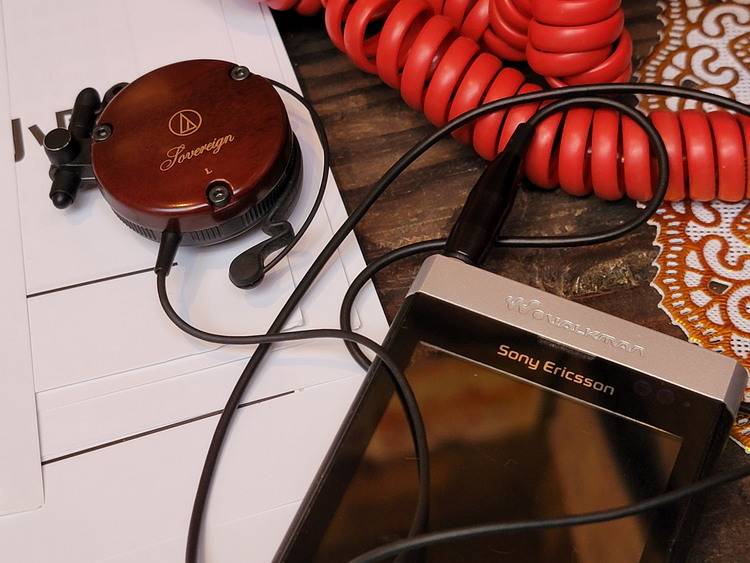
Core Viewpoint - The article discusses the evolving relationship between consumers and brands, particularly focusing on Sony and its Xperia 1 Ⅶ smartphone, highlighting the gap between consumer expectations and the actual product offerings [6][12][13]. Group 1: Sony's Xperia 1 Ⅶ Analysis - Xperia 1 Ⅶ is not a poor product in the smartphone industry, featuring high-end specifications such as Snapdragon 8 Gen 1, up to 16GB RAM, and 512GB storage, along with unique camera capabilities [6][8]. - Despite its strengths, the Xperia 1 Ⅶ fails to meet consumer expectations, particularly in display resolution and audio technology, leading to disappointment among loyal users [10][12]. - The decision to exclude advanced audio technology like S-Master from the Xperia 1 Ⅶ is seen as a strategic move to protect Walkman sales, indicating a prioritization of commercial interests over consumer satisfaction [12][19]. Group 2: Consumer Expectations and Brand Faith - Consumer faith in a brand should be based on a rational understanding of its capabilities, rather than blind loyalty, leading to reasonable expectations for product quality [13][15]. - The article contrasts Sony's approach with Meizu's Note 16 series, which, despite deviating from traditional design, successfully meets market needs and attracts new customers [17][19]. - The concept of "fan economy" has shifted from supporting innovative brands to catering to less discerning consumers, which can dilute the integrity of brand loyalty and product quality [21][23]. Group 3: Emotional Value vs. Product Performance - Emotional value can influence purchasing decisions, but it cannot compensate for subpar product performance, as consumers will eventually notice discrepancies in quality [25][27]. - The expectation for self-developed chips in the industry reflects a desire for better performance and cost-effectiveness, indicating that consumers prioritize tangible benefits over brand loyalty [29].
官宣首位星推官,甜啦啦的“产品+营销”组合拳
Bei Ke Cai Jing· 2025-05-17 14:04
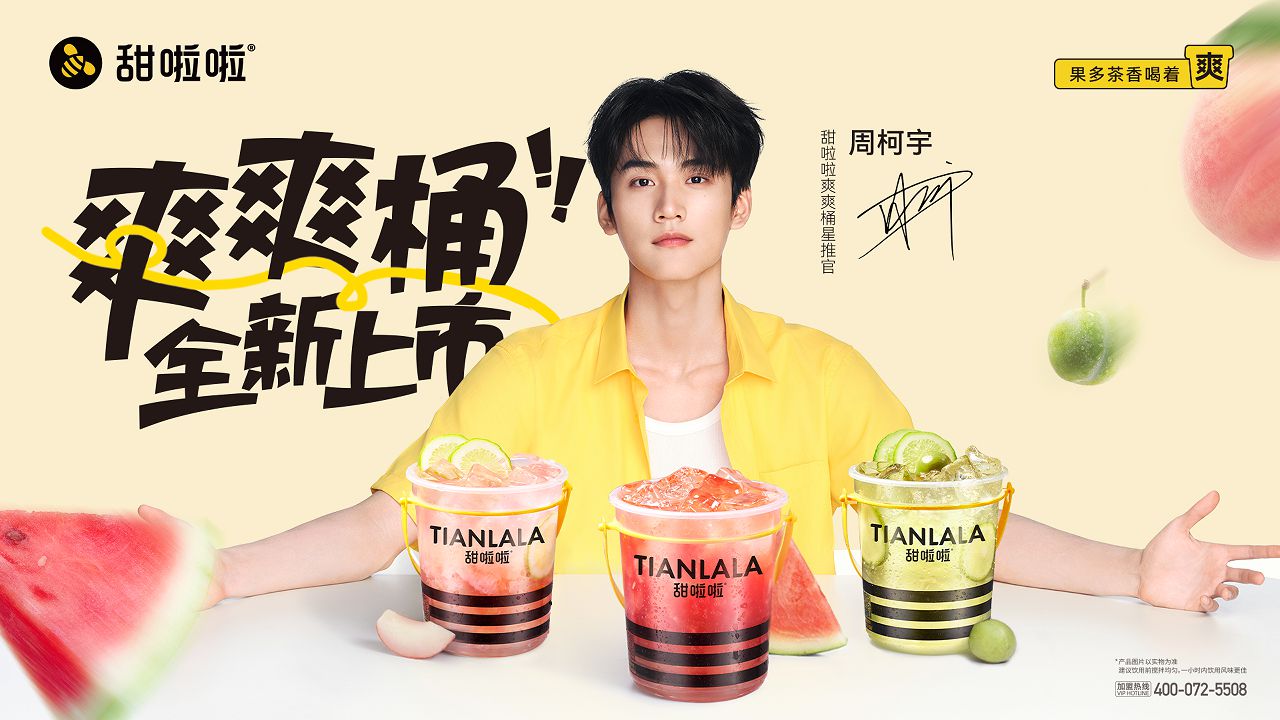
Core Insights - The article highlights the launch of new products "Watermelon Cool Bucket" and "Green Plum Cool Bucket" by the tea brand Tienlala, aiming to enhance brand presence and target the young consumer market through collaboration with popular idol Zhou Keyu [1][5][8] - Tienlala's strategy focuses on high-quality, affordable products, with the new fruit bucket priced at 9.9 yuan, continuing its value-driven pricing approach [8][12] - The brand's collaboration with Zhou Keyu marks its first use of a celebrity spokesperson, leveraging his popularity to engage with the Z generation and enhance customer interaction [3][5][15] Product Launch and Marketing Strategy - The new "Watermelon Cool Bucket" follows the brand's strategy of combining fresh fruit with classic tea bases, contributing to a diverse product matrix [1][12] - Within seven days of launch, the new products sold over 1 million cups, indicating strong market reception [1] - Tienlala's marketing efforts included a pre-launch challenge on social media, successfully generating buzz and anticipation among fans [4][8] Brand Positioning and Consumer Engagement - Tienlala aims to redefine perceptions of low-cost tea drinks by associating its brand with Zhou Keyu's "sunny and refreshing" image, appealing to younger consumers [5][8] - The brand's focus on the fruit bucket product line has established it as a key identifier in the new tea drink market, enhancing brand loyalty despite the industry's generally low consumer loyalty [7][11] - The collaboration with Zhou Keyu has also led to the introduction of limited-edition merchandise, further increasing consumer engagement and brand interaction [5][8] Supply Chain and Operational Efficiency - Tienlala has built a robust supply chain to ensure low-cost sourcing of ingredients, which supports its pricing strategy [12][13] - The company has established a digital and intelligent supply chain system to quickly respond to the needs of franchisees across the country, with 29 distribution centers established nationwide [13][15] - The brand's commitment to quality is reflected in its stringent supplier selection and management processes, ensuring high-quality ingredients for its products [12][13] Market Growth and Future Outlook - The Chinese ready-to-drink beverage market has seen rapid growth, with a market size increase from 187.8 billion yuan in 2018 to 517.5 billion yuan in 2023, and is projected to reach 1,163.4 billion yuan by 2028 [11] - Tienlala's focus on the lower-tier market positions it well to capitalize on this growth trend, as it continues to innovate and expand its product offerings [11][15]
引导粉丝经济理性健康发展
Jing Ji Ri Bao· 2025-05-15 22:09
3天时间,累计接待国内游客143.09万人次,实现国内旅游总花费10.73亿元,这是前不久一位知名歌唱 演员在呼和浩特举办演唱会期间的相关旅游数据。据了解,从2022年至今,呼和浩特已举办10多场演唱 会,累计接待国内游客超500万人次,实现国内旅游总花费超60亿元。这些成绩的取得离不开粉丝的贡 献。 尊重粉丝合理需求,让"流量"变"留量"并带来"增量"。对于有志于借力粉丝发展经济的城市来说,可在 不断完善基础设施、优化配套服务、加强宣传推介的基础上,将粉丝经济与文旅产业发展相结合,打造 文旅消费热点,借力粉丝经济发展,推动文化和旅游产业提档升级。关注粉丝群体合理的个性化需求, 结合地方特色提供高质量的主题活动与文旅项目,搭建举办城市与粉丝之间的情感链接,增强粉丝的参 与感与归属感,提升粉丝的消费体验,让他们从"粉"明星成为"粉"城市,让举办地从"一时火"成为"长 久热",提升城市的知名度和吸引力。 规范市场秩序,推动行业自律。相关部门应完善法律法规,建立健全规则和制度,提升全过程监管意识 和监管水平,规范市场秩序,对行业内存在的不良行为如"假宣传""假流量"等进行严厉打击。提升相关 平台管理能力和水平,引导 ...
新潮观鱼:品牌破局还是自降身价,茅台需要明星代言吗?
Guan Cha Zhe Wang· 2025-05-14 03:26
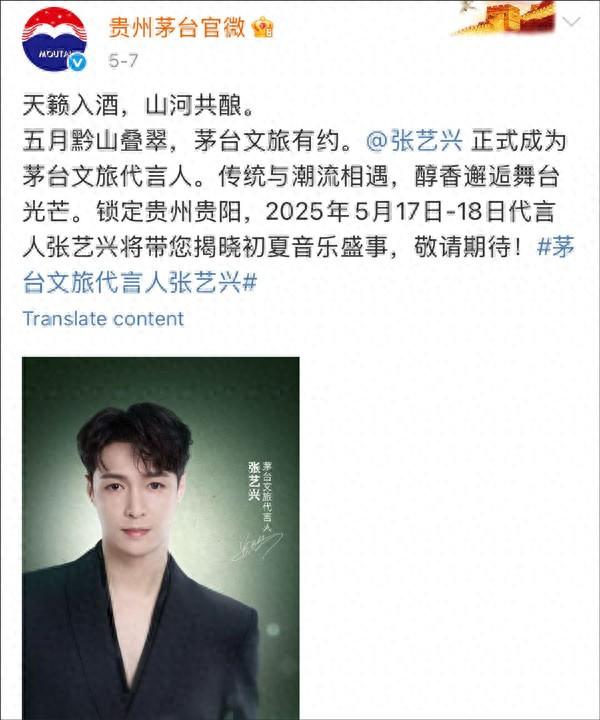
Core Viewpoint - Moutai's recent decision to appoint a celebrity spokesperson, Zhang Yixing, for its subsidiary Moutai Culture and Tourism, aims to attract younger consumers who are less inclined to drink traditional liquor and are critical of drinking culture [1][6][19] Group 1: Celebrity Endorsement Strategy - Zhang Yixing, a 34-year-old singer and actor, has been appointed as the spokesperson for Moutai Culture and Tourism, which is a subsidiary of Moutai, not the main brand itself [1][6] - The endorsement has sparked debate among fans and the public regarding whether a celebrity can effectively modernize the brand without diluting its high-end image [1][13] - Moutai's strategy reflects a broader trend in the liquor industry to engage younger demographics through celebrity endorsements, similar to practices seen in luxury brands [22][23] Group 2: Product Offerings and Sales Performance - Moutai Culture and Tourism sells creative liquor products, including collaborations with cultural institutions, and offers mini bottles (200ml) paired with cultural items [3][5] - The flagship product promoted during the endorsement was a Dragon Boat Festival gift box priced at 2999 yuan, which includes two mini bottles of liquor and tea products [8][9] - Initial sales were strong, with hundreds of gift boxes sold shortly after the announcement, but the product quickly fell off the sales rankings, indicating potential challenges in sustaining interest [9][11] Group 3: Market Position and Consumer Engagement - Moutai Culture and Tourism reported a revenue of over 3.2 billion yuan in 2023, with creative product sales exceeding 600 million yuan, showcasing its significant market presence [6][19] - The target demographic for Zhang Yixing's endorsement includes a large proportion of young fans, with over 60% aged 18-30, indicating a strategic focus on this consumer group [6][19] - Despite the endorsement, there is skepticism among Moutai shareholders about the necessity of celebrity endorsements, with some believing it could undermine the brand's prestigious image [13][15] Group 4: Industry Context and Challenges - The Chinese liquor industry is facing a decline in effective demand and high inventory levels, prompting brands like Moutai to seek innovative ways to connect with younger consumers [19][30] - Moutai's attempts to diversify its offerings, such as through collaborations with ice cream and coffee brands, reflect a desire to reposition itself as a trendy product rather than just a traditional liquor [32] - The challenge remains for Moutai to maintain its high-end status while appealing to a younger audience that may reject traditional drinking customs [30][32]

腾讯音乐20250513
2025-05-13 15:19
Tencent Music Entertainment Group Q1 2025 Earnings Call Summary Company Overview - **Company**: Tencent Music Entertainment Group - **Quarter**: Q1 2025 - **Revenue**: RMB 114 billion, a significant year-on-year increase - **Net Profit**: RMB 44 billion, showing substantial growth Key Financial Highlights - **Music Subscription Revenue**: Reached RMB 42 billion, up 70% year-on-year and 5% quarter-on-quarter [2][3] - **Advertising Revenue**: Continued strong growth due to diverse ad formats and innovative support models, enhancing click-through rates and ad pricing [2][11] - **Artist Merchandise and Live Performance Revenue**: Increased due to the shipment of physical albums and successful concerts [2][13] - **Social Entertainment Services Revenue**: Decreased by 12% to RMB 16 billion as the focus shifted to core music business [2][14] - **Operating Expenses**: Reduced to 15.5% of revenue, down from 16.8% year-on-year [2][15] - **Effective Tax Rate**: Dropped to 9.2% due to the impact of deemed disposal income [2][15] Strategic Initiatives - **Content Ecosystem Enhancements**: Strengthened partnerships with record labels to enrich the music library, including a multi-year contract with Sony Music [4][6] - **SVIP Business Growth**: Positive trends in SVIP penetration and ARPPU, with plans for increased investment and collaboration with artists [5][18] - **User Engagement Strategies**: High-quality content and innovative products to boost user engagement and paid user base [7][20] - **Long Audio Content Development**: Focus on online listening of audiobooks and literary works to complement existing subscription user base [17] Advertising Business Outlook - **Growth Potential**: Advertising remains a key growth driver, with plans to expand and innovate in ad formats [9][24] - **Offline Events**: Continued focus on enhancing the quality of live performances and strategic partnerships with artists [24] Operational Efficiency - **Cost Management**: Strict financial discipline and targeted investments in long-term growth areas [15][22] - **Gross Margin Improvement**: Increased to 44.1%, up 3.2 percentage points year-on-year, driven by subscription and advertising revenue growth [10][22] Future Directions - **High-Quality Growth Strategy**: Prioritizing music business growth, expanding VIP memberships, and investing in original content [17][21] - **International Market Expansion**: Continued investment in the Southeast Asian market through the JOOX platform and content ecosystem development [23] Additional Insights - **Non-Paying Subscribers**: Strategy to convert non-paying users into paying subscribers while leveraging advertising revenue [21] - **Long-Term User Engagement**: Focus on maintaining a healthy growth trajectory for subscription users while enhancing ARPU [20] This summary encapsulates the key points from the earnings call, highlighting Tencent Music's financial performance, strategic initiatives, and future outlook.
