投资于人

Search documents
对话张军:中国经济下一程,钱会更多投向这些领域
Guan Cha Zhe Wang· 2025-12-24 11:05
Core Viewpoint - The article emphasizes the shift in China's economic focus from "investment in physical capital" to "investment in human capital" as a response to the changing economic landscape and the need for improved social welfare and equity [1][3][5]. Group 1: Economic Development and Human Investment - Over the past four decades, China has achieved remarkable economic growth through substantial investments in physical infrastructure, leading to a comprehensive industrial system [1]. - The current economic stage necessitates a focus on "investment in people," which aims to enhance wages, employment, education, healthcare, housing, and pensions [1][3]. - The emphasis on human development reflects a recognition that economic growth alone is insufficient to address disparities in income and wealth among different social groups [5][6]. Group 2: Transition from Physical to Human Capital - Fixed asset investment in China has reached 50 trillion yuan, indicating that the previous model of heavy investment in physical capital is experiencing diminishing returns [6][8]. - As the growth rate of fixed asset investment declines, there is a clear shift towards allocating resources to improve human conditions, which is seen as a long-term investment in human capital [8]. - The balance between material capital accumulation and human capital development is crucial, with the latter gaining priority as the economy matures and capital accumulation levels are already high [8].


几乎同一时间,比亚迪、字节、宁德时代集体加工资,信号非常强烈
Sou Hu Cai Jing· 2025-12-23 23:39
几乎同一时间,比亚迪、字节、宁德时代集体加工资,信号非常强烈 3)目标更加明确,国家切蛋糕时,要把更大一块分给老百姓,提高劳动报酬的比重。 也就是说,全民加工资,明年就进入落实阶段。 近日,有消息称比亚迪已对技术研发人员实施涨薪。根据员工反馈,本次调薪幅度多数在1000元左右,个别可达3200元,也有部分在数百元不等。公司通常 设有多个调薪档次,并执行相应的标准。 比亚迪方面已对此回应:技术研发人员涨薪情况属实。 几乎在同一时期,比亚迪、字节跳动、宁德时代等多家大厂集体薪酬,这背后,很明显跟上面要求有关。 回顾12月11日相关会议,明确提出要「制定实施城乡居民增收计划」。与往年相比,今年有三个明显变化: 1)范围更广,从中低收入扩大到全体城乡居民,所有人都有份。 2)动真格,从原则性意见转变为具体行动方案,预计2026年起效果将更为明显; 今天还有件大新闻,央行决定实施一次性信用修复政策,这是一个巨大的进步。 央行还承认一个事实,这几年的逾期,不全是大家的错,大环境也有责任。现在通过抹去记录这种行为,这是上层的投资于人的姿态。 从投资于物转向投资于人,是未来十年大趋势。 未来十年,国家不会再像过去那样单纯靠砸 ...


15万套房托底!刘强东甩出王炸
商业洞察· 2025-12-23 09:24
Core Viewpoint - JD.com announced a significant investment of 22 billion yuan over the next five years to provide 150,000 housing units for delivery workers, marking a transformative move in the e-commerce logistics sector [4][6]. Group 1: Long-term Investment - The housing initiative coincides with a pivotal moment in the food delivery industry, where the user base is expected to reach nearly 600 million by 2025, with a market size exceeding 1 trillion yuan [8]. - High turnover rates among delivery workers have been a persistent issue, with the loss of a skilled worker costing companies over 10,000 yuan, highlighting the importance of addressing housing challenges to retain talent [9]. - JD.com's housing investment is viewed as a long-term strategy to create a talent moat, fostering a cycle of stability in housing, improved service, and increased orders [9]. Group 2: Policy Resonance - JD.com's housing plan is not a spontaneous decision; it follows a previous investment of 3.1 billion yuan in 2023 for the construction of "JD Youth City" in Beijing, which will provide nearly 4,000 apartments by 2026 [11]. - With 28,000 employee housing units already established across 145 cities, the new plan will ensure that at least 200,000 employees will benefit from housing support, addressing the needs of approximately one-third of JD's full-time delivery personnel [11]. - The initiative aligns with national policies aimed at improving living conditions for new employment groups, such as delivery workers, and demonstrates a market-oriented approach to providing affordable housing [15]. Group 3: Investing in People - JD.com's plan for 150,000 housing units represents a "reverse involution" revolution in platform economics, focusing on employee welfare as a foundation for sustainable growth [17]. - The company has built a competitive advantage through its logistics infrastructure since 2007, and the current investment in housing is expected to become a core competitive factor for the next decade [17]. - By prioritizing the well-being of workers, JD.com aims to create a more stable workforce, reducing recruitment and training costs while enhancing delivery efficiency and service quality [17][18].


专访兴业银行首席经济学家鲁政委:多措并举推动城乡居民增收,“投资于人”趋势将加强
Zhong Guo Jing Ying Bao· 2025-12-23 08:31
Core Insights - The central economic work conference has prioritized the "Urban and Rural Residents' Income Increase Plan" as a key task to strengthen domestic demand and build a robust domestic market [2][3] - The plan aims to effectively boost residents' income, thereby enhancing consumption capacity and expanding domestic demand, which is crucial for the internal economic cycle [2][4] Group 1: Policy Significance - The introduction of a dedicated income increase plan marks a significant shift from previous policies that focused primarily on industrial or supply-side planning [3] - The plan sets clear medium- to long-term goals, linking labor remuneration to productivity, which is expected to stabilize prices in the long run [3] Group 2: Relationship Between Income and Consumption - Increasing residents' income is essential for supporting consumption, which is a fundamental aspect of expanding domestic demand [4] - The average wage growth for urban non-private and private sector employees is projected to be 2.8% and 1.7% respectively in 2024, indicating a decline in income growth [4] Group 3: Differentiated Income Increase Strategies - The income structure shows that wage and operational income account for over 70% of total income, necessitating targeted employment policies to support youth and other key demographics [6] - Fiscal policies should enhance transfer income, which constitutes about 18% of disposable income, through measures like family-based income tax assessments and increased social security benefits [6] Group 4: Specific Pathways for Different Demographics - For agricultural workers, raising the minimum purchase price for grain can stabilize income, as historical data shows a positive correlation between agricultural income and grain prices [7] - For stable employment groups, a dynamic adjustment mechanism for minimum wage standards is essential to ensure fair income distribution [7] - The plan emphasizes the inclusion of gig economy workers in minimum wage protections and the establishment of a comprehensive social security network for unemployed individuals [8]


吴晓求:财政资源不只求短期盈利,更要“投资于人”
Sou Hu Cai Jing· 2025-12-23 04:19
Core Viewpoint - The speech emphasizes the importance of long-term investment in human capital and foundational research for sustainable economic development, urging a shift away from short-term profit-focused thinking [1][3]. Group 1: Economic Development - Wu Xiaoqiu highlights that sustainable economic and social development relies on foundational research and independent innovation, advocating for fiscal resources to prioritize long-term value areas like basic scientific research [1][3]. - Under the "14th Five-Year Plan," the construction of a modernized nation requires both "economic development" and "social civilization," with clear quantitative indicators for economic development, such as a per capita GDP exceeding $15,000 to be classified as a developed country [3]. Group 2: Role of Financial Systems - Wu asserts that finance plays a crucial role alongside technology in the modernization process, emphasizing that financial systems are essential for the transformation of technological innovations into new products and industries [3][4]. - He identifies two core capabilities of modern finance: value discovery, which assesses the application scenarios and development potential of technologies, and risk diversification, which mitigates risks during the technology-to-industry transition [3][4]. Group 3: Functions of Finance - The first function of finance is payment and clearing, which enhances economic and trade efficiency, exemplified by the advancements in mobile payment systems in China [4][5]. - The second function is pricing and resource allocation, where accurate pricing is essential for efficient resource utilization, facilitated through indirect and direct financing methods [4][5]. - The third function involves risk management and hedging, where financial systems must create risk-hedging tools to stabilize the investment environment and attract foreign investment [5]. - The fourth function is promoting industrial upgrades and meeting social wealth management needs, with a focus on creating a diverse range of financial assets to cater to different investor requirements [5]. - The fifth function is creating diversified liquidity, which includes both monetary and asset liquidity, essential for the normal operation of the economy and providing more options for asset allocation [5].
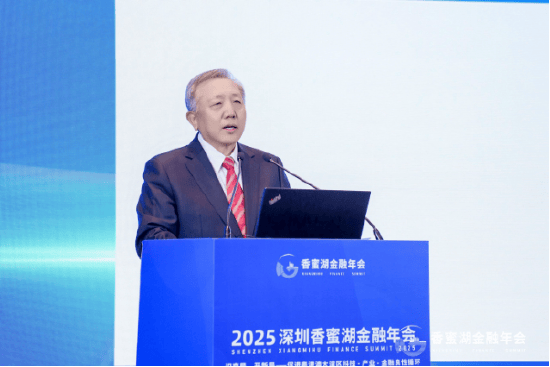
吉富星:加大政府债券投资于人力度
Jing Ji Ri Bao· 2025-12-23 00:03
接下来,政府债券需统筹兼顾供给与需求、消费与投资,进一步优化投向、提升效率,将重点更加 聚焦投资于人,为投资于物锚定新方向,持续优化债券的额度、投向及运作模式。 一方面,在现有政策框架基础上扩大民生领域专项债、国债等资金的额度,并加强项目谋划与储 备,确保资金有效落地。维持较高的政府债券规模以增强财力,腾出更多资金用于解决群众急难愁盼的 民生项目和人力资本领域。此外,延续特别国债支持以旧换新政策,促进消费与投资的良性循环,并加 快布局数字、绿色、智能等新型消费领域的政府债券项目。可利用政府债券资金作为项目资本金、"债 券资金+社会资本"等杠杆撬动或引导模式,吸引社会资本参与民生、消费领域的项目投资运营。 另一方面,应积极拓展政府债券使用范围、创新政府债券品种,允许部分政府债券投向符合条件的 民生或人力资本。例如,可借鉴国外经验设立人力资本债券、社会债券、可持续发展债券等新品种,专 门用于育儿、教育、医疗、养老等特定领域。继续强化财政与金融的协同,如通过政府债券补充银行资 本金、设立产业引导基金、"政府债券+市场化融资"等方式,支持相关领域发展。在此过程中,需充分 调动各方主体的积极性,既要关注人的能力提升和潜 ...
中经评论:在投资于人中推动消费扩容提质
Xin Lang Cai Jing· 2025-12-22 09:04
Group 1 - The core viewpoint emphasizes the importance of strengthening domestic circulation amidst complex external environments, with consumption being the "main engine" and "stabilizer" of economic growth, as well as a "barometer" of people's well-being [1] - The 2025 Central Economic Work Conference prioritizes "domestic demand as the main driver" and aims to build a strong domestic market, highlighting the commitment to promote consumption through targeted actions [1] - Investment in people is identified as a key strategy, focusing on enhancing education, employment, healthcare, and social security to transform human resources into sustainable human capital [1][2] Group 2 - The article discusses the need to promote employment, improve social security, and optimize income distribution to expand the middle-income group, which is essential for boosting consumption [2] - It notes that the current per capita GDP in China is between $10,000 and $20,000, with a shift in consumption structure towards a balance between goods and services, and an increase in digital, green, and health-related consumption [3] - The concept of "investment in people" is presented as complementary to "investment in material," with both being crucial for driving consumption and stabilizing growth [3] Group 3 - The article concludes that in the new era, combining benefits for people's livelihoods with consumption promotion will enhance the role of consumption in economic cycles and support high-quality economic development [4]
在投资于人中推动消费扩容提质
Zhong Guo Jing Ji Wang· 2025-12-22 08:11
Group 1 - The core viewpoint emphasizes the importance of strengthening domestic circulation amidst complex external environments, with consumption being the "main engine" and "stabilizer" of economic growth [1] - The 2025 Central Economic Work Conference prioritizes "domestic demand as the main driver" and aims to build a strong domestic market, highlighting the commitment to boost consumption through targeted actions [1] - The concept of Chinese-style modernization focuses on human modernization, investing in education, employment, healthcare, and social security to enhance human capital and improve living standards [1] Group 2 - Key areas of focus include child-rearing education, youth employment, and elderly healthcare, with an emphasis on promoting employment and optimizing income distribution to expand the middle-income group [2] - The macro policy signals a stronger emphasis on people's livelihoods, which is expected to stimulate innovation and support the construction of a robust domestic consumption market [2] - The current per capita GDP in China is between $10,000 and $20,000, with a shift in consumption structure towards a balance between goods and services, and an increase in digital, green, and health-related consumption [3] Group 3 - Investment in people is framed as a means to align high-quality population development with improved quality of life, enhancing people's sense of gain, happiness, and security [3] - The approach emphasizes that investment in both people and physical assets is essential for sustainable development, with both elements working together to promote consumption and stabilize growth [3] - The integration of investment in human capital with consumption expansion is expected to create new opportunities for development and enhance the role of consumption in economic cycles [4]
投资于人如何深入实施?
Zheng Quan Shi Bao· 2025-12-21 18:09
Core Viewpoint - The recent Central Economic Work Conference emphasizes the integration of "investment in material" and "investment in people" as a new development strategy to enhance economic growth and improve people's livelihoods [1][2]. Group 1: Investment Strategy - The shift from a focus on "investment in material" to a combination of "investment in material" and "investment in people" is necessary due to diminishing returns on traditional investments [2]. - Fixed asset investment in the first 11 months of the year decreased by 2.6%, highlighting the urgency to stabilize investment and combine both types of investment [1]. Group 2: Employment and Social Support - Employment stability is prioritized, with actions to support key groups such as college graduates and migrant workers, and to encourage flexible employment [3]. - Policies are expected to include expanding special loans for job stability and providing subsidies to companies that hire unemployed youth [3]. Group 3: Healthcare and Elderly Care - The government plans to enhance long-term care insurance and increase basic pension levels for urban and rural residents, with a potential increase of 50 yuan or more by 2026 [4]. - Reforms in healthcare, including optimizing drug procurement and improving reimbursement methods, are set to be implemented [4]. Group 4: Financial Support and Collaboration - Fiscal policies will focus on supporting both "material" and "people" investments through special bonds and public-private partnerships (PPP) in sectors like elderly care and childcare [4]. - The collaboration between government and social capital is crucial to lower barriers for private sector participation in social projects [4]. Group 5: Systemic Coordination - A systemic approach is necessary to connect "improvement of livelihoods," "release of domestic demand," and "economic growth," ensuring resources effectively benefit the population [5]. - The focus on enhancing human welfare and capabilities is expected to lay a solid foundation for China's modernization by 2026 [5].
从“综合整治”到“深入整治”,动真格的了
Sou Hu Cai Jing· 2025-12-21 15:44
0.1元的奶茶、9.9元的炸鸡套餐……看上去是消费者的"狂欢",却正在演变为一场没有赢家的价格战:平台利润下滑,中小 商户被迫贴钱接单,消费者也越来越难买到真正放心的餐食。 这种表面热闹、内里失血的竞争形态,正是当下中国市场中最典型、也最具代表性的"内卷式竞争"。 外卖平台并非孤例。从制造业到平台经济,从商品价格"骨折"到企业利润"蒸发",低价竞争正在从个别行业蔓延为结构性 矛盾。 党的二十届四中全会明确提出,"坚决破除阻碍全国统一大市场建设卡点堵点","综合整治内卷式竞争"。刚刚召开的中央 经济工作会议把"深入整治内卷式竞争"作为明年经济工作的重点任务。 从"综合整治"到"深入整治",中国如何才能真正跳出低价内卷?创新、新质生产力、平台治理与"投资于人",能否为市场 提供一条不同于"以价换量"的新路径? 在中信出版集团的新书《读懂"十五五":高质量发展新征程》中,中国社会科学院经济研究所研究员、教授黄群慧对中国 制造业"内卷式"竞争现象及其形成机制进行了深入分析,他就上述问题接受了长安街知事(微信ID:Capitalnews)的专 访。 创新,但必须因地制宜 知事:现在很多制造业企业主和消费者都有一个直观感 ...