
软件定义汽车

Search documents
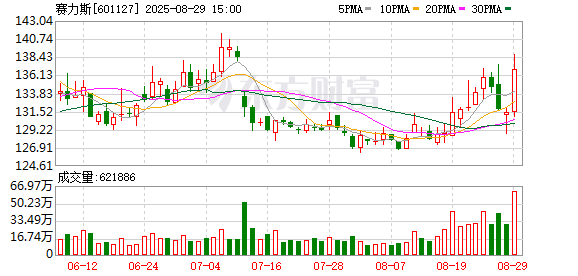
赛力斯上半年净利润29.41亿元增超八成 产品矩阵折射中国高端新能源汽车全维度进化
Zheng Quan Shi Bao Wang· 2025-08-30 02:07
Core Insights - Company reported a revenue of 62.402 billion yuan and a net profit of 2.941 billion yuan for the first half of 2025, marking a year-on-year growth of 81.03% in net profit [2] - Research and development investment reached 5.198 billion yuan, showing a significant increase of 154.9% year-on-year [6] - The company sold 172,108 electric vehicles in the first half of 2025, demonstrating strong market performance [2] Financial Performance - Revenue for the first half of 2025 was 62.402 billion yuan, with a net profit of 2.941 billion yuan, reflecting an 81.03% increase compared to the previous year [2] - R&D expenditure was 5.198 billion yuan, up 154.9% year-on-year, with R&D personnel increasing by 26.6% to 6,984, now constituting 36% of the total workforce [6][8] Product Development - The company launched several new models, including the AITO M8 pure electric version and plans for the M7, enhancing its product matrix to meet diverse consumer needs [6] - The AITO brand achieved over 750,000 cumulative deliveries by August 2025, with the M9 model leading the luxury market with over 220,000 deliveries [4] Market Position and Recognition - The company ranked 169th in the 2025 Fortune China 500 list, marking a significant rise of 235 places, and was recognized as the fastest-growing company in the ranking [9] - It also ranked 92nd in the TopBrand 2025 China Brand 500 list, with a brand value of 175.523 billion yuan, placing it among the top ten in the automotive sector [9] Strategic Initiatives - The company has established a "factory within a factory" model to enhance product integration and manufacturing efficiency [8] - It has also launched the first "zero-carbon smart logistics port" in the industry, setting a new standard for low-carbon logistics management in automotive manufacturing [8]


成都车展定调智驾战局 车企携新技术竞逐西南市场
Mei Ri Jing Ji Xin Wen· 2025-08-28 12:37
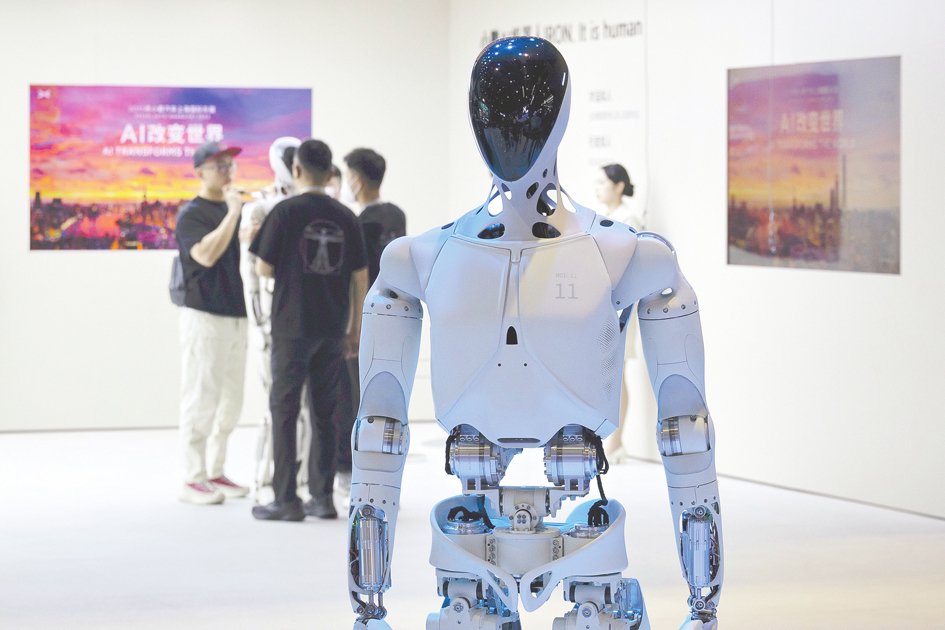
Group 1 - The Chengdu International Auto Show serves as a crucial platform for car manufacturers to boost sales and showcase new technologies, especially in the context of the upcoming peak sales season in September and October [1][3] - China's automotive industry is entering a new phase of intelligent competition, with the penetration rate of L2-level assisted driving exceeding 50%, positioning the country as a global leader in smart driving technology [3][4] - The auto show has evolved from merely a product display to a key platform for technology validation and commercialization, particularly for emerging car companies showcasing their latest intelligent technologies [3][4] Group 2 - In the first seven months of 2025, China's new energy vehicle production and sales reached 8.232 million and 8.22 million units, respectively, with new energy vehicles accounting for 45% of total new car sales [4] - In Sichuan province, car sales reached 544,000 units in the first half of the year, with Chengdu accounting for 300,000 units, representing 55% of the province's total sales [4] - Several car manufacturers, including Huawei and BYD, are actively launching new models and technologies at the Chengdu Auto Show, with Huawei's new model starting at 169,800 yuan, marking a significant price point for the brand [4][5] Group 3 - The show highlights advancements in intelligent cockpit technologies, with companies like Geely and Roewe showcasing their latest AI-driven systems, indicating a shift towards software-defined vehicles [6] - The introduction of humanoid robots and innovative battery technologies, such as CATL's sodium-ion battery, reflects the industry's transition towards more integrated and sustainable solutions [7] - Chengdu's automotive market is supported by a complete industrial chain, with numerous manufacturers and suppliers, and a robust policy framework promoting the development of intelligent connected vehicles [8][9] Group 4 - Chengdu has issued 56 licenses for intelligent connected vehicle road testing and demonstration applications, doubling the number from 2024, indicating a significant increase in the region's commitment to autonomous driving [9] - The Chengdu Auto Show's "Automotive Pioneer Forum" elevates discussions on industry strategies, focusing on how Chinese automotive companies can build sustainable technological barriers in global competition [9]

ST深耕中国四十年再出发:新能源汽车创新中心沪上启新篇
半导体芯闻· 2025-08-28 09:55
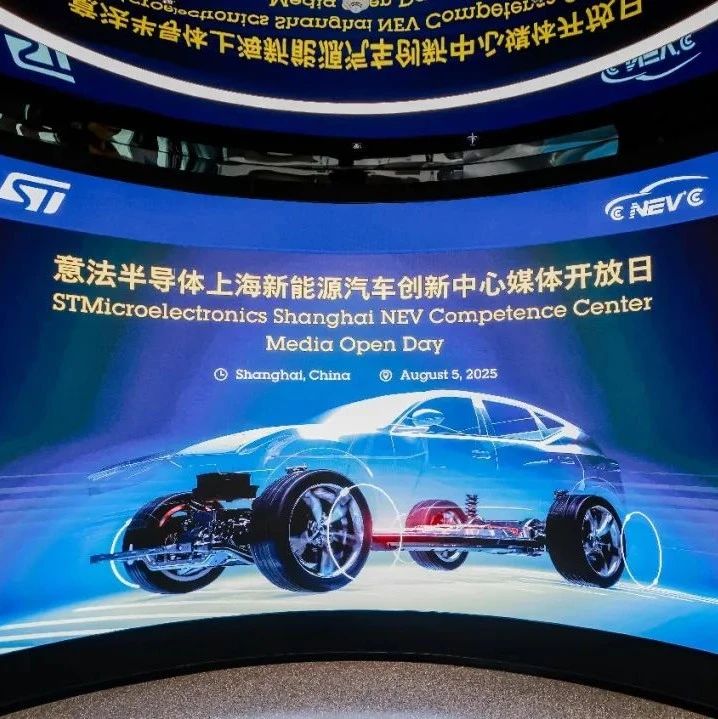
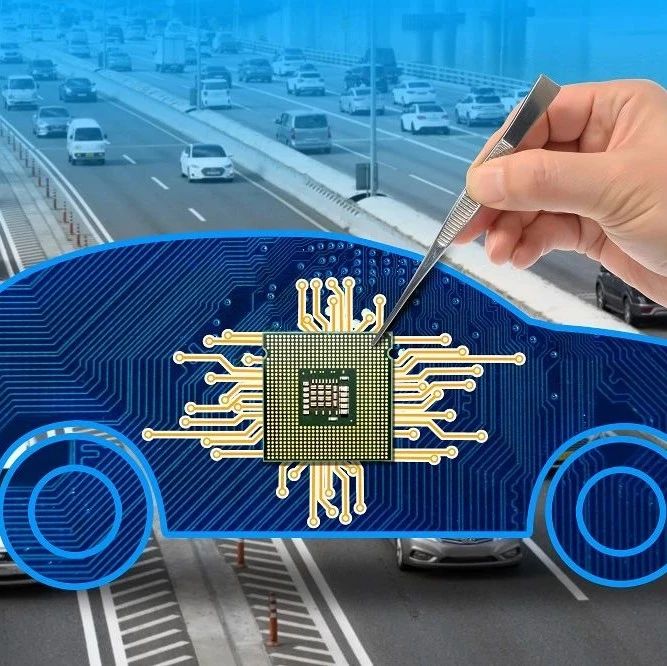
Core Viewpoint - The article highlights the rapid growth of the electric vehicle (EV) industry and the strategic localization efforts of STMicroelectronics in China to meet the evolving demands of the market [2][5][10]. Group 1: Localization Strategy - STMicroelectronics emphasizes its "In China, For China" localization strategy, which is not just a slogan but a comprehensive action plan to adapt to the Chinese market [7][39]. - The company is focusing on "China Design, China Innovation, and China Manufacturing" to create semiconductor solutions tailored for the local market [7][39]. - STMicroelectronics has established a complete localized supply chain for key products, including front-end wafer and back-end packaging and testing processes [7][12]. Group 2: Innovation Center - The newly opened Shanghai New Energy Vehicle Innovation Center is a significant step in STMicroelectronics' commitment to the EV sector, providing advanced technology and strong R&D capabilities [2][35]. - Since 2019, the center has launched 34 solutions covering electrification and digitalization, including chips for battery management systems and autonomous driving [37][39]. - The center aims to accelerate product launch times and provide localized support to Chinese customers, enhancing system architecture and cost optimization [39][41]. Group 3: Market Trends and Demand - The automotive industry is undergoing unprecedented changes, with semiconductor content in vehicles increasing from $300-400 to over $1,000 [14][18]. - The demand for semiconductors is driven by trends towards electrification, digitalization, and software-defined vehicles, with a focus on safety, environmental sustainability, and connectivity [18][20]. - STMicroelectronics is positioned as a top-three automotive semiconductor supplier, leveraging its technology and localized strategies to support the transformation of the Chinese automotive industry [18][20]. Group 4: Product Offerings - STMicroelectronics offers a range of advanced electrification solutions, including battery management, power converters, and vehicle control units, which are designed to be scalable and cost-effective [22][28]. - The company's automotive-grade MCU products are characterized by high performance, safety features, and advanced capabilities such as edge AI, which are essential for modern vehicle applications [25][29]. - The STi2Fuse electronic fuse product provides significant advantages over traditional fuses, including weight reduction and enhanced safety features, making it a key differentiator in the market [28][33].

HORIZONROBOT-W(09660) - 2025 Q2 - Earnings Call Transcript
2025-08-27 12:00
Financial Data and Key Metrics Changes - The total revenue for the first half of 2025 amounted to RMB 1.57 billion, representing an increase of 67.6% compared to the same period last year [21] - Revenue from automotive solutions surged by 67%, with product solutions revenue increasing by 250% to RMB 777.8 million [21][22] - The overall gross margin was 65.4%, maintaining a strong position compared to other automotive solution providers [22] Business Line Data and Key Metrics Changes - The company shipped approximately 2 million units of automotive-grade processing hardware, more than doubling year on year [10] - Shipments of mid to high-level intelligent driving solutions accounted for half of total shipments, with a sixfold increase compared to the same period last year [10][12] - The average selling price (ASP) of solutions increased by 70% compared to last year, driven by a higher mix of mid to high-end solutions [15] Market Data and Key Metrics Changes - The penetration rate of intelligent driver assistance in domestic brands rose from 51% in 2024 to 59% in 2025 [6] - The market share of the company in the ADAS basic assisted driving market was 45.8%, and 32.4% in the overall intelligent assisted driving computing solutions market among Chinese domestic brands [9] Company Strategy and Development Direction - The company aims to advance its position in the high-end intelligent driving market, focusing on the development of the Horizon SuperDrive (HSD) as a foundation for future robotaxi solutions [14][19] - Strategic investments in cloud services and R&D are expected to drive growth opportunities and enhance the company's competitive edge in the intelligent driving sector [15][63] - The company plans to expand its global footprint and deepen partnerships with leading international automakers [19] Management's Comments on Operating Environment and Future Outlook - Management expressed optimism about sustained growth potential in the intelligent driving market, driven by rising volumes and prices [6][12] - The company anticipates achieving shipments of around 4 million units in 2025, with a significant portion coming from mid to high-end solutions [32][42] - The management highlighted the importance of adhering to strict standards for L2 intelligent driving, which will benefit the entire ecosystem [56] Other Important Information - The company recorded an adjusted operating loss of RMB 1.1 billion, reflecting increased R&D investments [24][25] - Cumulative shipments of the Journey series processing hardware exceeded 10 million units, setting a new benchmark for the industry [17] Q&A Session Summary Question: Can management elaborate on major customers for mid to high-end products in the first half of this year? - Major customers included BYD and Auto Li, with both being early adopters of the company's solutions [30][31] Question: What is the outlook for revenue contribution from Journey 6E and Horizon SuperDrive? - The ASP for Journey 6P and HSD is expected to be significantly higher, contributing to future revenue growth [35] Question: Can management provide guidance for volume and ASP for the second half of this year? - The company expects continued growth in shipments and ASP, driven by new product launches and market penetration [40][45] Question: What are the details about global customers and their chosen solutions? - The company is working with global automotive groups and joint ventures, providing ADAS and new generation solutions [48][50] Question: Does the company anticipate actual deployments of robotaxi within this year? - The company plans to launch robotaxi technologies within the next three to five years, collaborating with operators to validate data [59] Question: What are the plans regarding R&D expenditure? - The company will continue to invest heavily in R&D, particularly for HSD, to capture structural transformations in the intelligent driving industry [63]
又一大厂宣布:进军汽车芯片
半导体芯闻· 2025-08-27 10:40
Core Viewpoint - Hyundai Mobis is making a significant move into the semiconductor and robotics sectors, aiming to accelerate innovation in electrification and software-defined vehicles (SDVs) [2][3] Group 1: Future Growth Strategy - The core focus of Hyundai Mobis's future growth strategy is to enhance its leading technological competitiveness, actively developing differentiated technologies to lead paradigm shifts and expand its global market presence [3] - The company plans to enter the next-generation in-car display market by developing the world's first windshield display technology using holographic optical films, with a prototype showcased at CES 2025 [3] Group 2: Software-Defined Vehicles (SDVs) - Hyundai Mobis is accelerating the development of key technologies for SDVs, which rely on software for all functionalities, emphasizing the importance of an integrated platform for precise control systems [4] - The company aims to complete the development of this integrated platform and vehicle demonstrations by 2028, targeting global commercialization [4] Group 3: Electrification and Battery Safety - Hyundai Mobis has accumulated substantial capabilities in electrification and plans to lead the market by developing solutions that address urgent customer experience pain points, such as battery safety [5] - The company is developing a battery system that prevents thermal transfer using fireproof materials and has created a system that automatically sprays extinguishing agents in case of battery fires [5] Group 4: Semiconductor Development - Hyundai Mobis is developing a total of 16 types of semiconductors, including those for airbags and motor control, with an expected production of 20 million units this year [6] - The company is focusing on building a domestic cooperative ecosystem connecting vehicles, foundries, and external partners to enhance its competitiveness in the automotive semiconductor sector [6] Group 5: Robotics Market Entry - Hyundai Mobis has announced plans to enter the actuator market for robotics, leveraging its long-term experience in automotive parts development [7] - The company aims to explore opportunities in sensors, controllers, and grippers, starting with actuators that control robot movements [7] Group 6: Financial Strategy and Shareholder Returns - Hyundai Mobis aims to improve its business structure centered on profitability, targeting an annual sales growth rate of over 8% by 2027 through optimizing high-value products [7] - The company plans to maintain its financial growth momentum, with a cash dividend policy consistent with last year and an increase in mid-term dividends from 1,000 KRW to 1,500 KRW [7]
阿里巴巴和上汽热捧!这家独角兽要IPO了!
Guo Ji Jin Rong Bao· 2025-08-27 07:53
Core Viewpoint - Alibaba Group plans to spin off its smart cockpit solution provider, Zhibo Network Technology Co., Ltd. (Zhibo Network), for an independent listing on the Hong Kong Stock Exchange, with a valuation reaching 22 billion yuan [1][8]. Industry Overview - The smart cockpit sector is on the verge of explosive growth, driven by supportive government policies, rapid growth in the passenger car market, improved chip performance, breakthroughs in large language models, and the continuous evolution of integrated AI solutions [4]. - Global smart vehicle sales are projected to grow from 58 million units in 2024 to 86.5 million units by 2030, with a compound annual growth rate (CAGR) of 6.9% [4]. - The Chinese smart cockpit solution market is expected to expand from 129 billion yuan in 2024 to 327.4 billion yuan by 2030, with a CAGR of 16.8% [4]. - The market for software-based cockpit solutions is anticipated to grow from 40.1 billion yuan in 2024 to 114.9 billion yuan by 2030, achieving a CAGR of 19.2% [4]. - The demand for personalized and intelligent in-car experiences is increasing, with the in-car service platform market projected to reach 14.7 billion yuan by 2030, growing at a CAGR of 64.8% from 2024 to 2030 [4]. Company Performance - Zhibo Network's revenue for 2022 to 2024 is reported as 805 million yuan, 872 million yuan, and 824 million yuan, respectively, with a slight decline in 2024 due to seasonal factors [5]. - The company has incurred net losses of 878 million yuan, 876 million yuan, and 847 million yuan over the same period, with losses narrowing each year [5]. - In Q1 2025, Zhibo Network reported a revenue of 136 million yuan, a year-on-year decline of 19.53% [5]. - The company has a cash outflow from operating activities, with net cash used of -585 million yuan, -417 million yuan, -487 million yuan, and -199 million yuan over the past four years [5]. Competitive Position - Zhibo Network is recognized as the largest software-centric smart cockpit solution provider in China based on 2024 revenue projections and ranks first in solution deployment [6]. - The company is one of only two third-party suppliers in China with a fully self-developed automotive operating system and offers a differentiated business model by integrating core components of smart vehicle experiences [6]. - Zhibo Network's deployment volume is expected to grow from 835,000 units in 2022 to 2,334,000 units in 2024, with a CAGR of 67.2% [6]. Financial Backing and Valuation - Zhibo Network has received significant financial backing, with cumulative financing exceeding 10 billion yuan since its establishment in 2015 [7]. - The latest financing round in September 2023 valued the company at approximately 22 billion yuan (around 3 billion USD) [7]. - The company's price-to-sales (P/S) ratio is approximately 26.7 times based on its valuation, significantly higher than competitors Desay SV and Huayang Group, which have P/S ratios of 3 and 3.8, respectively [8]. Key Partnerships - Alibaba and SAIC are not only shareholders but also the largest customers and suppliers of Zhibo Network [9]. - Zhibo Network's revenue from its top five customers consistently accounts for around 90% of total revenue, with SAIC contributing significantly [10]. - Alibaba holds approximately 44.72% of Zhibo Network's issued share capital and controls 40.17% of the voting rights [10]. Strategic Intent - Alibaba's announcement of the spin-off aims to better reflect Zhibo Network's value, enhance operational and financial transparency, and enable independent capital market financing [11].



林肯电动化战略向下:福特CEO称“平价EV才有意义”
Jing Ji Guan Cha Bao· 2025-08-27 02:00
为此,福特正在研发新一代制造工艺,以降低电动车生产成本。法利暗示,这一体系能够支撑林肯生产 价格更具竞争力的电动车。而在品牌差异化层面,他认为未来的竞争焦点不止是硬件,而是数字与物理 体验的结合。随着"软件定义汽车"的概念逐渐普及,车辆之间的功能趋同,如何在体验上做到"值得额 外付费",将成为林肯寻找市场位置的关键。 在传统豪华品牌电动化战略普遍激进的当下,林肯选择谨慎推进:一方面保留燃油和混动的安全选项, 另一方面在电动车市场有限探索。这样既避免全面转型带来的巨大成本与市场不确定性,又为品牌未来 可能的平价电动车预留了空间。 不过,法利也强调,如果林肯要在电动车市场进行尝试,平价化将是切入点。 法利直言:"我们不打算做一款平价的混动林肯,但一款平价的电动林肯,再配合夸张的车身颜色选择 和高度个性化的内饰,就很有意义。"在他看来,当下豪华与大众市场的界限正在模糊,差异化不再依 靠传统动力或配置,而在于能否创造独特的消费体验。 (原标题:林肯电动化战略向下:福特CEO称"平价EV才有意义") 2025年8月25日,美国蒙特雷汽车周期间,福特汽车公司首席执行官吉姆·法利(Jim Farley)在接受汽车 媒体 H ...
Stellantis(STLA.US)L3自动驾驶项目搁浅 高成本与市场疑虑迫使转向外包
智通财经网· 2025-08-26 13:17
Core Insights - Stellantis has suspended its first L3-level advanced driver assistance project due to high costs, technical challenges, and concerns about consumer acceptance [1] - The company previously announced that its AutoDrive system was ready and would be a key strategic pillar, allowing drivers to disengage and perform other tasks under certain conditions [1] - Stellantis confirmed that the L3 software will not be launched, but did not explicitly state that the project has been canceled [1] Group 1: Project Status and Challenges - The AutoDrive project has been frozen and is not expected to be deployed, despite Stellantis stating that the technology is ready for deployment [1][3] - Stellantis is relying on suppliers for software development, which indicates a shift from its initial goal of in-house development [3][4] - The company is focusing on internal resources to create differentiated end products while collaborating with selected suppliers to obtain competitive technology [3] Group 2: Industry Trends and Strategic Shifts - Traditional automakers are facing significant challenges in developing software-defined vehicles, including rising costs, talent shortages, and legacy system issues [2] - The automotive industry is witnessing a strategic shift where companies are reassessing the feasibility of independent development and the associated risks [4] - Stellantis aims to generate €20 billion (approximately $23.4 billion) in annual revenue from software-related products and subscription services by 2030 [5] Group 3: Future Outlook - Stellantis is under pressure to reduce costs following a year of declining sales, with new CEO Antonio Filosa expected to unveil a detailed strategy by early 2026 [5] - The company’s stock has dropped over 40% in the past 12 months, indicating market challenges [5] - Advanced driver assistance systems (ADAS) are seen as a precursor to fully autonomous vehicles, potentially opening up a trillion-dollar market for ride-hailing fleets and personal autonomous vehicles [5]

寻找汽车功能收费的“黄金分割点”
Huan Qiu Wang· 2025-08-26 12:10
Core Viewpoint - The automotive industry is transitioning from a traditional hardware sales model to a "hardware + service" continuous profit model, but faces challenges in balancing technological feasibility and user acceptance [2][3][9] Group 1: Subscription Model and Consumer Resistance - The recent news about a brand's subscription fee for four-wheel drive functionality has sparked significant online debate, echoing previous consumer backlash against subscription fees for comfort features like seat heating [2] - Consumers generally resist the idea of paying extra for features that they believe should be included in the initial purchase price, leading to a perception of "double charging" [4][5] - The lack of transparency regarding which features are free and which require additional payment exacerbates consumer frustration, as they feel misled during the purchasing process [5] Group 2: Business Logic Behind Paid Features - The shift to software-defined vehicles allows automakers to offer features through a subscription model, with companies like Tesla and domestic brands pre-installing hardware and unlocking features via software [3][8] - This model aims to achieve economies of scale and reduce hardware costs while providing consumers with the flexibility to upgrade features as needed [3] Group 3: Acceptable Charging Practices - Consumers are more accepting of paid features that provide clear and perceivable added value, such as continuously updated driver assistance systems, cloud-based entertainment services, and performance upgrades [7] - Certain features, particularly those related to safety and basic comfort, should not incur additional charges, as they are expected to be included in the vehicle purchase [7][9] Group 4: Ethical Considerations and Data Usage - The bundling of data access rights with feature unlocking raises ethical concerns, potentially leading to monopolistic practices that limit consumer choice and stifle industry innovation [7][8] - Establishing a standardized framework for feature charging could help mitigate confusion and promote fair practices across the industry [8] Group 5: Sustainable Charging Ecosystem - The industry must shift from a short-sighted "user harvesting" mentality to a long-term service ecosystem that benefits both consumers and manufacturers [8][9] - Successful charging models should focus on creating new value rather than simply monetizing existing features, as seen in Tesla's subscription services and NIO's battery rental model [8]
经纬恒润: 2025年半年度报告
Zheng Quan Zhi Xing· 2025-08-26 10:15
Core Views - The company reported a significant increase in revenue for the first half of 2025, with total revenue reaching approximately 2.91 billion RMB, a 43.48% increase compared to the same period in 2024 [4][5] - The net loss attributable to shareholders narrowed to approximately 86.96 million RMB, a reduction of 24.64 million RMB from the previous year, indicating improved financial performance [5][13] - The company continues to focus on electronic systems for the automotive and intelligent transportation sectors, providing a wide range of electronic products and solutions [8][10] Company Overview - Beijing Jingwei Hirain Technologies Co., Ltd. specializes in electronic systems, particularly for the automotive industry, and has established a comprehensive product matrix covering over 80% of automotive electronic components [9][10] - The company has set up four major production bases in China and Malaysia, enhancing its integrated supply chain capabilities [16] - The workforce consists of 6,681 employees, with 75% being R&D and technical personnel, reflecting a strong emphasis on innovation and technical expertise [17][18] Financial Performance - The total assets of the company as of June 30, 2025, were approximately 9.46 billion RMB, showing a slight increase of 0.58% from the end of the previous year [4] - The company’s R&D investment as a percentage of revenue decreased to 18.52%, down from 31.27% in the previous year, indicating a shift in financial strategy [4] - The basic earnings per share for the first half of 2025 were -0.77 RMB, an improvement from -2.88 RMB in the same period last year [4] Industry Context - The automotive market in China showed robust growth in the first half of 2025, with production and sales exceeding 15.6 million units, marking a year-on-year increase of 12.5% and 11.4% respectively [7][8] - The demand for new energy vehicles (NEVs) surged, with production and sales reaching approximately 6.97 million units, reflecting a growth of 41.4% and 40.3% year-on-year [7][8] - The industry is experiencing intensified competition, particularly in the NEV sector, as traditional fuel vehicle sales decline and consumer preferences shift towards advanced driving assistance systems and smart cockpit features [8][9]
