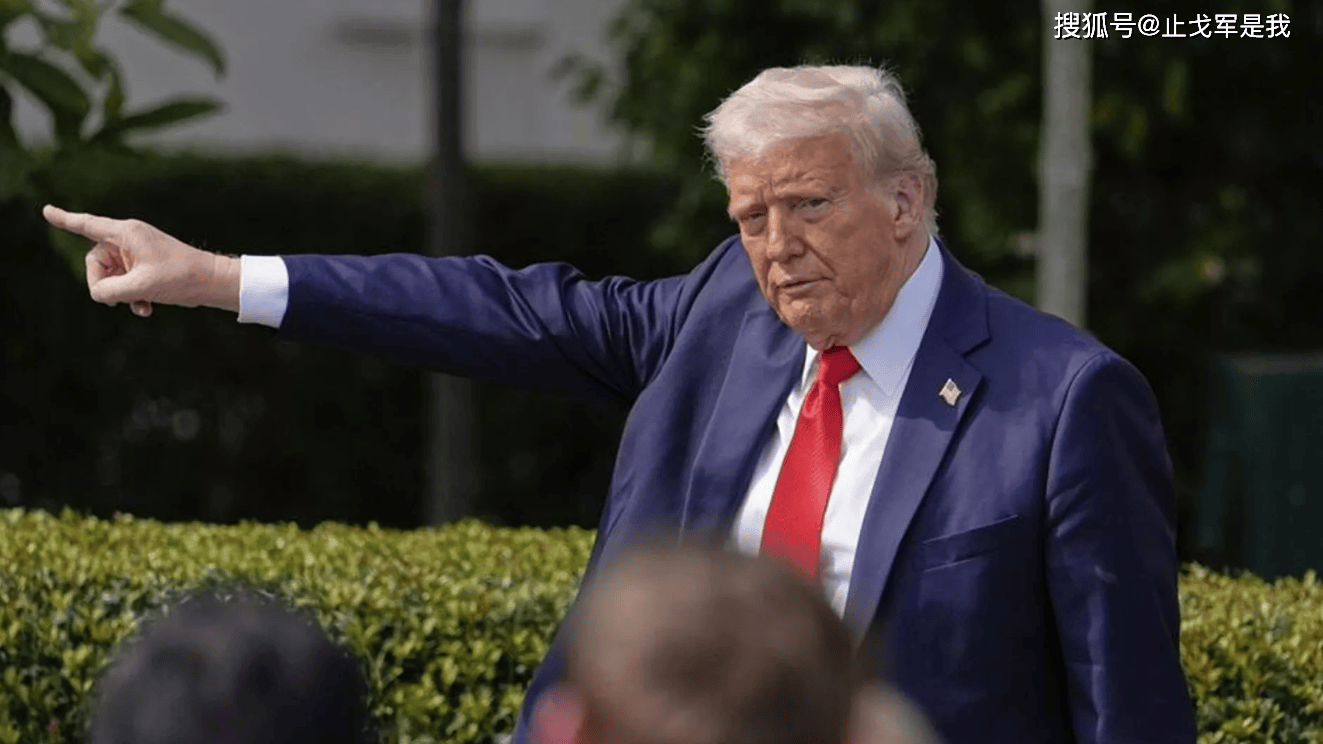
关税调整

Search documents
突发!关税大消息!
Zhong Guo Ji Jin Bao· 2025-10-29 12:05
Group 1 - The core agreement between South Korea and the United States involves a reduction of automotive tariffs to 15%, down from the previous 25% [2] - The investment plan includes a total of $350 billion, with $200 billion to be paid in installments and $150 billion allocated for shipbuilding [2] - South Korea will set an annual funding limit of $20 billion for investments in the U.S., with profits shared on a 50:50 basis before recovering initial investments [2] Group 2 - The meeting between South Korean President Lee Jae-myung and U.S. President Trump emphasized expanding economic cooperation centered around the shipbuilding industry [6] - Trump acknowledged the importance of the shipbuilding sector and expressed confidence in the U.S. returning to a leading position in global shipbuilding [6] - Lee requested the supply of nuclear submarine fuel from the U.S., clarifying that South Korea does not intend to build submarines equipped with nuclear weapons [6][7]
春风动力:子公司收到美国海关和边境保护局账单
Zheng Quan Shi Bao Wang· 2025-10-29 07:43
Core Viewpoint - The company, Spring Power (603129), announced that its wholly-owned subsidiary in the U.S., CFMOTO POWERSPORTS, INC. (CFP), received a notice from the U.S. Customs and Border Protection (CBP) regarding a classification adjustment for UZ products exported from its Chinese factory, which will require retroactive tax payments totaling $19.3287 million [1] Group 1 - The classification adjustment involves historical tariff payments for UZ products exported from the Chinese factory to the U.S. [1] - As of October 23, 2025, the total amount of related bills received by CFP is $19.3287 million [1] - The company is assessing the impact of these adjustments on its financial results for the year 2025, considering the uncertainty surrounding future tax bills and appeals [1] Group 2 - The company has effectively mitigated the cost pressure from U.S. tariffs by diversifying its production capacity through facilities in Thailand and Mexico [1] - As of September 2025, sales in the U.S. accounted for less than 30% of the company's total revenue, indicating reduced reliance on the U.S. market [1] - The classification adjustment is not expected to have a significant adverse impact on the company's future operations [1]

浙江恒威电池股份有限公司2025年第三季度报告
Shang Hai Zheng Quan Bao· 2025-10-28 22:11
Core Viewpoint - The company reported a significant decline in net profit and earnings per share due to external factors such as the US-China trade war and increased competition, alongside a reduction in export tax rebate rates [5]. Financial Performance - The net profit attributable to shareholders decreased by 29.79% year-on-year, while the net profit after deducting non-recurring gains and losses fell by 32.92% [5]. - Basic earnings per share dropped by 29.02% [5]. - The export tax rebate rate decreased from 13% to 9%, impacting overall profitability [5]. Shareholder Information - The company plans to repurchase shares using between 25 million and 50 million RMB, with a maximum price of 36.50 RMB per share [6]. - The repurchase period is set from February 23, 2024, to February 6, 2025, with a total of 1,091,800 shares repurchased, accounting for 1.08% of the total share capital [7]. Corporate Governance - The company has adjusted its organizational structure and board composition, eliminating the supervisory board and introducing a worker representative director position [9]. - The board now consists of 7 members, including 3 independent directors and 1 worker representative director [9]. Other Important Matters - The company has adjusted the maximum repurchase price to 36.20 RMB per share following a dividend distribution [6]. - The company has completed the cancellation of repurchased shares, reducing total share capital from 101,333,400 shares to 100,241,600 shares [8].

不加关税换稀土和购买大豆?美国财政部长披露部分谈判内容,靠谱吗?
Sou Hu Cai Jing· 2025-10-27 10:50
Core Insights - The fifth round of US-China trade negotiations has concluded, with representatives using macro-level statements and not disclosing specific details. However, US Treasury Secretary Mnuchin provided some insights into the discussions, particularly regarding trade with Malaysia [1][3]. Group 1: Tariff Adjustments - The US has abandoned plans to impose an additional 100% tariff on Chinese goods, which raises questions about whether this refers to all tariffs since 2018 or just the recent threats made by Trump. The current average tariff on Chinese goods is around 50% [3]. - The 10% reciprocal tariff is expected to remain in place, indicating a continuation of certain trade measures [3]. Group 2: Rare Earth Export Controls - Mnuchin expressed belief that the implementation of new rare earth export controls will be postponed for a year, although this statement carries subjective interpretations. The final decision is pending confirmation after a meeting between the two countries' leaders [5]. - The postponement may only apply to new measures introduced after the National Day holiday, as China's rare earth export controls are multi-layered and responsive to US tariff actions [5]. Group 3: Agricultural Trade - Mnuchin hinted that China is likely to purchase US soybeans, suggesting that American farmers will be satisfied with the upcoming season and future years. However, this remains an implication rather than a firm commitment, reflecting uncertainty about the actual scale of purchases [7]. - The outcomes of the negotiations, including agricultural trade, are still uncertain and require confirmation from both leaders, especially given Trump's unpredictable nature [7]. Group 4: Future Meetings and Negotiation Outcomes - The results of the current negotiations are transitional, with a final framework expected to be clarified during the upcoming APEC meeting between the two leaders. This meeting is seen as a critical juncture for validating Mnuchin's earlier statements [9]. - Key topics of the negotiations include tariff adjustments, rare earth control postponements, and agricultural procurement, with preliminary agreements possibly formed but requiring further legal and procedural processing [9].

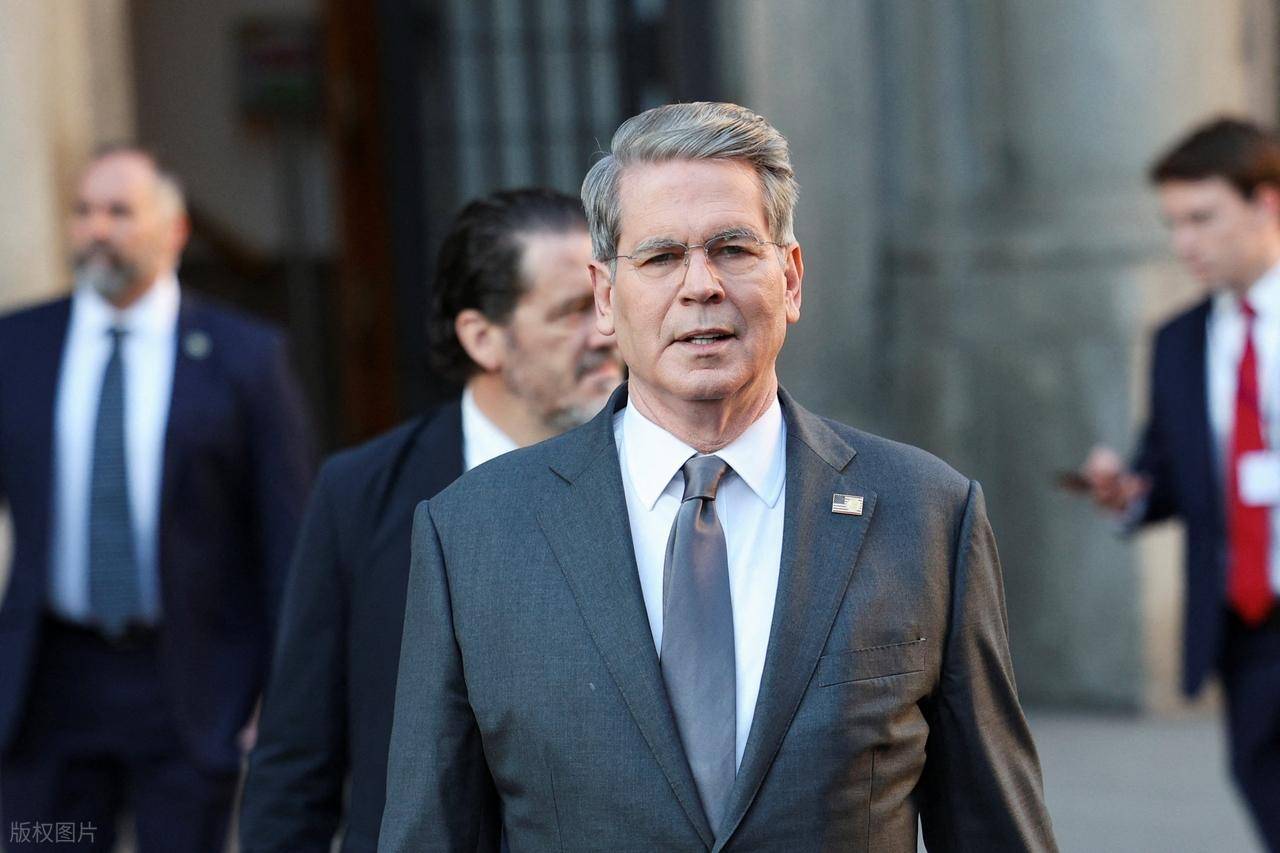
特朗普将至,“这一次,韩国可能要含泪达成协议”
Sou Hu Cai Jing· 2025-10-27 00:44
Core Viewpoint - The U.S. and South Korea are reportedly close to finalizing a trade agreement, which could significantly impact the South Korean economy, currently facing uncertainty [1][5]. Group 1: Trade Agreement Details - The trade agreement centers around a $350 billion investment fund from South Korea to the U.S., which is a prerequisite for reducing U.S. tariffs on South Korean goods from 25% to 15% [2][5]. - There are significant disagreements on the structure of the investment, with the U.S. insisting on full cash investment while South Korea prefers a combination of direct investment, loans, and guarantees [5][7]. - The potential investment amount has increased from 487 trillion KRW to 504 trillion KRW due to fluctuations in the exchange rate, with the current rate nearing 1440 KRW per USD [6]. Group 2: Economic Implications - Experts suggest that if the negotiations fail, it would result in a loss of political capital for Trump and greater uncertainty for South Korea, emphasizing the need for a compromise that includes both cash and loan guarantees [9]. - The South Korean economy is under pressure, with concerns that even a partial cash investment could exceed 20 trillion KRW annually, potentially diverting domestic investment resources and impacting employment [11]. - The ongoing uncertainty in trade negotiations has led to volatility in the South Korean foreign exchange market, reflecting broader economic concerns [6][11]. Group 3: Future Risks - Even if an agreement is reached, there remains a risk of the U.S. imposing additional tariffs on specific categories, particularly in the semiconductor sector, which could severely impact South Korean exports [12][13]. - The U.S. has already imposed a 50% tariff on all imported steel and aluminum, with South Korea's steel exports to the U.S. dropping by 26% year-on-year [13]. - The potential for a 100% tariff on semiconductors is under investigation, raising concerns about the stability of future trade relations [14].
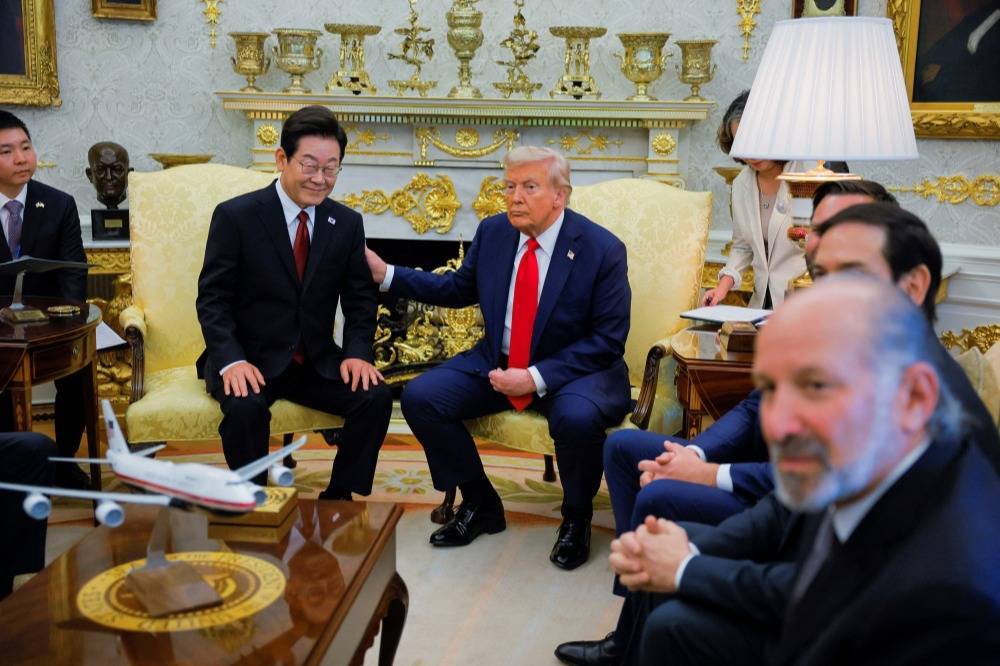
特朗普,关税大消息!
中国基金报· 2025-10-26 16:05
Group 1 - The United States signed a series of trade agreements with four Southeast Asian countries, including Malaysia, Cambodia, and Thailand, focusing on tariffs and key minerals [1] - The agreements maintain a 19% tariff rate on exports to Malaysia and Cambodia, with some products gradually reducing to zero tariffs, while Vietnam currently faces a 20% tariff [1] - Vietnam has committed to significantly increasing its purchases of American products to reduce the trade surplus, which reached $123 billion last year [1] Group 2 - Thailand agreed to eliminate tariffs on approximately 99% of goods and relax foreign ownership restrictions in its telecommunications sector [2] - Malaysia will simplify regulations for American cosmetics and pharmaceuticals, and has secured tariff exemptions for aerospace equipment and commodities like palm oil and cocoa [2] - Thailand committed to purchasing 80 American aircraft worth $18.8 billion and will buy around $5.4 billion in energy products annually, including LNG and crude oil [2]

前沿观察 | 印度弃购俄罗斯石油?野村:美国可降关税来抵消其影响
Sou Hu Cai Jing· 2025-10-25 14:00
Core Viewpoint - India is reducing its imports of discounted Russian crude oil, and a potential reduction in U.S. tariffs could significantly offset the impact of this decision [3] Group 1: Trade Relations and Tariffs - Nomura Holdings suggests that if the U.S. lowers tariffs, it could help restore India's competitiveness in labor-intensive exports [3] - Economists predict that the punitive 25% tariff on Russian oil imports may be lifted after November, while a reciprocal 25% tariff will remain until the end of the fiscal year in March [3] Group 2: Oil Import Dynamics - India has imported approximately 1.8 million barrels of crude oil per day from Russia this year, accounting for 36% of its total crude imports [4] - Major Indian refiners have indicated that their imports of Russian oil will drop to nearly zero due to U.S. sanctions on Russian oil companies [3][4] Group 3: Economic Impact - The direct impact of India's reduced Russian oil imports is estimated to account for about 0.04% of its GDP [3] - The Reserve Bank of India estimates that a 10% increase in oil import costs could raise inflation by approximately 30 basis points and reduce economic growth by about 15 basis points [4]

晶苑国际涨超3% 关税影响重塑美服装采购格局 公司将在越南进一步预留产能增长空间
Zhi Tong Cai Jing· 2025-10-22 04:41
Core Viewpoint - The stock of Crystal International (02232) has seen an increase of over 3%, currently trading at 6.81 HKD with a transaction volume of 10.6 million HKD, driven by favorable market conditions and strategic adjustments in response to tariff changes [1] Group 1: Market Conditions - Starting from August 12, 2025, the U.S. and China will again suspend the implementation of a 24% tariff for 90 days, which is expected to create a customer dividend resonance period for manufacturing companies like Crystal International [1] - Tianfeng Securities indicates that the ongoing impact of tariffs has reshaped the procurement landscape of the U.S. apparel industry, with brand clients leaning towards low-cost alternatives to mitigate the burden of high tariffs [1] - This trend may intensify due to signs of economic weakness in the U.S. [1] Group 2: Company Strategy - In response to market conditions, Crystal International aims to prioritize growth opportunities in Europe and Asia [1] - Vietnam serves as the cornerstone of the company's global production network, accounting for over 60% of total output, and the company plans to reserve capacity for growth while modernizing its factories and building a local vertical supply chain [1] - The company is also actively evaluating the feasibility of establishing new production bases in regions surrounding Europe to shorten transportation times and enhance its capabilities in the European market [1]
帮主郑重解读:美股三大股指齐涨超1%,苹果创新高的背后,中长线该看啥?
Sou Hu Cai Jing· 2025-10-20 23:46
Core Points - The recent surge in U.S. stock indices, particularly in technology stocks, is attributed to the potential resolution of the government shutdown and tariff exemptions announced by the Trump administration [3][4] - Apple Inc. saw a significant increase in its stock price, driven by a rating upgrade from Loop Capital and strong sales data for the iPhone 17, which outperformed the iPhone 16 by 14% in the first ten days of its launch [3][4] Group 1: Market Drivers - The U.S. government shutdown has lasted for 20 days, but there are indications that a resolution may be reached soon, which reduces policy uncertainty and encourages market activity [3] - The Trump administration has exempted numerous imported goods from tariffs, with expectations of further exemptions, which is seen as a strategy to alleviate economic pressure [3] - The recent shift in sentiment regarding U.S.-China trade tensions, including potential high-level meetings, has positively impacted market confidence [3] Group 2: Company Performance - Apple’s stock rose by 3.94% following a rating upgrade from "Hold" to "Buy" by Loop Capital, alongside strong consumer demand for the iPhone 17 [3] - Counterpoint Research reported that iPhone 17 sales in the first ten days exceeded those of the iPhone 16 by 14%, indicating robust consumer interest [3] Group 3: Upcoming Indicators - Key upcoming events include earnings reports from major companies such as Netflix, Coca-Cola, Tesla, and Intel, which will provide insights into the consumer and technology sectors [4] - The release of the September CPI data is critical, as it will influence expectations regarding a potential interest rate cut by the Federal Reserve [4] Group 4: Market Sentiment - The VIX index, a measure of market volatility, has decreased from over 28 points to around 20, indicating a recovery in market sentiment [5] - Despite the recent rebound, caution is advised due to ongoing risks, such as the credit issues faced by regional banks [5]


特朗普顶不住了!将降对华关税,以此换取稀土和恢复采购美国大豆
Sou Hu Cai Jing· 2025-10-20 16:20
Group 1 - The U.S. President Trump indicated a potential reduction in tariffs on Chinese goods while seeking changes in China's stance on rare earth metals and the resumption of U.S. soybean purchases [1] - Starting November 1, the U.S. will impose a 100% tariff on products from China, which could significantly impact the U.S. military-industrial complex due to reliance on rare earth metals [3] - China has ceased importing soybeans from the U.S. since September, marking the first time in seven years that imports have dropped to zero, which poses a significant threat to American soybean farmers [3] Group 2 - The imposition of tariffs by Trump appears to lack prior effect assessment, and while other countries may hesitate to retaliate, China possesses the capability to respond effectively [3] - The situation could lead to a substantial political impact for Trump, especially with upcoming midterm elections, as the loss of soybean exports could alienate Republican voters [3]