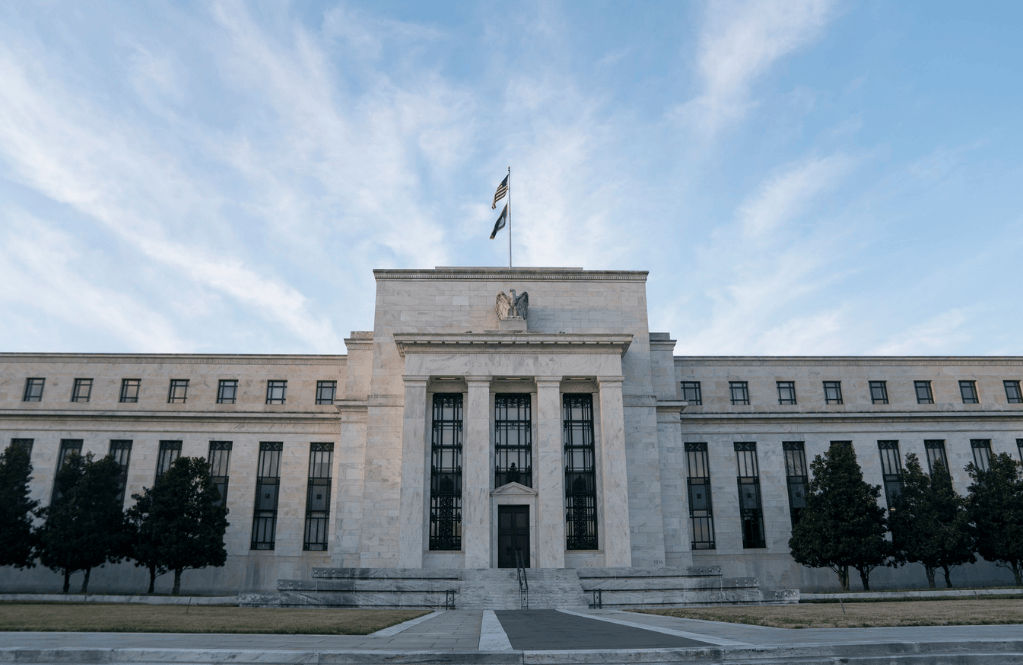
美元信用

Search documents
债台高筑 美债、美元陷入“死亡双螺旋”
Qi Huo Ri Bao Wang· 2025-08-15 00:45
Group 1 - The total amount of US national debt has surpassed $37 trillion, indicating a significant increase in debt levels and suggesting that future growth is likely [1] - The ratio of US debt to GDP is projected to be 126.8% in 2024, raising concerns about potential debt crises, although the US has unique advantages compared to Greece due to its ability to print its own currency [1][2] - The US has two main strategies to manage its debt: selling bonds to foreign central banks and investors, and printing more dollars, which could lead to inflation [1][2] Group 2 - The accumulation of US debt is not without risks, as the credibility of the dollar is crucial for maintaining investor confidence [2] - The Federal Reserve's actions, such as interest rate hikes, are intended to support the dollar's credibility but may inadvertently accelerate debt accumulation [3] - The US government's inability to reduce spending and the rising interest on debt are contributing to the increasing debt burden [3] Group 3 - The Trump administration's policies have weakened the foundations of dollar credibility, impacting the US's global influence and economic stability [4][5] - Trade policies aimed at reducing deficits may undermine the dollar's status as the world's reserve currency, leading to potential challenges in selling US debt [5][6] - The rise of alternative currencies and assets, such as digital currencies and gold, poses a challenge to the dollar's dominance [6][7] Group 4 - The current strategy of the US to address its debt issues involves leveraging its position to pressure other countries, potentially leading to a loss of confidence in the dollar [8][9] - Central banks are encouraged to adapt to the changing environment by diversifying their reserves away from US debt and dollars into other valuable assets [9]
兴业期货日度策略-20250812
Xing Ye Qi Huo· 2025-08-12 10:53
1. Report Industry Investment Rating - No specific industry investment rating was provided in the report. 2. Core Viewpoints of the Report - In the financial futures market, the market sentiment is positive, and the profit - making effect persists. The long position in the CSI 300 Index IF2509 can be held. In the commodity futures market, lithium carbonate and polysilicon are likely to rise in the short term[1]. - The stock index may continue to fluctuate upward in August under the influence of policy support, the recovery of corporate earnings from the bottom, and abundant liquidity. The bond market is in a volatile pattern with potential upward pressure and significant long - term risks[1]. - Gold prices have strong support, and silver maintains a long - position pattern. Copper, aluminum, nickel, and other non - ferrous metals are in a volatile pattern. Lithium carbonate is bullish, and polysilicon has support at the bottom[1][4][5][6]. - Steel products such as rebar, hot - rolled coils, and iron ore are in a volatile pattern. Coke and coking coal are cautiously bullish. Soda ash and float glass are in a volatile pattern[5][6][7]. - Crude oil is in a short - term bearish pattern. Methanol, polyolefin are in a volatile pattern. Cotton is in a bearish pattern, and rubber is cautiously bullish[9]. 3. Summary by Relevant Catalogs 3.1 Financial Futures 3.1.1 Stock Index - The market sentiment is positive, with the ChiNext Index leading the rise on Monday. The trading volume of the Shanghai and Shenzhen stock markets expanded to 1.85 trillion yuan. Industries such as computers, communications, and electronics led the gains, while the banking, petrochemical, and coal sectors declined slightly. The stock index futures rose with the spot market, and the basis discount of each contract was repaired. With policy support, the recovery of corporate earnings from the bottom, and abundant liquidity, the stock index may continue to fluctuate upward in August. It is advisable to hold a long - position mindset and pay attention to the progress of Sino - US trade negotiations and the effect of anti - involution policies[1]. 3.1.2 Treasury Bond - The bond market sentiment is weak, and the long - end pressure continues. The inflation performance is average, the real estate expectation has improved, and the anti - involution expectation persists. The overseas trade relationship is still volatile, and there is uncertainty. The central bank has a net withdrawal in the open market, and the cost of funds has slightly recovered but remains at a low level. The bond market has support under the liquidity support, but the potential positive factors are limited, and the negative factors are increasing. The market sentiment is fragile, and the valuation is high, so there is still pressure above the bond futures, especially for long - term bonds[1]. 3.2 Commodity Futures 3.2.1 Precious Metals - Gold prices are supported by factors such as the risk of stagflation in the United States, interest - rate cut expectations, the debt cycle, and the US dollar credit. Although the gold price encountered resistance and pulled back when testing the pressure level again, the support below is still strong. The gold - silver ratio still has room for repair, and the long - position pattern of silver is clear. It is recommended to continue holding the short - position of out - of - the - money put options on the 10 - contract of gold and silver, and patiently hold the long - position of silver[4]. 3.2.2 Non - Ferrous Metals - **Copper**: The copper price is affected by factors such as general inflation performance, improved real estate expectations, and volatile overseas trade relations. The Fed's interest - rate cut expectation is strong, but the inflation impact persists, and the US dollar index has risen slightly. The supply and demand situation is complex, with some copper mines in Chile resuming production while others near the accident site remaining closed. The domestic demand in the peak season has optimistic expectations, but the US copper import demand may be weak. The copper price may continue to fluctuate[4]. - **Aluminum and Related Products**: The macro - environment is similar to that of copper. The alumina supply is expected to be in surplus, and the inventory of Shanghai aluminum is accumulating, but the seasonal pressure may gradually decrease. The supply increase is limited due to capacity constraints. The aluminum alloy is in a situation of weak supply and demand, and the price is expected to be in a volatile range[4]. - **Nickel**: The supply of nickel ore is relatively abundant, the price of nickel iron has strengthened slightly, the intermediate product capacity is still sufficient, and the refined nickel is in a clear surplus with high inventory. Affected by positive factors such as the Fed's interest - rate cut expectation, the extension of the Sino - US tariff truce, and the promotion of anti - involution policies, the nickel price has rebounded from a low level, but the surplus fundamentals limit the upside. It is expected to continue to fluctuate in the short term, and the short - option strategy is relatively advantageous[6]. 3.2.3 Energy and Chemicals - **Lithium Carbonate**: The shutdown of the Jiaxiaowo Mine has boosted market sentiment, and the lithium price is likely to rise in the short term. However, the probability of all 7 lithium - related mines in Yichun shutting down is low, and the high - price lithium salt has stimulated the production enthusiasm of the smelting sector, leading to the accumulation of inventory. Attention should be paid to the impact of the shutdown cycle of the Jiaxiaowo Mine on market expectations[6]. - **Silicon - related Products**: The supply of industrial silicon has recovered, and the supply and demand of polysilicon are relatively balanced in the short term. The price of polysilicon has been pushed up by downstream replenishment inquiries, and the market has support at the bottom[6]. - **Crude Oil**: Geopolitical factors such as the US sanctions on India for importing Russian oil and China's reduction in Saudi crude oil purchases have affected the market. The market's expectation of oil prices has further cooled, and the oil price is likely to be weak in the short term under the background of increasing supply[9]. - **Methanol**: The supply pressure in coastal areas is increasing, with the expected increase in imports in August and September. If the coastal methanol can flow inland, the supply pressure will be relieved, and the futures price is expected not to fall below 2300 yuan/ton. The price will rise again as the import volume decreases in the fourth quarter[9]. - **Polyolefin**: The suspension of Sino - US tariffs may be extended, which is beneficial to the market sentiment. However, the supply is expected to be loose with the restart of some maintenance devices and the launch of new devices, which limits the significant rise of prices[9]. 3.2.4 Steel and Minerals - **Rebar**: The spot price of rebar is strong, but the marginal pressure has emerged. The anti - involution long - term logic still holds. The support of coking coal prices and the high enthusiasm of blast - furnace production support the steel - making cost. The rebar futures price is expected to run in the range of [3150, 3300]. It is recommended to hold the short - position of out - of - the - money put options on RB2510P3000 and consider the arbitrage opportunity of going long on 01 iron ore/coking coal and shorting 01 rebar[5][6][7]. - **Hot - Rolled Coils**: The spot price of hot - rolled coils is strong, but the marginal pressure has emerged. The anti - involution long - term logic still holds. After the end of the phased environmental protection restrictions, the steel mills will actively resume production, which is conducive to supporting the price of furnace materials and the steel - making cost. The hot - rolled coil futures price is expected to run in the range of [3350, 3500]. It is recommended to wait for the further accumulation of fundamental contradictions or the clarification of policy, and consider the arbitrage opportunity of going long on 01 iron ore/coking coal and shorting 01 hot - rolled coils[5][6][7]. - **Iron Ore**: The supply - demand structure of imported iron ore has weakened marginally, but the current steel mills' profits are good. Once the phased environmental protection restrictions end, the steel mills will increase production, which will support the demand for iron ore. The price of the 01 - contract of iron ore is expected to be volatile and slightly stronger in the short term. It is recommended to participate in the arbitrage opportunity of going long on iron ore and shorting rebar in the 01 - contract[7]. 3.2.5 Coke and Coking Coal - **Coking Coal**: The self - inspection of coal mine production by the Energy Bureau will last until August 15, and there is an expectation of production suspension for over - producing mines. The supply of raw coal is expected to be tightened, which supports the coal price. However, the enthusiasm for pithead auction quotes has weakened marginally, and there is a risk of short - term over - rise in the expectation - driven market[7]. - **Coke**: The spot price of coke has increased for the sixth time, and the coking profit has continued to repair. However, most coking enterprises are still at the break - even point, and the enthusiasm for further increasing production is limited. The in - furnace demand for coke still has support, but there is an expectation of production restrictions in the Beijing - Tianjin - Hebei region in the middle and late of this month, and the spot market may stabilize[7]. 3.2.6 Soda Ash and Float Glass - **Soda Ash**: The fundamental driving force is downward, with the daily production of soda ash rising to 108,500 tons, and the demand being weaker than the supply. The alkali plant's inventory has continued to accumulate. However, the anti - involution long - term logic still holds, and the short - term price decline has slowed down. It is recommended to exit the short - position of the 09 - contract opportunistically[7]. - **Float Glass**: The rigid demand for glass has not improved significantly, and the speculative demand is weak. The production - sales ratio of float glass in four major regions has been below 100% since August, and the glass factory is expected to continue to accumulate inventory. However, the anti - involution long - term logic still holds, and there is an expectation of policy support. It is recommended to exit the short - position of the 9 - contract opportunistically and be relatively optimistic about the 01 - contract[7]. 3.2.7 Agricultural Products - **Cotton**: The new cotton in the main producing areas is growing well, and the probability of a bumper harvest has increased. However, the downstream replenishment is cautious, and the market expectation is pessimistic. Whether the开机率 can return to a high level in the peak season from September to October remains to be seen. The cotton price is in a weak trend[9]. - **Rubber**: The inventory in Qingdao bonded areas and general trade has decreased rapidly, the tire enterprises' production is active, and the terminal automobile market consumption is stimulated by policies. The demand expectation is turning positive. Although the main producing countries are in the traditional production - increasing season, the raw material output rate is lower than expected, and the natural rubber fundamentals are continuously improving. The rubber price is expected to maintain a volatile rebound pattern this week[9].
美联储大变动!理事辞职腾出关键席位
Sou Hu Cai Jing· 2025-08-02 07:20
Core Viewpoint - The resignation of Federal Reserve Governor Adriana Kugler marks a significant shift in the power dynamics of the Federal Reserve, raising concerns about the independence of monetary policy and the potential influence of political figures like former President Trump [1][3][6]. Group 1: Resignation Impact - Kugler's departure is not merely a technical personnel change; it has profound political implications, especially as she represented a balance between employment and inflation policies [3][6]. - Her exit opens a pathway for Trump to redefine the Federal Reserve, as he has openly challenged the independence of the institution and called for the resignation of Fed Chair Jerome Powell [3][4]. Group 2: Political Pressure on the Fed - Trump's rhetoric suggests a desire to politicize the Fed's decision-making process, which could undermine the institution's credibility and its ability to maintain market neutrality [6][8]. - The potential for a "Trump-style board" to take control raises concerns about the future of U.S. monetary policy and its independence from presidential influence [8]. Group 3: Global Implications - The perception of the Federal Reserve as an independent entity is eroding, with global markets increasingly viewing it as susceptible to political manipulation [8]. - The ongoing interest rate hikes have already triggered debt crises in several countries, and further politicization could further destabilize the dollar's credibility [8].


机构:美元信用或持续下降 金价具有上行空间
Sou Hu Cai Jing· 2025-08-01 01:28
德邦证券认为,今年以来,黄金价格持续走高,带动了金银比的持续上行,年内金银比最高已达100以 上,随着近期黄金价格开始震荡,白银的价格逐步开始提升以修复金银比,截至2025年7月25日,金银 比已经回落至86.13,但相对2024年均值仍有一定空间,同时在国际形势不稳定的宏观背景下,对黄金 持续看好,同时美元全球地位逐步动摇的长期逻辑正在加速落地,有望对金价带来持久的推动,金价上 行也将持续拉高金银比,持续推动银价上行。 世界黄金协会7月31日发布的2025年二季度《全球黄金需求趋势报告》显示,在高金价环境下,二季度 全球黄金需求总量(包含场外交易)达1249吨,同比增长3%。黄金ETF投资仍是推高黄金总需求的关 键驱动力,二季度流入量达170吨。上半年全球黄金ETF需求总量达397吨,创下自2020年以来的最高上 半年纪录。 国泰海通证券认为,美国6月失业率也下行至4.1%,低于预期与前值,叠加近期美国对欧盟、墨西哥等 关税政策又有反复,整体通胀预期端难以出现大幅下行,预计将对金价形成一定支撑。另外,近期特朗 普多次表态希望"美联储降息",而且美联储多位官员对降息的态度已经松动,目前市场预期9月降息重 启的 ...
特朗普逼宫鲍威尔,装修大楼你贪了多少钱?再不降息就让你离开
Sou Hu Cai Jing· 2025-07-26 03:01
Core Points - Trump is pressuring the Federal Reserve to lower interest rates, citing the heavy burden of national debt interest payments, which amount to $1.2 trillion annually [1][3] - The current interest rate of 4.5% could be reduced to 1%, potentially saving the government around $1 trillion each year, which could help address the fiscal deficit caused by Trump's policies [1] - Powell is cautious about lowering rates due to the current core inflation rate of 2.8% and rising oil prices due to geopolitical tensions [1][3] Group 1 - Trump criticized the Federal Reserve's renovation budget, which escalated from an initial $1.9 billion to $2.5 billion, labeling it as a waste of taxpayer money [3] - He has employed a strategy of public criticism followed by calls for investigation, reminiscent of his past political tactics [3] - Powell's position is legally protected, as the President cannot remove the Fed Chair without evidence of misconduct, and Powell's term lasts until 2028 [5] Group 2 - Wall Street supports Powell, with JPMorgan's CEO stating that attacking him undermines market confidence, and Goldman Sachs warning of potential market volatility if Trump's policies are enforced [5] - The Treasury Secretary publicly supports Trump but is privately exploring potential successors for Powell, indicating internal tensions [5] - Recent documents suggest a 78% probability of a rate cut in September, indicating a subtle shift in Powell's policy stance despite his public resistance [5] Group 3 - Historical parallels are drawn to Nixon's pressure on the Fed, which led to significant inflation, highlighting the risks of politicizing monetary policy [7] - Concerns are raised about the integrity of the U.S. financial system if the Fed is treated as a political tool, with recent actions by other countries signaling a lack of confidence in U.S. debt [7] - Global investors are closely monitoring the situation, questioning whether the U.S. will risk its financial system for personal political agendas [9]
刚刚,金价再次突然拉升
21世纪经济报道· 2025-07-22 15:26
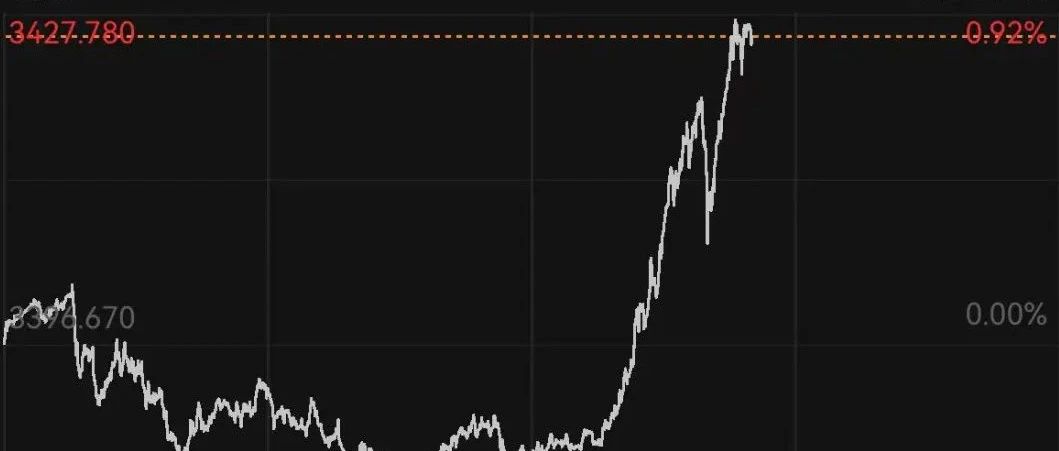
Core Viewpoint - The recent surge in gold prices is a systematic response to global macroeconomic uncertainties rather than a short-term fluctuation, driven by factors such as trade rule ambiguity and a weakening of the dollar's dominance [5][9][14]. Group 1: Gold Price Dynamics - As of July 22, 2023, spot gold prices reached $3425.75 per ounce, marking a 0.86% increase, while COMEX futures rose nearly 1% to $3439 per ounce [1][2]. - The price increase is attributed to expectations of failed trade negotiations between the US and Europe, alongside a broader disappointment with the dollar's dominant order [5][6]. - The demand for gold is shifting from being a commodity to a form of institutional protection, reflecting a change in its pricing logic [10][14]. Group 2: Central Bank Behavior - Central banks are increasingly diversifying their reserves by increasing gold holdings, with a notable rise in demand from countries like China, Turkey, Poland, and India [10][11]. - The global central bank gold purchasing trend has significantly outpaced overall demand growth, with central bank purchases increasing by 621.7 tons compared to a total demand increase of 115.2 tons [10][11]. - The current low levels of gold reserves in emerging market central banks indicate substantial room for future increases in gold holdings [11]. Group 3: Long-term Outlook - Analysts predict that gold prices could reach $3700 per ounce by the end of 2025 and $4000 per ounce by mid-2026, driven by structural demand from central banks [13]. - The ongoing decline in trust among nations is expected to lead to a long-term restructuring of the global economic and monetary system, further supporting gold's appeal as a safe asset [15][16]. - The transition of gold from an inflation hedge to a systemic protection asset reflects a broader reassessment of global credit and sovereign security [18].
金价攻破3400美元关口,能否迈进“黄金时代”?
2 1 Shi Ji Jing Ji Bao Dao· 2025-07-22 13:03
Core Viewpoint - The recent surge in gold prices, surpassing $3,400 per ounce, is attributed to rising uncertainty in global trade and the weakening of the US dollar and bond yields, leading to increased safe-haven demand for gold [1][2]. Group 1: Market Dynamics - Gold's price increase is seen as a systematic response to global macroeconomic instability rather than a temporary fluctuation, with expectations of failed US-EU trade negotiations acting as a micro trigger [2][4]. - The Federal Reserve's potential changes and speculation about its restructuring are contributing to market uncertainty, which is favorable for gold [2][3]. - The demand for gold is shifting from being primarily driven by the US dollar's fundamentals to being influenced by global economic differentiation and trust issues among countries [2][4]. Group 2: Central Bank Behavior - Central banks are increasingly purchasing gold as a proactive response to the instability of foreign currencies, with significant growth in gold demand from central banks, particularly in emerging markets [5][6]. - The global central bank gold purchasing trend is expected to continue, with many central banks still having low gold reserves relative to their foreign exchange reserves, indicating room for growth [5][6]. - The structural demand for gold from central banks is seen as a long-term trend, with the current low allocation of gold in reserves suggesting substantial future increases [6][8]. Group 3: Future Projections - Analysts predict that gold prices could reach between $3,600 and $4,500 per ounce in the medium to long term, driven by systemic changes in the global monetary structure and increasing distrust in the dollar [7][8]. - The transition of gold from an inflation hedge to a systemic protection asset reflects a significant shift in its valuation logic, with expectations of continued price increases as global credit systems are reassessed [7][9]. - The long-term bullish outlook for gold is supported by multiple structural factors, including the reconfiguration of the global monetary trust structure and the ongoing trend of de-dollarization among emerging market central banks [8][9].
特朗普突然改口?没打算让美联储主席走人,说到底还是怕美元崩了
Sou Hu Cai Jing· 2025-07-17 09:32
Group 1 - President Trump has publicly criticized Federal Reserve Chairman Powell multiple times, indicating dissatisfaction with his performance and suggesting the possibility of dismissal [1][3] - Trump's economic advisor Hassett claimed that the President has the authority to fire Powell, citing mismanagement of a renovation project that saw costs rise from $1.9 billion to $2.5 billion [1] - Powell defended the renovation as necessary for safety and emphasized the constitutional protection of the Federal Reserve's independence [1] Group 2 - Trump has not planned to fire Powell but retains the option, criticizing Powell for not lowering interest rates [3] - Current economic data does not support a rate cut, and Trump's tariffs are causing price increases in consumer goods, which could lead to inflation exceeding 5% by 2026 [3] - The Federal Reserve prioritizes stabilizing the U.S. economy and the dollar over political pressures, as yielding to such pressures could undermine its credibility [5] Group 3 - Powell's resistance to political pressure is seen as a defense of professional rationality against short-sighted political demands [8] - Trump's motivation for requesting rate cuts is to reduce interest payments on the national debt of $36 trillion, which could create a false economic prosperity ahead of midterm elections [8] - The independence of the Federal Reserve is crucial for global economic stability, and any political interference could lead to significant financial repercussions [8]
巨富金业:特朗普翻旧账再掀风暴,美联储独立危机与黄金市场博弈
Sou Hu Cai Jing· 2025-07-17 09:21
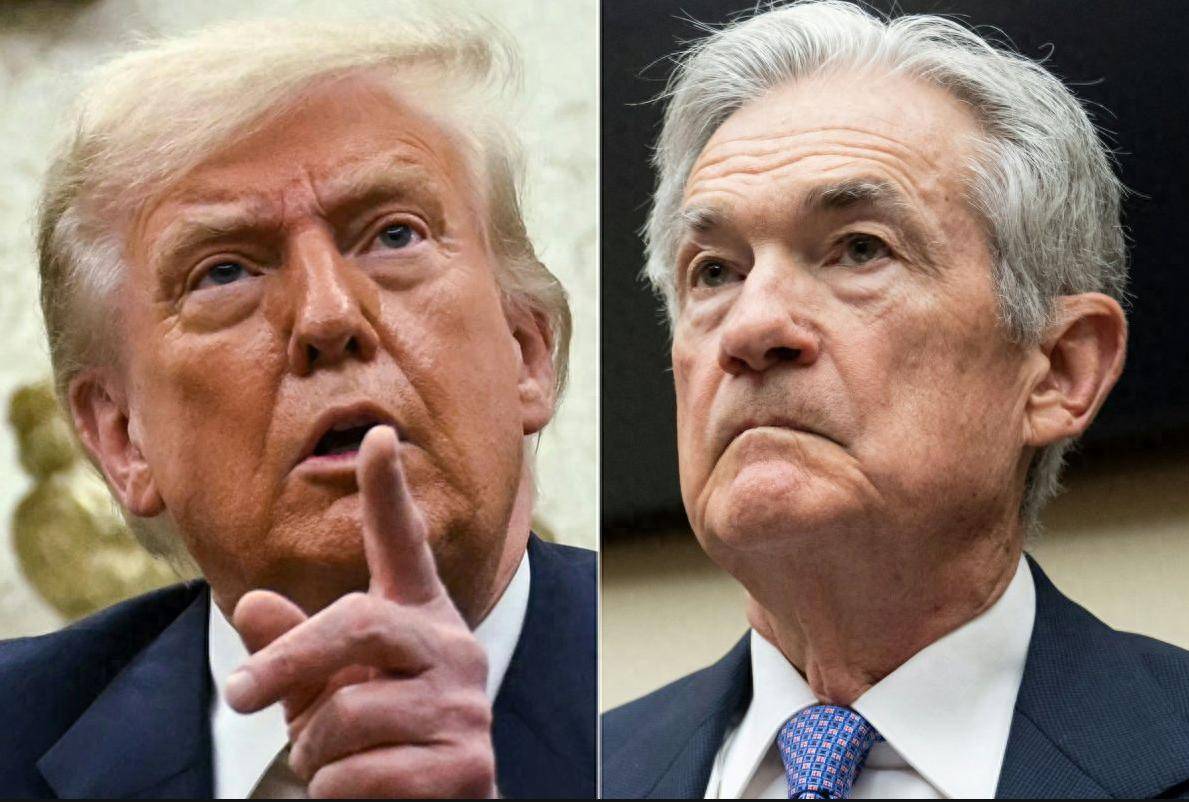
Group 1 - The core issue of Trump's recent criticism of Federal Reserve Chairman Powell is the budget overrun of the Fed's headquarters renovation project, which increased from an initial budget of $1.9 billion to $2.5 billion due to rising material costs and construction delays [3][4] - Trump's administration is using this budget overrun as a basis to accuse Powell of "misusing public funds" and has called for a congressional investigation [3] - Legal experts are debating the validity of Trump's threats to dismiss Powell, as the Federal Reserve Act stipulates that the President can only remove the Fed Chairman for "legal reasons" such as misconduct or crime, and historically no President has successfully dismissed a Fed Chairman [4] Group 2 - Trump's tariff policies are significantly influencing Federal Reserve decision-making, with the Fed's Beige Book indicating that businesses across the U.S. are facing "moderate to significant cost pressures" due to tariffs, particularly in manufacturing and construction [5] - Despite market expectations for a 25 basis point rate cut in September, Powell indicated that the Fed would have acted sooner if not for the inflationary pressures caused by tariffs [5] - The rising inflation pressures are causing the Fed to delay rate cuts, which has led to a rebound in the dollar index and an increase in U.S. Treasury yields, putting short-term pressure on gold prices [5] Group 3 - The gold market is experiencing a tug-of-war between "safe-haven demand" and "policy expectations," with spot gold fluctuating between $3,300 and $3,370 per ounce [6] - Trump's pressure on the Fed has triggered a chain reaction in financial markets, with U.S. stock indices experiencing volatility due to rumors of Powell's potential dismissal [8] - Concerns from Wall Street executives about the implications of interfering with the Fed's independence highlight the potential long-term risks to the dollar's status as a global reserve currency [8]
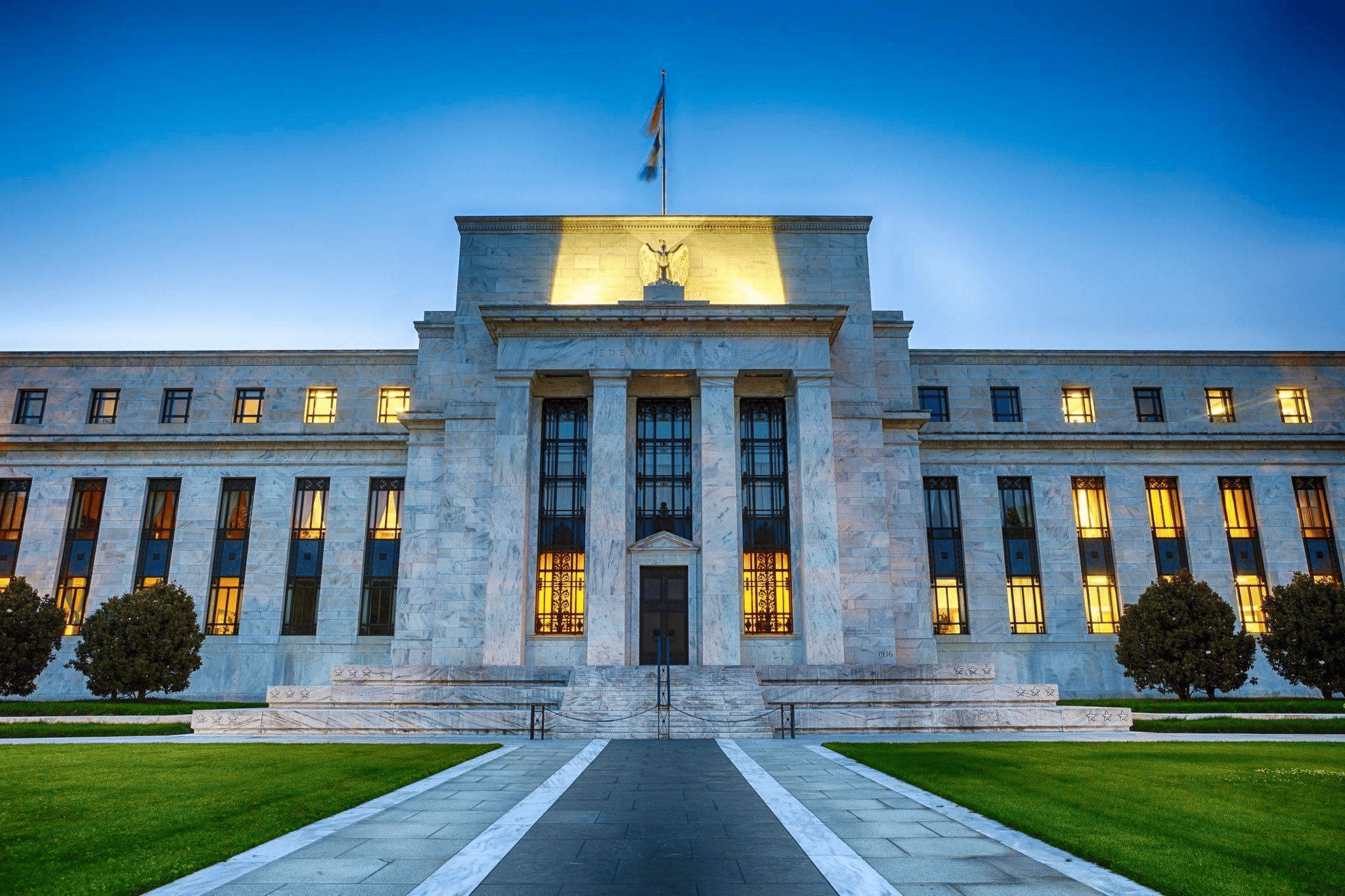
美联储突爆大消息!特朗普要出手解决“拦路虎”,德国最大银行发出警告
Sou Hu Cai Jing· 2025-07-17 02:26
Group 1 - The selection process for the next Federal Reserve Chairman has officially begun, with Treasury Secretary Mnuchin indicating that there are many excellent candidates both inside and outside the Fed [1] - President Trump has expressed extreme dissatisfaction with current Chairman Powell, advocating for interest rates to be lowered below 1%, claiming that a 3% annual rate cut could save the U.S. trillions [1][3] - Mnuchin warned that if Powell remains on the board after his term ends in May 2026, it could lead to market chaos, emphasizing the tradition of a complete exit for Fed Chairs to avoid creating a "shadow chairman" [3] Group 2 - The independence of the Federal Reserve is under significant threat, as White House economic advisor Hassett publicly stated that the President has the authority to dismiss the Fed Chairman, politicizing the Fed's operations [3][6] - Jamie Dimon, CEO of JPMorgan Chase, publicly warned against political interference in the Fed, highlighting the critical importance of its independence [6] - The Trump administration is reportedly considering announcing a successor to Powell as early as September or October, with a list of potential candidates that includes hawkish former Fed governors and current economic advisors [6][7] Group 3 - The potential dismissal of Powell could undermine the century-long tradition of Fed independence, which is foundational to global trust in the U.S. dollar [7] - The ongoing political pressure on the Fed, including scrutiny over a $700 million renovation cost, poses unprecedented challenges to the institution's autonomy [7] - The current political dynamics could reshape financial regulations and threaten the stability of the dollar's dominance in the global market [7]