
AI算力

Search documents
无惧中东冲突,持续独立走强的中美共振方向
格隆汇APP· 2026-03-04 10:11
Core Viewpoint - The article emphasizes the resilience and growth potential of the power grid equipment sector amidst global market disturbances, particularly due to geopolitical tensions and the rising demand for electricity driven by AI and data centers [5][6]. Group 1: Market Dynamics - The ongoing geopolitical conflicts, particularly in the Middle East, have heightened market volatility, leading to a preference for sectors with stable performance and rigid demand, such as power grid equipment [12]. - The AI industry's rapid development is creating a rigid increase in electricity demand, with data centers experiencing a significant rise in power consumption, outpacing overall societal electricity usage [10]. - The North American power transformer supply gap has reached 30%, indicating a pressing need for power grid upgrades to meet the demands of the AI era [10]. Group 2: Investment Opportunities - The "14th Five-Year Plan" in China anticipates fixed asset investments in the power grid to exceed 4 trillion yuan, focusing on ultra-high voltage, smart distribution networks, and renewable energy integration [11]. - Global investments in power grids are projected to reach $12 trillion from 2025 to 2030, suggesting sustained industry growth [11]. - The demand for power grid equipment is further supported by significant investment approvals in the U.S., totaling $75 billion for transmission expansion projects [11]. Group 3: Sector Specifics - Ultra-high voltage (UHV) technology is crucial for addressing power supply and demand mismatches, with plans to operate 15 UHV direct current projects during the "14th Five-Year Plan," enhancing cross-province transmission capacity by 35% [14]. - The smart grid, described as the "brain" of the power grid, is expected to see rapid market expansion, with the smart meter market projected to exceed 80 billion yuan by 2030 [16]. - The replacement market for aging power equipment, such as transformers and switchgear, is valued at over 200 billion yuan, driven by increasing environmental and energy efficiency standards [17]. Group 4: Investment Logic - The investment opportunities in the power grid equipment sector are centered around "demand explosion, domestic substitution, and overseas expansion" [19]. - The upstream supply chain, including materials like copper and silicon steel, is influenced by price fluctuations, but leading companies can mitigate these effects through long-term contracts and economies of scale [19]. - The downstream market is bolstered by procurement from major state-owned enterprises and increasing overseas infrastructure demands, particularly in Southeast Asia, the Middle East, and Europe [20]. Group 5: Key Companies - Companies like Siyi Electric and TBEA are capitalizing on overseas demand, with Siyi Electric reporting a 72.7% year-on-year increase in overseas revenue for the first three quarters of 2025 [22]. - Leading domestic firms such as Pinggao Electric and China XD Electric are well-positioned to benefit from domestic power grid investments, with stable market shares and robust order books [28].


韩国股市大跌,存储价格仍维持上涨
第一财经· 2026-03-04 07:51
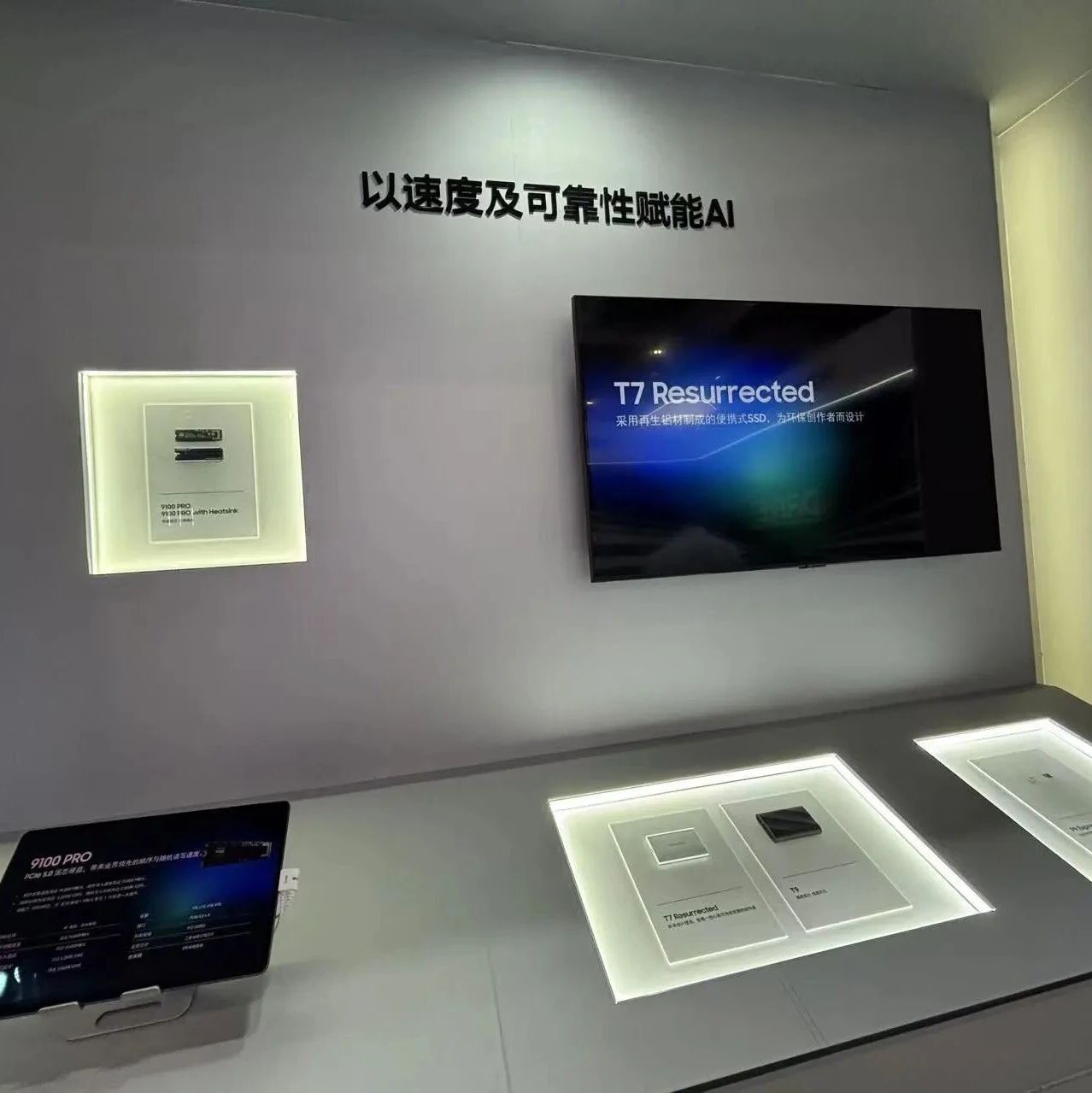
Core Viewpoint - The article discusses the impact of geopolitical tensions in the Middle East on the South Korean stock market and the storage industry, highlighting a significant increase in storage prices due to supply constraints and rising demand from AI applications [3][4]. Group 1: Market Impact - The KOSPI index fell by 11% to 5150.82 points, attributed to high oil dependency on the Middle East and concerns over potential disruptions in oil supply [3]. - The South Korean stock market had previously surged nearly 50% this year, driven by rising storage prices, with major players Samsung Electronics and SK Hynix accounting for about 40% of KOSPI's total market value [3]. Group 2: Storage Market Dynamics - In Q1 2026, global storage capacity supply (excluding HBM) is expected to decline by 4.1% year-on-year, influenced by increased demand for high bandwidth memory (HBM) due to AI [4]. - Both storage manufacturers and end-user companies are experiencing low inventory levels, leading to strong replenishment demand, which exacerbates the supply tightness in the global storage market [4]. - Prices for DRAM (LPDDR4X, 6GB) are projected to increase by 67.5% in Q1 2026 compared to Q4 2025, while NAND (UFS 3.1, 128GB) prices are expected to rise by approximately 69.9% in the same period [4]. - The ongoing supply-demand imbalance in the storage market is likely to exert cost pressures on consumer electronics manufacturers, resulting in widespread price increases for consumer electronic products [4].
东海证券晨会纪要-20260304
Donghai Securities· 2026-03-04 05:53
Group 1: Food and Beverage Industry - The restaurant sector is showing signs of recovery, with a notable increase in consumer demand. During the Spring Festival, restaurant revenue grew by 31.2% year-on-year, with dine-in services up by 26.5% and snack services up by 42.1% [4][5] - The average daily sales of key retail and restaurant enterprises during the Spring Festival increased by 5.7% year-on-year, indicating strong terminal demand. It is expected that revenue for restaurant supply companies will see rapid growth in January and February [4] - The price of raw milk is stabilizing at a low level, with fresh milk averaging 3.03 yuan per kilogram, down 2.3% year-on-year. However, the price of culling cows has risen by 25.2% year-on-year, indicating an upward trend in the beef market [5] - The snack sector performed well during the Spring Festival, benefiting from the return home and "red envelope economy," with significant sales growth in bulk snacks and nut gift boxes [5] - The food and beverage sector saw a decline of 1.54% last week, underperforming the CSI 300 index by 1.63 percentage points, ranking 29th among 31 first-level sectors [6] Group 2: Electronic Industry - Nvidia's performance continues to exceed market expectations, with Q4 revenue reaching $68.127 billion, up 73.21% year-on-year, and net profit of $42.96 billion, up 94.47% year-on-year. The data center segment remains a core growth driver [11][12] - The upcoming GTC conference from March 16-19 is expected to showcase Nvidia's new Feynman platform and a new inference chip integrated with Groq LPU technology, indicating a strong focus on AI and inference computing [12] - The electronic sector is experiencing a recovery in demand, with effective supply clearing and rising prices for storage chips. There is a strong emphasis on domestic production capabilities [10][14] - The electronic industry index rose by 4.07%, outperforming the CSI 300 index by 2.99 percentage points, with semiconductor and electronic components showing significant gains [13]


未知机构:东吴电子陈海进翱捷科技MWC全芯阵容首发AI算力与全制式连接共振事件-20260304
未知机构· 2026-03-04 02:30
Summary of Conference Call Records Company: 翱捷科技 (Aojie Technology) Key Points Industry Overview - The conference took place during the MWC 2026 in Barcelona, showcasing Aojie Technology's "full chip lineup" which covers various communication standards including 5G, RedCap, 4G, and AISoC [1][2] Product Launches - Multiple new products were launched, including: - **Smart SoCs**: ASR8861 (4G) and ASR7801 (octa-core 4G), both integrating 20 TOPS NPU computing power, focusing on edge AI and high energy efficiency while providing stable cellular connectivity and significantly enhancing edge intelligent processing capabilities [1][2] - **Wearable Technology**: Introduction of a high-performance RTOS single-chip ASR3660, balancing performance and battery life; also launched the Cat.1bis wearable platform ASR8602 and the 5G RedCap platform ASR1905, emphasizing lightweight connectivity for MBB, MiFi, and IoT [2] - **Mobile Broadband**: New generation Cat.4 & Wi-Fi 6 integrated RF baseband chip ASR1805 was introduced [2] Market Position - The smartphone featuring ASR8861 made its debut, with the 4G octa-core SoC already in mass production and continuing to ramp up output, covering smartphones, tablets, vehicle systems, and AI hardware [2] - Nearly 20 wearable terminal products were showcased from various brands (Philips, Lenovo, 360, Xiaoxun), covering both RTOS and Android platforms, with new RedCap wearable products making their first appearance [2] - In the IoT device sector, the Cat.1bis platform has maintained the number one market share for two consecutive years (according to TSR data), with cumulative shipments exceeding 600 million units, solidifying its market base [2] ASIC Business Development - The company is advancing its ASIC business with numerous ongoing custom projects that are complex and of significant monetary value, with expected substantial revenue growth upon project delivery [3] - Focus areas for custom ASICs include wearable/eyewear chips, cloud inference AI chips, and RISC-V chips, targeting three core incremental markets [3] - In cloud AI inference ASIC projects, the company has developed cost-effective LPDDR solutions for large-scale applications and technologies including 3D DRAM interfaces to meet ultra-high bandwidth applications, catering to differentiated needs of leading clients [3]

未知机构:东吴电子陈海进翱捷科技MWC全芯阵容首发AI算力与全制式连接共振-20260304
未知机构· 2026-03-04 02:25
Summary of Conference Call Records Company Overview - **Company**: 翱捷科技 (Aojie Technology) - **Event**: Participation in MWC 2026 (Mobile World Congress) held in Barcelona on March 3, 2026 Key Points Product Launches - Aojie Technology showcased a "full chip lineup" at MWC 2026, introducing multiple new products that cover 5G, RedCap, 4G, and AISoC scenarios [1] - The company launched the ASR8861 (4G) and ASR7801 (octa-core 4G) smart SoCs, both integrating 20 TOPS NPU computing power, focusing on edge AI and high energy efficiency while providing stable cellular connectivity and significantly enhancing edge intelligent processing capabilities [1] - High-performance RTOS single-chip ASR3660 was introduced for smart wearables, balancing performance and battery life [1] - The Cat.1bis wearable platform ASR8602 and the 5G RedCap platform ASR1905 were also unveiled, emphasizing lightweight connectivity for MBB, MiFi, and IoT applications [1] Market Position and Performance - The new generation Cat.4 & Wi-Fi 6 dual-connection RF baseband integrated chip ASR1805 was launched, marking a comprehensive rollout from chips to terminals, including smartphones, wearables, and vehicle networking ecosystems [2] - The ASR8861-equipped smartphones made their debut, with the 4G octa-core SoC already in mass production and continuing to ramp up volume, covering smartphones, tablets, vehicle systems, and AI hardware [2] - Nearly 20 wearable terminal products were showcased, including collaborations with brands like Philips, Lenovo, 360, and Xiaoxun, covering both RTOS and Android platforms, with RedCap wearable products making their first appearance [2] - In the IoT device sector, the Cat.1bis has maintained the number one market share for two consecutive years (according to TSR data), with cumulative shipments exceeding 600 million, solidifying the company's foundational market position [2] ASIC Business Development - The ASIC business is progressing steadily, with a focus on extending platform capabilities and opening up incremental space through customization [2] - The company is currently executing multiple custom projects with significant individual amounts and high complexity, which will require some time before delivery; however, substantial revenue growth is expected as several projects reach acceptance and delivery [2] - Custom business areas are concentrated on wearable/eyewear chips, cloud inference AI chips, and RISC-V chips, targeting three core incremental markets [2] - In cloud AI inference ASIC projects, the company has developed cost-effective LPDDR solutions for large-scale applications and technologies including 3D DRAM interfaces to meet ultra-high bandwidth application needs, fully addressing differentiated demands from leading clients [2]
吴忌寒清空比特币,豪赌13亿美金
阿尔法工场研究院· 2026-03-04 00:04
Core Viewpoint - The article discusses the strategic shift of Bitdeer, a cryptocurrency mining company, from Bitcoin to AI computing power, marking a significant transition in its business model and future direction [2][6][46]. Group 1: Strategic Shift - Bitdeer has announced a complete liquidation of its Bitcoin holdings, signaling a decisive move away from traditional cryptocurrency mining [5][8]. - The founder, Wu Jihan, is redirecting the company's focus towards AI computing power, which he believes will present greater opportunities in the next decade [13][17]. - This transition is characterized as a "strategic liquidation" rather than a simple sell-off, with the intent to leverage AI's growing demand for computing resources [5][12]. Group 2: Financial Implications - Bitdeer's debt has escalated to $1.3 billion, primarily used to acquire land and secure electricity for future operations [20][28]. - The company has amassed a significant power capacity of 3,002 megawatts, equivalent to the needs of 10 to 30 Google data centers, positioning itself as a key player in the AI infrastructure space [21][22]. - The debt structure is designed to allow time for the company to establish its AI business, with maturity dates set for 2029, 2031, and 2032 [30][32]. Group 3: Challenges and Risks - A major legal challenge has emerged from a steel manufacturer, which could hinder Bitdeer's core project in Ohio, potentially delaying its transformation timeline [38][41]. - The mining sector is facing increasing difficulties, with rising Bitcoin mining difficulty leading to declining profit margins, complicating the company's transition [44][45]. - The company is under pressure to generate revenue from its AI initiatives before the debt comes due, creating a race against time [36][37]. Group 4: Future Outlook - The shift from being a "gambler" in the cyclical mining industry to a "landlord" in the AI infrastructure market represents a significant evolution in Bitdeer's business model [46][51]. - If successful, Bitdeer could transform into a stable cash flow-generating entity, fundamentally altering its valuation logic [52]. - The outcome of this strategic gamble will depend on whether the company can achieve AI revenue growth that matches its debt obligations by the first maturity date in 2029 [57][58].

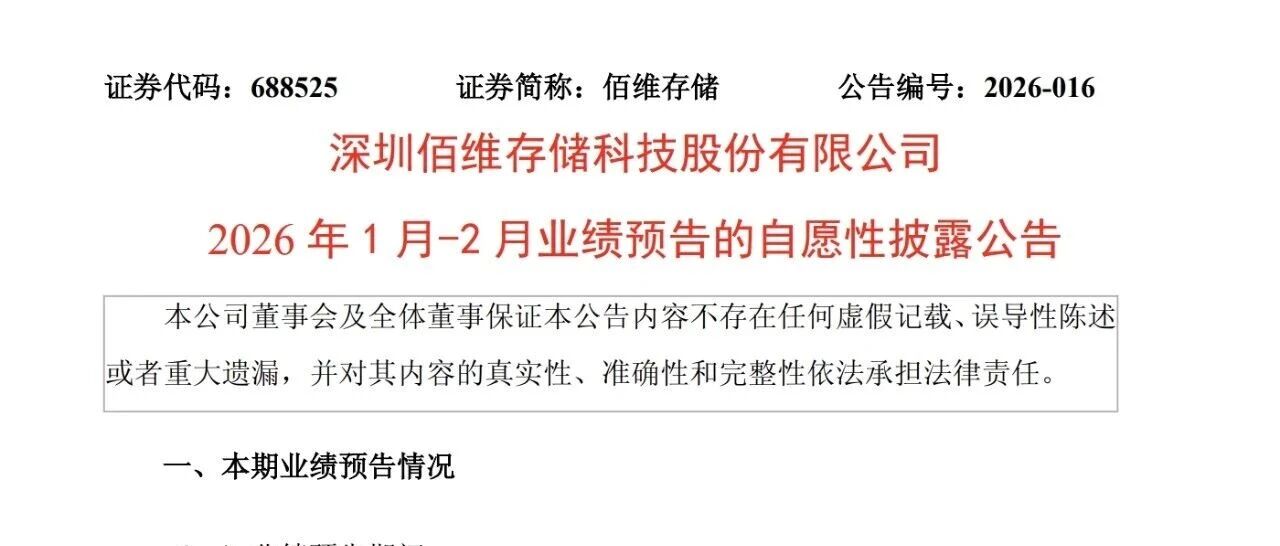
暴增超900%!存储龙头公布1—2月业绩
是说芯语· 2026-03-03 23:29
Core Viewpoint - The storage industry is entering a highly prosperous cycle in 2026, driven by AI computing power and domestic substitution, leading to significant increases in DRAM and NAND prices, resulting in substantial revenue and profit growth for companies like Bawei Storage [1][2]. Financial Performance - Bawei Storage expects to achieve operating revenue of 4.0 billion to 4.5 billion yuan in January-February 2026, an increase of 3.091 billion to 3.591 billion yuan compared to the same period last year, representing a year-on-year growth of 340% to 395% [1]. - The net profit attributable to the parent company is projected to be between 1.5 billion and 1.8 billion yuan, an increase of 1.683 billion to 1.983 billion yuan year-on-year, reflecting a growth of 921.77% to 1086.13% [1]. - The net profit after deducting non-recurring gains and losses is expected to be between 1.35 billion and 1.6 billion yuan, with a year-on-year increase of 1.533 billion to 1.783 billion yuan, indicating a growth of 836.65% to 973.07% [2]. Market Dynamics - The global storage market is experiencing a significant supply-demand imbalance, with storage chip prices continuing to rise due to explosive demand and severe production capacity shortages [3][4]. - As of January 2026, the average contract price for DRAM and NAND flash memory reached record highs, with DRAM prices increasing by approximately 24% month-on-month and 83% year-on-year, while NAND prices surged by about 65% month-on-month and nearly 150% year-on-year [4][5]. - The price increases are attributed to factors such as explosive growth in AI computing power, production strategies of major manufacturers, and rising raw material costs [5][6]. Price Transmission to Downstream - The ongoing price increases in storage chips are expected to be transmitted to downstream consumer electronics, with major manufacturers already announcing price hikes for their products [6]. - Companies like Lenovo, Dell, and HP have issued price adjustment notices, with increases typically ranging from 500 to 1500 yuan, while new models from Xiaomi and Vivo have seen price increases of 300 to 500 yuan compared to previous generations [6].

A股存储龙头,前2月净利预计超2025全年
财联社· 2026-03-03 15:16
Core Viewpoint - The company Bawei Storage is expected to achieve significant revenue growth in early 2026, driven by a booming storage industry and increased demand for AI computing power, leading to a substantial rise in DRAM/NAND prices [1] Group 1: Revenue and Profit Forecast - Bawei Storage anticipates revenue of 4 billion to 4.5 billion yuan in January to February 2026, representing a year-on-year growth of 340% to 395% [1] - The net profit attributable to shareholders is projected to be between 1.5 billion to 1.8 billion yuan, indicating a turnaround from losses to profitability [1] Group 2: Industry Trends and Company Strategy - The storage industry is entering a highly prosperous cycle in 2026, with AI computing power and domestic substitution driving continuous price increases in DRAM/NAND, resulting in a supply-demand imbalance [1] - To enhance its market competitiveness in the AI era, the company is increasing investments in chip design, solutions, advanced packaging, and testing equipment [1] Group 3: Previous Year Performance - In 2025, Bawei Storage reported revenue of 11.296 billion yuan, a year-on-year increase of 68.72%, and a net profit of 867 million yuan, reflecting a significant growth of 437.56% [1] - The net profit for the first two months of 2026 is expected to exceed the total net profit for the entire previous year [1]

通信行业跟踪报告:AI算力建设需求持续高增,关注光通信等核心环节
Wanlian Securities· 2026-03-03 14:29
Investment Rating - The industry is rated as "Outperform" with an expectation of a relative increase of over 10% compared to the market index in the next six months [20]. Core Insights - The communication industry index outperformed the CSI 300 and ChiNext indices, with a weekly increase of 4.76%, surpassing the CSI 300 and ChiNext by 3.69 and 3.72 percentage points respectively [11][12]. - Nvidia's revenue for the fiscal year 2026 reached $215.938 billion, exceeding market expectations, indicating a sustained growth in AI computing demand [2][14]. - LightCounting has raised its forecast for the shipment of 800G and 1.6T optical modules, predicting a more than doubling of 800G shipments in 2026 and significant growth in 1.6T module sales [2][18]. - The commercial aerospace sector is advancing, with Blue Arrow Aerospace planning to conduct recovery tests in the second quarter of 2026, reflecting ongoing cost reductions in the satellite industry [2][18]. Summary by Sections Industry Dynamics - **AI Computing**: Nvidia's fiscal year 2026 revenue was $215.938 billion, a 65% year-on-year increase, with a projected sales forecast of $78 billion for the first quarter of fiscal year 2027, exceeding market expectations [2][14]. - **Optical Communication**: LightCounting predicts that 800G optical module shipments will more than double in 2026, while 1.6T module shipments are expected to grow significantly from a small base in 2025, with sales exceeding $2 billion in 2026 [2][18]. - **Commercial Aerospace**: Blue Arrow Aerospace is optimizing landing processes and plans to conduct recovery tests in 2026, aiming for the first reuse flight by the fourth quarter [2][18]. Industry Valuation - As of February 27, 2026, the PE-TTM for the communication industry is 28.06 times, which is above the historical average of 22.25 times for 2023-2025 [3][16].
电子行业跟踪报告:英伟达业绩高增长,存储及电视面板价格有望维持涨势
Wanlian Securities· 2026-03-03 12:21
Investment Rating - The industry investment rating is "Outperform the Market" with an expectation of a relative increase of over 10% in the industry index compared to the broader market within the next six months [25]. Core Insights - The report highlights that Nvidia's financial performance for Q4 of FY2026 showed a record revenue of $68.127 billion, reflecting a 20% quarter-over-quarter growth and a 73% year-over-year growth. The data center business is identified as the core growth engine, with a forecasted revenue of $78 billion for the next quarter, indicating optimistic demand across the industry chain [1][2][10]. - The AI computing industry chain is expected to maintain high prosperity, with strong demand in segments like PCB and storage, which are currently in an expansion cycle. This is anticipated to drive demand for upstream equipment and materials, suggesting investment opportunities in these areas [1][10]. Summary by Sections Industry Dynamics - **AI Chips**: Nvidia's Q4 revenue reached $68.127 billion, with a significant contribution from the data center segment, which generated $62.3 billion, marking a 22% quarter-over-quarter increase and a 75% year-over-year increase. The company expects a revenue of $78 billion for Q1 of FY2027, with high demand for Blackwell architecture GPUs [2][20][22]. - **Storage**: According to TrendForce, the DRAM industry revenue is projected to reach $53.58 billion in Q4 2025, a 29.4% increase from the previous quarter. The report anticipates a substantial increase in contract prices for Conventional DRAM, with expected increases of 90-95% for Conventional DRAM and 80-85% for the combined price of Conventional DRAM and HBM [2][3][22]. - **Panels**: In February 2026, television panel prices increased, with specific price hikes of $1 to $3 depending on the size. The demand for television panels remains stable, and the overall supply-demand balance is expected to maintain upward price trends [2][23]. Industry Valuation - As of March 1, 2026, the SW electronics sector's PE (TTM) stands at 90.67 times, significantly above the historical average of 53.93 times from 2019 to 2026. This indicates that the industry valuation is higher than the historical mean, suggesting potential for further upward movement due to favorable trends in AI computing and semiconductor industry recovery [3][18].