
降准降息

Search documents
风口智库|定向降息来了!央行宣布一揽子货币金融政策,影响多大?
Sou Hu Cai Jing· 2026-01-15 12:38
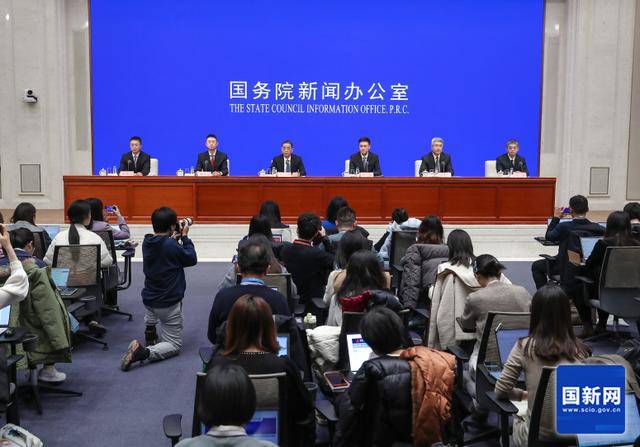
围绕部分政策措施以及本场发布会释放的信息,风口财经记者采访了招联首席研究员董希淼、东方金诚 首席宏观分析师王青。 精准"滴灌"支持实体经济 国务院新闻办公室于2026年1月15日(星期四)下午3时举行新闻发布会,请中国人民银行(简称"央 行")新闻发言人、副行长邹澜,国家外汇管理局新闻发言人、副局长李斌介绍货币金融政策支持实体 经济高质量发展成效,并答记者问。 邹澜在会上表示,根据当前经济金融形势需要,人民银行将先行推出两方面政策措施。一方面是下调各 类结构性货币政策工具利率,提高银行重点领域信贷投放的积极性。另一方面是完善结构性工具并加大 支持力度,进一步助力经济结构转型优化。包括下调各类结构性货币政策工具利率0.25个百分点;将支 农支小再贷款与再贴现打通使用,增加额度,并单设民营企业再贷款;增加科技创新和技术改造再贷款 额度并扩大支持范围等八项措施。 邹澜表示,以上相关措施的政策文件将于近日发布。按照国务院常务会议部署,在实施过程中,将与财 政贴息、担保和风险成本分担等财政政策协同配合,进一步放大政策效能,共同促进扩大有效内需。 图片来源:国新办网站 风口财经:在2025年5月下调结构性货币政策利率0. ...

今日财经要闻TOP10|2026年1月15日
Xin Lang Cai Jing· 2026-01-15 12:33
Group 1 - The People's Bank of China (PBOC) has lowered the interest rates of various structural monetary policy tools by 0.25 percentage points, with the one-year re-lending rate now at 1.25% [1][3][4] - The PBOC aims to enhance the effectiveness of structural monetary policy tools to encourage financial institutions to support major strategies, key areas, and weak links in the economy [2][3] - Specific measures include increasing the re-lending quota for agricultural and small business support by 500 billion yuan and establishing a separate re-lending quota of 1 trillion yuan for private enterprises [3][4] Group 2 - The PBOC has increased the quota for re-lending aimed at technological innovation and technical transformation by 400 billion yuan, raising the total to 1.2 trillion yuan [5][10][21] - The PBOC plans to expand the support scope to include private small and medium-sized enterprises with high levels of R&D investment starting in 2026 [5][10][21] - The PBOC will also merge existing risk-sharing tools for bonds issued by private enterprises and those for technological innovation, providing a total re-lending quota of 200 billion yuan [3][10] Group 3 - The average statutory deposit reserve ratio for financial institutions is currently 6.3%, indicating room for further reserve requirement ratio cuts [4][15] - The PBOC is expected to maintain liquidity and guide overnight rates to operate near policy rate levels, enhancing the effectiveness of monetary policy [3][4][15]
央行大礼包来袭,长债利率为何上演“过山车”?
Di Yi Cai Jing· 2026-01-15 12:27
Core Viewpoint - The central bank's announcement of a structural interest rate cut of 0.25 percentage points and signals of potential further monetary easing have created mixed reactions in the bond market, with long-term bond yields experiencing volatility despite the positive news [1][4]. Group 1: Monetary Policy Actions - The central bank has introduced a package of policies, including a 0.25 percentage point reduction in various structural monetary policy tools and a reduction in the minimum down payment ratio for commercial housing loans to 30% [4]. - The average statutory deposit reserve ratio for financial institutions is currently 6.3%, indicating room for further reserve requirement cuts [4]. - The central bank emphasized that there is still space for both reserve requirement and interest rate cuts this year, which aligns with market expectations [2][4]. Group 2: Bond Market Reactions - Following the central bank's announcement, the yields on long-term bonds initially fell but then rose again, indicating a lack of strong bullish sentiment in the market [2][3]. - The 10-year government bond yield dropped from around 1.85% to 1.835% before rising back to 1.8555%, while the 30-year bond yield fluctuated similarly [2]. - The bond futures market also showed significant volatility, with most contracts closing higher, although the 30-year contract saw a slight decline [3]. Group 3: Market Dynamics and Expectations - Since the beginning of the year, long-term bond yields have continued a downward trend, with the 10-year bond yield approaching 1.9% and the 30-year bond yield exceeding 2.3% [3]. - Analysts suggest that the bond market is likely to remain volatile in the short term due to mixed signals regarding macroeconomic policy and a lack of clear bullish factors [3][4]. - The central bank's approach to bond buying is seen as a means to maintain liquidity and support the issuance of government bonds, with a focus on balancing monetary and fiscal policies [6][7]. Group 4: Government Bond Issuance - In 2025, the government issued 16 trillion yuan in bonds, with a net increase of 6.6 trillion yuan, resulting in a year-end balance of approximately 40 trillion yuan [6]. - The central bank's bond buying operations are intended to ensure that government bonds are issued at reasonable costs while enhancing market liquidity [7]. - The central bank's bond buying strategy is also aimed at stabilizing the yield curve and preventing excessive market fluctuations [7].
中国人民银行:关于降准降息,从今年看还有一定空间
Xin Hua Wang· 2026-01-15 12:10
【纠错】 【责任编辑:胡蓉】 新华社音视频部制作 1月15日,国务院新闻办公室举行新闻发布会,介绍货币金融政策支持实体经济高质量发展成效,并答 记者问。中国人民银行新闻发言人、副行长邹澜介绍,关于降准降息,从今年看还有一定的空间。 ...
央行答每经问:下一步将综合考虑,灵活开展国债买卖操作
Sou Hu Cai Jing· 2026-01-15 11:48
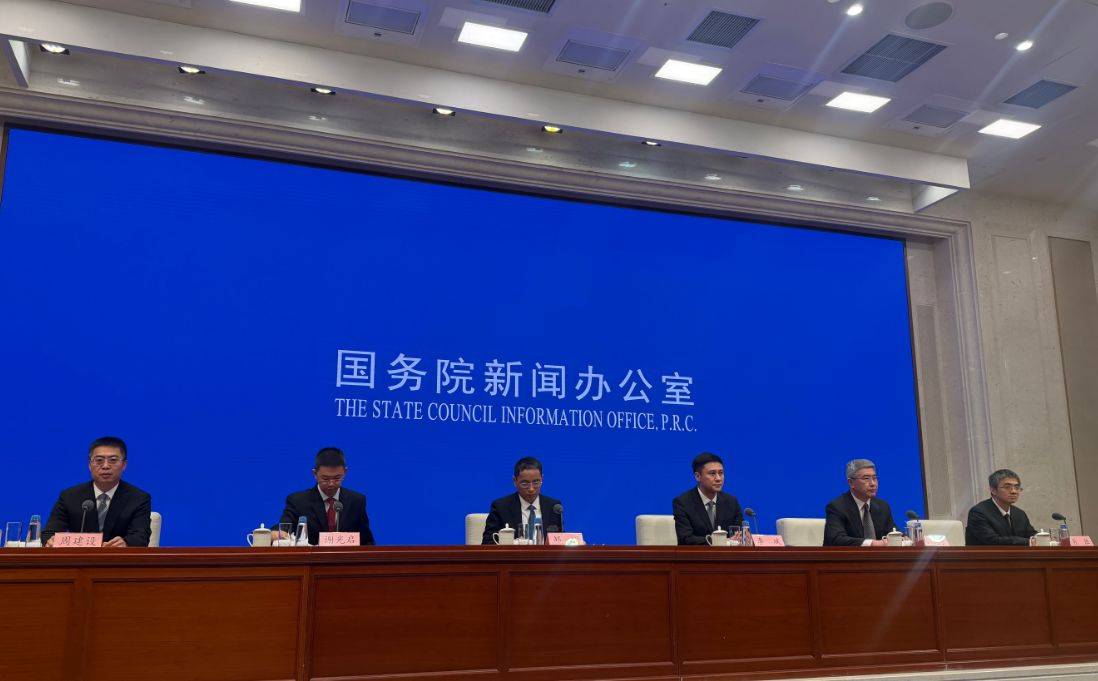
Core Viewpoint - The People's Bank of China (PBOC) is implementing monetary policy measures to support high-quality economic development, including lowering interest rates on structural monetary policy tools and enhancing support for economic restructuring [1][2]. Group 1: Monetary Policy Measures - The PBOC plans to lower interest rates on various structural monetary policy tools to encourage bank lending in key areas [1]. - The central bank aims to improve the structure of these tools and increase support to facilitate economic transformation and optimization [1]. - In 2025, the PBOC will restore operations for buying and selling government bonds in the open market, with considerations for market conditions influencing the scale of operations [1][2]. Group 2: Government Bond Issuance - In 2025, the total issuance of government bonds reached 16 trillion yuan, with a net increase of 6.6 trillion yuan, resulting in an end-of-year balance of approximately 40 trillion yuan [3][4]. - Financial institutions, including banks and non-bank financial entities, hold significant portions of these bonds, with banks holding 27 trillion yuan [4]. - The PBOC's bond buying operations are intended to ensure the smooth issuance of government bonds at reasonable costs while enhancing market liquidity [4]. Group 3: Interest Rate Adjustments - There is still room for further reductions in the reserve requirement ratio (RRR) and interest rates, with the current average RRR at 6.3% [5]. - The PBOC has noted that the stability of the RMB exchange rate and the ongoing interest rate cuts in the US provide a favorable environment for potential rate cuts [5]. - Measures are being taken to lower the overall financing costs for businesses, including promoting transparency in loan costs and reducing intermediary fees [5].
降准降息仍有空间!央行透露2026年货币政策风向
Sou Hu Cai Jing· 2026-01-15 11:44
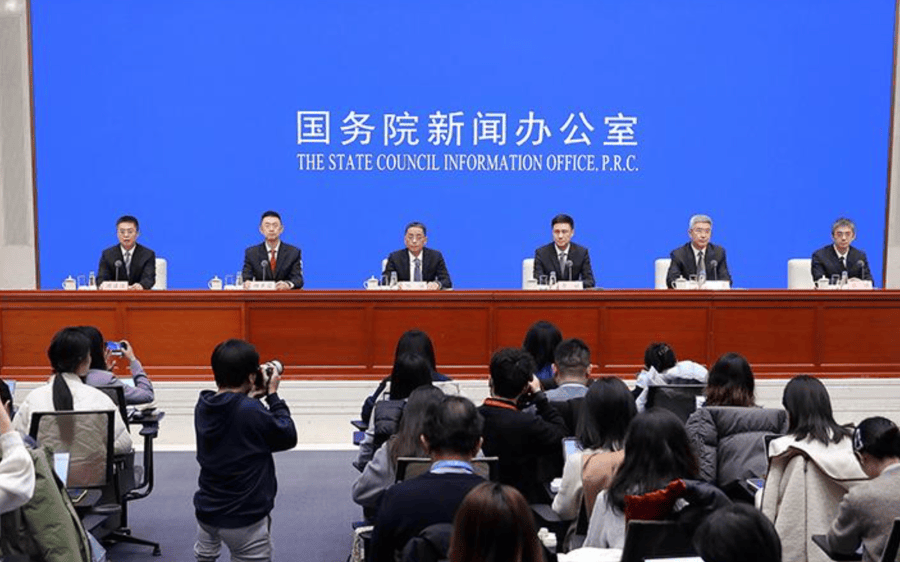
Core Viewpoint - The press conference highlighted the Chinese government's commitment to maintaining a loose monetary policy to support stable economic growth, reasonable price recovery, and the promotion of consumption and private enterprises in the context of the 14th Five-Year Plan [1][7]. Group 1: Monetary Policy - The People's Bank of China (PBOC) will continue to implement a moderately loose monetary policy in 2026, focusing on stabilizing growth and promoting reasonable price increases [1][3]. - There is still room for interest rate cuts, with the current average statutory deposit reserve ratio at 6.3%, indicating potential for further reductions [3][4]. - The PBOC has noted that the net interest margin for banks has stabilized at 1.42% for two consecutive quarters, which supports the possibility of interest rate cuts [3][4]. Group 2: Structural Policy Measures - The PBOC announced eight new measures aimed at optimizing economic structure, including a 0.25 percentage point reduction in various structural monetary policy tool rates [4][5]. - Specific measures include increasing the quota for agricultural and small enterprise loans by 500 billion yuan and establishing a separate quota of 1 trillion yuan for private enterprise loans [4][5]. Group 3: Exchange Rate Policy - The PBOC emphasized a stable exchange rate policy, asserting that the Chinese yuan will remain stable at a reasonable equilibrium level, with a dual floating mechanism expected to continue [6]. - Approximately 30% of foreign trade transactions are conducted in yuan, reducing the impact of exchange rate fluctuations on trade [6]. Group 4: Foreign Exchange Market Resilience - In 2025, the foreign exchange market transaction volume reached 42.6 trillion USD, with the foreign exchange hedging ratio for enterprises rising to 30%, both historical highs [6]. - The outlook for 2026 suggests a stable foreign exchange market with orderly cross-border capital flows and enhanced resilience [6]. Group 5: Consumer Support Policies - The PBOC plans to enhance financial support for service consumption, including expanding loan support for health and elderly care sectors [7]. - Policies will also focus on improving consumer financing capabilities and optimizing the consumer finance service environment [7]. Summary - The press conference conveyed a clear signal that the monetary and financial policies in the opening year of the 14th Five-Year Plan will maintain a loose stance, focusing on stabilizing total volume, optimizing structure, reducing costs, preventing risks, and promoting openness to support stable economic growth and high-quality development [7].
央行、外汇局,最新表态!事关降准降息、物价、人民币汇率等
中国基金报· 2026-01-15 11:06
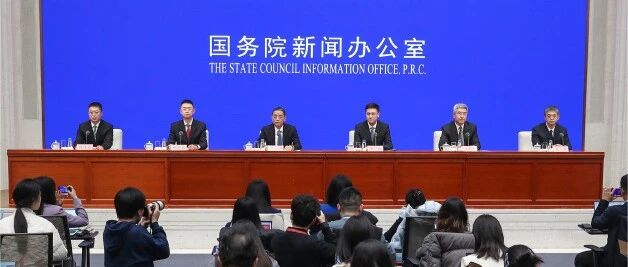
Key Points - The article discusses the effectiveness of monetary and financial policies in supporting the high-quality development of the real economy in China [2] Group 1: Monetary Policy Measures - The People's Bank of China (PBOC) will lower the interest rates of various structural monetary policy tools by 0.25 percentage points, with the one-year re-lending rate decreasing from 1.5% to 1.25% [6] - The PBOC will merge the re-lending and re-discount for agriculture and small enterprises, increasing the re-lending quota by 500 billion yuan, with a separate quota of 1 trillion yuan for private enterprises [6] - The quota for re-lending for technological innovation and technological transformation will be increased from 800 billion yuan to 1.2 trillion yuan, expanding the support to high R&D investment private SMEs [6] - A combined risk-sharing tool for bonds of technological innovation and private enterprises will be established, providing a re-lending quota of 200 billion yuan [6] - The PBOC will lower the minimum down payment ratio for commercial property loans to 30% to support the real estate market [7] - Financial institutions will be encouraged to enhance their foreign exchange risk hedging services [7] Group 2: Economic Growth and Price Stability - The PBOC will continue to implement a moderately loose monetary policy to promote stable economic growth and reasonable price recovery [15] - There is still room for further reductions in the reserve requirement ratio (RRR) and interest rates, with the current average RRR at 6.3% [12] Group 3: Exchange Rate Policy - The PBOC has no intention of devaluing the currency to gain an international trade competitive advantage, emphasizing a stable and reasonable exchange rate [18] - The PBOC will continue to enhance the cross-border use of the renminbi and improve foreign exchange risk management tools for enterprises [18] Group 4: Support for Consumption and Private Enterprises - The PBOC will expand the support for service consumption and elderly care loans, including the health industry once recognized standards are established [21] - Measures will be taken to accelerate the implementation of re-lending for private enterprises, improving the financing environment for SMEs [24] Group 5: Financial Market Development - The PBOC aims to optimize the financial market structure, focusing on increasing the efficiency of financial resources directed towards key areas and weak links [26] - The State Administration of Foreign Exchange (SAFE) will enhance the facilitation of foreign exchange reforms and improve the management of cross-border capital flows [28] Group 6: Foreign Exchange Management - SAFE will promote the orderly issuance of Qualified Domestic Institutional Investor (QDII) investment quotas and enhance the openness of the financial market [40] - Efforts will be made to simplify foreign exchange registration procedures for foreign direct investment to facilitate foreign investment in China [41]
【笔记20260115— 这饼我熟】
债券笔记· 2026-01-15 10:21
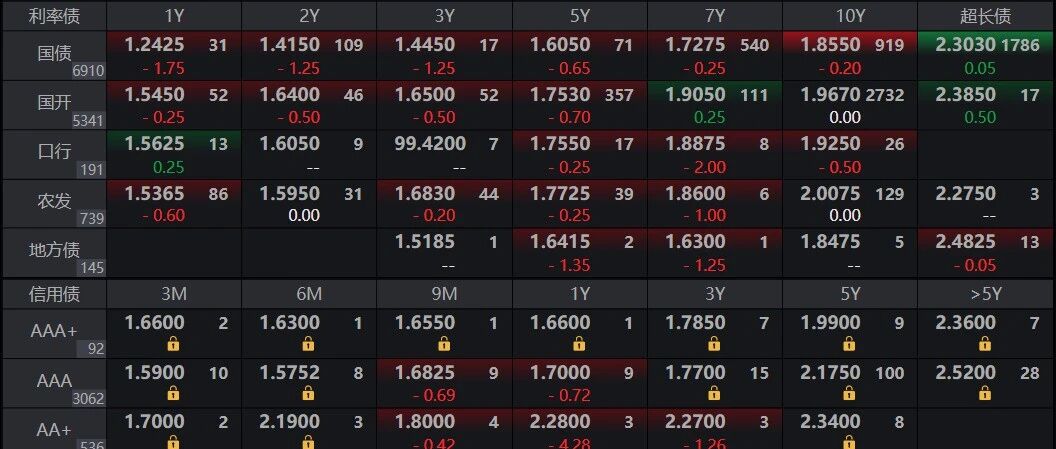
Group 1 - The stock market experienced a slight decline, with December financial data meeting expectations and the central bank implementing a structural interest rate cut of 25 basis points [5] - The central bank conducted a net injection of 1,069.4 billion yuan through reverse repos, with 1,793 billion yuan in 7-day reverse repos and 9,000 billion yuan in a buyout reverse repo operation [3] - The interbank funding rates showed a mixed trend, with DR001 around 1.37% and DR007 around 1.50%, indicating a balanced funding environment [3][4] Group 2 - The 10-year government bond yield opened at 1.843% and fluctuated slightly, closing at 1.843% after a brief dip and recovery [5] - The central bank's announcement indicated that there is still room for further rate cuts and reserve requirement ratio reductions, reflecting a cautious approach to monetary policy [5] - The market sentiment in the bond market remained stable, with trading volumes and rates reflecting a cautious outlook among investors [4][5]
1.15犀牛财经晚报:2026年降准降息还有空间
Xi Niu Cai Jing· 2026-01-15 10:06
Monetary Policy - The People's Bank of China indicates that there is still room for reserve requirement ratio and interest rate cuts this year, with the current average reserve requirement ratio at 6.3% [1] - As of the end of December, the broad money supply (M2) reached 340.29 trillion yuan, reflecting an 8.5% year-on-year increase [1] Securities and Financing - Some brokerage firms are experiencing tight margin financing quotas, although major brokerages report sufficient funds [2] - Recent weeks have seen significant inflows into FOF products sold by fund companies through banks, with one company reporting over 200 million yuan in inflows [2] Automotive Industry - The price of entry-level LiDAR has dropped to around 1,000 to 3,000 yuan, which may enhance the adoption of traditional LiDAR in vehicles [3] - The demand for computing power in the automotive and autonomous driving sectors is expected to see a significant surge, potentially expanding tenfold with the rollout of L3 technology [3] Technology and Electronics - Global smartphone shipments are projected to reach 1.25 billion units in 2025, marking a 2% year-on-year increase, driven by seasonal demand and improved inventory management [4] - DRAM prices are rising due to suppliers hoarding inventory, with mainstream DDR4 prices increasing by approximately 9.64% [4] Corporate Developments - Vanke has proposed four debt restructuring plans, including options for full extension or partial repayment of principal, with a maximum of 40% principal repayment [4] - Longfor is seeking a valuation of approximately $30 billion for its Watsons retail subsidiary in an upcoming IPO [5] - Baoneng Automotive is reportedly facing a sales halt, with no vehicles available for sale [5] Financial Performance - China State Construction reported a 1% year-on-year increase in new contract value for 2025, totaling 45.458 trillion yuan [14] - China Metallurgical Group's new contract value for 2025 decreased by 10.8% year-on-year, totaling 1.1136 trillion yuan [15] - Siyuan Electric's net profit for 2025 is expected to grow by 54.35% year-on-year, reaching 3.163 billion yuan [16] - Chongqing Steel anticipates a net loss of 2.5 to 2.8 billion yuan for 2025, although this represents an improvement from the previous year's loss [18] Market Activity - The trading volume of the CSI 500 ETF exceeded 26.3 billion yuan, setting a historical record [22] - The Shanghai Composite Index fell by 0.33%, while the Shenzhen Component Index and the ChiNext Index saw gains [22][23]



央行发声!今年还有一定的降准降息空间
Qi Huo Ri Bao· 2026-01-15 09:47
Group 1: Monetary Policy and Economic Support - The People's Bank of China (PBOC) is implementing a moderately loose monetary policy to support stable economic growth and high-quality development, with a focus on both stock and incremental policy effects [4][7] - In 2025, the PBOC conducted a net injection of 6 trillion yuan through open market operations, including a net buy of government bonds amounting to 120 billion yuan [2] - The PBOC plans to continue using various monetary policy tools, including potential interest rate cuts and reserve requirement ratio (RRR) reductions, to maintain liquidity and support economic stability [4][5] Group 2: Government Bond Operations - The PBOC's operations in government bonds aim to enhance the pricing benchmark role of the yield curve and prevent market volatility, with a total issuance of 16 trillion yuan in government bonds in 2025 [2][3] - The PBOC's buyback operations have contributed to a government bond balance of nearly 7 trillion yuan, improving market liquidity [2][3] - The PBOC will flexibly conduct government bond operations based on market conditions and liquidity needs to ensure a conducive environment for government bond issuance [3] Group 3: Price Stability and Inflation Management - Recent data shows a positive trend in China's price levels, with the Consumer Price Index (CPI) rising by 0.8% year-on-year in December 2025, the highest since March 2023 [7] - The PBOC emphasizes the importance of maintaining a supportive monetary policy stance to promote reasonable price recovery and ensure that monetary supply growth aligns with economic growth and price expectations [7] - The PBOC will continue to monitor price trends closely and implement policies to foster a favorable monetary environment for price stability [7] Group 4: Exchange Rate Risk Management - There is an increasing awareness among enterprises regarding exchange rate fluctuations, with the scale of using foreign exchange derivatives for risk management exceeding 1.9 trillion USD in 2025, nearly doubling since 2020 [8] - The State Administration of Foreign Exchange (SAFE) plans to enhance services for enterprises in managing exchange rate risks, including promoting risk-neutral concepts and providing practical examples for hedging strategies [8] - SAFE aims to support compliant enterprises in conducting foreign exchange derivative transactions more conveniently, thereby improving their ability to hedge against exchange rate risks [8]