中国制造

Search documents
财经观察|90天关税窗口期,“外贸618”值得闯一闯
Qi Lu Wan Bao· 2025-05-21 08:27
齐鲁晚报·齐鲁壹点 王赟 当美国的贸易商在欢呼"今年的圣诞树终于有着落了"的时候,大洋彼岸,中国跨境电商平台和外贸企业 开始了一场"外贸618"的忙碌。 5月20日,记者从阿里国际站了解到,为了抓住90天关税窗口期,阿里国际站正在筹备针对美国市场的 最大规模6月大促,这次报名不设置门槛,所有商家均可报名参加,近日将上线报名通道。 据阿里国际站内部人士透露,上周美国对华关税调整正式生效当日,阿里国际站已经紧急上线了美国专 场。数据显示,美国专场大促首日,各个行业订单量就开始显著飙升,同比实现双位数增长。 记者注意到,从订单量上看,服装及配饰、珠宝眼镜手表及配饰、美妆、家居园艺、包装印刷、消费电 子、运动及娱乐、母婴&玩具、礼品与工艺品、箱包等品类位列前十。而在增长势头上,汽配用品同比 增长62%、机械设备同比增长46%、3C&新能源同比增长42%。 也是上周,在第二届中国(临沂)-哈萨克斯坦国际商品展举行,五金机电、劳保用品、婴童玩具…… 临沂112家优质地产品企业带着精挑细选的产品抵达阿拉木图,第一次到哈萨克斯坦参加展会的山东维 尼泳池科技集团有限公司总经理孟佳提前两天赶到阿拉木图,发现当地市面上的婴儿游泳池 ...


为世界消费者提供更多“中国选择”
Zhong Guo Jing Ji Wang· 2025-05-21 07:14
Core Viewpoint - The popularity of "China Shopping" is not the end but a new starting point for Chinese brands to go global. With continuous improvement in the business environment, deepening market openness, and upgrades in products and services, Chinese brands are expected to shine on the global stage [1][3]. Group 1: Factors Driving "China Shopping" - The comprehensive upgrade of the tax refund policy makes shopping in China more cost-effective. For example, with a tax refund rate of 11% and a 2% handling fee, foreign tourists can save 900 RMB on a purchase of 10,000 RMB [1]. - The convenience of online services enhances the shopping experience. Policies such as visa exemptions, an increase in the number of tax refund stores, and improved coverage of foreign card POS machines stimulate foreign tourists' enthusiasm for shopping [1]. - The phenomenon of social media spreading the allure of China has attracted more attention. Notable figures have shared their experiences in China, increasing global awareness of the country [1]. Group 2: Global Competitiveness of Chinese Manufacturing - The trend of "Shopping in China" reflects the leap in global competitiveness of "Made in China." Chinese manufacturing has made significant progress in product quality, technological innovation, and design standards, enhancing the appeal of Chinese products in the global market [2]. - The transformation from "following" to "defining standards" is evident in various industries, such as the smart toilet market, which has evolved from basic functionality to health monitoring [2]. - The dual engagement of global shopping and the Chinese consumer market is a result of foreign tourists voting with their feet, showcasing China's high-level openness to the world [2]. Group 3: Future Outlook and Challenges - Despite the growth in inbound consumption, it currently accounts for about 0.5% of GDP, which is still lower than the 1% to 3% range seen in major countries [3]. - Many duty-free shops still primarily sell imported goods, indicating a need for businesses to capture the inbound consumption trend by enhancing product quality, variety, and design to attract more foreign tourists [3].
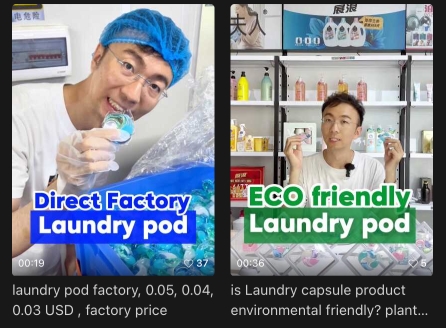
“1美元洗20天衣服” 澳慈厂二代让全球消费者点赞中国日化生产力
Sou Hu Wang· 2025-05-20 05:33
Group 1 - The core viewpoint of the article highlights the rising global trust in Chinese products, particularly in the daily chemical sector, exemplified by the success of laundry pods produced by Guangdong Aoci Daily Chemical Technology Co., Ltd. [3][14] - The company, established in 1992, integrates research and development, production, sales, and OEM services, and has a significant production capacity of 150,000 tons of laundry liquid and 3 billion laundry pods annually [4][6]. - Aoci is recognized as one of the earliest manufacturers of laundry pods in China and has played a role in setting industry standards [6]. Group 2 - The company's competitive edge lies in its technological innovation and efficiency improvements, which allow it to offer high-quality products at reasonable prices, as demonstrated by its main brand "Zhanlang" achieving sales of over a million bottles annually without advertising [8][20]. - The article discusses the transformation of traditional foreign trade models, with Aoci leveraging social media to directly engage with international consumers, resulting in a growing number of inquiries from overseas businesses [11][13]. - Aoci's strategy includes maintaining a dual focus on domestic OEM and its own brands while actively exploring overseas markets through innovative marketing methods [16]. Group 3 - The global market reality underscores the irreplaceability of Chinese manufacturing, with China contributing 35% of global industrial output and being the source of 80% of toys and 60% of daily necessities in the U.S. [14]. - The article emphasizes that the future of Chinese manufacturing should not rely solely on low-cost competition but should also focus on enhancing product quality and brand value, inspired by the craftsmanship of German and Japanese manufacturers [17][20]. - Aoci aims to establish itself as a leading global laundry pod manufacturer, driven by a commitment to innovation and quality, as articulated by its leadership [19].
吴劲草:全球关税战硝烟滚滚,为何义乌“云淡风轻”?
Guan Cha Zhe Wang· 2025-05-17 01:25
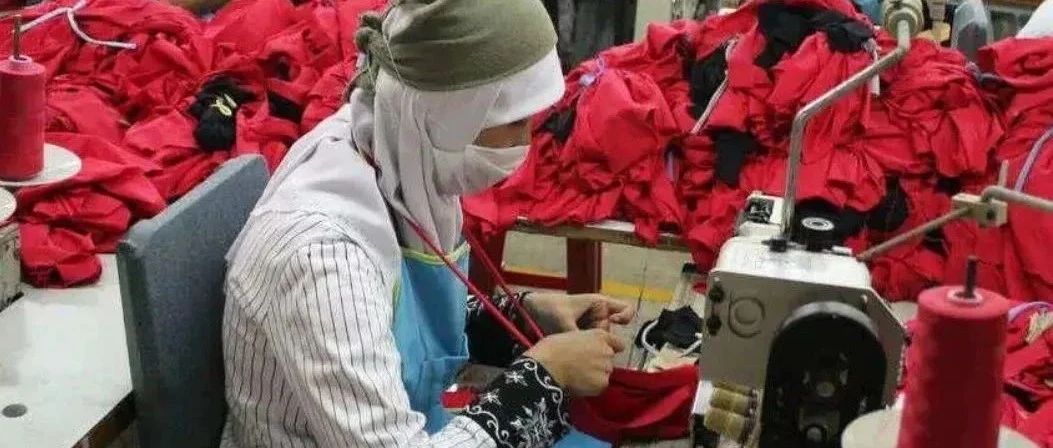
Core Viewpoint - The recent shift in US tariff policy and the temporary pause in the trade war between China and the US highlight the need for rational expectations regarding the long-term complexities and challenges in Sino-US economic relations [1] Group 1: Impact of Tariff Changes - The US tariff increases have had a minimal impact on exports from Yiwu, indicating a level of calm among Yiwu merchants despite the trade tensions [3][4] - The recent agreement on tariffs has not significantly altered trade dynamics, as the core issue remains the US's concern over China's competitive manufacturing capabilities [9][10] Group 2: Yiwu's Role in Global Trade - Yiwu International Trade City serves as a crucial platform for China's manufacturing competitiveness, attracting non-US market buyers from regions like the Middle East and Africa [1][8] - The unique procurement model in Yiwu, which focuses on non-branded goods, allows for a diverse range of products to be sold collectively, differentiating it from traditional brand-led procurement models [6][12] Group 3: Merchant Sentiment and Market Dynamics - Yiwu merchants exhibit a lack of clear understanding regarding US trade policies, leading to a sense of indifference rather than active concern [5][13] - Overseas buyers are primarily driven by their commercial needs and the quality of Chinese products, rather than the political climate between the US and China [14] Group 4: Production Capacity and Market Opportunities - China's manufacturing capacity, particularly in consumer goods, is robust but faces domestic demand limitations, necessitating export channels to prevent overcapacity [8][12] - The overall trade with the US constitutes only about 15% of China's total trade, suggesting that other global markets can compensate for any potential losses from the US market [12]

“大马”采购天团:来长沙就能找到合适小挖机!
Chang Sha Wan Bao· 2025-05-15 14:56
Group 1 - The fourth Changsha International Construction Machinery Exhibition has officially opened, attracting over 200 procurement representatives from Malaysia [1] - Malaysian buyers express strong interest in Chinese construction equipment, particularly small excavators and intelligent weeding machines, indicating a growing confidence in the quality of Hunan's engineering equipment [1][2] - The event showcases a variety of construction machinery, with notable interest in products from established brands like Zoomlion and SANY, which have been in the Malaysian market for over a decade [2] Group 2 - The Malaysian delegation includes members from various industries, all with specific procurement needs, highlighting the diverse applications of construction machinery [1] - The exhibition has seen significant improvements in equipment intelligence and quality compared to previous years, reflecting the evolving standards in the construction machinery sector [2] - The event not only serves as a procurement platform but also as an opportunity for cultural exchange and exploration of the local area by international visitors [1]


德国制造的护城河,还能撑多久?
Hu Xiu· 2025-05-15 10:14
Core Viewpoint - The article discusses the erosion of the competitive advantage of "Made in Germany" as German manufacturers face increasing pressure from lower-priced and faster competitors, particularly from China. Group 1: The Conflict in the Workshop - A conflict arises between a father and son over pricing and competition with a Polish company offering lower prices and faster delivery [2][4]. - The son highlights that the Polish company is essentially a front for Chinese products, which raises concerns about the company's pricing strategy [5][8]. Group 2: Erosion of "Made in Germany" Faith - "Made in Germany" has historically been associated with reliability and quality, but this perception is changing [10][11]. - A study indicates that 63% of German companies acknowledge they are significantly lagging behind Chinese manufacturers in price competition [12]. - Chinese companies are rapidly improving their product quality, especially in sectors like 3C products and precision tools [13]. Group 3: Speed and Structure Over Tradition - Many German companies cling to the belief that stability equates to safety, but this mindset is becoming a risk in the current competitive landscape [15][16]. - A Chinese seller registered a brand in Germany and quickly penetrated the market through platforms like Amazon, demonstrating a deep understanding of customer behavior [18][20]. - German firms are still focused on product quality, while competitors are excelling in service speed and market responsiveness [21][22]. Group 4: Redefining Business Practices - Recommendations for internal restructuring include implementing flexible response systems to enhance customer satisfaction and operational efficiency [23][25]. - Companies are shifting from reactive to proactive approaches in inventory and procurement, utilizing data to anticipate customer needs [26][28]. Group 5: Resolution After Conflict - A follow-up visit reveals improved relations between the father and son after attending a trade show, where they noticed a stark contrast in customer interest between their booth and a competitor's [29][31]. - The father reflects on the changing meaning of "Made in Germany," acknowledging that brand identity is defined by customer perception rather than self-assertion [33].
外国游客“在华扫货”热:“带空箱子到中国!”
Xin Hua She· 2025-05-13 08:15
Group 1 - The trend of foreign tourists coming to China for shopping, referred to as "China Shopping," is rapidly increasing, with significant growth in both the number of visitors and their spending [3][6][7] - Data from the National Immigration Administration indicates that during the recent May Day holiday, foreign entries reached 1.115 million, a year-on-year increase of 43.1%, with Shanghai seeing a consumption increase of 211.6% [3][6] - The "immediate purchase and refund" tax refund service has seen a dramatic rise, with a 22-fold increase in the tax refund scale in ten pilot areas compared to the previous year [3][7] Group 2 - Foreign tourists are shifting their purchasing preferences from inexpensive souvenirs to high-quality, unique products such as silk, ceramics, and smart devices, reflecting a change in consumer behavior [4][6] - The convenience of shopping in China, including the ease of tax refunds and the availability of mobile payment options, is a significant factor attracting foreign shoppers [5][7] - The implementation of visa-free policies has led to a 40.2% increase in foreign visitors, with 71.3% of them benefiting from visa exemptions, further encouraging shopping [6][7] Group 3 - The Chinese government has introduced various measures to facilitate shopping for foreign tourists, such as lowering the tax refund threshold and increasing cash refund limits, which enhances the shopping experience [7][8] - The rise of "China Shopping" reflects the resilience and potential of China's economy, with projections indicating that inbound consumption could significantly contribute to GDP growth [8][10] - There is a call for improved marketing strategies and the establishment of more local brands in international markets to attract foreign tourists consistently [10]

狂撒530亿的印尼,成了中国小老板的新“天堂”
芯世相· 2025-05-12 04:49
Core Viewpoint - The article highlights the growing influence and market penetration of Chinese brands in Indonesia, showcasing how they have successfully tapped into local consumer preferences and market dynamics, leading to significant business opportunities and growth in various sectors. Group 1: Market Opportunities in Indonesia - Chinese brands are increasingly dominating the Indonesian market, particularly in the smartphone sector, where they hold over 70% market share as of Q3 2024, with a growth rate of 11.3% [15][26]. - The popularity of Chinese products extends beyond smartphones to accessories and even outdated technology, such as set-top boxes, which are in high demand in Indonesia [20][21]. - The automotive sector is also seeing a surge in Chinese brands, with BYD and Chery achieving significant sales growth, and plans for local manufacturing are underway [27][29]. Group 2: E-commerce and Consumer Behavior - Indonesia's e-commerce market has exploded, with transaction volumes reaching $53.8 billion in 2023, a staggering 90-fold increase over 11 years, making it a lucrative market for Chinese companies [40]. - Chinese brands are adept at localizing their products and marketing strategies, often disguising themselves as local brands to better connect with Indonesian consumers [41]. - The local population's increasing disposable income, especially during religious holidays, presents a prime opportunity for brands to capitalize on consumer spending [43][45]. Group 3: Policy and Economic Environment - Indonesia has shifted from protectionist policies to a more open market approach, abolishing restrictive regulations that previously hindered foreign investment, thus creating a more favorable environment for Chinese companies [56][59]. - The Indonesian government is actively encouraging foreign investment, particularly in sectors like electric vehicles, by offering tax incentives and reducing import restrictions [29][57]. - The demographic advantage of Indonesia, with a population exceeding 270 million and a significant proportion under 34 years old, provides a vast consumer base for Chinese brands [53].

《创业有得聊》:三一集团董事长向文波解码 “中国制造” 的创业哲学
Sou Hu Cai Jing· 2025-05-11 08:51
Core Viewpoint - The upcoming episode of Hunan TV's "Entrepreneurship Talk" features Xiang Wenbo, Chairman of SANY Group, discussing the entrepreneurial philosophy behind "Made in China" with young entrepreneurs from Hunan University and the University of Warwick [1][3]. Group 1: Entrepreneurial Insights - Xiang Wenbo emphasizes that entrepreneurs should equate work with life, highlighting the current favorable entrepreneurial environment in Hunan that allows young people more room for trial and error [3]. - He shares his personal journey, revealing the difficult decision to leave a stable job for entrepreneurship, driven by a belief in "serving the country through industry" [1][3]. - The discussion includes the importance of self-motivation and social responsibility as core traits of successful entrepreneurs [1]. Group 2: Young Entrepreneurs' Projects - A project presented by He Yao focuses on intelligent engineering machinery, featuring a remote control system that enhances safety and efficiency, though Xiang advises on the need for hardware support and collaboration with small enterprises for differentiation [3]. - Li Zhirui's innovation, a concrete carbon-reducing agent, can reduce cement usage by 30%-50% and lower carbon emissions, while increasing profit margins for mixing stations by over 20% [3]. - Xiang warns the young entrepreneurs about the risk of technology replication and stresses the necessity of building a protective moat through patents [3]. Group 3: Key Entrepreneurial Principles - The dialogue covers essential entrepreneurial principles, such as the ability to gain resources being fundamentally about instilling confidence in others [3]. - Xiang highlights that entrepreneurs are constantly solving problems, and their capabilities directly influence the success or failure of their ventures [3]. - He advises the young entrepreneurs to critically assess experiences, as success cannot be replicated [3].


如何看待我国4月出口韧性超预期?|宏观经济
清华金融评论· 2025-05-10 10:31
Core Viewpoint - In April 2025, China's exports grew by 8.1% year-on-year, exceeding the 5.8% growth in the first quarter, despite the impact of new U.S. tariffs implemented on April 2 [2][6] Export Performance Analysis - The resilience in exports can be attributed to a 21.0% year-on-year decline in exports to the U.S., which, while significant, was better than expected. Exports to ASEAN, India, Africa, and Latin America saw year-on-year growth rates of 20.8%, 21.7%, 25.3%, and 17.3%, respectively, effectively offsetting the decline [2][8][10] - Major export categories showed mixed results, with labor-intensive products like textiles, bags, clothing, and toys experiencing a combined year-on-year decline of 0.8%. Electronics, particularly mobile phones, were significantly affected by tariffs, with year-on-year declines of 21.4% for phones and 1.7% for automatic data processing equipment. Home appliances and furniture also saw low growth rates of -2.9% and -7.8%, respectively. However, automotive exports increased slightly by 4.4%, surpassing the first quarter's 2.2% [2][12][15][16] Competitive Advantage of Chinese Manufacturing - April's export data highlighted the competitiveness and resilience of "Made in China" products. China's manufacturing sector has both scale and efficiency advantages, as evidenced by its global manufacturing value added share of approximately 31% in 2021, compared to the U.S. at 16% and Japan at 6%. The Competitive Industrial Performance (CIP) index shows China ranked second globally in 2021, up from 35th in 1990 [3][17] Caution on Tariff Impact - There is a need for vigilance regarding the impact of tariffs, as the effects may become more pronounced in the coming months. Historical data from 2018 indicates that significant tariff implementations led to delayed impacts on export growth, with a notable decline occurring several months after tariffs were enacted. The April PMI data showed a 4.3-point month-on-month decline in export orders, particularly in textiles, chemicals, and midstream equipment manufacturing, indicating a potential lag in the transmission from orders to delivery [3][18][19] Economic Growth Dynamics - The relationship between growth momentum and stabilization efforts is likened to a seesaw, with current economic conditions suggesting a continued focus on counter-cyclical policies. Despite a strong actual growth rate in the first quarter, nominal growth remains low, with tax revenue and profits from large enterprises showing declines. The government is expected to leverage recent policy measures to stimulate domestic demand and address the ongoing pressures from tariffs [4][20]