
中国文化

Search documents
中国健儿向世界传递中国文化
Xin Lang Cai Jing· 2026-02-16 21:33
Group 1 - The Chinese figure skating duo Sui Wenjing and Han Cong successfully advanced in the Winter Olympics with their performance of "Carmen" and will showcase "Only This Green," which incorporates traditional Chinese cultural elements [2] - The performance "Only This Green" features music from a dance poetry drama and includes ethnic instruments, with costume design inspired by the painting "A Thousand Li of Rivers and Mountains," highlighting the integration of traditional culture into figure skating [2] - Other Chinese athletes are also showcasing cultural elements, with the ice dance duo Wang Shiyue and Liu Xinyu performing popular 90s Hong Kong songs, emphasizing the representation of Chinese pop culture on the Olympic stage [3] Group 2 - Gu Ailing's competition outfit, inspired by blue-and-white porcelain and featuring a dragon and cloud patterns, has received international acclaim, symbolizing strength and cultural heritage [4] - Many athletes are personalizing their helmets with national elements, such as panda designs and traditional motifs, reflecting a blend of personal expression and cultural pride [4] - Zhao Dan, a member of the women's skeleton team, achieved her best Olympic results while wearing a helmet adorned with magpie and plum blossom designs, symbolizing good fortune [5]


一起看春晚! 总台春晚直播首次落地阿联酋社区
Xin Lang Cai Jing· 2026-02-16 21:33
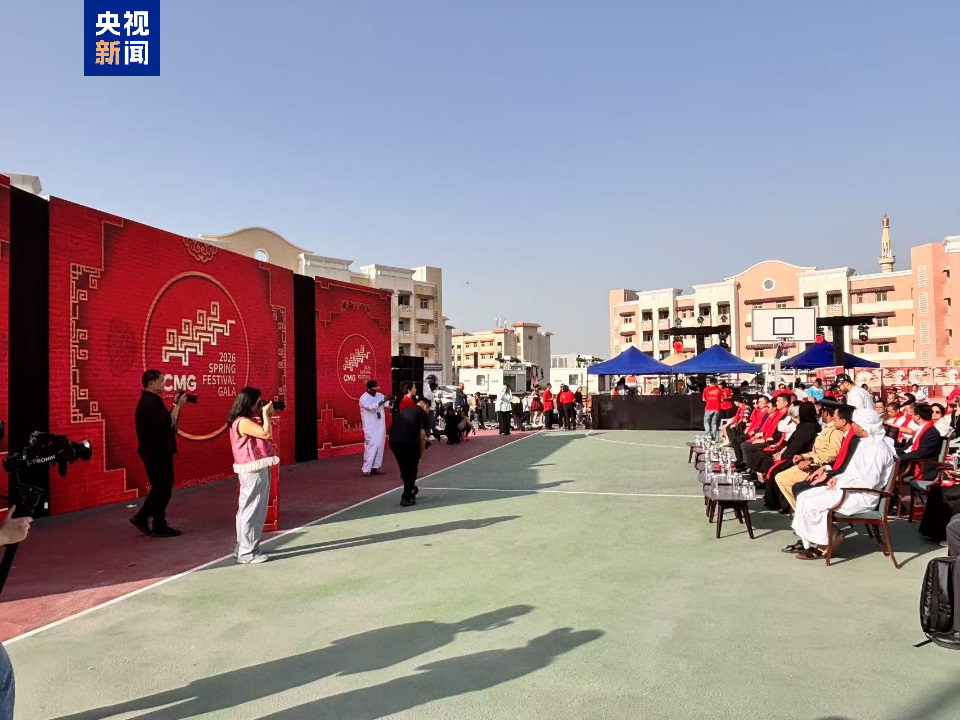
看总台春晚,品中国文化。作为全球收视规模最大的年度文化盛事,春晚既是陪伴亿万中国人的"文化年夜饭",也是全球观众感受中国春节独特魅力与文化 底蕴的重要窗口。当地时间2月16日下午,由中央广播电视总台中东总站主办的"一起看春晚"活动在阿联酋迪拜国际城举行。社区广场早早就聚集起大批观 众,冒着午后的烈日等待总台春晚直播的开始。 △数百名观众现 △中国驻迪拜总 当地时间下午四点,总台马年春晚如约与现场观众见面。这是总台春晚首次落地阿联酋社区。精彩纷呈的节目画面和美轮美奂的舞台效果在大屏实时呈现, 让来自全球各国的观众沉浸其中,不时发出赞美甚至惊叹。 △现场观众纳赛尔·萨巴阿接受总台记者采访 迪拜警察局鼓乐队专程来到现场,用自己的方式向在场观众送上新春的祝福。来自中国智造的人形机器人与旅居迪拜的华侨同台热舞,引来在场观众的阵阵 掌声。总台精美的特色文创产品吸引人们纷纷驻足打卡。活动区设置的游艺体验和美食品尝环节,让华人华侨仿佛回到故乡的春节庙会,也让外国观众充分 体会到中国的美食文化。 △迪拜警察局鼓乐队现场演奏祝福中国春节 场等待总台春晚开播 领事欧渤芊向现场各国观众送上新春祝福 △艺术感与科技感并存的《武BOT》 ...
老外志愿者们的中国年
Xin Lang Cai Jing· 2026-02-16 13:00
随着中国春节申遗成功,中国文化的影响力不断扩大,越来越多在津生活的外籍朋友也爱上了"过年"。 南开大学外籍教师吴瑞龙就是其中一个,今年的春节,他要怎么过呢? 今年1月,市外办成立"身边的国际社会"志愿服务队,吴瑞龙和献血志愿者皮安瑞等外籍人士一同加 入。庆祝春节,他和朋友们受邀作为体验官,打卡双语友好街区——西北角,看高跷、逛市集、品非 遗。 吴瑞龙也准备将这份民俗文化,分享给更多海外的朋友。每年除夕,吴瑞龙的老外朋友们,都会轮流做 东,庆祝新年。这次,大家来到了朋友苏小安家。苏小安从天津外国语大学毕业后,留校任教,今年春 节,她也迎来了"双喜临门"。 (来源:天津广播电视台) 这次苏小安也把妈妈接到了天津,一起感受中国年。这座城,温暖着异国与他乡的人们,不问你从哪里 来,来了就是天津人。 ...
喝热水、穿拖鞋:一个华裔女孩如何让外国网友集体“确诊”为中国人
Xin Lang Cai Jing· 2026-02-16 10:54
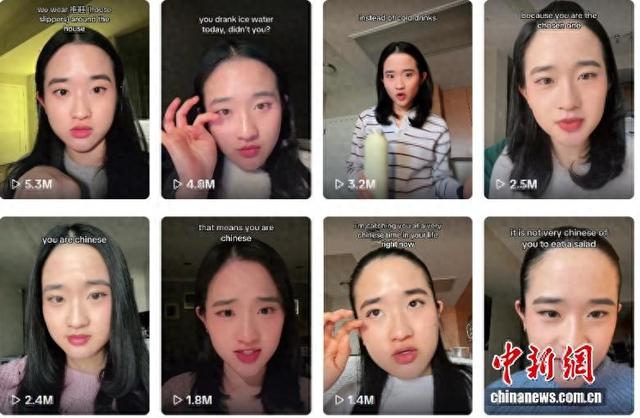
中新网北京2月16日电(记者 郎朗)农历新年的脚步声近了,大洋彼岸的社交媒体上,年味儿却比以往任 何时候都浓。 "春节快到了,作为中国人,我们会吃这些美食……""过年要穿红色的衣服,红色美甲也是不错的选 择"…… 海外社交媒体上,#BecomingChinese(成为中国人)热潮持续升温。 喝枸杞泡热水、穿拖鞋、过年穿红色衣服,这些中式生活细节正成为全球年轻人的新时尚,数百万外国 人正进入人生中一个"非常中国化"的时期。 如果要为这股潮流寻找一个锚点,Sherry(朱溪瑞)绝对是绕不开的名字。 几十条科普中式生活的视频播放量都超百万,仅仅两个月,Sherry的TikTok粉丝量突破70万。 "我还是以前的我,与其说是我的视频火了,我更认为是中国文化火了。"朱溪瑞告诉中新网。 社媒截图 风潮 "你不认识我,我是一名美国华裔,不管你是谁,只要你刷到这个视频,那你就是中国人了。没必要反 抗,这是你的命运。" "如果你也喜欢吃火锅、广式点心、川菜、Biangbiang面……没错,你是中国人!" 2025年12月6日,22岁的华裔女孩朱溪瑞在TikTok上发了一条20秒的视频。这是个普通的星期六,发完 视频她就跟同学出 ...
“春晚序曲”联合国专场活动在纽约举行
Yang Guang Wang· 2026-02-16 02:42
2026年"人类的美好未来"全球AI影视作品征集活动现场启动。总台马年春晚宣传片以及"跟着电影 游中国"精彩片段在活动上播放,并通过全息影像设备在会场进行循环展播,生动呈现中国文化的丰富 内涵与多元魅力。 央广网北京2月16日消息 据中央广播电视总台中国之声《新闻和报纸摘要》报道,由中国中央广播 电视总台主办的"春晚序曲 全球看春晚"联合国专场活动13日在美国纽约举行。多国驻联合国使节、联 合国机构代表,以及中美两国文化、经济、媒体等各界友好人士约300位嘉宾参加活动。 ...
(新春见闻)雅加达掀起“汉服热” 印尼青年乐享中国文化
Xin Lang Cai Jing· 2026-02-14 08:18
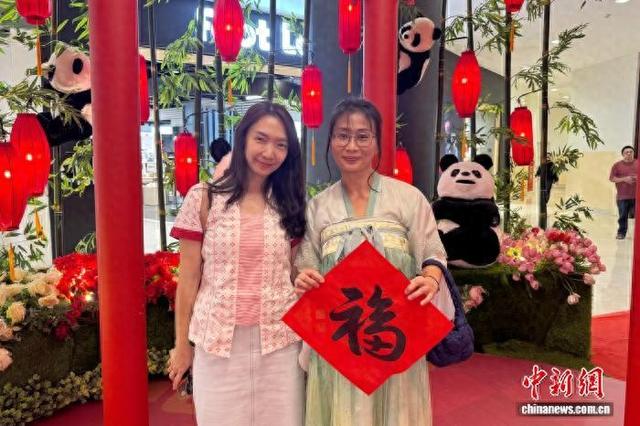
中新社雅加达2月14日电 题:雅加达掀起"汉服热" 印尼青年乐享中国文化 雅加达一处春节庆祝活动现场,身着汉服的印尼民众。李珂 摄 雅加达云华阁汉服工作室负责人张雪飞介绍,目前顾客以华人为主,但近两年来,本地非华裔青年明显 增加。她认为,这既得益于汉服近年来在中国的快速流行发展,也与印尼社会对多元文化的包容以及两 国交流日益密切相关。 23岁的塞西莉亚便是其中之一。"汉服精致又好看。"她表示,在社交平台上看到身边不少朋友赴中国旅 游时拍摄汉服写真,觉得"画面很美"。在她看来,汉服首先是一种视觉吸引,"我知道它是中国文化的 象征,但更多是觉得漂亮"。 在雅加达一处春节庆祝活动现场,塞西莉亚与好友阿玉在中式亭台前反复调整姿势,轻提衣袖,缓缓转 身,让裙摆自然铺展。翻看照片时,她笑着说:"我要把这些照片发到社交平台上,让朋友们看看。" 华裔青年李美慧自幼家中便保留春节、端午等传统习俗,并曾在北京学习中文。"我一直很喜欢中国传 统服饰文化,知道不同朝代的汉服有着不同的款式。"对她而言,穿汉服不仅是审美体验,也是一种文 化记忆的延续。 作者 李志全 李珂 "我穿起来像公主一样。"印度尼西亚华裔女孩雅辛莎轻轻摆动裙摆,笑 ...
新华时评:新春“中国游”折射世界对华认知之变
Xin Hua She· 2026-02-14 02:33
Core Insights - The surge in foreign tourists booking flights to China during the Spring Festival reflects a growing trend of cultural immersion and appreciation for Chinese traditions [1][2] - The recognition of the Spring Festival as a UNESCO intangible cultural heritage in December 2024 signifies its increasing global influence and acceptance [1] Group 1: Cultural Appeal - Foreign tourists are seeking deeper cultural experiences in China, moving beyond traditional sightseeing to engage in local customs such as visiting temple fairs and writing Spring Festival couplets [1] - The cultural essence of the Spring Festival, embodying themes of reunion, harmony, and hope, resonates with a global audience, with approximately one-fifth of the world's population celebrating it in various forms [1] Group 2: Policy and Accessibility - The increase in foreign interest is supported by China's efforts to enhance its openness, including optimizing entry policies, expanding visa-free countries, and improving travel services [2] - The facilitation of travel through extended transit visa policies and improved payment options has made spontaneous trips to China more feasible for international visitors [2] Group 3: Global Engagement - The influx of foreign leaders visiting China and engaging with its culture highlights a growing curiosity and appreciation for Chinese heritage [2] - Shared experiences during the Spring Festival, such as communal dinners and cultural exchanges, foster a sense of connection and understanding among diverse populations [2]
新春“中国游”折射世界对华认知之变
Xin Lang Cai Jing· 2026-02-13 11:07
这股热潮持续升温,得益于中国扩大对外开放发出的诚挚邀约。中国不断优化入境政策,扩大免签国家 范围、增加入境口岸、将过境免签停留时间统一延展至240小时,并推动外卡支付、交通出行等服务便 利化。政策支持与服务完善双轮驱动,让"说走就走"的中国之旅成为现实。 当中国人返乡团圆、共叙亲情时,海外"China Travel"(中国游)也迎来"新春版"。最新数据显示,外国 游客春节来华机票预订量较往年同期暴增。"来中国过春节"的新趋势,成为中国软实力和传统文化魅力 的鲜活例证。 春节为媒,美美与共。外国人选择来中国过中国年,不仅真切感受到中国人对家国团圆的深厚情感,也 搭建起民心相通、文明互鉴的坚实桥梁。当不同肤色的人们共享一桌年夜饭,当"新春快乐"的祝福声传 遍四海,我们看到的,不仅是中华文化之美的深入人心,更是人类命运共同体理念在民心相通中的生动 实践。 对于许多外国游客而言,来华过年早已超越普通观光揽胜的范畴,而是一次直抵心灵、深度融入的文化 沉浸之旅。他们的心愿清单中不仅包括爬长城、逛故宫、看熊猫等传统项目,还有逛庙会、写福字、贴 春联。他们在社交软件上晒出的,不仅有上海外滩夜景,还有新春灯会和舞狮表演。从"看 ...
“洋学生”中国说|一笔“福”字连世界,中国年如何让海外越过越“上头”?
Xin Lang Cai Jing· 2026-02-13 07:02
Core Viewpoint - The celebration of the Chinese New Year is evolving into a global trend, transitioning from a traditional Chinese festival to a shared experience for many foreigners, highlighting the cultural significance and openness of China [2][5]. Group 1: Cultural Integration - International students in China are actively participating in traditional activities, such as writing Spring Festival couplets, which allows them to immerse themselves in Chinese culture and experience the festival authentically [2][4]. - The act of writing characters like "福" (fu) not only conveys New Year blessings but also reflects a deeper understanding and appreciation of Chinese culture among international students [4]. Group 2: Global Perception of China - The Chinese New Year embodies the rich cultural heritage of the Chinese nation while showcasing a more open and confident image of China to the world [5]. - The experiences of both international students and overseas tourists contribute to a positive and relatable image of China, fostering emotional connections and cultural exchanges [5].
北京胡同里的法国姑娘(新春走基层)
Jing Ji Wang· 2026-02-13 02:58
"你好,我想买一些散装的点心,有没有今年新增的口味?"2月8日的清晨,北京东直门稻香村糕点 店,法国姑娘李娜探身凑近柜台。她说着一口流利的中文,甚至还带着点京腔。 李娜在北京胡同里已经住了20多年。"特别有人情味儿。"漫步在青砖灰瓦的胡同间,李娜细数着与 邻里的日常来往,"有时听见'啪啪啪'敲门,一开门,邻居端着饺子、烙饼说'快趁热吃'。" 这一待就是24年。她在中国收获了爱情,把家安进了北京的胡同里。 1997年,李娜参加了中法学生交流活动,她住进中国寄宿家庭,从此开启了与中国的情缘。 在李娜看来,中国有一种特殊的吸引力。"太大了,看什么都很有意思",中国文化更是充满魅 力,"像一个大蛋糕,尝了一口还想接着吃。" 2002年,结束交流回到法国的李娜决定再来北京。原计划是进修一年,然后回法国当中文老 师。"一年后,我不想走了,因为中国实在太有活力了。"李娜说。 北京的胡同里,弥漫着炖肉的香气,家家户户正在为春节忙碌着。李娜的中国公公写了一副春联送 给她:福满春天里,梦圆盛世中。 环球时报记者 郭 芳 周茜雯 在她看来,中国的烟火气、人情味、安全感,以及根植于文化的自信包容,正成为让世界心安的力 量。 《 人民 ...