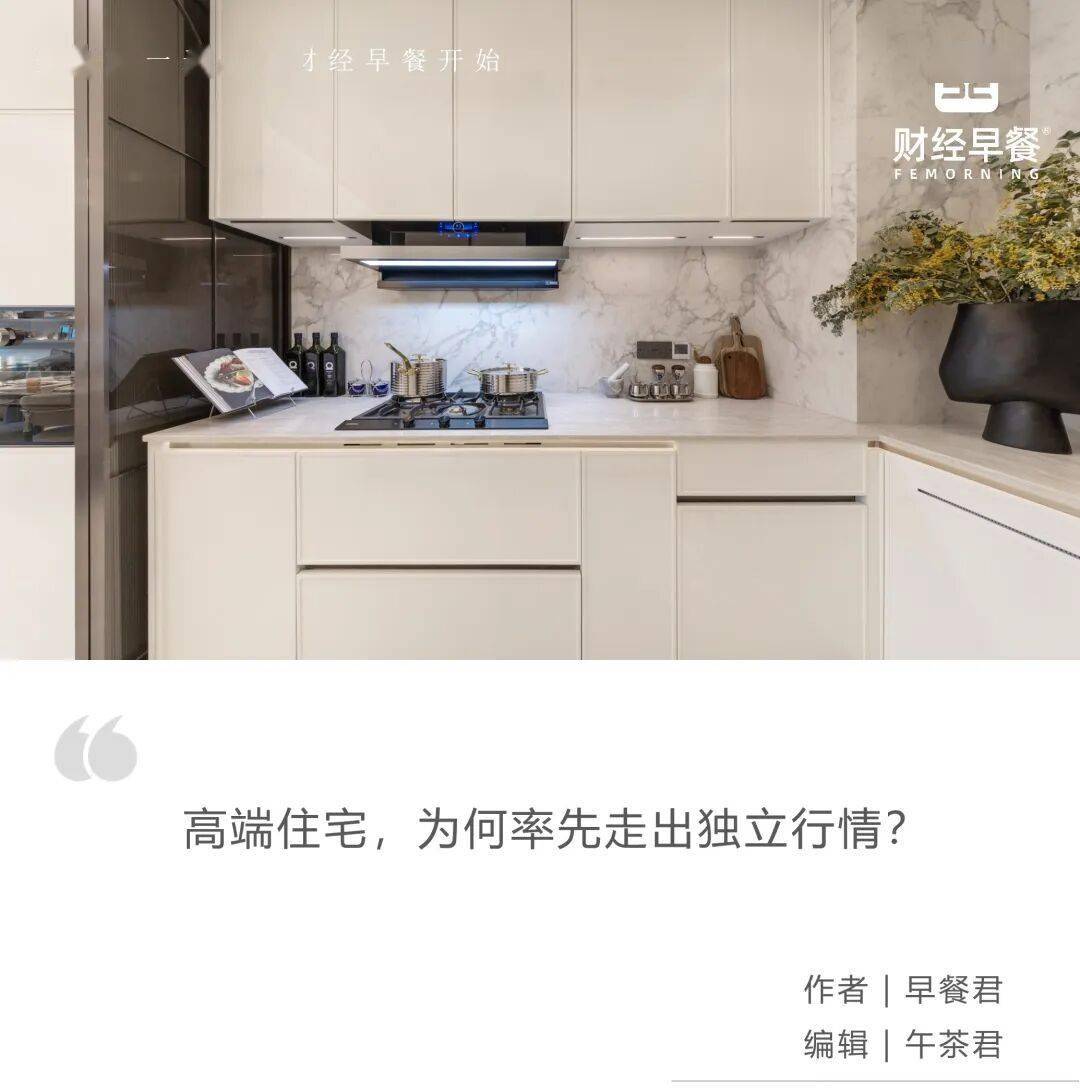
价值共生

Search documents
从“向外卷”到“价值共生”:豪宅里的中国方案
Sou Hu Cai Jing· 2025-12-19 17:08
Core Insights - The real estate market is undergoing a significant transformation, moving from a "high turnover, high leverage" model to a new phase centered on "quality-driven" development [4] - The value of real estate is being redefined, shifting from mere space construction to creating living scenarios, with technologies like green buildings and smart homes driving this change [4] - The demand for high-quality residential properties is increasing, as evidenced by a 15.6% year-on-year growth in transactions of properties priced over 10 million yuan in key cities [5] Group 1: Market Trends - The concept of "good housing" has been officially recognized in government reports, indicating a policy shift towards promoting high-quality residential development [5] - In Shanghai, premium land parcels have seen a price premium of 46.33%, reflecting strong market confidence in quality housing [4] - The high-end residential market is showing resilience and is leading the national market despite the overall real estate sector being in a deep adjustment phase [5] Group 2: Consumer Behavior - A new generation of high-net-worth individuals, particularly those under 40, is emerging as a significant force in the high-end market, with 49% of high-net-worth individuals now in this age group [6] - This demographic shift is accompanied by a change in consumer logic, where younger consumers prioritize quality and personal alignment over brand heritage [6][7] - The preference for high-quality kitchen appliances is shifting towards domestic brands like Fotile, which are gaining market share in high-end residential projects [9] Group 3: Product Innovation - Fotile has achieved a brand penetration rate of 61.5% in Beijing's high-end market, indicating a strong preference for local brands in luxury housing [9] - The design philosophy of Fotile emphasizes a seamless integration of kitchen appliances into living spaces, catering to the aesthetic and functional demands of modern consumers [14] - The company invests over 5% of its annual revenue in R&D, resulting in over 16,000 global patents, which positions it as a leader in innovation within the kitchen appliance sector [14] Group 4: Industry Collaboration - Fotile is actively collaborating with real estate developers to create a new paradigm of "value co-creation," moving beyond traditional procurement relationships [17] - The company has participated in setting industry standards for kitchen appliances, aligning with government initiatives to promote high-quality housing [16] - By engaging in the design phase of residential projects, Fotile enhances the overall living experience and increases customer satisfaction, as evidenced by a 40% increase in repurchase intent for projects it has been involved in [16]

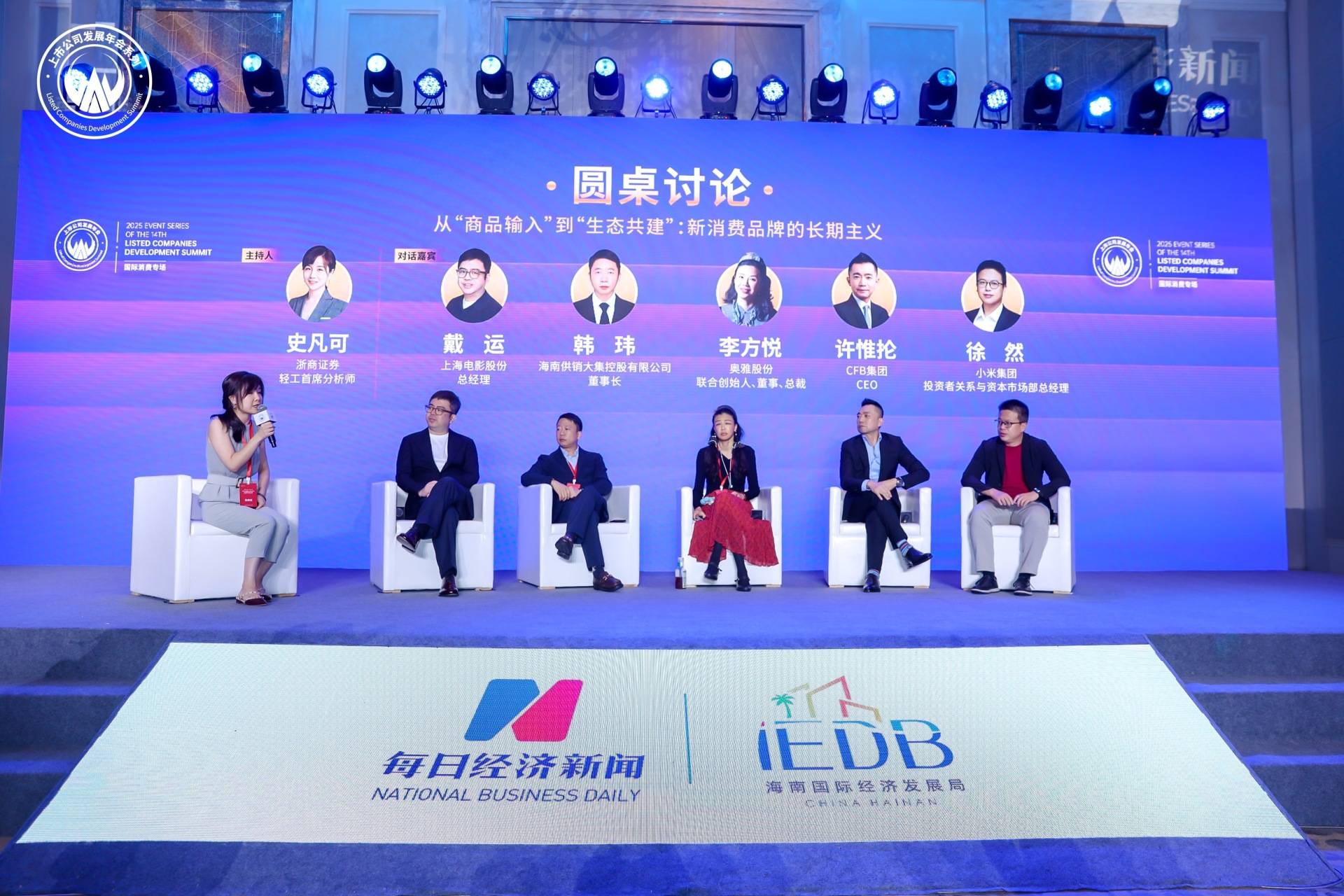
从“商品输入”到“生态共建” 新消费品牌用内容共创、场景经营留住流量
Sou Hu Cai Jing· 2025-12-14 04:04
Core Insights - The consumer landscape is being reshaped, with a shift from "quantity growth" to "quality leap" in retail sales, necessitating new consumption brands to redefine their value creation strategies [1] - The roundtable discussion highlighted the importance of building a collaborative ecosystem both externally with partners and internally within companies to enhance operational efficiency [1] Group 1: New Consumption Trends - The retail sales of social consumer goods are experiencing steady growth, indicating a transition in consumer behavior towards quality and long-term value creation [1] - The film "The Little Monster of Langlang Mountain" achieved a box office of 1.7 billion yuan and created over 800 derivative SKUs, with an expected GMV of 2.5 billion yuan by year-end [3][4] Group 2: Ecosystem Collaboration - Companies are moving from short-term profit models to deeper industry chain collaborations, as illustrated by Hainan Supply and Marketing Group's shift towards joint ventures and agricultural partnerships [4] - Xiaomi's strategy involves leveraging its IT, financial, and human resources capabilities to build win-win relationships with over 18,000 retail stores in China and around 300 overseas [4] Group 3: Emotional and Social Consumption - The fragmented and segmented nature of current consumer behavior emphasizes the need for brands to capture and retain consumer attention through emotional engagement and social interaction [5] - The creation and operation of IP content, along with enhanced experiential marketing, are seen as effective methods for brands to convert fleeting consumer interest into sustained sales [5][6]
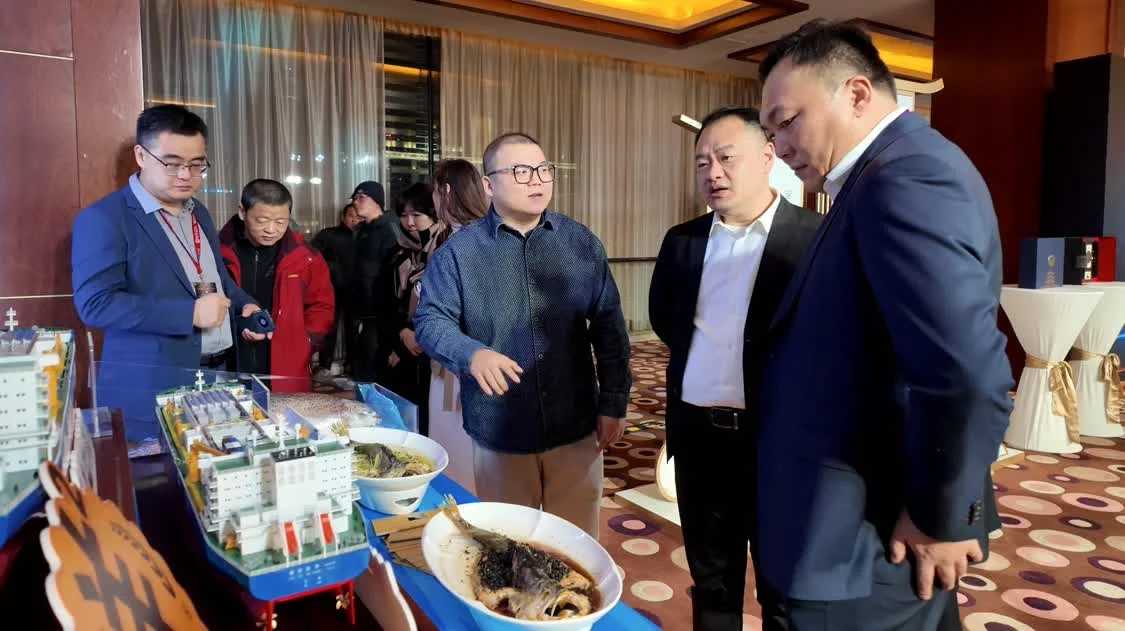
财界观察 | 国信水产如何闪耀金梧桐?
Xin Lang Cai Jing· 2025-12-13 11:19
Core Insights - The event on December 12 at the Beijing International Hotel marked a significant recognition for Guoxin Aquatic Products, showcasing its deep-sea yellow croaker as a new force in high-end dining [1][3] - The dual recognition from the "Golden Wutong" and "National Brand" awards highlights Guoxin's journey from a quality supplier to a core partner in high-end dining ecosystems [4][6] Industry Recognition - The "Golden Wutong Selected Ingredients" title represents a collective endorsement from top chefs and food critics, affirming Guoxin's products meet the highest culinary standards [4] - The "National Brand" award from CCTV emphasizes Guoxin's innovative "ship-based farming" model, positioning it as a leader in modern marine economy [4][6] Supply Chain Innovation - Guoxin has redefined scarcity in high-end dining through industrialized production via its fleet of large-scale aquaculture vessels, creating a "technological scarcity" [7] - The delivery of the "Guoxin No. 1-2" aquaculture vessel marks the establishment of a scalable operational model, enhancing the efficiency of fish farming [7][9] Quality Assurance - The entire production process, from fry to harvest, is controlled in a closed system, ensuring absolute quality stability and rapid processing times [9] - Third-party testing shows that Guoxin's products exceed industry standards in nutritional content, appealing to high-end chefs focused on health and quality [9] Strategic Importance for Qingdao - Guoxin's success is strategically significant for Qingdao, establishing it as a flagship enterprise in the marine economy and linking it to the national high-end consumer market [10] - The company is not just exporting seafood but also providing a comprehensive marine industry solution, enhancing Qingdao's reputation in the sector [10] Future Business Model - Guoxin's long-term strategy involves a "dual-track" approach, enhancing high-end dining while expanding into more accessible markets [11] - The aim is to make high-quality seafood more affordable for everyday consumers, challenging the perception that premium seafood must be expensive [11]
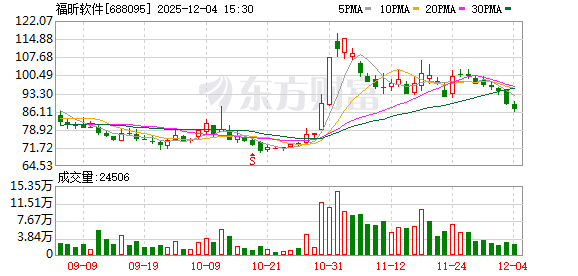
福昕软件熊雨前:标准引领,构建“自主研发+全球协同”技术供应链
Zhong Guo Jing Ying Bao· 2025-12-04 10:55
Core Viewpoint - The software industry is undergoing a transformation from "cost-driven outsourcing" to "technology-driven value output," emphasizing the importance of supply chain capabilities for global competitiveness [5][10]. Group 1: Company Strategy - Foxit Software has transitioned from a follower to a technology leader in the PDF software industry, investing heavily in international standard development [2]. - The company emphasizes the importance of building localized organizations to strengthen its global presence and adapt to regional market needs [6][10]. - Foxit Software adopts a "domestic core R&D + overseas regional branches" structure to balance compliance with local regulations and long-term growth [4][6]. Group 2: Supply Chain Capabilities - The company identifies three core capabilities for supply chain success: connectivity, control, and design [3]. - Foxit Software collaborates with upstream technology providers and downstream local partners to create a closed-loop system of "technology supply - market feedback - product iteration" [3][4]. - The company focuses on mastering key value nodes, such as format parsing and encryption, to avoid dependency on foreign technologies [3][4]. Group 3: Global Market Expansion - Foxit Software plans to expand its market reach beyond traditional regions like Europe and the U.S., targeting emerging markets with high digital transformation needs [5][10]. - The company employs a strategy of "precise selection of regions + layered advancement" to adapt its approach based on market characteristics [5][10]. - The firm aims to build a collaborative ecosystem with local partners to enhance its service network in new markets, particularly along the Belt and Road Initiative [5][10]. Group 4: Collaborative Ecosystem - The company believes in the importance of "collective overseas expansion" to mitigate risks, where leading firms set direction and platforms while supporting enterprises fill in the supply chain [8]. - Foxit Software has established a collaborative network with various partners, enhancing its software capabilities within local digital ecosystems [7][8]. Group 5: Compliance and Resilience - The company stresses the need for compliance as a prerequisite, localization as a key factor, and resilience as a guarantee for successful overseas operations [11]. - Foxit Software aims to build a technology supply chain system that avoids reliance on a single region, thereby reducing geopolitical risks [10].

1900架订单、有人试飞突破!沃兰特意在构建低空经济生态闭环,剑指航空业第二百年
创业邦· 2025-12-04 10:45
Core Viewpoint - The article discusses the challenges and opportunities in the eVTOL (electric Vertical Take-Off and Landing) industry, emphasizing the need for collaboration among various stakeholders to overcome obstacles and achieve commercial success [2][4]. Industry Cycle Positioning - The eVTOL industry is at a critical juncture in 2024, transitioning from "technical validation" to "commercialization" [6]. - The U.S. has already made significant legislative progress, while China has included "low-altitude economy" in its government work report, indicating a clear policy direction [6]. Technical Validation and Safety - The successful test flight of the VE25-100 eVTOL marks a significant milestone, demonstrating the aircraft's capabilities in a real-world environment [10]. - The rigorous selection process for test pilots highlights the industry's commitment to safety, with a focus on selecting individuals who deeply understand the aircraft [8]. Ecosystem Development - The article introduces a dual-loop model for ecosystem development, linking "R&D supply chain" and "operational service chain" to create synergies [14]. - The collaboration with industry giants during financing rounds indicates a shift from purely financial investment to active participation in R&D [16]. Operational Challenges and Strategies - The article outlines the operational challenges in the eVTOL industry, such as airspace management and infrastructure development, and proposes a "shared benefits" strategy to address these issues [17]. - The focus on creating a collaborative ecosystem aims to distribute high R&D costs and promote infrastructure development [17]. Path to Commercialization - The eVTOL industry's evolution is categorized into three stages: startup, growth, and maturity, with the current focus on validation [19]. - Sichuan Zigong is chosen as a testing ground to establish a complete cycle from production to commercial operation [20]. Long-term Vision - The company aims to become a leading player in the second century of aviation, aspiring to match the stature of Boeing and Airbus [22][23]. - A comprehensive product upgrade plan is in place to adapt to changing market demands over the next 5-10 years [23].

AI赋能公益创新,2025可持续社会价值创新大会为AI时代探寻“解法”
Cai Jing Wang· 2025-12-04 08:56
Group 1 - The S Conference held on December 3, 2025, focused on the theme of "solutions" to explore feasible paths for sustainable development through technology, particularly artificial intelligence [1][2] - Keynote speakers emphasized the need for companies to leverage their advantages in technology and resources to address the challenge of "skill obsolescence" caused by rapid technological advancements [1] - Tencent's initiatives in the field of AI for good were highlighted, showcasing the importance of collaboration in solving complex social issues and the need for platforms to connect various solutions [1][2] Group 2 - The conference featured discussions on the relationship between technology and society, with a focus on balancing technological efficiency with humanistic values [2] - The launch of the "Global Open Research Program Phase I" and the initiation of Phase II aimed at promoting AI for sustainable development was announced [2] - The "Social Innovation" section of the conference included forums on ecological and impact investing, encouraging exploration of innovative paths for social value in the AI era [2][3] Group 3 - A call for a "value symbiosis" approach was made, urging businesses and social forces to collaboratively build an ecosystem oriented towards "good" in response to the challenges of the digital age [3] - Tencent introduced its first batch of six low-carbon products under the "CarbonXmade" project, demonstrating the concept of "turning waste into treasure" by utilizing CO2 captured from industrial emissions [3] - Interactive projects at the conference, such as smart wheelchairs and AI health assistants, engaged attendees and illustrated the integration of sustainable concepts into daily life [3]

从规模到价值共生,魏明乾谈会展业十年“升维”之路
Zhong Guo Jing Ji Wang· 2025-12-01 10:58
Core Insights - The Chinese exhibition industry has undergone a significant transformation over the past decade, shifting from scale expansion to value co-creation, from reliance on venue construction to data-driven approaches, and from operating single events to managing continuous ecosystems [1][2]. Group 1: Industry Evolution - The decade from 2015 to 2025 marks a profound reshaping of the exhibition industry's concepts and practices, summarized by "three dimensions of elevation": development concepts have shifted from quantity to quality, core values have transitioned from physical space to data elements, and the model of exhibition-driven urban development has evolved from discrete projects to continuous collaborative operations [2]. - In 2015, China became the world's leader in exhibition quantity and scale, with total exhibition area increasing from 117 million square meters to 147 million square meters between 2015 and 2024, indicating a significant shift from quantity to quality [3]. Group 2: Strategic Importance - The exhibition industry has transitioned from merely being a platform for economic exchanges to a core vehicle for national image display and strategic deployment, especially following the successful APEC meeting in Beijing in 2014 [3]. - Major exhibitions like the Canton Fair, the China International Import Expo, and the China International Fair for Trade in Services have become pillars of China's high-level opening-up strategy [3]. Group 3: Urban Development Impact - The concept of "holding a good conference revitalizes a city" has gained traction, with large-scale exhibitions acting as powerful engines for urban renewal, driving infrastructure upgrades, reshaping regional economic structures, and enhancing cities' international visibility [4]. Group 4: Venue Development - The total rentable indoor exhibition area in China surged from 8.93 million square meters in 2015 to nearly 14.18 million square meters by the end of 2024, with venues over 100,000 square meters increasing from 13 to 39 [5]. - Modern venues have evolved beyond single exhibition functions to become comprehensive urban landmarks integrating meetings, hotels, commerce, and cultural tourism [5]. Group 5: Future Outlook - The future of the Chinese exhibition industry hinges on responding to contemporary challenges and resonating with industrial developments, focusing on advanced manufacturing and modern service sectors [6]. - Urban competitiveness in exhibitions will depend on the collaborative efficiency, innovation, and vitality of the entire industrial ecosystem rather than just the scale of individual venues [6]. - The industry must achieve breakthroughs in internationalization, including having a voice in international rule-making and transitioning from participating in overseas exhibitions to hosting them [7]. - Digitalization will be crucial, with a focus on embedding digital processes deeply into business operations to create sustainable, quantifiable value [7].
别只盯着眼前这点生意了
虎嗅APP· 2025-11-10 10:11
Core Viewpoint - The article emphasizes that the growth in the travel industry should shift from merely competing for existing market share to innovatively expanding the global market through collaboration and demand creation [2][13]. Group 1: Creating New Demand - The travel industry faces intense competition, and the proposed strategy is to create new demand rather than engage in price wars [4]. - Three new dimensions are highlighted for creating demand: - **New Scenarios (Event)**: Travel for events has emerged as a strong consumer motivation, with over 500 events available daily across more than 50 destinations, leading to a 12% increase in overall consumption [5]. - **Targeting New Demographics (Elderly)**: The elderly demographic is identified as a new market, with their spending power being three times that of younger consumers. Their travel patterns help balance seasonal fluctuations in the industry [5]. - **Expanding New Markets (Emerging)**: Collaborations with popular IPs like "Honor of Kings" and POP MART have resulted in a 479% increase in destination search interest, effectively reaching previously indifferent potential users [6]. Group 2: Building an Ecosystem - In an era of information overload, trust has become the most valuable resource. The company is transitioning from a mere traffic distributor to an ecosystem builder by establishing transparent and trustworthy standards [8]. - Initiatives include the "white-box" standard for family-friendly hotels, which helps parents quickly identify quality accommodations [8]. - These standards enhance user experience and promote service standardization across the industry, with initiatives like "Trip Select" improving user satisfaction by 15 percentage points [9]. Group 3: Value Co-Creation - As domestic market competition intensifies, the company advocates for a shift from internal growth to value co-creation with global partners, particularly in the recovering inbound tourism market [10]. - Data indicates that by mid-2025, China's inbound tourism recovery rate will reach 123%, significantly surpassing the global average of 104%, with the company's inbound tourism business experiencing 100% year-on-year growth [11]. - The company is focused on creating a co-creative service ecosystem to facilitate inbound tourism, utilizing AI translation technology and a global payment network to enhance service delivery [11].


解锁产业稳健发展密码:热联集团借助金融衍生品赋能实体
Qi Huo Ri Bao Wang· 2025-11-07 01:17
Core Insights - The article emphasizes the role of the futures market in supporting high-quality development of the real economy through innovative tools and services tailored to industry needs [1] Group 1: Transition in Commodity Trading - The article discusses the transformation of the commodity trading model from a focus on price speculation to providing essential services for the real economy [2][3] - Heatlink Group has shifted from being a mere intermediary to a value integrator, emphasizing the importance of optimizing value matching rather than merely profiting from price differences [2][4] Group 2: Financial Derivatives as a Solution - Financial derivatives are highlighted as a key tool for managing risks and enhancing collaboration between upstream and downstream partners, moving them from adversarial pricing strategies to shared risk and benefits [4][6] - The case of a methanol company illustrates how Heatlink Group utilized a combination of basis trading and warehouse solutions to mitigate delivery risks and enhance profitability [4][5] Group 3: Comprehensive Service Framework - Heatlink Group's "Pyramid" model outlines a structured approach to service delivery, focusing on risk management as the foundation, followed by sales optimization and comprehensive industry services [7][8] - The "Five-Dimensional Steward" service model is introduced, which provides tailored solutions across various risk management dimensions, enhancing client relationships and operational stability [9][10] Group 4: Building Collaborative Relationships - The article stresses the importance of establishing stable relationships within the supply chain, moving away from weak, price-driven partnerships to a model of value co-creation [13][14] - Successful collaborations, such as with Inner Mongolia Boda, demonstrate how trust and shared goals can lead to improved efficiency and mutual benefits [13][14] Group 5: Future Directions and Industry Evolution - Heatlink Group aims to evolve from a traditional trading company to a comprehensive service provider that supports continuous operations for manufacturing enterprises [15][16] - The focus is on creating a sustainable ecosystem where financial derivatives are used to enhance operational stability and profitability, reflecting a broader trend in the commodity industry towards integrated service models [16]
阳雪兵:差异化战略重塑兴蓝风电核心竞争力
中国能源报· 2025-10-27 08:04
Core Viewpoint - Hunan Xinglan Wind Power Co., Ltd. adopts a differentiated strategy to navigate the challenges of technological convergence and price wars in the wind power industry, focusing on "value co-existence" to enhance customer advantages and address pain points [3][6]. Group 1: Technological Differentiation - The company maintains a consistent core business and technological accumulation despite undergoing several name changes, leveraging a comprehensive solution called "one base, two machines" developed over ten years in deep-sea wind power [5]. - The "one base, two machines" solution is not a conceptual product but a strategic layout based on deep technical accumulation, validated through engineering applications in Europe [5]. - The company integrates European engineering experience with China's complete industrial chain capabilities to commercialize its solutions, moving from single equipment sales to providing a full-stack wind power generation system [5]. Group 2: Business Model Innovation - The company addresses the imbalance in value distribution within the wind power industry by innovating its business model around "deep binding and value co-existence," focusing on early project planning and customized configurations [6]. - This deep cooperation model breaks down traditional barriers of information and trust, allowing for objective and fair value distribution throughout the project lifecycle [6]. - The company extends value realization beyond equipment sales to include project development, customized design, and smart operations, creating a more resilient and profitable business ecosystem [6]. Group 3: Long-term Vision and Strategy - The company emphasizes that the essence of differentiation lies in the underlying technological logic and corporate values, which guide its strategic decisions [8]. - The establishment of a national key laboratory for offshore wind power equipment and efficient utilization of wind energy enhances the company's research capabilities and supports its long-term vision [8]. - The company adopts a stable growth strategy, focusing on core product layouts in various regions, including promoting 5.X-7.X MW distributed wind power in the central and southern regions and 9-11 MW centralized wind power in the "Three North" regions [9]. Group 4: Industry Challenges and Future Outlook - The company acknowledges the dual nature of opportunities and challenges in the wind power industry, advocating for a shift from traditional extensive development to a more refined approach [11]. - The company has developed a digital intelligent operation and maintenance platform to enhance operational efficiency and reduce maintenance costs, marking a transition to predictive maintenance [11]. - The company warns of potential risks in offshore wind power, including large component failures and unforeseen uncertainties, emphasizing the need for a proactive risk management approach [11]. Group 5: Quality Development and Execution - The company identifies the gaps in the industry as stemming from information, cognitive, and execution disparities, stressing the importance of aligning knowledge with action for high-quality development [12]. - The future of the industry is predicted to be driven by the integration of physical and data layers, with a focus on understanding the physical mechanisms behind failures to enhance predictive maintenance capabilities [12].