体验型消费

Search documents
数览中国脉动|内需潜力释放 激活增长动能
Xin Hua She· 2025-12-05 14:29
Group 1 - The strong domestic market is a strategic support for China's modernization, with domestic demand being the main driving force and stabilizing anchor for economic development [2] - The "14th Five-Year Plan" emphasizes the need to expand domestic demand as a strategic foundation and enhance the internal dynamics and reliability of the domestic circulation [2][6] - Investment continues to drive economic growth in China, with a focus on combining benefits for people's livelihoods and promoting consumption, as well as investing in both goods and people [6] Group 2 - There is a shift in domestic consumption from "material-type" to "service-type" and "experience-type," reflecting an increasing focus on improving quality of life as GDP per capita rises [3] - Consumers are becoming more concerned with the cultural connotations, social experiences, and emotional resonance of the goods and services they purchase [3] - The emphasis on expanding domestic demand aims to accelerate the construction of a strong domestic market, thereby activating internal demand [8]


你的钱,真的买到你想要的生活了吗?
虎嗅APP· 2025-11-24 09:58
Core Insights - The article discusses the evolving consumer behavior in 2025, emphasizing a shift from mere survival spending to investing in emotional resonance, lifestyle choices, and spiritual recognition [5][28] - A curated list of 32 products, titled "2025 Upward and New Product List," aims to guide consumers on how to enhance their lives through thoughtful spending [5][28] Group 1: Food Consumption - The focus has shifted from merely satisfying hunger to seeking quality and experience in food, with over 90% of consumers prioritizing food as a primary expenditure [6] - Consumers are now viewing meals as opportunities for self-expression and exploration, leading to a demand for products that offer both taste and experiential value [6] Group 2: Emotional Well-being - A significant 57.1% of consumers are willing to pay for emotional value, with products like blind boxes and aromatherapy becoming popular as emotional carriers [9] - The evaluation of products in this category emphasizes the authenticity and effectiveness of emotional benefits, avoiding those that create anxiety without real value [9] Group 3: Technology and AI - Consumers are increasingly seeking companionship and understanding from technology, with AI becoming an integral part of daily life, akin to utilities like water and electricity [20] - The article highlights the importance of products that serve as empathetic partners rather than mere tools, focusing on the emotional connection they provide [20] Group 4: Light Exercise - A new trend in fitness emphasizes enjoyment and comfort over intensity, with "light exercise" becoming a philosophy that integrates physical activity into daily life [24] - Products in this category are evaluated based on their ability to seamlessly blend into everyday routines while enhancing comfort and ease [24]
给购物车囤“体验”
Ren Min Wang· 2025-11-18 01:17
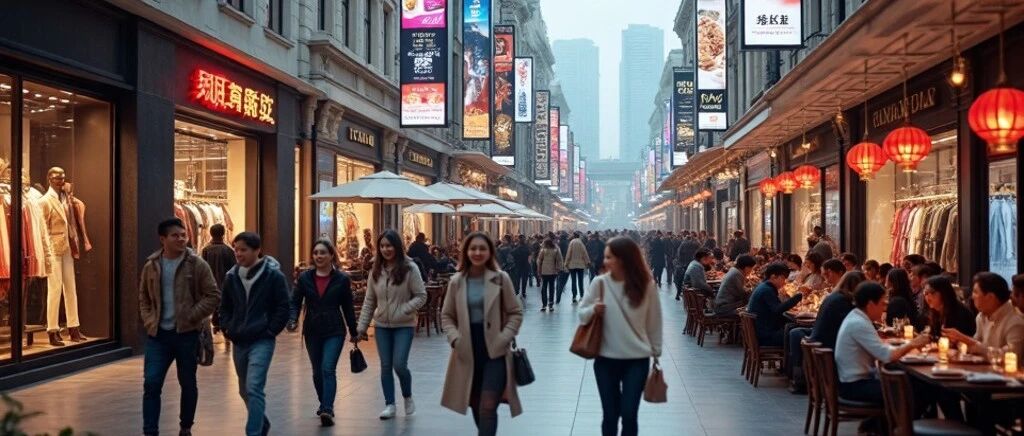
Group 1 - The core viewpoint of the articles highlights a significant shift in the consumption behavior of the "Z generation," who are increasingly prioritizing experiences and services over traditional material goods during the "Double 11" shopping festival [1][2][3] - Travel-related consumption, including "bundled flight and hotel products" and travel packages, accounts for 36.9% of the emotional consumption landscape among young consumers, making it the most popular category [2] - The willingness of the "Z generation" to spend on experiences, such as travel and immersive entertainment, reflects a strong drive towards "self-pleasure" and "experience-first" consumption philosophies [2][3] Group 2 - The report indicates that nearly 40% of young consumers have increased their "Double 11" budget compared to the previous year, with a combined total of nearly 80% maintaining or increasing their spending plans, which supports the growth of experience-based consumption [2] - The participation rate of the "Z generation" in major promotional events like "Double 11" has risen to 93.1% in 2025, indicating that such events have become deeply integrated into their lifestyle [3] - The "Z generation" exhibits a complex mindset of both enthusiasm and rationality, with nearly 40% of consumers being cautious about "the lowest prices of the year," opting to verify deals themselves, which leads to a preference for high-value experience products with clear discounts [3]
金价越高,生意越难做,这已成为黄金珠宝行业的真实写照
Sou Hu Cai Jing· 2025-11-02 07:36
Core Viewpoint - The gold jewelry industry is experiencing a significant downturn despite rising international gold prices, leading to store closures and reduced consumer demand for gold jewelry [1][3][9]. Group 1: Gold Price Trends - International gold prices have surged from a range of $2300-$2500 per ounce in 2025 to over $4000 per ounce in October 2023, marking an increase of nearly 60% year-to-date [3][11]. - Domestic gold jewelry prices have risen from approximately 766-768 yuan per gram to over 1200 yuan, reflecting a price increase of over 50% [3][5]. Group 2: Consumer Behavior - Consumer sentiment has shifted to a more cautious approach, with many checking real-time gold prices and delaying purchases, leading to a 3.54% decline in national gold consumption in the first half of the year, with a 26% drop in gold jewelry consumption [3][5]. - The wedding market is particularly affected, with a projected 20% drop in marriage numbers in 2024, directly reducing gold jewelry demand by 30% [9]. Group 3: Retail Challenges - Major brands like Chow Tai Fook and Chow Sang Sang are closing underperforming stores, with Chow Tai Fook closing approximately 500 stores and Chow Sang Sang closing 674 franchise stores since 2024 [7][9]. - The high cost of gold has led to increased pricing strategies among brands, with some raising prices by up to 20%, further suppressing consumer demand [5][9]. Group 4: Market Dynamics - The rise of new sales channels, such as the Shui Bei market, which utilizes a "wholesale-retail integration" model, is challenging traditional gold retailers by offering lower prices through live streaming and community marketing [7]. - There is a notable shift in consumer preference towards purchasing gold bars from banks, which offer lower premiums and better quality assurance, with bank gold bar consumption increasing by nearly 30% year-on-year [7][9]. Group 5: Investment Demand - Despite the decline in gold jewelry consumption, investment demand for gold remains strong, with global gold demand reaching 1313 tons in Q3 2025, the highest quarterly total on record [9][11]. - Central banks globally have been net buyers of gold, with China's central bank increasing its holdings to 73.7 million ounces, supporting gold's status as a safe-haven asset [11].



聚焦三大方向
Sou Hu Cai Jing· 2025-10-16 01:36
Core Insights - Current retail investment should focus on experiential consumption, community essentials, and new consumer services, leveraging the irreplaceable advantages of offline scenarios, stable cash flow, and strong risk resistance [2] Group 1: Experiential Consumption - Experiential consumption is the core growth point, including themed restaurants, immersive dining bars, and trendy toy stores, attracting young customers with social attributes and high per-square-meter efficiency (some trendy toy stores reach 80,000 yuan/square meter) [2] - Despite facing homogenization competition, continuous innovation can maintain high table turnover rates and customer spending [2] - Parent-child services and health and beauty sectors are also performing well, with parent-child experience centers achieving over 70% repurchase rates, and traditional Chinese medicine therapy and medical beauty clinics driven by aging demographics, with low online substitution rates [2] Group 2: Community Essentials - Community essential businesses, such as premium fresh supermarkets, convenience stores, and community health and wellness shops, are considered a "stable option," benefiting from the "15-minute living circle" with low vacancy rates below 5% and stable rental returns [2] - It is crucial to control gross profit margins and ensure precise site selection for these businesses [2] Group 3: Emerging Consumer Services - Emerging pet service businesses, such as pet grooming and boarding, are capitalizing on the pet economy, achieving over 65% gross profit margins, becoming a new growth point [2] - Standardization of services is essential for success in this sector [2] Group 4: Investment Recommendations - Investment should prioritize small-sized, high-turnover retail spaces, aligning with regional customer characteristics, such as focusing on essential businesses near communities and enhancing experiential consumption in core business districts to maximize returns [2]

假期消费电子市场观察:家电、手机与XR三大品类三条路径分化演进
Cai Jing Wang· 2025-10-10 03:38
Core Insights - The 2025 National Day Golden Week serves as a significant indicator of consumer market trends, showcasing the integration of AI and robotics into daily life and consumer electronics [1] - The consumer electronics market is experiencing a shift from price competition to a focus on product functionality and user experience, particularly in the categories of home appliances, smartphones, and XR devices [1][5] Group 1: Robotics and AI Integration - The first "All-Robot Market" in Beijing highlights the emergence of intelligent service robots capable of autonomous navigation and customer interaction, marking a shift towards "active intelligence" in consumer electronics [2] - AI is no longer just a marketing term but is now embedded in the core of consumer products, emphasizing "scene awareness" and "intent prediction" [2][3] Group 2: XR Devices - XR devices have made significant advancements in terms of weight, display clarity, and battery life, becoming more affordable and appealing to a broader audience [3] - Consumers are increasingly using XR technology for practical applications such as virtual tourism, remote collaboration, and online education, indicating a transition from niche products to mainstream consumer goods [3] Group 3: Home Appliances - The demand for AI-enabled home appliances has surged during the holiday season, with consumers prioritizing functionality over price, focusing on what the appliances can do rather than their cost [4][5] - The trend towards "experience-based consumption" is evident, with consumers willing to pay for innovations that enhance their quality of life and work efficiency [5] Group 4: Smartphone Market Dynamics - The smartphone market is witnessing a revival, particularly with the popularity of foldable screens and AI-integrated models, as brands like Huawei and Xiaomi gain market share from Apple [5][6] - Sales of foldable smartphones increased by 80% year-on-year during the holiday period, reflecting a growing consumer preference for lightweight and efficient devices [5] Group 5: Competitive Landscape - The boundaries between home appliances, smartphones, and XR devices are blurring, with future competition focusing on ecosystem and user experience rather than individual products [6] - Chinese brands are well-positioned in this transformation due to their understanding of local consumer needs, agile supply chains, and ongoing technological investments [6]




超长假期消费电子市场观察:家电、手机与XR三大品类三条路径分化演进
Zheng Quan Ri Bao Zhi Sheng· 2025-10-09 16:12
Core Insights - The 2025 National Day Golden Week serves as a significant indicator of consumer market trends, showcasing the integration of AI and robotics into daily life and consumer electronics [1] - The consumer electronics market is experiencing a shift towards differentiated business models rather than price wars, with home appliances, smartphones, and XR devices emerging as popular categories [1] Group 1: AI and Robotics in Consumer Electronics - The "All-Robot Market" in Beijing features intelligent service robots capable of autonomous navigation and customer interaction, marking a shift towards "active intelligence" in consumer electronics [2] - AI is no longer just a marketing label but is now embedded in the core of products, focusing on "scene awareness" and "intent prediction" [2] - The transition from "humans adapting to machines" to "machines adapting to humans" is a critical turning point in the consumer electronics industry [2] Group 2: XR Devices and Consumer Acceptance - XR devices have made significant advancements in weight, display clarity, and battery life, becoming more affordable and appealing to consumers for various applications beyond gaming [3] - The XR industry is at a tipping point, transitioning from "geek toys" to "mass consumer products," with practical applications gaining traction among ordinary consumers [3] Group 3: AI Home Appliances - The National Day holiday saw a structural upgrade in the home appliance market, with consumers increasingly interested in smart appliances that offer practical functionalities rather than just price reductions [4] - AI home appliances are becoming the preferred choice for consumers looking to upgrade their homes, reflecting a shift in consumer priorities [4] Group 4: Market Dynamics and Consumer Behavior - The National Day market is a pivotal turning point, driven by "experience-based consumption" where consumers are willing to pay for innovations that enhance quality of life and work efficiency [5] - The smartphone market is witnessing a revival, particularly in the sales of foldable and AI-enabled models, as brands like Huawei and Xiaomi gain market share from Apple [5][6] - The boundaries between home appliances, smartphones, and XR devices are blurring, with future competition focusing on ecosystems and user experiences rather than individual products [6]
从泡面到文创雪糕,列车车厢浓缩20年消费变迁
Xin Lang Cai Jing· 2025-10-08 11:08
Core Insights - The article discusses the evolution of food and beverage consumption on trains in China, highlighting the shift from basic sustenance to experience-oriented products that enhance travel enjoyment [4][6][20]. Group 1: Historical Context - In 1999, the introduction of the "Golden Week" holiday led to a surge in domestic travel, with 28 million trips taken and a total tourism revenue of 14.1 billion yuan [1]. - By 2024, domestic travel during the National Day holiday reached 765 million trips, generating a total expenditure of 700.8 billion yuan [2]. Group 2: Changing Consumer Preferences - Consumers now prefer visually appealing and emotionally satisfying food and beverage options during travel, moving beyond mere hydration and sustenance [4][6]. - The demand for experience-oriented products is expected to surpass last year's levels during the National Day holiday [6]. Group 3: Food and Beverage Innovations - The introduction of instant noodles, particularly the iconic Kang Shifu beef noodles in 1992, revolutionized train food consumption, meeting the needs of travelers for convenience and affordability [8][11]. - The rise of various snack options, such as spicy chicken feet and eight-treasure porridge, reflects a diversification in train food offerings, catering to modern consumer tastes [12][16]. Group 4: Packaging and Preservation Advances - The introduction of "modified atmosphere packaging" by brands like Zhou Hei Ya has extended the shelf life of ready-to-eat products, making them more suitable for train travel [22][23]. - The growth of portable and fresh options, such as freeze-dried coffee and instant fruit teas, indicates a trend towards convenience and quality in travel snacks [25][26][28]. Group 5: Cultural and Regional Influences - The emergence of cultural-themed ice creams and regional snacks on trains highlights a growing emphasis on local experiences and culinary diversity during travel [34][36]. - Passengers are increasingly exposed to regional specialties, enhancing their travel experience and connecting them to local cultures [38][41].


节日消费暗流涌动!社会正在进入一个“不买东西”的疯狂时代?
Sou Hu Cai Jing· 2025-10-04 04:44
Group 1: Consumer Behavior Trends - The shift from "ownership consumption" to "experiential consumption" is highlighted, with significant changes in consumer behavior observed during the National Day holiday in China [1][3] - Young consumers are increasingly valuing experiences over material possessions, as evidenced by a 240% increase in searches for "immersive experiences" during the holiday [3] - The phenomenon of "online loneliness + offline gathering" is emerging, where young people engage in solitary activities online while participating in social events offline [7] Group 2: Retail and Commercial Space Evolution - Traditional shopping centers are undergoing transformations, with a notable decline in apparel retail share, as seen in Guangzhou's正佳广场, where clothing retail dropped from 52% to 29% [5] - The trend of "lifestyle centralization" is accelerating in China, with commercial spaces integrating cultural and experiential elements, leading to over 60% of revenue coming from venue rentals and content planning rather than traditional retail [5] - Innovative community-level experiments, such as成都Regular源野, are enhancing merchant efficiency by dedicating space to non-profit public art installations [5] Group 3: Elderly Care and Market Challenges - A significant portion of the elderly population in China faces challenges in accessing modern payment methods and technology, with 1.8 billion elderly individuals never having used electronic payments [7] - The "intergenerational integration" model seen in Japan is not directly applicable in China, as evidenced by the mixed results of programs aimed at bridging the gap between young and elderly populations [7] - The complexity of the "lonely economy" is highlighted, with young people engaging in solitary activities while simultaneously seeking social connections through various platforms [7] Group 4: Market Innovations and Ethical Considerations - The global market for companionship robots is projected to exceed 300 billion yuan by 2029, with unique local innovations in China, such as AI services simulating conversations with deceased loved ones [8] - The rise of the vintage clothing market in China is accompanied by a problematic supply chain, where many items marketed as vintage are actually modern garments treated to appear aged [9] - The redefinition of consumption in China reflects a deeper relationship with material goods, moving away from traditional metrics like GMV to a focus on intangible values [9]

两个理工科生做的中餐,让美国人“又恨又爱”
首席商业评论· 2025-10-03 04:57
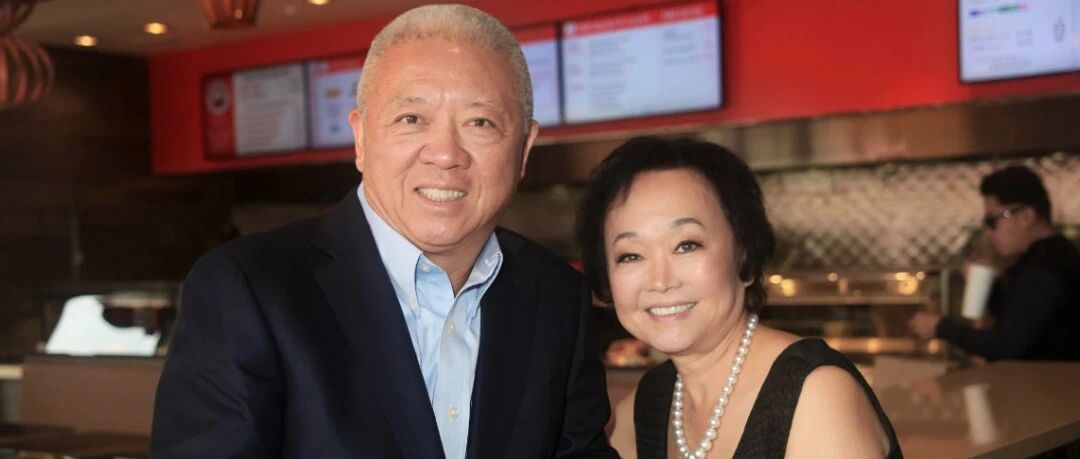
Core Viewpoint - The article discusses the unexpected ownership change of the Portland Trail Blazers NBA team, highlighting the involvement of Cheng Zhengchang and Jiang Peiqi, founders of Panda Express, a major Chinese fast-food chain in the U.S. [4][6] Group 1: Company Overview - Panda Express, founded by Cheng Zhengchang and Jiang Peiqi, has become the largest Chinese fast-food chain in the U.S., with annual revenue reaching $100 billion [6][10]. - The brand is recognized for its signature dish, Orange Chicken, which has become synonymous with American Chinese cuisine [6][10]. Group 2: Product Innovation - The Orange Chicken dish was introduced in 1987 and differs significantly from traditional recipes, utilizing fresh orange peel instead of dried spices, catering to American taste preferences [8][10]. - The dish's success is attributed to its unique flavor profile, which combines sweet, sour, and slightly spicy elements, appealing to American consumers [10][12]. Group 3: Founders' Background - Cheng Zhengchang, born in 1947 in Jiangsu, China, initially did not plan to enter the restaurant business but was influenced by his family's culinary background [12][14]. - After immigrating to the U.S. in the 1970s, he opened his first restaurant, Panda Inn, in Pasadena, California, which laid the foundation for the Panda Express brand [14][18]. Group 4: Business Expansion and Management - The first Panda Express opened in a shopping mall in 1983 and quickly became profitable, leading to rapid expansion [14][18]. - Jiang Peiqi played a crucial role in implementing modern management practices, including the use of digital POS systems to analyze sales data and improve operational efficiency [18][20]. Group 5: Cultural Impact and Philanthropy - Cheng Zhengchang views Panda Express as a bridge for cultural exchange between China and the U.S., actively engaging in community and cultural events [18][20]. - He has also contributed to educational initiatives in his hometown and supported disaster relief efforts, reflecting a commitment to social responsibility [20].