减碳

Search documents
基石科技控股(08391)与埃克森美孚香港战略合作 计划于Esso品牌加油站部署超高速电动车充电站
智通财经网· 2025-09-01 11:49
Core Viewpoint - Cornerstone EV Charging Service Limited, a wholly-owned subsidiary of Cornerstone Technology Holdings, has been selected as the strategic partner for electric vehicle charging services by ExxonMobil Hong Kong Limited, which operates one of the largest gas station networks in Hong Kong [1] Company Summary - The partnership aligns with Cornerstone's commitment to environmental sustainability and supports the development of greener transportation in Hong Kong, contributing to the region's sustainable development goals [1] - This collaboration is in line with the company's objectives to reduce carbon emissions and promote low-carbon living, supporting Hong Kong's vision of carbon neutrality by 2050 [1] - The mission of the company is to make electric vehicle charging more convenient, and it plans to continue investing in the electric vehicle charging business both locally and internationally [1]
一瓶“溶剂”里的产业跃迁与城市新篇
Qi Lu Wan Bao Wang· 2025-08-28 10:48
Core Viewpoint - The transformation of Dongying from a traditional chemical city to a new energy hub is exemplified by the production of ultra-pure electrolyte solvents by Shandong Haike New Source Material Technology Co., Ltd, which has achieved a global leading position in the lithium battery electrolyte solvent market [1][5]. Company Overview - Shandong Haike New Source has developed electrolyte solvents with a purity of up to 99.999%, which are crucial for lithium batteries, enhancing energy storage and release efficiency, as well as battery safety and lifespan [2][3]. - The company has a global market share exceeding 40% in the electrolyte solvent sector and has established itself as a leader in the industry [3][5]. Environmental Commitment - The company collaborates with local enterprises to capture and solidify carbon dioxide into its products, contributing to carbon reduction efforts and creating an ecological closed-loop [2][3]. - Annually, Haike New Source consumes 30,000 tons of carbon dioxide across its production bases, aligning with national carbon reduction initiatives while generating economic benefits [3]. Innovation and R&D - Haike New Source has invested significantly in R&D, doubling its research input over four years, resulting in the development of high-quality battery materials and a portfolio of 128 patents [4]. - The company focuses on customer-centric innovation, working with major players like BYD and Tesla to continuously improve product performance [4]. Industry Impact - The rise of Haike New Source has catalyzed the formation of a complete industrial chain in Dongying, from basic raw materials to end applications, marking a significant shift towards high-end materials [5]. - The success of the electrolyte solvent has initiated a "butterfly effect," encouraging other local companies to extend into high-end materials, showcasing Dongying's proactive adaptation to market changes [5].
冰山冷热(000530) - 000530冰山冷热投资者关系管理信息20250827
2025-08-27 08:20
Group 1: Company Core Strategies - The company focuses on the cold and hot business sectors, delving into niche markets [1] - The petrochemical sector is highlighted as a key area showcasing the company's core cold technology [1] Group 2: Key Market Segments - The company has provided comprehensive solutions to high-end clients, including BASF, Covestro, and major oil companies [1] - Since becoming the only Class I supplier of refrigeration equipment to BASF in China in 2021, the company's industry influence has significantly increased [1] Group 3: Marine Refrigeration Leadership - As a leader in marine refrigeration in China, the company has a leading market share in the new large frozen fishing vessel refrigeration market [2] - The company developed the world's first marine carbon capture system, which won the "Gold Award Product" at the 2025 China Refrigeration Exhibition [2] Group 4: Compressor Market Development - The subsidiary, Songyang Compressor, has shifted its focus from light commercial air conditioning to large commercial, heat pump, and specialized air conditioning sectors [2] - Songyang Compressor delivered over 20 million units of scroll compressors, with export revenue of approximately 350 million yuan in 2024, primarily to Europe and South America [2] Group 5: Energy Storage Management - The company offers battery management systems and efficient thermal management units for the electrochemical energy storage sector, with orders exceeding 100 million yuan in 2024 [2] Group 6: Future Outlook - The company aims for rapid growth and scale, laying a solid foundation for long-term sustainability and steady market value enhancement [2]

海油发展:拟3.71亿元出售冷能业务及资产给关联方
Xin Lang Cai Jing· 2025-08-19 12:58
Core Viewpoint - The company, CNOOC Development (600968.SH), announced the transfer of its stakes in various air separation plants and assets to Haizhuo Company for a total price of 371 million yuan [1] Group 1: Asset Transfer Details - The company plans to transfer 70% equity and debt of Zhuhai Air Separation, 65% equity of Ningbo Air Separation, 50% equity of Fujian Air Separation, and assets of the Cold Energy Center [1] - The total transfer price for these assets is 371 million yuan [1] Group 2: Cold Energy Center - The Cold Energy Center was established in 2022 as a research institution under the company's clean energy subsidiary [1] - The center focuses on technology research, industrial planning, and business development in the fields of cold energy utilization and carbon reduction [1]

日本九州大学成功研制中温固体氧化物燃料电池
Ke Ji Ri Bao· 2025-08-13 06:27
Core Insights - Solid Oxide Fuel Cells (SOFC) are gaining attention due to their high efficiency and long lifespan, but their typical operating temperature of 700-800°C requires expensive high-temperature materials, limiting widespread application [1] - A research team from Kyushu University in Japan has developed a new type of SOFC that can operate efficiently at a medium temperature of 300°C, potentially accelerating the development of low-cost, low-temperature SOFCs and their commercialization [1] Summary by Sections - **SOFC Characteristics and Challenges** - SOFCs use ceramics as electrolytes and are suitable for stationary power generation due to their high operating temperatures [1] - Lowering the operating temperature of ceramic electrolytes can reduce manufacturing and maintenance costs [1] - **Research Findings** - The study found that doping barium stannate and barium titanate with high concentrations of scandium can achieve a proton conductivity of over 0.01 S/cm at 300°C, comparable to traditional SOFC electrolytes at high temperatures [1][2] - Structural analysis and molecular dynamics simulations indicate that scandium atoms connect surrounding oxygen atoms into "ScO6 high-speed channels," allowing protons to pass through with low migration barriers [2] - **Implications and Future Applications** - This breakthrough addresses the long-standing challenge of balancing doping levels with ionic transport efficiency, providing a new pathway for developing low-cost, low-temperature SOFCs [2] - The principles discovered may also be applicable to low-temperature electrolyzers, hydrogen pumps, and reactors that convert carbon dioxide into valuable chemicals, potentially impacting hydrogen energy proliferation and carbon reduction efforts [2]
中温固体氧化物燃料电池研制成功,有望大幅加快商业化进程
Ke Ji Ri Bao· 2025-08-12 07:23
Core Insights - Solid Oxide Fuel Cells (SOFC) are gaining attention due to their high efficiency and long lifespan, but their high operating temperatures (700-800 degrees Celsius) require expensive high-temperature materials, limiting widespread application [1] - A research team from Kyushu University in Japan has developed a new type of SOFC that can operate efficiently at a medium temperature of 300 degrees Celsius, potentially accelerating the commercialization of low-cost, low-temperature SOFCs [1] Group 1 - SOFCs utilize ceramics as electrolytes, and lowering the operating temperature can reduce manufacturing and maintenance costs [1] - Previous research attempted to enhance proton transport speed through chemical doping, but this often led to lattice blockage, slowing proton movement [1] - The new study aims to find oxide crystals that can accommodate a large number of protons while allowing them to move freely [1] Group 2 - The research team discovered that high concentrations of scandium doped into barium tin oxide and barium titanate can achieve a proton conductivity of over 0.01 S/cm at 300 degrees Celsius, comparable to the performance of traditional SOFC electrolytes at high temperatures [1] - Structural analysis and molecular dynamics simulations show that scandium atoms connect surrounding oxygen atoms into "ScO6 high-speed channels," allowing protons to pass through with very low migration barriers [2] - The findings address the long-standing challenge of balancing doping levels with ionic transport efficiency, providing a new pathway for developing low-cost, low-temperature SOFCs [2] Group 3 - The principle discovered is not only applicable to fuel cells but can also be extended to low-temperature electrolyzers, hydrogen pumps, and reactors that convert carbon dioxide into valuable chemicals, potentially having a broader impact on hydrogen energy adoption and carbon reduction [2]
近八成上市煤企披露ESG信息,数字化成多家企业减碳帮手
Xin Jing Bao· 2025-08-08 10:33
Group 1 - The coal industry has seen significant improvements in the standardization, proactivity, and coverage of ESG information disclosure among listed companies, with a disclosure rate reaching 79.55% by May 2025, an increase of over 21.41 percentage points compared to 2024 [1] - The distribution of ESG ratings among coal listed companies has improved, with the proportion of AA ratings increasing from 2.9% in 2024 to 4.55% in 2025, A ratings from 2.9% to 6.82%, and BBB ratings from 11.8% to 38.64% [1] - Several listed coal companies have introduced carbon reduction targets in their 2024 ESG reports [1] Group 2 - China Shenhua has set a carbon peak target for 2021-2030, aiming to limit carbon emissions to a 70% increase compared to 2020 by 2030, with current progress at a 47.8% increase [2] - Yancoal Energy aims to reduce carbon emissions by 700,000 tons annually by 2025 and plans to increase the share of clean energy utilization to over 10% by 2030 and achieve 80% non-fossil energy consumption by 2060 [2] Group 3 - Digital tools are aiding companies in their green transformation, with Huayang Co. achieving full automation in its production mines three years ahead of schedule, resulting in an efficiency increase of 249.52 tons per person [3] - Shaanxi Coal Industry has developed an online monitoring platform for energy conservation and environmental protection, utilizing IoT technology for real-time data aggregation and analysis [3] - China Shenhua has introduced AI technology to enhance supply chain management and established a big data platform for in-depth analysis of supply chain data [3] Group 4 - The ESG rating is not only a compliance requirement for coal listed companies but also a strategic tool for linking capital, managing risks, and enhancing competitiveness, with room for improvement in ESG ratings [4] - Companies that complete ESG capability building ahead of others will achieve a win-win situation in social benefits and commercial value amid the dual mission of energy supply and low-carbon transition [4]

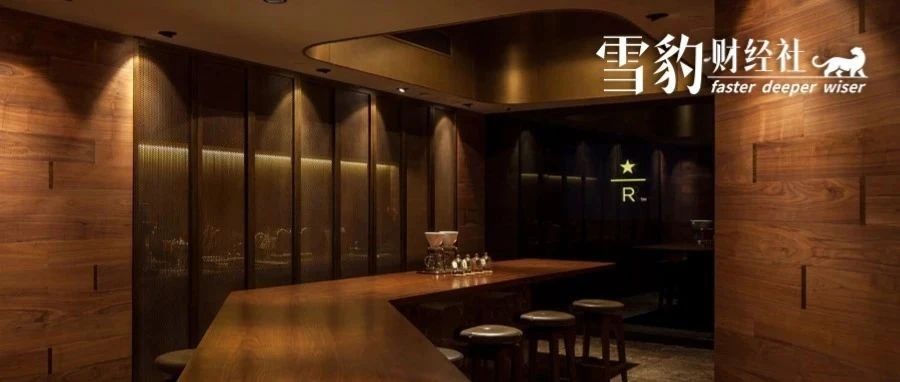
1杯拿铁 = 1杯石油 ?星巴克减碳没有Plan B
雪豹财经社· 2025-07-28 00:20
Core Viewpoint - The article emphasizes the urgent need for Starbucks to reduce its carbon footprint, highlighting that the coffee industry has significant environmental impacts, and Starbucks must lead in sustainability efforts to maintain its brand image and protect its business [3][8][11]. Group 1: Carbon Footprint of Coffee - A traditional latte coffee generates a carbon footprint of approximately 0.55 kg, which is comparable to the carbon emissions from oil production [3][4]. - In contrast, a cup of tea has a significantly lower carbon footprint of only 0.03 kg [4]. Group 2: Starbucks' Commitment to Sustainability - Starbucks has over 30,000 stores worldwide, and its commitment to environmental responsibility is crucial for its brand image and customer loyalty [5][8]. - The company aims to achieve carbon neutrality across its global operations and supply chain by 2030, alongside reducing water usage and waste [11][12]. Group 3: Challenges in Carbon Reduction - Approximately 70% of Starbucks' carbon emissions come from its suppliers, making upstream supply chain decarbonization a critical challenge [5][13]. - The company is focusing on both reducing emissions in its direct operations and collaborating with suppliers to measure and optimize their carbon footprints [15][16]. Group 4: Technological Integration - Starbucks has implemented smart IoT systems in over 7,500 stores to track data in real-time, enhancing energy efficiency and operational performance [12]. - The company is also working on sustainable practices in its coffee innovation parks, achieving significant water savings and utilizing solar energy [12]. Group 5: Industry-Wide Implications - The article suggests that achieving sustainability in the coffee industry requires collective efforts from all stakeholders in the value chain [16]. - Starbucks' initiatives reflect a broader trend where companies are increasingly held accountable for their environmental impact, influencing market dynamics and consumer preferences [17][18].


本周见面的招呼语:今天赚了没?
叫小宋 别叫总· 2025-07-24 02:14
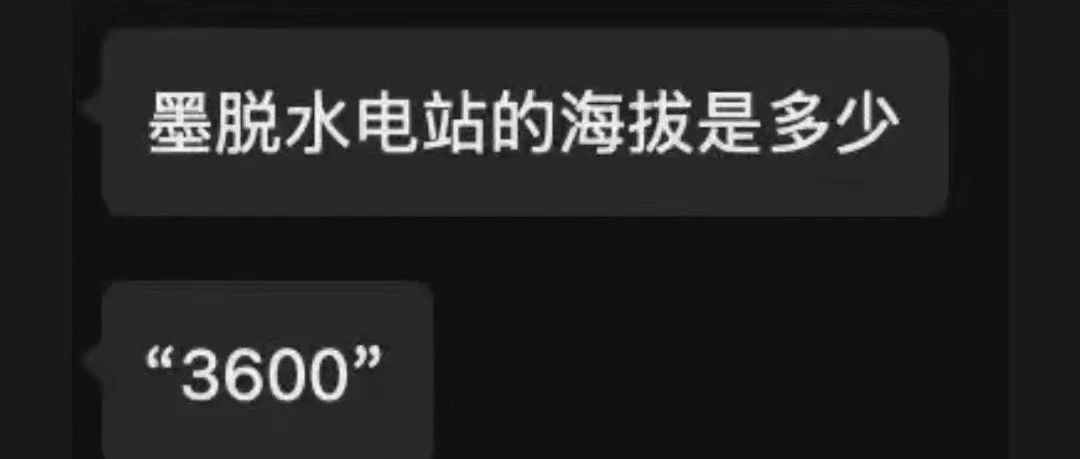
Core Viewpoint - The article discusses the current state of the stock market, highlighting the unusual behavior of investors and the implications of significant infrastructure projects on economic growth and stock performance. Group 1: Market Behavior - Investors are currently engaged in trading activities, with many expressing frustration over not being able to buy stocks [2][3] - The lack of scheduled meetings among partners suggests a collective focus on market movements rather than strategic planning [1] Group 2: Economic Indicators - There is a noted increase in M2 money supply while prices are declining, indicating a disconnect in economic activity [3] - The construction of large infrastructure projects, such as a major hydropower station, is expected to stimulate economic activity and consumer spending [4][6] Group 3: Infrastructure Impact - The hydropower station is projected to generate significant electricity, ranking around 15th globally in terms of annual output [6][7] - The combined output of this station and existing facilities could meet the electricity demands of major cities like Beijing, Shanghai, and Shenzhen [9] Group 4: Stock Market Dynamics - The recent surge in A-shares is attributed to favorable tax conditions compared to Hong Kong and U.S. markets, encouraging capital inflow [12][13] - The stock of companies like Shangwei New Materials has seen unprecedented gains, driven by market speculation rather than fundamental performance [15][17] Group 5: Investment Potential - With a substantial amount of household savings available, even a small portion directed to the stock market could significantly boost indices [21][22] - The article suggests that the upcoming fundraising environment may improve, potentially benefiting various sectors [23]
日本瑞翁,生物基丁二烯项目开工,布局两大技术路线
Sou Hu Cai Jing· 2025-07-24 01:07
Core Insights - Zeon and Yokohama Rubber are collaborating to construct a pilot plant for bio-based butadiene, which is set to begin production in 2026 and achieve commercialization by 2034 [1][8] - Butadiene is the most widely used rubber raw material globally, serving as a core monomer for various synthetic rubbers such as Styrene-Butadiene Rubber (SBR) and Polybutadiene Rubber (BR) [2][3] - The project represents a significant breakthrough for Japan in the non-petroleum-based synthetic rubber sector, aiming to accelerate the commercialization of bio-based elastomers through cross-industry collaboration [7] Industry Overview - Butadiene is essential for producing SBR and BR, with global capacities of 6.8 million tons/year for SBR and 5.2 million tons/year for BR, primarily used in automotive tires [3] - The shift towards bio-based butadiene is driven by the need for carbon reduction in the rubber industry, with many leading synthetic rubber and tire companies exploring bio-based alternatives using ethanol as a feedstock [2][4] Technological Approaches - Two main technological routes are being pursued for the production of bio-based butadiene: - Route 1: Efficient synthesis of butadiene from ethanol through chemical catalysis, in collaboration with AIST, facing challenges such as catalyst carbon deposition and cost optimization of high-purity ethanol [4] - Route 2: Direct synthesis from sugars or butanediol using enzyme catalysis or microbial metabolism, which is currently limited to laboratory or small-scale trials due to challenges in selectivity and production efficiency [5] Project Goals and Timeline - The pilot facility will validate the effectiveness of new high-efficiency catalysts for converting bio-based ethanol into butadiene, with Zeon planning to use the produced butadiene for prototype polybutadiene rubber products [6] - The project aims to complete process validation by 2030 and achieve industrialization by 2034, providing innovative solutions to reduce petroleum dependency in the global tire industry and support carbon neutrality goals [8] Related Industry Developments - Other companies, such as Trinseo and Michelin, are also investing in bio-based butadiene production, with projects aimed at commercializing the use of bioethanol for butadiene production [10]