品牌年轻化

Search documents
紫燕百味鸡以年轻化战略破局,多维创新驱动Z世代消费新风尚
Sou Hu Wang· 2025-12-28 02:19
Core Insights - The traditional braised food brand, Ziyan Baiwei Chicken, is facing unprecedented opportunities and challenges as the younger generation becomes the main consumer force in the market [1] - Ziyan has successfully rejuvenated its brand image and opened new growth paths through strategic innovations tailored to Gen Z consumption trends [1] Group 1: Market Strategy - Ziyan has identified "university towns" and "factory canteens" as key high-frequency consumption scenarios, implementing differentiated penetration strategies [1] - The company has strategically located its stores close to student life circles and has engaged in online community operations and offline themed activities to enhance customer loyalty and repurchase rates [1] - Ziyan plans to expand its successful model from tech and industrial parks nationwide, aiming to establish a new benchmark for "workplace dining" [1] Group 2: Product Innovation - Continuous product innovation is crucial for retaining young consumers, with Ziyan understanding their dual pursuit of "freshness" and "quality" [3] - The company has established an innovation research institute to systematically advance product iterations, launching new products monthly based on seasonal changes and regional characteristics [3] - An example includes the "Tea Braised Series," inspired by Minnan tea culture, which achieved a 45% month-on-month sales increase in trial areas due to its health-oriented flavor upgrade and lightweight packaging [3] Group 3: Marketing and Brand Communication - Ziyan has adopted bold innovations in marketing, exploring interactive methods favored by young consumers [4] - The company has implemented a "headquarters empowerment + regional linkage" live-streaming strategy to showcase product advantages and utilize big data for precise information flow [4] - Ziyan has successfully built a trust loop with consumers through transparent sourcing and production processes, as demonstrated in a 48-hour live-streaming event in collaboration with strategic partner Wens Food [4] - Collaborations with popular brands like Samyang have enhanced Ziyan's brand recognition and market competitiveness among young consumers [4] Group 4: Recognition and Future Outlook - Ziyan's comprehensive young-oriented strategy has been recognized in the market, earning accolades such as "2025 High-Quality Consumption Brand TOP 100" and "Top 10 Z Generation Innovative Brands" [5] - The company is committed to continuing its innovative approach to outline a more vibrant and imaginative development landscape for the braised food industry [5]


深耕“产品力+年轻化”,大窑饮品重塑增长逻辑
Feng Huang Wang Cai Jing· 2025-12-19 13:22
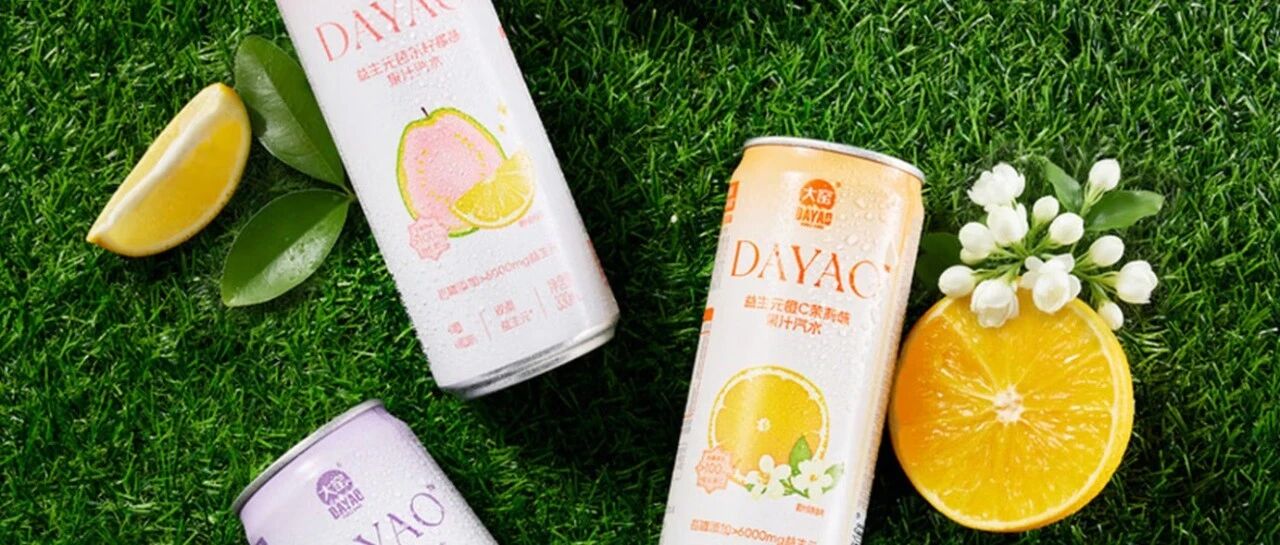
Core Insights - The article discusses how Da Yao Beverage is undergoing a transformation to appeal to younger consumers while maintaining its traditional strengths, aiming for a "reverse growth" strategy [1] Group 1: Sales Performance and Market Position - From January to May 2025, Da Yao's offline retail sales grew by 4.35% year-on-year, ranking third in the carbonated beverage category, following Coca-Cola and Pepsi, with a growth rate increase of 11.15% [2] - 2025 marks a significant year of transformation for Da Yao Beverage, which has been in operation since 1983, as it rapidly develops and rejuvenates its brand image [2] Group 2: Product Strategy - Da Yao Beverage is focusing on product innovation, brand building, and channel expansion, with a strategic emphasis on the "1+2+N" product matrix, which includes carbonated drinks as the core, and aims to expand into juice and plant protein categories [3][4] - The "1" in the strategy solidifies the carbonated beverage base, with products like "Probiotic Juice Soda" that combines taste with health benefits, appealing to modern consumer demands [4][5] - The "2" refers to the expansion into juice and plant protein, with offerings like "Yao Guo Li" juice series and "Yi Yang Shuo" plant protein drinks, catering to health-conscious consumers [6][7] Group 3: Marketing and Brand Engagement - Da Yao Beverage is building a connection with younger consumers through innovative marketing strategies, including AI-generated videos and relatable social media content that resonate with their lifestyle [10][11] - The brand is engaging with specific interest groups through immersive experiences at events, transforming its products into part of cultural and social interactions [11][12] Group 4: Distribution and Supply Chain - Da Yao has established seven intelligent production bases across various regions, enhancing logistics efficiency and enabling rapid product distribution to meet market demands [13] - The company has built a robust network of over a thousand distributors across 31 provinces, facilitating product reach and market penetration [14][15] Group 5: Systematic Approach to Brand Modernization - The brand's strategy emphasizes a systematic upgrade rather than a superficial rebranding, integrating product development, marketing, and distribution to create a cohesive approach to youth engagement [15][16]
深耕“产品力+年轻化”,大窑饮品重塑增长逻辑
凤凰网财经· 2025-12-19 13:07
Core Viewpoint - The article discusses how Da Yao Beverage is undergoing a significant transformation in 2025, focusing on product innovation, brand building, and channel expansion to appeal to younger consumers while maintaining its traditional strengths [1][3]. Group 1: Product Strategy - Da Yao Beverage has implemented a "1+2+N" product matrix strategy, focusing on carbonated drinks as the core, while expanding into juice and plant protein categories to meet diverse consumer demands for health and situational consumption [6][15]. - The company has introduced innovative products such as the "Probiotic Juice Soda," which combines taste with health benefits, achieving over 100,000 cases sold within two months of launch [7][8]. - The expansion into juice and plant protein categories aims to create a new growth curve, moving from "soda" to "healthy dining beverages," thus broadening the brand's market reach [15]. Group 2: Brand Engagement - Da Yao Beverage is focusing on building a connection with younger consumers through relatable marketing strategies, transforming its products into companions in their daily lives [18][26]. - The company utilizes AI-generated content and social media engagement to resonate with the emotional needs of young consumers, creating a relatable brand persona [19][23]. - Offline, Da Yao integrates into youth culture by participating in events and creating immersive experiences that connect the brand with specific interest groups, enhancing brand recognition [24][26]. Group 3: Distribution and Supply Chain - Da Yao has established seven smart production bases across various regions, enhancing logistics efficiency and enabling rapid product distribution to meet market demands [27][29]. - The company has built a robust network of over a thousand distributors, ensuring that products reach diverse consumer scenarios effectively [29][30]. - By leveraging digital tools for channel management, Da Yao can optimize inventory and promotional strategies, fostering a collaborative relationship with distributors to drive brand growth [29][30].
33年厨电高端品牌化身短剧大厂,华帝借短剧情感对话Z世代
Xin Lang Cai Jing· 2025-12-18 14:24
Core Insights - The micro-short drama market has grown significantly, surpassing 50 billion, with a compound annual growth rate of 19.2%, becoming a "spiritual refuge" for young people [1][14] - Vatti, a high-end kitchen appliance brand with 33 years of industry experience, has entered the short drama creation space since 2024, launching four distinct short dramas in 2025, achieving over 100 million views, exemplifying brand rejuvenation [1][14] - By accurately identifying the emotional needs of Generation Z, Vatti has transformed cold kitchen appliances into warm storytelling vehicles through a "content is marketing" strategy [1][14] Short Drama Matrix - Young people spend over 2.8 hours daily on fragmented entertainment, making short dramas with "quick, strong resonance" characteristics a psychological refuge [3][16] - Vatti's short drama matrix covers various genres, from ancient fantasy to sci-fi AI, effectively reaching different age groups and interest circles [3][16] - The first short drama, "The Double Soul Contract of the Concubine," connects the grandeur of the Tang Dynasty with modern life, integrating Vatti's beauty bath water heater into the narrative [3][16] Continuation of IP Life - The sequel "The Office Worker Concubine's Transformation" continues the IP's life with a light comedy style, showcasing the product's skin health benefits in a humorous context [4][17] - "The Chef, Please Guide Me" focuses on the 20-39 age female audience, highlighting Vatti's product features through a storyline about an ancient chef adapting to modern kitchens [6][19] - As of December 10, the view count for "The Chef, Please Guide Me" reached 42.14 million, with total interactions at 93,500 [6][19] Innovative Sci-Fi Narrative - "The Fire Chronicle: Echoes of Civilization 2079" is the first AIGC sci-fi short drama in the kitchen appliance industry, redefining the imagination of kitchen appliances through a post-apocalyptic narrative [8][21] - The narrative features Vatti's products as "survival gear," effectively engaging Generation Z's preference for innovative storytelling and aesthetic experiences [8][21] Brand Breakthrough Strategies - Vatti's success in short drama marketing stems from a synergistic approach of IP creation, technological integration, and emotional resonance [10][23] - The use of the cultural symbol Yang Guifei establishes emotional connections while building proprietary IPs like the "Chef Universe" for long-term content assets [10][23] - The application of AIGC technology in "The Fire Chronicle" amplifies product functionality through creative storytelling, ensuring audience retention of core product features [10][23] Emotional Resonance - Each short drama addresses contemporary young people's emotional needs, transforming Vatti's products from mere tools into partners in the pursuit of a better life [12][24] - Vatti's revenue for the first three quarters of 2025 reached 4.158 billion, with high-end product revenue accounting for 62%, significantly contributed by younger consumers [12][24] - Vatti's stores have been upgraded to immersive experience hubs, attracting more young consumers and enhancing brand vitality, earning the title of a "trendy brand" in the kitchen appliance sector [12][24] New Paradigm for Brand Transformation - Vatti's short drama marketing practice offers a new paradigm for traditional brands' rejuvenation, emphasizing the importance of storytelling and emotional engagement in a fragmented attention economy [13][24]

以“打酒”名义重启散酒,为什么徽酒跑得快
Sou Hu Cai Jing· 2025-12-16 04:44
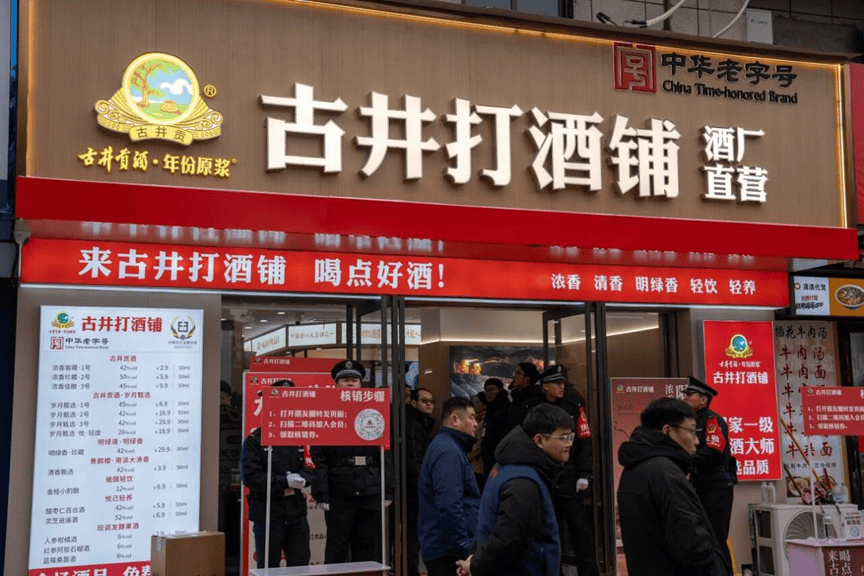
Core Insights - The article discusses the emergence of a new retail model in the Chinese liquor market, particularly in Anhui, where companies are adopting a "front store, back workshop" approach to enhance consumer experience and drive sales [2][6]. Group 1: Market Dynamics - The Anhui liquor market is characterized by intense internal competition, with local brands dominating and making it difficult for external brands to establish a foothold [3]. - The traditional sales channels are facing pressure, prompting companies to explore new models like community liquor shops to tap into local markets and consumer preferences [4][11]. Group 2: Strategic Shifts - The shift towards liquor shops is a proactive response to multiple pressures, including high inventory levels and challenges in national expansion, leading companies to focus on local market penetration [4][6]. - Companies are leveraging their brand strength and modern operational methods to reform the fragmented liquor market, aiming to attract new consumers and enhance brand loyalty [10][12]. Group 3: Consumer Engagement - The new liquor shop model is designed to meet the evolving demands of younger consumers who seek value and personalized experiences, thus driving brand innovation [4][11]. - There are two main types of liquor shops emerging: manufacturer-operated shops that emphasize brand integrity and quality, and channel-driven shops that focus on flexible product offerings and community engagement [5][8]. Group 4: Future Outlook - The liquor market is undergoing a supply-side reform, transitioning from a low-end, fragmented structure to a more brand-oriented, experiential, and transparent model [12]. - The competition between manufacturer and channel-driven liquor shops may lead to a potential collaboration, reshaping the relationship between brands and consumers while promoting brand youthfulness and channel efficiency [12].

从劲酒卖断货看中年品牌的逆袭
Sou Hu Cai Jing· 2025-12-10 16:37
Core Insights - The traditional liquor industry is facing significant challenges, with a notable decline in the number of large-scale liquor enterprises and a 5.8% decrease in production in the first half of 2025 [3][4] - Despite the overall market downturn, certain brands like Jinjiu and Fenjiu are experiencing growth, indicating a shift in consumer preferences towards younger demographics and new consumption patterns [1][7] Group 1: Market Conditions - The white liquor industry is experiencing a "cold" phase, with over 100 large-scale enterprises exiting the market and an average inventory turnover period of 900 days [3][4] - 60% of enterprises are facing price inversion issues, and 19 listed liquor companies reported declines in both revenue and net profit, with a revenue drop of 18.42% in the third quarter [3][4] Group 2: Consumer Trends - There is a fundamental shift in consumer logic, with younger consumers moving away from traditional drinking culture and seeking experiences that offer relaxation and emotional resonance [5][7] - Brands that successfully capture this new consumer logic are finding new growth paths, moving from a focus on distribution channels to defining value through consumer engagement [7][10] Group 3: Brand Strategies - Brands are adopting a "de-oldification" strategy by reconstructing products to allow for user customization and creativity, as seen with Jinjiu's smaller bottle sizes and lower alcohol content [8][10] - Successful brands are also breaking away from traditional drinking scenarios, focusing on emotional healing and social experiences, which resonate with younger consumers [10][12] Group 4: Success Formula - The success of brands like Jinjiu, Fenjiu, and Guolifang is attributed to a combination of adaptable products, open narratives, and agile organizational structures [12][14] - The core of their success lies in establishing genuine emotional connections with the new generation of consumers, emphasizing product quality and brand trust over temporary market trends [12][14]

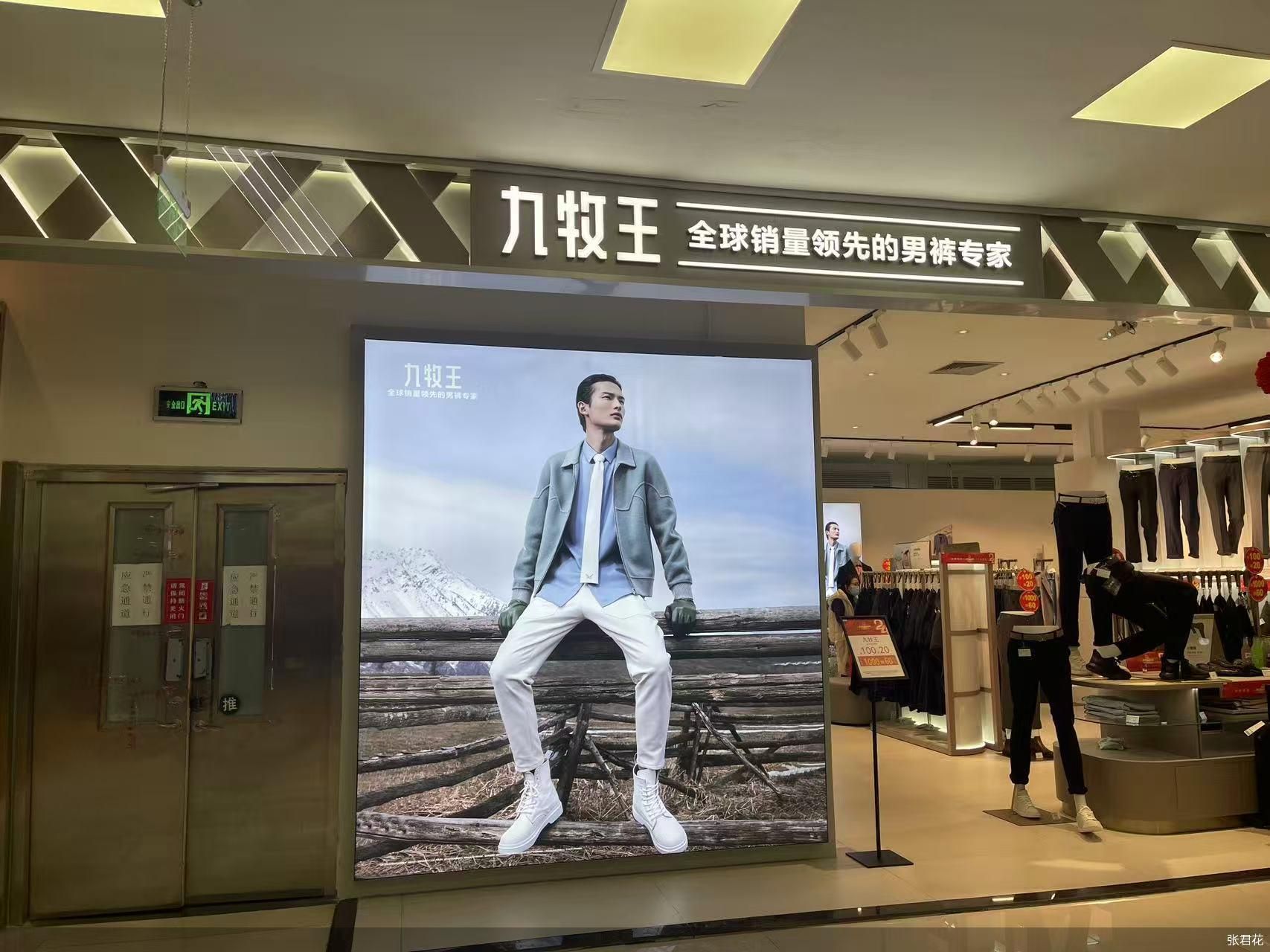
出售MooRER股权 九牧王退守男裤
Bei Jing Shang Bao· 2025-12-10 15:29
Core Viewpoint - Jiumuwang's diversification strategy is facing challenges, leading to the sale of its stake in the Italian high-end fashion brand MooRER and a focus on its core men's pants business [1][2]. Group 1: Company Actions - Jiumuwang sold a 25% stake in MooRER for approximately 74 million yuan, which was initially seen as a move towards high-end and multi-brand development [1]. - The decision to divest from MooRER is part of a strategy to refocus on core business areas, as the brand's contribution to the diversification strategy was deemed limited [2]. Group 2: Financial Performance - For the first three quarters of 2023, Jiumuwang reported a revenue of 2.13 billion yuan, a year-on-year decrease of 6.02%, while net profit increased by 129.63% to 310 million yuan [2]. - The significant increase in net profit is attributed to investment gains, with trading financial assets rising to 1.378 billion yuan, a 91.56% increase from the previous year [2]. Group 3: Market Context - Jiumuwang's business primarily focuses on men's clothing, with over 51% of its revenue coming from men's pants [2]. - The men's clothing market is undergoing significant changes, with increased competition and a shift towards younger consumers, necessitating a focus on quality and innovation [3].

出售MooRER股权,九牧王退守男裤
Bei Jing Shang Bao· 2025-12-10 13:32
Core Viewpoint - Jiumuwang's diversification strategy has faced challenges, leading to the sale of its stake in the Italian high-end sports fashion brand MooRER and a renewed focus on its core men's pants business [1][5] Group 1: Business Strategy - Jiumuwang has decided to exit previous investments in equity projects and concentrate on its main business of men's pants, indicating a shift back to core competencies [3][5] - The company acquired a 25% stake in MooRER for approximately 74 million yuan in December 2023, which was initially seen as a move towards high-end and multi-brand development [4][5] - The performance of MooRER has not met expectations, with revenues slightly below 53 million euros, failing to reach the founder's target of 60 million euros [4] Group 2: Financial Performance - Jiumuwang's revenue for the first three quarters of 2023 was 2.13 billion yuan, a year-on-year decrease of 6.02%, while net profit increased by 129.63% to 310 million yuan, largely due to investment gains [6] - The company's revenue from men's pants accounted for 51.28% of total revenue, highlighting its significance in the overall business [6] - In the first half of 2023, Jiumuwang's revenue was 1.497 billion yuan, down 5.02% year-on-year, with declines across various product categories, including a 4.15% drop in men's pants revenue [7] Group 3: Market Positioning and Branding - Jiumuwang is focusing on attracting younger consumers as part of its brand rejuvenation strategy, with a new management team led by the second-generation leader Lin Zehuan [8] - The company has launched a new "Five Pants" series and signed multiple brand ambassadors to enhance its marketing efforts, marking a significant shift in its promotional strategy [8] - Jiumuwang is also increasing its presence in shopping centers and outlet stores, with a focus on direct-to-consumer retail operations and city marketing campaigns [9]
豫园股份20251208
2025-12-08 15:36
Summary of Yuyuan Group's Conference Call Company Overview - Yuyuan Group aims to become a global leader in the family happiness consumption industry, driven by a dual strategy of industrial operation and investment, with a focus on Oriental lifestyle aesthetics [2][3] - The company owns 19 time-honored Chinese brands and several leading domestic and international brands, accelerating its internationalization efforts [2][3] Core Business Structure - The core business segments include: - Industrial Operation: 73% of revenue, approximately 340 billion [4] - Property Development and Sales: 21% of revenue, approximately 10 billion [4] - Commercial Operations and Property Services: 6% of revenue, approximately 2.85 billion [4] - The increase in industrial operation's revenue share and the decrease in real estate indicate the company's focus on improving efficiency and risk resilience [2][4] Key Revenue Sources - Jewelry and Fashion: Main revenue source, accounting for 64% of total revenue, driven by brands like Laobao and Yayi, covering both affordable and high-end markets [5] - Restaurant Management and Services: Revenue of 649 million in the first three quarters, down 30% year-on-year, but with a high gross margin of over 65% [5] - Other segments include Food and Beverage, Health Products, Cosmetics, and Watchmaking, each contributing to the overall revenue with varying growth rates and margins [6] Strategic Initiatives - The establishment of Yuyuan Commercial Real Estate Group focuses on cultural tourism, industrial office, and high-end residential scenarios, accelerating the exit from non-core assets [6] - The company plans to stop pure real estate projects and shift towards commercial complex operations, with the Yuyuan commercial area in Shanghai as a core property [6] International Expansion - Yuyuan Group has made significant strides in international markets, with various business segments like lantern festivals, jewelry, and dining already established overseas [8][9] - The lantern festival has been showcased in Paris and is set to expand to Vietnam, Thailand, and Singapore, generating revenue through ticket sales and brand partnerships [8] - Jewelry brands have opened stores in Macau and Kuala Lumpur, while restaurant brands like Songhelou have launched in London, enhancing the international presence [8][9] Future Performance Outlook - 2025 is expected to be a year of adjustment, focusing on asset divestiture and optimizing jewelry store operations, which may impact financial statements [10] - By 2026, the disposal of non-core assets is expected to be nearing completion, with revenue recognition from new projects and growth in international business anticipated to improve overall performance [10] - The long-term outlook remains positive, with expectations for brand enhancement in the jewelry sector, continuous revenue recognition from commercial complexes, and growth in international operations [10]

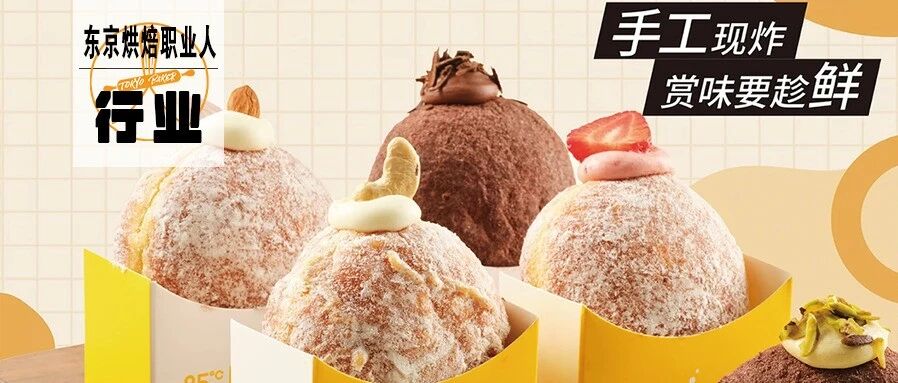
老品牌杀入网红局!85度C开“生甜甜圈”专品店,这波能爆吗?
东京烘焙职业人· 2025-12-08 08:36
Core Viewpoint - The article discusses the strategic transformation of 85°C, a bakery brand, as it introduces a new model focused on selling a single product, "raw donuts," in small, independent outlets, aiming to revitalize its brand and attract younger consumers amidst declining performance and increased competition [3][4][19]. Group 1: Business Model Transformation - 85°C is shifting from large, comprehensive stores to small, approximately 10 square meter outlets that exclusively sell "raw donuts," reflecting a significant strategic pivot in response to past challenges [3][4]. - The new "85°C DONUT" outlets are designed to be low-cost and efficient, leveraging existing store infrastructure and sharing customer traffic with the main 85°C stores [6][8]. - The business model emphasizes resource reuse and customer flow exchange, allowing the new donut outlets to attract customers who may also visit the main store for coffee [8]. Group 2: Pricing Strategy - The pricing strategy for "raw donuts" is set between 6-11 yuan, significantly lower than competitors who price similar products above 18 yuan, aiming to attract a broader, price-sensitive audience [9][11]. - Promotions such as "buy four, get two free" are employed to enhance value perception and drive traffic, focusing on high volume rather than high margins [11]. Group 3: Market Positioning and Consumer Engagement - The choice of "raw donuts" aligns with current market trends and consumer preferences for fresh, high-quality products, particularly appealing to younger demographics [13][19]. - The brand aims to rejuvenate its image and connect with younger consumers through a new visual identity and product offering, distancing itself from its older brand perception [16][20]. Group 4: Challenges and Future Outlook - Despite initial success, the long-term viability of the "raw donut" concept will depend on continuous product innovation and the ability to adapt to changing consumer tastes [18]. - The brand faces significant financial challenges, with reported losses expected to exceed 93 million yuan for the year if adjustments are not made [15].