
房地产调控

Search documents
佛山出台12条楼市新政 购买第二套住房可申请“商转公”
证券时报· 2025-11-19 04:54
Core Viewpoint - The article discusses the recent measures implemented by various departments in Foshan to promote the stable and healthy development of the real estate market, focusing on controlling land supply and optimizing project timelines [1][2]. Group 1: Policy Measures - Foshan's government has introduced 12 measures to enhance the real estate market, including increasing the control over the supply of new commercial land and optimizing project timelines for construction [1]. - The new policies restrict the supply of commercial and mixed-use land, particularly for projects with a stock turnover period exceeding 18 months, while increasing the proportion of residential land supply [1]. - Developers are allowed to apply for construction delays for already sold projects, with a maximum delay period of one year [1]. Group 2: Support for Quality Housing - The policies support the construction of quality residential communities by optimizing the calculation of floor area ratio, excluding certain community facilities from this calculation [2]. - Homebuyers can apply for housing provident fund loans for purchasing designated affordable housing, with a minimum down payment of 15% [2]. - Foreign individuals working or studying in China can purchase residential properties in Foshan with a written commitment for personal use [3]. Group 3: Market Trends - National data shows a narrowing decline in commodity housing sales, with a continuous decrease in unsold inventory over the past eight months [3]. - Experts predict that the transaction volume in key first- and second-tier cities will continue the trend observed in October, with an overall market pattern of "active at the beginning of the year, adjustment in the middle, and a rebound at the end" [3]. - The second-hand housing market may face continued pressure on prices due to high listing volumes and the competitive advantage of new quality homes [4].


多政策激发楼市活力 二手房成新晋“顶流”
Sou Hu Cai Jing· 2025-11-17 04:33
Core Viewpoint - The recent data from the National Bureau of Statistics indicates a narrowing decline in commodity housing sales, a continuous decrease in unsold inventory for eight months, and a reduction in the decline of funds available to real estate developers, reflecting the positive impact of various real estate policy optimizations implemented this year [1][3][5] Sales Performance - From January to October, the total transaction volume of new and second-hand houses nationwide decreased by only 1.9% year-on-year, indicating stability in the market without significant contraction [3][8] - In major cities like Shenzhen, Wuhan, and Xiamen, the transaction volume of both new and second-hand houses has shown year-on-year growth [3][11] Market Dynamics - The second-hand housing market is increasingly becoming the mainstay of transactions, with second-hand house transactions accounting for 45% of the total, and a year-on-year increase of 4.7% in transaction area [11][13] - The demand for improved housing is being released, supported by policies such as increased housing provident fund loan limits and purchase subsidies [13][17] Land Market Trends - Local governments are actively optimizing land supply structures to boost developer confidence, with Beijing and Hangzhou implementing targeted land supply strategies [14][16] - The total land acquisition amount by the top 100 real estate companies reached 783.8 billion, a year-on-year increase of 26.4% [16] Policy Measures - Over 60 cities have introduced purchase subsidies or "old-for-new" policies to support rigid and improved housing demand [17][20] - Cities are enhancing housing credit and provident fund policies, with adjustments made to loan limits and withdrawal rules to support reasonable housing consumption [22]

视频丨多政策激发楼市活力 二手房成新晋“顶流”
Yang Shi Xin Wen· 2025-11-16 05:08
Core Insights - The recent data from the National Bureau of Statistics indicates a narrowing decline in commodity housing sales, with a continuous reduction in unsold inventory for eight months and a decrease in the funding shortfall for real estate developers [1][3][5] - Various real estate regulatory policies implemented this year are showing positive effects, leading to increased buyer confidence and a more active market, particularly in major cities [3][5][10] Sales Performance - From January to October, the total transaction volume of new and second-hand homes nationwide decreased by only 1.9% year-on-year, indicating market stability despite a high base last year [3][8] - In major cities like Shenzhen, Wuhan, and Xiamen, the transaction volume for both new and second-hand homes has increased year-on-year [3][8] Market Dynamics - The second-hand housing market is becoming the mainstay of transactions, with a 4.7% year-on-year increase in transaction area for second-hand homes, accounting for 45% of total transactions [10][12] - The demand for improved housing is driving changes in the market, with policies aimed at increasing housing fund loan limits and subsidies [12][13] Land Market Trends - Local governments are actively adjusting land supply strategies to boost developer confidence, with Beijing and Hangzhou implementing targeted land supply measures [15][20] - The total land acquisition amount by the top 100 real estate companies reached 783.8 billion, a year-on-year increase of 26.4% [15][20] Policy Measures - Over 60 cities have introduced purchase subsidies or "old-for-new" policies to support housing demand, with various financial incentives being offered [16][18] - Cities are also enhancing housing credit and public fund policies to support reasonable housing consumption, with adjustments made to loan limits and eligibility for fund withdrawals [20]

突发,11月起房地产调控换道,3大红利让购房者连夜算账
Sou Hu Cai Jing· 2025-11-06 21:07
Core Insights - The Chinese real estate market is undergoing a significant transformation with the introduction of new policies aimed at stimulating demand and optimizing supply, marking a shift from localized adjustments to a nationwide strategy [3][5][9] Demand Side - Tax incentives have been enhanced, with the contract tax exemption area increased from 90 square meters to 140 square meters, allowing a uniform tax rate of 1% for personal purchases of homes within this size limit [5][9] - The new policy eliminates the distinction between ordinary and non-ordinary residential properties in first-tier cities, providing a significant tax relief for homeowners selling properties held for over two years [5][9] - The combined effect of tax and credit incentives is expected to reduce the financial burden on homebuyers by over 60%, making home purchases more accessible [7][9] Supply Side - The policy includes measures to alleviate corporate financial pressures and optimize inventory, such as lowering the land value-added tax pre-collection rate by 0.5 percentage points [7][9] - Financial support has been unprecedented, with flexible mortgage terms and increased loan limits for families with multiple children, enhancing affordability for first-time buyers [7][9] - The new policies are expected to significantly boost the market for improved housing, with a focus on meeting the needs of families looking to upgrade their living conditions [9][11] Market Dynamics - The new policies have led to a notable increase in demand for improved housing, with a significant rise in transactions for larger units, particularly in core urban areas [11][13] - The market is experiencing a divergence, with core cities benefiting more from policy incentives compared to lower-tier cities, which continue to face inventory challenges [14][15] - The trend towards high-quality housing is gaining momentum, with cities implementing standards for "good housing" that emphasize quality and sustainability [17]

房价从3.9万跌至1.4万,多年积蓄损失殆尽?网友:跟风买房的结果
Sou Hu Cai Jing· 2025-10-27 17:56
Core Viewpoint - The article discusses the significant fluctuations in housing prices in the Beijing surrounding areas, particularly in the town of Dachang, highlighting the experiences of young professionals who invested in real estate there, only to face substantial losses due to market corrections and regulatory measures [1][3]. Group 1: Housing Market Dynamics - The housing prices in Dachang surged from 20,000 yuan per square meter to a peak of 39,000 yuan, before plummeting to 14,000 yuan, resulting in a significant loss for homeowners like Pan Liang [1][4]. - The initial price increase was driven by speculative investments, as investors sought opportunities in relatively cheaper areas surrounding Beijing [4][5]. - The rapid influx of residents into the ring Beijing area created pressure on local infrastructure, leading to increased commuting difficulties and dissatisfaction among new residents, which contributed to the decline in housing demand [4][5]. Group 2: Regulatory Impact - In response to the irrational price increases, local governments implemented strict regulatory measures aimed at cooling down speculative demand, which subsequently led to a sharp decline in housing prices [4][5]. - The housing market in the ring Beijing area is characterized by a significant speculative bubble, which is vulnerable to rapid price corrections when investor sentiment shifts [5]. Group 3: Employment and Economic Factors - Many cities in the ring Beijing area suffer from a lack of diverse employment opportunities, resulting in population outflows and weakened local housing demand [5]. - The initial intent of many buyers was for self-occupation, but the drastic price drops have left them in a precarious financial situation, as their investments have significantly depreciated [3][5].

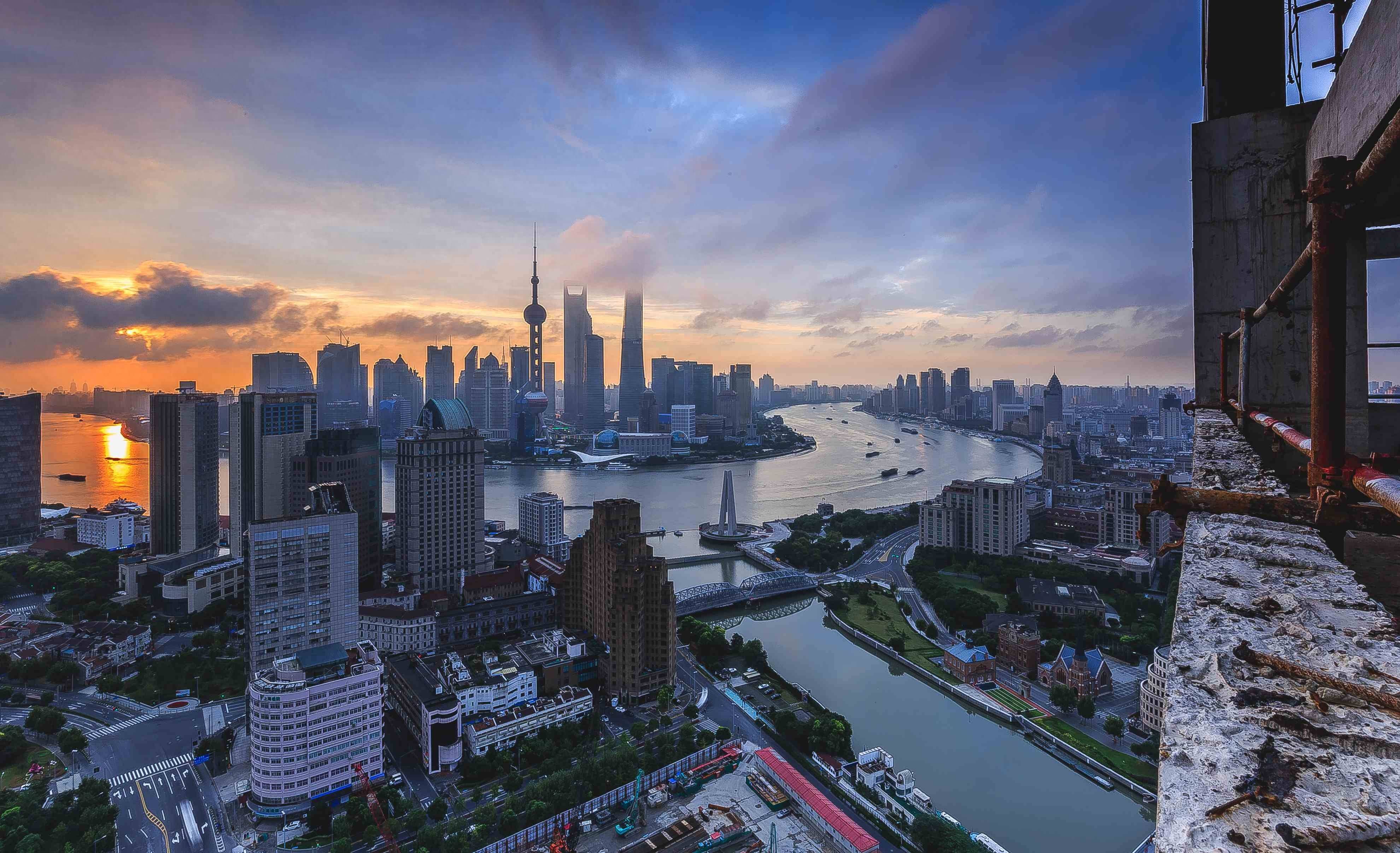
2025年第三季度上海地产市场热搜
Sou Hu Cai Jing· 2025-10-27 12:29
Group 1 - Midea Group has officially opened its global innovation park in Shanghai with a total investment exceeding 7 billion yuan, marking it as the second comprehensive global R&D base in China after the one in Foshan [3] - The innovation park covers a total area of 400,000 square meters and has nearly 2,000 R&D personnel focusing on cutting-edge technology fields such as artificial intelligence, new energy, new materials, robotics, and healthcare [3] Group 2 - Shanghai Shunsheng Construction Group successfully acquired the Taihe Shanghai Headquarters Building for 659.7 million yuan, with a total area of approximately 25,500 square meters and a transaction price of about 36,100 yuan per square meter [4] - The building is located in a prime area of Shanghai, close to major transportation hubs and surrounded by high-end hotels and commercial resources, making it an attractive investment [4] Group 3 - Shanghai has optimized its real estate policies, allowing eligible resident families to purchase an unlimited number of homes outside the outer ring road, aimed at meeting housing demand and promoting market stability [5] - The new policy applies to both local and non-local residents who meet specific criteria regarding social insurance or income tax payments [5] Group 4 - The People's Bank of China Shanghai Headquarters announced that commercial personal housing loan rates will no longer differentiate between first and second homes, aligning with local government regulations [6][7] - This adjustment aims to streamline the lending process and maintain market order [7] Group 5 - Shanghai has introduced new standards for residential quality, including a regulation that balcony areas will be counted at half for floor area ratio calculations, effective immediately [8] - The new measures encourage flexible housing designs and the application of green technologies [8] Group 6 - Shanghai has initiated the first batch of 10 pilot projects for the large-scale renovation of commercial buildings, focusing on key business districts [9] - The pilot areas include prominent locations such as Lujiazui and Hongqiao Business District [9] Group 7 - The East An Er Village housing demolition and reconstruction project in Xuhui District has achieved 100% signing, involving 400 residents and non-residential projects [10] - The project will include the construction of six residential buildings and provide various support measures for displaced residents [10] Group 8 - The Jiangpu International Plaza in Yangpu District was sold for 1.31 billion yuan in a judicial auction, with a land area of approximately 18,600 square meters and a building area of 47,700 square meters [11] - The auction attracted three bidders and concluded with a premium rate of about 15.9% [11]
今明两年买房,是吃亏还是捡漏?房产趋势给出答案
Sou Hu Cai Jing· 2025-10-26 06:12
Core Viewpoint - The Chinese real estate market, which has seen significant price increases since the housing reform in 1998, is now experiencing a downturn, with average prices declining from a peak of 11,000 RMB per square meter to 9,560 RMB, a drop of over 15% [2] Group 1: Market Trends - Since the implementation of housing reform in 1998, the average national housing price has surged from 2,000 RMB to 11,000 RMB per square meter, marking an increase of 5.5 times [1] - In major cities like Beijing, Shanghai, and Shenzhen, housing prices have skyrocketed from 3,000 RMB to 65,000 RMB per square meter, with a cumulative increase exceeding 20 times [1] - As of June this year, 34 out of 70 major cities have housing prices lower than two years ago, with 27 cities seeing prices revert to three years ago levels [2] Group 2: Sales Performance - In the first eight months of 2022, new housing sales in 100 cities fell by 44% year-on-year, with first and second-tier cities experiencing a 37% decline [4] - Sales in third and fourth-tier cities also dropped by 25%, totaling 1,083 million square meters [4] Group 3: Government Policies - To stimulate the sluggish market, local governments have implemented various measures, including lowering down payment ratios, reducing loan interest rates, and increasing housing fund loan limits [4] Group 4: Market Sentiment - There are two contrasting perspectives in the market: the optimistic "bullish" camp believes that policy easing will lead to a rebound in housing prices, while the pessimistic "bearish" camp anticipates a prolonged adjustment period [6] - The Chinese government's real estate regulation measures have been extensive, with 651 instances of policy adjustments by 2021, indicating a gradual but significant impact on the market [6] - Factors such as slowing urbanization, saturated housing supply, and declining marriage rates are expected to reinforce the ongoing market adjustment [6] Group 5: Consumer Behavior - Consumer willingness to purchase homes is declining, influenced by economic pressures and job losses, leading many to postpone buying plans [8] - A survey by the People's Bank of China indicates that residents prefer saving over investing or consuming, which may lead to a prolonged adjustment cycle in housing prices [8] - The acceleration of affordable housing construction is expected to divert demand away from the commercial housing market, potentially stabilizing prices [8]
房子更难买了?知情人:主要问题不是高房价,罪魁祸首是新麻烦!
Sou Hu Cai Jing· 2025-10-26 05:21
Core Insights - The real estate market is facing a "cold winter," with high housing prices no longer being the primary concern, as new challenges emerge [1][8] - The perception of housing as a necessity for major life events has elevated its value, contributing to the ongoing pressure on homebuyers [1][3] - Despite a sufficient total housing supply, high prices continue to limit purchasing power for many, leading to a significant wealth gap [3][4] Market Dynamics - There is a persistent narrative about housing shortages and impending price increases, creating urgency among buyers, but recent trends indicate a cooling market [3][5] - Government policies aimed at curbing excessive real estate speculation have been implemented, including increased down payment requirements and tightened loan approvals [4][5] - Some cities have seen a decline in housing prices, prompting cautious behavior among potential buyers who are waiting for prices to meet their expectations [7][8] Developer and Investor Behavior - Developers are resorting to aggressive price cuts to recover funds, which introduces instability into the market and disrupts normal market order [7] - Speculators are under pressure to sell off properties due to potential price declines, leading to significant discounts in the secondary housing market [7][8] - The shift towards a more rational market, where housing is viewed primarily as a necessity rather than an investment, is becoming evident [7][8]
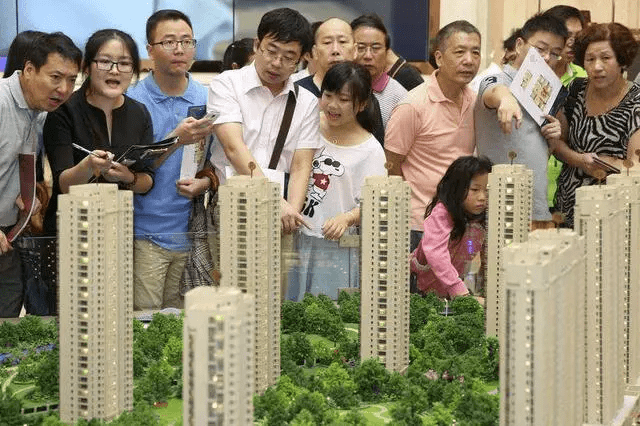
房地产或将迎来4大新变化?内行:已买房的家庭,需提前做准备
Sou Hu Cai Jing· 2025-10-25 06:14
Core Insights - The Chinese real estate market is undergoing unprecedented adjustments, with high property prices remaining a significant challenge for homebuyers [2] - The government has implemented various policies to alleviate the financial burden on homebuyers, including lowering mortgage rates and down payment requirements [4] - The construction of affordable housing is being accelerated to provide housing security for low-income families [5] Group 1: Market Conditions - As of November 2022, the average price of new residential properties in 100 cities reached 16,190 yuan per square meter, while the average price for second-hand homes was 15,911 yuan per square meter, making homeownership increasingly unattainable for ordinary families [2] - The urbanization process in China is nearing its end, with 64% of the population living in urban areas, leading to a significant reduction in the influx of rural residents into cities [7] Group 2: Demographic Changes - The aging population and declining number of young people are significantly impacting the real estate market, with the elderly population exceeding 267 million and expected to surpass 400 million by 2035 [9] - The number of young people is decreasing, with 17.58 million births in 2017 dropping to 10.63 million in 2021, leading to a potential negative population growth in 2022 [9] Group 3: Supply and Demand Dynamics - There is a growing oversupply in the housing market, with 120 million existing homes available, sufficient to meet the needs of 300-400 million people, while over 14 million new homes are supplied annually [10] - 96% of households own at least one home, and 41.5% own two or more, indicating a saturation of housing demand [10] Group 4: Policy Effectiveness - Despite various regulatory measures aimed at stimulating the market, including relaxed purchase restrictions and lower mortgage rates, the overall performance of the real estate market remains sluggish [11] - The inertia of the market adjustment trend suggests that the real estate sector may enter a prolonged period of adjustment and consolidation [11]
上海前三季度房地产数据出炉,“沪六条”后新房成交环比大涨
Di Yi Cai Jing· 2025-10-22 04:52
Core Insights - The high-end new housing projects in Shanghai remain popular, while the second-hand housing market has rebounded to over 20,000 transactions [1][4] Economic Performance - In the first three quarters of 2023, Shanghai's economy showed a stable and improving trend, with real estate development investment increasing by 2.2% year-on-year [2] - The total construction area for commercial housing reached 155.91 million square meters, a slight increase of 0.1%, while residential construction area grew by 0.9% to 72.37 million square meters [2] Sales Performance - The sales area of commercial housing decreased by 0.3% to 12.02 million square meters, with residential sales down by 3.8% to 9.57 million square meters [3] - However, the decline in sales area has narrowed compared to previous months, indicating the effectiveness of the "Six Policies" released on August 25 [3] Policy Impact - The "Six Policies" include adjustments to housing purchase restrictions, housing provident fund, housing credit, and housing tax, which have positively impacted the market [3] - The policies allow eligible families to purchase unlimited properties outside the outer ring of Shanghai, while single adults are subject to the same restrictions as families [3] Market Activity - The "Golden September and Silver October" period has shown strong performance, with high-end residential projects selling out quickly, such as the Jinling Huating project with a total value exceeding 9.8 billion yuan [4] - The second-hand housing market saw 20,389 transactions in September, marking a return to the 20,000 transaction level [4] Land Market - The recent land auction in Shanghai set a record for the highest land price in the city's riverside area at 14.85 million yuan per square meter, indicating strong land value [4] - The total revenue from the eighth batch of land sales approached 19.8 billion yuan, reflecting the resilience of land value in Shanghai [4]