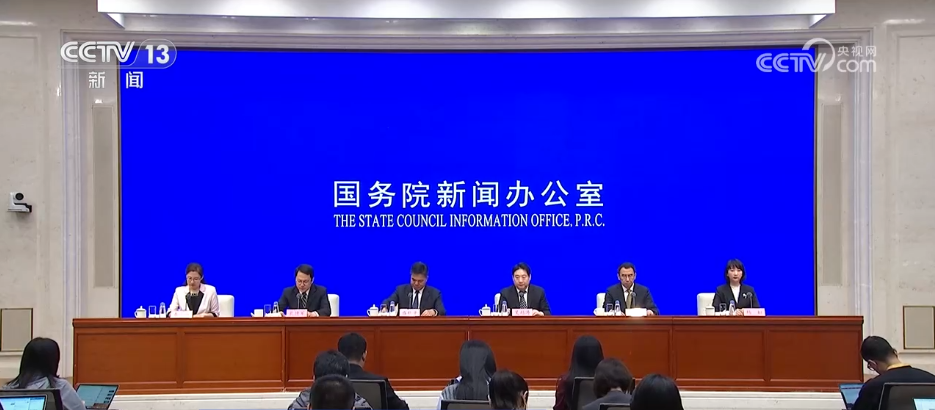
扩大服务消费

Search documents
掘金服务消费(上)丨服务消费“新政”将为四大行业注入新动能
Sou Hu Cai Jing· 2025-09-23 01:37
Core Insights - The Ministry of Commerce and nine other departments issued a notice on September 2025 to expand service consumption, proposing five key measures aimed at enhancing service consumption across various sectors [2][13]. - The five measures are interconnected, creating a comprehensive mechanism that addresses both supply and demand sides, with the most benefited sectors being cultural tourism, leisure entertainment, sports health, medical care, and the integration of "digital + services" [3][4]. Measure Summaries - **Cultivating Service Consumption Promotion Platforms**: This serves as the foundational framework for service consumption, supporting the upgrade of various consumption platforms, both online and offline, to reduce transaction costs and enhance consumer experience [3][4]. - **Enriching High-Quality Service Supply**: This is the core engine aimed at solving the "what to consume" issue by increasing the availability of high-quality and diverse service products, thus stimulating consumer demand [3][4]. - **Stimulating Incremental Service Consumption**: This measure focuses on creating scenarios and demands to convert potential consumption capacity into actual behavior, injecting continuous customer and capital flow into the market [3][4]. - **Strengthening Financial Support**: This acts as the "blood" of the system, guiding financial resources towards the service consumption sector, enabling consumers to spend and businesses to innovate [3][4]. - **Improving Statistical Monitoring Systems**: This serves as the "brain" of the policy, ensuring that the entire system can adapt flexibly based on actual conditions, allowing for precise governance and continuous optimization [3][4]. Industry Opportunities - The transition from "material consumption" to "service consumption" is a significant historical trend, with industries such as cultural tourism, leisure entertainment, sports health, and medical care expected to benefit the most as GDP per capita exceeds $12,000 [5][6]. - New business models in cultural tourism and leisure, such as immersive experiences and night economy activities, are anticipated to see explosive growth due to policy encouragement [5][6]. - The aging population is driving demand for home care, community care, and high-end elderly care services, alongside health management and psychological counseling, indicating a vast market potential [6][5]. - The integration of "digital + services" is crucial for enhancing efficiency and creating new supply, with continuous innovation expected in online education, telemedicine, and digital cultural tourism [6][5]. Policy Implementation - The service consumption quality improvement initiative is a long-term quality revolution aimed at enhancing service quality and variety, ultimately rebuilding consumer confidence and stabilizing consumption [7][8]. - The combination of long-term quality improvement actions and short-term promotional activities is designed to stimulate consumption effectively [7][8]. - The successful implementation of these policies hinges on breaking down barriers, providing targeted support for various sectors, and ensuring a transparent and efficient policy execution process [9][10].


博时市场点评9月22日:两市缩量整固,电子板块领涨
Xin Lang Ji Jin· 2025-09-22 08:04
Market Overview - The three major indices in the A-share market experienced fluctuations and closed higher, with the Shanghai Composite Index at 3828.58 points, up 0.22% [4] - The total market turnover decreased to 2.1 trillion yuan, indicating cautious trading behavior as the holiday approaches [1] - Margin trading balances decreased by 4.2 billion yuan, reflecting a marginal contraction in leveraged fund sentiment [1] Economic Policy and Monetary Environment - The People's Bank of China announced that the Loan Prime Rate (LPR) remained unchanged at 3.0% for the one-year term and 3.5% for the five-year term, consistent with market expectations [2] - The stability of the LPR is intended to maintain continuity in the interest rate environment, as the macroeconomic policy is currently in an observation phase [2] - The central bank conducted a 240.5 billion yuan reverse repurchase operation at a rate of 1.40%, indicating efforts to manage liquidity ahead of the quarter-end and holiday [3] Steel Industry Developments - The Ministry of Industry and Information Technology released a plan for the steel industry aiming for an average annual growth of around 4% in value-added output from 2025 to 2026 [3] - The plan addresses the imbalance of excessive supply and insufficient effective demand, focusing on precise capacity control and enhancing high-end product supply capabilities [3] - The initiative aims to stabilize the industrial base and promote the transformation and upgrading of traditional industries, potentially benefiting leading steel enterprises through resource concentration and industry consolidation [3] Sector Performance - In the stock market, sectors such as electronics, computers, and non-ferrous metals showed strong performance, with increases of 3.71%, 1.70%, and 0.98% respectively [4] - Conversely, sectors like social services, beauty care, and retail experienced declines, with drops of 2.04%, 1.36%, and 1.31% respectively [4] - A total of 2132 stocks rose while 2990 stocks fell, indicating a mixed market sentiment [4]
从“提振消费”到“扩大服务消费”,政策扩围筑牢经济增长根基
Yang Guang Wang· 2025-09-21 05:09
Core Insights - The article discusses the recent issuance of 19 specific measures by the Ministry of Commerce and nine other departments to expand service consumption, aligning with previous consumption stimulus plans to enhance economic growth and improve living standards [1][5]. Group 1: Policy Measures - The new measures focus on five main areas: cultivating service consumption promotion platforms, enriching high-quality service supply, and addressing both incremental and stock policies to strengthen economic foundations [1]. - The policies aim to transition China's consumption market from material consumption to service consumption, which is seen as a dual link between economic development and public welfare [1]. Group 2: Market Trends - Data indicates that service consumption expenditure by residents has reached 46.1% of per capita consumption expenditure, with expectations to exceed 50% by 2030, marking a shift towards a service-oriented consumption society [1]. - The service consumption sector encompasses traditional labor-intensive industries like dining and tourism, as well as new economic forms such as digital and green economies, indicating a broad market potential [1][4]. Group 3: Economic Impact - The growth in service consumption is expected to directly boost the recovery and upgrading of traditional service industries while fostering new business models like smart elderly care and immersive tourism [1][4]. - The article highlights the significant market space revealed by recent trends in cultural and tourism consumption, with various service categories experiencing double-digit growth from January to August this year [4]. Group 4: Implementation and Collaboration - Successful implementation of the policies requires multi-departmental collaboration to break down data barriers and enhance consumer service experiences [4]. - The article emphasizes the need for policy alignment and support to stimulate market vitality, encouraging enterprises to innovate and provide high-quality service products that meet consumer demands [4].
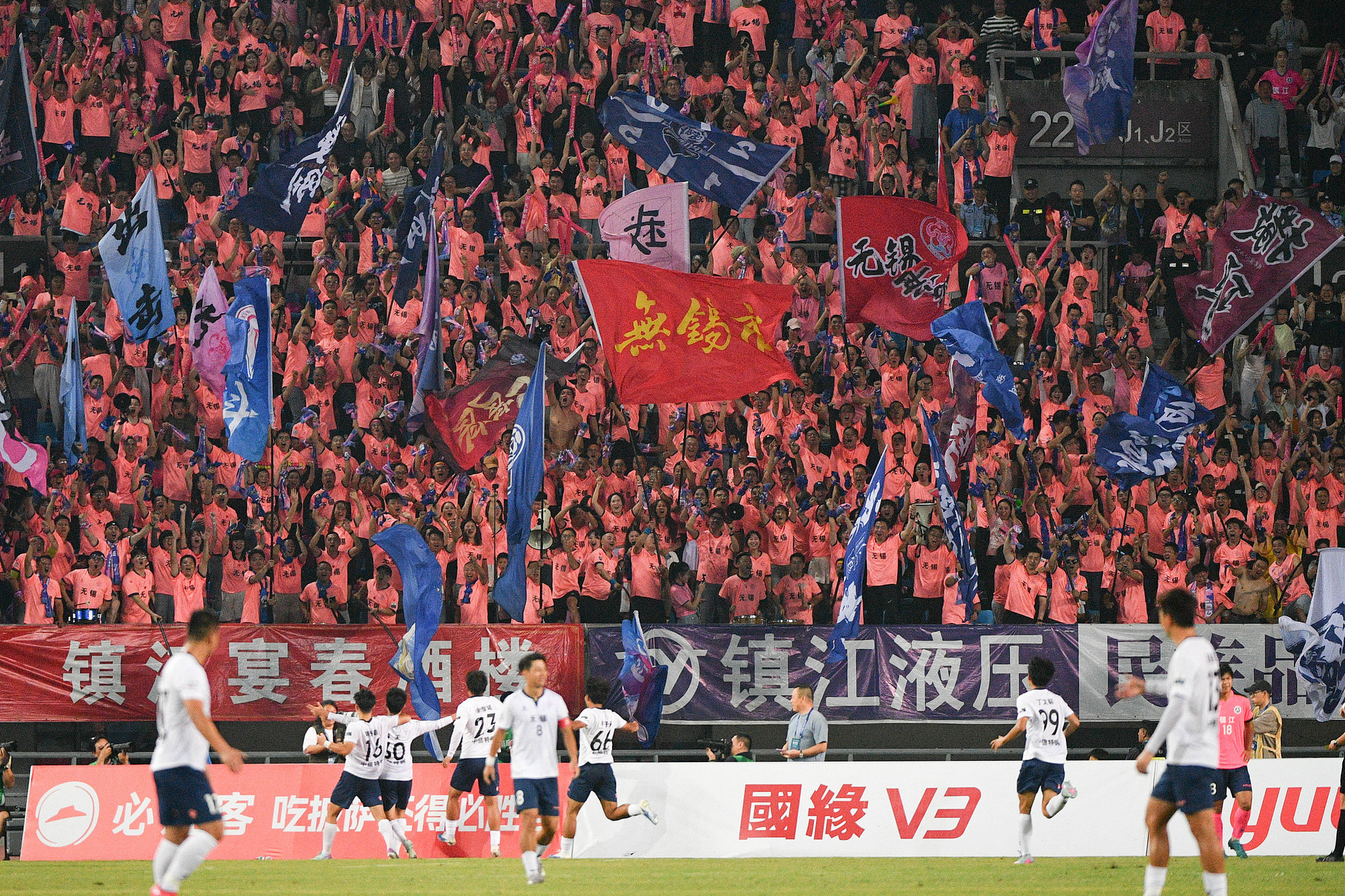
央广时评|从“提振消费”到“扩大服务消费”,政策扩围筑牢经济增长根基
Sou Hu Cai Jing· 2025-09-21 02:26
Core Viewpoint - The recent issuance of 19 specific measures by the Ministry of Commerce and nine other departments aims to expand service consumption, aligning with previous consumption stimulus plans and highlighting a shift from material to service-oriented consumption in China [1][3][4] Group 1: Policy Measures - The new measures focus on five main areas: cultivating service consumption promotion platforms, enriching high-quality service supply, and addressing both incremental and existing policies to strengthen economic growth [1][4] - The policies are designed to directly address consumer needs, such as improving elderly and childcare services, standardizing domestic services, and easing market access in high-end medical and leisure sectors [3][4] Group 2: Market Trends - China's service consumption is projected to exceed 50% of per capita consumption expenditure by 2030, indicating a significant transition to a service-oriented consumption society [1] - The service consumption sector encompasses traditional industries like dining and tourism, as well as emerging sectors linked to the digital and green economies, creating new growth opportunities [1] Group 3: Economic Impact - The growth in service consumption is seen as a crucial driver for overall domestic demand, with notable increases in retail sales across various service categories in the first eight months of the year [3] - The implementation of these policies is expected to enhance the quality of life for consumers and solidify the economic foundation for high-quality development in China [4]

扩大服务消费要保证“可支配时间”
Sou Hu Cai Jing· 2025-09-20 23:06
Group 1 - The core viewpoint of the articles emphasizes the importance of expanding service consumption in China, supported by recent policy measures from the Ministry of Commerce and other departments [1] - The measures include 19 specific actions such as relaxing market access in high-end medical services and exploring the establishment of spring and autumn breaks for primary and secondary schools [1] - The goal is to transform China from a "manufacturing giant" to a "consumption giant," aiming to release substantial market demand and stabilize economic development [1] Group 2 - The articles highlight that increasing service consumption requires addressing three dimensions: enhancing residents' consumption capacity, eliminating consumption concerns, and optimizing supply [2] - The relationship between service consumption and leisure time is crucial, as many services require discretionary time, which is currently limited for many citizens [2] - The introduction of the "Golden Week" in 1999 is cited as a successful example of how extended holidays can boost service consumption, with similar expectations for the proposed spring and autumn breaks [2] Group 3 - The articles stress that both "disposable income" and "disposable time" are essential for the growth of service consumption, and resolving these issues will lead to faster and more efficient development [3]
金融业解决服务消费堵点应积极主动作为
Guo Ji Jin Rong Bao· 2025-09-20 02:15
Core Viewpoint - The recent joint issuance of the "Several Policy Measures to Expand Service Consumption" by nine government departments aims to address the bottlenecks in service consumption through a coordinated multi-departmental approach, emphasizing the importance of financial support and collaboration among various sectors [1] Group 1: Policy Measures Overview - The policy measures include nineteen specific tasks across five areas: cultivating service consumption promotion platforms, enriching high-quality service supply, stimulating new service consumption growth, enhancing financial support, and improving statistical monitoring systems [1] - The financial sector is highlighted as a key participant in resolving service consumption bottlenecks, with a call for proactive engagement and integration of monetary, credit, and capital market policies [1] Group 2: Financial Sector Initiatives - Financial institutions are encouraged to expand high-quality financial service offerings to meet the unmet financial demands of the service consumption sector and residents, particularly in areas like elderly care, childcare, and cultural tourism [2] - The central bank's establishment of a 500 billion yuan service consumption and elderly re-loan fund is emphasized as a tool to incentivize financial institutions to increase support for sectors such as accommodation and entertainment [2] Group 3: Consumer Credit Support - There is a push to enhance support for consumer credit to stimulate resident consumption potential, with initiatives like tax refunds and consumption vouchers being highlighted [3] - The number of tax refund stores is projected to reach 10,000 by mid-2025, tripling from the end of 2024, with a 98% increase in tax refund sales [3] Group 4: Financial Product Optimization - Financial institutions are urged to continuously optimize financial products and services to provide diverse, high-quality consumption options, focusing on key consumption areas such as food, housing, and entertainment [4] - There is a call for increased support for various types of loans, including first loans, renewal loans, and credit loans, to enhance the financial backing for the consumption sector [4] Group 5: Risk Management and Compliance - Financial institutions are advised to improve credit structure and risk management to ensure precise financial services, avoiding extremes in credit work that could overlook risks [4] - The importance of regulatory measures to enhance compliance and prevent financial bottlenecks in service consumption is emphasized, promoting a virtuous cycle of demand upgrading, supply optimization, and consumption expansion [4]
吃好!玩好!这套惠民“组合拳”期待值拉满,中秋国庆双节等你来!
Yang Shi Wang· 2025-09-20 02:11
Group 1 - The core viewpoint of the article is the recent issuance of a set of policies aimed at expanding service consumption, which includes measures to optimize the consumption environment and promote high-quality services across various key industries [1][6]. - The policies cover a wide range of service sectors, including dining, accommodation, cultural events, sports, and entertainment, with the goal of stimulating economic growth by encouraging consumer participation [6][8]. - Starting from September 22, the Ministry of Culture and Tourism will launch a national tourism consumption month, distributing over 330 million yuan in subsidies and organizing more than 25,000 cultural and tourism activities [8]. Group 2 - Various regions are implementing unique promotional strategies, such as Shandong's "Good Guest Shandong" package and Guangdong's direct distribution of 20 million yuan in consumption vouchers [8]. - The policies also encourage the introduction of high-quality international sports events and support local initiatives for mass sports events, aiming to enhance consumer engagement and spending in these areas [8]. - The measures include optimizing school holiday arrangements to allow for more leisure time, which could potentially benefit working individuals in the future [8].
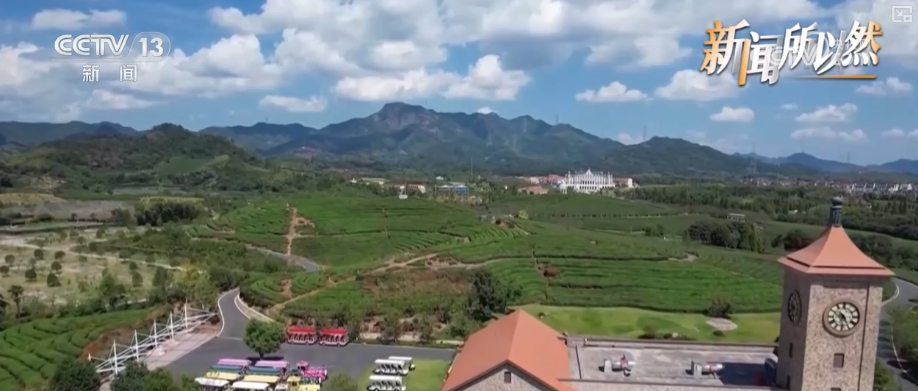
8月经济“成绩单”出炉稳增长政策加码可期
Qi Huo Ri Bao Wang· 2025-09-19 00:49
Economic Overview - In August, China's economic growth showed signs of slowing down, but overall economic operation remained stable due to coordinated macro policies [1][7] Production Sector - In August, the industrial added value above designated size grew by 5.2% year-on-year, down from 5.7% in the previous month, and 0.37% month-on-month [2] - From January to August, the industrial added value increased by 6.2% year-on-year, slightly lower than the previous value of 6.3% [2] - 31 out of 41 major industries maintained year-on-year growth in added value, with high-tech sectors like integrated circuit manufacturing and electronic materials showing growth rates exceeding 20% [2] Consumption Sector - In August, the total retail sales of consumer goods reached 39,668 billion yuan, growing by 3.4% year-on-year, down from 3.7% previously, but showing a month-on-month increase of 0.17% [3] - From January to August, total retail sales amounted to 323,906 billion yuan, with a year-on-year growth of 4.6% [3] - The slowdown in retail sales growth was primarily due to significant declines in the sales of home appliances, furniture, and communication equipment, influenced by factors such as reduced subsidies and high base effects [3] Investment Sector - From January to August, fixed asset investment (excluding rural households) totaled 326,111 billion yuan, with a year-on-year growth of 0.5% [5] - Infrastructure investment showed a cumulative year-on-year growth of 2.0%, while real estate development investment declined by 12.9% [5] - High-tech manufacturing investment maintained robust growth, with sectors like information services and aerospace manufacturing seeing increases of 34.1% and 28.0% respectively [5] Future Outlook - Infrastructure investment is expected to rebound in September, supported by accelerated fiscal spending and improved operational conditions [6] - The real estate market is anticipated to stabilize as major cities adjust purchasing policies and promote urban renewal projects [6] - The coordinated fiscal and monetary policies in the fourth quarter are expected to focus on stabilizing investment and promoting consumption, aiding in achieving the annual economic growth target of around 5% [7]
商务部:让离境退税新举措成为入境消费新助力 在约50个试点城市增加优质消费供给
Bei Jing Qing Nian Bao· 2025-09-18 06:30
Core Insights - The Chinese government is focusing on expanding service consumption as a key driver for economic growth, with service retail sales increasing by 5.1% from January to August, outpacing goods retail sales by 0.3 percentage points [1] Group 1: Policy Measures - The Ministry of Commerce, in collaboration with nine other departments, has introduced a set of policies aimed at expanding service consumption, which includes 19 specific tasks across five areas [2] - The initiative includes selecting around 50 pilot cities with large populations and strong development potential to enhance the supply of quality consumption and innovate diverse consumption scenarios [2][3] Group 2: Service Sector Development - The policies emphasize improving the quality of service consumption, addressing areas where consumer experience can be enhanced, and promoting high-quality development in the service sector [1] - There is a focus on increasing the supply of quality resources in cultural tourism, sports, and other service areas, while also enhancing the levels of services such as cultural entertainment, sports, housekeeping, elderly care, and childcare [2] Group 3: International Consumption Environment - The Ministry of Commerce plans to work with the Ministry of Finance to develop an internationalized consumption environment, selecting about 15 cities with strong consumption potential and a high number of foreign visitors for pilot projects [3] - The goal is to address shortcomings in the consumption environment and improve convenience and experience for consumers [3]
服务消费如何实现“好上加好”?向“新”、向“优”、向“活”成为关键词
Yang Shi Wang· 2025-09-18 04:41
Core Viewpoint - The recent release of policies aimed at expanding service consumption is crucial for improving people's livelihoods and driving the transformation and upgrading of consumption in China [1] Group 1: Policy Measures - The government is accelerating the construction of a long-term care insurance system and increasing the supply of quality resources in cultural tourism, sports, and other sectors [3] - Approximately 50 cities will be selected for pilot projects focusing on "new formats, new models, and new scenarios" to enhance consumption vitality [4][6] Group 2: Support for Key Sectors - There will be increased support for the construction of service facilities in areas such as elderly care, childcare, cultural tourism, and sports, which are currently in high demand [8] - The government aims to promote innovation in enterprises, improve service levels in key sectors, and create a fair market environment for small and medium-sized service enterprises [8] Group 3: Enhancing Inbound Consumption - Inbound consumption is identified as a significant area for growth, with plans to optimize visa policies and enhance the convenience of travel, medical care, and study for foreign visitors [11] - The Ministry of Commerce plans to organize events like "Shopping in China" and "Service Consumption Season" to encourage diverse consumption experiences for foreign visitors [13] Group 4: Cultural and Tourism Initiatives - A national cultural and tourism consumption month will be launched, featuring over 25,000 events to promote local tourism and cultural experiences [16] - A three-year action plan for cultural and tourism consumption will be initiated, with over 330 million yuan in consumption subsidies to be distributed during the consumption month [18]