新型能源体系

Search documents
署名文章丨国家能源局党组书记、局长王宏志:锚定能源强国建设目标 推动“十五五”时期能源市场化改革
国家能源局· 2026-03-13 00:43
Core Viewpoint - The article emphasizes the importance of accelerating energy market reforms during the "14th Five-Year Plan" period to build a strong energy nation, aligning with the new energy security strategy and high-quality development goals [3][4]. Group 1: Energy Market Reform Achievements - Since the 18th National Congress, significant progress has been made in energy system reforms, establishing a framework that emphasizes "regulating the middle and liberating both ends" [5][4]. - The national unified electricity market has been initially established, with over 1 million registered market participants and 64% of total electricity consumption traded in the market [6][4]. - The coal trading market system has been improved, with a nationwide coal trading platform established to ensure stable market operations [7][4]. Group 2: Price Mechanism Improvements - The electricity pricing reform has advanced, with market-based pricing for coal and renewable energy, reflecting supply and demand dynamics [8][4]. - The oil and gas pricing mechanisms have been enhanced, with over 80% of natural gas prices now determined by market forces [8][4]. - A more refined coal market pricing mechanism has been established, including policies to guide coal prices within reasonable ranges [8][4]. Group 3: Challenges and Strategic Focus - The "14th Five-Year Plan" period is critical for achieving carbon peak goals and constructing a new energy system, facing both domestic and international challenges [9][4]. - The article highlights the need for a market-driven approach to resource allocation and price signaling to achieve energy security, green transformation, and economic efficiency [10][4]. Group 4: Future Directions for Energy Market Mechanisms - The article calls for the establishment of a unified, open, and competitive national energy market system to support the construction of a strong energy nation [14][4]. - It emphasizes the need for a new energy pricing system that reflects diverse values and responsibilities among market participants [16][4]. - Strengthening market regulation and enhancing the legal framework for energy markets are essential for ensuring effective governance and stability [17][4].


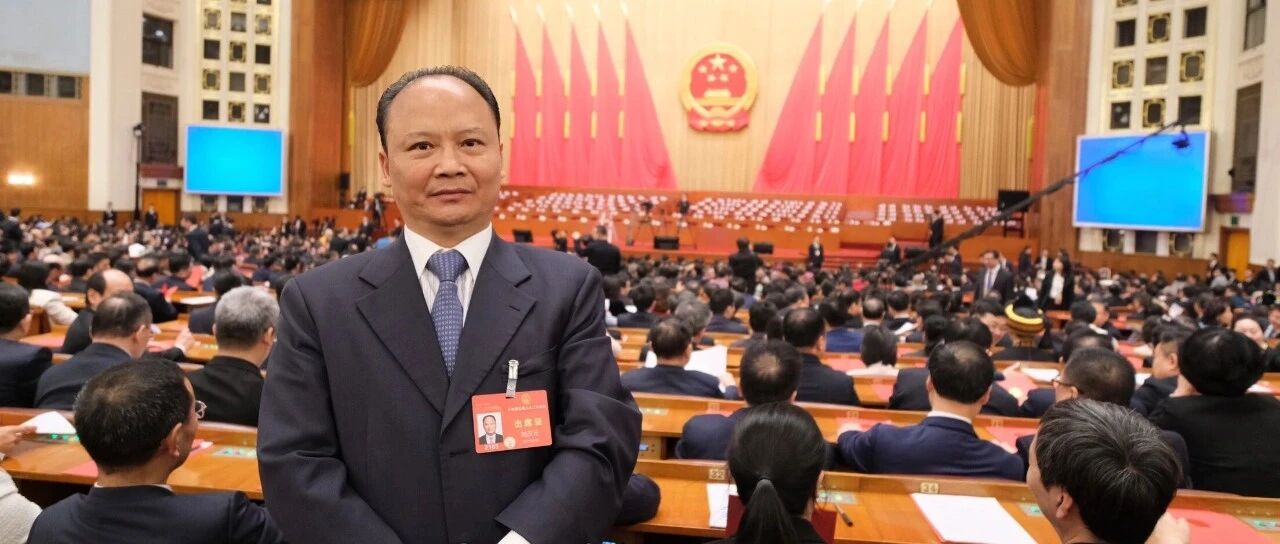
全国政协委员温枢刚:加快建设新型能源体系,提高能源资源安全保障能力
中国能源报· 2026-03-09 12:04
Core Viewpoint - The article emphasizes the need to accelerate the construction of a new energy system in China to enhance energy resource security, addressing current challenges and proposing actionable recommendations for the 14th Five-Year Plan [2][3]. Group 1: Current Challenges in Energy Security - The chairman of China Huaneng Group identifies three main challenges to energy security: the coexistence of traditional and non-traditional energy security issues, risks from energy trade routes and green barriers, and the intertwined problems of balancing and stabilizing the new power system [3]. Group 2: Recommendations for Energy System Development - The first recommendation is to ensure high-level energy security through high-quality development of renewable energy, aiming for a 25% share of non-fossil energy consumption by 2030, with a focus on multi-dimensional integration of wind, solar, hydro, and nuclear energy [4]. - The second recommendation involves enhancing fossil energy continuity to provide a safety net, advocating for a balanced approach to oil and gas resource development and promoting clean and efficient use of fossil energy [4]. - The third recommendation focuses on improving electricity safety through the construction of a new power system, aiming for a national electrification rate of around 35% by 2030 and enhancing the resilience of power grids [4]. - The fourth recommendation stresses the importance of building an energy powerhouse to achieve essential energy security, emphasizing the synergy between renewable and traditional energy, technological innovation, and market-driven reforms [5].

全国政协委员辛保安:全面推进新型能源体系构建,避免仅关注电力领域
中国能源报· 2026-03-09 02:59
Group 1 - The core viewpoint of the article emphasizes the importance of a new energy system that extends beyond just electricity, advocating for a comprehensive approach to energy transition and development [2][3] - The current annual electricity consumption in China is growing by approximately 500 billion kilowatt-hours, with an expected average growth rate of around 5% during the 14th Five-Year Plan period, leading to a projected total electricity consumption of about 13 trillion kilowatt-hours by 2030 [2] - It is noted that electricity will only account for 33% of total energy consumption by 2030, indicating that 67% will still rely on other energy forms, highlighting the need for a diversified energy strategy [2] Group 2 - The new energy system is defined as one that relies on non-fossil energy as the main supply, fossil energy as a backup, and a new power system as a key support, which is crucial for national energy security and achieving carbon neutrality goals [3] - The article discusses the significance of accelerating the development of the Nu River, which is seen as vital for China's clean energy transition and optimizing the energy structure in the southwest region, with all necessary conditions for development already in place [3] - It is recommended to expedite the Nu River development process, aiming to initiate it during the 14th Five-Year Plan period to fully leverage its potential for energy transition and regional economic growth [3]
外部波动震荡继续,关注新型能源体系
East Money Securities· 2026-03-08 13:28
Group 1 - The report highlights the ongoing external volatility, particularly the impact of the Iran conflict on oil prices and inflation, suggesting that while the A-share market shows resilience, external uncertainties remain high [1][10][15] - It emphasizes the importance of focusing on certainty in investment strategies, particularly in sectors such as energy and chemicals, new energy systems, military, agriculture, and coal, while also considering defensive dividend strategies [1][3][31] - The report notes that the new energy system led by China demonstrates strong strategic foresight, with significant investment opportunities in storage and transmission technologies, which are expected to gain global competitiveness [2][29] Group 2 - The report discusses the stable macroeconomic policies from the recent Two Sessions, highlighting the pragmatic adjustment of GDP growth targets and the emphasis on accelerating the transition from old to new economic drivers [17][18] - It points out that the inclusion of new industrial themes in government work reports has historically led to excess returns, indicating that these themes often carry a "policy from 0 to 1" expectation that drives market performance [22][23] - The report identifies key sectors to focus on, including the energy and chemical chain, new energy systems, military, agriculture, and coal, as well as emerging themes like controlled nuclear fusion, green hydrogen, and brain-computer interfaces [3][27][33] Group 3 - The report indicates that the ongoing conflict in the Middle East highlights the high dependence of many economies on fossil energy from the region, while China's new energy system is positioned as a potential reference solution for other countries [2][29] - It mentions that high oil prices could lead to cost shocks and inflationary pressures, which may affect the A-share market negatively, emphasizing the need for defensive strategies in sectors like banking and utilities [11][31] - The report suggests that the performance of sectors such as agriculture, energy transition, and military could be influenced by the current geopolitical tensions, drawing parallels with past conflicts [27][28]

能源开新局丨国家能源局大坝安全监察中心党委书记、主任时雷鸣:筑牢水电站大坝安全基石,全力推进能源强国建设
国家能源局· 2026-03-07 09:07
Core Viewpoint - The article emphasizes the critical importance of dam safety in hydropower stations as a foundational element for building a strong energy nation, highlighting the need for enhanced safety measures and regulatory frameworks to ensure reliable energy supply and social stability [4][8]. Group 1: Current Status and Achievements - China's hydropower installed capacity has surpassed 400 million kilowatts, ranking first in the world, with five of the world's ten largest operating hydropower stations located in China [6]. - The number of registered dams has reached 710, accounting for over 52% of the total reservoir capacity in the country, with the installed capacity exceeding 75% of the national hydropower total [6]. - Major power generation groups have established specialized institutions for dam safety management, and the proportion of Class A dams has increased from 93% to 97% [6]. Group 2: Regulatory and Safety Enhancements - A series of regulations, including the "Supervision and Management Measures for Hidden Dangers in Hydropower Station Dams," have been implemented to enhance the safety management of dams throughout their lifecycle [6]. - The safety monitoring information reporting rates have reached 98% for completeness, 95% for timeliness, and 98% for automation [6]. - The establishment of a risk grading early warning mechanism for dam safety has significantly improved emergency preparedness, with emergency plan formulation rates reaching 99% [7]. Group 3: Challenges and Future Directions - The increasing frequency of natural disasters due to climate change poses higher demands for emergency response capabilities [10]. - The rapid growth in the number of dams, expected to double during the "14th Five-Year Plan" period, presents new challenges for safety regulation and management [10]. - The aging of hydropower stations necessitates research into policies for dam retirement management as the number of dams over 50 years old continues to rise [11]. Group 4: Strategic Initiatives for Improvement - The industry aims to enhance dam safety management mechanisms and improve regulatory capabilities to support the construction of a strong energy nation [13]. - Emphasis is placed on the application of new technologies, such as artificial intelligence and satellite monitoring, to improve dam safety management and decision-making processes [14]. - The development of a high-quality expert team is essential to address the challenges posed by the retirement of experienced personnel and the need for knowledge transfer within the industry [14].

铜月报:宏观多空交织,产业有支撑-20260306
Wu Kuang Qi Huo· 2026-03-06 12:50
1. Report Industry Investment Rating No information provided in the report. 2. Core Viewpoints of the Report - Entering March, the estimated output of refined copper in China is expected to rebound. With the resumption of work and production in downstream industries and the reduced substitution advantage of scrap copper, the supply surplus is expected to narrow. Overseas demand is expected to improve, and the pressure of inventory accumulation will ease. - At the macro - level, the ongoing Middle East conflict has increased inflation expectations overseas, raising the possibility of policy tightening and the pressure of a global economic slowdown. However, under the basic assumption, the Fed will not raise interest rates, and geopolitical issues are expected to enhance the value of strategic resources. In China, the policy is relatively stable during the "Two Sessions", and the construction of a new energy system and the development of new - quality productivity continue to strongly support copper demand. - Overall, the Middle East conflict may continue to cause "pulse - type" shocks, while the support comes from the value attribute of strategic resources, tightness at the mine end, and the seasonal recovery of downstream consumption. It is expected that copper prices will fluctuate. The operating range of the main SHFE copper contract is expected to be between 97,000 - 108,000 yuan/ton, and the operating range of LME 3M copper is expected to be between 12,400 - 13,800 US dollars/ton. The operation suggestion is to wait and see or increase long positions after a pullback [9]. 3. Summary According to the Directory 3.1 Monthly Points Summary - **Supply**: The supply of copper ore remains tight. The output of the largest copper - producing country, Chile, is low, while the supply of blister copper is still relatively loose, and the processing fees are high. In February 2026, the domestic refined copper output declined, generally in line with expectations, and it is expected to rebound in March with a year - on - year increase [9]. - **Demand**: In February 2026, the apparent consumption of refined copper in China is estimated to have increased year - on - year. After the Spring Festival, downstream industries resumed work and production normally, but the estimated consumption was slightly weaker than the same period last year. The overseas manufacturing industry is relatively strong, and the demand expectation has improved [9]. - **Import and Export**: In February 2026, the loss of spot imports of SHFE copper widened in a fluctuating manner. The price difference between COMEX copper and LME copper oscillated weakly, and the price difference remained negative. COMEX inventory was transferred to LME warehouses in North America [9]. - **Inventory**: In February 2026, the inventories of the three major exchanges increased. The inventories of SHFE and LME increased significantly, while the inventory in the bonded area decreased slightly. The total inventory increased significantly, but there are still structural problems. It is estimated that the inventory accumulation in China will slow down significantly in March [9]. 3.2 Futures and Spot Market - **Market Review**: In February 2026, copper prices fluctuated and consolidated. Against the backdrop of the US - Iran negotiations and tariff uncertainties, market sentiment was volatile. Coupled with the cooling of the Fed's interest - rate cut expectations, the overall macro situation was mixed, and copper prices fluctuated at high levels. During the month, the main SHFE copper contract rose by 0.23%, and the LME 3M copper contract rose by 1.73%. The US dollar index stabilized, and the offshore RMB appreciated. At the beginning of March, copper prices fluctuated downward due to geopolitical and inventory changes [18]. - **Market Spreads**: In February 2026, the loss of spot imports of SHFE copper widened in a fluctuating manner, but the overall loss was not large. In February, the price difference between COMEX and LME copper oscillated weakly in the range. At the beginning of March, the price difference weakened, but the expectation of future tariffs has not been eliminated [21]. - **Inventory and Basis**: As of the end of February, the total inventory of the three major exchanges plus the Shanghai bonded area was about 1.284 million tons, an increase of 251,000 tons compared with the end of January and an increase of about 625,000 tons compared with the end of February 2025. The inventory structural problem still exists (COMEX inventory accounts for a high proportion, about 43%, with a year - on - year increase of 461,000 tons). In February, the LME copper inventory increased, and the COMEX copper inventory continued to increase. In terms of basis, in February 2026, the Cash/3M discount in the LME market narrowed in a fluctuating manner; the domestic basis weakened, and at the end of February, the spot price was at a discount of about 260 yuan/ton to the futures price, and the discount narrowed at the beginning of March [24][27]. - **Fund Sentiment**: As of late February 2026, the CFTC fund position remained net long, and the net long ratio rebounded to 20.8%; the proportion of long positions of LME investment funds rebounded, and the sentiment stabilized and recovered. In March, the impact on market sentiment is expected to mainly come from the geopolitical situation, US policy expectations, mine - end news, and inventory changes [30]. 3.3 Supply and Demand Analysis 3.3.1 Supply - **Copper Ore**: In 2025, the output of global sample mines was about 16.65 million tons, a year - on - year decrease of about 270,000 tons (-1.6%). According to the production guidance of listed mining companies in 2026, the copper ore output of sample mines in 2026 is expected to be about 16.86 million tons, a month - on - month increase of about 210,000 tons, with the growth rate revised down. In January 2026, the copper output of Chile, the largest copper - producing country, decreased by 3% year - on - year to 41,400 tons. Problems such as the continuous impact of accidents and the decline in ore grade have kept the country's copper output at a low level. In February, the inventory of copper concentrates at major Chinese ports rebounded slightly, and the spot supply at ports was still tight. In terms of processing fees, in February 2026, the spot TC of copper concentrates oscillated downward and then rebounded slightly but remained at a low level [35][38]. - **Refined Copper**: In February 2026, the domestic blister copper processing fees continued to rise, and the supply of cold materials remained relatively loose. The price of sulfuric acid, a by - product of smelting in the mainstream domestic regions, increased, making a positive contribution to smelting revenue. Affected by the reduction in days, the Spring Festival holiday, and the statistical cycle of some enterprises, the output of SMM China's refined copper decreased month - on - month in February 2026, which was basically in line with expectations. In March 2026, with relatively sufficient cold material supply and fewer smelter overhauls, the output of refined copper is expected to increase and maintain a year - on - year increase [41][45]. - **Recycled Copper**: In February 2026, the average price difference between refined and scrap copper in China was about 3,138 yuan/ton, narrowing month - on - month. Under the influence of the uncertainty of local tax rebate policies and the Spring Festival, the substitution advantage of scrap copper weakened. In February, the operating rate of recycled copper rod enterprises continued to be weak. The tax rebate policy still had a great impact on the production of recycled copper rods. At the same time, the narrowing of the refined - scrap price difference increased the advantage of producing blister copper/anode plates, and the direct substitution volume of scrap copper was still small [48]. 3.3.2 Demand - **China**: Assuming stable net imports, the apparent consumption of domestic refined copper in February is estimated to be 1.15 million tons, a month - on - month decrease and a slight year - on - year increase. From January to February 2026, the cumulative apparent consumption was about 2.403 million tons, a year - on - year increase of 3.5%. In February 2026, the domestic official manufacturing PMI fell below the boom - bust line, while the Caixin manufacturing PMI remained above the boom - bust line, showing a divergence in manufacturing prosperity. In 2025, the cumulative output of copper products in China increased by about 4.7%, with the growth rate declining month - on - month. In February 2026, the average operating rate of copper product enterprises decreased, and it is expected to rebound significantly in March, slightly lower than the same period last year. In February 2026, the operating rate of China's refined copper rod enterprises decreased due to the Spring Festival holiday, with the average operating rate slightly lower than the same period in 2025, and the post - holiday resumption of work was relatively stable. The operating situation of domestic wire and cable enterprises in February was slightly better than expected, and the operating rate is expected to rebound in March. In December 2025, the year - on - year decline of power investment (power supply + grid) continued to expand; the new installed capacity of photovoltaic continued to decline year - on - year but increased month - on - month, with an expected marginal improvement. The new installed capacity of wind power increased both year - on - year and month - on - month, and the relevant demand was better than expected. In March, the production schedule of photovoltaic modules is expected to pick up. In February 2026, the domestic real - estate transaction data was slightly weaker than the same period last year. In February, the production schedule data of home appliances in the real - estate backend was affected by the Spring Festival date difference and high base, with a large year - on - year decline, and the decline is expected to narrow in March; the high - frequency data of automobile sales in February was weak year - on - year [51][54][57][60][63]. - **Overseas**: In February 2026, the manufacturing industries of major overseas economies were in good condition. The manufacturing PMIs of the US and the UK declined slightly, while the manufacturing PMIs of the eurozone, Japan, and India increased. The US ISM manufacturing index was 52.4, maintaining a relatively strong performance above the boom - bust line. According to ICSG data, in December 2025, the global refined copper consumption decreased by 5.7% year - on - year, and the annual consumption in 2025 increased by about 3.2% [66]. 3.4 Macro Analysis - **Fed Policy**: In January 2026, the US unemployment rate declined, and inflation data weakened, with core inflation in line with expectations. As the geopolitical conflict intensified in March, the rise in oil prices increased the upward pressure on inflation expectations. The probability of a short - term interest - rate cut remained low, but the probability of a shift in the Fed's monetary policy was also small. In February 2026, the US dollar index stabilized. After Trump nominated Warsh as the next Fed chairman, the decline of the US dollar eased. In March, affected by the geopolitical conflict, safe - haven funds pushed up the US dollar index; the 10 - year US inflation expectation gradually stabilized, still deviating from the copper price trend [71][73].
两会速览︱“十五五”109项重大工程项目 涉及能源有哪些?
中关村储能产业技术联盟· 2026-03-06 08:41
Core Viewpoint - The article emphasizes the importance of enhancing industrial foundational capabilities and competitiveness, focusing on the development of new energy systems and technologies to drive green and low-carbon transitions [6][7][9]. Industrial Foundation and Competitiveness Enhancement - Significant technological equipment is highlighted as a key area for development, including high-end new materials, basic components, and industrial software [10]. - New industries and tracks are being cultivated, particularly in new battery technologies and green hydrogen [6][12]. Cutting-edge Technology Research - The article discusses advancements in artificial intelligence and controllable nuclear fusion as critical areas for technological breakthroughs [6][13]. Modern Infrastructure System Construction - The construction of a modern infrastructure system is essential, with a focus on major hydropower and integrated wind-solar bases, as well as offshore wind power and coastal nuclear power [9][16]. Green and Low-Carbon Transition - The transition towards carbon peak and carbon neutrality is a priority, with initiatives aimed at energy conservation and carbon reduction in key industries [7][25]. - The development of zero-carbon parks and transportation corridors is also emphasized, alongside the promotion of a circular economy to assist in carbon reduction [9][25]. Safety Assurance in Key Areas - Enhancing safety assurance capabilities in critical sectors is crucial, including food security and oil and gas exploration and development [8][29].
甲醇日报:地缘局势下,回落之后继续强势对待-20260305
Guan Tong Qi Huo· 2026-03-05 11:18
Report Summary 1. Report Industry Investment Rating No information provided regarding the report industry investment rating. 2. Core View of the Report The report suggests that after the conflict between the US and Iran and the initial high - level drop of methanol prices following Iran's announcement of not closing the Strait of Hormuz, methanol remains in a pattern where it is more likely to rise than fall. It should be treated with a strong - market mindset, and attention should be paid to opportunities after price drops. Technically, the filling of the previous gap should be monitored, and the external situation should be closely tracked [3]. 3. Summary by Relevant Catalogs Fundamental Analysis - As of February 25, 2026, the total methanol port inventory in China was 144.67 million tons, an increase of 1.45 million tons compared to the previous data. The inventory in East China decreased slightly by 0.05 million tons, while that in South China increased by 1.50 million tons. The port inventory accumulated slightly after the holiday, due to limited提货 during the holiday and normal unloading speed of foreign vessels [1]. - In Jiangsu, some warehouses along the Yangtze River had vessel - supported提货, but truck - transport提货 was weak, leading to inventory accumulation under foreign - vessel supply; in Zhejiang, the downstream was stable, and less vessel unloading led to a decline in inventory. In South China this week, the inventory increased slightly. In Guangdong, both imported and domestic cargoes arrived during the period, and the提货 volume in mainstream warehouses decreased significantly due to the holiday, resulting in inventory accumulation. In Fujian, there was no cargo replenishment, the downstream start - up rate decreased, the consumption speed slowed down, and the提货 was normal, leading to a slight decrease in inventory [1]. Macroeconomic Analysis - On the morning of the 5th local time, Amir Heydari, the deputy commander of Iran's Khatam al - Anbiya Central Command, stated that Iran has not blocked the Strait of Hormuz and is handling vessels passing through the strait according to international rules and established agreements [2]. - The draft of the 14th Five - Year Plan proposes to implement the new energy security strategy, accelerate the construction of a clean, low - carbon, safe, and efficient new energy system, and build an energy - strong country. It also promotes the reliable and ordered replacement of fossil energy with non - fossil energy, advocates the combination of wind, solar, hydro, and nuclear energy, and implements a ten - year doubling action for non - fossil energy [2]. - According to Iranian state media, the commander of the Iranian Revolutionary Guard Navy said that Iran will target US and UK vessels flying any flag and transporting goods for Israel in the Persian Gulf [2]. - Minister of Industry and Information Technology Li Lecheng said to consolidate and deepen the previous "anti - involution" achievements and strengthen production - capacity monitoring, early - warning, and comprehensive governance [2]. Futures and Spot Market Analysis After the US - Iran conflict and the potential energy crisis caused by the possible closure of the Strait of Hormuz, methanol prices dropped from a high level. Currently, methanol is still in an upward - prone pattern, and opportunities after price drops should be focused on. Technically, the filling of the previous gap should be monitored, and the external situation should be closely tracked [3].
芳烃日报:再次涨停-20260305
Guan Tong Qi Huo· 2026-03-05 11:11
Report Overview - The report is an aromatic hydrocarbon daily report released by Guantong Futures on March 5, 2026, focusing on the fundamentals, macro - aspects, and futures - spot market analysis of the aromatic hydrocarbon industry [1] 1. Report Industry Investment Rating - Not provided 2. Core Viewpoints - Amid geopolitical situations, with new news from Singapore's PCS, both styrene and pure benzene hit daily limits. Although Iran's non - blockade of the Strait of Hormuz may affect short - term sentiment, market concerns remain. The energy crisis persists, and in the short term, pure benzene and styrene are likely to rise rather than fall. Adopt a low - buying strategy after price drops. Keep an eye on the current US - Iran situation and crude oil trends [3] 3. Summary by Directory 3.1 Fundamental Analysis - As of February 23, 2026, the global styrene operating rate was 72.80%, up 3.43% month - on - month and down 3.89% year - on - year, at a relatively low level for the same period in the past six years [1] - As of February 24, 2026, the total sample inventory of styrene ports in Jiangsu was 15.81 tons, an increase of 6.19 tons or 64.35% from the previous period. The commercial inventory was 8.72 tons, an increase of 3.32 tons or 61.48% from the previous period [1] - Singapore's PCS declared force majeure due to significant disruptions in maritime transportation and supply chains caused by the Middle East conflict. PCS is an important basic petrochemical supplier in Southeast Asia, mainly producing ethylene (about 1.1 million tons/year), propylene (about 900,000 tons/year), and other aromatic hydrocarbons and MTBE [1] 3.2 Macro - aspect Analysis - On the morning of the 5th local time, Iran's Deputy Commander of the Hatam al - Anbiya Central Command stated that Iran had not blocked the Strait of Hormuz and was handling ships passing through the strait according to international rules and established agreements [2] - The draft of the 14th Five - Year Plan proposes to implement the new energy security strategy, build a new energy system, and promote the replacement of fossil energy with non - fossil energy [2] - Iran's Revolutionary Guard Navy Commander said that Iran would target US and UK ships transporting goods for Israel in the Persian Gulf [2] - Minister of Industry and Information Technology Li Lecheng proposed to consolidate and deepen the results of "anti - involution" and strengthen production capacity monitoring, early warning, and comprehensive management [2] 3.3 Futures - Spot Market Analysis - Due to the geopolitical situation and new news from PCS, styrene and pure benzene hit daily limits. The news that Iran has not blocked the Strait of Hormuz may affect short - term sentiment, but market concerns remain. The energy crisis persists, and in the short term, pure benzene and styrene are likely to rise rather than fall. Adopt a low - buying strategy after price drops, and focus on the US - Iran situation and crude oil trends [3]
两会聚焦 | 全国人大代表刘汉元建议:将光伏制造纳入统筹管理,建设统一监测平台
IPO日报· 2026-03-04 13:46
Core Viewpoint - The article emphasizes the need for integrating photovoltaic (PV) manufacturing into the energy sector management to address the challenges faced by the industry, including overcapacity and intense competition, which have led to significant financial losses and market instability [1][2]. Group 1: Recommendations for Industry Management - The first recommendation is to incorporate PV manufacturing into the overall planning and management of the energy sector, led by the National Development and Reform Commission (NDRC) and the Ministry of Industry and Information Technology (MIIT), with collaboration from other relevant ministries [2]. - Establishing a "manufacturing-application-consumption" coordination mechanism is crucial to align PV manufacturing capacity with energy development and grid construction, addressing issues of insufficient collaboration between manufacturing and application sectors [2][3]. - The second recommendation suggests creating a market regulation mechanism for PV manufacturing based on the Energy Law of the People's Republic of China, linking production capacity with national PV installation plans and export demands to ensure a dynamic balance [3][4]. Group 2: Addressing Current Challenges - The article highlights that geopolitical factors and the rise of PV manufacturing in countries like the U.S. and India have increased competition, leading to a projected slowdown in China's PV component export growth to 2.1% by 2025, with potential stagnation in the following years [4]. - The ongoing "involution" in the industry has resulted in significant financial losses, exceeding 100 billion yuan over two consecutive years, and a total market value decline of nearly 4 trillion yuan from historical peaks [2][4]. - Establishing a national monitoring platform is recommended to enhance emergency response and surplus monitoring systems, ensuring data on capacity, production, prices, and quality is effectively managed [7][8]. Group 3: Future Outlook - The establishment of a unified monitoring platform is expected to mitigate the fragmentation of local policies and improve data transparency, which will stabilize corporate policy expectations and counteract operational risks from price fluctuations [8]. - The article warns that if demand continues to decline, the industry may face further losses, and the "involution" competition could worsen, necessitating timely regulatory measures to ensure sustainable development and maintain the global competitive edge of China's PV industry [4][5].