
智能化

Search documents
被中国“淘汰”的车,却在印度“杀疯了”
虎嗅APP· 2026-03-29 09:34
Core Viewpoint - Skoda's exit from the Chinese market highlights the challenges faced by traditional automotive brands in adapting to rapidly changing consumer preferences and market dynamics, contrasting sharply with its success in India where it has effectively localized its strategy [3][11][29]. Group 1: Skoda's Performance in China - Skoda experienced a dramatic decline in sales in China, dropping from 340,000 units to just 15,000 units, representing a 95% decrease over seven years [5][11]. - The brand's sales network shrank from over 500 dealerships to only 78 by the end of 2025, with many stores merging into the SAIC Volkswagen sales system [8][9]. - Consumer preferences shifted towards smart features and technology, which Skoda failed to provide, leading to a loss of market relevance as competitors like Volkswagen began to lower their prices [7][11]. Group 2: Skoda's Success in India - In contrast, Skoda's sales in India reached 72,700 units in 2025, a 107% increase, driven by a strategy focused on local manufacturing and market-specific models [14][18]. - The "India 2.0" project, which involved a €1 billion investment, led to the development of the MQB-A0-IN platform, allowing for over 90% localization of parts [17][18]. - Skoda's clear channel strategy in India, focusing on tier-2 and tier-3 cities, has resulted in approximately 60% of its sales coming from these areas [18][19]. Group 3: Market Dynamics and Brand Positioning - The decline of Skoda in China is attributed to its perception as a "Volkswagen alternative," which became less appealing as Volkswagen itself reduced prices [11][12]. - The Chinese market has shifted towards a focus on smart technology and features, while Skoda's emphasis on mechanical reliability and cost-effectiveness did not resonate with consumers [11][29]. - In India, Skoda's approach aligns with consumer demands for reliable and reasonably priced vehicles, showcasing its strength as an "industrial efficiency brand" rather than a "brand-driven" one [21][29]. Group 4: Strategic Insights - Skoda's profitability, with a profit margin of 8.3%, is attributed to its cost-effective production strategies and platform reuse, allowing it to maintain competitive pricing [22][23]. - The broader trend indicates that traditional joint venture brands are losing market share in China, dropping from 51% in 2020 to 24% in 2025, reflecting a decline in consumer trust [11][12]. - Skoda's failure in China is not due to product quality but rather its inability to adapt to the unique demands of the Chinese market, while its success in India demonstrates the effectiveness of a localized approach [29][32].


伯特利:系列点评十四2025年收入持续增长,智能电动齐驱-20260329
Guolian Minsheng Securities· 2026-03-29 04:20
Investment Rating - The report maintains a "Buy" rating for the company [3]. Core Views - The company is expected to achieve continuous revenue growth, with a projected revenue of 12.01 billion yuan in 2025, representing a year-on-year increase of 20.9%. The net profit attributable to shareholders is forecasted to be 1.31 billion yuan, up 8.3% year-on-year [9]. - The company is expanding its customer base and diversifying its client structure internationally, adding global clients such as Renault, Ford Europe, and Volkswagen. The number of projects under research and new designated projects has significantly increased [9]. - The company aims to become a leading global provider of automotive intelligent chassis system solutions, with a comprehensive business matrix covering braking systems, steering systems, suspension systems, intelligent driving systems, and lightweight components [9]. - The company is the first domestic supplier to achieve mass production of EPB (Electronic Parking Brake) and has a significant number of projects in research and production, which will alleviate capacity bottlenecks and strengthen competitive advantages [9]. - The company is also advancing in the humanoid robot sector, establishing subsidiaries and investing in related technologies [9]. Financial Forecasts - Revenue projections for 2026-2028 are 14.39 billion yuan, 17.20 billion yuan, and 20.74 billion yuan, respectively, with corresponding net profits of 1.56 billion yuan, 1.86 billion yuan, and 2.27 billion yuan [3][10]. - The earnings per share (EPS) are expected to be 2.56 yuan, 3.06 yuan, and 3.74 yuan for the years 2026, 2027, and 2028, respectively [3][10]. - The price-to-earnings (PE) ratios are projected to be 17, 15, and 12 for the years 2026, 2027, and 2028, respectively [3][10].

比亚迪电子2025年收入达1794.77亿元,新能源汽车业务保持高速增长
Ju Chao Zi Xun· 2026-03-29 03:43
Group 1: Financial Performance - The company reported a revenue of 179.477 billion RMB for the year ending December 31, 2025, representing a year-on-year increase of 1.22% [3] - Gross profit was 10.756 billion RMB, a decrease of 12.56% compared to the previous year [3] - Net profit attributable to the parent company was 3.515 billion RMB, down 17.61% year-on-year, with earnings per share at 1.56 RMB [3] Group 2: Business Segments - The new energy vehicle segment generated approximately 27.027 billion RMB in revenue, a year-on-year growth of 27.69%, accounting for 15.06% of the total revenue [1] - The AI computing infrastructure segment achieved revenue of about 943 million RMB, reflecting a year-on-year increase of 31.7% [2] - The smart terminal business saw overall revenue of 151.507 billion RMB, with component revenue at approximately 29.331 billion RMB and assembly revenue at about 122.176 billion RMB [4] Group 3: Research and Development - The company invested approximately 4.465 billion RMB in research and development, representing 2.49% of total revenue for the year [4] - The total number of patents applied for reached 12,010, with 8,279 patents granted, indicating a significant increase in patents related to AI computing infrastructure [4] Group 4: Cash Flow and Financial Health - The net cash inflow from operating activities was approximately 1.877 billion RMB, a significant improvement from 671 million RMB in the previous year [4] - Interest-bearing bank and other borrowings were about 7.184 billion RMB, a decrease of 33.5% compared to the previous year [4] - The debt ratio improved from 18.01% to -13.53%, indicating a strong net cash position for the company [4] Group 5: Future Outlook - The company plans to continue focusing on core technology research and development, enhancing high-end manufacturing innovation capabilities [5] - The new energy vehicle business is expected to maintain rapid growth, while emerging sectors like AI computing infrastructure and AI robotics are anticipated to accelerate [5] - The company aims to capitalize on the strategic opportunities presented by the acceleration of smart technology in the automotive industry [5]

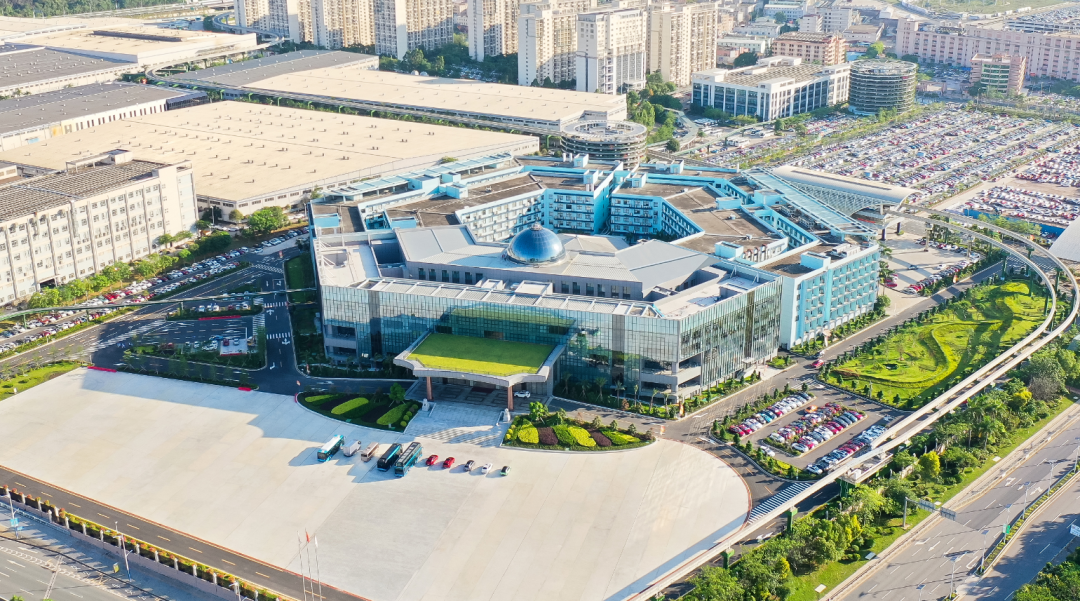
伯特利(603596):系列点评十四:2025年收入持续增长,智能电动齐驱
Guolian Minsheng Securities· 2026-03-28 13:26
Investment Rating - The report maintains a "Buy" rating for the company [3] Core Views - The company is expected to achieve continuous revenue growth, with a projected revenue of 12.01 billion yuan in 2025, representing a year-on-year increase of 20.9%. The net profit attributable to shareholders is forecasted to be 1.31 billion yuan, up 8.3% year-on-year [9] - The company is expanding its customer base and diversifying its client structure internationally, adding global clients such as Renault, Ford Europe, and Volkswagen. The number of projects under research and new designated projects has significantly increased [9] - The company aims to become a leading global provider of intelligent chassis systems, with a comprehensive business matrix covering braking systems, steering systems, suspension systems, intelligent driving systems, and lightweight components [9] - The company is the first domestic supplier to achieve mass production of EPB (Electronic Parking Brake) and has a significant number of projects in research and production [9] - The establishment of a production base in Mexico and plans for a base in Morocco are part of the company's globalization strategy, with the Mexican base expected to produce 4 million sets of lightweight components annually [9] Financial Forecasts - Revenue projections for 2026-2028 are 14.39 billion yuan, 17.20 billion yuan, and 20.74 billion yuan, respectively, with corresponding net profits of 1.56 billion yuan, 1.86 billion yuan, and 2.27 billion yuan [3][10] - The earnings per share (EPS) are expected to be 2.56 yuan, 3.06 yuan, and 3.74 yuan for the years 2026, 2027, and 2028, respectively [3][10] - The price-to-earnings (PE) ratios are projected to be 17, 15, and 12 for the years 2026, 2027, and 2028, respectively [3][10]
新能源汽车销量稳居全球榜首,比亚迪2025年营收超8000万元
Ju Chao Zi Xun· 2026-03-28 11:11
Core Viewpoint - BYD has demonstrated strong operational resilience and growth vitality, maintaining its position as the global leader in electric vehicle sales for four consecutive years and entering the top five global automotive groups in 2025 [2] Financial Performance - In 2025, BYD achieved an operating revenue of approximately 803.97 billion yuan, a year-on-year increase of 3.46% [2] - The net profit attributable to shareholders was approximately 32.62 billion yuan [5] - The net profit after deducting non-recurring gains and losses was about 29.45 billion yuan [5] - The net cash flow from operating activities was 59.14 billion yuan [5] - Basic and diluted earnings per share were both 3.58 yuan [5] - The weighted average return on net assets was 15.31% [5] Business Segments - Revenue from automotive and related products was approximately 648.65 billion yuan, reflecting a year-on-year growth of 5.06% [4] - BYD's total vehicle exports exceeded one million units for the first time, achieving a year-on-year growth of 140% [4] - The company has established a global presence in 119 countries and regions, with a market strategy characterized by leadership in Latin America, breakthroughs in Europe, and diversified growth in Asia-Pacific [4] Brand Development - BYD's high-end brand strategy has shown significant results, with sales from its three high-end brands—Yangwang, Tengshi, and Fangchengbao—reaching nearly 400,000 units, significantly increasing their share of total passenger vehicle sales [5] - Fangchengbao's annual sales grew by 316%, successfully transitioning from a niche to a mainstream market [6] Research and Development - BYD's R&D investment reached 63.4 billion yuan in 2025, a year-on-year increase of 17%, with cumulative R&D investment exceeding 240 billion yuan [6] - The company employs over 120,000 R&D engineers and has filed more than 71,000 patents globally, with over 42,000 patents granted [6] Technological Advancements - BYD launched the world's first mass-produced passenger vehicle with a full-domain kilovolt high-voltage architecture, addressing industry challenges such as slow charging and low-temperature charging difficulties [6] - The company introduced the "Universal Intelligent Driving" strategy and the "Tianshen Eye" technology matrix, leading the automotive industry's shift towards intelligent technology [6] - In March 2026, BYD unveiled the second-generation blade battery and fast-charging technology, setting a new record for the fastest charging speed in mass production, marking the entry into the "fast-charging era" for electric vehicles [6]
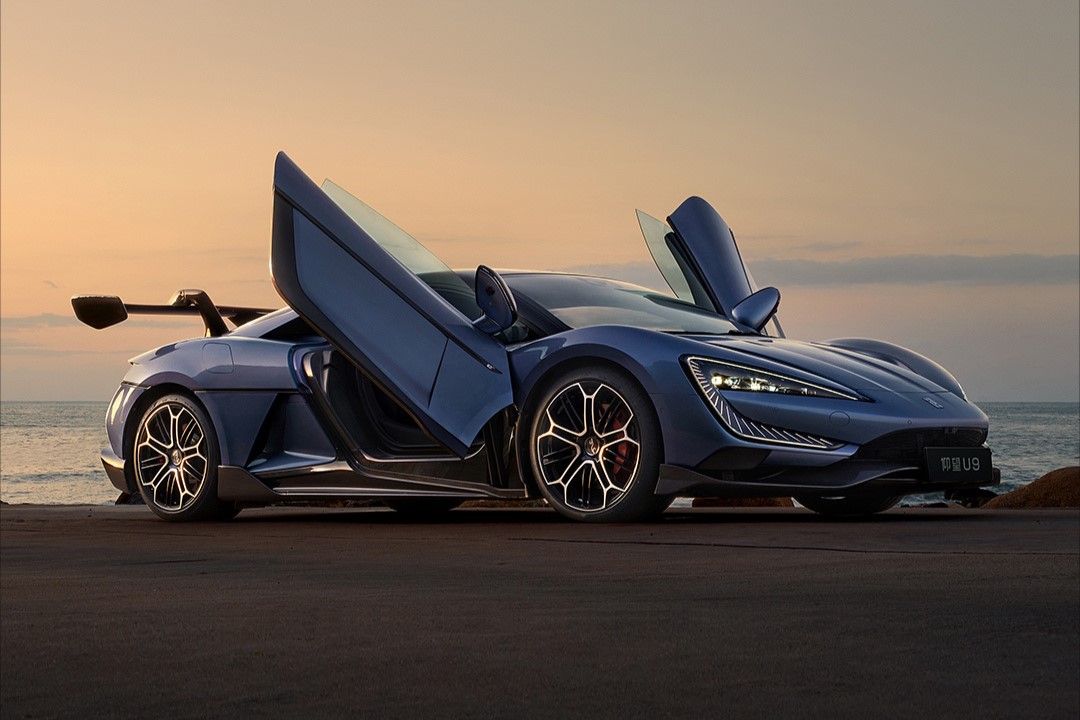
理想宣布10亿美元回购计划,小鹏成立Robotaxi业务部
SINOLINK SECURITIES· 2026-03-28 07:56
Investment Rating - The report suggests a positive outlook on the automotive industry, particularly focusing on companies like BYD, Geely, and Li Auto for their growth potential in the electric vehicle (EV) and intelligent driving sectors [4]. Core Insights - Li Auto plans to repurchase up to $1 billion of its Class A common stock and/or American depositary shares, reflecting confidence in its strategic roadmap and future value creation [1]. - XPeng has established an independent Robotaxi division to accelerate the commercialization of autonomous driving, indicating a shift from technology development to operational services [2]. - The retail sales of passenger vehicles in March 2026 are showing signs of recovery, with a forecasted increase in sales driven by new vehicle launches and government incentives [3]. Summary by Sections Weekly Insights - Li Auto's stock repurchase plan aims to enhance shareholder returns and investor confidence, with a total of 917,600 shares repurchased so far [1][13]. - XPeng's Robotaxi division will focus on product definition and project integration, with plans for L4 level public road testing starting in February 2026 [2][14]. Industry Data Tracking - The retail market for passenger vehicles in March 2026 is expected to reach approximately 1.7 million units, with a year-on-year decline of 12.4% but a month-on-month increase of 64.5% [3][15]. - The penetration rate of new energy vehicles in retail sales is projected to be around 52.9% for March 2026, indicating a strong market presence [3][15]. Industry Dynamics - The report highlights the ongoing trend of vehicle exports, with a year-on-year growth rate of over 20% for the past six months, suggesting that exports will become a long-term theme for the industry [4][16]. - The report emphasizes the importance of intelligent driving and the commercialization of robotics, with favorable policies and technological breakthroughs expected to accelerate growth in these areas [4][16].


前九号产品副总创业全地形车,获高瓴、云时、云沐千万美元融资丨早起看早期
36氪· 2026-03-28 01:27
Core Viewpoint - ModMax, a developer of smart electric all-terrain vehicles, has recently completed seed and angel round financing totaling tens of millions of dollars, aimed at product development, team building, and initial brand expansion in overseas markets [6]. Market Overview - The global all-terrain vehicle market is projected to reach approximately $11.95 billion to $21 billion by 2024, with North America accounting for nearly half of the market share [6]. - The market has been dominated by major players such as Polaris, BRP, Honda, and Yamaha, with the top four companies holding a market concentration of up to 97% in specific segments [6]. Challenges and Innovations - Traditional fuel-powered all-terrain vehicles face challenges due to high noise levels, maintenance costs, and emission restrictions, particularly in eco-sensitive and high-end recreational scenarios [6]. - ModMax aims to redefine the category not merely by converting fuel engines to electric but by adopting a modular product design that enhances flexibility and adaptability for various user scenarios [7]. Technological Approach - The company has developed an intelligent control algorithm to manage torque effectively in extreme off-road conditions, allowing for both silent operation in agricultural settings and explosive performance in competitive environments [7]. - ModMax's modular design allows users to customize their vehicles for different activities, promoting a shift from "mechanically defined" to "software-defined" products [7]. Market Strategy - The electric all-terrain vehicle is positioned to appeal to a broader consumer base, moving from niche professional users to mainstream consumers, leveraging the benefits of electric mobility [8]. - ModMax aims to create a unique market space through innovative pricing strategies and enhanced user experiences, capitalizing on the advantages of China's electric vehicle supply chain [8]. Team and Expertise - The founder, Lin Ji, has a strong background in product development, having previously led successful projects at Ninebot, contributing to significant revenue growth [8]. - The core team comprises members from leading tech companies, bringing extensive experience in launching new product categories [8]. Investor Insights - Investors express confidence in ModMax's potential to redefine the all-terrain vehicle market through innovative technology and a deep understanding of user needs [10][11]. - The modular and intelligent design is seen as a significant opportunity for creating differentiated products with pricing power in a long-standing global market [11].

比亚迪股份发布年度业绩,股东应占溢利326.19亿元 研发投入同比上升17%至634亿元
Zhi Tong Cai Jing· 2026-03-27 21:05
Core Viewpoint - BYD Company Limited reported a revenue of RMB 803.97 billion for the fiscal year ending December 31, 2025, marking a year-on-year increase of 3.46%, while the net profit attributable to shareholders decreased by 18.97% to RMB 32.62 billion [2] Group 1: Financial Performance - The basic earnings per share were RMB 3.58, with a proposed cash dividend of RMB 39.74 per 10 shares, along with a stock bonus of 8 shares and a capital reserve increase of 12 shares per 10 shares [2] - Research and development investment is projected to reach approximately RMB 63.4 billion in 2025, reflecting a 17% year-on-year increase, with cumulative R&D investment exceeding RMB 240 billion [2] Group 2: Capital Operations and Employee Incentives - In March, the company successfully completed a USD 5.6 billion H-share placement, setting a record for the largest placement in the global automotive industry, attracting significant interest from top long-term funds and sovereign wealth funds [3] - The company’s shareholder meeting approved a 2025 employee stock ownership plan involving up to 25,000 employees, with a total fund not exceeding RMB 4.1 billion, aimed at enhancing long-term incentives and improving operational efficiency [3] Group 3: Market Leadership and Global Expansion - BYD has established itself as a leader in the global electric vehicle market, achieving the title of "triple crown" in the Chinese automotive market and ranking first in global pure electric vehicle sales [3] - The company’s overseas market performance has surged, with vehicle exports exceeding one million units, representing a year-on-year growth of 140%, making it the top exporter of Chinese electric vehicles [4] - The company reached a milestone of producing its 15 millionth electric vehicle, becoming the first automaker globally to achieve this feat [4]
跻身全球汽车集团销量第五,比亚迪(002594.SZ)2025年营业收入达8039.65亿元
智通财经网· 2026-03-27 15:59
Core Insights - BYD reported a revenue of 803.965 billion yuan for 2025, marking a year-on-year increase of 3.46% [1] - The net profit attributable to shareholders was 32.619 billion yuan, with a net profit of 29.446 billion yuan after excluding non-recurring gains and losses [1] - The company proposed a cash dividend of 3.58 yuan per share to all shareholders [1] Group 1: Sales and Market Position - BYD maintained its position as the global leader in electric vehicle sales for four consecutive years and ranked fifth among global automotive groups, improving one position from the previous year [2] - The company's total vehicle exports exceeded one million units for the first time, representing a year-on-year growth of 140% [2] - The sales of high-end brands such as Yangwang, Tengshi, and Fangchengbao reached nearly 400,000 units, significantly increasing their share of the total passenger vehicle sales compared to 2024 [2] Group 2: Technological Advancements and Global Expansion - BYD launched the world's first mass-produced passenger vehicle with a full-domain kilovolt high-voltage architecture, enhancing travel efficiency [3] - The company expanded its global footprint, with operations in 119 countries and regions, leading the Chinese automotive industry in overseas market coverage [3] - The company achieved significant sales growth in key overseas markets, including Latin America, Europe, and Southeast Asia, with local production bases entering new phases of operation [3]
跻身全球汽车集团销量第五,比亚迪2025年营业收入达8039.65亿元
智通财经网· 2026-03-27 15:56
Core Insights - BYD reported a revenue of 803.965 billion yuan for 2025, representing a year-on-year growth of 3.46% [1] - The net profit attributable to shareholders was 32.619 billion yuan, with a net profit excluding non-recurring items of 29.446 billion yuan [1] - The company proposed a cash dividend of 3.58 yuan per share to all shareholders [1] Group 1: Sales and Market Position - BYD maintained its position as the global leader in electric vehicle sales for four consecutive years and ranked fifth among global automotive groups, improving one position from the previous year [2] - The company's total vehicle exports exceeded one million units for the first time, marking a year-on-year increase of 140% [2] - The sales of high-end brands such as Yangwang, Tengshi, and Fangchengbao reached nearly 400,000 units, significantly increasing their share of the total passenger vehicle sales compared to 2024 [2] Group 2: Technological Advancements and Global Expansion - BYD launched the world's first mass-produced passenger vehicle with a full-domain kilovolt high-voltage architecture, enhancing travel efficiency [3] - The company is expanding its global footprint, with operations in 119 countries and regions, leading among Chinese automotive companies [3] - The market performance is characterized by strong growth in Latin America, breakthroughs in Europe, and robust sales in Southeast Asia and emerging markets [3]