
油电同智

Search documents
价值回归浪潮下,奔驰S级轿车以“质智双行”捍卫顶豪标杆
Jing Ji Guan Cha Bao· 2025-12-23 11:26
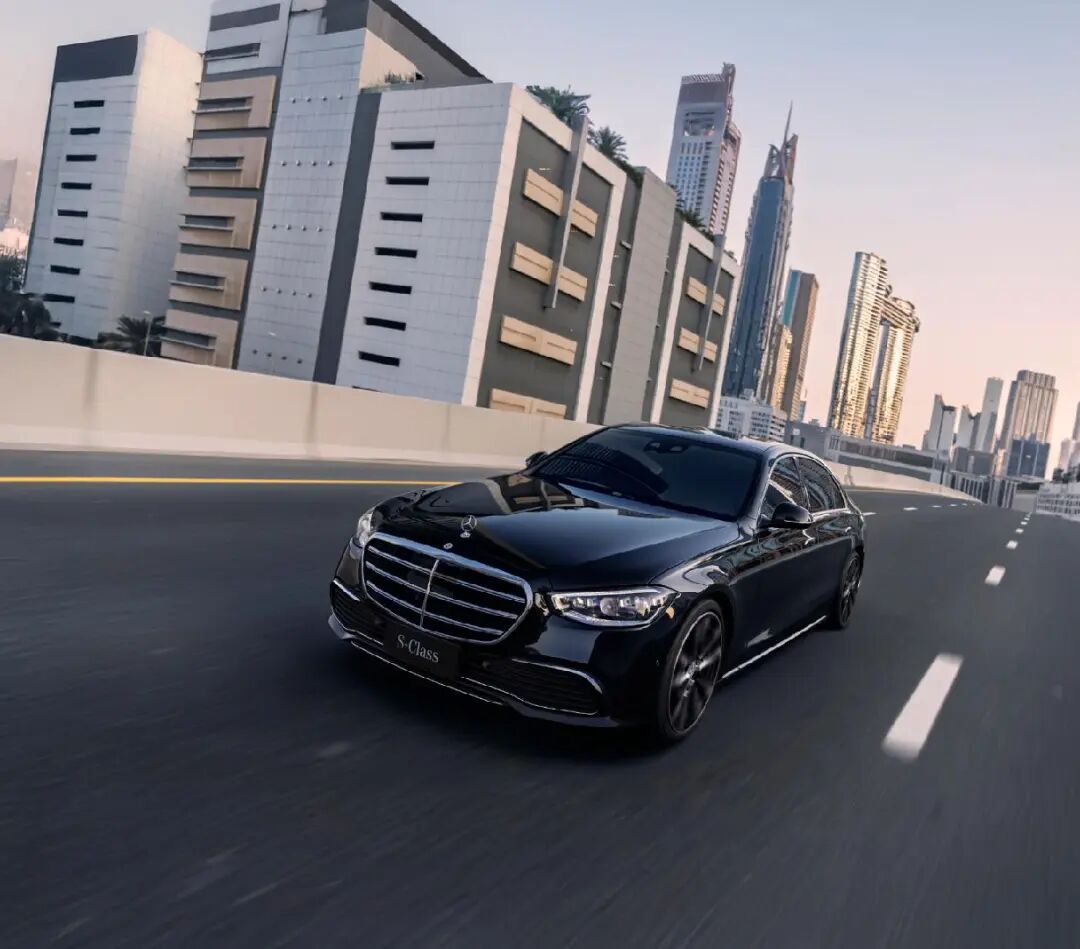
Core Insights - The value of the Mercedes-Benz S-Class is increasingly highlighted as the market shifts from superficiality to rationality, and users prioritize experience over mere specifications [2][12] - The success of a certain domestic luxury model, which achieved 18,000 orders in 175 days, signals the rise of Chinese brands, but it has not yet become a true "taste choice" for users [2] - The luxury car market in China is experiencing a shift from "smart concept competition" to a focus on essential needs, emphasizing mechanical quality, safety, luxury essence, and overall experience [2] Market Dynamics - A leading automotive supplier predicts that international brands will regain leadership in three to five years, as the democratization of smart features diminishes the differentiation of new entrants [2] - The Mercedes-Benz S-Class is redefining modern luxury by breaking the misconceptions that "electrification equals intelligence" and "luxury equals configuration stacking" [2][5] Technological Advancements - Mercedes-Benz has strategically positioned itself in the electric vehicle market with its "dual fuel" strategy, emphasizing that intelligence and quality are the core standards for luxury cars [5] - The company has made significant investments in local autonomous driving technology, including a partnership with Momenta, and has achieved milestones such as being the first to receive international certification for L3 conditional autonomous driving [5][6] Product Features - The S-Class features a comprehensive upgrade in its intelligent cockpit, including a heads-up display, 3D digital instrument cluster, and OLED central display, enhancing both safety and immersion [6] - The vehicle's "configuration democratization" strategy addresses core consumer demands in China, with high-end features now standard across all models, reducing decision-making time for buyers [6][10] Quality and Safety - Mercedes-Benz emphasizes long-term quality over temporary features, focusing on safety, user experience, and rigorous product standards [7][9] - The S-Class undergoes extensive testing, including 15,000 virtual and over 180 real-world crash tests, ensuring high safety standards [9] Competitive Position - The S-Class has maintained its position as the top-selling luxury car for five consecutive years, with a delivery gap of 12,000 units over the second-place competitor in 2024, reflecting consumer recognition of its long-term value [10] - The brand's commitment to quality and heritage remains a core value, distinguishing it from competitors that may be seen as trend-driven [10][12] Future Strategy - Mercedes-Benz plans to launch multiple models tailored for the Chinese market by 2027, utilizing a new architecture to enhance the efficiency of its intelligent systems [10] - The company aims to integrate global technology with local needs, focusing on autonomous driving and innovative cockpit experiences [10][12]

油电双线并进!上汽大众智造未来,首款9系旗舰即将发布
Chang Sha Wan Bao· 2025-12-20 09:08
Core Insights - SAIC Volkswagen held a media exchange event in Changsha, focusing on its dual strategy of fuel and electric vehicles, showcasing its achievements and future plans for the ID.ERA flagship model [1][3][5] Group 1: Intelligent Navigation and Dual Strategy - SAIC Volkswagen demonstrated its dual advantages in both fuel and new energy vehicles through an intelligent product matrix, featuring models like the 2026 Touareg Pro with a fifth-generation EA888 engine and 4MOTION intelligent four-wheel drive [3] - The 2026 Tiguan L Pro is equipped with IQ.Light HD pixel headlights and L2++ level IQ.Pilot driving assistance system, enabling hands-free driving for 30 seconds in highway scenarios [3] - The Passat Pro 2026 redefines the intelligent benchmark for mid-to-high-end sedans with its IQ.Drive system and high-speed NOA functionality [3] - The ID.3 Smart version is highlighted as the "king of cost-performance" in the joint venture pure electric market, offering a range of 451 km with a starting price of 119,888 yuan [3] Group 2: New Era with ID.ERA Flagship - The ID.ERA flagship model is built on a new pure electric platform, featuring an efficient electric drive system and intelligent cockpit technology, supporting multi-modal interaction and integrated AI functions [5] - The vehicle is designed as a six-seat extended-range SUV, balancing space and range, with plans for accelerated development of new energy channels to create an integrated user experience encompassing purchase, charging, and service [5] Group 3: Media Interaction and Industry Trends - The event included discussions on the development trends of automotive new media and the roles of SAIC Volkswagen, new media, and traditional media in this context [6] - Key topics included collaboration between new media and automotive brands to provide valuable information, the impact of rapid iterations in new energy vehicles, and media expectations for the ID.ERA [6] - The exchange highlighted the synergy between fuel and new energy vehicles under the "oil-electric intelligence" strategy, with the upcoming ID.ERA flagship marking a new era for the brand's "full energy" layout [6]


博世拿下百亿ADAS订单
自动驾驶之心· 2025-12-19 00:05
Core Insights - The article highlights a significant global order in the intelligent driving industry, where Toyota has partnered with Bosch for a billion-level ADAS project, marking a shift from regional competition to a global collaborative framework [5][6][10] - This partnership is seen as a strategic move for Toyota to establish a benchmark for suppliers in the global intelligent driving era, emphasizing the importance of compliance and localization capabilities [6][7][10] Group 1: Partnership Significance - The collaboration between Toyota and Bosch is the largest single project in the global intelligent driving sector, covering key markets such as North America, the EU, the UK, and Japan, and enabling L2 level intelligent driving features [5][6] - This partnership signifies a transition in the automotive industry, where competition is evolving from regional technical showcases to global engineering implementation and ecosystem adaptation [6][9] Group 2: Challenges and Opportunities for Chinese Automakers - Chinese automakers face the challenge of adapting to global markets, where intelligent driving capabilities are no longer just an added advantage but a necessity for market entry [6][10] - The article suggests that understanding local markets and building a robust compliance network are critical for success in the global intelligent driving competition [10] Group 3: Bosch's Competitive Edge - Bosch's extensive global service capabilities and deep penetration in various markets make it an ideal partner for Toyota, as it can provide a comprehensive compliance system for intelligent driving [7][9] - Bosch's experience in both traditional and hybrid vehicle systems positions it uniquely to support Toyota's ambitions in the intelligent driving space, particularly in the context of hybrid vehicles [8][9]

当车展回归理性,人们发现奔驰还是那个奔驰
Feng Huang Wang Cai Jing· 2025-12-18 14:43
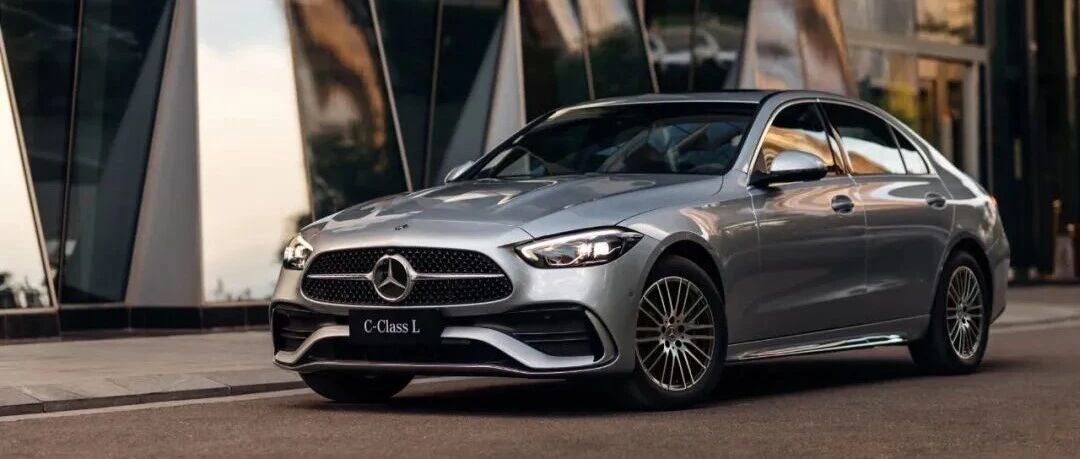
Core Insights - The Guangzhou Auto Show this year reflects a shift in focus from sensationalism to substantive product offerings, with Mercedes-Benz showcasing a robust and systematic value enhancement across its vehicle lineup [1] - Mercedes-Benz emphasizes that luxury is not merely about technological innovation but also about a deep understanding of consumer needs and a commitment to safety and quality [7] Group 1: Product Innovation - Mercedes-Benz's long-wheelbase C-Class is the first in its class to feature the Qualcomm 8295 smart cockpit chip and the third-generation MBUX intelligent human-machine interaction system, highlighting the brand's commitment to integrating advanced technology into luxury vehicles [2] - The entire lineup, including the E-Class and S-Class, has undergone intelligent upgrades, reinforcing the idea that smart technology should be a standard in luxury rather than an optional feature [2][3] Group 2: Market Positioning - The stability of Mercedes-Benz's sales in the luxury segment is supported by high resale values, with the E-Class achieving the highest three-year resale rate among mid-to-large sedans in 2024 [5] - The brand's high resale value is attributed to a unified global manufacturing standard, extensive after-sales network, and timeless design, which collectively reduce long-term ownership anxiety for consumers [5] Group 3: Manufacturing Philosophy - Mercedes-Benz's commitment to safety and quality is evident in its rigorous testing protocols, including 15,000 simulation tests and 150 real vehicle crash tests before market launch [3][7] - The brand's manufacturing philosophy emphasizes a deep respect for the essence of manufacturing, ensuring that every vehicle meets high standards of safety, comfort, and performance [7] Group 4: Consumer Trust - In an era of uncertainty, the predictability and reliability of Mercedes-Benz vehicles are seen as a luxury, with consumers choosing the brand for its long-term value and trustworthiness [5][6] - The focus on delivering real value and a predictable experience positions Mercedes-Benz as a leader in the luxury automotive market, especially as the industry shifts from disruptive narratives to value-driven storytelling [7]
当车展回归理性,人们发现奔驰还是那个奔驰
凤凰网财经· 2025-12-18 14:38
Core Viewpoint - The Guangzhou Auto Show this year reflects a shift in focus from sensationalism to substantive product offerings, with Mercedes-Benz showcasing a commitment to quality and innovation in a more stable market environment [1][2][6]. Group 1: Product Innovation and Strategy - Mercedes-Benz distinguishes itself from competitors by offering substantial upgrades across its vehicle lineup, including the long-wheelbase C-Class, which features a 2.0T engine, heated front seats, and advanced parking assistance [4]. - The brand's strategy emphasizes that intelligence and luxury are not optional but essential, with the long-wheelbase C-Class being the first in its segment to feature the Qualcomm 8295 smart cockpit chip and the third-generation MBUX system [7][9]. - Mercedes-Benz's commitment to safety and quality is evident in its rigorous testing protocols, including 15,000 simulation tests and over 150 real vehicle crash tests, ensuring that safety and quality are not compromised regardless of the powertrain [11][22]. Group 2: Market Position and Value Retention - The brand's strong resale value is highlighted by the E-Class, which ranks first in the mid-size sedan category for three-year resale value, indicating that Mercedes vehicles are seen as reliable assets in the second-hand market [16][17]. - The high resale value is supported by a unified global manufacturing standard, extensive after-sales network, and classic design language that avoids rapid aesthetic obsolescence [17]. - In an era of uncertainty, the predictability and reliability of Mercedes-Benz vehicles are positioned as a luxury in themselves, appealing to consumers seeking long-term partnerships in mobility [18]. Group 3: Philosophical Approach to Luxury - Mercedes-Benz's definition of luxury transcends its historical legacy, rooted in a philosophy that emphasizes systematic innovation and a unified strategy across its product matrix [20]. - The brand's approach to luxury is characterized by a deep understanding of human needs, focusing on safety, comfort, and quality without compromise, which has allowed it to navigate industry cycles and technological revolutions effectively [22][23]. - As the automotive industry shifts from disruptive narratives to value-driven storytelling, Mercedes-Benz's stability and forward-thinking approach stand out, prioritizing real value and dependable experiences for consumers [23].
吴周涛:未来三年,依托北汽两大平台推出三种车型
汽车商业评论· 2025-12-13 23:06
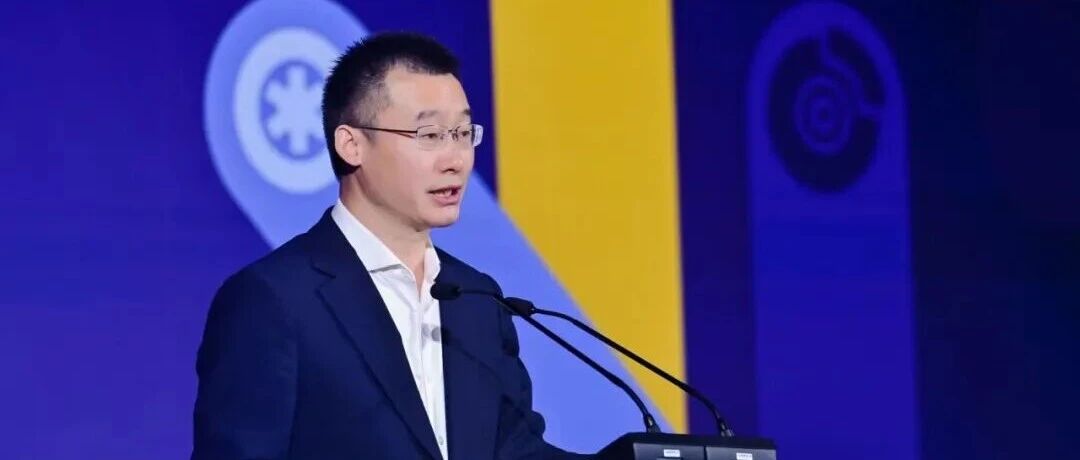
年末欢聚 , 共启新程! 设计 | 甄 尤 美 作者 | 吴 周 涛 ( 北 京现 代 董 事 长 ) 编辑 | 吴 静 Editor's notes 编者按 " 汽车行业历经百年的发展到今天,新技术、新合作、新生态迭代进步,目前产业合作早已不是简单的能源互补,而是技 术同源、标准同轨、价值共创的深度融合。 " 12 月 5 日,在 2025 第十届新汽车技术合作生态交流会( WNAT-CES 2025 )上,北京现代董事长吴周涛分享了自己对中国汽 车行业未来变化趋势的理解。 他还表示,在当前新能源智能化进入快速发展大格局下,合资车企必须要加快变革调整的步伐,一方面对原研车产品进行 精简优化,并开启油电同智的发展策略; 另一方面,要依托国内成熟的平台融合 ICT 企业智能化的技术,引入新的供应链体系。更为重要的是,现在竞争更多是效 率之战,各个车企在如何提效方面做了巨大努力,包括组织结构的变化、决策流程的变化。 在这样的行业变革和生态趋势下,吴周涛分享了北京现代未来发展的主要路径 —— 本土运营、内需转型、出口基地、运营 高效。 以本土运营为例。吴周涛表示,合资企业过去单一依靠外方导入产品和技术的模式将得到根 ...
多款核心车型升级上市 梅赛德斯-奔驰奔赴豪华新程
Zhong Guo Qi Che Bao Wang· 2025-12-12 08:37
Core Insights - Mercedes-Benz has announced a significant upgrade for several core models, including long-wheelbase C-Class, E-Class, S-Class sedans, and GLB, long-wheelbase GLC, and GLS SUVs, introducing classic, special, and collector's editions to meet the luxury travel demands of Chinese consumers [1][14] Product Matrix Expansion - The upgrade features a substantial expansion of the product matrix, with new models added to cater to diverse consumer needs across various price ranges and usage scenarios [3] Sedan Lineup Enhancements - The long-wheelbase C-Class introduces the C 260 L Sport Sedan special edition, focusing on personalized experiences; the long-wheelbase E-Class adds the E 260 L classic version, optimizing price and configuration for high cost-performance; the flagship S-Class includes the S 400 L special edition and S 400 L Business special edition, lowering the entry barrier for luxury sedans [5] SUV Family Updates - The GLB SUV launches the GLB 220 Collector's Edition with unique features; the long-wheelbase GLC SUV adds the GLC 260 L 4MATIC classic version as a new entry-level option; the GLS SUV enhances configuration differentiation while maintaining off-road performance and luxury [5][7] Pricing Strategy - The suggested retail prices for the upgraded models range from 311,900 to 1,398,200 yuan, covering the mainstream luxury automotive market; the long-wheelbase C-Class starts at 338,300 yuan, the E 260 L classic version is priced at 429,900 yuan, and the S 400 L special edition is set at 898,800 yuan, ensuring a clear and comprehensive pricing structure [7] Intelligent and Comfort Upgrades - The product upgrades focus on enhancing intelligent technology and comfort features across all models, with significant improvements in standard configurations while maintaining safety standards [8][14] Intelligent Features - The long-wheelbase C-Class is the first in its class to feature the Qualcomm 8295 smart cockpit chip and the third-generation MBUX human-machine interface system, along with the new "mind-reading voice assistant"; the E-Class family includes the third-generation MBUX system, Qualcomm 8295 chip, and 5G connectivity for improved voice interaction and navigation [8][10] Comfort Features - Heated front seats are standard across the long-wheelbase C-Class, E 260 L, GLB SUV, and long-wheelbase GLC SUV mid-high configurations; additional comfort features like ventilated seats and 360° camera parking assist are widely available across various models [12] Safety Standards - Mercedes-Benz maintains high industry safety standards, with the long-wheelbase E-Class featuring 13 airbags and rigorous testing protocols for new models, including extensive simulation and real-world crash tests [14]
韧性2025|合资与豪华车企,还有戏吗?
Xin Lang Cai Jing· 2025-12-11 08:22
Core Insights - By the end of 2025, China's automotive market has transitioned from a fragmented exploration phase to a systematic breakthrough in smart electric transformation, with a nearly 60% penetration rate of new energy vehicles [1] - Joint ventures and luxury brands have recognized the need to abandon their previous technological arrogance and adapt to the Chinese market, demonstrating resilience in their strategies [1][3] Group 1: Industry Transformation - The most significant change in 2025 is the deep integration between joint ventures and luxury brands with Chinese tech companies, moving from simple supply relationships to comprehensive collaboration in R&D [3] - Brands like Audi and Toyota are now incorporating advanced Chinese technologies into their vehicles, indicating a shift in strategy where smart features are seen as essential rather than optional [3][4] Group 2: Market Strategy - Joint ventures are adopting a dual strategy of maintaining fuel vehicles while simultaneously developing new energy vehicles, with fuel vehicles still holding about 50% market share [4][6] - SAIC Volkswagen's "oil-electric dual progress" strategy exemplifies this approach, allowing them to leverage stable cash flow from fuel vehicles to support new energy development [6][7] Group 3: Luxury Brand Adaptation - Luxury brands are diversifying their product offerings to include pure electric, hybrid, and range-extended vehicles, moving away from a singular focus on electric models [8][9] - BMW, Mercedes-Benz, and Audi are all implementing strategies that combine their luxury heritage with advanced Chinese technology to enhance their competitive edge [9][10] Group 4: Competitive Dynamics - The automotive industry is shifting from a zero-sum game of disruption to a new phase of adaptation and coexistence, where the ability to adjust to market demands is becoming the primary competitive advantage [14][16] - The collaboration with Chinese tech firms is seen as a way to quickly fill technological gaps and enhance product offerings, while also maintaining a foothold in the fuel vehicle market [16][17]
燃油车入局智能化,传统品牌积极推进“油电同智”
Zheng Quan Shi Bao Wang· 2025-12-11 05:24
Core Insights - The automotive industry is witnessing a shift where traditional fuel vehicles are accelerating their smart technology integration to compete with the rising market share of electric vehicles (EVs) [1][2][9] - Industry experts suggest that the smartification of fuel vehicles is a transitional solution, as the long-term trend favors the replacement by electric vehicles, leading to a restructuring of the automotive supply chain [1][9] Fuel Vehicle Smartification - The launch of the first fuel sedan equipped with Huawei's advanced driving solution, the FAW Audi A5L QianKun, signifies a trend where traditional fuel vehicles are adopting smart technologies [2][3] - Data from the China Passenger Car Association indicates a 17.3% year-on-year decline in fuel vehicle sales in 2024, with their market share dropping to 52.4%, and further down to 49.9% in the first nine months of 2025 [2] - A report highlights that 71.9% of consumers consider smart cockpit features as a primary factor in their purchasing decisions, indicating that smart technology is becoming a critical decision-making factor [2] Technological Challenges - Experts point out several technological bottlenecks in the smartification of fuel vehicles, including limitations in architecture, power supply issues, and challenges in heat dissipation and integration [5][6] - The traditional fuel vehicle's distributed electronic architecture has low bandwidth, making it difficult to support high computing demands, while the 12V battery cannot sustain the power needs of advanced driving hardware [5][6] Industry Trends - The trend of fuel vehicles adopting smart driving solutions is gaining momentum, with various models from brands like Mercedes-Benz and Volkswagen also integrating smart technologies [3][4] - The automotive industry is moving towards an "oil-electric intelligence" strategy, with major players like FAW-Volkswagen and Mercedes-Benz committing to smart upgrades across their fuel vehicle lineups [8][10] Future Outlook - The shift towards smartification in fuel vehicles is expected to have profound impacts on the automotive industry, driving more companies to invest in smart driving technology and potentially altering market competition dynamics [9] - The long-term outlook suggests that electric vehicles will dominate the market, with the smartification of fuel vehicles serving as a defensive innovation strategy to buy time for the transition [9][10]

燃油车入局智能化 传统品牌积极推进“油电同智”
Zheng Quan Shi Bao· 2025-12-10 18:52
Core Viewpoint - The automotive industry is witnessing a shift where traditional fuel vehicles are accelerating their smart technology integration to compete with the rising market share of electric vehicles (EVs). However, experts believe that this smartification of fuel vehicles is a transitional solution, as the long-term trend favors the replacement by electric vehicles, leading to a restructuring of the automotive supply chain with Chinese tech companies becoming central players [1][9]. Group 1: Smartification of Fuel Vehicles - The first fuel sedan equipped with Huawei's advanced smart driving solution, the FAW Audi A5L QianKun, has been launched, alongside the Dongfeng Nissan Teana featuring Huawei's Harmony cockpit [2]. - Data from the China Passenger Car Association indicates that fuel vehicle sales are projected to decline by 17.3% year-on-year in 2024, with their market share dropping to 52.4%. By the first nine months of 2025, this share further decreased to 49.9%, indicating that new energy vehicles have officially surpassed traditional fuel vehicles as the mainstream choice for consumers [2][3]. - A report highlights that 71.9% of users consider smart cockpits a primary factor in their purchasing decisions, while 69.3% focus on in-car interaction experiences, emphasizing the critical role of smart technology in consumer choices [2]. Group 2: Technological Challenges and Solutions - Experts point out that fuel vehicles face several technological bottlenecks in their smartification process, including limitations in architecture, power supply issues, and challenges in heat dissipation and integration [5]. - Despite these challenges, the narrative that fuel vehicles cannot be smartified is changing, as more models are now equipped with advanced smart driving systems, such as the FAW Audi A5L QianKun and the SAIC Audi A5L Sportback [6]. - Huawei and Audi have overcome key challenges related to computing power, power supply, and heat dissipation, enabling the integration of high-performance computing platforms in fuel vehicles [7]. Group 3: Industry Transformation and Supply Chain Restructuring - The trend of fuel vehicles adopting smart technology is part of a broader "oil-electricity intelligence" strategy being pursued by many automakers, including joint ventures like FAW-Volkswagen and Mercedes-Benz [8]. - As consumer demand for smart driving features increases and technology costs decrease, traditional automakers are accelerating their efforts to enhance their products' smart capabilities [8]. - The shift towards smartification is expected to have profound implications for the automotive industry, driving a transformation towards intelligent vehicles and altering competitive dynamics, with a focus on collaboration between automotive manufacturers and tech companies [9][10].