
纯电CLA

Search documents
经开区经济总量迈上4千亿新台阶
Xin Lang Cai Jing· 2026-01-28 16:47
Core Insights - The Beijing Economic-Technological Development Area (BDA) achieved a GDP of 401.21 billion yuan in 2025, marking a year-on-year growth of 10.7%, leading among national economic development zones [1] Group 1: Economic Performance - The industrial output value in BDA grew by 12% year-on-year in 2025, with key industries showing double-digit growth [1] - The high-end automotive and new energy smart vehicle industries saw a production value increase of 17.4% year-on-year [1] - The new generation information technology industry experienced a production value growth of 19.3% year-on-year [1] - The robotics and intelligent manufacturing industry recorded a production value increase of 5.1% year-on-year [1] Group 2: Service Sector Growth - The information service industry generated revenue of 130.28 billion yuan from January to November 2025, reflecting a year-on-year growth of 16.7% [1] - The financial sector's net income increased by 23.1% year-on-year for the entire year [1] - Retail sales in the wholesale and retail sector grew by 15.1% year-on-year, driven by companies like JD.com [1] Group 3: Innovation and Investment - R&D expenses for large and medium-sized key enterprises in BDA rose by 31.8% year-on-year, leading the city [2] - Fixed asset investment in BDA has maintained a scale of over 100 billion yuan for three consecutive years, with significant projects like the Sanofi insulin raw material project and the large commercial complex Wanxianghui accelerating [2] - BDA aims to anchor its fourth 100 billion yuan investment target, with several key projects set to commence, including a new drug R&D and industrialization base and a headquarters for aerospace intelligence [2]
北京经开区经济总量迈上四千亿新台阶
Xin Lang Cai Jing· 2026-01-24 10:17
Group 1 - The core economic data for Beijing Economic-Technological Development Area (Beijing EDA) in 2025 shows a GDP of 401.21 billion yuan, marking a year-on-year growth of 10.7%, leading among national-level economic development zones [1] - The main driving force behind this rapid economic growth is the continuous breakthroughs in leading industries, including the full-scale production of BOE's sixth-generation semiconductor display devices and the launch of the new pure electric CLA at Beijing Benz [1] - In 2025, the industrial output value of Beijing EDA grew by 12% year-on-year, with key industries such as high-end automobiles and new energy smart vehicles achieving an output value of 311.32 billion yuan, up 17.4% [1] Group 2 - The productive service industries, represented by information services and finance, have shown significant empowering effects, with information services generating revenue of 130.28 billion yuan, a year-on-year increase of 16.7% [2] - Investment in fixed assets in Beijing EDA has maintained a scale of over 100 billion yuan for three consecutive years, with major projects like the Sanofi insulin raw material project and the large commercial complex Wanxianghui accelerating their implementation [2] - In 2025, the R&D expenses of key large and medium-sized enterprises in Beijing EDA increased by 31.8% year-on-year, leading the city in growth [2] Group 3 - The Beijing EDA aims to establish itself as a model for new productive forces and an international high-end industrial complex, focusing on building a modern industrial system and nurturing trillion-yuan industrial clusters [3] - The area is set to kick off several key projects in the new year, including the new drug R&D and industrialization base project by Shouyao Holdings and the headquarters of Aerospace Intelligent Manufacturing [3]

全球大公司要闻2025年12月4日星期四
Wind万得· 2025-12-04 00:14
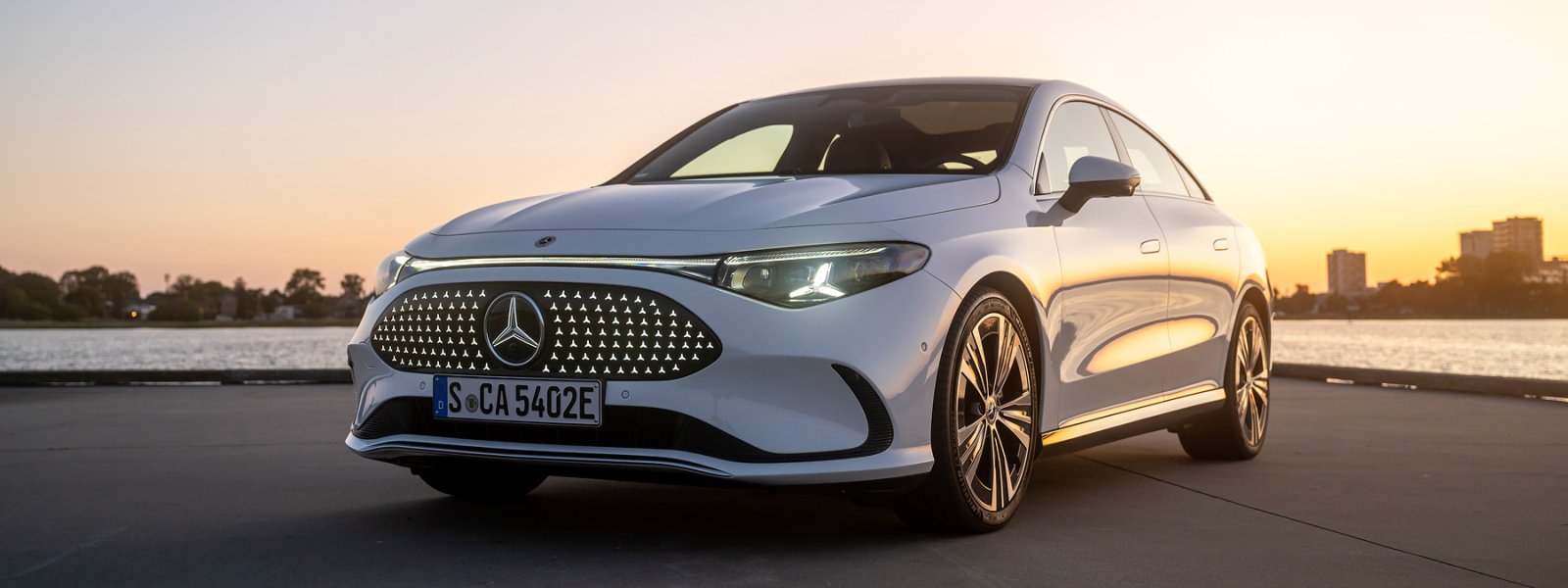
Group 1: Key Developments in Technology and AI - Maiwell Technology announced the acquisition of Celestial AI for $3.25 billion to enhance its technology layout and market competitiveness in the AI computing sector, which will help expand its AI chip business applications and customer base [2] - Tesla showcased a running segment of its humanoid robot Optimus, indicating significant breakthroughs in motion control technology, which may accelerate the commercialization of robots [2] - Amazon's AWS launched the 3nm AI chip Trainium3, achieving three times the computing speed of its predecessor and reducing AI model training and operational costs by 50% compared to equivalent GPU systems [7] Group 2: Developments in the Greater China Region - Xiaomi Auto has delivered over 500,000 units since April 3, 2024, marking a significant improvement in its competitiveness in the new energy vehicle market [4] - JD Group's industrial supply chain service provider, JD Industrial, has officially launched its IPO, aiming to raise up to HKD 3.27 billion by issuing 210 million shares priced between HKD 12.7 and HKD 15.5 [4] - Taiwan's Tigerair plans to lease 11 new A321neo aircraft and purchase 4, with a total investment of nearly NT$40 billion, aimed at enhancing fleet fuel efficiency and reducing operating costs per seat [5] Group 3: Semiconductor and Chip Industry Updates - TSMC is facing a lawsuit due to the leakage of its 2nm technology, which may impact its technology confidentiality and market competition landscape [5] - Samsung Electronics has surpassed SK Hynix in HBM production, becoming the global leader, while NAND Flash and DRAM shortages are intensifying [10] - SK Hynix's Dalian company increased its investment to $3.1 billion, but its market share in HBM has fallen to second place behind Samsung [10] Group 4: Automotive Industry Insights - Toyota's revenue forecasts for fiscal years 2025-2028 are projected at ¥50.25 trillion, ¥51.51 trillion, and ¥51.71 trillion, with net profits of ¥3.36 trillion, ¥4.09 trillion, and ¥4.27 trillion respectively [10] - Mercedes-Benz launched its pure electric CLA, featuring an 89 kWh battery with a range of 866 kilometers, priced between ¥249,000 and ¥299,900 [13]





经典为锚、创新为帆,奔驰打造豪华品牌转型新范本
Zhong Guo Jing Ji Wang· 2025-11-28 07:06
Core Insights - Mercedes-Benz showcased a strategic and innovative response to the automotive industry's transformation at the 2025 Guangzhou Auto Show, reinforcing its position as a leader in the luxury car market [1][7] - The company emphasized a dual approach of "forward-looking technology" and "mass production upgrades," addressing both technological capabilities and market demands [2] Product Strategy - The introduction of two significant concept cars highlighted Mercedes-Benz's technological prowess: the Mercedes-AMG GT XX concept car features over 1000 kW peak power and a top speed of 360 km/h, while the Vision Iconic concept car merges classic design with modern technology [2] - Core models were updated to meet the evolving demands of Chinese consumers, with features like the M254 2.0T engine and advanced safety standards, ensuring a balance of performance and comfort [3] SUV Differentiation - The SUV lineup was strategically positioned with unique offerings: the GLB SUV introduced a classic edition for sportiness, the GLC SUV added a classic version for more choices, and the GLS SUV enhanced its features with intelligent navigation assistance [4] Brand Experience and Marketing - Mercedes-Benz extended its brand experience through engaging marketing strategies, such as the "Star Motion City Party" in Guangzhou, which combined product highlights with immersive experiences [5] - The company also participated in the "1000 Miglia Classic Car Carnival," showcasing its historical models to connect with consumers on a cultural level [5] Corporate Social Responsibility - Mercedes-Benz maintained its commitment to social responsibility through the Star Wish Foundation, investing over 360 million yuan in various projects that benefit over 100 million people [6][7] - The foundation's recent collaboration with the Sanjiangyuan National Park marks a significant step in supporting environmental initiatives in China [6] Conclusion - The 2025 Guangzhou Auto Show served as a platform for Mercedes-Benz to redefine the essence of luxury, balancing traditional values with innovative approaches, and providing a model for the industry's transition [7]
中产特供「大车」挤满广州车展,接下来还能卷什么?
Xin Lang Cai Jing· 2025-11-23 13:25
Core Insights - The Guangzhou Auto Show showcases the latest products and technologies from various automakers, marking the end of the year and setting trends for the next year [1] - The event featured 1,085 vehicles, with 93 new car launches, and 58% of the vehicles being new energy cars, indicating a significant shift towards electrification [1] - Traditional luxury brands are adapting to market trends by introducing electric models, while the demand for larger vehicles, particularly SUVs, is on the rise [2][4] Industry Trends - The market for new energy passenger vehicles in China saw a 24% year-on-year increase in sales for the first ten months of 2025, with a market penetration rate exceeding 52.9% [1] - The SUV market share reached 50.7% in October 2025, surpassing that of sedans, with a 9.1% year-on-year increase in retail sales for SUVs [4] - The demand for larger vehicles is driven by changing family structures and consumer preferences for space and comfort, particularly among families with multiple children [6][7] Company Strategies - Automakers are increasingly focusing on producing larger vehicles, as evidenced by the significant presence of large SUVs and MPVs at the auto show [4][5] - Companies like BYD and GAC Group are showcasing their ambitions with dedicated exhibition spaces, highlighting their commitment to innovation and market presence [1] - The profitability of larger vehicles is appealing to manufacturers, as they can accommodate more optional features, leading to higher profit margins [8][9] Consumer Behavior - The shift towards larger vehicles is influenced by a change in consumer mindset, where buyers prioritize space and comfort over basic transportation needs [6][7] - The age demographic of consumers purchasing larger vehicles is primarily between 35 and 45 years old, reflecting a trend towards family-oriented purchases [6] - The market is experiencing a "K-shaped" differentiation, where high-net-worth individuals are seeking premium vehicles, while average consumers focus on practicality [7] Future Outlook - The auto industry is facing challenges as the tax exemption for new energy vehicles is set to expire, potentially dampening demand for larger vehicles [11] - Companies must differentiate themselves in an increasingly homogeneous market, with a focus on unique features and technology to attract consumers [10] - The success of larger vehicles is contingent on brand strength, as weaker brands may struggle to gain consumer trust in producing high-quality larger models [11]
汽车早报|比亚迪计划明年初在中东推出高端品牌“仰望”大众宣布在中国开启自研系统级计算方案项目
Xin Lang Cai Jing· 2025-11-06 00:40
Group 1: Automotive Market Overview - In October, the retail sales of passenger cars in China reached 2.387 million units, a year-on-year increase of 6% and a month-on-month increase of 7% [1] - Cumulative retail sales for the year reached 19.395 million units, reflecting a year-on-year growth of 9% [1] - Wholesale sales for October were 2.922 million units, up 7% year-on-year and 4% month-on-month, with cumulative wholesale sales for the year at 23.769 million units, a 12% increase year-on-year [1] Group 2: Company Developments - BYD plans to launch its luxury brand "Yangwang" in the Middle East in early 2026, with subsequent expansions to Europe and the Americas [1] - Xiaopeng Motors announced the launch of three fully self-developed Robotaxi models by 2026, with an SDK opening for global partners to build a Robotaxi ecosystem [1] - Seres successfully completed its H-share global offering, raising approximately HKD 14.016 billion, with shares listed on the Hong Kong Stock Exchange [2] - WM Motor's "Xiao Wei" app has been relaunched, restoring key functionalities for specific vehicle models [3] - Volkswagen Group announced a partnership to develop system-level computing solutions in China, with the first advanced driver assistance system expected to be mass-produced by 2025 [4] - Porsche's CEO revealed that a locally developed in-car entertainment system for the Chinese market will be available in 2026 [5] - BMW Automotive Finance Company underwent a leadership change, with Bo Yishan appointed as chairman [6] - Pony.ai launched its seventh-generation Robotaxi in cities like Guangzhou and Shenzhen [7] - Mercedes-Benz officially launched its all-electric CLA model, with various pricing tiers [9] Group 3: Financial Performance - BMW Group reported a pre-tax profit of €8.056 billion for the first three quarters, a decrease of 9.1% year-on-year, with total revenue of €99.999 billion, down 5.6% [10] - Toyota's second-quarter operating profit was ¥839.55 billion, a decline of 27% year-on-year, while net profit increased by 62% to ¥932.08 billion [10]



梅赛德斯奔驰 2025 年第三季度全球销量 52.53 万辆同比下降 12%,纯电车型销量环比增长 22%
Xin Lang Cai Jing· 2025-10-07 20:35
Core Insights - Mercedes-Benz Group reported a total vehicle sales of 525,300 units in Q3 2025, a decrease of 12% year-on-year [1][2] - The sales of electric vehicles (BEVs) showed significant growth, with a 22% increase compared to the previous quarter, driven by the first deliveries of the electric CLA and improved supply of eVans [1][3] - Overall sales of new energy vehicles reached 96,300 units, marking a 10% year-on-year increase [1][2] Sales Performance - Total sales of passenger cars were 441,500 units, down 3% from Q2 2025 and down 12% year-on-year [2] - In the U.S. market, customer deliveries increased by 6% year-on-year, totaling 223,800 units [2] - In China, high-end models saw a 13% increase in sales year-on-year, maintaining a leading market share in the million-plus price segment [2][3] Regional Performance - European market sales grew by 2% year-on-year, with Germany up 3% and Spain up 5% [3][4] - The Gulf countries experienced a 33% increase in sales, while South America saw a 45% growth [3] - Sales in Asia, particularly China, declined by 11% year-on-year, with a 27% drop compared to Q3 2020 [4] High-End Model Sales - Sales of high-end series vehicles increased by 5% quarter-on-quarter and 10% year-on-year, reaching 67,800 units [3] - The S-Class family sold 28,300 units, with a year-on-year growth of 9% [3] - Demand for AMG and G-Class models remained strong, with sales growth of 6% and 31% respectively [3] Future Product Plans - Mercedes-Benz announced plans for its largest product and technology launch at the IAA MOBILITY 2025 in September 2025 [6] - Upcoming products include a new electric GLC, the next-generation CLA and its shooting brake version, an electric C-Class sedan, and a G-Class convertible [6]
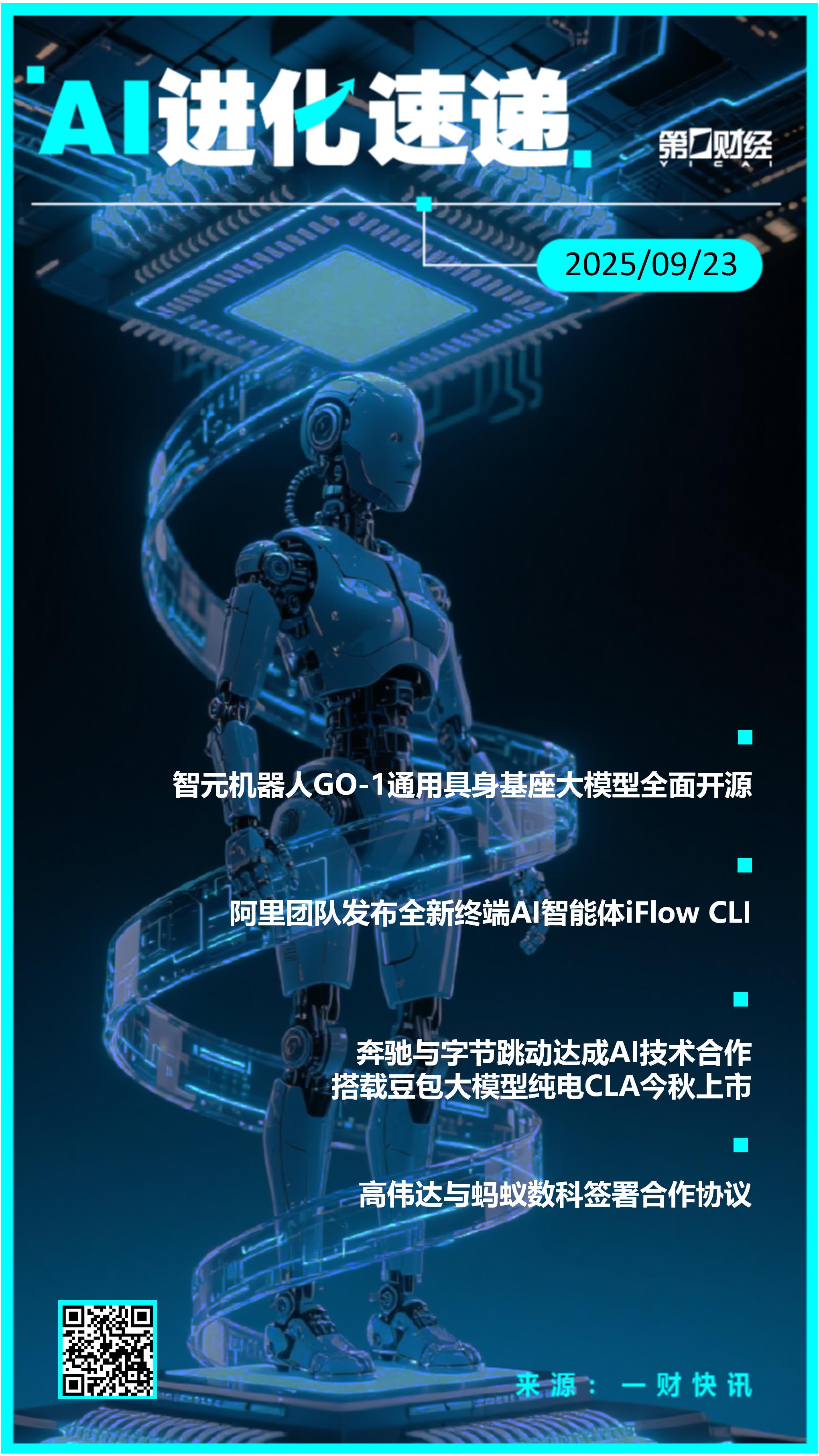
AI进化速递丨奔驰与字节跳动达成AI技术合作
Di Yi Cai Jing· 2025-09-23 13:22
Group 1 - The Zhiyuan Robot GO-1 general-purpose embodiment base model has been fully open-sourced [1] - Alibaba's team has launched a new terminal AI intelligent agent called iFlow CLI [1] - Mercedes-Benz has partnered with ByteDance for AI technology collaboration, featuring the Doubao large model in the pure electric CLA set to launch this autumn [1] - Highgreat has signed a cooperation agreement with Ant Group [1]
都市车间|百年积淀,东方破局——BBA的中国反击答卷
Qi Lu Wan Bao· 2025-09-18 02:32
Core Viewpoint - The traditional luxury car giants BBA (Benz, BMW, Audi) are launching a counterattack in 2025 against the backdrop of the global electric vehicle wave, focusing on technological innovation and localization strategies to reclaim market share and redefine luxury [1][5]. Group 1: Technological Advancements - Audi's collaboration with Huawei has led to significant improvements in intelligent driving capabilities, with the Q6L e-tron featuring Huawei's smart driving system and the A5L fuel vehicle incorporating Huawei's ADS 2.0 [2]. - BMW is integrating the HarmonyOS ecosystem to enhance AI voice interaction, making its smart cockpit more attuned to Chinese users [2]. - Mercedes-Benz is partnering with local autonomous driving company Momenta to accelerate the commercialization of advanced driving technologies [2]. - BMW's sixth-generation cylindrical battery will have a 20% increase in energy density and is set to be produced in Shenyang by 2026; Mercedes-Benz is developing solid-state batteries with an expected 80% increase in range; Audi's PPE platform supports 800V fast charging, allowing for a 370 km charge in just 10 minutes [2]. Group 2: Product Strategy - Mercedes-Benz has launched the pure electric CLA with L2++ autonomous driving and an 800V platform targeting the 500,000 yuan market, while the ultra-luxury "pure electric G-Class" is priced at 2.17 million yuan [3]. - BMW is discontinuing inefficient fuel vehicles like the 1 Series to focus resources on electrification, with new generation models integrating AI and smart voice interaction set to be trial-produced in Shenyang by 2026 [3]. - Audi is expanding its market presence through partnerships to establish 10 lightweight outlets, resulting in a 40% increase in order volume, and the A5L Sportback with Huawei's smart driving is priced at 235,900 yuan [3]. Group 3: Localization Strategy - China, as the largest automotive market, is the core battleground for BBA's counterattack, with increased R&D investments and localized strategies [4]. - Mercedes-Benz's Shanghai R&D center focuses on developing the MB.OS system tailored for the Chinese market; BMW's local team leads the digital experience for new generation models; Audi's "oil-electric co-prosperity" strategy integrates its century-old manufacturing heritage with Huawei's smart technology [4]. Group 4: Market Dynamics - Despite initial successes, the competition remains fierce, with new entrants like Li Auto and NIO challenging traditional luxury brands through intelligent features and competitive pricing [5]. - BBA's counterattack is characterized by a blend of traditional manufacturing and emerging technologies, with collaborations yielding strong synergies [5]. - The parallel strategy of fuel and electric vehicles allows BBA to maintain market presence while exploring future opportunities, indicating a potential pivotal moment in reshaping the luxury car industry [5]. Group 5: Future Outlook - The luxury car market may enter a new era of "new and old integration," where traditional giants innovate while new players grow, collectively shaping the industry's future [6].

开幕!成都车展“主”场秀
Zhong Guo Qi Che Bao Wang· 2025-09-01 01:29
Core Insights - The 28th Chengdu International Auto Show has commenced, serving as a significant platform for major automotive companies to showcase their mid-year performance and strategic plans for the second half of the year [2] - The theme of this year's show is "Leading the Trend, Moving Towards New Directions," featuring nearly 120 automotive brands and over 1,600 vehicles across a 220,000 square meter exhibition area [2] - Domestic brands are prominently featured, signaling a shift from followers to rule-makers in the automotive industry [2] Group 1 - The Chengdu Auto Show is positioned as a key hub for connecting the global supply chain and promoting consumption upgrades in the central and western regions of China [2] - The exhibition includes a wide range of industry hotspots such as complete vehicles, modified cars, humanoid robots, and three-electric systems [2] - The event is seen as a "mid-year health check" for the national automotive market, reflecting the strategic importance of the timing in the "golden September and silver October" period [2] Group 2 - Changan Automobile showcases multiple brands including Changan, Changan Mazda, and Avita, highlighting its strong presence at the event [5] - BYD's booth features an impressive array of technologies, including the "God Eye" and "Megawatt Flash Charge," which have attracted significant media attention [10] - Great Wall Motors occupies a large exhibition area, showcasing its Hi4 intelligent hybrid technology and a comprehensive product lineup [14] Group 3 - The presence of foreign and joint venture brands reflects their adaptive strategies in the Chinese market, with many focusing on existing product derivatives rather than new launches [23] - The show highlights a trend where colorful and visually striking vehicle designs are used to attract consumer attention amid intense competition [26] - The event coincides with a new round of automotive consumption rewards in Chengdu, incentivizing local consumers to purchase vehicles [34]



