消费新场景

Search documents
线下店又受欢迎了?
Jing Ji Ri Bao· 2026-01-23 22:23
Group 1 - The core viewpoint of the articles highlights the increasing popularity of offline shopping experiences among consumers, driven by the desire for social interaction and emotional fulfillment [1][2][3] - Offline retail sales are projected to grow by 1.7% in 2025, with emerging business formats like warehouse membership stores and unmanned shops experiencing double-digit growth [1] - The offline consumption heat index, based on foot traffic data from major cities, shows a year-on-year increase of 12.0%, with first, second, and third-tier cities growing by 16.6%, 9.1%, and 20.4% respectively [1] Group 2 - Consumers are drawn to offline shopping for the tangible experiences it offers, such as trying products in-store and enjoying the atmosphere of markets and restaurants, which cannot be replicated online [2] - The diversity of offline consumption scenarios, including various types of stores and entertainment options, enhances the overall consumer experience and meets individual needs [2] - The development of new consumption scenarios and business formats is supported by government initiatives aimed at transforming traditional retail spaces into modern commercial venues [3] Group 3 - The government has introduced action plans to promote the development of smart business districts and immersive experience spaces, encouraging the renovation of traditional retail into new commercial formats [3] - The focus on creating diverse consumption experiences is essential for driving new growth in the retail sector, emphasizing the importance of understanding consumer needs and providing innovative products and services [3]
2025年十大消费维权新闻评选结果揭晓
Xin Lang Cai Jing· 2026-01-18 22:33
Core Insights - The 2025 consumer market is expected to develop healthily, with measures to boost consumption meeting diverse consumer needs and improving the consumption environment [1] - The 20th National Congress of the Communist Party of China emphasizes the importance of boosting consumption as part of the 14th Five-Year Plan [1] - The "Three-Year Action Plan to Optimize the Consumption Environment" aims to address consumer pain points and enhance consumer rights protection [2] Group 1: Policy and Regulatory Developments - The 20th National Congress approved the 14th Five-Year Plan, focusing on boosting consumption through various measures, including increasing public service spending and enhancing consumer capacity [1] - The "Three-Year Action Plan" outlines 19 key tasks to create a fair and safe consumption environment, including quality control and consumer rights protection initiatives [2] Group 2: Consumer Rights and Protection - The theme for 2025's Consumer Rights Year is "Building Satisfactory Consumption," aiming to enhance consumer experience and strengthen rights protection [2] - The Shanghai Consumer Rights Protection Committee exposed false advertising related to Antarctic krill oil, highlighting the need for accountability in consumer goods [3] Group 3: Emerging Issues in Consumption - The rise of private domain live streaming has led to issues such as false advertising and consumer rights challenges, prompting investigations and calls for regulation [4] - The investigation into the "Northeast Brothers" revealed fraudulent practices under the guise of supporting farmers, resulting in penalties and refunds for affected consumers [6] Group 4: Market Trends and Innovations - New consumption scenarios are reshaping economic dynamics, with innovative urban developments and consumer demands driving growth [5] - The investigation into "Hong Kong Pharmacy" revealed deceptive branding practices, leading to regulatory actions against involved companies [7] Group 5: Technology and Consumer Awareness - The misuse of AI face-swapping technology has raised concerns about consumer deception and privacy violations, prompting discussions on regulatory frameworks [8] - Complaints regarding automatic payment systems have surged, leading to investigations into consumer rights and the need for clearer opt-out processes [9]
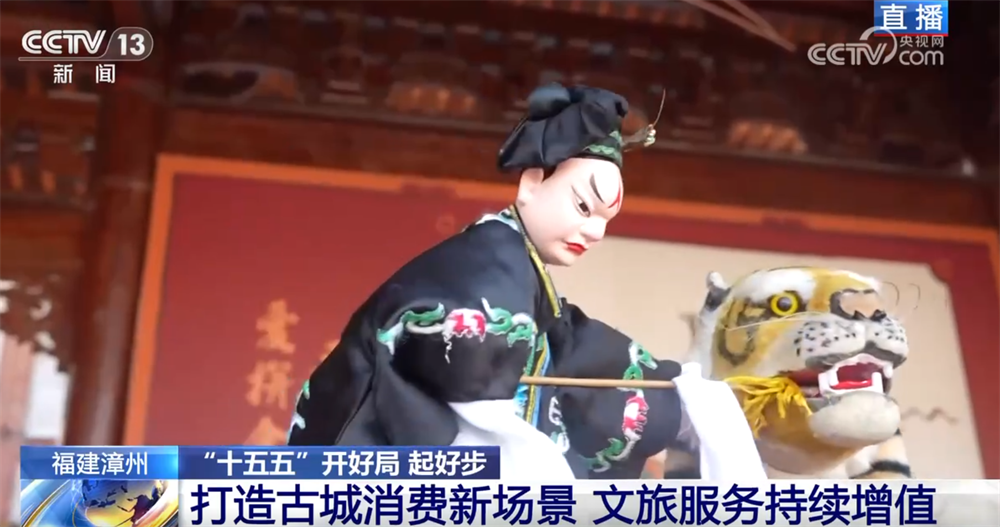
“十五五”开好局 起好步丨看木偶戏、逛文创市集 传统古城消费场景上新
Yang Shi Xin Wen· 2026-01-16 09:04
Core Viewpoint - The article highlights the initiatives taken by Zhangzhou to enhance service consumption and create new consumption scenarios, leveraging its rich cultural and tourism resources, including traditional performances and local businesses [1][2][3]. Group 1: Cultural Heritage and Performance - Zhangzhou is promoting traditional performances such as glove puppetry and local operas to attract visitors, with shows like "Wu Song Fights the Tiger" gaining popularity [1]. - The city has focused on creating a conducive environment for cultural performances by providing facilities like ancient-style corridors and stages, fostering collaboration between local businesses and performance troupes [1]. Group 2: Open and Shared Business Environment - Zhangzhou Ancient City has established a creative market for individual entrepreneurs, allowing them to rent shared stalls for less than 500 yuan per week, facilitating business opportunities [2]. - The city encourages shops to utilize public spaces for outdoor operations, enhancing the vibrancy of the area while ensuring compliance with safety regulations [2]. - A star-rating system for businesses has been implemented, promoting those that demonstrate integrity and quality, thereby increasing foot traffic and encouraging a positive business atmosphere [2]. Group 3: Economic Growth and Visitor Engagement - In the past year, Zhangzhou Ancient City saw over 37 million visitors, a year-on-year increase of over 30%, contributing to more than 2 billion yuan in consumption [3]. - The city plans to further improve its business environment through regulatory enhancements and AI-driven government services, aiming for a market-oriented and internationalized economy [3].
“多点发力”打造“消费新场景+特色文旅名片” 古城焕发新活力更具“烟火气”
Yang Shi Wang· 2026-01-16 05:14
Core Viewpoint - The article emphasizes the efforts of Zhangzhou City in Fujian Province to enhance service consumption by creating new consumption scenarios, leveraging its rich cultural and tourism resources, including intangible cultural heritage and traditional architecture [1] Group 1: Cultural and Tourism Development - Zhangzhou City is focusing on revitalizing traditional performances such as glove puppetry, which attracts tourists and enhances local cultural identity [2] - The city is implementing a model of "inheritance" and "win-win" by supporting traditional theater troupes through infrastructure improvements and collaborations with local businesses, thereby enriching the cultural atmosphere and increasing the visibility of these troupes [4] Group 2: Business Environment and Opportunities - The city has introduced shared stalls in the ancient city center for individual entrepreneurs, allowing them to operate at a low cost of under 500 yuan per week, thus promoting entrepreneurship and enhancing the vibrancy of the area [7] - A star rating system for businesses has been established in collaboration with local departments to encourage high-quality development and promote successful shops through various media channels, thereby increasing foot traffic [9] Group 3: Economic Impact - In the past year, the ancient city of Zhangzhou has seen over 37 million visitors, a year-on-year increase of over 30%, which has generated more than 2 billion yuan in consumption [11] - Zhangzhou City plans to further improve its business environment through regulatory enhancements and AI government services, aiming to create a market-oriented, legal, international, and convenient business atmosphere [14]

上海发布28条新政促消费
Di Yi Cai Jing Zi Xun· 2026-01-13 10:50
Core Insights - Shanghai has introduced a new policy document aimed at enhancing service quality and boosting consumption, marking a shift from short-term stimulus measures to a long-term strategic focus on service and consumption interlinkage [2][3] Group 1: Policy Measures - The new measures consist of 28 policy initiatives designed to optimize supply and expand consumption, fostering new growth points in service supply and consumer demand [2][3] - The focus is on systemic interlinkage, emphasizing quality competition on the supply side and signaling a clear policy direction to promote consumption through quality [2][4] Group 2: Economic Context - The service sector and consumption in Shanghai have shown positive growth trends, with service value added increasing by 5.9% and retail sales of consumer goods growing by 5% in the first eleven months of 2025, both surpassing national averages [3][4] - The interlinkage between service and consumption is seen as essential for stabilizing growth and supporting domestic demand [3][4] Group 3: Industry Focus - The policy targets six key industries: finance, information services, transportation, cultural and entertainment services, life services, and inspection and certification, which together account for about 60% of Shanghai's service sector value added [5][6] - Financial innovation is highlighted as a crucial driver for consumption and industry growth, with an emphasis on integrating consumption scenarios with financial products [5][6] Group 4: Consumer Experience Enhancement - The measures aim to enhance the quality and diversity of life services, including the establishment of employee-based housekeeping companies and the promotion of "no companion care" services in medical institutions [7][8] - The document outlines initiatives to improve brand certification, standard systems, and inspection services, aiming to enhance consumer trust and service quality [8] Group 5: Implementation Strategy - The Shanghai government plans to ensure effective implementation of the measures by coordinating service supply with consumer demand and creating a conducive policy environment [9][10] - Emphasis is placed on cross-departmental collaboration to avoid policy fragmentation and to establish a dynamic evaluation mechanism for monitoring policy effectiveness [10]
上海发布28条新政促消费
第一财经· 2026-01-13 10:11
Core Viewpoint - The article discusses the recent measures introduced by Shanghai to enhance the quality of the service industry and stimulate consumption, emphasizing a strategic shift from short-term stimulus to long-term systemic development [3][5]. Group 1: Policy Measures - Shanghai has issued 28 policy measures aimed at optimizing supply and expanding consumption to foster new growth points in service supply and consumer demand [3][5]. - The focus of the new policies is on systemic linkage, emphasizing quality competition on the supply side to enhance service industry value and stimulate consumption [3][6]. Group 2: Economic Context - Since 2025, Shanghai's service industry has shown a positive growth trend, with a 5.9% increase in value added and a 5% rise in retail sales of consumer goods, both surpassing national averages [5][6]. - The measures aim to address challenges such as supply structure lagging behind consumption upgrades and the need for better integration of service and consumption sectors [5][6]. Group 3: Key Industries - The policies target six key sectors: finance, information services, transportation, cultural and entertainment services, life services, and inspection and certification, which together account for about 60% of Shanghai's service industry value added [7][8]. - The integration of these sectors is expected to create a closed-loop policy chain that enhances service consumption [7]. Group 4: Financial Innovation - The new policies emphasize the integration of consumption scenarios with consumer finance, supporting the development of financial products tailored to needs such as elderly care and wealth management [8]. - E-commerce platforms are encouraged to shift from price competition to quality competition, driving traffic to offline and quality consumption [8]. Group 5: Cultural and Entertainment Sector - The measures include initiatives to enhance the supply of cultural and entertainment services, such as supporting high-quality exhibitions and sports events, which have shown significant demand growth [9]. - For instance, a recent exhibition in Shanghai attracted over 2.77 million visitors and generated over 760 million yuan in revenue, significantly boosting overall city consumption [9]. Group 6: Institutional Support - The policies aim to strengthen institutional support by transitioning from policy support to a dual-driven approach of "institution + market," focusing on regulatory standards and credit systems to foster sustainable development [10]. - Key initiatives include enhancing brand certification, improving standard systems, and strengthening inspection and testing services to boost consumer confidence [10]. Group 7: Implementation and Coordination - The Shanghai government plans to ensure effective implementation of the measures by coordinating service supply with consumer demand and creating a conducive environment for policy support [12][13]. - Emphasis is placed on cross-departmental collaboration to avoid policy fragmentation and to establish a dynamic evaluation mechanism to monitor the effectiveness of the policies [13].
上海发布28条新政促销费,战略重心转变,聚焦六大行业
Di Yi Cai Jing· 2026-01-13 08:51
Core Viewpoint - Shanghai's service industry and consumption are showing strong growth, with service value added increasing by 5.9% in the first three quarters of 2025 and retail sales of consumer goods growing by 5% from January to November, both surpassing national averages. The new policy measures aim to enhance the synergy between service quality improvement and consumption expansion, marking a strategic shift from short-term stimulus to long-term development [1][3][4]. Group 1: Policy Measures - The newly issued measures include 28 policy initiatives focused on optimizing supply and expanding consumption, aiming to cultivate new growth points in service supply and consumer demand [1][4]. - The measures emphasize a systematic linkage between supply and demand, highlighting the importance of quality competition in the service sector and signaling a shift from scale expansion to value enhancement [2][4]. - The policy aims to create a virtuous cycle of "supply upgrade—consumption boost—industry income—reinvestment," particularly through the integration of cultural, tourism, and sports sectors [3][4]. Group 2: Industry Focus - The measures target six key industries: finance, information services, transportation, cultural and entertainment services, life services, and inspection and certification, which together account for approximately 60% of Shanghai's service industry value added [5][6]. - Financial innovation is highlighted as a crucial support for consumption and industry development, with a focus on integrating consumption scenarios with financial products tailored to various needs [6][8]. - The transportation sector is set to enhance service quality through refined management and diverse product offerings, aiming to boost both tourist and consumer flows [6][7]. Group 3: Implementation and Coordination - The government emphasizes the need for effective implementation of the measures, focusing on coordinating service supply with consumer demand and ensuring supportive policy environments [9][10]. - A cross-departmental collaboration mechanism is essential to avoid policy fragmentation and ensure that financial product innovations align with market needs [10]. - Continuous monitoring and evaluation of policy effectiveness through consumer data will be crucial for timely adjustments and resource allocation [10].
1月12日晚间央视新闻联播要闻集锦
Yang Shi Xin Wen Ke Hu Duan· 2026-01-12 14:33
Group 1 - Xi Jinping emphasized the need for higher standards and practical measures to advance strict governance of the Party, providing strong support for achieving the goals of the "14th Five-Year Plan" [1][7] - In 2025, various levels of disciplinary inspection and supervision institutions will focus on political supervision to ensure the effective implementation of major decisions made by the Party Central Committee [8] Group 2 - The government has made systematic regulations regarding the layout and investment direction of government investment funds for the first time [10][11] - By 2026, China will accelerate the construction of an efficient and intelligent delivery network to better serve the national unified market [3][12] - Local areas are continuously creating new consumption scenarios to stimulate consumer vitality [4][13]
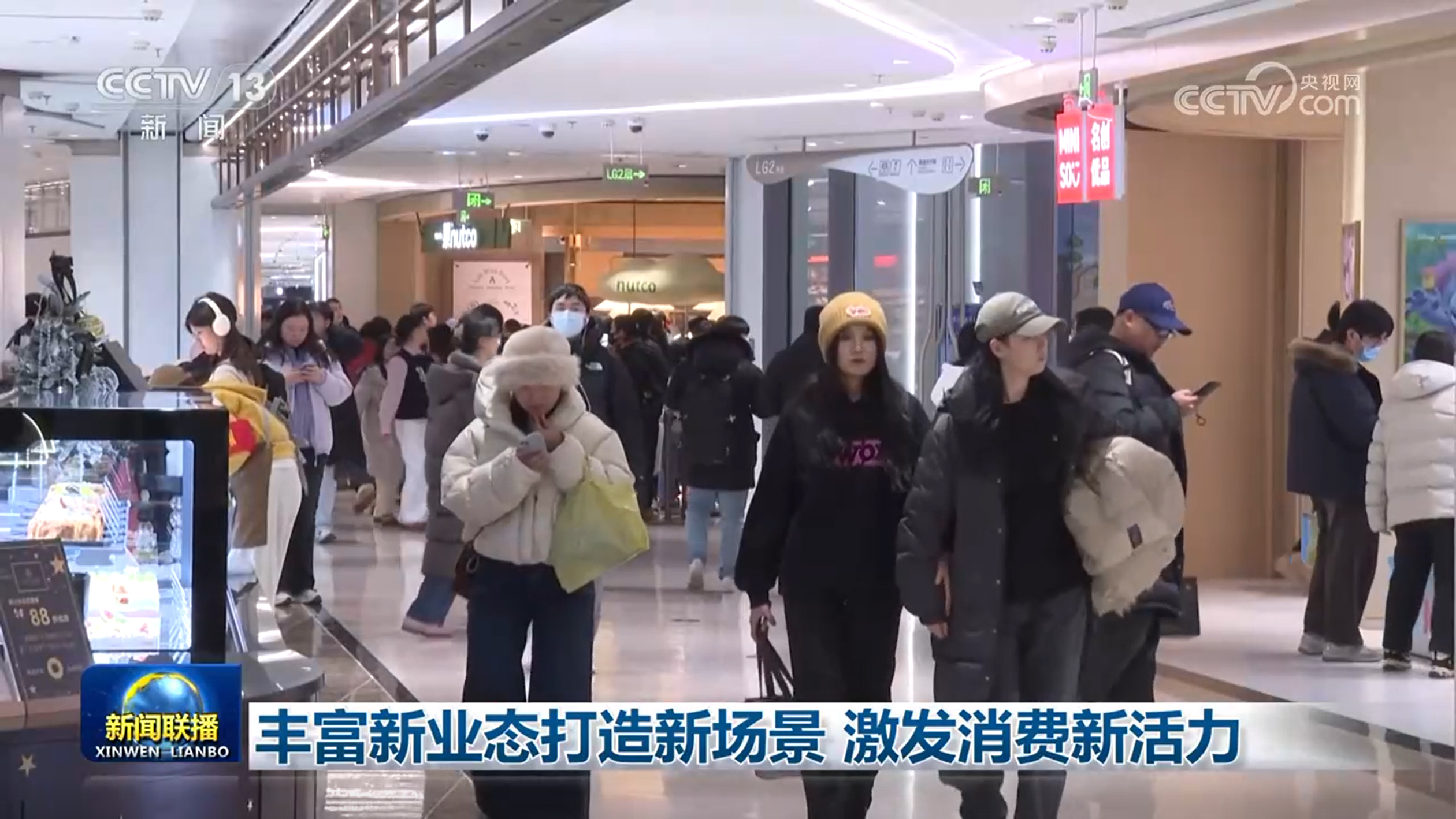
丰富新业态打造新场景 激发消费新活力
Yang Shi Wang· 2026-01-12 12:23
Group 1 - The core idea of the articles highlights the ongoing efforts across various regions to create innovative and experiential consumer environments, thereby stimulating consumption vitality [1][3][4][5] Group 2 - In Beijing, large commercial facilities are transforming into immersive experience spaces, featuring over 70 retail and dining first stores, along with rooftop gardens and sunken courtyards to enhance consumer experiences [3] - Shenzhen is promoting high-tech enterprises by encouraging the opening of first stores and exhibitions, exemplified by a humanoid robot-themed store where robot staff perform and interact with customers [3] - Chengdu is combining market exhibitions, intangible cultural heritage experiences, and cultural tourism to provide a one-stop shopping and leisure experience for residents and tourists [4] - Xi'an is enhancing nighttime consumption experiences with upgraded attractions, such as the new year flower boat parade, transitioning from viewing lights on land to immersive experiences on boats [4] - The "New National Subsidy" initiative is revitalizing the consumer market, with companies in Hebei collaborating on trade-in subsidies and discounts to boost consumer enthusiasm [5] - In Jiangsu, home appliance retailers are optimizing services by offering convenient "old for new" programs, with government subsidies exceeding 196 million yuan, driving sales of 1.52 billion yuan since the launch of the new trade-in policy [5]
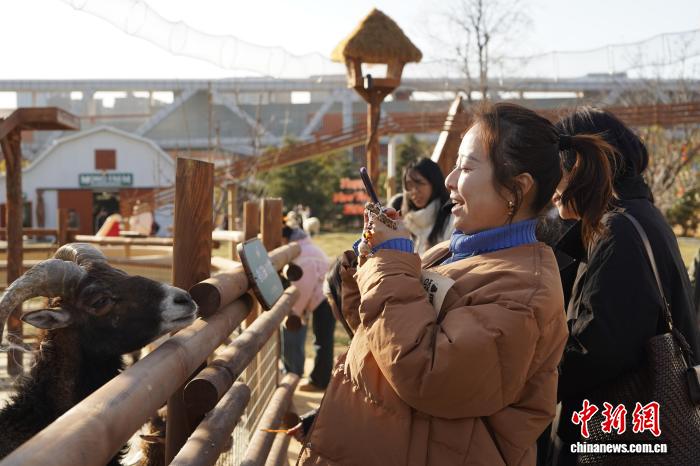
“萌宠+购物” 郑州再现体验式消费新场景
Zhong Guo Xin Wen Wang· 2026-01-10 12:35
Core Insights - Zhengzhou has been selected as a pilot city for new consumption formats and scenarios, indicating a shift towards innovative consumer experiences [3][4] - The opening of the MOMO PARK urban park aims to create a "pet + shopping" experience, featuring over 20 types of animals for consumer interaction [3] - The project is designed to enhance emotional companionship and leisure socialization, aligning with the trend of experiential consumption in urban settings [3] Group 1 - Zhengzhou has seen the emergence of various new consumption scenarios, such as creative street districts and cultural commercial areas [3] - The MOMO PARK project will officially open on January 18, featuring a pet paradise and interactive experiences with animals like capybaras and black swans [3] - The park aims to integrate natural scenes into consumer spaces, creating a composite area for pet interaction, nature experiences, and light socialization [3] Group 2 - The project is expected to enhance the local commercial ecosystem by linking with nearby wholesale centers and shopping parks, thus enriching the shopping and leisure experience [3] - The initiative targets the emotional and social needs of urban consumers, reflecting a growing trend towards micro-vacations and experiential consumption [3][4] - The Vice President of the China Commercial Economic Association emphasizes that these new consumption scenarios effectively meet the demands of younger consumers [4]