消费观念转变

Search documents
顺势培育服务消费新增长点
Jing Ji Ri Bao· 2025-10-12 22:04
Core Viewpoint - The recent notice from the Ministry of Finance and other departments aims to support pilot cities in enhancing the service economy, innovating diverse service consumption scenarios, and improving consumption quality, as service consumption becomes a significant driver of growth in China's consumption market [1][2]. Group 1: Service Consumption Growth - Service consumption is a natural outcome of China's economic development and rising income levels, with per capita GDP expected to exceed $13,000 in 2024, and service consumption accounting for 46.1% of per capita consumption expenditure, indicating substantial growth potential compared to over 60% in developed countries [2]. - The continuous growth of service consumption is driven by structural reforms on the supply side and the upgrading of consumer demand, supported by government initiatives such as subsidies and policy regulations to enhance effective supply in sectors like elderly care, childcare, and digital services [2][3]. Group 2: Challenges in Service Consumption - There are existing challenges in the service consumption sector, including supply shortages in areas like elderly and childcare services, and the need for improved quality in sectors such as tourism and elderly care to meet diverse consumer demands [3]. - The need for a demand-oriented approach is emphasized, utilizing modern research methods to analyze service needs and market potential, which is crucial for developing new growth points in service consumption [3]. Group 3: Regional and Scenario-Based Strategies - Different cities should adopt tailored strategies to cultivate new growth points in service consumption, leveraging their unique advantages and avoiding blind imitation, such as creating cultural and entertainment services in cities with rich cultural backgrounds [4]. - The integration of digital technology is essential to create diverse, immersive consumption scenarios that meet consumers' emotional needs, thereby establishing new competitive advantages in service consumption [4]. Group 4: Collaborative Efforts and Policy Synergy - The cross-sectoral nature of service consumption necessitates collaboration among various departments, with successful examples seen in major cities where cultural, commercial, and tourism sectors work together to create vibrant consumption environments [5]. - Local governments are encouraged to build mechanisms for collaboration, clarify responsibilities, and ensure effective implementation of policies to foster a supportive ecosystem for service consumption growth [5].
失业一年半后,重新学会活着
3 6 Ke· 2025-10-11 03:55
Core Points - The article explores the life of a young man named Xiao Ren, who faces unemployment and the challenges of living on savings in a new city, highlighting the psychological and financial adjustments he makes during this period [1][2][3] Group 1: Employment and Financial Situation - Xiao Ren lost his job in 2024 and initially struggled to find new employment, leading him to take up food delivery as a temporary solution [2][3] - He calculated that his previous annual income in Shenzhen was around 350,000, allowing him to support his parents and save approximately 120,000, resulting in a total savings of about 1 million [4] - After moving to Guanghan, he found affordable housing at 400 per month, which significantly reduced his living expenses to around 900 to 1,000 per month, enabling him to sustain himself for many years without working [7] Group 2: Lifestyle Changes - In Guanghan, Xiao Ren adopted a more frugal lifestyle, cooking for himself and avoiding unnecessary purchases, which marked a shift from his previous spending habits in Shenzhen [8][12] - He experienced a sense of freedom from the pressures of his former life, allowing him to take his time with meals and daily activities, contrasting sharply with his previous fast-paced lifestyle [15][20] - Xiao Ren began to appreciate simple pleasures, such as cooking instant noodles, which he previously viewed as a sign of failure, now seeing it as a personal choice [13][14] Group 3: Psychological Impact - The transition to a slower lifestyle led Xiao Ren to reflect on societal pressures and the commercialization of happiness, realizing that comfort and personal satisfaction are more important than material possessions [12][14] - He faced familial pressure to conform to traditional expectations, such as marriage and stable employment, which he resisted, leading to a sense of isolation but also personal growth [19][20] - The article illustrates Xiao Ren's journey towards self-acceptance and understanding of his own needs, as he navigates the complexities of identity and societal expectations [21][25]


中秋过后被抛弃的4大商品,月饼跌出滞销榜前3,第1名令人意想不到
Sou Hu Cai Jing· 2025-10-09 17:45
Core Insights - The post-holiday sales slump has led to significant inventory issues for various food products, with many retailers struggling to sell seasonal items that typically perform well during the Mid-Autumn Festival and National Day holidays [3][5][9] Group 1: Market Trends - The average daily trading volume of soft-seed pomegranates dropped from 300 tons before the holiday to 114 tons after, with prices falling from 12 yuan to 5 yuan per pound [3] - High-end tea gift boxes saw an average return rate of 30% post-holiday, with some small to medium tea merchants experiencing inventory accumulation rates exceeding 50% [5] - The wholesale price of live crabs decreased from 80 yuan per pound before the holiday to 45 yuan after, with daily sales averaging less than 200 pounds [5][7] Group 2: Consumer Behavior Changes - Consumers are increasingly prioritizing convenience and health, leading to a decline in traditional festive foods like mooncakes, with a notable shift towards healthier options [9][13] - A survey indicated that 73% of respondents are now more conscious of food ingredient labels, and 64% are actively reducing their intake of high-sugar and high-fat foods [9] - The preference for practical gifts over luxury items has grown, with sales of smart home products increasing by 14.3% during the holiday period [11] Group 3: Retailer Challenges - Many retailers overestimated demand based on previous years' sales data, resulting in excess inventory that is difficult to move [11][21] - Seasonal consumption patterns have shifted, with consumers no longer feeling the need to stock up on food items for holidays, leading to a rapid decline in post-holiday sales [9][19] - Retailers are experimenting with product adjustments, such as offering lower-sugar versions of traditional pastries, but face challenges in maintaining customer satisfaction with these changes [17] Group 4: Regional and Demographic Insights - There are significant regional differences in sales performance, with high-end gift items struggling particularly in East China, while basic food items remain stable in South China [25] - The gap between urban and rural consumption is narrowing, with rural consumers becoming more selective and quality-conscious in their purchases [26]

大跳水,又一奢侈品跌落神坛!
Sou Hu Cai Jing· 2025-10-04 23:54
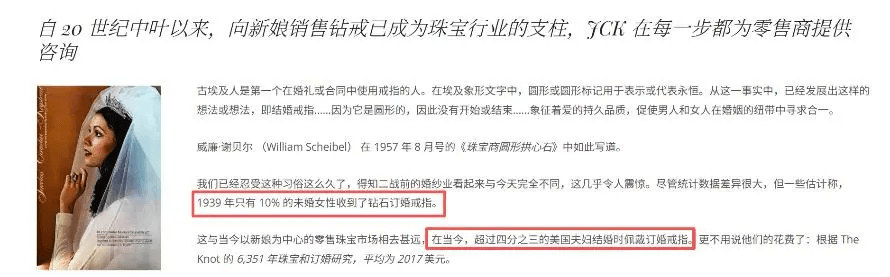
Group 1 - De Beers has historically dominated the diamond industry, controlling 90% of the global rough diamond supply at its peak, and has been a key player in shaping market prices and availability through strategic marketing and supply limitations [2][4][28] - The company's marketing strategy, epitomized by the slogan "A Diamond is Forever," has significantly influenced consumer behavior, with the engagement ring wearing rate in the U.S. rising from 10% in 1939 to 75% today [1][2] - However, De Beers is currently facing significant challenges, with a reported revenue drop from approximately $6.6 billion in 2022 to $4.3 billion in 2023, and a staggering 40% decline in rough diamond sales [15][12][20] Group 2 - The diamond market is experiencing a shift due to increased competition from new mining regions and the rise of synthetic diamonds, which are now accepted by over 80% of U.S. consumers [28][34] - De Beers' market share has decreased to less than 30%, with competitors like Russia's Alrosa gaining ground, leading to a significant reduction in pricing power [28][29] - The overall demand for diamonds is declining, particularly in the context of changing consumer preferences and a decrease in marriage rates, which has historically been a primary driver of diamond sales [50][53] Group 3 - In 2023, De Beers reported a net loss of $314 million, the highest in 15 years, and a 44% drop in rough diamond sales in the first quarter compared to the previous year [15][12][24] - The company has resorted to price cuts and production reductions to manage excess inventory, yet these measures have not resulted in a significant recovery in sales [20][22] - The broader luxury goods market is also struggling, with major brands like Gucci and LVMH experiencing stock price declines, indicating a wider trend affecting the luxury sector [47][49]
你发现没?今年国庆节期间,有5个现象与往年不同,很反常
Sou Hu Cai Jing· 2025-10-04 04:58
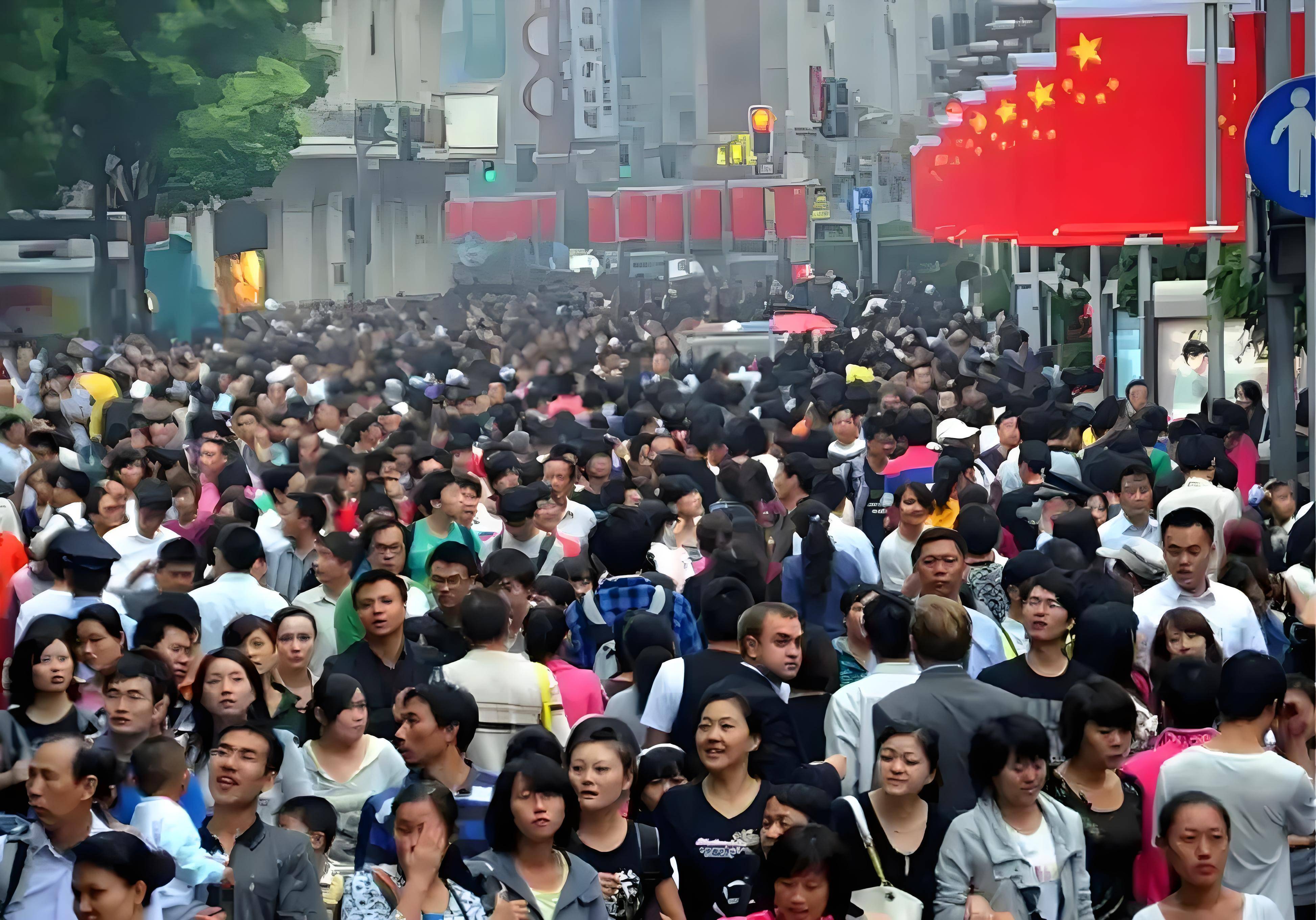
Core Insights - The article highlights five unusual consumption trends observed during the 2025 National Day holiday in China, indicating a shift in consumer behavior and lifestyle among residents. Group 1: Travel Trends - Popular tourist destinations like the Forbidden City, West Lake, and Zhangjiajie saw a significant decrease in visitor numbers, while smaller towns such as Songyang, Shaxi, and Wuyuan emerged as new travel hotspots due to lower costs and less crowded environments [5][7] - Families are opting for budget-friendly travel options, leading to a more economical and memorable holiday experience [5] Group 2: Gift Consumption - There is a noticeable shift from high-end gifts like premium liquor and elaborate mooncakes to more practical and affordable options such as simple fruit baskets, reflecting a change in gifting culture [7][9] Group 3: Dining Preferences - Consumers are moving away from high-end dining experiences to more cost-effective restaurants, driven by a slowdown in income growth [9] - Many individuals are choosing to cook at home for gatherings, ensuring freshness and creating a lively atmosphere, influenced by recent controversies surrounding pre-prepared meals [9] Group 4: Wedding Trends - The number of wedding invitations has sharply declined, indicating a continued decrease in marriage rates, with ceremonies becoming simpler and less formal [11] - Young couples are favoring straightforward wedding processes, moving away from complex traditions [11] Group 5: Leisure Activities - There is an increase in short-distance travel and staying at home during the holiday, as young people face financial pressures and prefer low-cost leisure options [13] - Many individuals are choosing to relax at home to avoid crowded tourist spots and high prices during the holiday season [13]
国际金价跌了,为什么国内购买黄金的人不多?主要有4大原因
Sou Hu Cai Jing· 2025-09-20 08:46
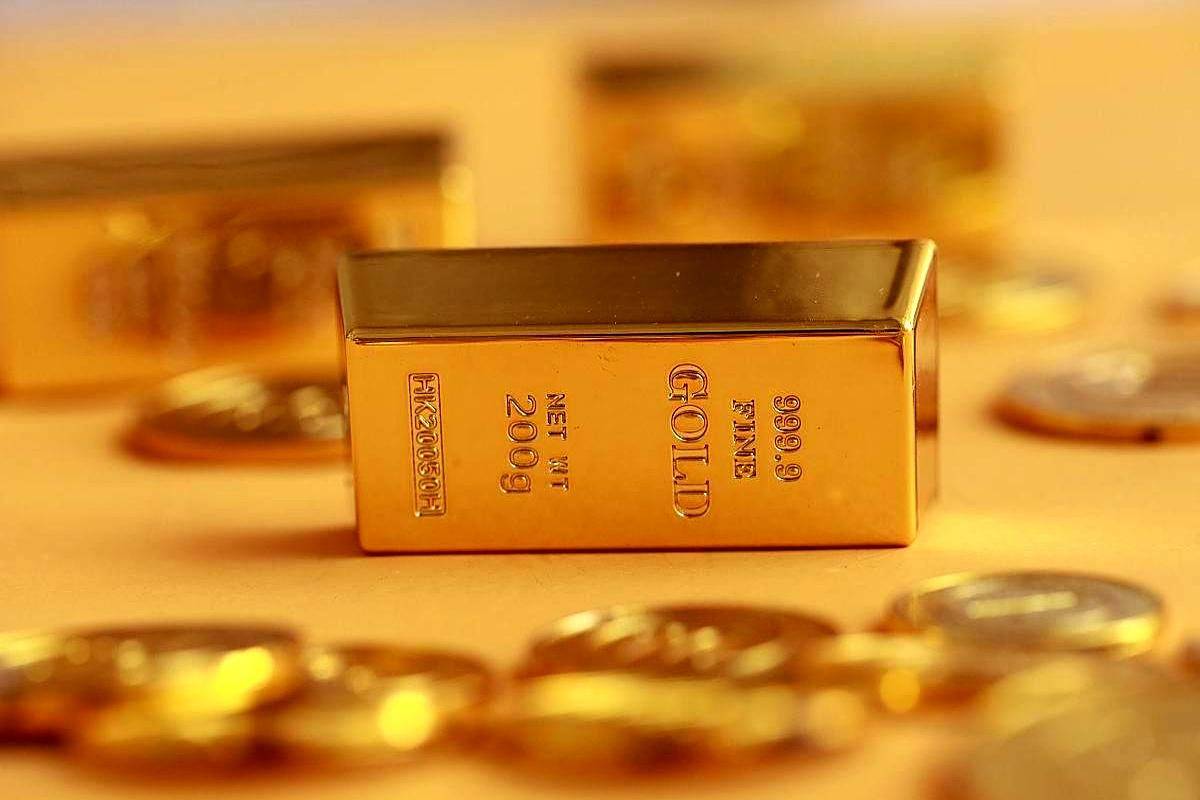
Core Viewpoint - The recent surge in gold prices has not led to increased consumer purchases, indicating a paradox where high prices deter buying behavior despite historical peaks in value [1][14]. Group 1: Price Barrier - The price of gold jewelry has reached nearly 800 yuan per gram, nearly doubling from a few years ago, creating a significant barrier for average consumers [3]. - Young consumers, burdened by loans and limited income, prioritize practical spending over luxury items like gold [3]. Group 2: Investment Alternatives - The diversification of investment channels, including stocks, funds, and digital currencies, has reduced the reliance on gold as a primary investment option [4]. - The popularity of low-threshold investment products, such as funds through mobile payment platforms, has made them more appealing compared to physical gold [4]. Group 3: Changing Consumer Attitudes - Younger generations prioritize experiential consumption over traditional views of gold as a symbol of wealth, leading to a decline in gold jewelry sales [5][6]. - Social media influences consumer preferences, with younger individuals favoring items that offer immediate satisfaction and visibility over gold [6]. Group 4: Economic Uncertainty - Despite gold's traditional role as a safe haven during economic uncertainty, many consumers are opting to hold cash instead of investing in gold due to concerns about the economy [7]. - The volatility in the job market and the recent pandemic have heightened consumer caution, leading to a preference for liquid assets like bank deposits [7]. Group 5: Market Observations and Future Outlook - While overall gold consumption is declining, investment-grade products like gold bars and coins are seeing increased sales, indicating a split in consumer behavior [8]. - The decline in gold jewelry sales reflects changing consumer habits and aesthetic preferences, particularly among younger demographics [8]. - Regional differences in gold consumption are notable, with first-tier cities experiencing more significant declines compared to second and third-tier cities [8]. - The rise of gold mining companies' profits amidst declining consumer demand suggests a complex relationship between production and consumption in the gold market [9]. - The market is expected to stabilize as high prices suppress demand, potentially leading to a balance between supply and demand in the future [12].

金价下跌,2025年09月16日中国黄金与人民币黄金的最新价格公开
Sou Hu Cai Jing· 2025-09-17 04:51
Core Viewpoint - The gold market in September 2025 is experiencing price fluctuations, with some brands lowering their prices while others remain stable, indicating varying strategies and market responses among different companies [1][2][4]. Price Comparison - Brands like Chow Sang Sang, Lao Feng Xiang, and Lao Miao have reduced their gold prices to 1074 RMB per gram, while Chow Tai Fook, Luk Fook, and King Fook maintain their prices at 1078 RMB per gram [1][2][3]. - The price of gold from China Gold is stable at 1070 RMB per gram, showing a lack of movement in certain segments of the market [3]. - The price at Shui Bei is significantly lower at 835 RMB per gram, reflecting a more straightforward pricing model compared to branded stores [5][6][7]. Investment Gold Bars - Investment gold bars sold by banks range from 840 RMB to 847 RMB, with Agricultural Bank of China at the higher end at 846.7 RMB [8][12]. - In contrast, branded investment gold bars from Chow Tai Fook are priced at 956 RMB, while Lao Feng Xiang and Lao Miao exceed 1000 RMB, highlighting the premium associated with brand and craftsmanship [14][15]. Market Trends - The futures market shows fluctuations with the main contract price around 830 RMB, indicating potential future trends in the spot market [18][20]. - There is a noticeable shift in consumer preferences towards "alternative gold" products, such as gold-plated silver jewelry, which are significantly cheaper and gaining popularity among younger consumers [25][36]. Changing Consumer Behavior - The rise in popularity of platinum, priced at approximately 337 RMB per gram, suggests a shift towards more affordable and stylish options among consumers [32][35]. - The market is witnessing a transformation in consumer attitudes, moving away from a strict preference for pure gold to a more practical approach that considers value for money [36][38].

“越涨越买”?金饰克价破千
Sou Hu Cai Jing· 2025-09-06 10:23
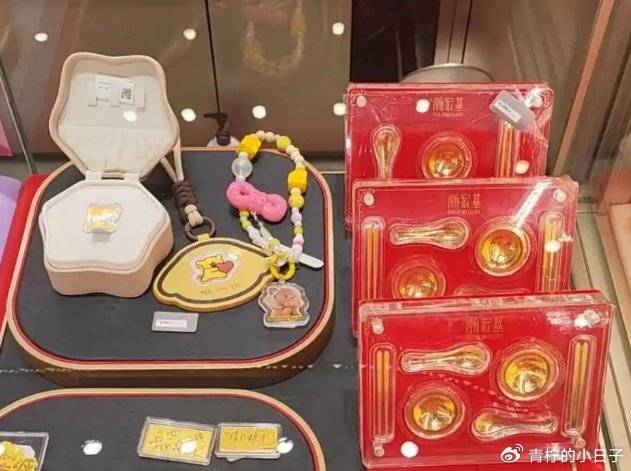
Core Viewpoint - The rising price of gold jewelry, exceeding 1,000 yuan per gram, is driven by the asset's value retention and appreciation attributes, market supply-demand imbalance, and changing consumer perceptions [1][3]. Group 1: Value Retention and Appreciation - Increased global economic uncertainty and geopolitical conflicts, such as tensions in the Middle East and the ongoing Russia-Ukraine conflict, have heightened the recognition of gold as a safe-haven asset [3]. - The expectation of interest rate cuts by the Federal Reserve and the decline in dollar asset yields have further enhanced gold's appeal as an investment option [3]. Group 2: Supply-Demand Imbalance - Central banks worldwide are increasing their gold reserves, with a projected total of 4,974 tons in 2024, and China has been adding to its reserves for 20 consecutive months [3]. - Retail investor enthusiasm for gold has surged, with bank gold accumulation applications increasing by 80% and gold ETFs experiencing their highest net inflow in three years [3]. - Upstream refining companies are facing pressure from rising raw material costs, contributing to a persistent supply-demand imbalance in the market [3]. Group 3: Changing Consumer Perceptions - Young consumers are becoming the main force in the gold market, viewing gold as both a fashionable consumer product and an investment [3]. - Innovative designs and collaborations in gold jewelry cater to the aesthetic and personalized needs of younger buyers, encouraging them to pay higher prices [3]. - Many young consumers perceive purchasing gold as a more reliable form of savings compared to traditional bank deposits, leading to continued buying even as prices rise [3]. Group 4: Psychological Factors - The news of record-high gold prices has generated widespread attention, prompting some consumers to follow market trends out of fear of missing out on potential gains [3]. - This herd mentality and concern over missing investment opportunities have contributed to increased sales of gold jewelry during price hikes [3].
潘多拉关店要超百家?网红轻奢品怎么不好卖了?
Sou Hu Cai Jing· 2025-08-29 04:09
Group 1 - The core point of the article highlights that Pandora, once a popular light luxury jewelry brand, is facing significant challenges, including plans to close over 100 stores in China, which marks a stark contrast to its previous growth trajectory [1][3][5] - Pandora's unique selling proposition was its DIY product model, allowing consumers to create personalized jewelry, which initially resonated well with the rising middle class in China [3][5] - The brand experienced rapid expansion in China, with sales growth of 175% in 2016 and reaching revenues of 19.7 billion Danish kroner (approximately 21.3 billion RMB) by 2019, accounting for 9% of global revenue [3][4] Group 2 - Recent financial reports indicate a significant decline in Pandora's sales in China, with Q1 2025 sales dropping to 96 million Danish kroner, an 11% decrease from 2023, and a further 15% decline in Q2 [4] - The shift in consumer behavior towards practicality and value has negatively impacted Pandora, as its products are perceived as less durable and lacking in investment value compared to alternatives like gold [8][9] - The changing consumer preference from decorative to asset-based luxury items has further squeezed Pandora's market position, as consumers now prioritize long-term value and practicality over brand and aesthetics [9][11] Group 3 - The article suggests that the decline of Pandora reflects a broader trend in the Chinese luxury market, where consumers are becoming more rational and focused on the long-term value of products [11] - To remain competitive, companies must adapt to changing consumer demands by adjusting product strategies and brand positioning to align with the evolving values of consumers [11]

酒店摆摊的B面:夫妻店受影响,超市熟食区告急
投中网· 2025-08-14 09:37
Core Viewpoint - The high-end dining industry is undergoing a significant transformation as luxury hotels are adopting street food models to adapt to market pressures and changing consumer behaviors [5][11][23]. Group 1: Industry Changes - High-end restaurants are breaking the traditional rule of maintaining distance from the mass market, engaging in street food sales to attract local consumers [7][8]. - This trend is evident across various cities in China, with hotels offering affordable dishes that leverage their brand reputation for quality [10][17]. - The shift from high-priced dining to more accessible food options reflects a broader change in consumer attitudes towards value and quality [16][18]. Group 2: Market Pressures - The restaurant industry is facing increasing pressure, with June's dining revenue at 4,708 billion, showing only a 0.9% growth, and a decline in revenue from high-end dining establishments [15][14]. - High-end hotels, traditionally resilient, are now struggling due to reduced business from corporate events and weddings, leading to a significant drop in their primary revenue sources [13][15]. - The number of five-star hotels in China has decreased from 850 to 736 between 2020 and 2024, indicating a shrinking market for luxury dining [15][14]. Group 3: Competitive Landscape - The entry of hotels into the street food market poses a direct threat to local eateries, as they can offer similar products at competitive prices due to their resources [20][21]. - Supermarkets are also feeling the impact, with a noticeable decline in sales attributed to the appeal of freshly prepared meals from hotels [21][20]. - The shift in consumer habits towards hotel food options is changing the dynamics of community dining, potentially leading to a decline in supermarket visits [22][21]. Group 4: Future Implications - The trend of high-end hotels selling affordable food is not just a temporary adjustment but signifies a fundamental shift in the business model of the dining industry [11][23]. - This transformation may lead to broader implications for the retail and service sectors, as the competitive landscape continues to evolve [23][22]. - The pressure on traditional dining establishments and supermarkets could result in increased vacancy rates and declining rental incomes in commercial real estate [22][23].