
线上线下融合

Search documents
市商务局负责人:诚邀八方客,感受北京消费新活力
Xin Jing Bao· 2026-02-10 12:29
Core Viewpoint - The Beijing consumption market is vibrant and unique during the Spring Festival, showcasing a blend of traditional culture and modern experiences, inviting visitors to enjoy its charm and new vitality [1]. Group 1: Characteristics of Beijing's Consumption Market - The market features a rich cultural experience, allowing visitors to appreciate both the solemn elegance of royal celebrations at places like the Forbidden City and Temple of Heaven, as well as the lively atmosphere of traditional hutongs and modern art exhibitions [2]. - Culinary offerings are abundant, ranging from time-honored brands like Quanjude and Donglaishun to innovative local eateries, ensuring that visitors enjoy a warm and satisfying gastronomic experience [2]. - Winter sports activities, benefiting from the legacy of the Winter Olympics, provide diverse and enjoyable experiences for visitors, enhancing the charm of Beijing's winter [2]. - The city has improved its commercial facilities and deepened the integration of online and offline services, creating a more convenient and pleasant shopping environment for consumers [2]. Group 2: Measures for Ensuring Market Supply and Consumer Confidence - The city's business system has proactively prepared for the festival by ensuring sufficient supply and stable prices for essential goods, collaborating with various departments to create unique consumption scenarios and activities [2]. - Efforts are being made to maintain market order in collaboration with regulatory bodies, ensuring that visitors can shop with confidence and enjoy their holiday [3]. - The city is ready to welcome visitors with sincere offerings, abundant supplies, and high-quality services, allowing them to experience both traditional customs and modern innovations [3].


独家|小象烘焙开设线下店,巨头们沉迷在螺蛳壳里做道场
东京烘焙职业人· 2026-02-10 08:33
以下文章来源于超聚焦foci ,作者白墨 超聚焦foci . 聚焦科技创新,助力产业升级 巨头们开始抢小生意 超聚焦独家获悉,近日美团小象超市自有品牌"小象烘焙",在北京后沙峪和望京附近开始 试点线下店铺。 从美团的小象超市布局"手作烘焙",到去年9月朴朴超市悄然上线自营外卖"朴朴厨房", 再到同一时间京东继"小鲜厨房"后高调推出"七鲜咖啡",并计划三年开万店,一杯补贴后 低至4元的美式咖啡,搅动着本已白热化的咖啡市场。 从现烤面包、到三餐热食、再到提神咖啡,这些看似"蝇头小利"的生意,正在成为互联网 巨头们新的角斗场。当线上流量红利见顶,曾经追求规模与速度的巨头们,不约而同地放 慢脚步,沉下身子,开始在一枚小小的"螺蛳壳"里,精雕细琢地做起了道场。 这背后,究竟是流量焦虑下的无奈之举,还是通往更高利润、更强用户粘性的必经之路? 01 美团重燃线下零售野心 二是寻求更高毛利,相较于标准化的包装食品,现场制作的烘焙、熟食等3R产品(即烹、 即热、即食)拥有更高的毛利率。这是在即时零售利润微薄的现状下,提升单店盈利能力 的关键一步。 三是打造线下流量入口,一个高品质、高性价比的烘焙区,能有效吸引周边社区居民到店 ...


悬崖上的永辉
虎嗅APP· 2026-02-06 00:08
Core Viewpoint - Yonghui Supermarket is facing significant financial challenges, with a projected net loss of 2.14 billion yuan in 2025, marking a 45.6% increase year-on-year, and has reported losses for five consecutive years. The company attributes these losses to major operational strategy adjustments, including store renovations and closures, which have resulted in direct losses of 1.2 billion yuan [4][8]. Group 1: Company Background and Growth - Yonghui Supermarket was founded in 1995 by brothers Zhang Xuansong and Zhang Xuanning, starting with a micro-profit model. The brand was officially established in 1998 and gained momentum in 2000 by leveraging the "Agricultural Reform Supermarket" policy, leading to rapid growth [6][7]. - By 2010, Yonghui became the first "fresh food stock" listed on the Shanghai Stock Exchange, and by 2020, it achieved a record revenue of 93.2 billion yuan, marking its peak in the industry [7][8]. Group 2: Recent Challenges and Strategic Changes - Since 2021, Yonghui has entered a prolonged period of losses, with figures of 3.944 billion yuan in 2021, 2.763 billion yuan in 2022, and 1.329 billion yuan in 2023. The company has attempted a major transformation called "Fat Reform" to address these issues, which involves comprehensive changes in product structure, shopping experience, and organizational framework [8][9]. - The "Fat Reform" has led to significant financial costs, including a projected loss of 2.14 billion yuan for 2025, with 910 million yuan attributed to asset write-offs and 300 million yuan due to loss of gross margin from store renovations [9][10]. Group 3: Market Dynamics and Competitive Landscape - The retail landscape has shifted dramatically, with the rise of e-commerce and community group buying, which have significantly impacted traditional retail models. The community group buying market in China surpassed 830 billion yuan in 2023, with user numbers increasing from 212 million in 2017 to 845 million [10][11]. - Yonghui's traditional advantages in fresh food are being eroded by new competitors offering lower prices and more efficient supply chains. The company struggles to compete with both discount stores and experiential retailers, leading to a loss of customer traffic [11][13]. Group 4: Future Directions and Strategic Imperatives - Yonghui's transformation should not aim to replicate the success of competitors like Fat Donglai but rather focus on establishing a unique shopping proposition that differentiates it from other channels. This involves creating an emotional connection with consumers and offering distinctive value beyond price [17][18]. - The company must navigate its complex organizational structure and historical burdens to find a new positioning that resonates with consumers in a rapidly evolving market. The challenge lies in identifying what unique reasons consumers will have to choose Yonghui over other retail options [18].

三夫户外(002780.SZ):2026年公司计划新开15家线下特色门店
Ge Long Hui A P P· 2026-02-05 13:11
Core Viewpoint - The company plans to enhance its brand presence through a combination of new offline stores and online integration by 2026, focusing on diverse outdoor styles to adapt to market changes [1] Group 1: Store Expansion Plans - The company intends to open 15 new offline specialty stores by 2026, featuring various outdoor styles such as "quiet luxury," "tactical," "old money," and "mix and match" [1] - The new stores are planned to be located in key areas, including Beijing's 798 Art District in April-May, Harbin's West City Red Square in May, and Shanghai's Qingpu Outlet in September [1] Group 2: Online and Offline Integration - The company aims to integrate online and offline channels, leveraging the unique characteristics of the new stores to amplify their market impact [1]

私域管理的创新模式是什么?
Sou Hu Cai Jing· 2026-02-05 10:13
Core Insights - Private domain management is becoming a crucial part of modern enterprise marketing, focusing on enhancing interaction between brands and consumers to build long-term trust relationships [1][17] - The integration of SCRM systems allows for the consolidation and analysis of customer data, enabling personalized marketing strategies that improve customer satisfaction and conversion rates [1][10] Group 1: Private Domain Management - Private domain management transforms customers from mere buyers into active participants in brand communities, fostering a sense of belonging and encouraging them to share experiences [1][12] - Companies are increasingly investing in private domain traffic pools, reducing reliance on public traffic and focusing on deepening user relationships [1][17] - The importance of private domain management is amplified in the digital marketing wave, as it allows for better understanding of market demands and enhances customer loyalty [1][8] Group 2: SCRM Systems - SCRM systems are essential tools for implementing private domain management, enabling real-time tracking of customer dynamics and needs [2][14] - By analyzing customer behavior and preferences, SCRM systems help businesses create targeted marketing strategies, significantly improving customer engagement and retention [10][15] - The integration of SCRM systems facilitates the identification of high-value customers, allowing for personalized marketing efforts that enhance conversion rates [10][14] Group 3: Community Operations - Community operations are effective strategies for increasing customer stickiness, allowing customers to actively participate and share their thoughts within brand communities [4][18] - Regular online activities and discussions within communities help customers feel valued, enhancing their loyalty to the brand [5][12] - Brands can leverage community feedback to optimize products and services, creating a continuous loop of interaction and improvement [12][18] Group 4: Online and Offline Integration - The integration of online and offline channels is a significant trend in private domain management, allowing brands to connect better with consumers [7][19] - Brands can utilize social media to engage customers and drive participation in offline events, enhancing customer loyalty [7][19] - Real-time feedback collection through integrated channels helps brands adjust marketing strategies to better meet market demands [7][19] Group 5: Future Trends - The future of private domain management is expected to be more intelligent and personalized, with advanced SCRM systems enabling one-to-one marketing [15][17] - The incorporation of real-time interaction and feedback mechanisms in community operations will further enhance customer engagement [15][17] - Emerging technologies like VR and AR are anticipated to create more immersive interactions between brands and consumers, boosting conversion rates [15][17]

市场洞察:2025年中国二手车市场动态追踪-全国车源加速流动,区域梯度与数字化共振扩散
Tou Bao Yan Jiu Yuan· 2026-02-04 12:24
报告标签:二手车 报告提供的任何内容(包括但不限于数据、文字、图表、图像等)均系头豹研究院独有的高度机密性文件(在报告中另行标明出处者除外)。未经头豹 研究院事先书面许可,任何人不得以任何方式擅自复制、再造、传播、出版、引用、改编、汇编本报告内容,若有违反上述约定的行为发生,头豹研究 院保留采取法律措施、追究相关人员责任的权利。头豹研究院开展的所有商业活动均使用"头豹研究院"或"头豹"的商号、商标,头豹研究院无任何前述名 称之外的其他分支机构,也未授权或聘用其他任何第三方代表头豹研究院开展商业活动。 中国二手车行业调研简报|2025/10 www.leadleo.com 1 头豹调研简报 | 2025/10 中国二手车行业 Q1:2025年中国二手车市场整体呈现怎样的运行特征? ◼ 2025年,中国二手车市场规模变化 2025年1-8月,二手车累计交易量1,293.84万辆,同比增长3.03%, 与同期相比增加37.99万辆,累计交易金额为8357.61亿元 , 形 成"量升价降"的核心特征。这一结构性变化一方面源于跨区域 流通政策的持续深化,推动更多车源进入市场;另一方面受新 车价格战传导影响,二手车成交均 ...
市场洞察:2025年中国二手车市场动态追踪:全国车源加速流动,区域梯度与数字化共振扩散
Tou Bao Yan Jiu Yuan· 2026-02-04 12:22
Investment Rating - The report does not explicitly state an investment rating for the used car industry Core Insights - The used car market in China is experiencing a "volume increase and price decrease" trend, with a total transaction volume of 12.94 million units from January to August 2025, representing a year-on-year growth of 3.03% and a transaction value of 835.76 billion yuan [3] - The market structure is shifting towards mid-range family vehicles, with A-class cars accounting for 51% of the market, indicating stable mid-range consumer demand [9] - The cross-regional circulation of used cars is accelerating, with an average transfer rate nearing 30%, particularly in major economic regions like the Yangtze River Delta and the Pearl River Delta [13][15] - The online integration of used car transactions is deepening, with leading platforms enhancing consumer experience through a seamless online-offline service model [16] - The new energy used car market is growing significantly, with a transaction volume of 978,000 units from January to August 2025, a 41.8% increase year-on-year [20] Summary by Sections Market Overview - The used car market in China is characterized by a cumulative transaction volume of 12.94 million units and a transaction value of 835.76 billion yuan from January to August 2025, reflecting a structural change driven by policy and market dynamics [3][9] Transaction Types and Vehicle Categories - Basic passenger cars dominate the market, with over 70% of transactions, while SUVs and MPVs are also seeing growth, indicating a shift towards family-oriented vehicles [9] - A-class cars remain the core segment, while B-class and C-class vehicles are gaining market share, reflecting ongoing consumer upgrades [9] Cross-Regional Circulation - The cross-regional circulation of used cars is being facilitated by relaxed policies and the rise of online platforms, with significant transaction efficiency improvements [15] - Major economic regions are becoming key hubs for used car transactions, contributing to a unified national market [15] Online Integration and Consumer Experience - The industry is moving towards a deep integration of online and offline services, enhancing consumer trust and experience through technology [16] - Platforms are evolving from mere transaction intermediaries to comprehensive automotive service providers, offering a range of services beyond just sales [16] New Energy Vehicle Market - The new energy used car market is witnessing rapid growth, with a significant portion of transactions involving vehicles aged 2-4 years, indicating a trend towards quicker turnover [20][25] - The market is characterized by a younger vehicle age structure, reflecting consumer preferences for newer models with better technology and safety features [25] Policy Drivers - National and local policies are playing a crucial role in stimulating the used car market, with various initiatives aimed at enhancing transaction efficiency and consumer confidence [28][30] Consumer Demographics - The primary consumer demographic consists of middle-income families from tier 2 and tier 3 cities, focusing on value for money and quality in their purchasing decisions [30] Competitive Landscape - The market is evolving into a three-way competitive structure involving traditional dealers, e-commerce platforms, and manufacturer-certified used cars, each leveraging unique advantages [35] - Regional competition is marked by strategies that cater to local market dynamics, with a focus on service and value [36][37]
零售快报 | 中国快速消费品市场平稳前行,心智与效率之争再升级
凯度消费者指数· 2026-02-04 03:53
Core Insights - The consumer index data from Worldpanel indicates that the sales of China's urban fast-moving consumer goods market will grow by 1.5% year-on-year in 2025, maintaining a stable development trend [1] - The contribution rate of final consumption expenditure to economic growth has reached 52.0%, an increase of 5.0 percentage points compared to 2024, making it the main driver of economic growth [2] - The retail market is experiencing a dual trend of "acceleration" and "braking," with retailers focusing on high-potential areas while optimizing existing resources [13][15] Market Performance - In 2025, the sales growth rate in the eastern and northern regions will exceed the overall growth rate, with lower-tier cities showing a sales growth rate of 1.9%, indicating ongoing potential in the sinking market [1] - The beverage and food categories are leading growth, with annual sales increasing by 3.6% and 3.1% respectively [1] - The modern channel sales in urban areas will see a slight decline of 0.3% in 2025, with small supermarkets capturing the demand for daily household consumption [4] Retailer Dynamics - Walmart has surpassed the Gao Xin Retail Group, with its Sam's Club maintaining rapid sales growth, increasing its market share in modern channels by 1 percentage point compared to the previous year [4] - The top ten retailers are experiencing a continuous decline in market share, with a 0.7 percentage point drop in modern channels [5] - Local retailers like Anhui Hejiafu and Hubei Huangshang are maintaining their market share in modern channels, showcasing their competitive edge [8] Consumer Behavior Trends - The consumer demand is diversifying, with new consumption scenarios emerging, particularly in out-of-home dining, which is expected to see a 6% year-on-year increase in customer flow in 2025 [2] - The penetration rate of the pre-positioned warehouse model has reached 9%, a year-on-year increase of 2.2 percentage points, indicating a shift in consumer shopping habits towards instant delivery [10] - The retail industry is evolving towards a "near-field optimization and far-field expansion" model, focusing on precise consumer engagement and comprehensive coverage [9] Strategic Shifts - Retailers are increasingly focusing on developing private labels, with the penetration rate of private brands reaching 56.8%, up over 11 percentage points from the previous year [14] - The discount retail format remains popular among consumers, with penetration rates for bulk snack stores and discount stores increasing by 4.8 and 2.9 percentage points respectively [14] - The integration of online and offline channels is deepening, with platforms like Taobao and JD.com transforming into comprehensive service platforms [17][18] Future Outlook - The retail market is expected to continue its dual path of "acceleration" and "braking," with ongoing adjustments and optimizations [15] - The focus will shift towards building emotional connections with consumers and enhancing demand response efficiency, moving from merely meeting needs to anticipating them [11][12] - The competition in the retail sector will become more complex and diverse, requiring brands and retailers to innovate and enhance service experiences to maintain competitive advantages [20][21]



沈阳山姆二店长这样,变化这么大?莫子山国际会议中心流拍!|栋察楼市早报(2.3)
Sou Hu Cai Jing· 2026-02-03 19:31
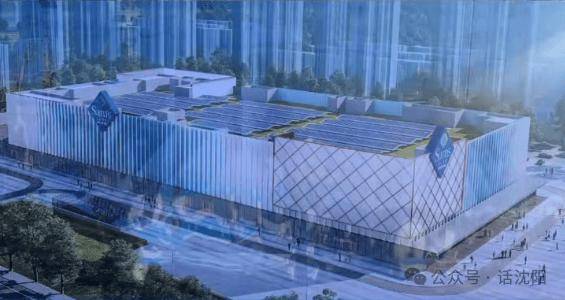
NEWS 栋察早报 内容提要 关注 ▶山姆二店长这样,变化这么大? 金融 ▶3482亿+437亿 多项数据创近年新高 文旅 ▶沈阳16条精品线路适配不同游客 聚焦 ▶直接融资"三级跳" 辽宁靠什么 沈阳山姆二店长这样!变化这么大? 近日,沈阳市皇姑区鸭绿江街圣安路东南侧的地块绿色围挡上悄然出现了"山姆第四代全渠道店""山姆品质生活"的字样,随后没几天,效果图也安装在围 挡上了。网友们纷纷议论:沈阳山姆二店,稳了! 从效果图来看,山姆第四代全渠道店的外观与沈阳和平店的传统风格完全不一样,融合了现代商业建筑的简洁线条与沉浸式体验元素,设计注重空间层次 感。有网友感叹说:"变化这么大?" 事实上,该项目的落地早有信号。去年6月27日,皇姑区政府与沃尔玛在深圳签约,宣布山姆会员商店将落户皇姑区首府新区。这也是继和平店之后,山 姆在沈阳的第二家门店。 热点 ▶沈阳莫子山国际会议中心流拍 项目 ▶吕志成到沈北新区调研部分文旅项目 然而签约之后,项目进展一度未有明显动静。直至此次围挡"挂牌",才意味着沈阳山姆二店正式进入实质性推进阶段,距离动工更近一步。 所谓"山姆第四代全渠道店",是山姆在2020年代推出的全新门店模式, ...
加力以旧换新,推出消费红包!新春消费迎政策“大礼包”
2 1 Shi Ji Jing Ji Bao Dao· 2026-02-02 12:19
Group 1 - The core idea of the news is the launch of the "2026 'Buy New Year' Special Activity Plan" by the Ministry of Commerce and nine other departments to stimulate consumer spending during the Spring Festival, which will take place from February 15 to 23, covering nine days of holiday [1] - The activity plan includes six components: food, accommodation, transportation, tourism, shopping, and entertainment, focusing on cultural traditions, family reunions, and shopping needs, aiming to create diverse consumption scenarios [1][2] - The plan is expected to enhance economic vitality and improve residents' happiness by stimulating consumption potential through various measures [1] Group 2 - The "Good Purchase" section of the plan encourages retail sectors to conduct promotional activities, including setting up market areas for New Year goods and supporting local fairs [2] - A series of support measures are introduced, such as prize invoices, increased subsidies for old-for-new exchanges, and enhanced financial support through consumption red envelopes and discounts [3] - The old-for-new policy is highlighted as a key driver for consumption, with an expected sales volume of 3.92 trillion yuan in 2025 benefiting 494 million consumers [3][4] Group 3 - The plan aims to promote green consumption and reduce resource waste while stimulating demand for product upgrades through increased old-for-new exchanges [4] - Financial support for consumption is expected to increase, with a projected 500 billion yuan in fiscal funds for 2026, expanding the scope of consumption incentives [5] - The integration of transportation and tourism is emphasized, with measures to enhance inbound tourism and optimize shopping experiences for international travelers [6][7] Group 4 - The plan encourages collaboration between financial institutions and key merchants to launch exclusive Spring Festival activities, including discounts and digital currency incentives [8][9] - Cross-industry collaborations are promoted, linking various sectors such as dining, accommodation, and entertainment to create bundled offers for consumers [9][10] - Overall, the combination of these policies is expected to effectively stimulate domestic demand, promote consumption upgrades, and support the recovery of the real economy [10]