
能源战略

Search documents
谈判临近,美国却突然夹带“私货”!中美关税战,不会那么轻易落幕
Sou Hu Cai Jing· 2025-08-20 18:50
Group 1 - The core viewpoint of the article is that the US-China trade negotiations are complicated by underlying geopolitical tensions, with the US attempting to leverage issues unrelated to trade to gain an advantage [1][5][12] - The US is reportedly using China's dealings with Russia and Iran as a bargaining chip, indicating a strategy that goes beyond trade discussions [5][6] - The article highlights that the US's approach may backfire, as China is no longer intimidated and is actively seeking to strengthen ties with Europe [11][12] Group 2 - The trade war has significantly impacted US companies, with a report indicating that tariffs on China have cost American businesses over $50 billion annually [8] - The article notes that China's manufacturing value-added accounts for 31% of the global total, showcasing its strong position in the global supply chain [8] - The US's attempts to pressure China may lead to a shift in supply chains, with Chinese companies looking to strengthen ties with ASEAN and the EU [9][10] Group 3 - The recent closed-door meeting between EU and Chinese leaders resulted in important consensus, indicating a growing partnership that may exclude US influence [10][11] - European leaders are increasingly asserting their independence from the US, with statements indicating a refusal to be treated as subordinates [11][12] - The article suggests that the trade war initiated by the US has inadvertently catalyzed closer cooperation between China and Europe, challenging US dominance [11][12]

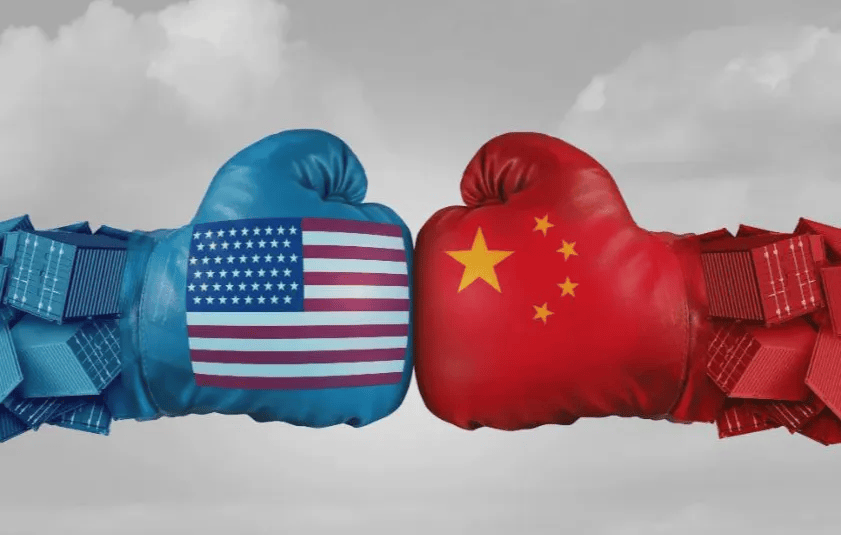
印度被特朗普吓得停买俄油,俄罗斯转头打折卖给中国,这场能源生意的枪声,比关税还响
Sou Hu Cai Jing· 2025-08-17 12:59
Group 1 - The core issue revolves around India's significant reduction in Russian oil imports following Trump's threats and tariffs, leading to a shift in energy supply dynamics towards China [2][3] - Russia is redirecting its oil exports to China, offering additional discounts, making the oil prices extremely competitive at around $64 to $66 per barrel, with an extra $1 discount [2][3] - The geopolitical landscape is shifting, with India potentially losing its position as a primary buyer of Russian oil, while China is poised to benefit from a stable and cheaper energy source [3][4] Group 2 - The implications of cheaper Russian oil for China include reduced costs for gasoline, chemical raw materials, and plastic exports, which can stabilize consumer prices and corporate expenses [3] - The potential for a new energy supply route to China could solidify its position in the global energy market, making it less reliant on any single supplier [3][4] - The situation remains fluid, with the possibility of India re-engaging with Russian oil if U.S.-India negotiations succeed, but the established channel to China may prove difficult to dismantle [4]
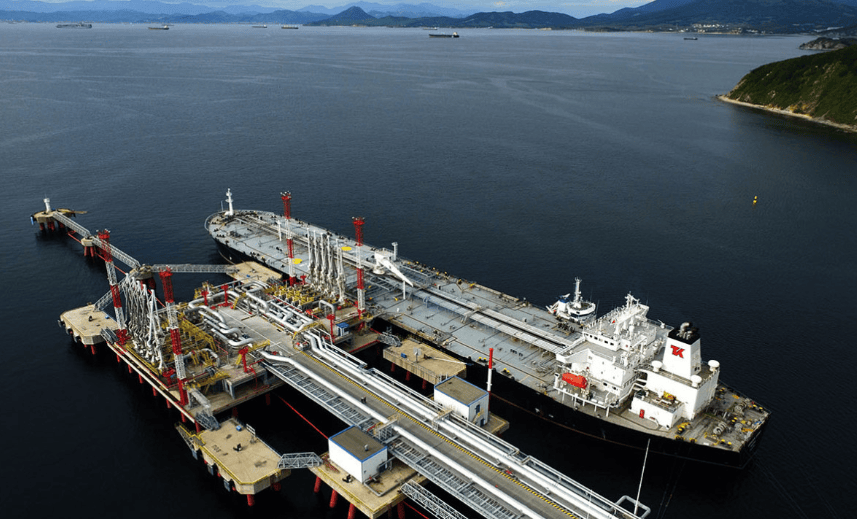
印度遭遇重创,特朗普对中国签下总统令,莫迪在中美两头碰壁
Sou Hu Cai Jing· 2025-08-14 09:26
Core Viewpoint - India's diplomatic strategy, characterized as a "fence-sitting" approach, has backfired amid the US-China rivalry, leading to increased pressure from the US and a need to recalibrate relations with China [1][8][37]. Group 1: Diplomatic Relations - The signing of a presidential order by Trump to extend the tariff suspension with China has significantly impacted India's position in international trade, undermining its efforts to strengthen ties with the US [4][6]. - Despite India's willingness to cooperate in multiple rounds of trade negotiations with the US, no substantial agreements have been reached due to stringent US demands [6][11]. - India's strategy of balancing relations between the US and China has become increasingly precarious, especially with its continued import of Russian oil, which has strained US-India relations [10][20][24]. Group 2: Economic Implications - India's reliance on Russian oil imports has positioned Russia as a major supplier, complicating its energy strategy and leading to heightened tensions with the US [18][20]. - The Modi government recognizes the need for energy diversification and security, viewing cooperation with Russia as essential despite the diplomatic fallout with the US [27][29]. - The deterioration of US-India relations could result in India losing influence in other international matters, prompting the government to seek a more balanced diplomatic approach [29][31]. Group 3: Future Outlook - Moving forward, India must adjust its foreign policy to avoid isolation, balancing its relationships with the US, China, and Russia while maintaining strategic autonomy [34][35]. - The Modi administration faces the challenge of navigating complex international dynamics without compromising India's independence, which will be crucial for its global standing [35][37].
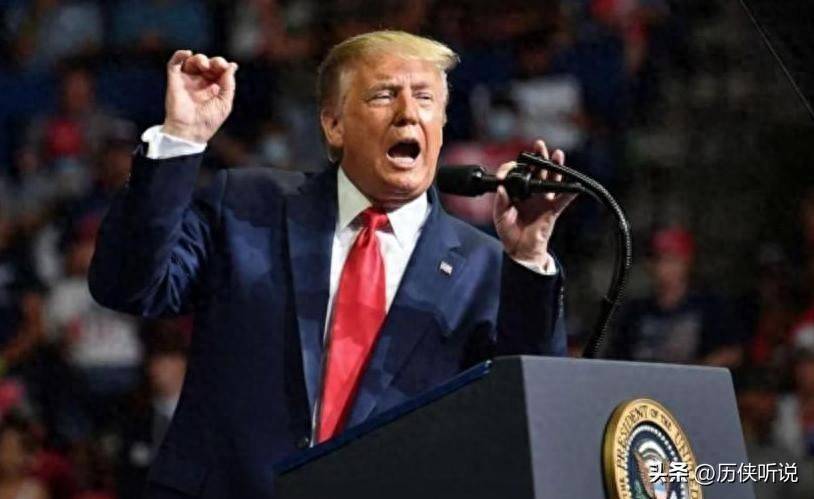
最后通牒前夜!普京亮出能源底牌,中国手握两张王牌破局?
Sou Hu Cai Jing· 2025-08-14 02:48
Core Insights - The U.S. Treasury's ultimatum threatens countries purchasing Russian oil with high tariffs, impacting global energy dynamics [1] - China's oil imports from Russia have significantly increased, highlighting the strategic energy partnership between the two nations [3] - China's diversified energy strategy includes both traditional and renewable sources, enhancing its energy security [4] Group 1: U.S. Tariff Threats and Market Reactions - The U.S. is leveraging its shale oil surplus to impose tariffs on countries buying Russian oil, which has led to a drastic drop in U.S. oil exports to China by 54% in Q1 2025 [3] - American companies like Ford and General Motors are experiencing significant financial losses due to the tariff implications [3] Group 2: China's Energy Strategy - China imported 15.68 million tons of oil from Russia in the first two months of 2025, a 23.8% increase, making up 19% of its total oil imports [3] - The construction of the second line of the China-Russia oil pipeline is set to increase capacity to 50 million tons by 2026, enhancing energy supply resilience [4] Group 3: Tactical Adjustments and Balancing Acts - China is adjusting its oil procurement strategy to maintain energy cooperation with Russia while creating negotiation space [7] - The simultaneous docking of U.S. shale oil and Russian oil tankers at Tianjin Port illustrates China's ability to balance energy imports from both nations [9] Group 4: Technological and Financial Innovations - The tariff threats have accelerated advancements in renewable energy technologies, such as the world's largest liquid sunlight fuel project in Qinghai [12] - The proportion of energy trade settled in RMB has surged to 60%, indicating a shift in financial dynamics in energy trade [12] Group 5: Overall Energy Supply and Future Outlook - Russian oil supply to China increased by 11.3% in the first half of 2025, indicating a robust energy partnership despite external pressures [15] - China's energy strategy is evolving to include both traditional and renewable energy sources, creating a comprehensive defense against geopolitical risks [15]

BP在巴西近海发现大型油田
Zhong Guo Hua Gong Bao· 2025-08-11 02:42
Core Insights - BP announced the discovery of the largest oil and gas field in the Santos Basin offshore Brazil in the past 25 years, indicating significant reserves of oil and gas [1] - This marks BP's 10th oil and gas discovery in 2023, with additional finds in Trinidad and Tobago, and Egypt [1] - Following a strategic shift towards renewable energy, BP has reaffirmed its commitment to fossil fuels, aiming to increase global oil and gas production to 2.3 to 2.5 million barrels of oil equivalent per day by 2030 [1] Production Plans - BP projects a production level of 2.4 million barrels of oil equivalent per day for 2024, with a slight decline expected in 2025 [1] - The company acquired the rights to the new discovery block in December 2022 under "very favorable commercial terms," holding 100% ownership [1] Management and Partnerships - The Brazilian state-owned company, Pre-Salt Petroleum, will act as the contract manager for production sharing in the newly discovered block [1]

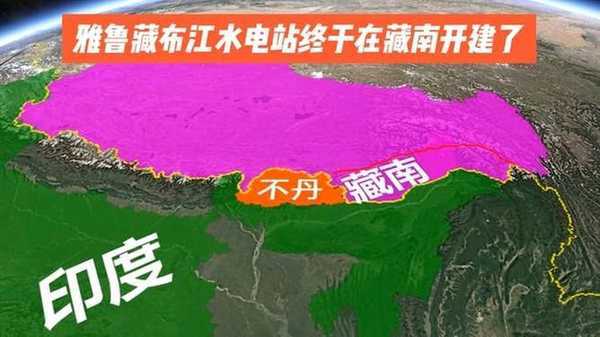
雅鲁藏布江水电工程的开发,证明中国已经布局到2050年
Sou Hu Cai Jing· 2025-07-22 02:47
Core Viewpoint - The construction of the Yarlung Tsangpo River hydropower project in southern Tibet marks a significant step in China's energy strategy, aiming for a comprehensive energy layout by 2050 [4]. Group 1: Project Overview - The Yarlung Tsangpo River hydropower project has an investment of 1.2 trillion RMB and is expected to generate power exceeding four times that of the Three Gorges Project [4]. - The project is part of a broader strategy to ensure energy security and economic growth, allowing China to export electricity to neighboring countries [8]. Group 2: Strategic Importance - The establishment of the Yarlung River Group to oversee the project indicates high-level governmental support and strategic importance [4]. - The project is not only about energy supply but also serves as a national strategy amidst geopolitical tensions, particularly with India and the U.S. [9][10]. Group 3: Future Energy Landscape - China's electricity generation accounts for one-third of the global total, which is 2.5 times that of the U.S., highlighting its leading position in energy production [6]. - The demand for electricity is expected to increase significantly due to advancements in artificial intelligence, robotics, and other technologies [7]. - The project is designed with a long-term perspective, considering energy needs up to 2050, and aims to set new standards in clean energy and carbon emissions [11].
2013年中国315亿元接手美国抛弃的油田,遭西方嘲笑,如今赚大了
Sou Hu Cai Jing· 2025-07-15 09:53
Core Insights - In 2013, China invested 31.5 billion yuan to acquire nearly 20% of the Kashagan oil field, becoming its largest shareholder, despite skepticism from Western countries regarding the investment's viability [1][12] - The Kashagan oil field, discovered in 1999, has an estimated reserve of 35 billion barrels, with potential daily production sufficient to meet 10% of Europe's oil demand [2][12] - Western countries initially formed the OKIOC consortium to explore and develop the oil field but faced significant challenges, including harsh climate conditions and high upfront investment costs, leading them to withdraw from the project [4][6] Investment and Development - After Western companies abandoned the project, Kazakhstan leveraged its favorable diplomatic relations with China to sell shares of the oil field to China, which was seen as a strategic move [9][12] - China quickly mobilized resources, sending expert teams to Kazakhstan and committing to build oil extraction facilities, resulting in the successful completion of a pipeline that transported 750,000 tons of oil within months [11][12] - By the end of 2016, China's daily oil production reached 450,000 barrels, with plans to increase it to 1 million barrels, significantly altering the global energy market dynamics [12][16] Market Impact - The success of China's investment in the Kashagan oil field has led to a shift in the global oil market, diminishing the dominance of Western countries and enhancing China's energy security strategy [14][16] - The project has not only provided China with substantial energy reserves but has also changed perceptions among Western nations, who now view China's earlier investment as a strategic advantage rather than a misstep [14][16]
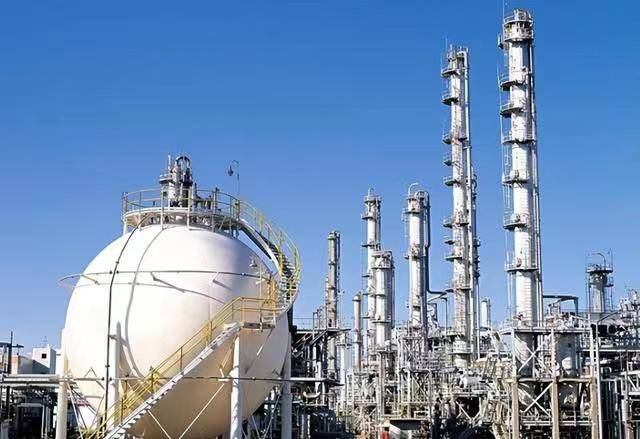
步履蹒跚!欧盟对俄罗斯液化天然气出口实施制裁后迫使其调整航运
Sou Hu Cai Jing· 2025-07-01 08:11
Core Insights - The report by the Center for Energy and Clean Air Research (CREA) highlights Russia's attempt to shift its LNG export routes to domestic waters following the EU's transshipment ban in March 2025, revealing a critical weakness in its energy strategy [1][2] - Despite claims of steady progress on the flagship "Arctic LNG-2" project, the report indicates that logistical challenges and reliance on Western-controlled infrastructure are becoming increasingly apparent [1][3] Group 1: Logistics and Infrastructure - Russia has centralized all transshipment activities at the Murmansk port, with 100% of LNG transshipments occurring domestically from January to May 2025, marking a significant geographical shift [3] - Although ship-to-ship (STS) transshipments only decreased by 8%, the overall transshipment volume dropped by 46%, indicating that Murmansk's facilities cannot match those of European ports [3][5] - The logistics system relies heavily on 15 Arc-7 class LNG carriers, which are crucial for Arctic conditions, but ownership and operational control are distributed among entities from G7 countries, exposing Russia's dependence on Western financial and legal systems [3][5] Group 2: Arctic LNG-2 Project - The "Arctic LNG-2" project, led by Russian gas producer Novatek, continues to progress despite foreign asset freezes and ongoing Western sanctions, with plans to increase annual production capacity to 19.8 million tons through three production lines [8][10] - Analysts warn that sanctions may delay the full construction of "Arctic LNG-2" and limit Russia's ability to deliver LNG to major Asian markets, despite officials asserting that the first production line will be completed as planned [10]
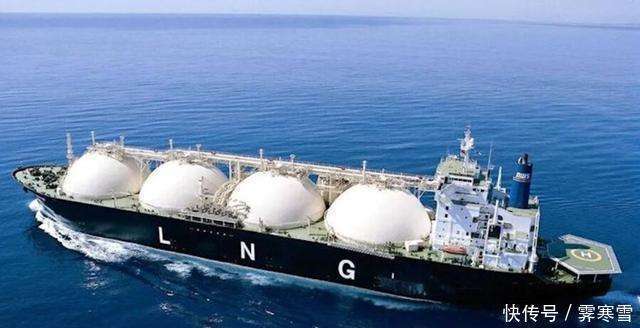
中方回应特朗普要求中国购买美国石油
Sou Hu Cai Jing· 2025-06-25 11:33
Group 1 - Trump's call for China to purchase large quantities of American oil reflects deep economic and political considerations within the U.S. [2][4] - The U.S. oil industry is facing challenges such as production surplus and price volatility due to the pandemic and global energy transition, necessitating the expansion of stable overseas markets [4] - If China, as one of the largest energy consumers, imports significant amounts of U.S. oil, it could provide substantial revenue for American oil companies and help alleviate domestic economic pressures [4] Group 2 - China's response emphasizes its commitment to independent and mutually beneficial energy procurement, rejecting external pressures or unreasonable demands [3][5] - China's energy strategy is based on long-term national development and energy security, aiming to maintain stable partnerships with multiple energy-producing countries [6] - The international reaction to Trump's request has been mixed, with some allies supporting the push for U.S. oil exports, while others criticize the politicization of energy issues [6]

中国工业经济联合会会长、工业和信息化部原部长李毅中: 现代煤化工需控规模促融合
Zhong Guo Hua Gong Bao· 2025-06-24 02:36
Core Viewpoint - The modern coal chemical industry in China is transitioning from traditional and basic chemicals to fine chemicals and coal-based new materials, facing challenges such as green low-carbon development, energy security, and international competition, while also seizing opportunities for technological innovation and industry integration [1] Group 1: Industry Challenges and Opportunities - The modern coal chemical system has achieved industrialization with significant scale, including coal-to-oil, coal-to-gas, coal-to-olefins, and coal-to-ethylene glycol, which are crucial for energy security and low-carbon development [2] - Current challenges include a single product structure, short industrial chains, low capacity utilization leading to poor economic efficiency, high energy consumption, and significant carbon emissions that need to be addressed [2][3] - The government has mandated strict control over new coal production capacity and consumption, requiring comprehensive evaluations for new projects exceeding certain production thresholds [2] Group 2: Upgrading and Technological Innovation - Recommendations for upgrading the modern coal chemical projects include energy-saving and carbon-reducing technology improvements, strict water resource management, and promoting digital transformation for efficiency and safety [3] - Development of fine chemicals is emphasized as a key strategy to enhance value, with a focus on extending production to synthetic resins, synthetic fibers, and high-performance specialty fibers [3] Group 3: Strategic Resource Management - Coal-to-oil production technology has reached advanced levels, but new projects are generally not approved due to its strategic reserve nature, necessitating improvements in economic and technical standards [4] - The shift towards non-fossil energy sources is highlighted, with projections indicating that non-fossil energy generation will rise to 80% by 2050, necessitating a transition from coal-based to electric-based energy solutions [4] Group 4: Environmental Considerations - The coal chemical industry must integrate carbon dioxide management and water resource utilization into its development strategy, with significant carbon emissions produced during coal processing [6] - Current carbon management strategies focus on carbon capture, utilization, and storage (CCUS), resource utilization of CO2, and the coupling of green hydrogen with coal chemical processes [6] Group 5: Industry Collaboration and Development - The coal chemical industry should consider collaboration with related industries to enhance the industrial chain, supply chain, and value chain, while effectively controlling new capacity [7] - The focus should be on high-value products from coal coking byproducts, such as specialty aromatics and carbon fibers, to drive the high-end transformation of traditional industries [7][8]