资源安全

Search documents
破局铝业“三难”,大宗供应链龙头厦门象屿锻造铝产业链韧性闭环
Sou Hu Wang· 2026-01-05 09:19
Core Insights - Aluminum is a key raw material and strategic resource, with China being the largest producer and consumer globally. The country is expected to maintain its leading position in the production of alumina, electrolytic aluminum, aluminum processing materials, and recycled aluminum by 2024, with respective outputs of approximately 85 million tons, 44 million tons, 49.5 million tons, and 10.5 million tons [1] - The Chinese aluminum industry faces challenges such as high dependence on imported bauxite, insufficient resource supply, high carbon emissions, and reliance on imported high-end products. These issues necessitate a transformation and upgrade of the industry [1] - The Ministry of Industry and Information Technology and ten other departments have released the "Implementation Plan for High-Quality Development of the Aluminum Industry (2025-2027)", which sets quantitative goals for resource security, industrial layout, and technological innovation [1] Resource Security - China's bauxite reserves account for only 3% of global reserves, with a high import dependency of 65%, making resource security a critical issue for the industry [3] - Xiamen Xiangyu is strategically focusing on resource security by penetrating domestic mining areas and investing in overseas bauxite resources, particularly in Indonesia, to secure production capacity and enhance international pricing power [3] Manufacturing Transition - The aluminum processing industry's high-end transformation is a core focus of the "Implementation Plan". Currently, 68% of domestic aluminum capacity is concentrated in low-end sectors, with over 60% of high-performance aluminum alloys for aerospace and electric vehicles being imported [4] - Xiamen Xiangyu's parent company, Xiangyu Group, has invested 3.6 billion yuan in restructuring Zhongwang Group, aiming to upgrade the industry and enhance production capabilities across various segments, including electric aluminum and deep processing [4][5] Supply Chain Integration - Xiamen Xiangyu aims to leverage its supply chain service advantages alongside Zhongwang's manufacturing capabilities, adopting a model that integrates industrial operations with supply chain services to activate existing capacities and penetrate high-end markets [5] - The transition from a traditional supply chain to an integrated manufacturing model allows for rapid construction of vertical integration capabilities, addressing resource anxiety and technological bottlenecks while aligning with national strategies for resource security and low-carbon transformation [6]

七部门联手加强再生材料应用推广
Xin Lang Cai Jing· 2026-01-03 23:23
Core Viewpoint - The "Action Plan for Promoting the Application of Recycled Materials" aims to increase the application ratio of recycled materials, accelerate the green and low-carbon transformation of key industries, ensure the safety of industrial and supply chains, and enhance the effectiveness of the circular economy [1][2]. Group 1: Goals and Objectives - By 2030, the recycling system for waste will be further improved, with annual recycling volumes of waste steel and waste paper exceeding 300 million tons and 8 million tons respectively, and production of recycled non-ferrous metals and recycled plastics reaching over 25 million tons and 19.5 million tons respectively [1][2]. - The application of recycled materials in sectors such as automotive, electronics, textiles, and packaging will steadily increase, enhancing their role in resource security and energy conservation [1][2]. Group 2: Supply and Demand Enhancements - The plan emphasizes enhancing the supply capacity of recycled steel, improving the supply level of recycled non-ferrous metals, and increasing the production capacity of high-quality recycled plastics [2]. - It encourages the application of more recycled materials in automotive manufacturing, electronics, and battery production, while promoting the use of recycled materials in textiles and packaging [2]. Group 3: Policy and Management Framework - The plan proposes to establish a standard certification system for the promotion and application of recycled materials, advance data traceability management, and improve market mechanisms for carbon reduction related to recycled materials [2]. - It aims to create incentive policies for promoting the application of recycled materials and facilitate the utilization of overseas recycled raw materials [2]. Group 4: Significance and Impact - The implementation of the "Action Plan" is seen as a significant step towards transforming resource utilization methods and improving resource efficiency, contributing to the green and low-carbon transformation of key industries and the stability of supply chains [3].
有色金属行业年度策略:烈火烹油,牛市仍在途
LIANCHU SECURITIES· 2025-12-29 10:02
Group 1: Overall Industry Insights - The non-ferrous metals industry is experiencing a significant transformation due to geopolitical shifts and economic changes, leading to a re-evaluation of resource values and pricing mechanisms [18][24][25] - The year 2025 marked a historic bull market for precious metals, particularly gold and silver, which redefined their financial and hedging attributes [18][27] - The non-ferrous metals sector has shown remarkable performance, with the Shenwan Non-ferrous Metals Index achieving an annual increase of 87.05%, outperforming major market indices [20] Group 2: Gold Market Analysis - The long-term bullish logic supporting gold remains intact, with expectations for a structured upward trend in gold prices through 2026, driven by a weakening US dollar and rising debt risks [3][34] - The anticipated transition in US Federal Reserve leadership is expected to create short-term trading opportunities around gold prices, influenced by market uncertainties [4][34] - The demand for gold from central banks is expected to slow down, impacting the overall market dynamics for gold in the near term [3][34] Group 3: Copper Market Dynamics - The copper supply is entering a long-term structural bottleneck, with a significant decrease in new mine production expected by 2026, enhancing the bargaining power of core mines [5][9] - The smelting sector is facing a "zero processing fee" era, leading to accelerated industry consolidation as high-cost smelting enterprises exit the market [9][10] - The fundamental support for copper prices is strong, with an expected widening supply-demand gap in 2026, indicating a trend of rising prices [9][10] Group 4: Aluminum Market Trends - The aluminum industry is witnessing a shift in value dynamics, with a focus on structural premiums due to increased reliance on imported resources [10][11] - The market for alumina is expected to face challenges due to oversupply and pressure on profitability, while the electrolytic aluminum sector is poised for growth driven by energy value [10][11] - The profitability within the aluminum industry is anticipated to concentrate further towards the downstream smelting segment, presenting investment opportunities [10][11] Group 5: Lithium Market Outlook - The lithium market is projected to experience a dual increase in supply and demand in 2026, although there are risks of mismatched release rhythms [11][12] - The recovery in lithium prices is expected to be supported by a rebound in demand from the energy storage sector, despite uncertainties in the electric vehicle market [11][13] - Investors are advised to monitor the construction and installation pace of domestic energy storage projects to better capture investment opportunities in the lithium sector [11][13]
“稀世珍宝”再现我国,多国想用先进技术来换,都被我国逐一拒绝
Sou Hu Cai Jing· 2025-12-24 19:39
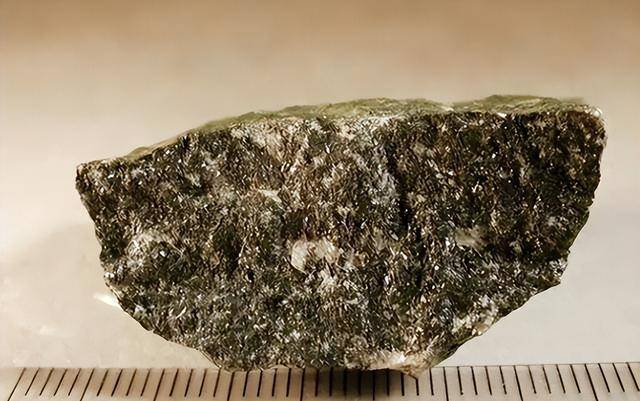
Core Viewpoint - The discovery of rhenium reserves in China significantly enhances the country's resource security and reduces reliance on imports, positioning China as a key player in the global rhenium market [10][25]. Group 1: Rhenium Reserves and Production - Rhenium is a rare transition metal with a very high melting point of 3186 degrees Celsius and is found in the Earth's crust at a concentration of one part per billion [2]. - Global known rhenium reserves are less than 2500 tons, primarily located in Chile (1300 tons), the USA (390 tons), and Russia (310 tons) [4]. - China has made significant strides in rhenium exploration since the 1960s, developing its own production chain and reducing dependency on imports [5]. Group 2: Recent Discoveries and Impacts - In 2010, a significant rhenium deposit of 176 tons was discovered in Shaanxi, accounting for 7% of global reserves, followed by another discovery of 30 tons in Anhui in 2017 [7][9]. - These discoveries have alleviated the rhenium supply gap in China, with domestic production capabilities improving [9]. Group 3: Global Demand and Strategic Importance - Rhenium is crucial in high-temperature applications, particularly in aerospace, where 80% of rhenium is used in turbine blade alloys [10][19]. - The global demand for rhenium is increasing, and with China's reserves, the country has gained leverage in the international market [10][17]. Group 4: International Reactions and China's Position - Following the discovery of rhenium reserves, Western countries, led by the USA, sought to exchange advanced technology for access to China's rhenium resources, but these proposals were declined [12][15]. - China's firm stance on maintaining control over its rhenium resources reflects its focus on national security and self-sufficiency [17][25]. Group 5: Future Prospects and Applications - Rhenium has diverse applications beyond aerospace, including in rocket nozzles, medical isotopes for cancer treatment, and environmental catalysts [21][23]. - China's investment in refining technology and exploration is expected to further enhance its rhenium production capabilities and secure its position in the global market [23][25].

赚翻了!14年中国70亿美元收购邦巴斯铜矿,如今总价值超千亿美元
Sou Hu Cai Jing· 2025-12-18 12:42
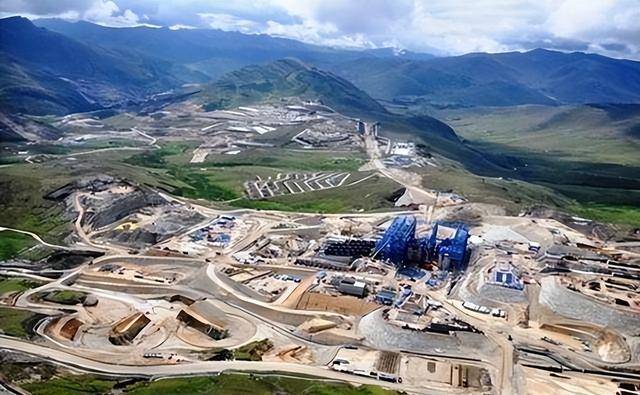
Core Insights - The Las Bambas copper mine in Peru, acquired by a consortium led by China Minmetals for $7 billion, has significantly increased in value, now estimated to exceed $100 billion [2][4][12] - The mine has become a crucial asset for China's resource security, contributing to the country's copper supply and supporting its manufacturing sector [10][16] Group 1: Acquisition Details - China Minmetals, along with CITIC Metal and Guoxin International, purchased Las Bambas from Glencore's subsidiary for a total of $7.005 billion, which included both equity and capital expenditures [4][5] - The mine is located in the Apurímac region of Peru, with proven copper reserves exceeding 10 million tons and an average grade of 0.62% [5][7] Group 2: Production and Economic Impact - Since its commissioning in January 2016, the mine has produced a total of 3.1 million tons of copper, with an expected annual output of 400,000 tons by 2025 [12][16] - The mine contributes approximately 1% to Peru's GDP and has tripled the average income in the Apurímac region [12][14] Group 3: Operational Challenges and Innovations - The mine has faced operational challenges, including community protests and illegal mining activities, which have impacted production [14][16] - To enhance operational efficiency, the mine has implemented automation technologies, reducing safety incidents and maintaining stable production levels during the pandemic [16][18] Group 4: Strategic Importance - Las Bambas plays a vital role in China's copper supply chain, accounting for 14% of the country's copper imports and helping stabilize prices amid market fluctuations [10][16] - The project exemplifies China's strategic approach to securing resources abroad, demonstrating a successful model for overseas investments in the mining sector [18]
五矿商会刘丹阳:将各方力量凝聚成“一块坚硬的钢铁”,筑牢资源安全堤坝
Xin Hua Cai Jing· 2025-12-18 05:41
Core Viewpoint - The global supply chain is undergoing significant restructuring, elevating the strategic importance of securing key mineral resources, including iron ore, to unprecedented levels [1][2]. Group 1: Industry Developments - The China Minmetals Import and Export Chamber of Commerce (Minmetals Chamber) has been actively working on high-quality development and resource security in the steel industry [1]. - Since 2023, the Minmetals Chamber has been responsible for collecting, organizing, analyzing, and verifying import and export information for iron ore, copper concentrate, crude oil, potash fertilizer, and rare earths, providing services to over 3,000 enterprises [1]. - The Minmetals Chamber has been monitoring market changes and regularly reporting early data on bulk commodity imports and exports to relevant government departments [1]. Group 2: Industry Advocacy - The Minmetals Chamber represents collective industry interests and provides professional guidance for companies facing international trade challenges, including anti-dumping investigations [1]. - The organization has publicly opposed unilateralism and trade bullying, striving to maintain the stability and security of China's steel industry supply chain [1]. Group 3: Sustainability Initiatives - The Minmetals Chamber has developed four international standards related to sustainable minerals, with the "China Mineral Supply Chain Due Diligence Management Guidelines" recognized by major international institutions like the London Metal Exchange (LME) [2]. - The establishment of the "Green Minerals Committee" aims to create a collaborative mechanism for responsible sourcing and sustainable supply chain governance, helping companies gain a competitive edge in global markets [2]. Group 4: Global Cooperation - The Minmetals Chamber is exploring the construction of a diversified and resilient global resource supply network, including hosting events like the "China-Africa Green Minerals Cooperation Exchange" to identify new resource collaboration opportunities [2]. - The organization emphasizes the need for strategic leadership, policy coordination, and active participation from all enterprises to build a robust and sustainable resource security framework [2].
五矿商会刘丹阳:将各方力量凝聚成“一块坚硬的钢铁” 筑牢资源安全堤坝
Xin Hua Cai Jing· 2025-12-18 05:36
Core Viewpoint - The global supply chain is undergoing significant restructuring, making the security of key mineral resources, including iron ore, a strategic priority that must be addressed in the current era [1]. Group 1: Industry Developments - The China Minmetals Trade Association (CMTA) has been actively working on high-quality development and resource security in the steel industry, focusing on regulating the import and export order of bulk commodities [1]. - Starting in 2023, CMTA is responsible for collecting, organizing, analyzing, and verifying import and export information for iron ore, copper concentrate, crude oil, potash, and rare earths, providing services to over 3,000 enterprises and reporting early data to relevant departments [1]. - CMTA is committed to representing the collective interests of the industry and providing professional guidance for companies facing international trade challenges, opposing unilateralism and trade bullying to maintain the stability and security of China's steel industry chain [1]. Group 2: Green Transformation and Standards - CMTA has developed four international standards related to sustainable minerals, with the "China Mineral Supply Chain Due Diligence Management Guidelines" recognized by major international institutions like the London Metal Exchange (LME), allowing Chinese companies to use "Chinese standards" in international transactions [2]. - The establishment of the "Green Minerals Committee" aims to create a collaborative mechanism for responsible sourcing and sustainable supply chain governance, helping companies gain a competitive edge in global markets [2]. Group 3: Global Cooperation and Resource Supply - CMTA is exploring the construction of a diversified and resilient global resource supply network, including hosting "China-Africa Green Mineral Cooperation Exchange Activities" to help enterprises discover new resource cooperation opportunities [2]. - The organization emphasizes that ensuring resource security requires strategic leadership, policy coordination, and active participation from all enterprises, as well as dialogue and cooperation from the international community [2].
自然资源部:要发展壮大海洋新兴产业,推动海洋经济高质量发展
Zheng Quan Shi Bao Wang· 2025-12-13 08:09
Core Viewpoint - The meeting led by the Minister of Natural Resources emphasizes the integration of the Central Economic Work Conference's spirit with the 20th National Congress of the Communist Party, focusing on the planning and implementation of the 14th Five-Year Plan for natural resources and key tasks for 2026 [1] Group 1: Planning and Development - The meeting highlights the need for high-quality preparation of the "14th Five-Year" plan in the natural resources sector, aiming for scientific planning and advancement of major reform and development tasks [1] - There is a focus on evaluating and optimizing land spatial planning to ensure the allocation of resources for major projects [1] Group 2: Resource Security and Management - The meeting stresses the importance of maintaining a resource security baseline, adhering to farmland protection regulations, and enhancing exploration and development of strategic mineral resources [1] - Policies to revitalize existing resources will be improved, with active support for urban renewal and redevelopment of inefficient land [1] Group 3: Economic Development and Environmental Protection - The development of emerging marine industries is prioritized to promote high-quality growth in the marine economy [1] - The meeting calls for accelerated integration and optimization of natural protection areas, promoting a holistic approach to the protection and management of ecosystems [1] - There is an emphasis on enhancing monitoring and early warning systems for geological and marine disasters to improve responses to extreme weather events [1]
只有中国敢这么干!把白银当稀土管控,新政一出,西方只能被动接招
Sou Hu Cai Jing· 2025-12-12 11:43
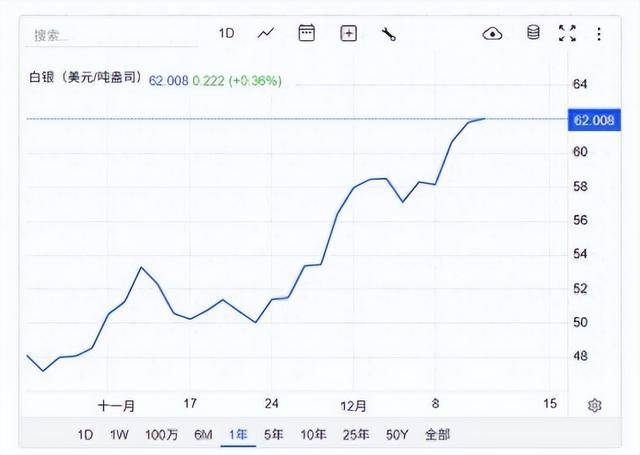
Core Viewpoint - The global silver market is experiencing a significant surge, with spot silver prices surpassing $60 per ounce, driven by China's upcoming export control policy set to take effect in January 2026 [1][19]. Group 1: Export Control Policy - China's Ministry of Commerce announced a new export control policy for silver, requiring state-owned trading companies to declare export qualifications, which includes having a three-year export record or meeting specific production standards [3]. - The new policy shifts from a dual system of quotas and licenses to a stricter export license management, requiring companies to submit usage explanations and downstream customer qualifications for export [5]. - This policy aims to limit disordered exports and low-value-added products, aligning with the management model used for rare earths [5]. Group 2: Industrial Demand for Silver - Silver's industrial demand has surpassed 60%, particularly in the renewable energy and high-tech sectors, making it an essential material [5]. - The photovoltaic industry, where China produces over 80% of global solar modules, significantly drives silver demand, with the domestic installation plan for 2025 alone requiring a substantial amount of silver [7]. - Other sectors such as electronics, medical, and chemical industries also rely heavily on silver due to its superior conductivity and stability, indicating that a supply shortage could halt critical industries [7]. Group 3: Strategic Resource Management - China's export control is primarily aimed at safeguarding domestic development needs and responding to global resource dynamics, as the country faces a growing demand for silver that outpaces its production [9]. - The previous export practices primarily involved low-value primary products, and the new policy encourages domestic companies to focus on high-value-added products, enhancing China's position in the global supply chain [11]. - Western countries, particularly the EU, the US, and Japan, heavily depend on Chinese silver exports, with the EU's photovoltaic companies sourcing over 70% of their silver from China [11]. Group 4: Market Reactions and Price Dynamics - Following the initial signs of the new policy, silver exports to the EU and the US decreased, leading to production slowdowns in German photovoltaic companies and increased costs for US semiconductor firms [13]. - Alternatives for sourcing silver from countries like Mexico and Peru face challenges, including higher production costs and unstable supply, making it difficult for Western countries to find substitutes [13]. - The expectation of continued interest rate cuts by the Federal Reserve and the overall unstable global economic situation have contributed to rising silver prices, as investors seek safe-haven assets [17]. Group 5: Long-term Implications - China's control over silver exports mirrors its previous strategies with rare earths, aiming to gain dominance over strategic resources and break the pricing monopoly held by Western markets [19]. - By regulating global supply through export controls and enhancing the influence of the Shanghai silver futures market, China is working to ensure that silver prices reflect actual supply and demand, thereby increasing its economic leverage [19].
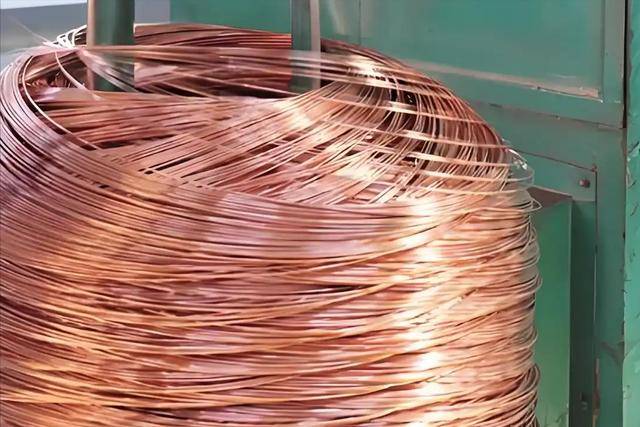
铜价大涨背后:中美铜博弈, “卡脖子”和抢夺产业话语权之战!
Sou Hu Cai Jing· 2025-12-11 10:13
Core Viewpoint - Copper prices are surging due to U.S. policies that restrict supply and manipulate trade flows, creating challenges for global copper businesses, particularly in China [2][4][9]. Group 1: Price Surge and Market Dynamics - London copper prices have surpassed $11,700 per ton, while Shanghai copper has reached 91,000 yuan per ton, leading to confusion among copper traders [4]. - The U.S. holds 62% of global copper inventory, amounting to 430,000 tons, which is causing market anxiety [4][6]. - U.S. investigations into copper supply under the guise of "national security" have prompted global traders to rush copper shipments to the U.S., leaving Asian companies struggling to secure supplies [7]. Group 2: Impact on Chinese Enterprises - Chinese companies face high copper prices while struggling with increased costs for processed products, resulting in a dual pressure on their profitability [7][12]. - U.S. tariffs of up to 50% on copper are disrupting trade flows, further complicating the situation for Chinese businesses [9]. - The rising costs of raw materials, with raw material costs accounting for 70% of processing expenses, are squeezing profit margins for midstream processing companies [12]. Group 3: U.S. Strategy and Its Implications - The U.S. is collaborating with the Democratic Republic of the Congo to secure copper resources while hindering Chinese and South American mining partnerships [10]. - The U.S. aims to control copper supply to slow down China's transition to electric vehicles and renewable energy, where copper demand is significantly higher [13][30]. Group 4: China's Response and Strategic Moves - China is actively seeking new mining opportunities globally, with companies like Zijin Mining and Jiangxi Copper expanding operations in Africa and South America [15][17]. - Technological innovations, such as aluminum-based conductors and optimized solar power designs, are being implemented to reduce copper usage by up to 30% and 25%, respectively [19][21]. - China is pushing for "renminbi-denominated copper futures" to mitigate price volatility and enhance its pricing power in the copper market [23]. Group 5: Global Resource Security and Future Outlook - The ongoing copper market dynamics highlight the importance of resource security, prompting the EU to introduce the "Critical Raw Materials Act" for strategic reserves [25]. - The potential development of new materials that could replace copper poses a long-term risk to copper's market position [25]. - The competition between the U.S. and China in the copper sector reflects broader industrial power struggles, with China's comprehensive approach to resource management and technology positioning it favorably for future demand [30][32].