长臂管辖

Search documents
商务部:坚决反对美对华半导体产品加征301关税,已提出严正交涉
中国基金报· 2025-12-25 07:44
商务部回应美封锁进出委内瑞拉受制裁油轮:坚决反对"长臂管辖" 针对美国近期下令封锁进出委内瑞拉的所有受制裁油轮,商务部新闻发言人何咏前25日在例行新闻发布 会上表示,中方一贯坚决反对有关国家滥施单边制裁和所谓的"长臂管辖",随意拦截他国油轮不仅可能 扰动国际能源市场正常运行,还有可能引发其他安全风险。发布会上,有记者问:美国近期下令封锁进 出委内瑞拉的所有受制裁油轮,并已经拦截了三艘油轮。中国是委内瑞拉原油的主要买家之一,请问此 举将对中委原油贸易产生什么影响?中国商务部对美国此举有何回应?何咏前作出上述回应。 何咏前还表示,委内瑞拉同其他国家在国际法框架内开展经贸合作是正常的,也是合理、合法的,这一 权利应当得到尊重和支持。 来源:新华社 商务部新闻发言人何咏前25日在回答关于美宣布对部分中国半导体产品加征301关税的有关 提问时说,中方注意到有关情况,已通过中美经贸磋商机制向美方提出严正交涉。中方不认 同美方301调查的所谓结论,坚决反对美对华半导体产品加征301关税。 在商务部当天举行的例行新闻发布会上,有记者问:美东时间12月23日,美国贸易代表办公 室发布针对中国半导体政策301调查结果,宣布对部分 ...

商务部回应美封锁进出委内瑞拉受制裁油轮:坚决反对“长臂管辖”
Xin Lang Cai Jing· 2025-12-25 07:14
何咏前还表示,委内瑞拉同其他国家在国际法框架内开展经贸合作是正常的,也是合理、合法的,这一 权利应当得到尊重和支持。(新华社) 针对美国近期下令封锁进出委内瑞拉的所有受制裁油轮,商务部新闻发言人何咏前25日在例行新闻发布 会上表示,中方一贯坚决反对有关国家滥施单边制裁和所谓的"长臂管辖",随意拦截他国油轮不仅可能 扰动国际能源市场正常运行,还有可能引发其他安全风险。 发布会上,有记者问:美国近期下令封锁进出委内瑞拉的所有受制裁油轮,并已经拦截了三艘油轮。中 国是委内瑞拉原油的主要买家之一,请问此举将对中委原油贸易产生什么影响?中国商务部对美国此举 有何回应?何咏前作出上述回应。 发布会上,有记者问:美国近期下令封锁进出委内瑞拉的所有受制裁油轮,并已经拦截了三艘油轮。中 国是委内瑞拉原油的主要买家之一,请问此举将对中委原油贸易产生什么影响?中国商务部对美国此举 有何回应?何咏前作出上述回应。 何咏前还表示,委内瑞拉同其他国家在国际法框架内开展经贸合作是正常的,也是合理、合法的,这一 权利应当得到尊重和支持。(新华社) 针对美国近期下令封锁进出委内瑞拉的所有受制裁油轮,商务部新闻发言人何咏前25日在例行新闻发布 ...
牛弹琴:现在,欧洲情绪很不稳定
Xin Lang Cai Jing· 2025-12-24 23:37
Core Viewpoint - The article discusses the escalating tensions between the United States and Europe regarding digital policy, particularly focusing on the U.S. sanctions against European officials involved in the EU's Digital Services Act, which imposes strict regulations on social media platforms [2][30][34]. Group 1: U.S. Sanctions and European Response - The U.S. has imposed sanctions on five individuals, including Thierry Breton, the former French finance minister, for their roles in the EU's Digital Services Act [5][30]. - The sanctions are justified by U.S. officials as a response to these individuals allegedly pressuring American platforms to censor content [6][34]. - European officials, including Breton, have condemned the U.S. actions as political persecution and an infringement on European sovereignty [13][41]. Group 2: Implications of the Digital Services Act - The Digital Services Act is described as the world's strictest internet regulation, holding large social media platforms accountable for illegal content and misinformation, with potential fines of up to 6% of global annual revenue for non-compliance [3][31]. - The act has led to significant financial penalties for companies like X (formerly Twitter), which was fined €120 million for violating content rules [8][36]. Group 3: Broader Context of U.S.-Europe Relations - The article highlights a growing rift between the U.S. and Europe, with the U.S. expressing dissatisfaction over European policies perceived as limiting American companies' competitiveness [9][49]. - The tensions are framed within a larger narrative of ideological differences, with Europe advocating for digital sovereignty while the U.S. emphasizes freedom of speech [22][51]. - The situation reflects a shift in the dynamics of international relations, where former allies may find themselves at odds over regulatory approaches [20][48].

终于破案,96吨稀金被追回,13万吨订单被消除!开始跟美国算总账
Sou Hu Cai Jing· 2025-12-19 21:51
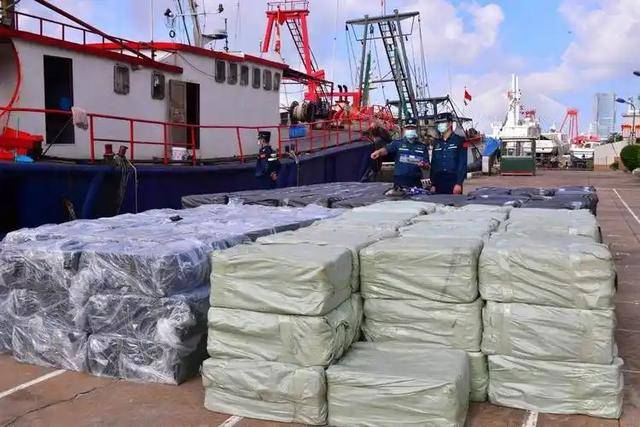
Group 1 - A significant smuggling case involving 166 tons of antimony ingots was thwarted, with 96 tons successfully recovered by customs [3][13][15] - The Shenzhen Intermediate People's Court sentenced the main perpetrator to 12 years in prison, highlighting the severity of the crime [3][19][22] - Antimony is a critical material for manufacturing thermal imaging devices and is essential in the semiconductor industry, making it a strategic resource for national security [5][17] Group 2 - The Chinese government has implemented export controls on antimony and is now approving certain export licenses for rare earth elements, indicating a structured approach to resource management [24][26][38] - Rare earth elements are crucial for various high-tech applications, including military equipment, and the U.S. heavily relies on imports from China for these materials [28][31][32] - The recent export control measures reflect China's strategy to manage its resources while ensuring compliance from legitimate exporters [38] Group 3 - Following the U.S. approval of a $111 billion arms sale, China responded by canceling a 132,000-ton wheat order, signaling its capability to leverage trade as a countermeasure [40][42][46] - The cancellation of the wheat order, while minor in terms of China's overall grain production, serves as a strategic signal to the U.S. regarding the consequences of its actions [44][54] - China's actions demonstrate its resolve to protect its strategic resources and assert its position in international trade negotiations [53][56]
美国升级行动逼迫马杜罗,多国声援委内瑞拉
Huan Qiu Shi Bao· 2025-12-12 22:49
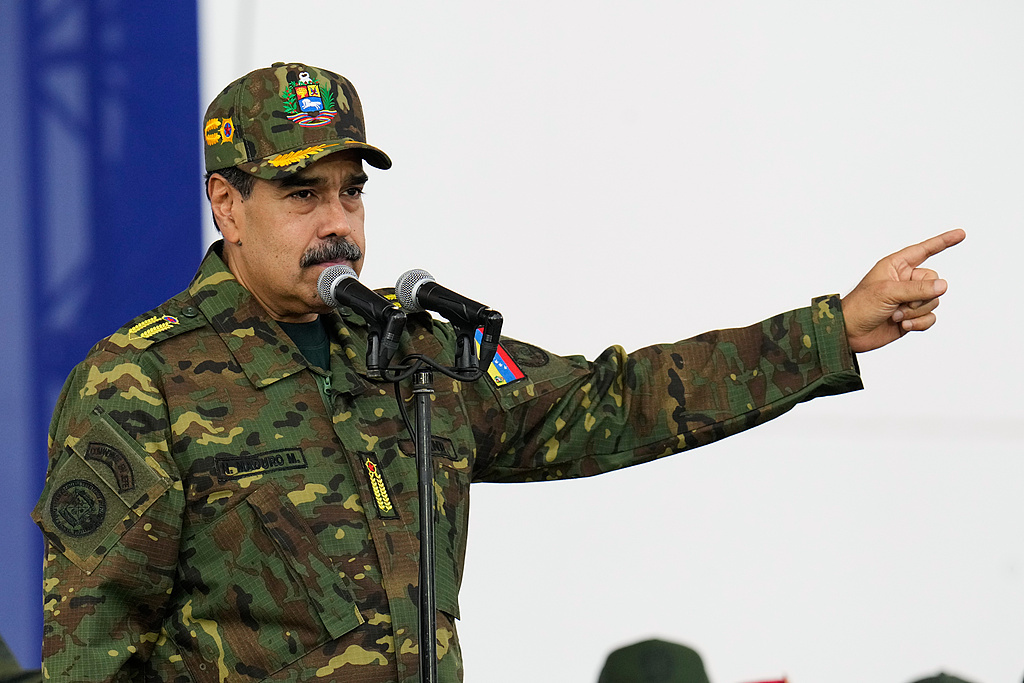
美方策划数月 媒体普遍认为,此次行动标志着美国对委内瑞拉的施压行动显著升级,且还将持续下去。路透社称, 委内瑞拉附近海域还有大约 30艘油轮受到美 国某种形式的制裁。6名知情人士对路透社表示,美国正准备扣押更多运输委内瑞拉石油的船只,美军正在海上监视这些油轮和目前停靠在委内瑞 拉港口的一些船只(这些船只要么正在维修,要么正在装载货物),并等待它们驶入国际水域后再采取行动。 按照外媒说法,这一行动迅速引发寒蝉效应。路透社称,航运消息人士称,美方行动已使参与运输委内瑞拉原油的船东、运营商和海事机构提高 警惕 ,许多人正在重新考虑是否按计划在未来几天从委内瑞拉水域起航。消息人士称,美方行动导致至少一家货运公司暂时中止了3批新装载货 物的航行,这些货物为总计近600万桶委内瑞拉原油。《华盛顿邮报》称,据一位与委内瑞拉政府有联系的人士透露,此次扣押事件令委内瑞拉当 局感到不安。 委内瑞拉外长希尔10日发布政府公报,谴责美方的行动是"无耻的盗窃"以及"国际海盗行为"。英国广播公司(BBC)称,马杜罗称,美国"开启了 一个新时代,一个加勒比海盗犯罪的时代"。 美国全国广播公司(NBC)称,这次戏剧性的扣押事件加剧了人们的猜 ...
48小时风暴再起!欧盟核选项出击,冯德莱恩:12家中企只是开头
Sou Hu Cai Jing· 2025-10-26 16:22
Group 1 - The European Union has unexpectedly included 12 Chinese companies in its latest round of sanctions against Russia, raising concerns about the implications for China-EU relations [2][6][16] - The sanctions target companies involved in oil-related activities, with no substantial evidence provided to justify the accusations against these firms [4][9] - The EU's actions appear to be politically motivated, aiming to align with U.S. interests while creating challenges for Chinese enterprises [11][13] Group 2 - The impact of these sanctions on European manufacturing is significant, with companies facing increased costs and potential supply chain disruptions [21] - Some affected Chinese companies have proactively adapted by relocating production and seeking new markets, demonstrating resilience in the face of adversity [21] - The ongoing tensions and sanctions could lead to a broader economic fallout, affecting various industries and prompting a reevaluation of trade relationships [19][21]
中国一纸矿物质审批,为何能让ASML光刻机产线告急?全球芯片命门浮现
Sou Hu Cai Jing· 2025-10-21 05:49
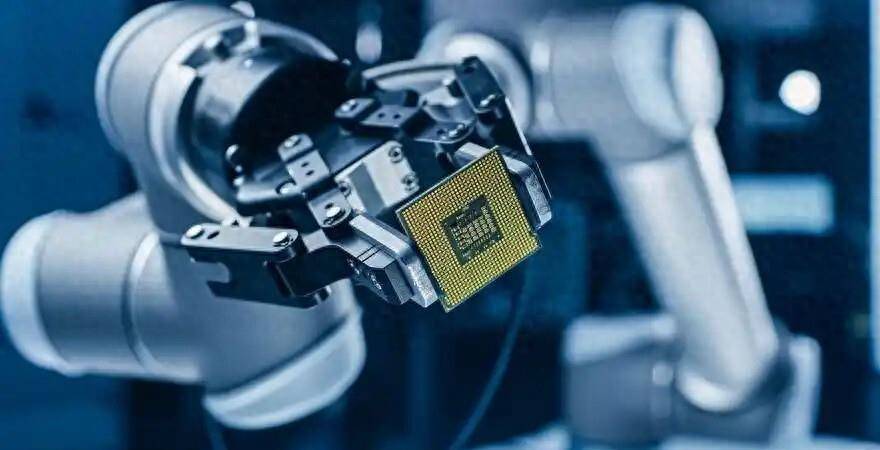
Core Insights - The Chinese Ministry of Commerce has implemented export controls on foreign items and related technologies containing Chinese mineral components, effective from October 9, 2025, under the principle of "long-arm jurisdiction" [1][3]. Policy and Regulations - The export control applies to products containing 0.1% or more of Chinese heavy mineral components or utilizing Chinese mineral technology, requiring approval from Chinese authorities [3]. - Export applications for military users or those related to the development of weapons of mass destruction will be directly rejected [3]. Impact on Semiconductor Industry - China holds a dominant position in the mineral sector, with 37% of global mineral reserves and over 70% of the refining and separation processes, particularly controlling 87% of the global smelting capacity for high-purity heavy minerals used in lithography machines [5]. - ASML is facing an unprecedented supply chain crisis due to the new regulations, with internal assessments indicating a potential 30% decrease in EUV lithography machine capacity if mineral supply disruptions continue [5][7]. - The delivery cycle for each EUV lithography machine is expected to extend from 24 months to 36 months, impacting major semiconductor manufacturers like TSMC, Samsung, and Intel, which are in critical phases of building next-generation chip factories [7]. Defense Industry Consequences - The U.S. defense industry is also affected, with Lockheed Martin's F-35 radar sensitivity declining by 23% due to a lack of neodymium magnets, and Boeing's MQ-25 drone project facing risks due to shortages of mineral permanent magnet motors [9]. - A significant 78% of guided systems in existing U.S. weapon stockpiles are reported to be facing mineral supply crises [9]. Global Supply Chain Repercussions - The export controls have led to a 60% reduction in global EUV lithography mirror coating capacity, with China being the sole producer of high-purity gadolinium gallium garnet crystals necessary for precise temperature control in lithography machines [11]. - Companies attempting to bypass Chinese minerals face challenges, with alternative materials resulting in a 40% cost increase and a 30% performance decline [9]. Strategic Responses - The Chinese semiconductor industry is exploring unique strategies to overcome external technology blockades, such as the "non-lithography compensation" strategy proposed by New Kai Lai, which aims to optimize DUV lithography processes to achieve EUV-like precision [11][13]. - Domestic development of EUV photoresists and auxiliary materials has seen significant progress, with over 30% of key photoresists achieving domestic production rates [13]. Industry Restructuring - The global semiconductor supply chain is undergoing deep restructuring due to China's mineral controls, with the EU aiming for an 80% self-sufficiency rate in minerals by 2030 and the U.S. Department of Defense investing $90 billion to build a domestic mineral supply chain [15]. - The shift from "efficiency-first" to "security-first" in supply chains poses challenges to ASML's global production model [15]. Technological Challenges - Attempts by Japanese companies to replace critical minerals have shown significant performance degradation, with experiments indicating a 47% performance drop in gallium-based magnets after 3000 hours of operation [17]. - China's dual-review mechanism for export controls requires comprehensive data tracing from mines to finished products for any foreign products using Chinese minerals, increasing supply chain transparency challenges for ASML [17].

美方已丧失谈判主动权
Zhong Guo Xin Wen Wang· 2025-10-21 03:59
Core Viewpoint - The recent export control measures on rare earths by China have raised concerns among U.S. politicians, who claim these actions will significantly impact various industries globally, including semiconductors and artificial intelligence, while China asserts that these measures are not targeted at specific countries and are aimed at preventing illegal use of rare earths [1][3][4]. Group 1: China's Position - China has communicated its policy objectives regarding the new export controls to relevant countries, including the U.S., to reduce misunderstandings [3]. - The export control measures are designed to prevent rare earths from being used for large-scale weapons and are not a ban on exports [3][4]. - China maintains that it has the right to decide how to sell its rare earths, given that it produces over 90% of high-performance rare earth magnets globally [3][4]. Group 2: U.S. Response and Criticism - U.S. officials have accused China of "long-arm jurisdiction," but this perspective is seen as a misinterpretation of China's legitimate trade regulations [4][5]. - The U.S. has been expanding its own security boundaries, implementing export restrictions on semiconductors and AI, which raises questions about the consistency and rationale behind its actions [5][6]. - The U.S. has faced criticism for its approach to trade negotiations, which is perceived as coercive rather than collaborative [8]. Group 3: Future Implications - The tension surrounding these export controls highlights a shift in trade negotiation dynamics, suggesting that the U.S. may not hold the upper hand in future discussions [6]. - Both China and the U.S. have agreed to engage in new rounds of economic talks, indicating a potential for dialogue despite existing tensions [7].
美方不要总是以己度人
Zhong Guo Xin Wen Wang· 2025-10-21 01:59
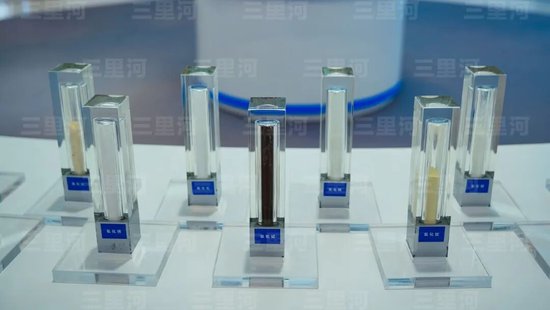
Core Viewpoint - The recent Chinese export control measures on rare earths have raised concerns among U.S. politicians, who claim these actions will significantly impact various global industries, including semiconductors and artificial intelligence, and are seen as an attempt to seize control of global supply chains [1][4]. Group 1: Chinese Export Control Measures - China has clarified that the new export control measures are not aimed at specific countries and that compliant applications for civilian use will be approved [3][4]. - The measures are intended to enhance the export control system to prevent illegal flows of rare earths to inappropriate uses, such as weapons of mass destruction [3][6]. - China's position as the largest producer of rare earths, supplying over 90% of high-performance rare earth magnets globally, underscores its significant role in the supply chain [4][6]. Group 2: U.S. Response and Perception - The U.S. Trade Representative claimed that the U.S. was not informed prior to the implementation of these measures, framing them as a broad threat to global supply chains [1][5]. - There is a recurring narrative in the U.S. that portrays China's legitimate trade measures as creating uncertainty or manipulating supply chains, despite the reality of dependency on Chinese rare earths [4][5]. - The U.S. has been expanding its definition of national security, imposing export restrictions on China in sectors like semiconductors and AI, which raises questions about the legitimacy of its actions [6][7]. Group 3: Dialogue and Negotiation - Both China and the U.S. have agreed to engage in new rounds of economic negotiations, emphasizing that effective dialogue should not be based on pressure or threats [7][8]. - The underlying tension stems from the realization that the U.S. may not hold the negotiating power it once assumed, highlighting a shift in trade dynamics [7].
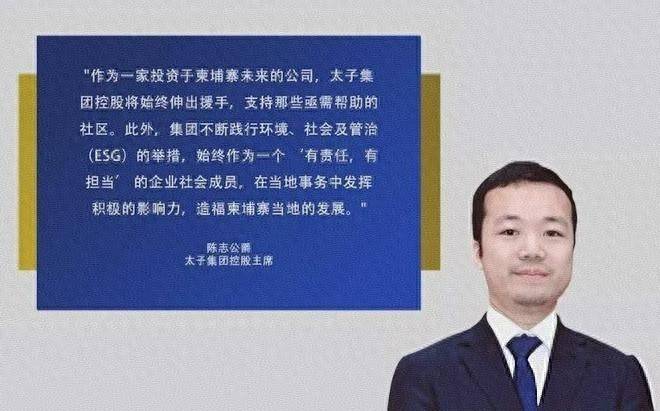
没收陈志150亿刀,美国的确是搞钱高手,陈志是多国籍人
Sou Hu Cai Jing· 2025-10-17 07:49
Group 1 - The U.S. has seized $15 billion worth of Bitcoin from Chen Zhi, the chairman of the Prince Group in Cambodia, who is accused of running a large-scale fraud network [1][3][14] - Chen Zhi, originally from Fujian, China, has expanded his business interests in Cambodia since 2011, covering real estate, financial services, online gambling, and cryptocurrency mining [1][3] - The U.S. Department of Justice claims that Chen Zhi used legitimate businesses as a cover for at least ten scam operations, involving telecom fraud, money laundering, forced labor, and human trafficking [1][3] Group 2 - The seizure of Bitcoin demonstrates the U.S.'s legal, technological, and global influence capabilities, effectively using legal procedures to reclaim illegally obtained funds [5][9] - The ability to track and seize Bitcoin, a decentralized and anonymous digital currency, highlights the U.S.'s advanced skills in cybersecurity, data analysis, and blockchain technology [7][9] - The U.S. employs "long-arm jurisdiction," allowing it to prosecute individuals globally if their actions affect U.S. interests, which has raised concerns about American dominance in international law [11][14] Group 3 - The seizure not only aims to combat crime but also stabilizes the U.S. financial system by preventing illegal activities that could disrupt markets [13][14] - The $15 billion seizure could influence Bitcoin market fluctuations and global cryptocurrency regulation, showcasing U.S. control over emerging financial sectors [14][16] - Historical precedents show that the U.S. has successfully seized assets from various criminal activities, reinforcing its ability to "legally make money" while maintaining a facade of justice [11][16]