
下沉市场

Search documents
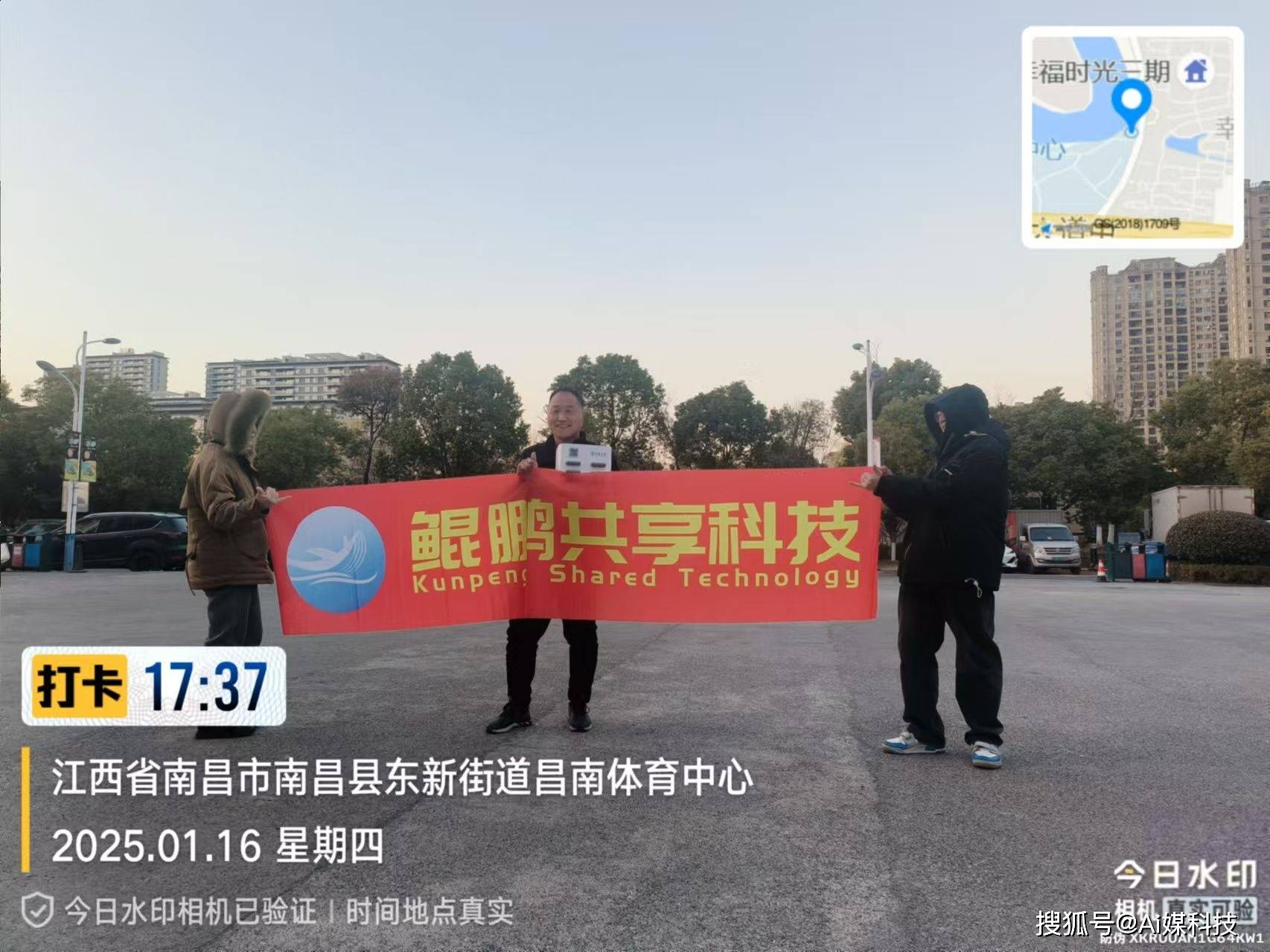
鲲鹏共享科技2025年如何代表共享充电宝新模式冲出一二线城市?
Sou Hu Cai Jing· 2025-06-21 16:10
Core Insights - The shared charging treasure industry, once thriving in first and second-tier cities, faces saturation and intensified competition, necessitating a breakthrough strategy [1][3] - In 2025, Kunpeng Shared Technology launched the "Thousand Cities and Ten Thousand Counties Plan," targeting lower-tier markets to redefine the boundaries of shared charging treasures through innovative models and technological empowerment [1][3] Market Strategy - Kunpeng aims to cover 1,000 county-level cities and 10,000 townships within three years, establishing the largest shared charging network in lower-tier markets [3] - The strategy is based on deep insights into county-level consumption scenarios, recognizing the strong demand for "instant charging" among users in third and fourth-tier cities, who are more price-sensitive [3][5] - The approach is characterized by a "light asset + heavy operation" model, collaborating with local businesses to quickly deploy equipment with zero deposit and profit-sharing models [3][5] Technological Innovation - Kunpeng's self-developed "Kunpeng Smart Chain" system analyzes real-time foot traffic heat maps to dynamically adjust cabinet locations, ensuring efficient resource allocation [3][5] - The company has reduced production costs of charging treasures by 40% through in-house development of IoT chips and battery management systems, extending the product lifespan to over five years [5][7] Localized Services - The introduction of "mobile charging cars" in certain county-level cities allows for flexible rental options, enhancing user engagement through localized cultural elements [5][7] - The "charging + local life" package offers users discounts at nearby businesses, converting traffic into actual consumption [5][7] Broader Implications - The "Thousand Cities and Ten Thousand Counties Plan" serves as a model for the feasibility of shared economy in lower-tier markets, aiming to create social value beyond mere resource utilization [7][8] - Kunpeng's strategy reflects a shift from competing in saturated markets to activating the economic potential of underconnected areas, positioning shared economy as an "invisible infrastructure" for rural revitalization [7][8]

扫地机器人成618小家电“销量担当” 国补第二弹能否再引行情?
Xin Lang Cai Jing· 2025-06-21 09:54
Group 1 - The 618 shopping festival saw a significant surge in sales of robotic vacuum cleaners, with Tmall reporting a 10-fold increase in sales of detachable cleaning models and Suning's sales up by 145% year-on-year [1][2] - The market is experiencing a decline in average selling prices, which is squeezing profit margins for manufacturers, despite the impressive sales figures [2][3] - The top five brands in the Chinese robotic vacuum market are nearing a 90% market share, indicating a trend towards increased concentration and potential market reshuffling [3] Group 2 - The "National Subsidy" policy has played a crucial role in boosting sales, with reports indicating that 138 billion yuan in central funds will be distributed in the latter half of the year to support consumer goods [5][6] - Despite the positive impact of subsidies, industry experts express concerns about the sustainability of growth, as many leading brands are not publicly announcing their sales figures this year [6][7] - The market for robotic vacuums is becoming increasingly competitive, with a focus on technological advancements such as AI interaction and bionic mechanical arms to address cleaning challenges [6][7] Group 3 - The penetration rate of robotic vacuums in first-tier cities has exceeded 20%, while awareness in lower-tier cities remains low, suggesting that these markets will be critical for future growth [7] - Companies are exploring product innovation to cater to smaller living spaces, with new compact models being introduced to target the small household market [7] - Ultimately, the success of the industry will depend on product effectiveness and consumer satisfaction, regardless of technological advancements or policy incentives [7]

从“618”看电商促消费大有可为
Zheng Quan Ri Bao· 2025-06-20 17:22
Group 1 - The core viewpoint of the article emphasizes the significant role of e-commerce in boosting consumption and the innovative strategies adopted during the "618" shopping festival to stimulate consumer demand [1][2][3] - E-commerce platforms are witnessing a shift in consumer demand from purchasing single products to seeking systematic and scenario-based solutions, suggesting a need for enhanced AI recommendations [2][3] - The "618" shopping festival serves as a critical indicator of consumer resilience and innovation in China, with a notable increase in online retail sales, which reached 60,402 billion yuan from January to May, marking an 8.5% year-on-year growth [1] Group 2 - The article suggests that e-commerce platforms should enhance consumer experience by focusing on product quality and innovation to meet the rising expectations of consumers [1][3] - The entry of instant retail platforms like Meituan Shanguo during "618" has transformed the landscape, with nearly one million active local merchants and a doubling of transaction volume in 1,574 local business districts across 164 cities [2][3] - E-commerce platforms are encouraged to expand into lower-tier markets and invest in cross-border e-commerce to tap into new consumer potential and diversify product offerings [3]
星巴克的腰,终于被“穷鬼年轻人”压弯了
商业洞察· 2025-06-20 09:24
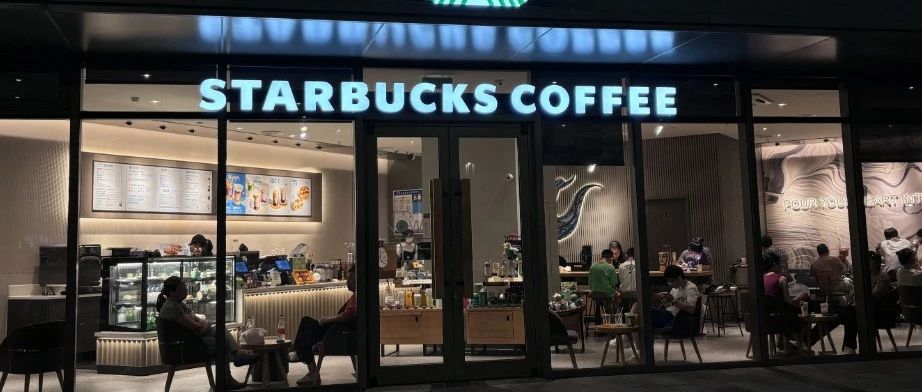
Core Viewpoint - Starbucks China has announced its first large-scale price reduction in over 20 years, aiming to enhance its competitiveness in the non-coffee beverage market while facing increasing pressure from local competitors [4][5][12]. Group 1: Price Reduction Strategy - Starting June 10, Starbucks will reduce prices on several key products, including Frappuccinos, iced teas, and tea lattes, with an average price drop of around 5 yuan [5][20]. - Despite the price cuts, the response from consumers has been lukewarm, with many expressing disappointment and feeling that the reductions were insufficient [9][12]. - The price reduction comes after Starbucks has experienced ten consecutive quarters of declining sales, indicating that pricing has become a significant weakness for the brand [12][13]. Group 2: Competitive Landscape - The coffee market in first and second-tier cities is nearing saturation, while third and fourth-tier cities are seeing significant growth, with coffee orders in these areas increasing by over 250% year-on-year [26][29]. - Competitors like Kudi Coffee and Luckin Coffee are aggressively pursuing market share with low-price strategies, further pressuring Starbucks to adapt [23][30]. - The emergence of brands like Bawang Chaji, which has successfully positioned itself as a competitor to Starbucks, highlights the increasing competition in the beverage market [30][32]. Group 3: Market Positioning and Consumer Behavior - Bawang Chaji has adopted a strategy that closely mirrors Starbucks, targeting prime locations and offering a similar customer experience, but at lower prices [44][56]. - The brand has achieved impressive sales figures, with a single product generating over 10 billion yuan in revenue, showcasing its rapid growth and market acceptance [50][59]. - Starbucks faces challenges in maintaining its "third space" concept as local brands offer similar amenities at more affordable prices, leading to a shift in consumer preferences [77][81]. Group 4: Future Strategies - To regain market share, Starbucks must rethink its approach beyond mere price reductions and consider strategic partnerships, similar to competitors who have successfully leveraged alliances for growth [66][72]. - The company needs to enhance its value proposition and customer experience to compete effectively in a market that has become increasingly price-sensitive and competitive [81][83].

22亿单!京东618再创新高 陕西“00”后追新 “银发族”讲究实用
Sou Hu Cai Jing· 2025-06-19 13:53
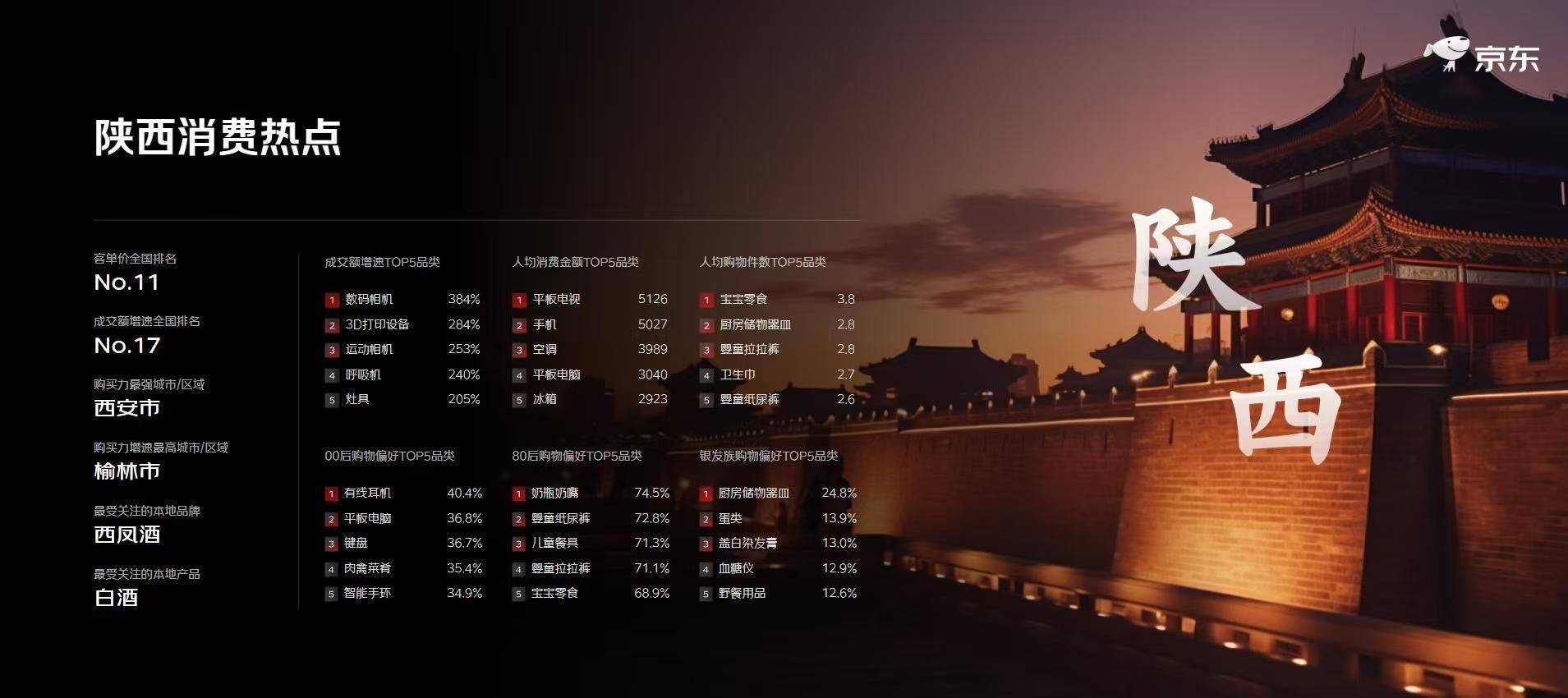
Core Insights - JD.com achieved record-breaking performance during the 618 shopping festival, with over 2.2 billion total orders and a more than 100% year-on-year increase in active users [1] - The growth in various categories, particularly in 3C and home appliances, indicates a strong market position, while the rise in offline store orders and live-streaming sales reflects a multi-channel strategy [1][3] - The consumption trends in Shaanxi province highlight a shift towards technology-driven purchases among younger consumers and a focus on health-related products among older demographics [5][6] Group 1: Sales Performance - JD.com’s retail business saw significant growth, with online and offline orders exceeding 2.2 billion during the 618 period [1] - The app's daily active users reached a historical high, showcasing increased engagement [1] - Categories such as 3C and home appliances led in both scale and growth, while fashion and beauty items also showed strong performance [1] Group 2: Consumer Trends - The younger generation (post-2000s) is driving demand for tech products, with significant increases in sales for items like digital cameras (384% growth) and 3D printers (284% growth) [3] - The older demographic is focused on practical health-related products, with kitchen storage items and health essentials being top sellers [5] - The consumption landscape in Shaanxi reflects a blend of traditional and modern preferences, indicating a dynamic market evolution [1][6] Group 3: Regional Insights - Xi'an and Yulin are emerging as key consumption hubs, with Xi'an showing strong purchasing power and Yulin experiencing rapid growth [6] - The county-level markets are also thriving, with order volumes increasing by over 130% year-on-year [6] Group 4: Local Brands - Local brands, particularly Xifeng liquor, gained significant attention, highlighting a resurgence of regional products in the market [8] - The integration of technology and traditional culture has led to increased interest in local brands, with over 70% of the top 100 brands during the festival being Chinese [8] Group 5: Logistics and Infrastructure - JD.com’s logistics network has been crucial in supporting consumption growth, with services like "early delivery" and improved coverage enhancing customer experience [9][11] - The logistics system has enabled equal service quality across regions, reducing the consumption gap between urban and rural areas [11] Group 6: Instant Retail - Instant retail has transformed consumer behavior, with JD.com’s food delivery service achieving over 25 million daily orders within three months of launch [12] - This model has facilitated rapid delivery and increased customer satisfaction, contributing to a more integrated platform ecosystem [12] Group 7: Future Implications - The trends observed in Shaanxi serve as a microcosm of broader changes in the national consumption landscape, emphasizing technology and health as key growth drivers [14] - The ongoing evolution of consumer preferences indicates a shift towards a more optimized consumption structure, rather than merely an increase in spending [14][16]


京东618陕西消费客单价排名全国第11位
Sou Hu Cai Jing· 2025-06-18 16:18
Group 1 - The core viewpoint highlights the significant growth in consumer spending and preferences during the 618 shopping festival, with a notable increase in demand for digital and household products [1][2][3] - The top three categories with the highest transaction growth rates are digital cameras (384%), 3D printing equipment (284%), and action cameras (253%) [1][2] - The average spending per person is highest for flat-screen TVs (5,126), followed by mobile phones (5,027), and air conditioners (3,989) [1][2] Group 2 - The consumer preferences vary significantly across different age groups, with Gen Z favoring digital products, while the 80s generation focuses on baby products, and the elderly prioritize kitchenware and health-related items [2] - The rural and lower-tier markets show robust growth, with order volumes increasing over 130% and user numbers rising over 140% [2] - The introduction of government subsidies and promotional efforts by JD.com has led to substantial sales growth in mobile phones (88%), home appliances (161%), and food products (138%) [3]
巴奴毛肚火锅冲港股IPO:营收增速放缓,有意渗透下沉市场
Nan Fang Du Shi Bao· 2025-06-17 06:45
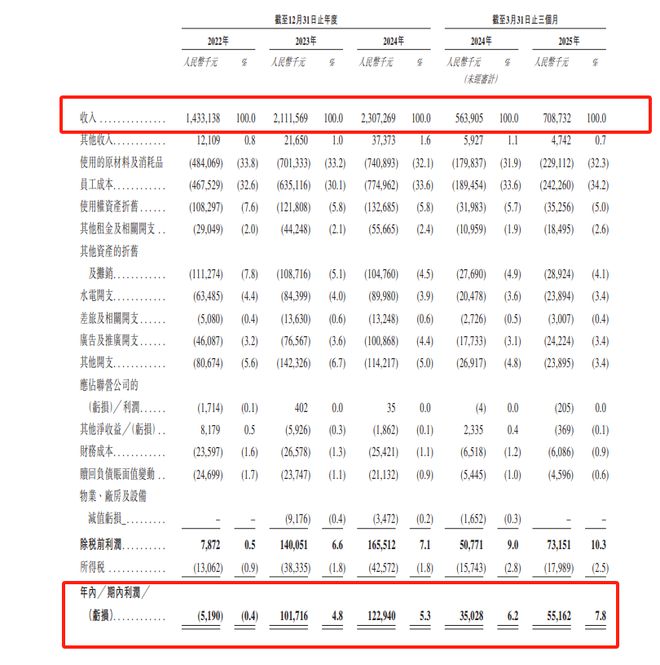
Core Viewpoint - Banu Mutton Hotpot is preparing for an IPO, with a projected revenue of 2.3 billion yuan in 2024, but shows a slowdown in revenue and profit growth compared to previous years [1][2] Financial Performance - Revenue for Banu Mutton Hotpot from 2022 to 2024 is projected to be 1.433 billion yuan, 2.111 billion yuan, and 2.307 billion yuan respectively, with adjusted net profits of -5.19 million yuan, 102 million yuan, and 123 million yuan [2][4] - The revenue growth rate is expected to decline from 47.38% in 2023 to 9.23% in 2024, while adjusted net profit growth is projected to decrease from 248.78% to 37.06% [2][4] Store Expansion Plans - The company plans to open 150 new stores over the next three years, significantly higher than the previous three years' average of 25 new stores annually [5][7] - As of March 2025, Banu Mutton Hotpot has 144 stores, with plans to increase this number to approximately 40, 50, and 60 new stores in 2025, 2026, and 2027 respectively [5][6] Customer Metrics - Average daily customer volume per store decreased from 387 in 2022 to 372 in 2024, while average spending per customer dropped from 147 yuan to 142 yuan [10] - In the first quarter of 2025, the average daily customer volume increased to 420, but average spending fell to 138 yuan [10] Market Strategy - Banu Mutton Hotpot aims to penetrate lower-tier markets, planning to enhance supply chain capabilities in central China and invest approximately 4 to 5 million yuan in satellite warehouses [8][10] - The company emphasizes a value-based pricing strategy, balancing brand premium and customer acceptance through quality and transparency [12] Controversies and Challenges - The high-end positioning of Banu Mutton Hotpot has faced criticism, particularly regarding its market appeal and recent controversies involving the founder [11][12]
潮玩线上渗透暴增,下一个风口是AI和男性经济?
3 6 Ke· 2025-06-16 23:57
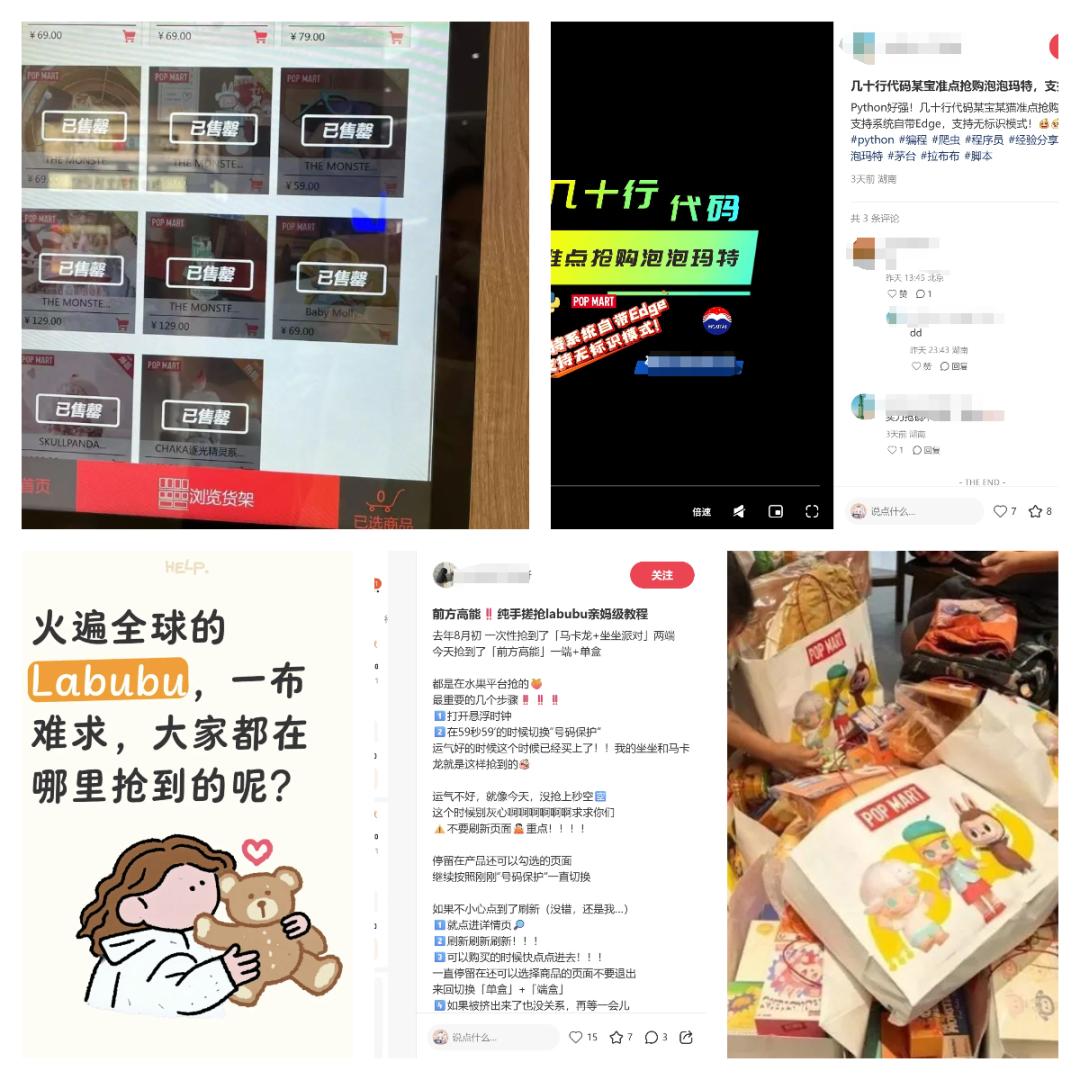
Core Insights - The launch of LABUBU has sparked a new wave of offline "real-life combat" among collectors, with original figures priced at 69 selling for multiples of that in the resale market, indicating a high collectible value akin to "plastic Maotai" [1] - The overall sales of trendy toys surged during the 618 shopping festival, with May sales on major e-commerce platforms exceeding 40 billion yuan, and Taobao/Tmall accounting for over 28 billion yuan, reflecting a year-on-year growth of 31.4% [1] - The explosive growth of trendy toys is attributed to the unprecedented purchasing power of Generation Z, along with enhanced online content dissemination and ecosystem incubation, transforming trendy toys from a niche hobby into mainstream consumption [1] Market Trends - The online explosion of trendy toys relies on both market insight and a supportive ecosystem [3] - The year 2016 marked a significant turning point for trendy toys, with Pop Mart signing Molly, establishing itself as a leading brand in the domestic market [4] - Initially, the mainstream perception was that consumers prioritized practicality over seemingly useless items, viewing trendy toys as mere handcrafted "novelty crafts" [5] E-commerce Dynamics - Taobao was one of the first platforms to recognize the potential of trendy toys, prioritizing them as a key category around 2017, and later defining them as an independent industry in 2021 [6] - The establishment of a robust ecosystem, from IP incubation to logistics, is crucial for the success of trendy toys, with platforms investing in AR experiences to enhance consumer engagement [8] Future Growth Directions - Future growth in the trendy toy sector is expected to stem from three main areas: AI integration, penetration into lower-tier markets, and targeting male consumers [10] - AI is reshaping the play experience, with toys evolving into "digital companions" that enhance emotional interaction and playability [11] - Lower-tier markets present significant growth potential, with a penetration rate of under 20% but a growth rate of 45%, driven by increasing consumer spending power and lower rental costs compared to first-tier cities [13] Consumer Demographics - The male demographic is showing increased purchasing power, particularly in categories like EDC and military models, with a notable rise in high-end EDC toy sales during the 618 shopping festival [15][16] - Trendy toys are expanding from children to adults, with a significant portion of the consumer base now comprising older generations seeking emotional fulfillment through these products [18] - The appeal of trendy toys lies in their ability to serve as cultural containers that encapsulate collective memories and individual emotions, making this an opportune time for the trendy toy sector [18]

“X会员店”仅剩3家,盒马不与山姆硬刚了
阿尔法工场研究院· 2025-06-15 11:39
Core Viewpoint - Hema has officially abandoned its membership store model, which has been deemed a failure, and is now focusing on lower-tier markets and discount retailing, marking a strategic shift away from competing with Sam's Club [8][12][13]. Group 1: Store Closures and Membership Model - Hema has closed multiple Hema X membership stores, including locations in Beijing and Shanghai, leaving only three operational stores nationwide [2][3][4]. - The initial plan to open 100 Hema X membership stores within three years has been abandoned, with the membership store model now considered a failure [4][11]. - The closure of Hema X stores signifies a broader trend of Hema's retreat from the middle-class market, as it shifts focus to more accessible retail formats [8][12]. Group 2: Financial Performance and Strategic Shift - Hema has ended a seven-year period of losses, achieving its first annual profit from April 2024 to March 2025, with a GMV exceeding 59 billion, up from 55 billion the previous year [15][17]. - The strategic pivot under CEO Yan Xiaolei, who took over after founder Hou Yi's retirement, has led to a focus on Hema Fresh and Hema NB, targeting previously overlooked lower-tier markets [18][19]. - Hema Fresh is positioned as a high-end community fresh supermarket, while Hema NB targets price-sensitive consumers in lower-tier markets, effectively catering to daily basic consumption needs [20][23]. Group 3: Competitive Landscape - Hema NB is now competing directly with Aldi, a well-established discount supermarket, which has gained popularity for its low prices and quality products [35][46]. - Aldi's rapid expansion and strong market presence pose a significant challenge to Hema NB, which is also expanding aggressively, with plans to reach 300 stores by the end of 2025 [32][55]. - The competition between Hema NB and Aldi highlights a shift in the retail landscape, where both companies aim to provide quality products at competitive prices, appealing to both budget-conscious and quality-seeking consumers [66][68].
为什么星巴克降到23元,还是没人买单?
阿尔法工场研究院· 2025-06-15 11:39
Core Viewpoint - Starbucks has implemented a price reduction strategy in China for the first time in over 20 years, lowering prices by an average of 5 yuan for several non-coffee beverages, but consumer response has been lukewarm, indicating that the reduction may not be sufficient to attract price-sensitive customers [3][4][10]. Pricing Strategy - Starting June 10, Starbucks China reduced prices on over ten non-coffee beverages, with the lowest price now at 23 yuan [3]. - This price adjustment is seen as a response to competitive pressures from local brands like Luckin Coffee and others, which offer lower-priced alternatives [10][12]. - Despite the price cut, sales of the reduced items did not show significant improvement, suggesting that the price point remains too high for many consumers [5][7]. Market Competition - The competitive landscape includes brands like Luckin Coffee, Bawang Tea, and Mixue Ice Cream, which offer products at lower price points, making it difficult for Starbucks to compete effectively [7][10]. - Consumers in lower-tier cities are increasingly favoring brands that provide better value for money, which poses a challenge for Starbucks' premium positioning [12][19]. Target Market - Starbucks aims to capture a share of the afternoon tea market by appealing to price-sensitive consumers, particularly in lower-tier cities where the potential for growth is significant [9][12]. - The target demographic includes young consumers from lower-tier cities who are more price-sensitive and prefer sweeter beverages [17][18]. Strategic Adjustments - Starbucks has accelerated its expansion into lower-tier markets since 2022, with plans to cover 1,000 county-level administrative regions by March 2025 [14]. - The company is also exploring strategic partnerships and potential equity sales to enhance its operational efficiency and market penetration [24][25]. Financial Performance - Starbucks China reported a revenue of 21.06 billion yuan for the 2024 fiscal year, reflecting a year-on-year decline of 1.4%, while Luckin Coffee surpassed it with 34.475 billion yuan [21]. - The company is facing challenges in maintaining its high-end brand image while also competing in a price-sensitive market [21][26]. Future Outlook - The effectiveness of the price reduction strategy and its impact on sales will be closely monitored, with potential adjustments based on consumer feedback [11][26]. - The ongoing exploration of strategic partnerships may provide Starbucks with the necessary resources to navigate the competitive landscape in China [24][25].
