软件定义汽车

Search documents
组建AI自动驾驶“汽车联盟”,日本车企这一动作有何深意?
Zhong Guo Qi Che Bao Wang· 2025-06-16 06:56
Core Viewpoint - Japanese automakers are forming alliances to develop AI and autonomous driving technologies, supported by government subsidies and policies aimed at strengthening the domestic supply chain [2][3][4]. Group 1: Government Support and Policy Direction - The Japanese government has been promoting the development of "software-defined vehicles" (SDV) and emphasizes AI-driven automotive software [3]. - Recent revisions to the "Mobility DX Strategy" include support for AI autonomous driving, focusing on AI infrastructure, talent development, and safety standards [3][4]. Group 2: Industry Collaboration - Japanese automakers are collaborating to enhance the domestic supply chain and reduce reliance on foreign technologies, particularly in critical areas like autonomous driving chips and high-precision mapping [5][6]. - The collaboration aims to share R&D resources, reduce costs, and improve efficiency by leveraging each company's strengths in sensor technology, algorithm optimization, and other areas [6][7]. Group 3: Positive Impacts of Alliances - The formation of alliances is expected to lead to significant advancements in infrastructure, such as advanced computing platforms and data centers, to meet the growing computational demands of autonomous driving systems [7]. - The collaboration will also facilitate talent development by integrating training resources and partnering with educational institutions to create specialized programs in automotive engineering and AI [7]. Group 4: Competitive Landscape - The emergence of a Japanese automaker alliance in AI and autonomous driving is likely to intensify global competition, potentially prompting European and American companies to accelerate their own R&D efforts [8]. - This shift may influence the traditional model of independent R&D among automakers, leading to more cross-industry collaborations involving parts suppliers and technology firms [8].


Rivian与大众集团深化软件合作:Rivian R2技术架构将成大众电动车数字中枢
Huan Qiu Wang· 2025-06-07 03:45
Core Insights - Rivian and Volkswagen Group have made significant progress in their $5 billion software collaboration, establishing Rivian's next-generation SUV platform as the digital hub for all Volkswagen electric models [1][4] - The partnership marks a strategic shift for Volkswagen, allowing them to integrate Rivian's R2 model's electronic architecture, operating system, and software platform into their brands, including Volkswagen, Audi, and Porsche [4][5] Group 1 - Volkswagen's first model utilizing Rivian technology is expected to be a compact electric SUV launching in 2027, featuring a highly compatible onboard system with Rivian's R2 [5] - The collaboration stems from Volkswagen's strategic adjustment in the software domain, as their own SSP electric platform and VW.OS operating system have faced slow progress and high costs [5] - This partnership enables Volkswagen to quickly address software deficiencies and accelerate towards their goal of having over 50% of global vehicle sales be electric by 2030 [5] Group 2 - The collaboration between Rivian and Volkswagen reflects a new trend of technological alliances in the electric vehicle industry, where traditional automakers and new entrants share technology [5] - As software-defined vehicles become a core competitive point, more automakers are likely to adopt "technology licensing + joint development" models to tackle cost pressures and market competition [5]

BBA 们开始学着中国车企做豪华
3 6 Ke· 2025-06-03 02:26
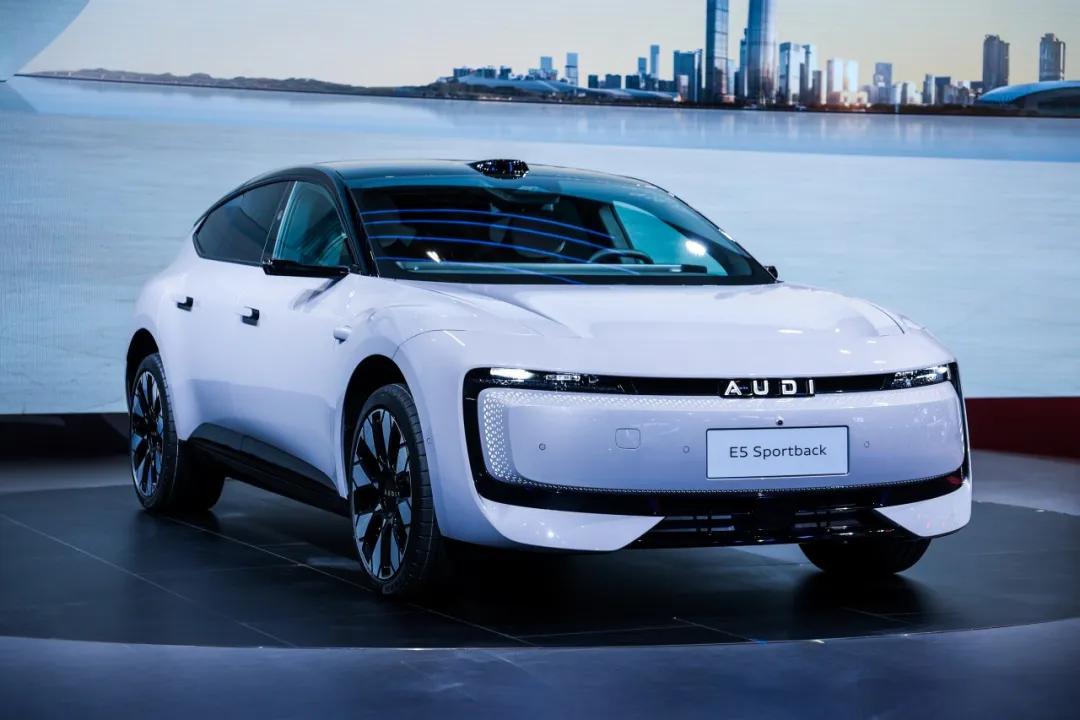
Core Viewpoint - The traditional luxury car brands represented by BBA (BMW, Benz, Audi) are facing significant challenges in the Chinese market, with local luxury brands rapidly gaining market share and altering consumer perceptions of luxury vehicles [1][3][20]. Group 1: Market Dynamics - The global sales of BBA brands are declining, with BMW and Benz experiencing the largest drops in China, with sales down 13% and 7% respectively, while Audi's sales fell by approximately 11% [1][3]. - The Chinese luxury car market is evolving, with the segment priced between 200,000 to 300,000 yuan experiencing a 92% growth from 1.982 million units in 2018 to 3.822 million units in 2024 [3][18]. - In 2024, domestic high-end brand passenger car sales are projected to reach 4.738 million units, reflecting a 2.3% year-on-year increase [3][18]. Group 2: Audi's Strategic Shift - Audi is launching a new AUDI brand in China, aiming to attract younger consumers and differentiate itself in the luxury market [2][3]. - The AUDI E5 Sportback, which debuted shortly before the Shanghai Auto Show, represents Audi's commitment to electric and intelligent vehicle technology, with a focus on local partnerships for battery and smart driving solutions [2][4][7]. - Audi's collaboration with local suppliers like CATL for battery systems and Momenta for intelligent driving technology highlights a strategic pivot towards leveraging Chinese innovation [2][9][11]. Group 3: Competitive Landscape - Traditional luxury brands are increasingly adopting Chinese smart automotive solutions, with BBA brands collaborating with local companies to enhance their technological offerings [9][10][21]. - The shift towards smart and electric vehicles is not just limited to BBA; other foreign brands are also forming partnerships with Chinese suppliers to adapt to the rapidly changing market [10][13]. - The competitive landscape is intensifying, with the Chinese market leading in the adoption of new energy vehicles, achieving over 50% penetration, while other regions lag behind [18][20]. Group 4: Future Outlook - The success of BBA brands in China is seen as critical for their global strategy, with significant investments planned for new electric models and local R&D initiatives [17][20]. - The rapid development of smart and electric vehicles in China is expected to influence global automotive trends, with Chinese solutions beginning to penetrate international markets [21].
日媒:瞄准AI自动驾驶,日本要建“汽车联盟”
Huan Qiu Shi Bao· 2025-06-02 23:04
【环球时报特约记者 孙晓蕾】"日本将组建汽车制造商联盟,研发人工智能(AI)自动驾驶汽车技 术。"《日经亚洲评论》日前报道,在日本政府支持下,丰田汽车、本田汽车和其他日本汽车制造商将 合作研发人工智能自动驾驶技术,共同构建AI基础设施并培养相关人才。日本政府拟通过财政补贴等 方式支持该研发机制,旨在强化本国相关供应链体系建设。 据报道,日本政府一直在推动"软件定义汽车"(SDV)的研发。SDV是指以人工智能为核心的软件技术 决定未来汽车。在5月29日举办的讨论会上,日本经济产业省和国土交通省发布了关于汽车产业数字化 转型的"移动性DX战略"修订案。《日刊汽车新闻》网站2日对此报道说,尽管"移动性DX战略"发布至 今仅1年,但随着电动化和智能化汽车的竞争愈演愈烈,日本经济产业省认为有必要灵活地重新审视 该"战略"。此次修订案新增了"支持使用人工智能自动驾驶"的内容。此外,AI基础设施、人才培养、相 关安全标准设定等,将是今后日本车企合作的重点。 对于此次日本政府支持AI自动驾驶研发方面的计划,日本共同社在文章中分析称,由于美国政府对全 球主要贸易伙伴挥舞"关税大棒",日本汽车产业的不确定性增加。有官员表示,有必 ...
陆家嘴财经早餐2025年6月1日星期日
Wind万得· 2025-05-31 23:02
Group 1 - The article highlights the importance of enhancing education quality and optimizing higher education structures in China, driven by technological development and national strategic needs [2] - China's manufacturing PMI for May is reported at 49.5%, indicating a slight improvement, while the non-manufacturing PMI is at 50.3%, showing a minor decline [2] - Hong Kong has officially enacted the "Stablecoin Regulation," establishing a licensing system for stablecoin issuers, which aims to promote financial innovation while maintaining stability [2] Group 2 - The U.S. plans to increase tariffs on imported steel from 25% to 50%, effective June 4, prompting the EU to consider expanding countermeasures [3] - The Ministry of Transport in China emphasizes the need for comprehensive reforms in the transportation sector to enhance high-quality development [4] - The sales revenue of private enterprises in China increased by 3.6% year-on-year in the first four months, outpacing the national average [4] Group 3 - Hong Kong's IPO market raised over 56 billion HKD in May, the highest monthly amount since March 2021, with a total of 77.4 billion HKD raised so far this year [5] - The innovative drug sector is experiencing significant interest, with multiple companies receiving attention from institutional investors [5] Group 4 - The price war among new energy vehicle companies is intensifying, with calls for fair competition and regulatory oversight to ensure market stability [6] - A report by Mary Meeker highlights unprecedented growth in AI development and adoption, with significant implications for the industry [6] - The AI unicorn Builder has been exposed for fraudulent practices, raising concerns about the integrity of AI investments [7] Group 5 - The top 100 real estate companies in China saw a 10.8% year-on-year decline in sales in the first five months, with a 17.3% drop in May alone [7] - Jiangsu province has introduced measures to support home purchases for families with multiple children, aiming to stabilize the real estate market [8] Group 6 - The U.S. Federal Court has blocked the Trump administration's plans for large-scale federal employee layoffs, impacting government restructuring efforts [12] - The EU is set to propose a greenhouse gas reduction target of 90% by 2040 compared to 1990 levels, allowing flexibility for member states [13] Group 7 - Adani Energy Solutions in India plans to raise approximately 5.02 billion USD through a qualified institutional placement [14] - The People's Bank of China has not conducted treasury bond operations for five consecutive months, with expectations to resume in July or August [15] Group 8 - OPEC+ has agreed to increase oil production by 411,000 barrels per day in July, marking the third consecutive month of production increases [16] - Malaysia's palm oil exports in May increased by 17.9% month-on-month, indicating a positive trend in the commodity market [17]


反对“内卷式”恶性竞争! 在这场大会上,李斌、何小鹏、閤先庆等表态“价格战”
Mei Ri Jing Ji Xin Wen· 2025-05-31 06:04
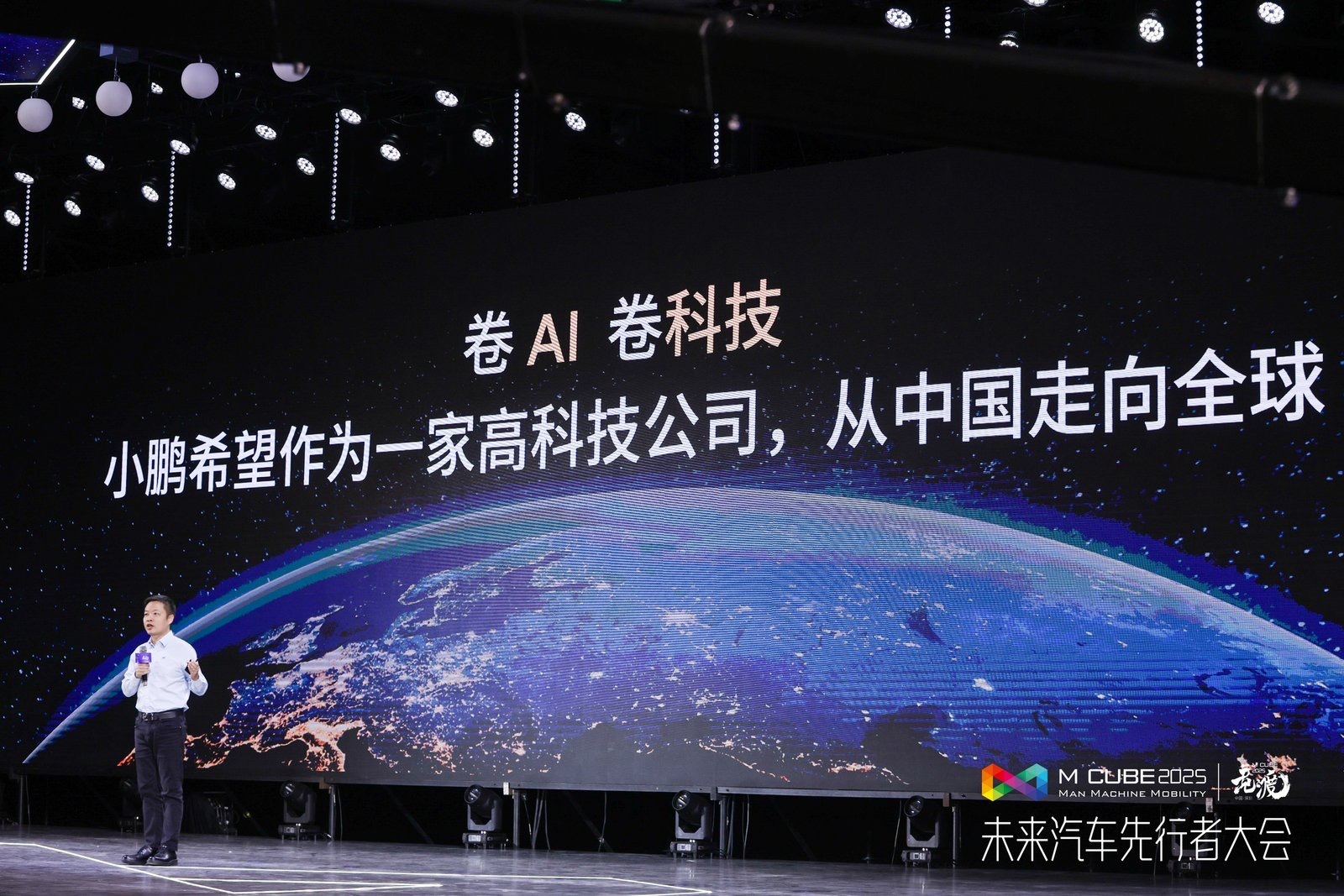
每经记者|孙磊 每经实习编辑|余婷婷 "去年全年降价销售的车型有200多款,今年一季度降价车型有60多款。销量虽然在增加,但利润持续恶化。"中国贸促会汽车分会会长王侠在此次大会上表 示,"搞研发是修炼内功,而打价格战是消耗内功。 " 整车全域操作、系统和智能平台。 图片来源:主办方供图 在广汽集团副总经理閤先庆看来:"如果是用户需求是舟,那么科技创新就是我们的桨;没有强大的能力、重点的研究,无法在激烈的市场竞争中扩大科技 创新(成果)。" 与上述观点类似,在小鹏汽车董事长、CEO何小鹏看来,相比于卷价格,行业要卷科技、卷高度、卷质量。蔚来创始人、董事长、CEO李斌表示,现在肯定 不希望"卷"价格,除了技术还会"卷"服务。此外,广汽集团副总经理閤先庆、华为智能汽车解决方案BU CEO靳玉志也表达了"行业不要卷价格,要卷价 值"的观点。 "中国有句老话——一分钱一分货。在汽车这个充分竞争的行业里,价格就是价值的体现。"閤先庆说。 值得注意的是,无论是"卷科技"还是"卷技术",整个行业对于"软件定义汽车"的理念已经是不谋而合,达成了广泛的共识。在这样的背景下,不少企业也将 自身定位为科技公司,并要打造AI(人工智能 ...


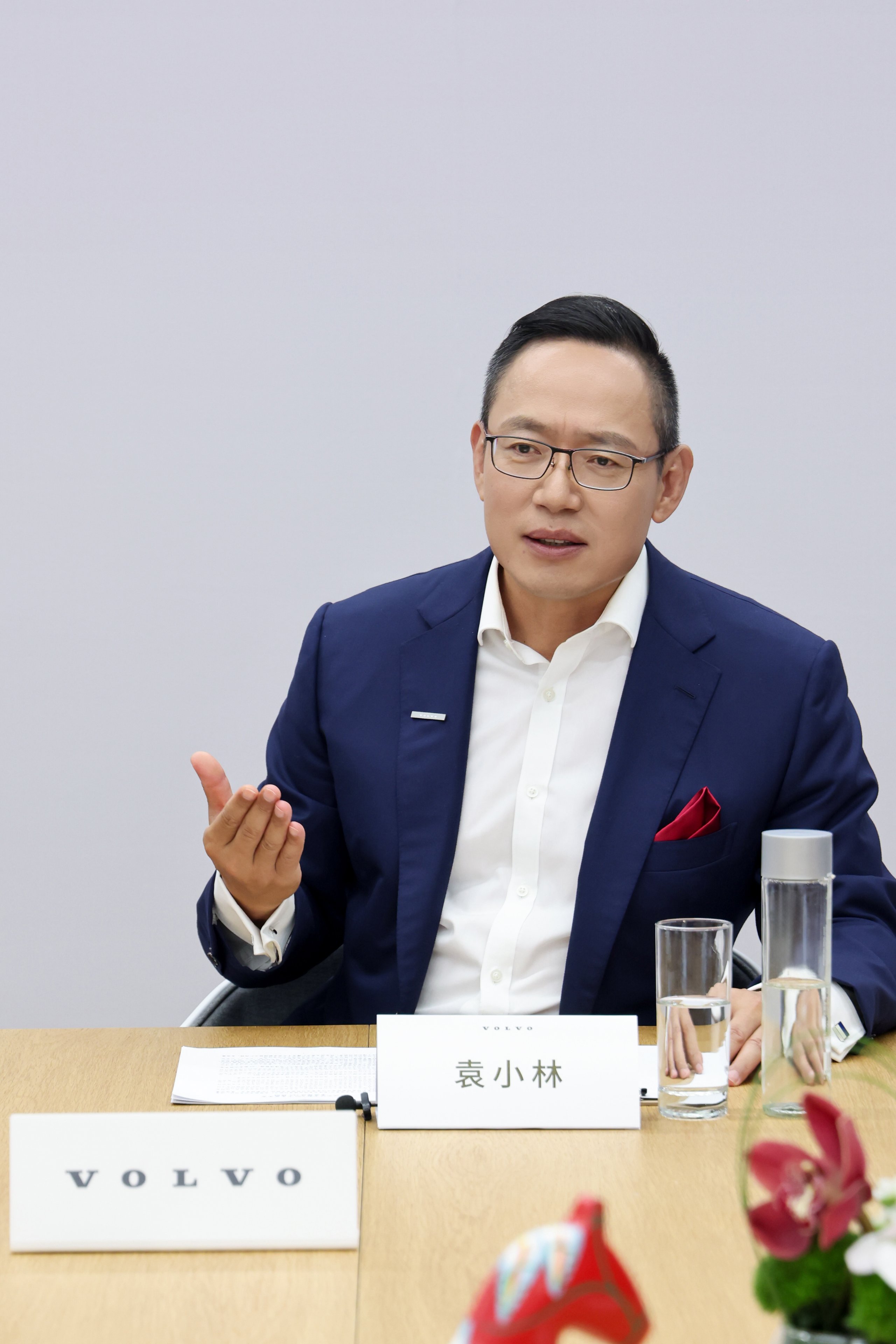
沃尔沃袁小林:希望安全成为全行业的普世价值观。
Hua Er Jie Jian Wen· 2025-05-30 15:06
Core Viewpoint - The automotive industry is increasingly emphasizing safety as a core value, with Volvo positioning safety not just as a selling point but as a fundamental belief and systematic capability [3][10][21]. Group 1: Safety as a Core Value - Volvo's CEO in the Asia-Pacific region, Yuan Xiaolin, states that safety is a belief rather than a marketing point, emphasizing a systematic approach to safety [3][10]. - The launch of the new S90 showcases Volvo's commitment to safety through detailed presentations of safety features and manufacturing processes [3][4]. - Volvo's approach to Automatic Emergency Braking (AEB) focuses on balancing effective triggering and minimizing false activations, with a target of no more than one false activation every 220,000 kilometers [5][10]. Group 2: Technological Integration and Reliability - Volvo categorizes intelligent safety features into those that impact driving and those that do not, ensuring high reliability for features that affect driving [8][18]. - The company maintains a commitment to not releasing unverified technologies to consumers, ensuring that all features provide real value [18][20]. - Volvo's safety system integrates various technologies based on real traffic safety needs, emphasizing the importance of a comprehensive safety framework [11][17]. Group 3: Market Positioning and Pricing Strategy - The starting price of the new S90 is set at 300,900 yuan, reflecting a 100,000 yuan reduction from the previous version, indicating a strategic response to market competition [10][23]. - Despite price adjustments, Volvo remains committed to its safety standards and will not compromise on quality or safety for market survival [10][20]. - The company believes that a brand's survival should be rooted in its values, with safety being a non-negotiable aspect of its identity [10][20]. Group 4: Global Standards and Local Production - Volvo's Daqing factory is the exclusive production base for the S90, adhering to global safety standards while producing vehicles for the global market [9][25]. - The factory is noted for its commitment to sustainability, being the first in Heilongjiang to achieve 100% carbon-neutral electricity usage [25]. - Volvo maintains a unified global quality standard, ensuring that products meet high safety and quality benchmarks regardless of the market [25].
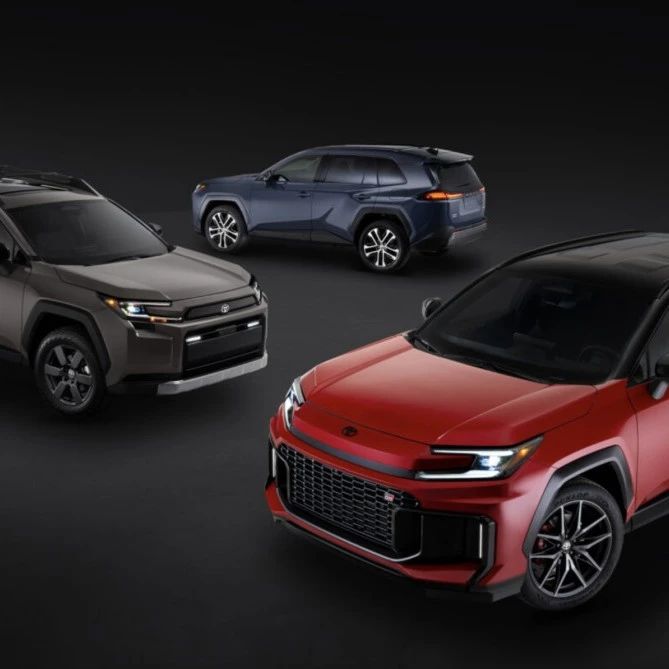
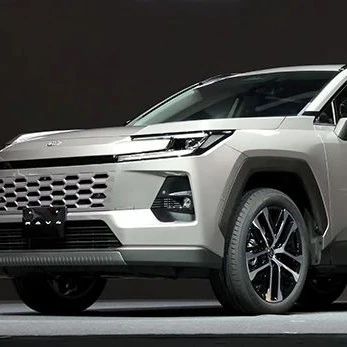
丰田新款RAV4用自主操作系统发起软件攻势
日经中文网· 2025-05-22 03:32
Core Viewpoint - Toyota is shifting its business model from traditional car sales to a software-driven approach with the launch of the 6th generation RAV4, which features the proprietary operating system Arene, allowing for software updates to enhance vehicle functionality [1][2]. Group 1: Product Launch and Features - The new RAV4 will be launched in over 180 countries and regions, with a domestic release in Japan planned for the 2025 fiscal year [1]. - The RAV4 will be available in hybrid (HV) and plug-in hybrid (PHV) versions, while the pure gasoline variant will be discontinued [2]. - The vehicle is designed to support advanced safety features and multimedia capabilities through Arene, although its application in powertrain and body control is still pending [2]. Group 2: Market Strategy and Sales Projections - In 2024, RAV4's global sales are projected to reach 1.1 million units, accounting for 10% of Toyota's total global sales of 10.15 million units [2]. - The U.S. market is crucial for RAV4, contributing to 40% of its total sales, and the model is expected to rank third in sales behind Ford's F-Series and GM's Silverado [2]. - To mitigate the impact of U.S. tariffs, Toyota is increasing local production in the U.S., with plans to reduce exports from Japan to approximately 100,000 units in 2024, down from 250,000 units in 2018 [2]. Group 3: Software-Defined Vehicle (SDV) Landscape - The concept of software-defined vehicles is gaining traction, with competitors like Tesla offering over-the-air (OTA) updates and paid upgrades for features such as autonomous driving [3]. - The global market for software-defined vehicles is expected to reach approximately $300 billion by 2034, indicating significant growth potential in this sector [3]. - The ability to integrate external applications into the vehicle's software ecosystem will be crucial for competitive advantage, similar to how iOS and Android dominate the smartphone market [4].
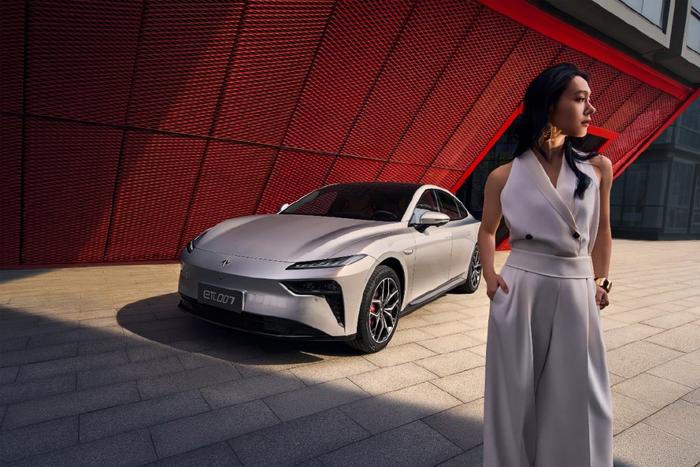
AI时代的「出行新物种」:年轻人究竟需要一台什么样的车?
3 6 Ke· 2025-05-21 14:58
Core Insights - The automotive industry is undergoing a transformation driven by AI and smart technology, marking a shift from traditional fuel vehicles to intelligent electric vehicles [2][12] - Young consumers, particularly the Z generation, are becoming the primary drivers of the electric vehicle market in China, emphasizing practicality and innovative technology over luxury [3][5] - The 2025 eπ007 model from Dongfeng Yipai is designed specifically for young consumers, featuring a minimalist aesthetic and advanced smart configurations that enhance user experience [5][8] Group 1: Industry Trends - The first half of the automotive revolution focused on electrification, while the second half will emphasize smart technology, with 90% of Chinese consumers willing to pay extra for advanced driving services [2][3] - The shift in consumer preferences is evident, as young buyers prioritize practical features and personalized experiences in their vehicle choices [3][12] - The automotive industry's value chain is being redefined, with traditional components being replaced by innovations in smart cockpits and autonomous driving [12][14] Group 2: Product Innovation - The 2025 eπ007 is positioned as a "first car" for young people, featuring a striking design and advanced technology that aligns with their lifestyle [5][8] - The vehicle includes a new eπOS 2.0 system that simplifies user interaction by mimicking smartphone interfaces, enhancing the overall user experience [5][7] - Dongfeng Yipai's approach to product development emphasizes practical technology that addresses real user needs rather than merely showcasing advanced features [14][16] Group 3: Strategic Partnerships and Development - Dongfeng Yipai is leveraging partnerships with leading tech companies like Huawei and ByteDance to enhance its smart mobility offerings [16] - The company is committed to a dual innovation strategy of self-research and collaborative development, positioning itself as a leader in the smart automotive sector [15][16] - Dongfeng Yipai's focus on understanding and resonating with young consumers is evident in its marketing strategies and product launches [10][12]
丰田自研软件平台终于来了,首搭这款SUV
汽车商业评论· 2025-05-21 14:17
Core Viewpoint - Toyota is launching the 2026 RAV4 in North America, featuring the Arene software platform, marking a significant step towards software-defined vehicles [1][3]. Group 1: Product Features - The 2026 RAV4 will offer two drive types: Hybrid Electric Vehicle (HEV) and Plug-in Hybrid Electric Vehicle (PHEV), with a sport version available [1]. - The new RAV4 PHEV will have an output power of 320 horsepower and a 20% increase in electric range, reaching 150 kilometers [1]. - The RAV4 will be the first Toyota model to feature the Toyota Safety Sense 4.0 (TSS 4.0) system, developed on the Arene platform [4]. Group 2: Arene Software Platform - Arene, developed by Toyota's Woven by Toyota, aims to be the Android of the automotive industry, facilitating the development of smart, connected, and personalized vehicles [2]. - The Arene system supports rapid iteration and deployment, allowing developers to use the same code across all vehicles running Arene OS [2]. - Arene will manage essential vehicle functions and support over-the-air updates, enhancing compatibility and functionality across vehicles [2]. Group 3: Strategic Developments - Toyota established the Toyota Research Institute (TRI) in 2015 to focus on AI and robotics, with significant advancements in smart vehicle technology occurring since 2018 [3]. - The restructuring of TRI in 2020 led to the creation of Woven Planet Holdings and its subsidiaries, emphasizing the integration of connected vehicle technologies [3]. - Due to tariff issues, Toyota is considering producing the new RAV4 in the U.S. instead of importing it from Japan and Canada, necessitating a reevaluation of its supply chain [4].