
情绪消费

Search documents
8元米线卖48元,有人排队3小时!人均上百的云贵川bistro为何让年轻人上头
2 1 Shi Ji Jing Ji Bao Dao· 2025-11-23 06:20
Core Insights - The rise of Yun-Guizhou-Sichuan bistro culture has captivated young consumers in major cities, leading to long queues and high demand for these dining experiences [1][3][5] - The pricing strategy of these bistros has sparked discussions on value perception, with significant markups compared to traditional local eateries [1][14] Group 1: Market Trends - The trend of Yun-Guizhou-Sichuan bistros is rapidly expanding, with notable presence in cities like Shanghai (35 locations), Beijing (22), and Guangzhou (14) [5] - Popular brands such as Ameigo have opened over 120 locations nationwide, indicating strong market penetration and consumer interest [5][6] - The bistro concept has transformed local cuisine into a nationwide dining trend, driven by social media and cultural influences [9][21] Group 2: Consumer Behavior - Young consumers are drawn to the emotional value and aesthetic appeal of these bistros, often prioritizing the dining experience over traditional taste [10][21] - The phenomenon of "emotional consumption" is evident, as consumers are willing to pay premium prices for the ambiance and presentation of dishes [10][21] Group 3: Product Innovation - Bistros are innovating traditional dishes by incorporating unique ingredients and presentation styles, moving away from conventional ethnic food perceptions [11][12] - The integration of local ingredients with modern culinary techniques has created a new dining experience that appeals to a broader audience [12] Group 4: Competitive Landscape - The market is facing challenges of homogenization, with many bistros offering similar menus and experiences, leading to consumer fatigue [20] - Established brands in the hot pot sector are entering the bistro space, intensifying competition and putting pressure on newer entrants [20][21] - The profitability of bistro brands is reportedly declining, with some founders acknowledging increased operational challenges [20][21]


8元米线卖48元,有人排队3小时!人均上百的云贵川bistro为何让年轻人上头
21世纪经济报道· 2025-11-23 06:16
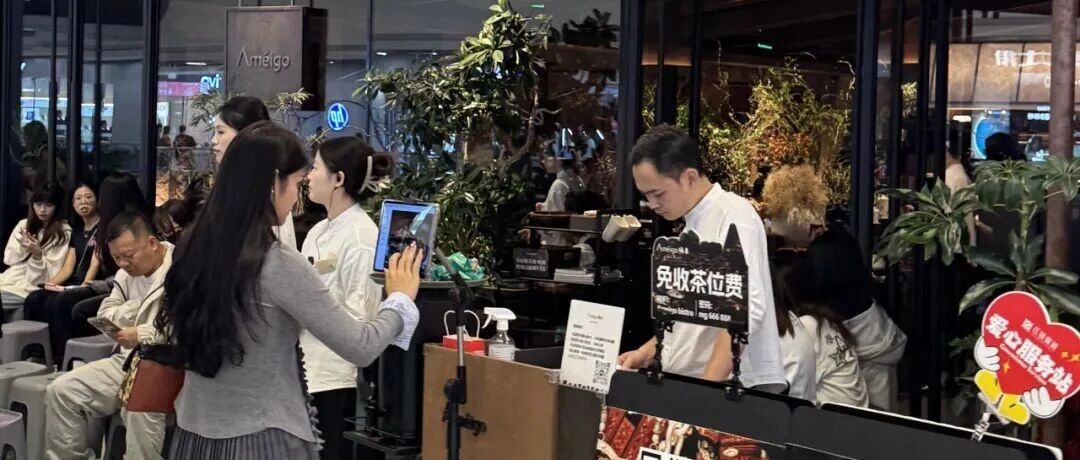
记者丨王滢 编辑丨江佩霞 "人均消费上百元""年轻人排队3小时也要吃"……近两年,一股云贵川bistro的热潮席卷网红商圈,刷屏各大社交平台。 据21世纪经济报道记者实测某网红品牌, 人均消费可达上百元,云贵本地餐馆里25元的铜锅油焖鸡,在云贵川bistro里标价86元。其他bistro 餐厅更是将当地街边8元的酸汤米线卖到48元,溢价6倍。 对此,社交平台上有不少网友纷纷表示"被刺"。 bistro是什么?为什么云贵川菜系加上一个英文后缀就火了?让年轻人上头的原因是什么? 云贵川 b ist r o成商圈新晋"排队王" 这个秋天,北上广的年轻人似乎都在忙着同一件事:排队吃云贵川 b istro。 "4:00多取号,8:30才吃上""排到最后只剩倔强""拿号2小时,过号一瞬间"——在小红书等社交平台上,满屏都是吃货们的"排队血泪史"。 情绪价值高,"漂亮饭"的仪式感 21世纪经济报道记者 甘俊摄 这场"云贵川 b istro热"来得又快又猛。21世纪经济报道记者注意到,一批带着"山""云""野""果"字样的云贵川 b istro,正快速占领上海、北 京、西安、武汉、南京等城市的各大商圈。 大众点评数据显示,截 ...
8元米线卖48元 云贵川bistro为何让年轻人上头?
2 1 Shi Ji Jing Ji Bao Dao· 2025-11-23 02:27
Core Viewpoint - The rapid rise of "Yunnan-Guizhou-Sichuan bistro" restaurants has captivated young consumers in major cities, leading to long queues and high consumer spending, despite significant price markups compared to traditional local eateries [1][2][4]. Group 1: Market Trends - The "Yunnan-Guizhou-Sichuan bistro" trend has quickly spread across major cities like Shanghai, Beijing, and Guangzhou, with a notable presence of 35, 22, and 14 establishments respectively [2]. - The brand Ameigo has opened over 120 locations nationwide, with 10 in Guangdong alone, while another brand, Shanyeban, has established 57 outlets in under three years, indicating a strong market expansion [4]. Group 2: Consumer Behavior - Young consumers are drawn to the bistro experience, which is perceived as a lifestyle choice rather than just a dining option, emphasizing emotional value and aesthetic appeal [7]. - Social media plays a significant role in shaping consumer perceptions, with many sharing their experiences of long wait times and high prices, reflecting a mix of excitement and frustration [1][6]. Group 3: Product Innovation - Bistro restaurants are innovating traditional dishes by incorporating unique ingredients and presentation styles, which helps to differentiate them from conventional offerings [8]. - The use of local ingredients like beef tripe and mushrooms, combined with a sophisticated supply chain, ensures freshness and quality, appealing to urban consumers [9]. Group 4: Competitive Landscape - The bistro market faces challenges of homogenization, with many brands offering similar names, dishes, and decor, which may hinder repeat business [15]. - Traditional hot pot chains are entering the market, intensifying competition and potentially impacting the profitability of newer bistro brands [15][16]. Group 5: Future Outlook - As the novelty of the bistro experience fades, there are concerns about sustainability in terms of pricing and consumer interest, with some brands already reporting increased difficulty in achieving profitability [16]. - The future success of these bistros may depend on their ability to balance ambiance, taste, and price, as consumers are likely to prioritize value over experience in the long run [16].

行业周报:六福集团业绩预告高增,美丽田园战略升级-20251122
KAIYUAN SECURITIES· 2025-11-22 11:35
Investment Rating - The report maintains a "Positive" investment rating for the retail industry [1] Core Insights - The retail industry is experiencing a significant transformation, with a focus on emotional consumption and innovative product offerings driving growth [6][32] - Companies like Liufu Group and Meili Tianyuan are implementing strategic upgrades to enhance brand value and market presence [27][29] Summary by Sections Retail Market Overview - The retail index reported a decline of 7.24% during the week of November 17-21, 2025, underperforming the Shanghai Composite Index by 3.34 percentage points [5][14] - The retail index has increased by 0.58% year-to-date, lagging behind the overall market performance [14][18] Company Performance Highlights - Liufu Group anticipates a revenue increase of approximately 20%-30% and a net profit growth of 40%-50% for the six months ending September 30, 2025, driven by effective product differentiation and sales strategies [27] - Meili Tianyuan is focusing on three major strategic initiatives: building a super brand through acquisitions, establishing a super chain for quality growth, and enhancing digital capabilities for precise marketing [29] Investment Themes - **Gold and Jewelry**: Focus on brands with differentiated product offerings and consumer insights, recommending companies like Laopuhuang and Chaohongji [6][35] - **Offline Retail**: Emphasize companies adapting to market changes, recommending Yonghui Supermarket and Aiyingshi [6][32] - **Cosmetics**: Highlight domestic brands that cater to emotional value and safety innovations, recommending companies like Maogeping and Pola [6][33] - **Medical Aesthetics**: Target differentiated product manufacturers and expanding medical chains, recommending Aimeike and Kedi-B [6][34] Key Company Updates - Chaohongji reported a revenue increase of 28.4% year-to-date, with a focus on expanding its franchise model and product innovation [38][40] - Yonghui Supermarket's revenue decreased by 22.2% year-to-date, but the company is undergoing a transformation to improve its supply chain and store optimization [41][43]



台州鸟都嫌贵,年轻人爱上一百块的「始祖马」
36氪· 2025-11-22 01:11
Core Viewpoint - The article discusses the rise of parody brands and their appeal among young consumers, highlighting the tension between imitation and originality in the fashion industry [4][12][29]. Group 1: Brand Imitation and Consumer Behavior - The emergence of parody brands like "始祖马" (Ancestor Horse) and "始祖猫" (Ancestor Cat) reflects a trend where consumers seek to challenge traditional luxury brands by embracing humorous and abstract imitations [7][12]. - Young consumers are increasingly drawn to these parody products as a form of self-expression and to critique blind adherence to mainstream trends [12][29]. - The popularity of these parody items is partly driven by the high visibility and desirability of original luxury brands, such as Ralph Lauren, which reported a 17% increase in net income to $2 billion for Q2 of FY2026 [24]. Group 2: Market Dynamics and Economic Factors - The global economic instability has led to a shift in consumer preferences towards cost-effective options, with 53.6% of consumers perceiving current prices as "high" [28]. - The consumer sentiment report indicates a decline in the consumption willingness index, suggesting a growing market for affordable yet appealing products [28]. - The luxury market is being redefined by younger consumers who prioritize personalization, cultural identity, and sustainability over mere brand recognition [29]. Group 3: Legal Implications and Brand Protection - The rise of parody brands poses potential legal challenges regarding intellectual property rights, as seen in Ralph Lauren's ongoing litigation against counterfeiters [36][38]. - The recent court ruling affirmed Ralph Lauren's "POLO" trademark as a well-known brand, leading to significant penalties for infringers [38]. - The article warns that while parody brands may achieve short-term success, they risk legal repercussions and consumer abandonment without original creative backing [38].


沈阳 打开青年消费的N种方式
Jing Ji Ri Bao· 2025-11-20 22:09
Core Insights - Consumption is the main engine driving economic growth, with a shift towards high-quality consumption, particularly among younger consumers who value emotional experiences [1] - Shenyang has developed unique strategies to engage young consumers through diverse emotional value offerings, including various cultural and entertainment events [1][3] Group 1: Emotional Consumption and Cultural Events - Young consumers are increasingly prioritizing emotional value in their purchasing decisions, moving from functional to emotional consumption [1] - Shenyang has successfully attracted young consumers by hosting events like comedy weeks, music festivals, and sports events, creating a vibrant cultural scene [1][3] - The city leverages "first launch economy" and "event economy" to enhance consumer engagement and drive spending [3][5] Group 2: Entertainment and Experience Economy - Shenyang's immersive experiences, such as interactive theater, have proven popular, with high ticket sales indicating strong demand for unique entertainment [4] - The city hosts numerous music and theatrical performances throughout the year, contributing to a robust entertainment economy [4][5] - Sports events also play a significant role in boosting local consumption, with various competitions attracting large audiences and increasing spending in surrounding areas [5][6] Group 3: Innovative Consumption Strategies - Shenyang's "ticket root economy" allows consumers to benefit from discounts and offers based on event tickets, enhancing the overall consumer experience [11][12] - The city has implemented measures to improve the shopping experience for international tourists, including a streamlined tax refund process [12][13] - Local businesses are encouraged to focus on emotional value and unique experiences to attract and retain younger consumers [8][9] Group 4: Cultural and Trendy Consumption - The rise of "Guochao" (national trend) products reflects a growing appreciation for local culture and heritage among young consumers, with significant sales growth in related sectors [10][9] - Shenyang's diverse culinary scene, including local delicacies and cultural dining experiences, has become a key attraction for both residents and tourists [8][9] - The city is actively promoting its unique cultural identity, which resonates with younger consumers seeking authentic experiences [7][10]
为快乐买单 情绪消费催生市场新机遇
Sou Hu Cai Jing· 2025-11-20 15:15
Core Insights - Emotional consumption is becoming a rigid demand among consumers, with over 90% of young people recognizing "emotional value" and nearly 60% willing to pay for it [1][4][6] Group 1: Market Trends - Emotional consumption, defined as consumer behavior aimed at obtaining emotional value, is rapidly rising as a new consumption form, driven by the acceleration of digitalization and fast-paced lifestyles [4][5] - The growth of emotional consumption reflects a societal shift from material accumulation to spiritual enrichment, with over 60% of consumers believing that spending helps relieve stress [4][9] - The market for emotional consumption is expanding, with over 3,700 patents related to "emotion" currently registered, indicating increased corporate focus on emotional value [3][5] Group 2: Consumer Demographics - The Z generation (born between 1995 and 2009) constitutes a significant portion of the consumer base, with over 70% of the 500 million users in the broader subculture market belonging to this group [6] - Consumers aged 26 to 30 show a growing preference for emotional support services, while older adults are also engaging in emotional consumption through cultural and wellness products, creating a multi-generational consumer landscape [6][7] Group 3: Industry Innovations - New consumption scenarios are emerging, such as "theater-style shopping" and unique experiential spaces that blend shopping with emotional experiences, leading to increased foot traffic and consumer engagement [6][7] - Companies are innovating to create emotional consumption experiences, with examples like Tianjin's Henglong Plaza and Shanghai's Bailing Mall implementing creative concepts to enhance customer interaction [6][7] Group 4: Challenges and Regulations - The emotional consumption sector is still in its early stages, lacking clear industry standards and regulations, which has led to issues such as low-quality products and impulsive buying behaviors among consumers [8][9] - There is a pressing need for industry standards to be established, including service content, personnel qualifications, and platform operation rules, to mitigate risks associated with emotional consumption [8][9]
界面·财经号优质稿件TOP20|2025年10月榜
Xin Lang Cai Jing· 2025-11-19 01:37
Core Insights - The article highlights the dynamic changes in consumer behavior and market trends during the October "Golden Week," with an average of 2 million people traveling abroad daily, indicating a robust tourism economy [3][5]. - It discusses various companies and sectors, including the tech industry, automotive collaborations, and the evolving landscape of consumer goods, showcasing innovative business strategies and market shifts [3][5]. Group 1: Tourism and Consumer Behavior - The "Golden Week" saw an average of 2 million people traveling abroad daily, raising questions about their destinations [3][5]. - There is a notable shift in consumer preferences on trains, with instant noodles being replaced by cultural creative ice cream, reflecting a broader trend in consumption [3][5]. Group 2: Technology and Investment - Saudi Arabia is investing heavily, with plans to spend hundreds of billions to reshape the global computing market, aiming to discover profitable technology strategies [3][5]. - The release of "Sora 2" raises questions about its potential impact on various industries, whether as a tool, toy, or industry disruptor [3][5]. Group 3: Corporate Developments - Kweichow Moutai has seen significant leadership changes, with six chairmen in seven years, raising concerns about its future direction under new leadership [3][5]. - JD.com is collaborating with GAC and CATL to innovate in the automotive sector, indicating a strategic shift in car sales logic [3][5]. - Ren Yuanlin, known as the "shipping king," is leveraging 3.3 billion to engage with the 69.5 billion yuan Shanshan Group, showcasing a significant financial maneuver in the capital market [3][5]. Group 4: Youth and Consumption Trends - The report on "95后" (post-95 generation) highlights new emotional consumption trends among young consumers, indicating a shift in market dynamics [3][5]. - The rental economy is gaining traction, with innovative ideas such as renting wedding photography equipment and food preparation machines becoming popular among young entrepreneurs [3][5].

行业观察 | 以小切口撬动大增长,万亿消费新蓝海中的建行实践
Sou Hu Cai Jing· 2025-11-18 11:44
Group 1 - The core viewpoint of the articles emphasizes the transformation of consumer behavior in China, shifting from demand-driven to supply-driven innovation, highlighting the importance of emotional consumption in driving market growth [3][4][11] - The latest data indicates that China's total retail sales of consumer goods reached 36.59 trillion yuan in the first three quarters of this year, with a year-on-year growth of 4.5%, and the annual total is expected to exceed 50 trillion yuan [2][3] - The concept of "emotional consumption" is emerging as a significant trend, with younger generations (post-90s and post-00s) leading this shift towards experiences that provide emotional satisfaction [5][6][11] Group 2 - China Construction Bank (CCB) is actively participating in the "expanding domestic demand and promoting consumption" initiative by providing tailored financial services to stimulate consumption growth [4][10][11] - CCB has introduced various financial products, such as "homestay loans" and "agricultural commercial loans," to support local businesses and enhance their operational capabilities [10][11] - The bank's innovative approach includes the "Financial Deputy Village Head" mechanism, which connects villagers with financial services, demonstrating a commitment to community development [10][11] Group 3 - The "Su Xin Consumption" platform in Jiangsu province exemplifies CCB's efforts to facilitate consumer access to subsidies and streamline the purchasing process, enhancing the overall consumer experience [12][14][15] - By integrating multiple payment methods and subsidy channels, the platform has significantly improved user convenience and engagement, leading to increased consumer spending [14][15] - CCB's initiatives have resulted in substantial economic impacts, with Jiangsu province's retail sales reaching 34,788.3 billion yuan in the first three quarters, reflecting a year-on-year growth of 4.2% [16][18] Group 4 - CCB's focus on creating a sustainable value ecosystem through its platforms allows for better engagement with diverse consumer needs, positioning the bank as a key player in the financial landscape [18][23] - The bank's commitment to enhancing consumer experiences and supporting local businesses has led to significant growth in personal consumption loans, with a balance of 6,527 billion yuan and an increase of nearly 1,250 billion yuan this year [22][24] - The collaborative model involving government, banks, and businesses has effectively activated consumer spending, demonstrating the multiplier effect of policy initiatives [16][23]


给购物车囤“体验”
Ren Min Wang· 2025-11-18 01:17
Group 1 - The core viewpoint of the articles highlights a significant shift in the consumption behavior of the "Z generation," who are increasingly prioritizing experiences and services over traditional material goods during the "Double 11" shopping festival [1][2][3] - Travel-related consumption, including "bundled flight and hotel products" and travel packages, accounts for 36.9% of the emotional consumption landscape among young consumers, making it the most popular category [2] - The willingness of the "Z generation" to spend on experiences, such as travel and immersive entertainment, reflects a strong drive towards "self-pleasure" and "experience-first" consumption philosophies [2][3] Group 2 - The report indicates that nearly 40% of young consumers have increased their "Double 11" budget compared to the previous year, with a combined total of nearly 80% maintaining or increasing their spending plans, which supports the growth of experience-based consumption [2] - The participation rate of the "Z generation" in major promotional events like "Double 11" has risen to 93.1% in 2025, indicating that such events have become deeply integrated into their lifestyle [3] - The "Z generation" exhibits a complex mindset of both enthusiasm and rationality, with nearly 40% of consumers being cautious about "the lowest prices of the year," opting to verify deals themselves, which leads to a preference for high-value experience products with clear discounts [3]