绿色消费

Search documents
开局即沸腾!九部门绿色消费新政叠加CES科技风口 金属市场涨声一片贺开年!
Xin Lang Cai Jing· 2026-01-06 02:55
Group 1 - The core viewpoint of the news highlights a significant rally in the global metal market driven by expectations of monetary easing and strong demand for industrial metals, particularly copper and tin [1][3] - The LME copper price surged by 5.03% to close at $13,087.5 per ton, indicating strong buying power and setting a bullish tone for the market [2] - Tin prices saw the highest increase, rising by 5.74% to $42,560 per ton, reflecting strong price elasticity and investor interest [2] Group 2 - The price increase is supported by multiple factors, including government policies promoting green consumption and rising demand in the new energy sector, particularly for copper and lithium [3] - The macroeconomic environment is favorable for metal prices, with expectations of Federal Reserve rate cuts and a weakening dollar providing support for dollar-denominated commodities [3] - Supply constraints from labor strikes in Chilean copper mines and regulatory changes in Indonesian nickel exports have raised concerns about the stability of metal supplies, further amplifying price sensitivity [3] Group 3 - In the short term, prices may face adjustment pressure due to profit-taking after rapid increases, alongside potential seasonal inventory accumulation trends affecting market sentiment [4] - In the medium to long term, the ongoing global energy transition and rapid technological advancements are expected to sustain strong demand for key metals like copper, lithium, and tin, enhancing their strategic value [4]


债市早报:交易商协会加大对债券交易记录相关违规行为惩戒力度;资金面整体宽松,债市走弱
Sou Hu Cai Jing· 2026-01-06 02:03
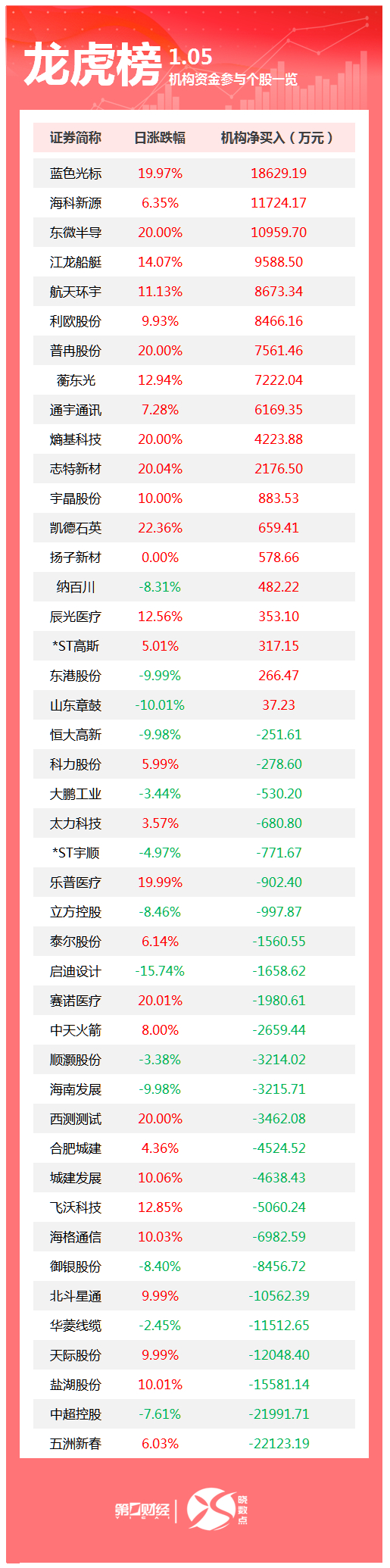
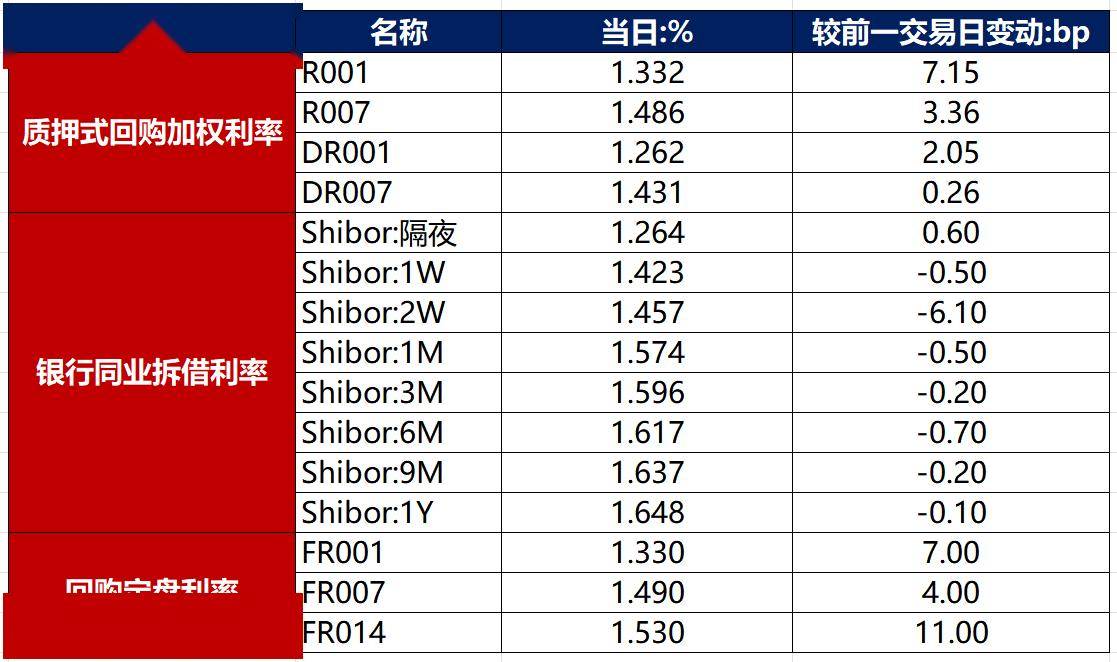
Core Viewpoint - The overall financial environment remains loose, with bond markets showing weakness while convertible bonds and major indices in the stock market have collectively risen. Group 1: Domestic Bond Market News - The China Interbank Market Dealers Association has announced stricter penalties for violations related to bond trading record-keeping, emphasizing the need for compliance in maintaining transaction records [2]. - The Ministry of Finance plans to reissue 10-year fixed-rate bonds with a total face value of 180 billion yuan on January 9, 2026, through a competitive bidding process [2]. Group 2: International Economic Indicators - The ISM Manufacturing PMI in the U.S. unexpectedly shrank to 47.9 in December, marking the largest contraction since October 2024, with new orders and export orders continuing to decline [4]. - The report indicates that 15 industries contracted, with only two showing growth, highlighting ongoing weaknesses in the manufacturing sector [4]. Group 3: Commodity Market Movements - International crude oil futures prices increased, with WTI crude rising by 1.74% to $58.32 per barrel, while natural gas prices continued to decline [5]. Group 4: Financial Market Operations - On January 5, the central bank conducted a 135 billion yuan reverse repo operation at a fixed rate of 1.40%, resulting in a net withdrawal of 4.688 trillion yuan due to the maturity of reverse repos [6][7]. - Despite the central bank's significant net withdrawal, the overall funding environment remains loose, with slight increases in various funding rates [7]. Group 5: Bond Market Dynamics - The bond market weakened due to a large issuance plan for January and limited bond purchases by the central bank, with the yield on 10-year government bonds rising by 2.10 basis points to 1.8615% [9]. - In the secondary market, two industrial bonds saw price deviations exceeding 10%, indicating volatility in credit bonds [11]. Group 6: Convertible Bonds - The convertible bond market followed the stock market's upward trend, with major indices rising by approximately 1.4% to 2.85%, and a total trading volume of 85.075 billion yuan [18]. - A total of 327 out of 390 convertible bonds rose in value, with notable increases in specific bonds such as Dingjie Convertible Bond, which rose over 15% [18].
加快消费模式绿色转型
Qi Huo Ri Bao Wang· 2026-01-06 01:51
Core Viewpoint - The Ministry of Commerce and nine other departments issued a notification to promote green consumption, outlining 20 specific measures to facilitate a green and low-carbon lifestyle and accelerate the transition to green consumption models [1][2]. Group 1: Green Product and Service Supply - The notification emphasizes increasing the supply of green agricultural products, promoting green home appliances and decoration, and encouraging green consumption in the automotive sector [1]. - It aims to enhance standards for energy and water efficiency in home appliances and develop a certification system for green smart appliances [1]. - The automotive industry is encouraged to explore the potential of the "aftermarket," including used cars, car rentals, modifications, and sharing, while supporting new consumption models like RV camping and drive-in cinemas [1]. Group 2: Green Supply Chain and Consumption Points - The notification highlights the need to cultivate new growth points in green consumption by establishing green supply chains and conducting carbon footprint assessments [2]. - It encourages the promotion of green consumption points and the establishment of a universal green consumption points system that integrates online and offline platforms [2]. - The initiative supports the certification and labeling of green products and aims to standardize the collection of green consumption points at retail outlets [2]. Group 3: Green Recycling and Resource Utilization - The notification promotes green recycling by guiding the reduction of single-use plastic products and encouraging the recycling and reuse of waste materials [2]. - It aims to develop a circulation system for resources that emphasizes reduction, recycling, and reuse of second-hand goods [2]. Group 4: Policy Support and Financial Incentives - The notification calls for enhanced policy integration to align green consumption initiatives with modern commercial circulation systems and various pilot projects [2]. - It supports local governments in providing rewards for green businesses such as green malls and restaurants [2]. - Financial institutions are encouraged to increase support for green consumption loans and collaborate with commercial enterprises to expand the application scenarios for these loans [3].
今日看点|2026年国内油价首调预计将搁浅
Jing Ji Guan Cha Bao· 2026-01-06 01:43
Group 1 - The first round of domestic oil price adjustment in 2026 is expected to be suspended, with the adjustment window opening on January 6 at 24:00. In 2025, domestic oil prices experienced 25 rounds of adjustments, ending with three consecutive declines, resulting in a decrease of 915 yuan per ton for gasoline and 880 yuan per ton for diesel compared to the end of 2024. The price adjustment situation for 2026 may become "zero increase, zero decrease, one suspension" [1] Group 2 - A press conference will be held by the State Council Information Office on January 6 at 3 PM to introduce the promotion of green consumption, featuring officials from the Ministry of Commerce, the Ministry of Ecology and Environment, the Ministry of Agriculture and Rural Affairs, and the State Administration for Market Regulation [2] Group 3 - The 2026 Harbin International Ice and Snow Economic Expo will take place from January 6 to 8 at the Harbin International Convention and Exhibition Center, featuring 28 planned activities across various fields such as ice and snow equipment, technology, finance, and cultural tourism, aimed at showcasing the achievements of Harbin's ice and snow economy and promoting international cooperation [3] Group 4 - On January 6, a total of 6 companies will have their restricted shares unlocked, with a total of 797 million shares being released, amounting to a market value of 102.903 billion yuan based on the latest closing prices. The companies with the largest unlock volumes include Baili Tianheng (298 million shares), Xinwufeng (233 million shares), and Aiyu Co., Ltd. (227 million shares) [4] Group 5 - On January 6, 70 companies disclosed progress on stock repurchases, with 76 related announcements. Two companies announced stock repurchase plans for the first time, one plan was approved by a shareholders' meeting, 59 companies reported on the implementation of repurchase plans, and 8 companies completed their repurchase plans. The highest repurchase amounts were announced by Aidi Precision (up to 200 million yuan) and Kelun Pharmaceutical (up to 100 million yuan) [5] Group 6 - Seven A-shares will undergo equity registration on January 6, with all seven companies planning to distribute dividends. The companies with the largest dividend payouts include Hai'an Group (20.00 yuan per 10 shares), Tongfei Co., Ltd. (2.00 yuan per 10 shares), and Chongqing Bank (1.68 yuan per 10 shares) [6] Group 7 - Nine A-shares disclosed progress on private placements on January 6, with two companies announcing new private placement plans, three plans approved by shareholders' meetings, three plans approved by the CSRC, and one plan halted. The highest fundraising amounts from the latest disclosed plans were from Guangyun Da (up to 1.211 billion yuan) and Haopeng Technology (up to 800 million yuan) [7]
万联晨会-20260106
Wanlian Securities· 2026-01-06 01:38
Market Overview - On the first trading day of 2026, the Shanghai Composite Index rose by 1.38% to 4023.42 points, while the Shenzhen Component Index increased by 2.24% and the ChiNext Index by 2.85%. The total trading volume in the Shanghai and Shenzhen markets reached 2.55 trillion yuan. The leading sectors included media, pharmaceuticals, and electronics, while oil and petrochemicals, banking, and transportation lagged behind [2][7] - The Hong Kong Hang Seng Index saw a slight increase of 0.03%, closing at 26347.24 points, while the U.S. major indices all closed higher, with the Dow Jones Industrial Average rising by 1.23% to a record high of 48977.18 points [2][7] Important News - Premier Li Qiang emphasized the need to enhance innovation and development advantages during his research in Guangdong, advocating for the improvement of industrial ecosystems and the exploration of effective business models for new technologies such as robots and drones [3][8] - A joint announcement from nine departments, including the Ministry of Commerce, implemented actions to promote green consumption, focusing on enhancing the supply of green products and encouraging the purchase of electric vehicles and certified green appliances [3][8] Industry Insights Media Industry - The New Year's Day box office exceeded 740 million yuan, marking a significant increase of 61.01% compared to the previous year. The extended holiday period allowed for a diverse range of films to cater to audience preferences, with major sequels leading the box office [9][10] - The total number of screenings during the New Year's holiday reached 1.417 million, with a notable increase in audience attendance, particularly on January 1, which saw a 14.20% year-on-year increase [10][12] - Major IP sequels like "Zootopia 2" and "Avatar 3" demonstrated strong box office resilience, contributing significantly to the overall market performance [12] Gaming Industry - In December 2025, a total of 147 game titles received approval, with 144 domestic and 3 imported games. The total number of game approvals for the year reached 1771, a 25.07% increase from 2024 [13][14] - The game "Seven Realms Dream" is highlighted for its unique "national style" theme and innovative gameplay mechanics, indicating a competitive landscape in the MMO sector for 2026 [14][15] Tourism Industry - The 2026 New Year's holiday saw 142 million domestic trips and total spending of 847.89 billion yuan, benefiting from the extended holiday period compared to the previous year [16][17] - The tourism market experienced a boost due to various factors, including the popularity of winter sports, the appeal of Hainan's free trade zone, and increased interest in outbound travel [18][19] - The outlook for 2026 remains positive, with expectations for further growth in the tourism sector driven by favorable policies and consumer confidence [19]
资讯早班车-2026-01-06-20260106
Bao Cheng Qi Huo· 2026-01-06 01:27
1. Industry Investment Rating No industry investment rating information is provided in the report. 2. Core Views - The commodity market is showing positive trends, with the China Commodity Price Index rising for eight consecutive months, indicating improved market supply - demand and increased business confidence [3]. - In the metal market, precious metals and industrial metals are rising, and copper prices are hitting new highs due to supply shortages [5]. - The bond market has a complex situation. In the short - term, there may be trading opportunities due to policy changes, but in the medium - term, it is likely to be slightly weak [28][29][30]. - The stock market in Hong Kong has a mixed performance, with the Hang Seng Index slightly up and the Hang Seng China Enterprises Index down [34]. 3. Summary by Directory 3.1 Macro Data - GDP growth rate in Q3 2025 was 4.8%, slightly lower than the previous quarter's 5.2% [1]. - In December 2025, the manufacturing PMI was 50.1%, and the non - manufacturing PMI was 50.2% [1]. - In November 2025, social financing scale was 24888 billion yuan, and new RMB loans were 3900 billion yuan [1]. - In November 2025, CPI increased by 0.7% year - on - year, and PPI decreased by 2.2% year - on - year [1]. 3.2 Commodity Investment 3.2.1 Comprehensive - China will continue to cooperate with Venezuela in various fields, and the China - Venezuela cooperation is protected by international and bilateral laws [2]. - Nine departments in China issued a notice to promote green consumption, with 20 specific measures [2]. - The US ISM manufacturing index in December 2025 dropped slightly, and new orders and employment continued to decline [3]. 3.2.2 Metal - Precious metals and industrial metals rose on Monday, with silver up over 6% and copper prices hitting new highs [5]. - Copper prices exceeded $13,000 per ton due to a strike in a Chilean copper mine and supply shortages [5]. - Battery - grade lithium carbonate and lithium hydroxide prices hit new highs in over two years on January 5 [7]. 3.2.3 Coal, Coke, Steel and Minerals - The Dalian Commodity Exchange will launch coking coal options after the holiday [9]. 3.2.4 Energy and Chemicals - Trump said the US may subsidize oil companies to rebuild Venezuela's energy infrastructure [10]. - It is predicted that the average price of US crude oil in 2026 will be $58.15 per barrel, and Brent crude oil will be $61.27 per barrel [10]. 3.2.5 Agricultural Products - Malaysia's palm oil reserves in December 2025 increased by 5.3% month - on - month to 2.99 million tons [12]. - Indonesia exported 20.85 million tons of crude and refined palm oil from January to November [12]. - The egg industry has not entered the stage of accelerated capacity elimination [12]. 3.3 Financial News 3.3.1 Open Market - On January 5, the central bank conducted 13.5 billion yuan of 7 - day reverse repurchase operations, with a net withdrawal of 468.8 billion yuan [13]. - In December 2025, the central bank net - injected 50 billion yuan through open - market treasury bond trading, 100 billion yuan through MLF, and 7.1 billion yuan through SLF [13][14]. 3.3.2 Key News - The CSRC held a symposium on the comprehensive prevention and control system of financial fraud in the capital market [15]. - The National Development and Reform Commission will support Yangtze River protection projects with over 100 billion yuan [16]. - In 2026, the issuance of local government bonds has started, and the issuance scale in the first quarter is expected to exceed 2 trillion yuan [18]. 3.3.3 Bond Market Review - The inter - bank bond market was weak, with most interest - rate bond yields rising and bond futures mostly falling [22]. - The exchange - traded bond market had mixed performances, with some bonds falling and some rising [22]. - The convertible bond index rose, and some convertible bonds had significant price changes [23]. 3.3.4 Foreign Exchange Market - The on - shore RMB against the US dollar rose 84 basis points to 6.9806 at 16:30 [27]. - The US dollar index fell 0.14% to 98.32, and most non - US currencies rose [27]. 3.3.5 Research Report Highlights - CITIC Securities believes that the final draft of the fund sales new rules may be a case of "bad news is good news" for the bond market [28]. - Xingzheng Fixed - Income suggests that the risk - parity strategy can achieve risk dispersion [29]. - Huatai Fixed - Income thinks the bond market is facing both positive and negative factors in 2026 [29]. 3.4 Stock Market - The Hong Kong Hang Seng Index rose 0.03% to 26347.24 points, and the Hang Seng Technology Index rose 0.09%, while the Hang Seng China Enterprises Index fell 0.22% [34]. - Southbound funds had a net purchase of 18.723 billion Hong Kong dollars, with Kuaishou and Xiaomi Group being the top net - bought stocks [34].
四大证券报头版头条内容精华摘要_2026年1月6日_财经新闻
Xin Lang Cai Jing· 2026-01-06 00:44
Group 1 - Over 250 stocks have been included in the brokerage "gold stock" portfolio for January 2026, with Zhongji Xuchuang being the most notable [1] - The brokerage "gold stock" index for 2025 recorded positive returns, with the strongest performance from Guoyuan Securities, achieving over 100% cumulative returns [1] Group 2 - Newly established financial asset investment companies (AIC) from three joint-stock banks are focusing on "hard technology" investments, with a total investment exceeding 6 billion yuan by Xiyin Investment alone [2] - These AICs are utilizing market-oriented debt-to-equity swaps to support technological innovation in sectors like new energy and new materials [2] Group 3 - The Ministry of Commerce and nine other departments have issued a notice to promote green consumption, proposing 20 specific measures, including the establishment of a project library for green consumption infrastructure [3] - The notice supports the issuance of real estate investment trusts (REITs) for eligible projects in the infrastructure sector [3] Group 4 - The National Taxation Administration has updated 90 cross-border investment tax guides, covering 85 countries and regions with significant tax system changes, increasing the total to 115 guides [4] Group 5 - Local government bond issuance for 2026 has commenced, with Shandong province issuing 72.381 billion yuan in bonds, marking the first issuance of the year [5] - The total net supply of local government bonds for the year is expected to reach approximately 780 billion yuan [5] Group 6 - More than 40 A-share companies have forecasted significant profit growth for 2025, indicating a positive outlook for various industries [6] Group 7 - The 2026 International Consumer Electronics Show (CES) is set to take place, showcasing new products and trends in the consumer electronics industry [7][8] Group 8 - The financial market is expected to maintain a low volatility environment in 2026, supported by a stable liquidity backdrop and a moderately loose monetary policy [9] Group 9 - Premier Li Qiang emphasized the importance of fostering innovation and high-quality development during his recent visit to Guangdong [10] Group 10 - The A-share market has seen the emergence of stocks with significant growth potential, with characteristics of past high-performing stocks being analyzed for future investment opportunities [11] - The automotive market in China has achieved record production and sales, with a notable increase in demand driven by policies like trade-in incentives [11] Group 11 - Several A-share companies, including Ding Tai High-Tech and Huayi Whirlpool, are expected to see their net profits double in 2025, particularly in the PCB and new energy sectors [12][29] Group 12 - The 2026 appliance and digital product trade-in subsidy program has officially launched, with various regions announcing their participation [30] - Smart glasses have been included in the national subsidy program for the first time, indicating a shift towards consumer-level growth in this sector [31] Group 13 - The commercialization of brain-computer interfaces is accelerating, transitioning from medical trial tools to widely available products [15][32] Group 14 - The State Council has released a solid waste comprehensive management action plan, aiming for significant improvements in waste management by 2030 [33]
9部门发文!中国实施绿色消费推进行动
Xin Hua She· 2026-01-06 00:36
Core Viewpoint - The new trend of green consumption is reshaping lifestyles and promoting sustainable practices across various sectors, driven by a recent initiative from the Ministry of Commerce and nine other departments to advocate for green consumption and low-carbon production methods [1] Group 1: Food Sector - The initiative emphasizes increasing the supply of green agricultural products and developing green dining options, encouraging businesses to procure high-quality items such as organic and geographical indication products [2][3] - It aims to reduce cooking oil emissions, curb food waste, and promote the use of biodegradable and reusable packaging in the food service industry [3] Group 2: Housing Sector - The initiative encourages the purchase of green-certified smart home appliances and eco-friendly building materials, focusing on sustainable and intelligent home solutions [4][5] - It promotes the establishment of green hotels that utilize non-toxic, water-saving cleaning agents and offer refillable toiletries, while also innovating in health-oriented room services [5] Group 3: Transportation Sector - The initiative supports the automotive industry by promoting the replacement of old vehicles with new energy vehicles, which now account for nearly 60% of the market, and encourages cycling as a new trend in tourism [7] - It aims to enhance the automotive aftermarket, including second-hand cars, rentals, and shared mobility services, while advocating for the integration of AI in green consumption practices [7] Group 4: Recycling and Second-hand Market - The initiative promotes green recycling practices and the circulation of second-hand goods, encouraging retailers to provide reusable shopping options and e-commerce platforms to collaborate with logistics for sustainable packaging [8][9] - It outlines the establishment of a three-tier recycling system and encourages the creation of second-hand shops to maximize the value of idle goods, while also addressing the need for standardized green product certifications [9]
证监会召开重要座谈会;两只新股,今日申购……盘前重要消息一览
证券时报· 2026-01-06 00:23
新股方面,至信股份申购代码732352,发行价21.88元/股,申购上限1.8万股。科马材料申购代码920086,发行价11.66元/ 股,申购上限94.14万股。 1月6日(周二)申购提示 投资有风险,申购需谨慎。 重要的消息有哪些 1.1月5日,中国证监会召开资本市场财务造假综合惩防体系跨部门工作推进座谈会。会议指出,党中央国务院高度重视资本市场稳定健康 发展,要充分认识财务造假背后的利益驱动和长期性复杂性,进一步坚定信心,强化监管合力,继续共同扛起打击和防范资本市场财务造假 的政治责任。证监会将继续主动积极会同各部门以更实的举措持续增强综合惩防效率效果,不断推动提升上市公司质量和投资价值,有效保 护投资者合法权益,全力护航资本市场高质量发展,为中国式现代化贡献力量。 2.中国人民银行发布2025年12月中央银行各项工具流动性投放情况,2025年12月,央行通过中期借贷便利(MLF)净投放1000亿元。 3.1月5日,商务部等9部门联合印发了《关于实施绿色消费推进行动的通知》,从丰富绿色产品供给、提升绿色服务消费、创新绿色消费 模式、推动绿色循环回收、优化绿色消费环境、夯实绿色消费基础、加大政策支持力度等 ...
外交部回应委内瑞拉形势突变;美国法官要求马杜罗3月17日再次出庭;格陵兰岛总理回应特朗普:格陵兰永远是我们的领土|早报
Di Yi Cai Jing· 2026-01-06 00:14
Group 1: International Relations and Geopolitical Events - China's Foreign Ministry condemned the U.S. for its military actions against Venezuela, emphasizing the violation of international law and the need to respect Venezuela's sovereignty [2] - Venezuelan President Maduro appeared in a U.S. court and pleaded not guilty to charges, with a follow-up court date set for March 17 [3] - The U.S. Secretary of Defense stated that fewer than 200 personnel were involved in the military operation against Venezuela [15] Group 2: Economic and Market Developments - The Chinese government plans to issue over 100 billion yuan in special bonds to support ecological projects along the Yangtze River [7] - The China Passenger Car Association forecasts a 25% growth in the sales of new energy vehicles by 2025, with total sales expected to reach 15.33 million units [10] - Goldman Sachs recommends overweighting Chinese stocks, predicting annual growth of 15% to 20% in the Chinese stock market for 2026 and 2027 [20] Group 3: Corporate News - Gree Electric Appliances announced that it will not raise air conditioner prices and has no current plans to replace copper with aluminum in its products [17] - The China Securities Regulatory Commission is enhancing measures to combat financial fraud in the capital market, aiming to improve the quality of listed companies [8]