价格战

Search documents
三个法则,雷军教你打价格战
Hu Xiu· 2025-08-06 05:10
雷军,一个穿皮衣的"价格屠夫",嘴上一直说反价格战、反内卷,其实他才是真正的"卷王"。在各行各 业价格战风起云涌的今天,雷军为中国企业应对价格战提供了一个很好的模版。在SUV赛道豪华品牌下 探、高端自主上攻的背景下,15到30万元区间竞争已经白热化,小米YU7却能在竞争异常激烈的赛道脱 颖而出,今天就来讲讲三个应对价格战的底层逻辑。 ...

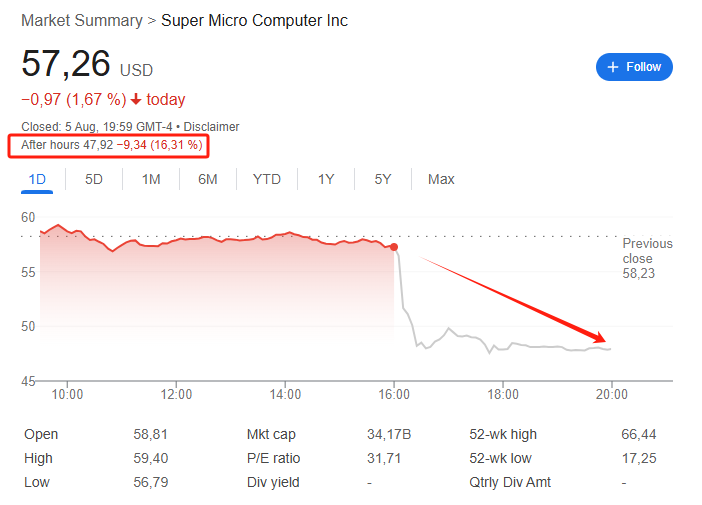
超微电脑增长神话破灭?“价格战”威胁利润率,盘后大跌16%
Hua Er Jie Jian Wen· 2025-08-06 01:33
Core Viewpoint - The latest earnings report from Supermicro has disappointed investors, leading to a significant drop in stock price despite the company's previous strong performance in the AI sector [1][4]. Financial Performance - For the fourth quarter, Supermicro reported revenue of $5.76 billion, a year-over-year increase of 7.5%, but below analyst expectations of $6.01 billion [1]. - Adjusted earnings per share were $0.41, also falling short of the anticipated $0.44 [1]. - The company has significantly lowered its revenue guidance for the next quarter to between $6 billion and $7 billion, and adjusted earnings per share to between $0.40 and $0.52 [1][2]. Profitability Challenges - The company expects an operating profit margin of only 5% for the next quarter, which is well below the analyst forecast of 7% [2][7]. - Supermicro faces dual pressures from inventory backlog and pricing competition, particularly from Dell [7]. Business Difficulties - Demand for current products is being impacted as customers are waiting for the latest NVIDIA chip products [3][7]. - The company is struggling with old inventory while trying to compete for large AI server orders at lower prices [7]. Future Outlook - Supermicro has revised its revenue forecast for the fiscal year 2026 from $40 billion to $33 billion, a reduction of 17.5% [8]. - The optimistic growth expectations earlier this year, driven by AI product demand, have been replaced by a more competitive pricing environment [9].

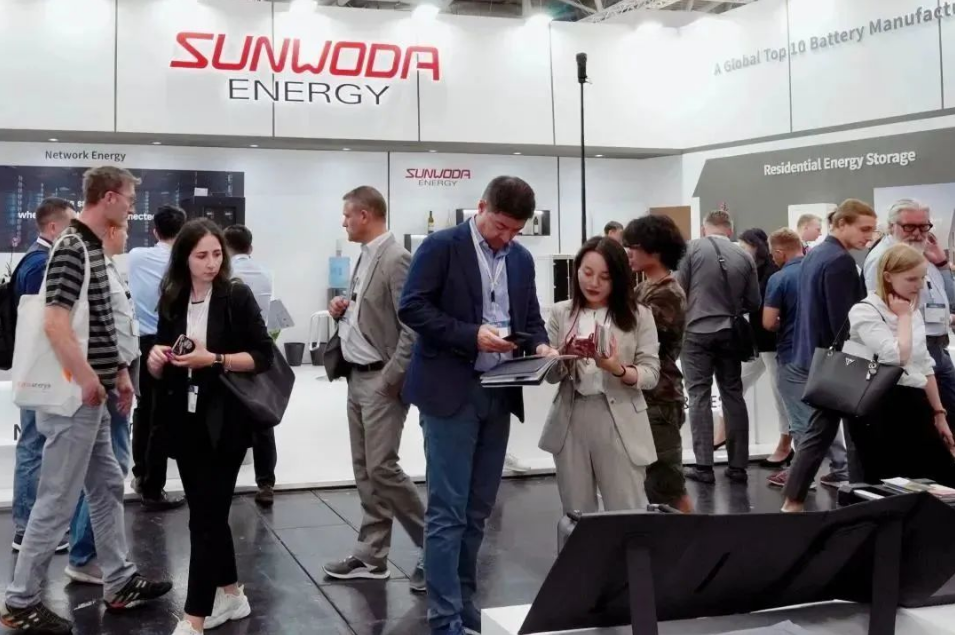
动力电池业务挤压欣旺达谋港上市补血
Xin Lang Cai Jing· 2025-08-05 21:08
Core Viewpoint - The company is seeking to raise funds through a Hong Kong IPO to support its struggling power battery business amid fierce price competition in the Chinese market [2][3]. Group 1: Company Overview - XINWANDA Electronics Co., Ltd. was founded in 1997 and initially focused on consumer batteries, later entering the power battery sector in 2014 [4]. - The company has become a leading player in consumer batteries and has seen significant growth opportunities in the rapidly developing Chinese electric vehicle (EV) market [4]. - XINWANDA's power battery revenue is projected to grow from 12.7 billion yuan in 2022 to 15.1 billion yuan (approximately 2 billion USD) by 2024 [4]. Group 2: Market Position and Challenges - The company currently holds a 2.87% market share in the Chinese EV battery market, ranking seventh, while CATL and BYD dominate with a combined market share of 67% [5]. - Despite maintaining profitability through its consumer battery business, XINWANDA's power battery segment has been struggling, with a gross margin of only 12.9% compared to 20.2% for consumer batteries [5]. - The power battery business has incurred losses, with a reported loss of 1.56 billion yuan in 2023 alone [5]. Group 3: Strategic Initiatives - To navigate the challenging market landscape, XINWANDA plans to accelerate its overseas expansion, particularly as the domestic EV market becomes saturated [6]. - The company has initiated a global production capacity layout, including a significant battery production base in Thailand with an investment exceeding 10 billion yuan [6]. - XINWANDA aims to enhance its competitive edge by increasing R&D investments to create differentiated technology barriers [6].

动力电池业务挤压 欣旺达谋港上市补血
Xin Lang Cai Jing· 2025-08-05 13:55
Core Viewpoint - The company, XINWANDA, is seeking to raise funds through a Hong Kong IPO to support its struggling power battery business amid fierce price competition in the industry [2][3]. Group 1: Company Overview - XINWANDA was founded in 1997 and initially focused on consumer batteries, becoming a leading manufacturer in the mobile phone battery sector by 2020 [3]. - The company entered the power battery market in 2014 and has seen significant growth opportunities due to the rapid development of China's new energy vehicle industry [3]. - In 2022, XINWANDA's power battery business generated revenue of 12.7 billion yuan, projected to grow to 15.1 billion yuan (approximately 2 billion USD) by 2024 [3]. Group 2: Financial Performance - Despite overall profitability, XINWANDA's power battery segment has been operating at a loss, with a reported loss of 1.56 billion yuan in 2023 [5]. - The gross margin for the power battery business was only 12.9% in Q1 2023, compared to 20.2% for its consumer battery segment [5]. - The company has maintained profitability over the past decade, with Q1 2023 revenue of 12.3 billion yuan and a net profit of 387 million yuan, reflecting a year-on-year increase of 21% [5]. Group 3: Market Position and Competition - XINWANDA holds a 2.87% market share in China's electric vehicle battery market, ranking seventh behind industry leaders CATL and BYD, which together account for 67% of the market [4]. - The company faces intense competition and pricing pressures, leading to a challenging environment for profitability in the power battery sector [5]. Group 4: Strategic Initiatives - XINWANDA plans to accelerate its overseas expansion due to the saturation of the domestic electric vehicle market, with 40% of its overall sales coming from international markets in Q1 2023 [6]. - The company is investing over 10 billion yuan in a large battery production facility in Thailand, which has received local government approval [7]. - To navigate the price war, XINWANDA aims to increase R&D investment to build differentiated technology and achieve a pricing advantage [7].
东方雨虹(002271):防水价格筑底回升
Changjiang Securities· 2025-08-05 12:41
Investment Rating - The investment rating for the company is "Buy" and is maintained [6]. Core Views - The company's revenue for the first half of 2025 was 13.6 billion yuan, a year-on-year decrease of 11%, with a net profit attributable to shareholders of 560 million yuan, down 40% year-on-year [3][10]. - The company is experiencing a decline in revenue across various product categories, with waterproof membranes, coatings, and mortar powder revenues decreasing by 9%, 17%, and 6% respectively [10]. - Retail revenue has continued to rise, accounting for approximately 37% of total revenue, despite a 7% year-on-year decline, while engineering revenue decreased by 12% [10]. - The company has begun to see the effects of cost reduction and efficiency improvements, with a gross margin of approximately 25.4% for the first half of the year, down 3.8 percentage points year-on-year [10]. - A price adjustment strategy was implemented, with price increases for waterproof coatings and other products aimed at restoring profitability [10]. - The company is expanding its overseas market presence by acquiring a 100% stake in Chile's Construmart S.A. for 1.23 billion USD, which will enhance its distribution capabilities in the region [10]. - The company plans to distribute a cash dividend of 9.25 yuan per 10 shares, totaling 2.21 billion yuan, indicating an attractive dividend yield [10]. Financial Summary - The company's total revenue for 2024 is projected at 28.06 billion yuan, with a net profit of 1.08 billion yuan [14]. - The estimated net profit for 2025 and 2026 is approximately 1.8 billion yuan and 2 billion yuan respectively, with corresponding valuations of 16 and 14 times [10][14].

财说丨半年报首亏、实控人撤离,翔丰华滑向“泥潭”
Xin Lang Cai Jing· 2025-08-05 00:08
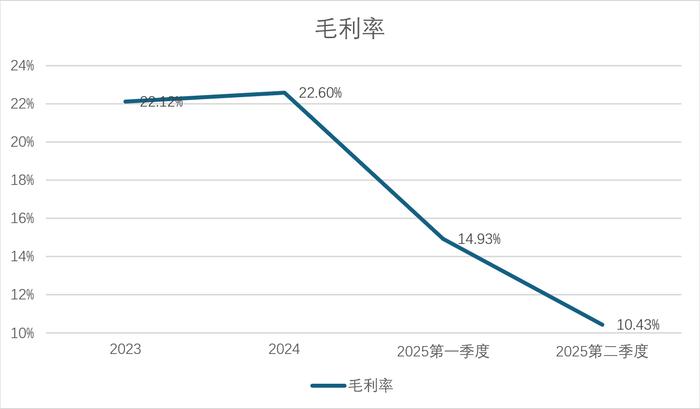
Core Viewpoint - Xiangfenghua (300890.SZ) reported its first half-year loss since its listing, with a loss of 2.95 million yuan, indicating significant financial distress in the lithium battery anode materials sector [1][2]. Financial Performance - In the first half of 2025, Xiangfenghua's revenue decreased by 2.80% to 688 million yuan, while net profit plummeted from 38.24 million yuan in the same period last year to a loss of 2.95 million yuan [1]. - The company's gross margin fell to 12.44%, down 57% from its peak of 28.79% in 2020, with the second quarter gross margin hitting a historical low of 10.43% [1][2]. - The net profit margin dropped from 5.3% to -0.49%, indicating a loss of 0.49 yuan for every 100 yuan in sales [1]. Industry Context - The lithium battery anode materials industry is facing severe price competition, with prices dropping by 40% from 2020 to 2024, leading to a staggering 98% decline in industry profits [2]. - The global production capacity for anode materials surged from 811,000 tons in 2020 to 3.546 million tons in 2024, an increase of 337% [2]. Capacity and Production Issues - Xiangfenghua's production capacity reached 90,000 tons by May 2025, with a recent expansion in its Fujian facility, despite the industry facing overcapacity [2]. - The demand for anode materials is projected at 2.47 million tons in 2025, while production capacity is expected to exceed 3.6 million tons, leading to significant oversupply [4]. Debt and Cash Flow Concerns - As of June 2025, Xiangfenghua's interest-bearing debt stood at 1.733 billion yuan, with a debt-to-asset ratio of 52.06%, reflecting a 3% increase from the end of 2024 [5]. - The company's operating cash flow turned negative, with a net outflow of 181 million yuan in the first half of 2025, and accounts receivable surged to 669 million yuan, a 32% increase year-on-year [5][6]. Management and Strategic Challenges - The core management has begun to reduce their stakes, with significant share reductions by major shareholders in late 2024 and early 2025 [8]. - Key projects, including the R&D center and artificial graphite production, have faced delays, indicating a lack of confidence in market recovery [8]. Market Dynamics - The industry is experiencing a "death spiral" where increased production leads to greater losses, with major players forced to accept unprofitable orders to maintain cash flow [9]. - Xiangfenghua's R&D spending was only 2.336 million yuan in the first half of 2025, representing less than 4% of total revenue, which is significantly lower than competitors [9]. Future Outlook - The only bright spot for Xiangfenghua is the energy storage sector, which saw a 64% increase in battery shipments in 2024, although the contribution of anode materials to this segment is limited [10].
以“短期让利”换“行业话语权”式价格战 本质是低效消耗战
Nan Fang Du Shi Bao· 2025-08-04 23:17
Core Viewpoint - The article discusses the rise of "involutionary competition" in various industries, emphasizing the need for regulatory measures to address the inefficiencies and negative impacts of price wars, particularly in the platform economy [5][6][23]. Group 1: Definition and Characteristics of Involutionary Competition - "Involutionary competition" is characterized by low-price strategies leading to a race to the bottom, resulting in decreased profit margins and stagnation in industry development [8][9]. - This form of competition is marked by low-quality homogenization, price wars, and short-term behavior, ultimately harming the overall value of the industry [8][9]. Group 2: Price Wars and Their Implications - Price wars, while appearing beneficial in the short term, can create a "bubble market" through capital subsidies, leading to unsustainable competition [10][12]. - The phenomenon of sacrificing profits for market survival is driven by market pressures, strategic goals, and the allure of short-term gains [9][10]. Group 3: Regulatory Framework and Legal Measures - New regulations, including amendments to the Anti-Unfair Competition Law and the Price Law, aim to provide tools for comprehensive governance of involutionary competition [11][14]. - The revised laws will prohibit platforms from forcing merchants to sell below cost, thereby preventing market disruption and protecting fair competition [12][14]. Group 4: Transition from Price Competition to Value Competition - The article advocates for a shift from price wars to value-based competition, emphasizing the need for a collaborative approach involving government policy, industry self-regulation, and corporate innovation [20][21]. - This transition is seen as essential for breaking the cycle of low-price, low-quality competition and fostering a healthier market environment [21][23].

卖家拒绝低价入驻,Temu价格战打不动了
Sou Hu Cai Jing· 2025-08-04 11:33
Core Viewpoint - Temu is facing significant challenges in maintaining its competitive pricing strategy due to Amazon's price control mechanisms and internal management issues [1][4][5]. Group 1: Pricing and Competition - Following the tightening of tax exemption policies for Chinese small packages in the U.S., Temu paused its full-service operations and shifted to a local fulfillment model, aiming to introduce more U.S. brand sellers to enhance its pricing and logistics competitiveness [2][4]. - Temu's attempts to negotiate with U.S. sellers have been met with resistance, as sellers are required not to price their products lower than those on Amazon, which is a direct response to Amazon's price monitoring system [2][4]. - Amazon's price linkage mechanism can lead to the loss of the "Buy Box" for sellers if lower prices are detected on other platforms, creating a significant barrier for Temu's pricing strategy [4]. Group 2: Internal Management Challenges - Since mid-July, many Temu sellers have reported a lack of communication with their assigned buyers, indicating potential internal disruptions within the company [5][6]. - Temu is undergoing a large-scale adjustment of its buyer team, resulting in personnel shortages and increased difficulty in recruitment due to high turnover rates and work intensity [6]. - The restructuring has led to changes in how buyers are assigned, now focusing on product categories rather than sales models, which has caused imbalances in resource allocation and further complications for sellers [6]. Group 3: Supply Chain and Fulfillment - To stabilize its supply chain, Temu has preemptively shipped a significant amount of popular products to its U.S. warehouses before the cancellation of the T86 policy, ensuring a three-month inventory of full-service products [8]. - Since June, Temu has been increasing the proportion of full-service product promotions, aiming to fully restore its full-service operations by the end of July [8]. - The focus on full-service operations has led to decreased attention on non-full-service businesses and smaller sellers, exacerbating the issue of buyers becoming unresponsive [8].


瑞达期货锰硅硅铁产业日报-20250804
Rui Da Qi Huo· 2025-08-04 11:13
Group 1: Report Industry Investment Rating - No relevant content provided Group 2: Report's Core View - On August 4, the silicon iron 2509 contract closed at 5674, down 0.56%. On the spot side, the spot price of silicon iron in Ningxia was reported at 5500, down 50 yuan/ton. The macro - side saw Trump 2.0 make a military threat against Russia. With low - level operation of the start - up rate, the price of semi - coke in Ningxia on the cost side decreased, and the overall expectation of steel demand remained weak. The production profit of ferroalloys was negative, with the spot profit in Inner Mongolia at 180 yuan/ton and in Ningxia at 330 yuan/ton. Technically, the 4 - hour cycle K - line was between the 20 and 60 moving averages, and it should be treated as an oscillating operation [2] - On August 4, the manganese - silicon 2509 contract closed at 5972, down 0.03%. On the spot side, the spot price of manganese - silicon in Inner Mongolia was reported at 5780, down 20 yuan/ton. Officially, it was announced that starting from August 8, the value - added tax on the interest income of newly issued national bonds, local bonds, and financial bonds would be restored. Fundamentally, the factory start - up rate rebounded, the inventory was moderately high. On the cost side, the port inventory of imported manganese ore decreased by 110,000 tons this period, and the downstream hot metal output was high. The spot profit in Inner Mongolia was - 120 yuan/ton and in Ningxia was - 30 yuan/ton. In the market, the procurement price of steel mills this month rebounded compared with the tender price. Technically, the 4 - hour cycle K - line was between the 20 and 60 moving averages, and it should be treated as an oscillating operation [2] Group 3: Summary by Catalog Futures Market - The closing price of the SM main contract was 5972 yuan/ton, up 10 yuan; the closing price of the SF main contract was 5674 yuan/ton, down 8 yuan. The SM futures contract positions were 604,837 hands, up 17,425 hands; the SF futures contract positions were 410,505 hands, up 10,430 hands. The net positions of the top 20 in manganese - silicon were - 89,799 hands, up 4,687 hands; the net positions of the top 20 in silicon iron were - 36,866 hands, up 1,153 hands. The SM 1 - 9 month contract spread was 86 yuan/ton, up 12 yuan; the SF 1 - 9 month contract spread was 142 yuan/ton, up 12 yuan. The SM warehouse receipts were 77,611, down 243; the SF warehouse receipts were 21,930, down 112 [2] Spot Market - The price of Inner Mongolia manganese - silicon FeMn68Si18 was 5,820 yuan/ton, down 80 yuan; the price of Inner Mongolia silicon iron FeSi75 - B was 5,760 yuan/ton, down 110 yuan. The price of Guizhou manganese - silicon FeMn68Si18 was 5,850 yuan/ton, unchanged; the price of Qinghai silicon iron FeSi75 - B was 5,460 yuan/ton, down 70 yuan. The price of Yunnan manganese - silicon FeMn68Si18 was 5,800 yuan/ton, down 50 yuan; the price of Ningxia silicon iron FeSi75 - B was 5,710 yuan/ton, down 120 yuan. The average value of the manganese - silicon index was 5,837 yuan/ton, up 149 yuan; the basis of the SF main contract was 36 yuan/ton, down 112 yuan; the basis of the SM main contract was - 152 yuan/ton, down 90 yuan [2] Upstream Situation - The price of South African ore: Mn38 lump at Tianjin Port was 34 yuan/ton - degree, down 3 yuan; the price of silica (98% in the northwest) was 210 yuan/ton, unchanged. The price of Inner Mongolia Wuhai secondary metallurgical coke was 1,050 yuan/ton, unchanged; the price of semi - coke (medium material in Shenmu) was 670 yuan/ton, unchanged. The manganese ore port inventory was 4.385 million tons, down 110,000 tons [2] Industry Situation - The manganese - silicon enterprise start - up rate was 42.18%, up 0.60%; the silicon iron enterprise start - up rate was 33.76%, up 0.43%. The manganese - silicon supply was 190,820 tons, up 4,340 tons; the silicon iron supply was 104,400 tons, up 2,100 tons. The manganese - silicon factory inventory was 164,000 tons, down 41,000 tons; the silicon iron factory inventory was 65,500 tons, up 3,400 tons. The national steel mill inventory of manganese - silicon was 14.24 days, down 1.25 days; the national steel mill inventory of silicon iron was 14.25 days, down 1.13 days [2] Downstream Situation - The demand for manganese - silicon from the five major steel types was 123,715 tons, up 45 tons; the demand for silicon iron from the five major steel types was 19,922 tons, down 143.7 tons. The blast furnace start - up rate of 247 steel mills was 83.48%, unchanged; the blast furnace capacity utilization rate of 247 steel mills was 90.22%, down 0.56%. The crude steel output was 8.3184 million tons, down 336,100 tons [2] Industry News - On August 1, Wang Renfei, Director of the Comprehensive Department of System Reform of the National Development and Reform Commission, said that the government would regulate the disorderly competition of enterprises in accordance with laws and regulations, promote the governance of production capacity in key industries, standardize bidding and tendering, strengthen the fairness review of bid - winning results, standardize local investment promotion behaviors, strengthen the disclosure of investment promotion information, and carry out the cleanup and rectification of market access barriers [2] - On August 1, Jiang Yi, Director of the Policy Research Office and Spokesperson of the National Development and Reform Commission, revealed at a press conference that the list of 800 billion yuan of "two major" construction projects this year had been fully issued, and 735 billion yuan of central budget - internal investment had been basically issued [2] - Trump 2.0 made a military threat against Russia for the first time, saying that he ordered the deployment of two US nuclear - powered submarines to the relevant area [2] - The long - term "price war" will eventually become a money - burning game, eroding the innovation and development space of enterprises. The market needs innovation, quality, and efficiency rather than just low prices. As the Chinese economy moves towards high - quality development, the transformation from "trading price for volume" to "quality improvement" has become an inevitable path for various industries [2]
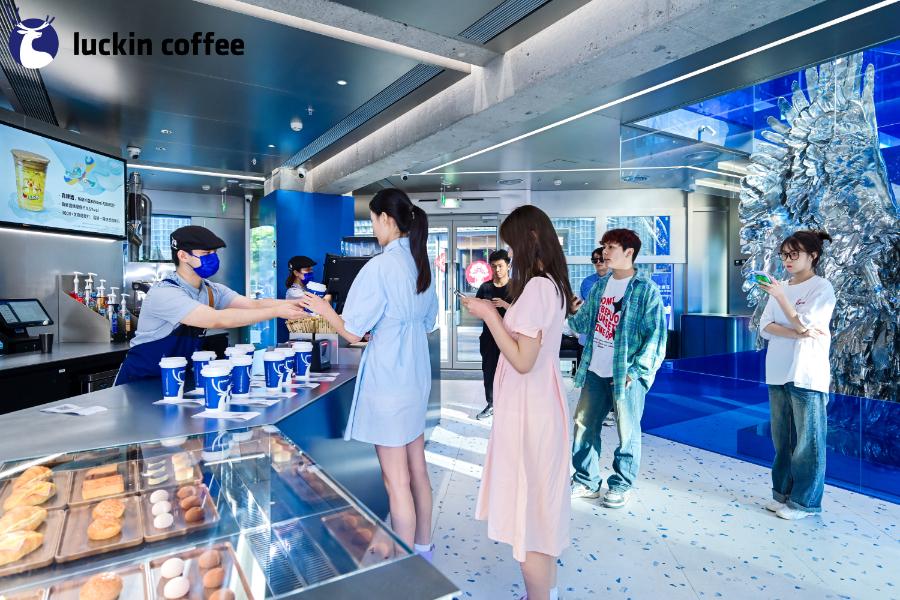
现制咖啡2025:规模化为王,低价不能停
3 6 Ke· 2025-08-04 07:40
Core Viewpoint - The Chinese ready-to-drink coffee market is experiencing significant changes, with local brands gaining dominance over Starbucks, which is struggling to adapt to the competitive landscape and price wars [1][8]. Group 1: Market Dynamics - The concentration of the ready-to-drink coffee market in China is notably higher than that of the ready-to-drink tea market, indicating a shift towards larger players dominating the sector [1][11]. - Starbucks reported a revenue of $790 million in Q3 FY2025, with an 8% year-on-year growth, but a 4% decline in average transaction value, primarily due to price reductions amid a competitive price war [1][8]. - The market has seen a surge in the number of coffee shops, with nearly 49,700 new coffee outlets established in the past year, reflecting a 58% increase [5][12]. Group 2: Competitive Landscape - Luckin Coffee has emerged as the largest coffee chain in China, surpassing Starbucks with a revenue of 24.903 billion yuan in 2023, marking an 87.3% year-on-year increase [5][8]. - The price of coffee has become a focal point in the market, with many brands adopting a 9.9 yuan pricing strategy, which has become a common price point for ready-to-drink coffee in China [6][9]. - The competitive environment has led to a significant decline in Starbucks' market share, dropping from 42% in 2017 to 14% in 2024 [3][8]. Group 3: Business Strategies - Companies are focusing on optimizing supply chains and product offerings to build core competitiveness in a fiercely competitive market [2][14]. - The trend of launching "coffee+" products, which combine elements of coffee, tea, and soda, is gaining traction among brands to attract younger consumers [16][17]. - Brands like Luckin Coffee are leveraging their supply chain efficiencies to maintain low prices while ensuring profitability, with a focus on high-quality ingredients at competitive prices [19][20]. Group 4: Future Outlook - The growth rate of the ready-to-drink coffee market is expected to slow, with projections of 1,930.4 billion yuan and 2,238.4 billion yuan for 2024 and 2025, respectively, indicating a decline from previous years' growth rates [14][20]. - The industry is entering a "淘汰赛" (elimination round), where only the most adaptable and strategically sound companies will survive, as the market becomes saturated and consumer demand stabilizes [20][21].