
规模效应

Search documents
华泰证券:中长期仍看好龙头快递企业市场份额提升
news flash· 2025-05-22 23:36
Core Viewpoint - Huatai Securities expresses a long-term optimistic outlook on leading express delivery companies' market share growth despite the current low valuation of the express delivery sector [1] Group 1: Market Conditions - The express delivery sector is currently experiencing historical low valuations [1] - Since April, the year-on-year growth rate of parcel volume has slightly slowed down, which may intensify price competition during the off-peak season [1] Group 2: Company Strategies - Leading companies have a strong demand for market share, which is expected to drive their performance [1] - Companies are increasing policy investments, leading to higher costs, which may pressure profitability during the off-peak season [1] Group 3: Long-term Outlook - In the long term, leading express delivery companies are expected to enhance their market share through the application of digital tools and achieving economies of scale [1] - Strong cash flow and high-quality assets will help these companies solidify their industry position and mitigate the impact of price declines [1]

小鹏离盈利又近了一步
Hua Er Jie Jian Wen· 2025-05-22 11:27
Core Insights - Xiaopeng Motors has shifted its focus to profitability in 2023, with Q1 losses narrowing to 660 million yuan, significantly below market expectations of 1.386 billion yuan [2][3] - The company reported Q1 revenue of 15.8 billion yuan, a 141.5% increase from 6.55 billion yuan in the same period last year, and achieved a historical high gross margin of 15.6% [2][3][5] Financial Performance - Xiaopeng's cash reserves reached 45.28 billion yuan, increasing by 3.32 billion yuan quarter-on-quarter [2] - The company delivered 94,000 vehicles in Q1, exceeding previous guidance by 330% year-on-year [5][9] - Revenue from other business segments amounted to 1.44 billion yuan, with a gross margin of 66.4%, indicating a stable income stream from partnerships [5] Market Reaction - Following the positive earnings report, Xiaopeng's stock price surged over 16% in pre-market trading and closed up 13%, adding over 17 billion yuan to its market capitalization [3] - Morgan Stanley expressed optimism about Xiaopeng's structural recovery and clear profitability path, citing strong product delivery and cash flow [3] Product Development - The success of new models, particularly the MONA M03 and P7+, has contributed to increased delivery volumes [4][5] - Upcoming models include the G7 SUV, a revamped P7, and the Kunpeng super electric vehicle, aimed at higher market segments [8][9] Strategic Direction - Xiaopeng aims to double its sales this year and achieve positive cash flow by Q4, transitioning from a financing-dependent model to a self-sustaining one [6] - The company is also exploring robotics, with plans to deploy advanced chips in its fifth-generation robots by 2026 [10] Leadership Perspective - CEO He Xiaopeng emphasized the importance of organizational, product, marketing, and technological capabilities in maintaining momentum and achieving profitability [11]

青岛啤酒(600600):跨界扩张,旺季发力
GOLDEN SUN SECURITIES· 2025-05-22 10:48
Investment Rating - The report maintains a "Buy" rating for Qingdao Beer [3][6] Core Views - The company is focusing on cross-industry expansion and is expected to leverage the peak season for growth. The core product strategy revolves around the main brand "1+1+1+2+N," with an emphasis on strengthening key products and achieving higher growth rates in high-end and ultra-high-end series. New product launches such as "Aogute A Series, Nikahai White Beer, Non-Alcoholic Beer Series, and Light Dry Beer" are aimed at catering to diverse price segments and tastes, aligning with health consumption trends [1][2] - The acquisition of 100% equity in Jimo Yellow Wine for 665 million yuan is a significant step in diversifying the beverage portfolio. The yellow wine business complements the beer sales cycle, helping to mitigate low sales during off-peak seasons. The integration of sales networks and channels is expected to enhance efficiency [2] - The company anticipates opportunities for exceeding expectations in volume and price during the peak season, driven by favorable weather, stable demand, and potential domestic policy stimuli. The cost structure is expected to improve, with major raw material prices locked in for 2025, leading to better profit performance compared to revenue growth [2] Financial Summary - The projected net profit for the company is expected to reach 4.81 billion yuan in 2025, with a year-on-year growth of 10.7%. The corresponding P/E ratios for 2025, 2026, and 2027 are 21x, 19x, and 18x respectively [3][5] - The financial indicators show a revenue forecast of 33.73 billion yuan for 2025, with a growth rate of 5.0%. The net profit for 2024 is projected at 4.35 billion yuan, reflecting a slight increase of 1.8% year-on-year [5][10]

小牛公司20250521
2025-05-21 15:14
Summary of the Conference Call for Niu Technologies Company Overview - **Company**: Niu Technologies - **Industry**: Electric Two-Wheelers Key Financial Highlights - **Store Expansion**: As of Q1 2025, Niu has 4,119 stores in China, with a net increase of approximately 400 stores [2][3] - **Revenue Growth**: Total revenue for Q1 2025 reached 682 million RMB, a year-on-year increase of 35% [2][3] - **China Revenue Contribution**: Revenue from China accounted for 89% of total revenue, amounting to 608 million RMB [3] - **Overseas Revenue**: Revenue from overseas markets was 74 million RMB, showing a growth of 22% [2][3] - **Sales Volume**: Total vehicle sales reached 203,000 units in Q1 2025, a 57% increase year-on-year [3] - **Gross Profit**: Gross profit for Q1 was 118 million RMB, with a gross margin of 17.3%, down 1.6 percentage points year-on-year but up 4.9 percentage points quarter-on-quarter [2][5] - **Net Loss**: The net loss for Q1 was 38.8 million RMB, with an adjusted net loss of 31 million RMB [2][5] - **Future Projections**: Expected revenue growth of 40%-50% in Q2 2025, targeting 1.3 to 1.4 billion RMB [2][5] Product and Pricing Insights - **Average Selling Price (ASP)**: The ASP for electric vehicles in China decreased by 16% to 2,985 RMB due to increased sales of high-end lead-acid models [2][3] - **New Product Launches**: New models like NX Pro and FX Pro are expected to boost ASP in Q2 2025, with prices above 4,700 RMB [2][8] - **Product Mix**: The introduction of new models has led to a more concentrated product structure, impacting overall pricing [6][9] Cost and Margin Analysis - **Cost Management**: Operating expenses were 165 million RMB, with a significant reduction in expense ratio from 33% to 24% year-on-year [5][30] - **Gross Margin Expectations**: The company aims to maintain a gross margin of 18%-20% for the year, with Q1 domestic two-wheeler gross margin at 20.3% [4][12] - **Impact of Tariffs**: The overseas scooter business faced margin pressure due to tariffs and high shipping costs, affecting overall profitability [5][25] Market and Competitive Landscape - **Overseas Market Performance**: Electric motorcycle sales in overseas markets reached 1,500 units in Q1, close to half of last year's total sales [10][28] - **North American Challenges**: The North American market is facing challenges due to the expiration of tariff exemptions, impacting gross margins [25][29] - **Strategic Focus**: The company plans to focus on improving profitability in the scooter segment while expanding its electric motorcycle sales [26][27] Future Outlook - **Store Expansion Plans**: Niu plans to add approximately 1,000 new stores in 2025, aiming for a total of nearly 5,000 stores [4][14] - **Profitability Goals**: The company expects to achieve profitability in Q2 2025, with net profit projected to reach the million RMB level [31] - **Product Development**: Continued focus on product innovation and differentiation to maintain competitive advantage in the market [16][22] Additional Insights - **Market Trends**: The company is adapting to trends in the lead-acid battery market and focusing on smart features in new models [15][19] - **Regulatory Environment**: The introduction of new national standards is expected to influence product pricing and sales strategies [23][24] This summary encapsulates the key points from the conference call, highlighting Niu Technologies' financial performance, market strategies, and future outlook in the electric two-wheeler industry.

零跑狂按加速键
Hua Er Jie Jian Wen· 2025-05-20 13:17
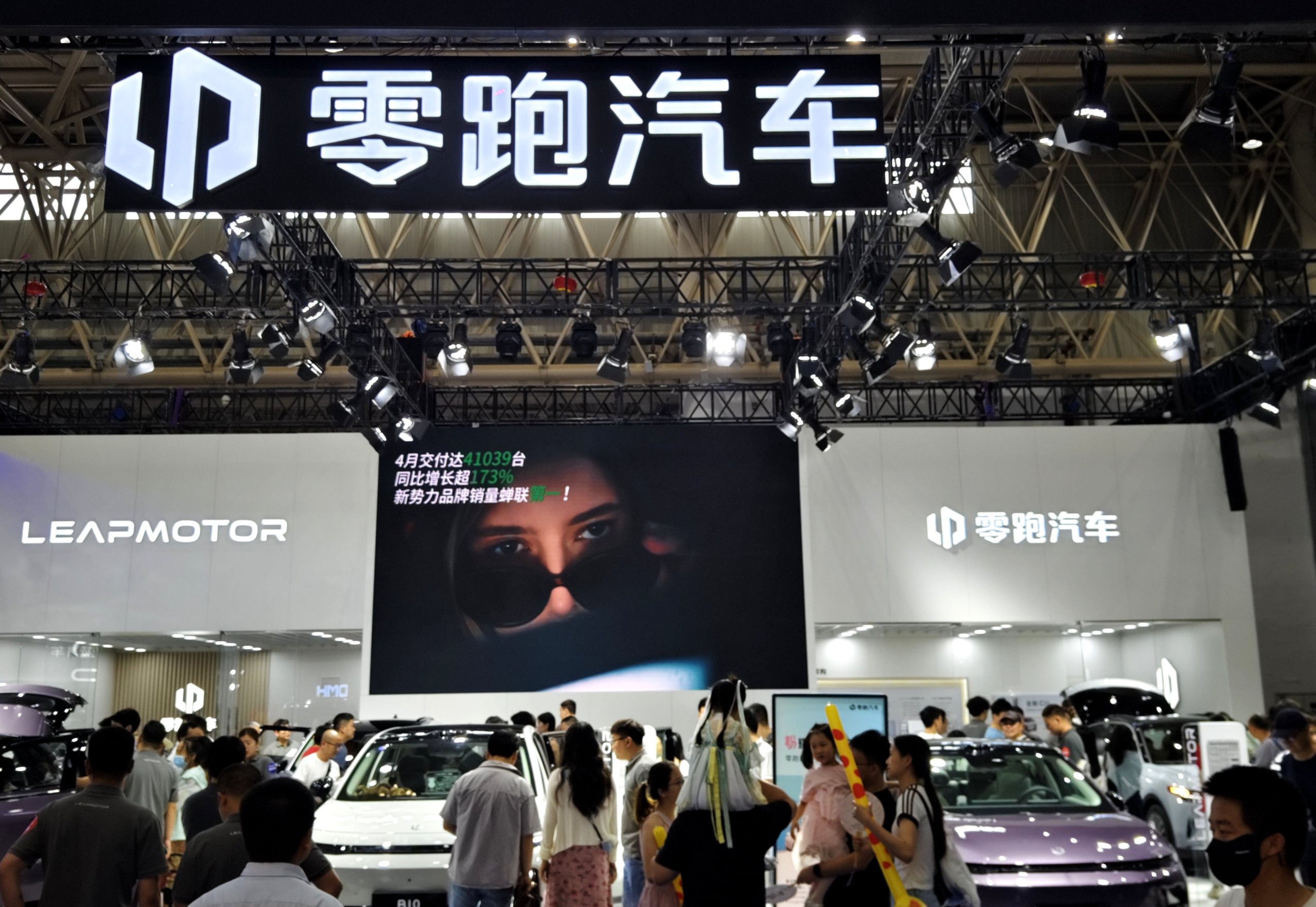
Core Viewpoint - Leapmotor has achieved significant growth in Q1, with revenue nearly doubling year-on-year, surpassing 10 billion yuan, and achieving a historical high gross margin of 15% despite being in a traditionally slow sales season [4][5]. Financial Performance - Leapmotor's Q1 revenue reached over 10 billion yuan, marking a nearly 100% year-on-year increase [4]. - The gross margin improved to 15%, driven by strategic cooperation income of approximately 300 million yuan, contributing around 200 million yuan to gross profit [4]. - Excluding the impact of cooperation, the actual gross margin was 13.3%, which still exceeded expectations and remained stable compared to the previous quarter [4][5]. Market Position and Strategy - Leapmotor has consistently outperformed market expectations for three consecutive quarters, with an increasing market share in the new energy vehicle sector [5]. - The company aims to achieve annual sales of 500,000 to 600,000 vehicles, targeting a gross margin of 10-12% and breakeven for the year [5][10]. - Leapmotor's sales structure has shifted, with a notable increase in the sales ratio of lower-priced models, contributing to a rise in average vehicle price by 3,000 yuan to 114,000 yuan [4]. Product Development and Sales Strategy - Leapmotor plans to launch several new models, including the B05 at the Chengdu Auto Show in August and updates to the C series in June and July [6]. - The company has set a sales target of 130,000 to 140,000 vehicles for Q2, translating to monthly sales of approximately 43,000 to 47,000 units [6]. - Leapmotor has become the sales champion among new car manufacturers in April, delivering 41,000 vehicles [6]. Expansion Plans - The company aims to expand its retail network to over 1,000 stores this year, enhancing its presence in key automotive markets [8]. - Leapmotor has revised its overseas sales target to 50,000 to 80,000 units, up from the initial estimate of 50,000 to 60,000 units, due to strong early performance [8][9]. - The company is accelerating its overseas channel development, with a net increase of 100 European channels in Q1, leveraging Stellantis' brand recognition for market entry [9]. Production and Supply Chain - Leapmotor is addressing battery production capacity issues that have affected the recent rollout of the B10 model, with expectations for resolution by late May [10]. - The company anticipates that the upcoming B01 model's launch and delivery will not be impacted by supply chain constraints, allowing for greater contribution from the B series to overall sales [10]. Market Outlook - Analysts suggest that Leapmotor has at least 30% growth potential in market valuation, positioning the company to reach a market capitalization of over 100 billion yuan [10].
Q1营收破百亿、毛利14.9%,朱江明:零跑和我都很好
Zhong Guo Jing Ji Wang· 2025-05-20 08:49
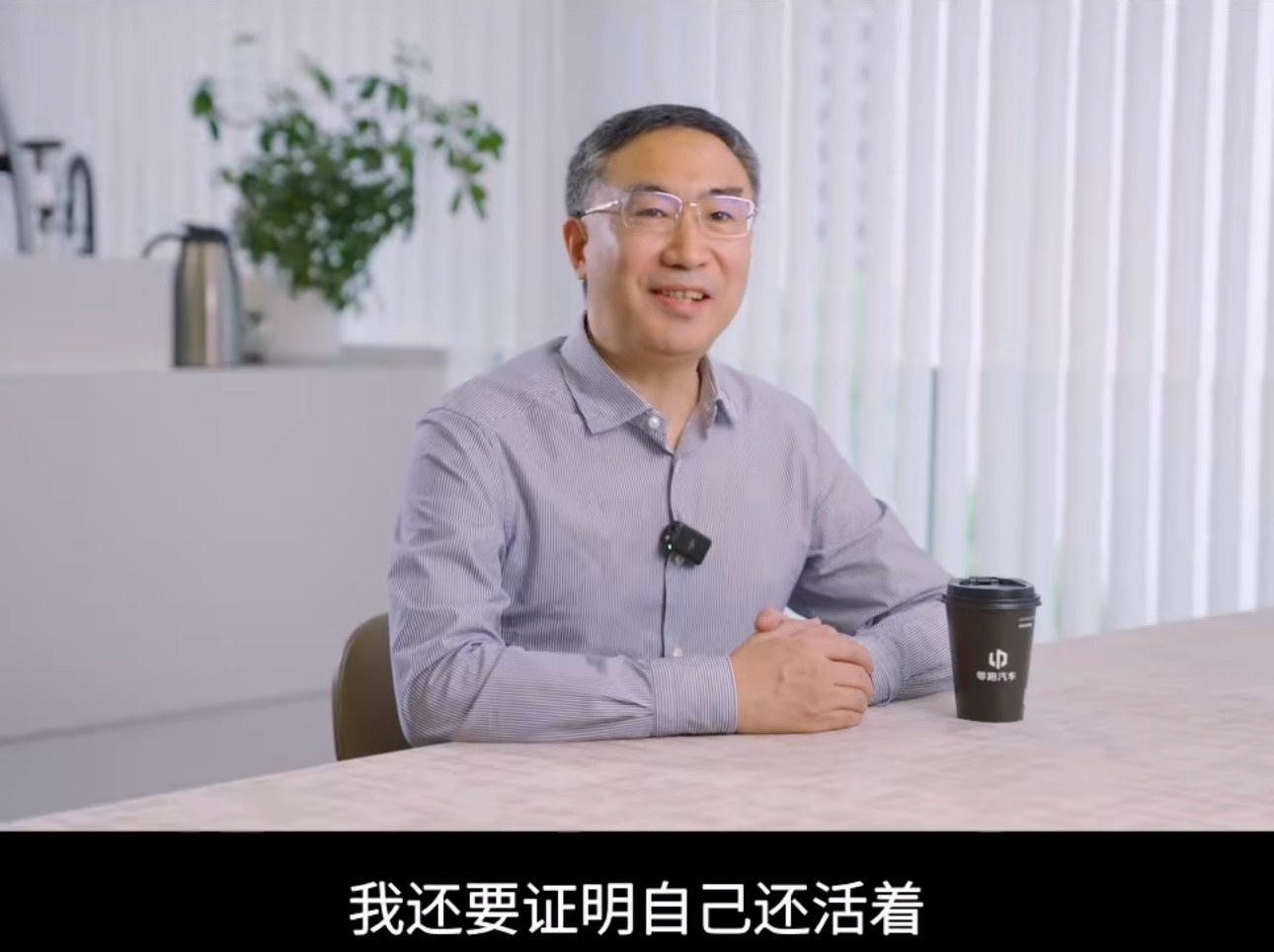
Core Insights - The founder and CEO of Leap Motor, Zhu Jiangming, addressed rumors about his death and highlighted the company's positive development, stating that both he and Leap Motor are thriving [1] - Leap Motor reported a revenue of 10.02 billion yuan for Q1 2025, marking a year-on-year increase of 187.1% and achieving a historical high gross margin of 14.9% [3] - Despite the revenue growth, Leap Motor recorded a loss of 130 million yuan for Q1, although this was an improvement compared to a profit of 80 million yuan in the previous quarter and a loss of 1.01 billion yuan in the same period last year [5] Financial Performance - Leap Motor's Q1 revenue surpassed 10 billion yuan, with a significant year-on-year growth of 187.1% [3] - The gross margin improved to 14.9%, addressing previous concerns about the company's profitability [3] - The company reported a loss of 130 million yuan for Q1, a reduction from the previous year's loss of 1.01 billion yuan [5] Market Position - Leap Motor achieved a sales volume of 87,552 vehicles in Q1, representing a year-on-year increase of 162% [5] - The company ranked first in sales among new car manufacturers in March and maintained this position in April [5] - Leap Motor exported 13,632 vehicles from January to April, making it the leading exporter among new car manufacturers [5] Stock Performance and Future Outlook - Following positive financial results, Leap Motor's stock price exceeded 60 HKD, doubling since the beginning of the year [6] - The company launched several strategic models, including the B10 and B01 in April, and the 2026 C10 in May, aiming for an annual sales target of 500,000 to 600,000 vehicles [6]
盈利拐点确立、估值反击战打响,市场热烈回应药师帮(09885)亿元回购
智通财经网· 2025-05-20 00:33
Core Viewpoint - The company, Yaoshi Bang, has initiated a share buyback plan of up to HKD 100 million, signaling strong market confidence and a commitment to enhancing shareholder value [1][3][8]. Group 1: Share Buyback and Management Actions - The company announced a share buyback plan to utilize up to HKD 100 million by October 31, 2025, and has already repurchased 3.707 million shares since the announcement, with a total expenditure exceeding HKD 27.74 million [1][3]. - Executive director Chen Fei increased his stake by purchasing 500,000 shares in April and an additional 100,000 shares on May 15 [2]. Group 2: Financial Performance and Growth - For the year 2024, the company reported a revenue of CNY 17.904 billion, a year-on-year increase of 5.5%, significantly outperforming the industry average [4]. - The company achieved a net profit of CNY 30.01 million, marking its first full-year profit, with adjusted net profit reaching CNY 157 million, a 20.1% increase year-on-year [4][5]. - Operating cash flow remained positive at CNY 656 million, reflecting a 45% year-on-year growth, indicating strong financial health [4][6]. Group 3: Operational Efficiency and Market Position - The company has a healthy debt structure with total liabilities of CNY 4.226 billion, primarily consisting of accounts payable [6]. - The company maintains a unique cash cycle with inventory turnover days of approximately 30 days and accounts receivable turnover days close to zero, allowing for efficient cash management [6]. - As of December 2024, the company had over 827,000 registered buyers, covering 98.9% of counties and 91.2% of townships in China, with a monthly active buyer count of 433,000 and a payment rate of 92.7% [4]. Group 4: Future Growth Potential - The company is positioned for significant growth with a projected compound annual growth rate of 145% in net profit from 2024 to 2027, driven by the successful implementation of high-margin proprietary brand initiatives [8][9]. - The ongoing optimization of grassroots medical resource allocation in China is expected to further enhance the company's growth prospects, as it stands to benefit from increased demand in the pharmaceutical procurement sector [9].
海天国际(01882.HK):营收稳健增长 全球化布局加速
Ge Long Hui· 2025-05-19 01:34
Core Viewpoint - The injection molding machine industry is experiencing high demand, leading to significant revenue growth for the company in 2024, with projected revenue of 16.128 billion yuan, a year-on-year increase of 23.37% [1] Revenue and Profit Analysis - In 2024, the company expects to achieve a revenue of 16.128 billion yuan, with a gross profit of 5.236 billion yuan and a net profit attributable to shareholders of 3.08 billion yuan, reflecting year-on-year increases of 24.65% and 23.63% respectively [1] - The injection molding machine segment is projected to generate 15.405 billion yuan in revenue, up 23.77% year-on-year, while components and services are expected to contribute 723 million yuan, a 16.18% increase [2] - Domestic revenue is anticipated to reach 10.112 billion yuan, a 27.73% increase, while overseas revenue is expected to be 6.016 billion yuan, up 16.76% [2] Margin and Cost Management - The company's gross margin is projected to be 32.46%, a slight increase of 0.32 percentage points year-on-year, attributed to full order books and improved capacity utilization [3] - The company has successfully reduced its expense ratios, with a sales expense ratio of 7.91% (down 0.71 percentage points) and an administrative expense ratio of 6.43% (down 0.36 percentage points) [3] - The net cash flow from operating activities is expected to be 2.101 billion yuan, a year-on-year increase of 4.41%, indicating improved cash flow management [3] Product Development and Market Expansion - The company has accelerated new product iterations, launching a new generation of machines that enhance performance and energy efficiency, targeting both high-end and lower-tier markets [4] - The company has established a comprehensive global presence with six regional management centers, five manufacturing centers, and nine application service experience centers, positioning itself for continued overseas revenue growth [4] Profit Forecast and Investment Rating - The company has revised its net profit forecasts for 2025-2026 to 3.522 billion yuan and 3.908 billion yuan respectively, with a projected net profit of 4.294 billion yuan for 2027, maintaining a "buy" rating [4]

零食界“蜜雪冰城”冲击上市 鸣鸣很忙不能只靠“薄利”
Bei Jing Shang Bao· 2025-05-18 14:18
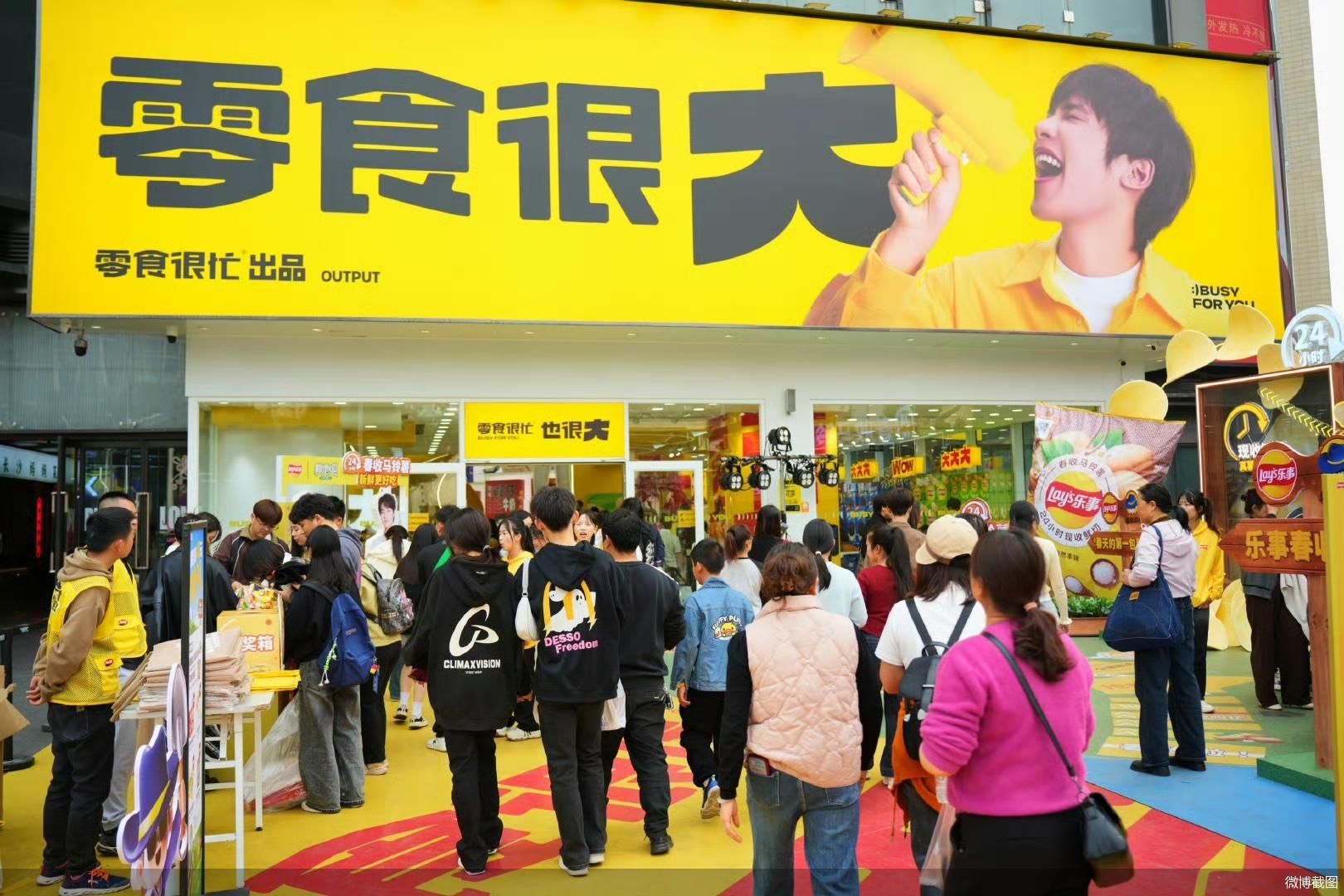
Core Viewpoint - The company "Mingming Hen Mang" is attempting to enter the Hong Kong stock market, showcasing impressive growth metrics such as over 14,000 stores and a GMV of 55.5 billion yuan for 2024, but struggles with low profit margins, with gross margins below 8% and net profit margins around 2% [1][4][9]. Group 1: Company Growth and Expansion - Mingming Hen Mang has rapidly expanded its store count from 6,585 in 2023 to 14,394 in 2024, covering 28 provinces and all tiered cities, with approximately 58% of stores located in county and town areas [3][4]. - The company operates primarily through a franchise model, opening an average of 22 new stores daily in 2024, contributing to a GMV of 55.5 billion yuan [3][4]. Group 2: Financial Performance - The financial performance of Mingming Hen Mang shows a gross margin of 7.5% in 2022, 7.5% in 2023, and 7.6% in 2024, with net profit margins of 1.7%, 2.1%, and 2.1% respectively, indicating limited improvement despite increased store numbers [4][5]. - The company's revenue model relies heavily on product sales to franchise and direct stores, with less than 0.5% of revenue coming from franchise fees, which limits profit margins [5][9]. Group 3: Industry Challenges - The low-margin business model is a common issue in the discount retail sector, particularly as competition increases and the company's competitive edge diminishes [7][11]. - The shift towards a multi-category retail model introduces operational complexities and risks, such as increased supply chain management challenges and higher loss rates for non-standard products [8][9]. Group 4: Future Outlook and Strategies - The domestic snack market is projected to grow from 2.9 trillion yuan in 2019 to 3.7 trillion yuan in 2024, with a compound annual growth rate of 5.5%, indicating potential for future growth despite increasing competition [10]. - The upcoming IPO is expected to provide financial support for enhancing supply chain capabilities, product development, and brand promotion, which are crucial for improving profitability [10][11].
日月股份:25Q1收入高速增长,看好规模效应带来盈利拐点-20250518
Tianfeng Securities· 2025-05-18 10:45
Investment Rating - The report maintains a "Buy" rating for the company, with a target price set at 12.25 CNY and an expected relative return of 10%-20% over the next six months [6][16]. Core Views - The company is positioned as a leading supplier in the wind power casting and injection molding market, benefiting from high growth in wind power installations and significant increases in shipment volumes. The report anticipates a turning point in profitability driven by scale effects [4][2]. - The company achieved a revenue of 4.70 billion CNY in 2024, a year-on-year increase of 0.87%, and a net profit of 623.81 million CNY, reflecting a growth of 29.55% compared to the previous year [1][5]. Financial Performance Summary - In Q1 2025, the company reported a revenue of 1.30 billion CNY, marking an impressive year-on-year growth of 86.41%, with a net profit of 121 million CNY, up 39.14% [1]. - The gross margin for 2024 was 17.34%, a decrease of 1.32 percentage points year-on-year, while the net margin improved to 13.11%, an increase of 2.83 percentage points [3]. - The total operating costs for 2024 were 4.29 billion CNY, up 2.44% from the previous year, primarily due to increased production and depreciation costs [3]. Capacity Expansion and Industry Outlook - As of December 31, 2024, the company has established an annual production capacity exceeding 700,000 tons, positioning itself as a major supplier in the global wind power casting market [2]. - The wind power industry is entering a new growth phase, driven by the implementation of large-scale and lightweight technology, with cumulative bidding volumes reaching new highs [2].
